Bierol sits in Schwoich, a quiet Tirolean village in the Inn Valley where the sourcing logic of Alpine cooking is literal rather than aspirational. The address alone, Sonnendorf 27, in a hamlet surrounded by mountain pasture and river farmland, places it inside a regional dining tradition that treats proximity to ingredients as a structural fact, not a marketing position. For travellers moving through Tyrol's serious restaurant circuit, it belongs on the itinerary.
Pearl is the En Primeur Club membership app — saves, bookings, and concierge access live there. Same editors, same standards.
- Address
- Sonnendorf 27, 6334 Schwoich, Austria
- Phone
- +436604977795
- Website
- bierol.at
- Directions
- Get directions
 Saves & bookings on Pearl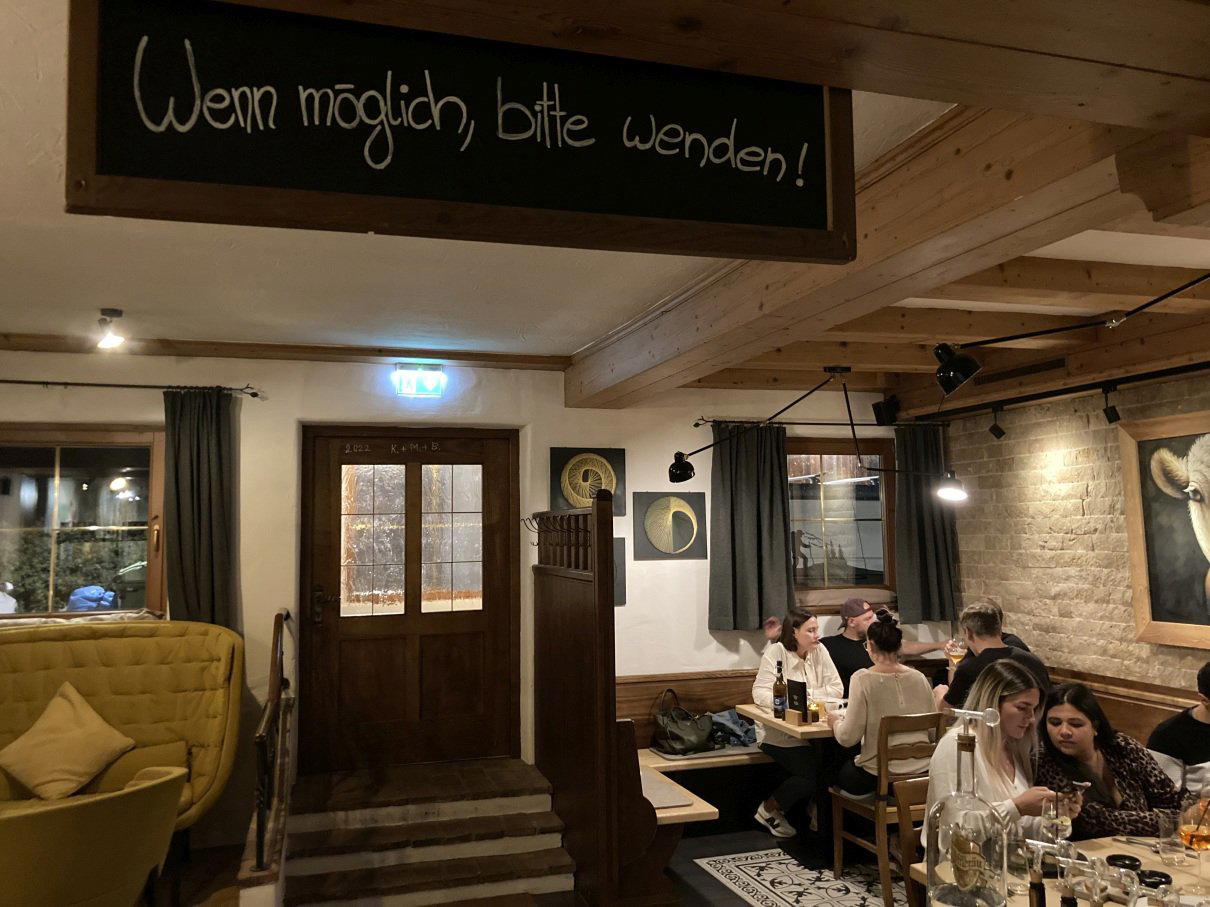
Where the Inn Valley Sets the Table
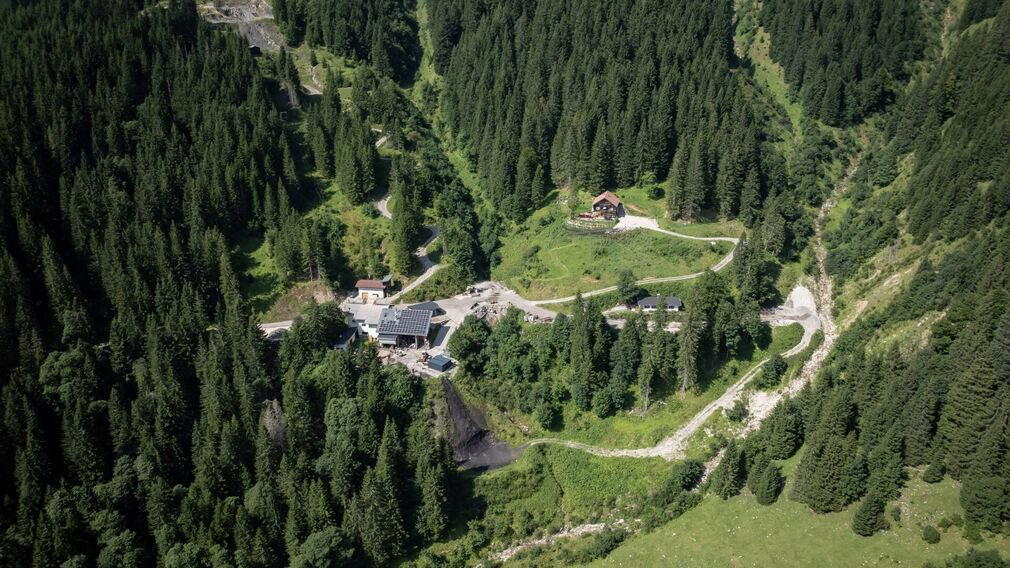
Schwoich sits in the lower Inn Valley east of Kufstein, a stretch of Tyrol where the landscape does not perform for visitors. The villages here are working places, farms on the valley floor, timber operations on the lower slopes, pasture running up toward the Kaisergebirge. It is in this context that Bierol, at Sonnendorf 27, makes its case as an Austrian Craft Brewery Gastropub in Schwoich. Tirolean cooking at its most rigorous has always been a product of altitude, season, and proximity rather than technique borrowed from elsewhere. Restaurants that operate inside that logic tend to read differently from the moment you approach them: the building sits in the village rather than above it, the sourcing radius is short enough to be walked, and the menu follows what the surrounding terrain produces rather than what a global supply chain can deliver.
That physical situatedness matters more than it might in a city context. Austrian alpine dining has split in recent years between destinations that use mountain imagery as a backdrop for cosmopolitan menus and those that take the mountains as a genuine constraint and starting point. The latter category, running from Döllerer in Golling an der Salzach through to herb-forward formats like Kräuterreich by Vitus Winkler in Sankt Veit im Pongau, treats regional sourcing as the editorial frame for every plate. Bierol's address in Schwoich places it in that conversation, even if its profile remains quieter than those more widely documented peers.
Sourcing at Altitude: What the Inn Valley Produces
The Inn Valley between Kufstein and Innsbruck is not a glamour region for Austrian food tourism the way the Wachau or Salzburger Land can be, but that relative anonymity has a practical benefit: producers here are supplying local trade rather than curating for outside attention. Dairy from the valley floor, game from the Kaisergebirge, freshwater fish from mountain tributaries, and foraged material from the lower alpine zones are all within a short radius of Schwoich. The seasonal rhythm is sharp at this elevation, spring comes late, the growing window is compressed, and autumn produces a concentration of mushroom, game, and root vegetable that has shaped Tyrolean cooking for centuries.
This ingredient logic is what distinguishes the more serious Tyrolean table from its imitations. At restaurants like Schwarzer Adler in Hall in Tirol or Restaurant 141 by Joachim Jaud in Mieming, the regional sourcing conversation is documented and verifiable. In smaller village operations, the same logic operates without the accompanying press apparatus. Bierol sits in that second group, a local address serving a region whose produce calendar is inherently specific and where the connection between what grows nearby and what arrives on the plate is a structural feature of the cooking rather than a seasonal promotional angle.
Austria's most acclaimed tables have long understood this. Steirereck im Stadtpark in Vienna built its international reputation partly on an obsessive engagement with Austrian regional producers. Landhaus Bacher in Mautern an der Donau and Obauer in Werfen have both demonstrated that classical Austrian cooking gains authority from tight geographical sourcing rather than losing it. What those examples prove for the wider circuit, Bierol's Schwoich location enacts at a more intimate, village scale.
The Schwoich Dining Scene in Context
Schwoich is not a dining destination in the sense that Lech or Ischgl are, where restaurant ambition is partly a function of high-spend ski tourism and where places like Griggeler Stuba in Lech or Stüva in Ischgl operate inside a resort economy with its own price logic. Schwoich is a village of fewer than two thousand residents, and its restaurant offerings are proportionally modest. That means the serious options are few, the local regulars are consistent, and the places that do attract visitors from outside the valley tend to earn that attention through quality rather than marketing.
For the traveller already in the Inn Valley region, Schwoich is accessible from Kufstein in under fifteen minutes by road, and from Innsbruck in roughly forty. The village is not served by rail, so arrival by car is the practical default. Zur Liná represents the other documented dining option in the village, and between the two, Schwoich offers more per capita than its size would suggest. For a fuller picture of what the area supports,
The comparison set for Bierol's category is better understood by looking at the Tyrolean and Salzburg regional circuits as a whole. Gourmetrestaurant Tannenhof in Sankt Anton am Arlberg operates at the resort-adjacent end of the spectrum. Ikarus in Salzburg and Atelier Fischer in Sankt Gilgen anchor the Salzburg end of the western Austrian dining arc. Ois in Neufelden and Taubenkobel in Schützen am Gebirge operate in different regional registers but share the same underlying priority: that Austrian cooking earns its authority from specificity of place. Bierol's Schwoich address is, in that sense, a credential in itself.
Planning a Visit
Schwoich is best approached as part of a broader Inn Valley or Kufstein itinerary rather than as a standalone destination. The village is reachable by car from Kufstein town in under fifteen minutes, and it sits within comfortable day-trip range of Innsbruck. Bierol is recommended for reservations, and casual dress is appropriate. Alpine restaurants at this scale frequently operate on reduced schedules in shoulder seasons, and confirming service days in advance avoids wasted travel.
Side-by-Side Snapshot
Comparable venues nearby, for context on price, style, and recognition.
| Venue | Cuisine | Price | Notes |
|---|---|---|---|
| BierolThis venue — the venue you are viewing | Austrian Craft Brewery Gastropub | $$$ | Not listed |
| zur LINÄ | Austrian Brewery Taproom | $$ | Schwoich |
| Die Krummerei | Modern Austrian with Traditional Tyrolean Influences | $$$ | Soll village center |
| Genusswerkstatt Zillertal | Modern Austrian with Regional Specialties | $$$ | Uderns |
| Gruenauerhof | Traditional Austrian with Modern Influences | $$$ | Wals-Siezenheim |
| Wiegalm | Austrian Mountain Hut | $$$ | Sonnberg |
Continue exploring
More in Schwoich
Restaurants in Schwoich
Browse all →
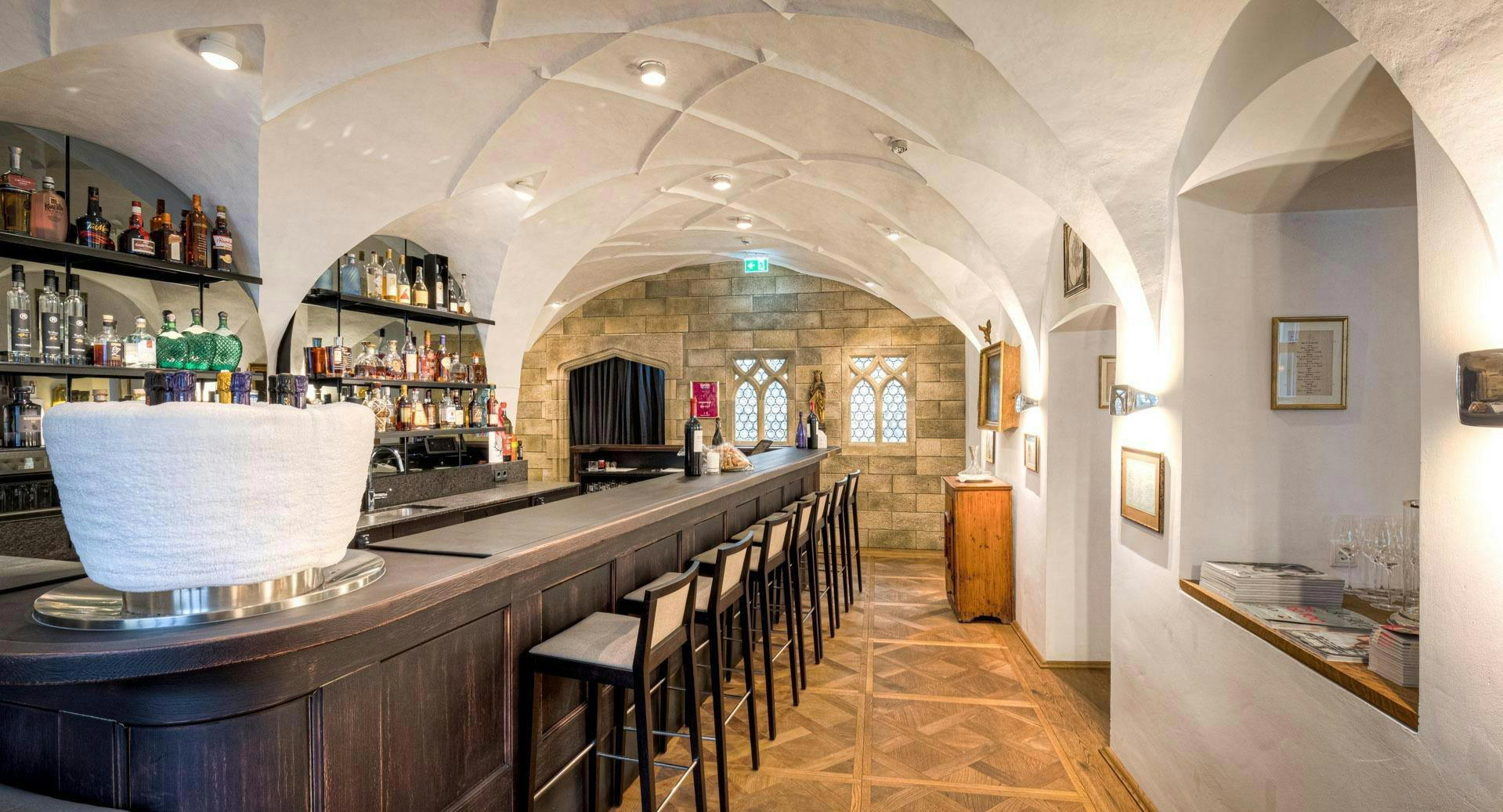
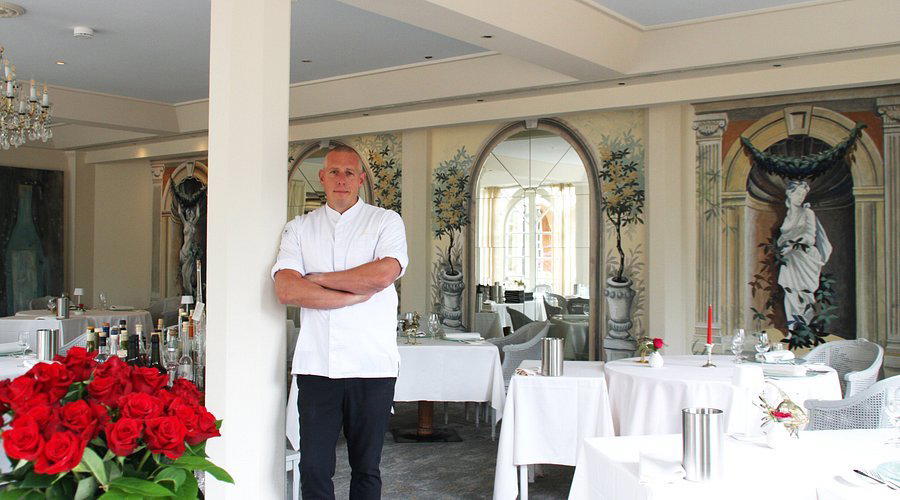
Bars in Schwoich
Browse all →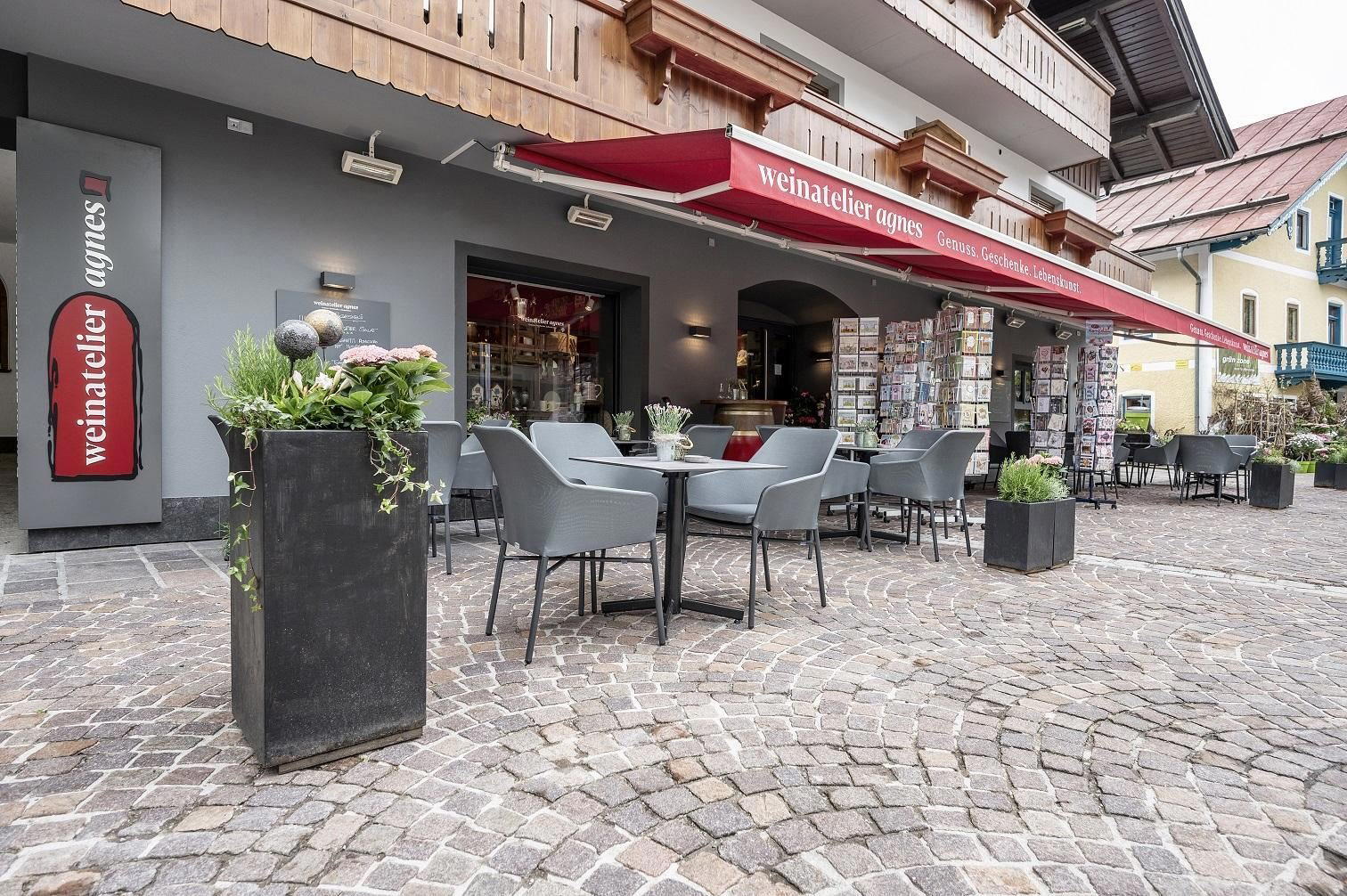
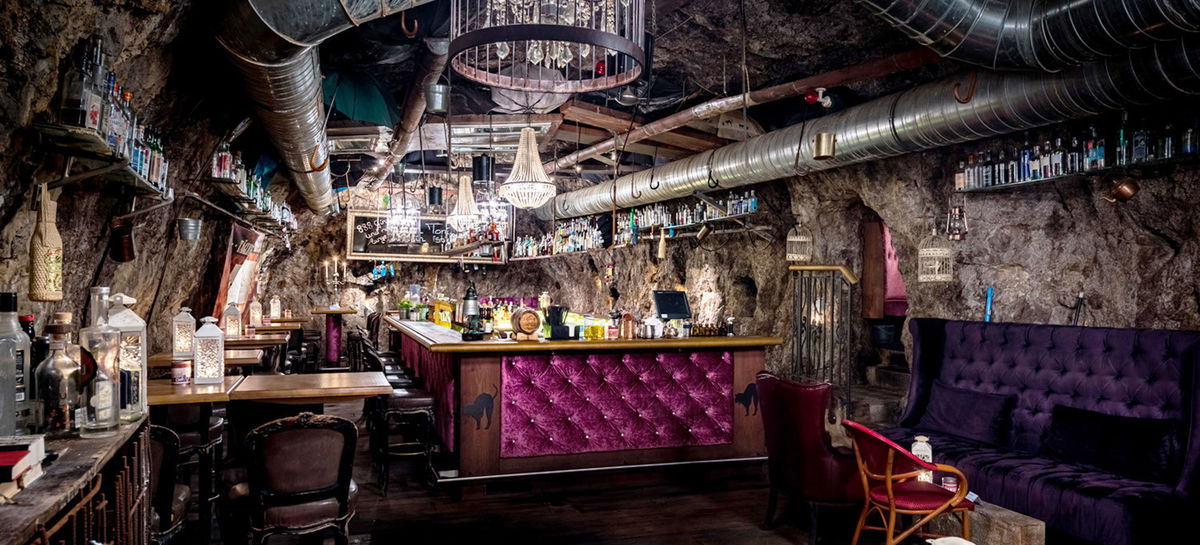
Hotels in Schwoich
Browse all →

At a Glance
- Cozy
- Rustic
- Lively
- Intimate
- Date Night
- Group Dining
- Celebration
- Casual Hangout
- Special Occasion
- Live Music
- Open Kitchen
- Standalone
- Beer Program
- Craft Cocktails
- Local Sourcing
- Farm To Table
Warm and inviting with a large fireplace, tastefully decorated interior blending traditional and modern elements, cozy seating areas around the fire, and a relaxed yet refined atmosphere.