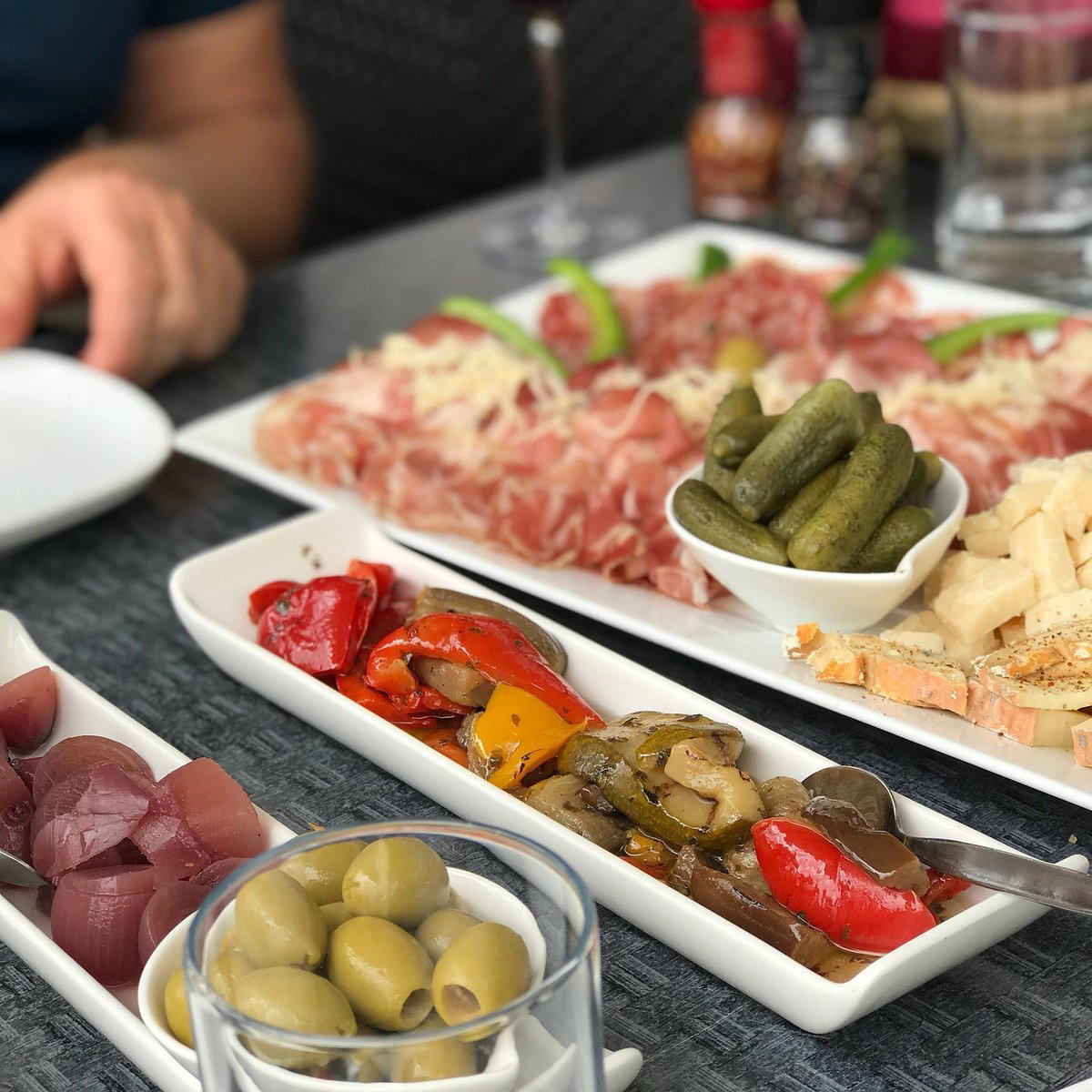
Genusswerkstatt Zillertal sits in Uderns at the quieter eastern end of Austria's Zillertal valley, a region where alpine ingredient traditions run deep and the distance from urban dining circuits tends to sharpen culinary focus. The name translates loosely as 'pleasure workshop,' a framing that positions the kitchen as a place of craft rather than spectacle. For context on the broader Austrian fine dining circuit, see our full Uderns restaurants guide.
Pearl is the En Primeur Club membership app — saves, bookings, and concierge access live there. Same editors, same standards.
- Address
- 6271, Golfstraße 1, 6271 Uderns, Austria
- Phone
- +43528863000508
- Website
- genusswerkstatt-zillertal.at
- Directions
- Get directions
 Saves & bookings on Pearl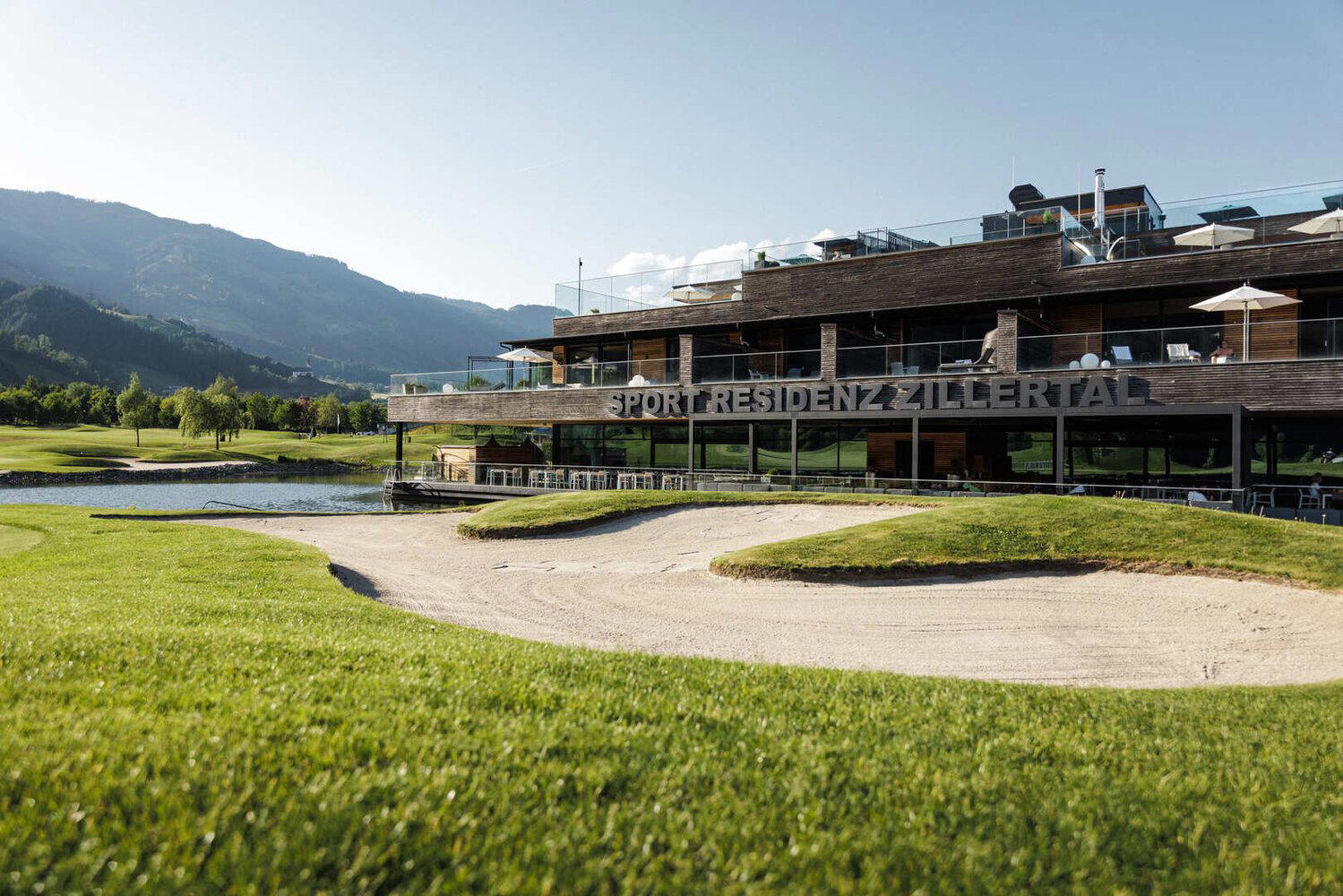
Where the Zillertal's Ingredient Traditions Meet the Table
The Zillertal is not the first valley that comes to mind when Austrian fine dining is discussed. That conversation tends to start in Vienna or Salzburg, move through the Wachau, and occasionally reach the Arlberg. The eastern Tyrolean valleys sit at a different remove, geographically and temperamentally. Uderns, a village on the valley floor between Fügen and Zell am Ziller, has the kind of agricultural quietness that once kept serious restaurants from settling here and now, in a different era, makes the arrival of a place called Genusswerkstatt Zillertal feel pointed rather than accidental.
The name itself carries an argument. Genusswerkstatt, pleasure workshop, sets up an expectation of craft over theatre, of production over performance. In the broader Austrian context, that framing places the kitchen in a lineage that runs through producers-first establishments: the kind of thinking visible at Döllerer in Golling an der Salzach, where the menu is inseparable from the alpine ingredient geography around it, or at Taubenkobel in Schützen am Gebirge, where regional sourcing acts as the foundation for contemporary technique.
The Alpine Ingredient Geography
Tyrol's food identity has always been organised around altitude and season. The valley floor produces dairy, root vegetables, and grain; the middle elevations bring mountain herbs, wild mushrooms, and game; the high pastures deliver the milk that makes Tyrolean cheeses distinct from their lowland counterparts. A kitchen in the Zillertal that takes its sourcing seriously has access to a vertical pantry compressed into a relatively small geographic radius, a structural advantage that kitchens in Vienna or Innsbruck cannot fully replicate regardless of logistics.
This matters because it shapes not just what appears on the plate but the cooking logic behind it. Alpine ingredient traditions tend toward preservation, fermentation, and fat, techniques born of seasonal scarcity that, when applied with precision, produce flavours that are dense rather than delicate. The better mountain kitchens in Austria have learned to hold that density against modern techniques without flattening it. Gourmetrestaurant Tannenhof in Sankt Anton am Arlberg and Stüva in Ischgl represent that calibration at the recognised end of the Tyrolean dining spectrum. Genusswerkstatt Zillertal operates in a less publicised part of the same geographic conversation.
The Setting and the Approach
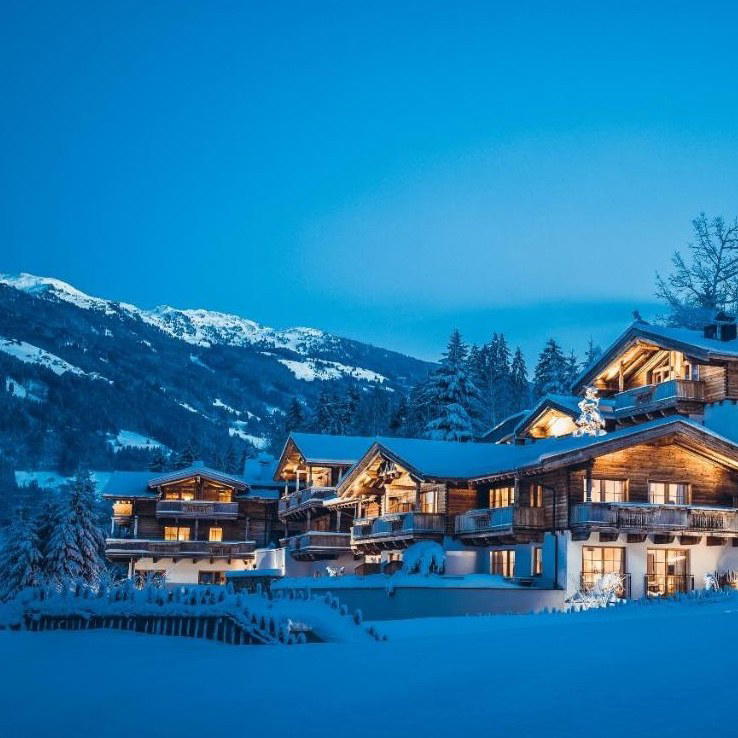
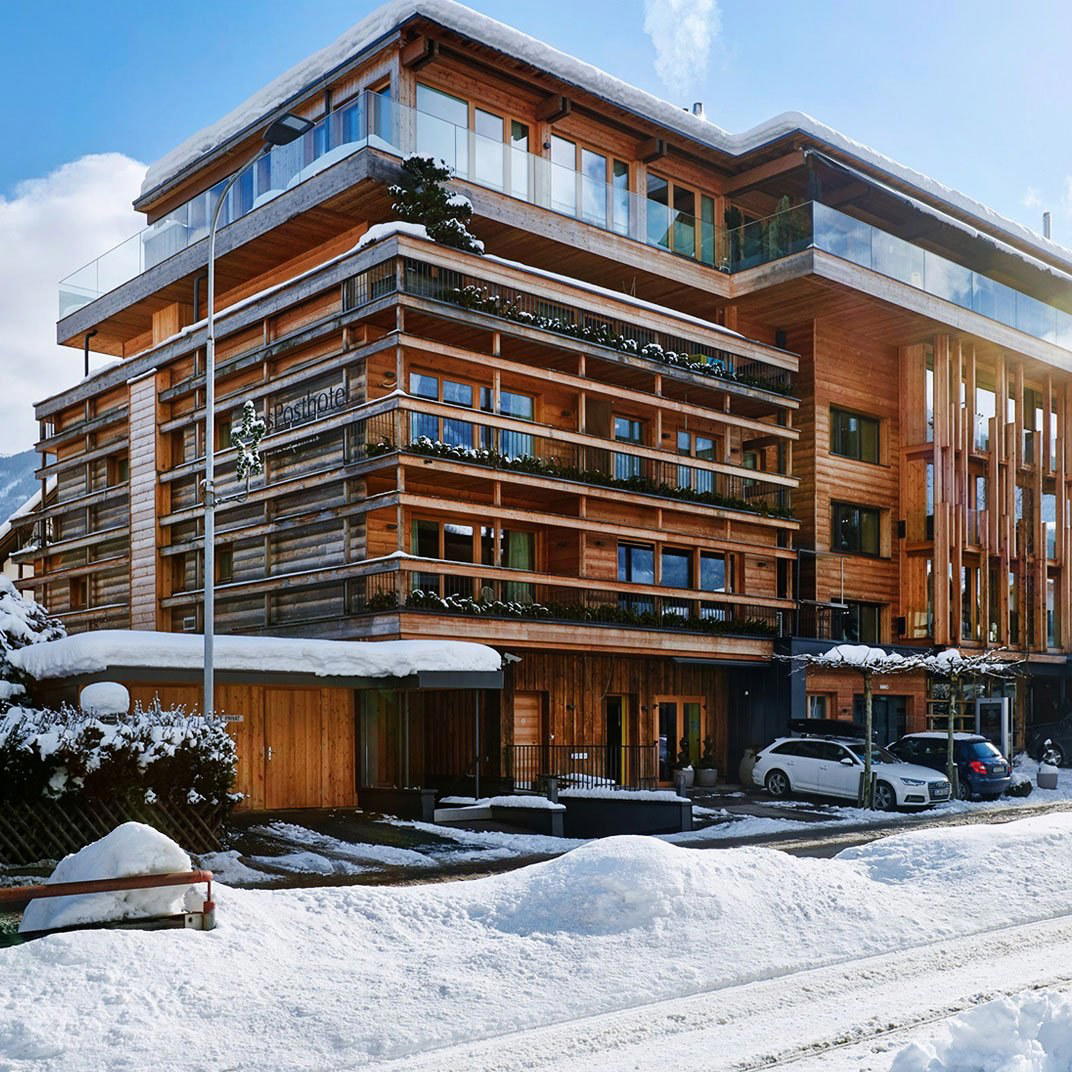
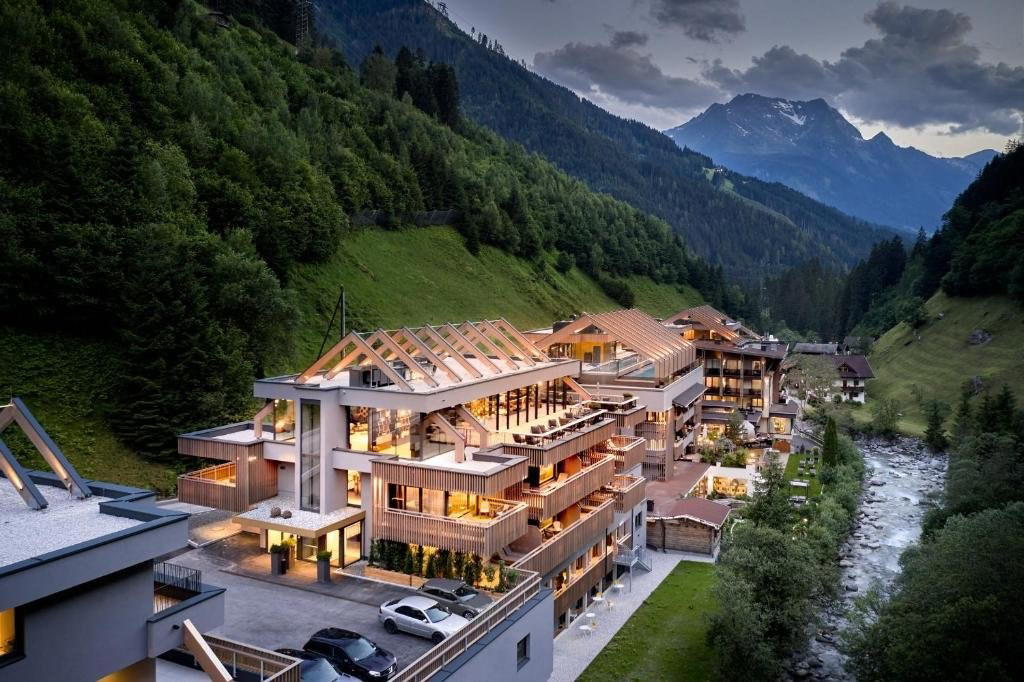
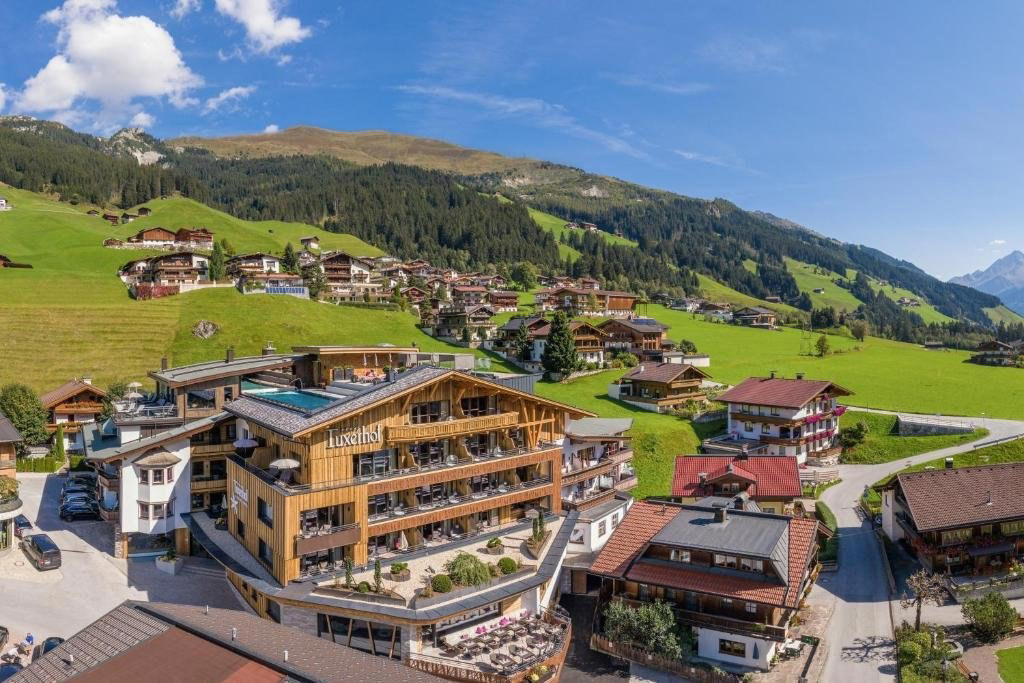
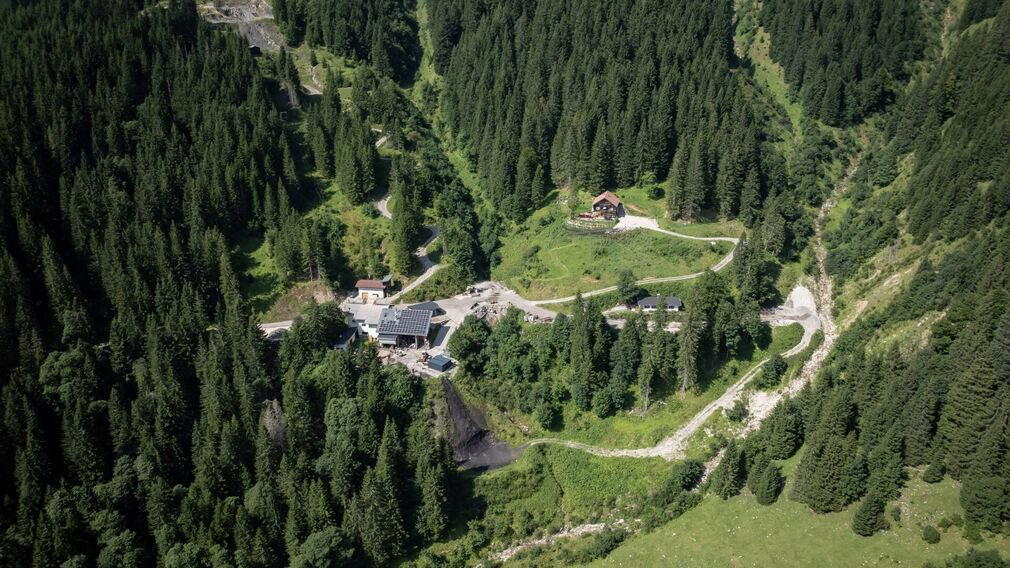
The address on Golfstraße places the restaurant close to the valley's recreational infrastructure, the golf courses and spa facilities that draw a particular kind of Central European leisure traveller to the Zillertal outside ski season. That context is worth noting, because it defines the ambient tone of the room. This is not a destination that has positioned itself against its surroundings; it has grown from them. The approach road gives onto an alpine setting typical of the lower Zillertal: managed green space, mountain backdrop, the kind of visual framing that Austrian valleys do without effort.
Inside, the cooking logic of a Werkstatt, a workshop, implies a kitchen that treats its raw materials as the starting point rather than the finish. The parallel in the international fine dining conversation appears at places like Lazy Bear in San Francisco, where the communal, craft-focused format foregrounds process, or at Le Bernardin in New York City, where ingredient identity drives every decision. The scale and register differ enormously, but the underlying premise, that sourcing discipline is inseparable from cooking quality, crosses culinary contexts.
Where This Kitchen Sits in the Austrian Fine Dining Circuit
Austria's recognised fine dining tier is anchored by a handful of institutions. Steirereck im Stadtpark in Vienna and Landhaus Bacher in Mautern an der Donau operate at the summit of the formal critical hierarchy. Obauer in Werfen and Ikarus in Salzburg sit in a bracket that commands significant international attention. Below and around that tier, a secondary layer of regionally embedded kitchens does work that the award circuits don't always reach, partly because of geography, partly because the dining rooms are smaller and the marketing quieter.
Genusswerkstatt Zillertal operates in that secondary layer, alongside Tyrolean and Salzburg peers such as Kräuterreich by Vitus Winkler in Sankt Veit im Pongau and Atelier Fischer in Sankt Gilgen. In the Austrian alpine context, some ingredient-focused kitchens build their reputations quietly, without formal recognition. What the name and location together suggest is a kitchen operating with a defined sourcing logic and a regional identity that the broader dining press has not yet placed under full scrutiny.
For Tyrolean dining more broadly, Schwarzer Adler in Hall in Tirol and Restaurant 141 by Joachim Jaud in Mieming represent the region's documented high end, with regional sourcing credentials that the critical conversation has caught up to. The restaurant belongs to a set of establishments whose editorial record is thinner but whose local standing in the Zillertal appears grounded. Ois in Neufelden and Griggeler Stuba in Lech offer useful comparisons in how alpine kitchens at different price points frame their regional ingredient identities for visiting and local guests alike.
Planning a Visit
Uderns sits roughly midway along the Zillertal, accessible from Innsbruck in under an hour by car via the A12 motorway and the B169 valley road. The Zillertal has its own narrow-gauge railway from Jenbach, which covers the valley floor and stops at Fügen-Hart, the closest station to Uderns. Visiting outside peak ski season, particularly in late spring and early autumn, means lighter road traffic and a quieter valley character that suits the Genusswerkstatt's unhurried register. The restaurant is recommended for reservations and serves dinner-friendly hours throughout the week, with smart casual dress fitting the room.
Fast Comparison
Comparable venues nearby, for context on price, style, and recognition.
| Venue | Cuisine | Price | Notes |
|---|---|---|---|
| Genusswerkstatt ZillertalThis venue — the venue you are viewing | Modern Austrian with Regional Specialties | $$$ | Not listed |
| Das Steghaus am Schwarzsee | Modern Austrian with Mediterranean Influences | $$$ | Schwarzsee |
| Gasthaus Bärenbichl | Traditional Tyrolean Regional Cuisine | $$$ | Jochberg |
| Jedermann's | Austrian | $$ | Innsbruck city center |
| Restaurant Café Arkadenhof | Modern Tyrolean with International Influences | $$$ | Innsbruck City Center |
| Berghof | Modern Tyrolean with International Influences | $$$$ | Tux |
Continue exploring
More in Uderns
Restaurants in Uderns
Browse all →
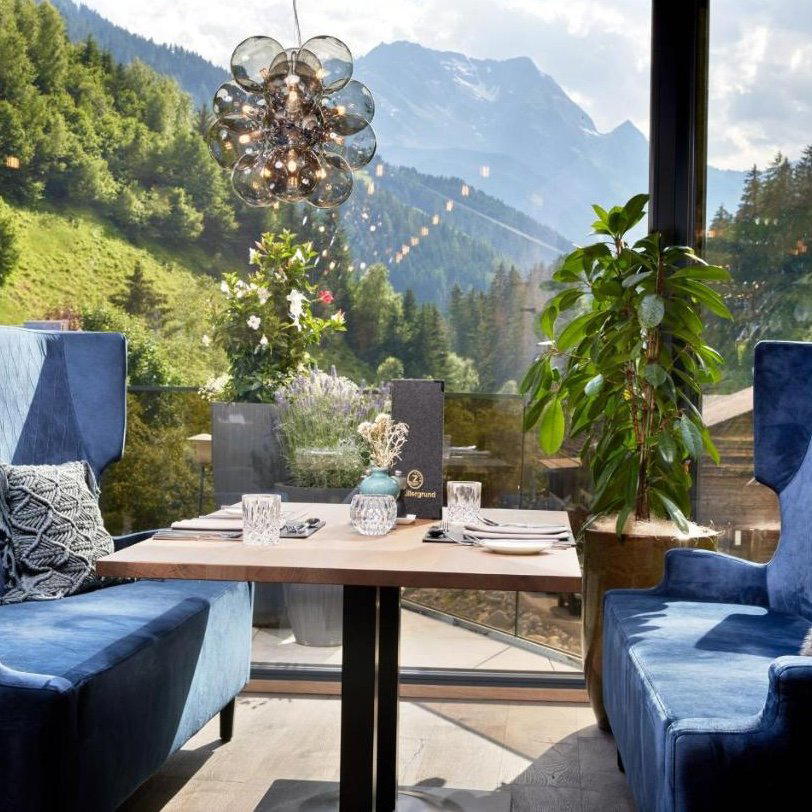
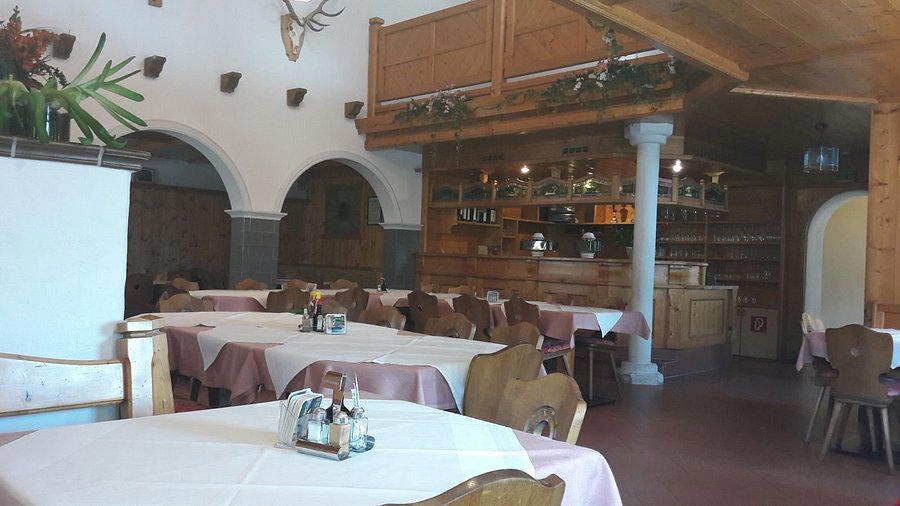
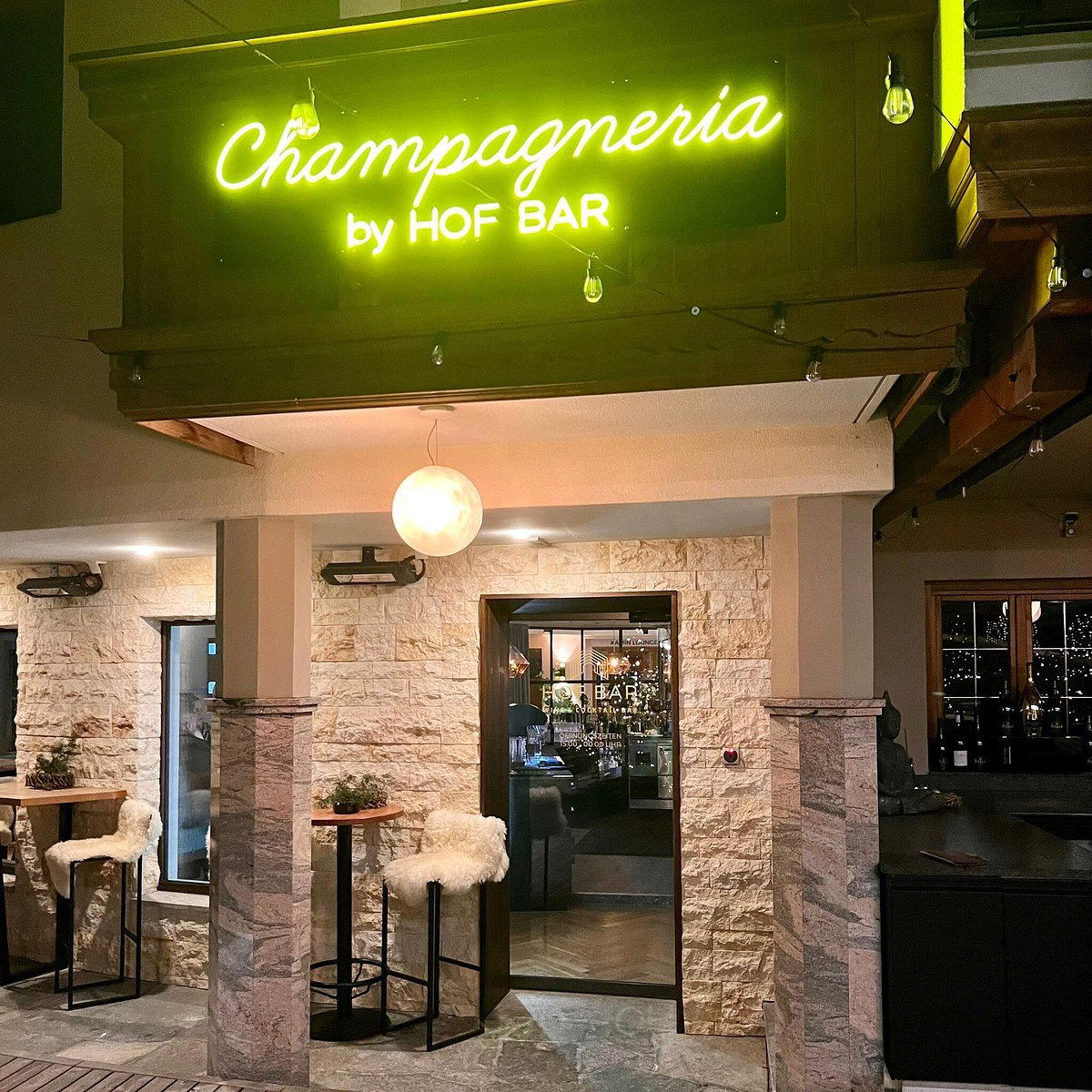
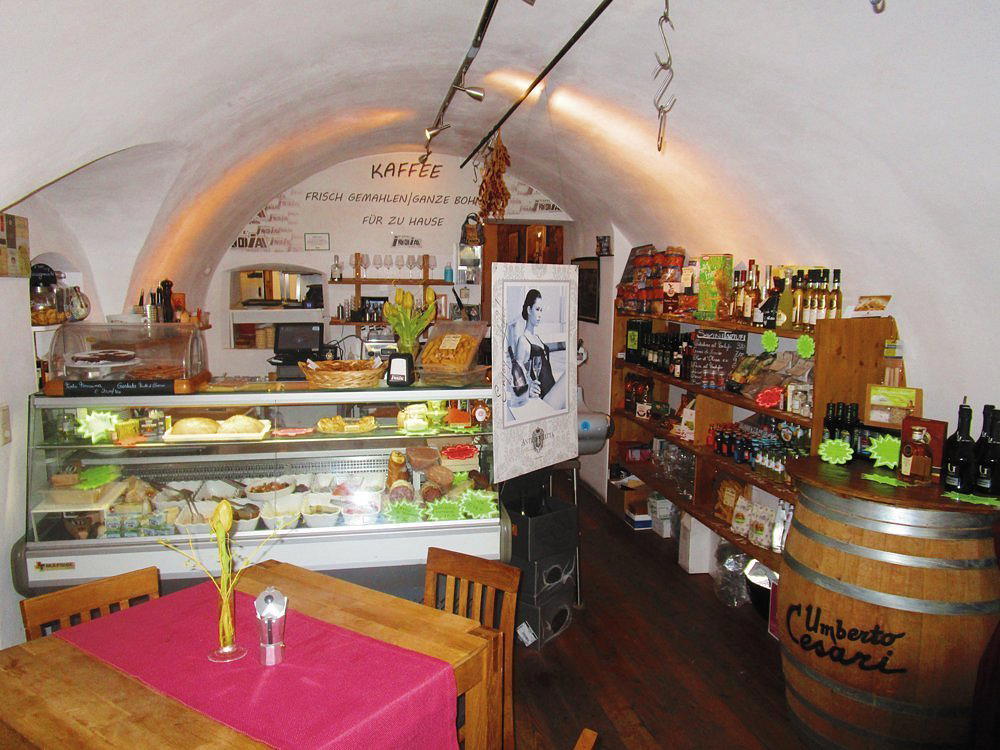
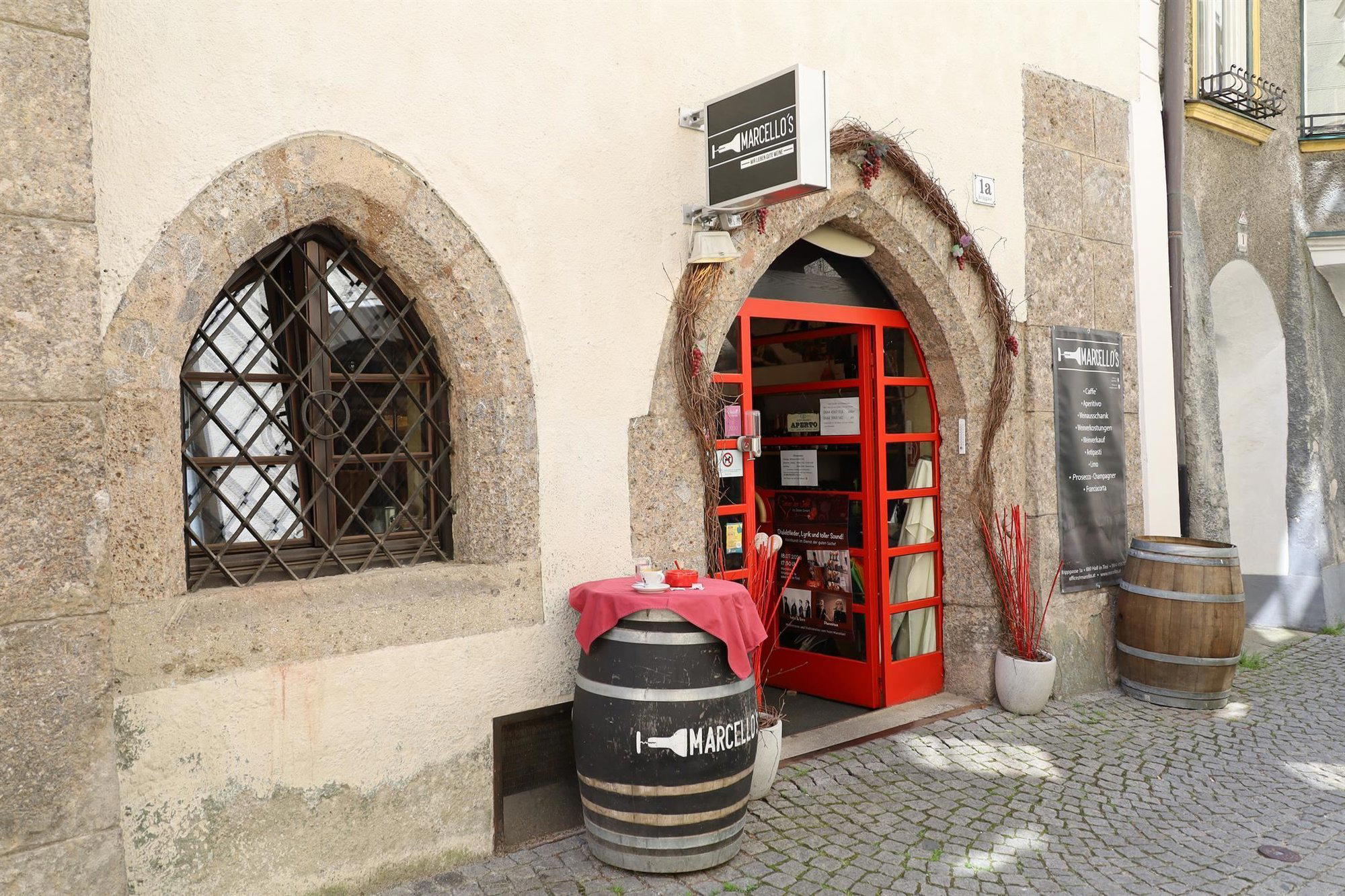
Bars in Uderns
Browse all →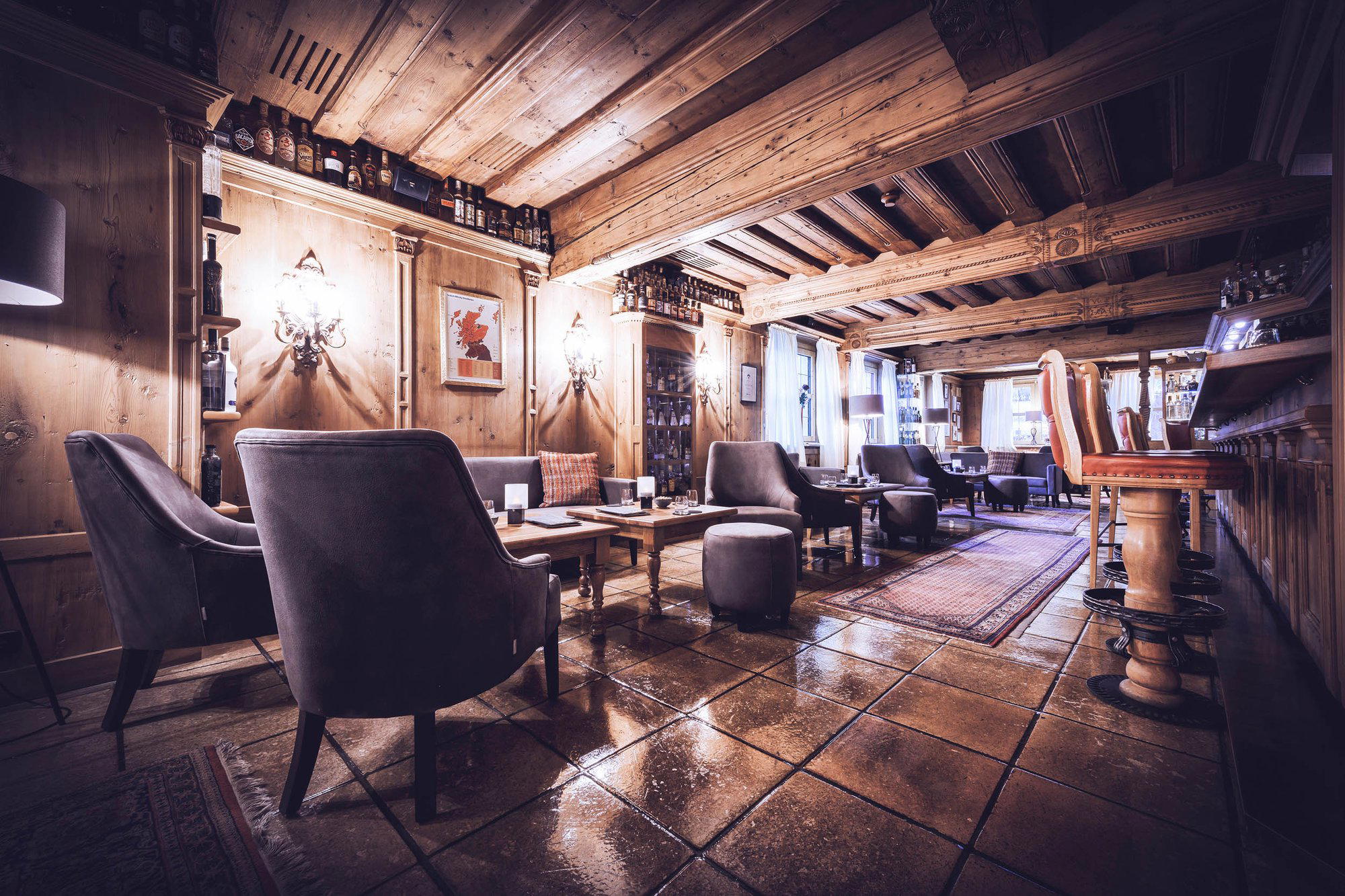
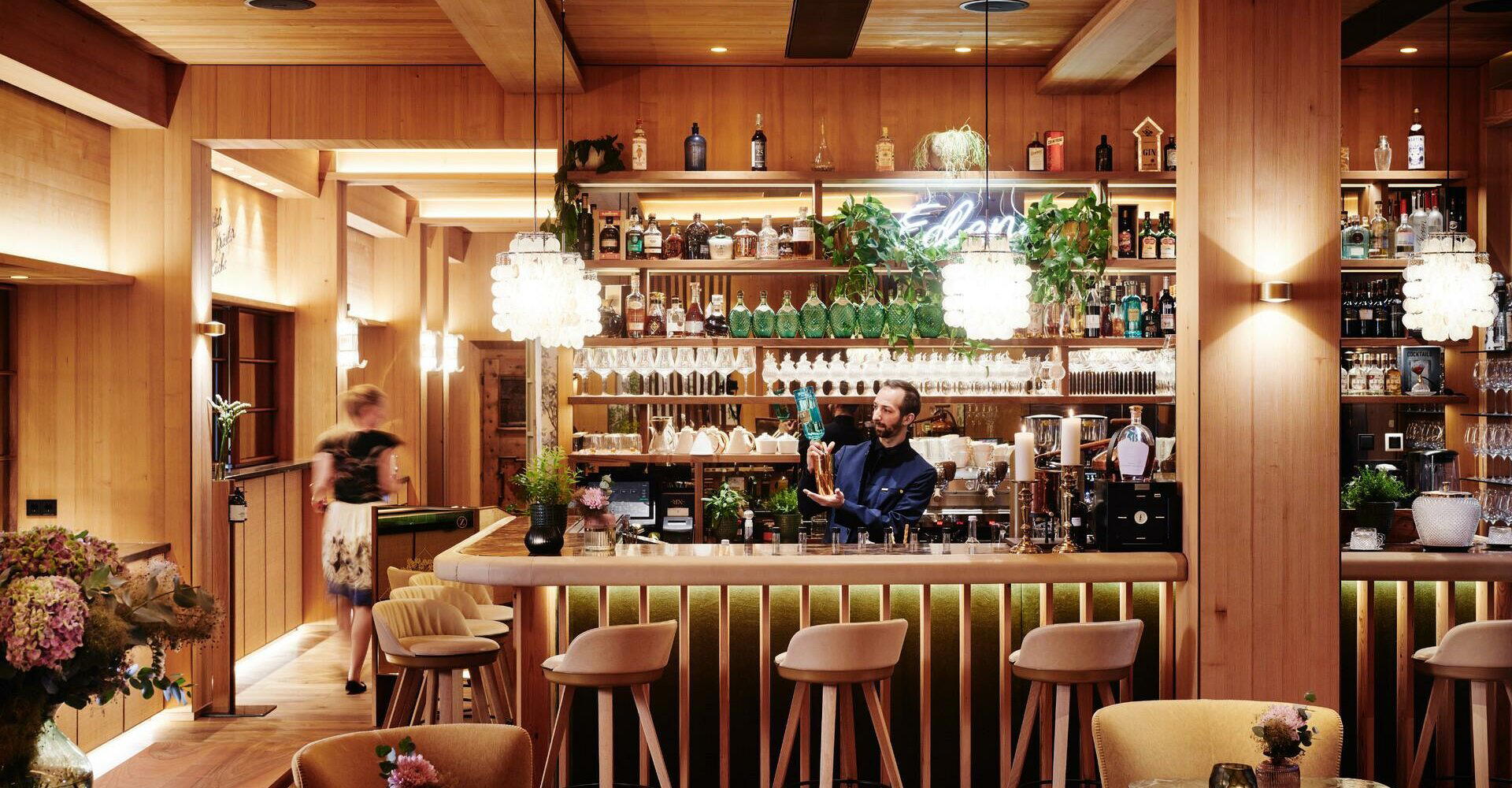
Hotels in Uderns
Browse all →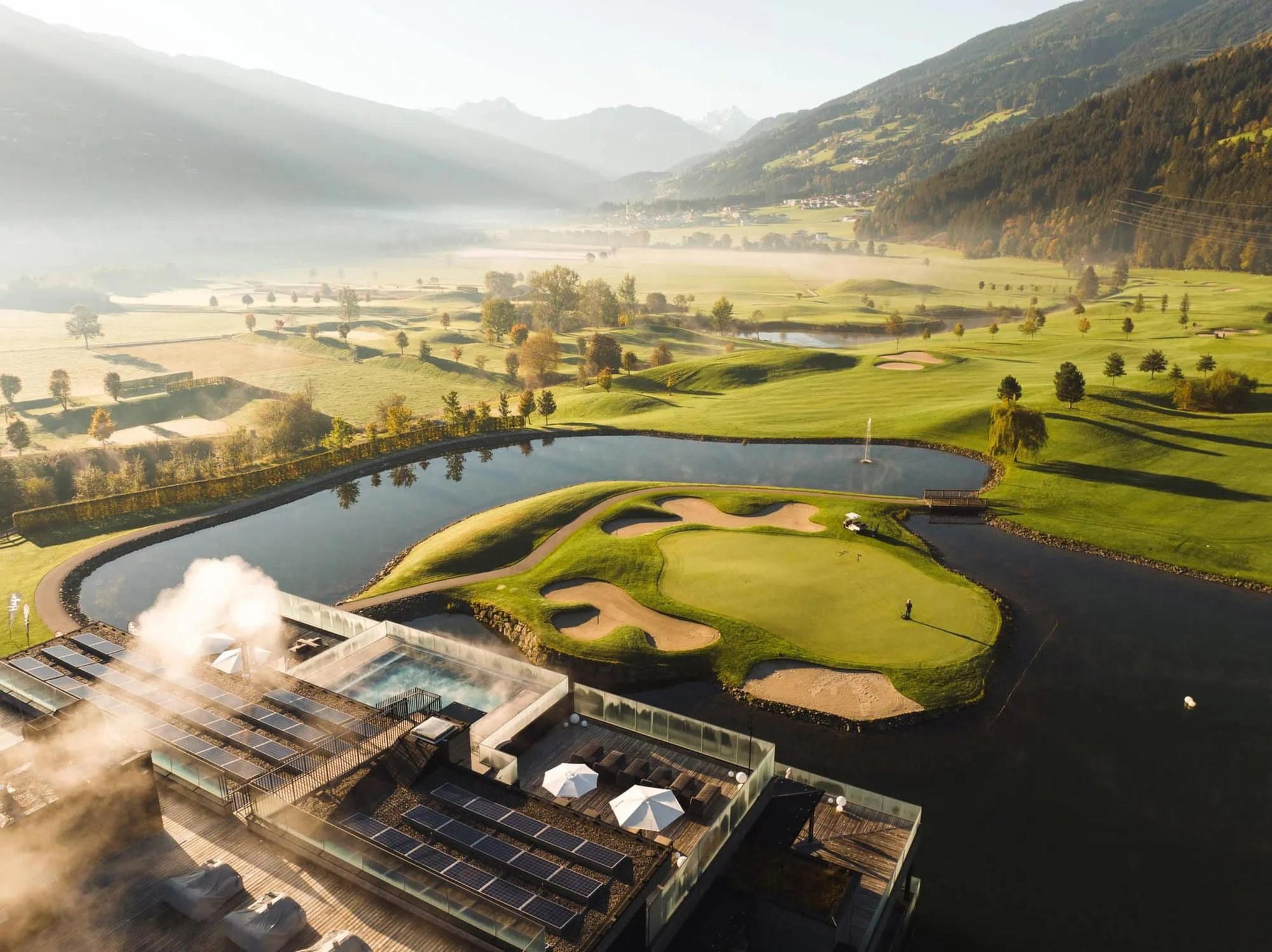

At a Glance
- Modern
- Elegant
- Scenic
- Special Occasion
- Terrace
- Open Kitchen
- Hotel Restaurant
- Local Sourcing
- Mountain
Current opening hours
- Monday
- 7:30 AM–12 AM
- Tuesday
- 7:30 AM–12 AM
- Wednesday
- 7:30 AM–12 AM
- Thursday
- 7:30 AM–12 AM
- Friday
- 7:30 AM–12 AM
- Saturday
- 7:30 AM–12 AM
- Sunday
- 7:30 AM–12 AM
Hours can change for holidays and private events. Last verified .
Modern, stylish ambiance with a generous sun terrace.