Die Krummerei sits in the village of Söll in the Austrian Tyrol, where the traditions of alpine hospitality run alongside a serious commitment to regional cooking. Set within the working rhythms of a Tyrolean village address, it occupies a tier of the local dining scene where cultural rootedness and culinary craft converge. For the Söll area, it represents the kind of address that rewards advance planning over impulse visits.
Pearl is the En Primeur Club membership app — saves, bookings, and concierge access live there. Same editors, same standards.
- Address
- Dorf 7, 6306 Söll, Austria
- Phone
- +436644945726
- Website
- krummerei.at
- Directions
- Get directions
 Saves & bookings on Pearl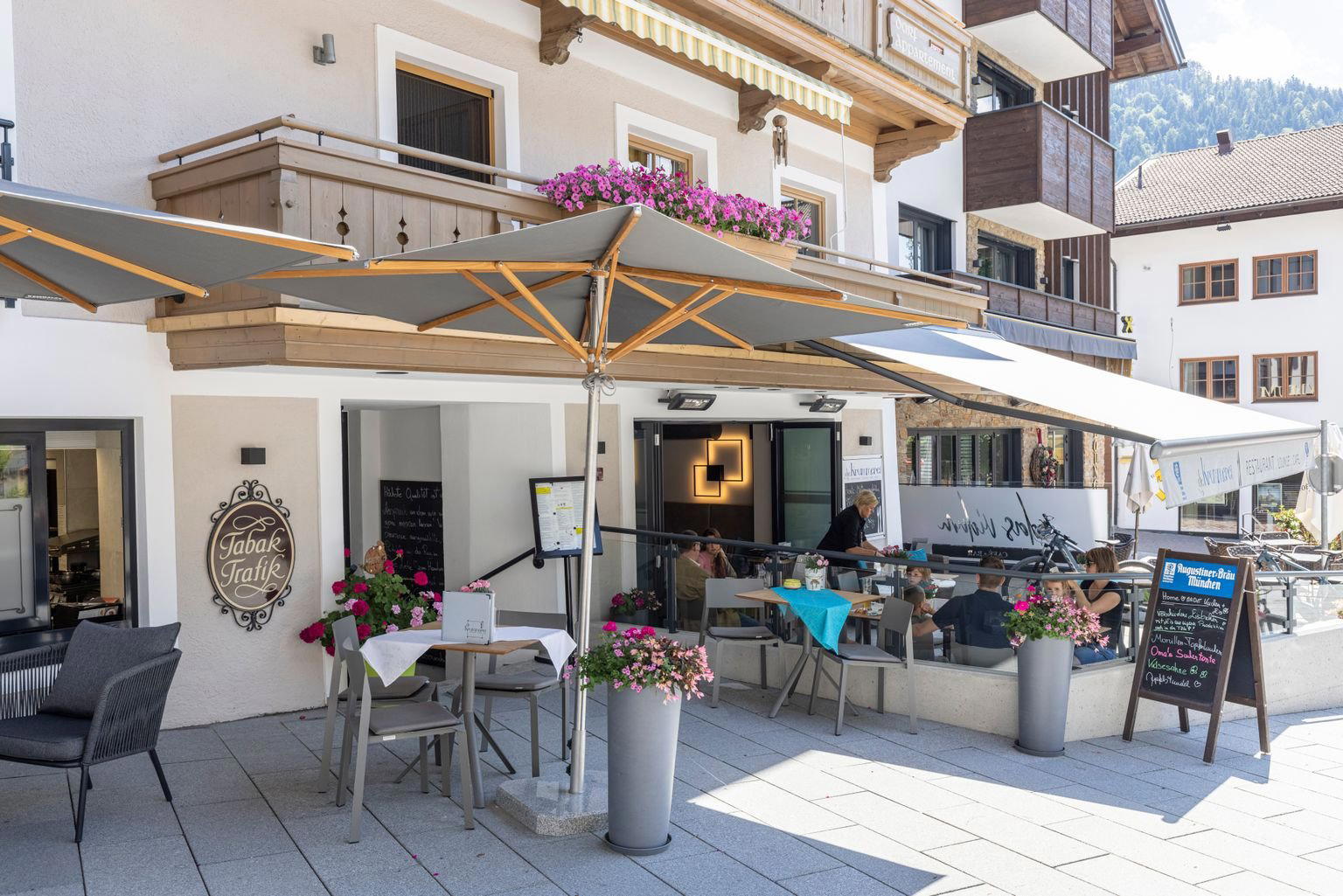
Alpine Dining in the Tyrolean Village Tradition
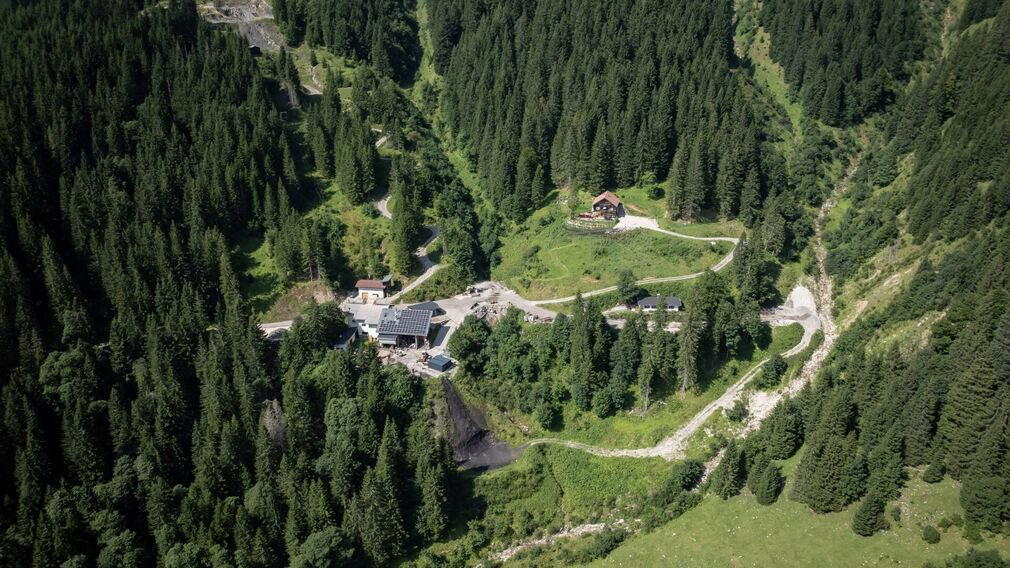
Söll sits at the foot of the Wilder Kaiser massif in the Tyrolean Unterland, a district where farming villages, ski infrastructure, and centuries of mountain hospitality have developed an architecture of eating and gathering that is distinct from both the urban sophistication of Innsbruck and the resort excess of places like Ischgl. The village address at Dorf 7 places Die Krummerei squarely within that local grain: not on a main road or a hotel terrace, but embedded in the settlement itself. In Tyrol, that positioning carries cultural weight. The Gasthaus and the Krummerei-style address have historically functioned as communal anchors, places where the rhythms of agricultural and alpine working life converged around a table.
That tradition of village-rooted hospitality distinguishes the broader Tyrolean dining character from the resort-circuit restaurants that dominate visitor attention in the region. Where properties like Gourmetrestaurant Tannenhof in Sankt Anton am Arlberg or Stüva in Ischgl operate within high-altitude resort economies, the village format trades on a different kind of authority: long local presence, seasonal produce drawn from the immediate landscape, and a guest relationship built over years rather than ski weeks.
Söll and the Wider Austrian Fine Dining Context
Austria's serious dining scene has historically concentrated in Vienna and in a scattered network of destination addresses across the provinces. Steirereck im Stadtpark in Vienna anchors the urban end of that spectrum, while Salzburg-adjacent houses like Obauer in Werfen and Döllerer in Golling an der Salzach demonstrate that the provincial model can carry serious culinary ambition. The Tyrolean end of the country has its own contributors to that map, including Schwarzer Adler in Hall in Tirol and, in the western reaches, Restaurant 141 by Joachim Jaud in Mieming.
Söll itself sits in a part of Tyrol where the dining offer has traditionally served a dual constituency: local residents and a seasonal visitor base arriving for skiing in winter and hiking in summer. The restaurants that endure in these communities tend to do so by serving both audiences without losing their local character to either. Die Krummerei's Dorf address is consistent with that pattern. For visitors arriving from further afield, it occupies a different register than the purpose-built hotel restaurant, and it is worth approaching with that context in mind.
The Cultural Logic of Tyrolean Cooking
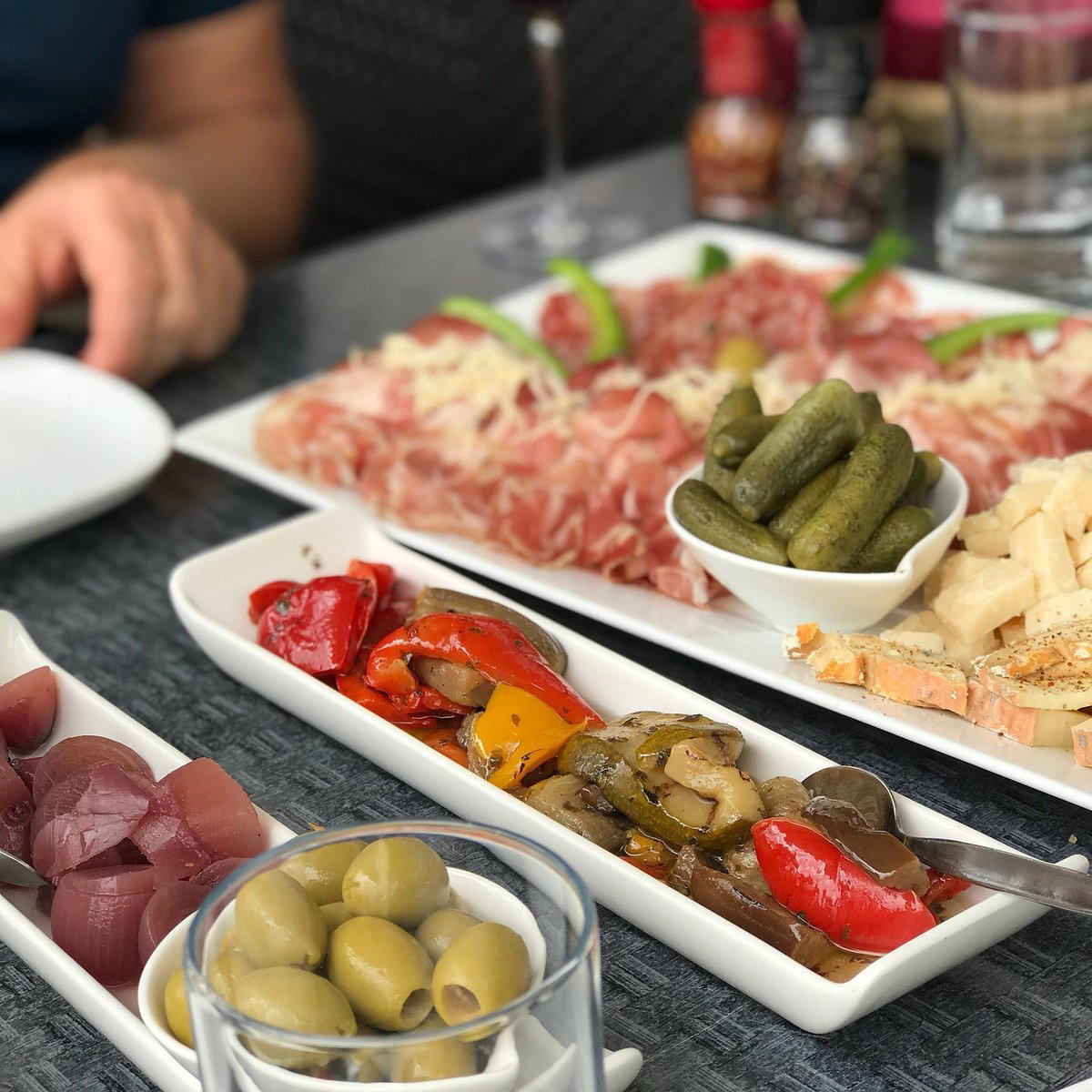
Tyrolean cuisine belongs to a broader Alpine cooking tradition that extends across the arc from Vorarlberg through Tirol, Salzburg, and Styria into Carinthia. Its grammar is built on preserved and cured meats, dairy from high-altitude pastures, root vegetables, and bread forms that developed over centuries of mountain winters. Knödel in their many variants, Tiroler Gröstl, cured Speck, and the particular soured dairy products of the region form a culinary vocabulary that is deeply regional in a way that resists easy modernisation without cultural loss.
One considered addresses within this tradition, including Landhaus Bacher in Mautern an der Donau at the Austrian classic end and Taubenkobel in Schützen am Gebirge at the modern interpretive end, navigate that tension by staying anchored to regional produce while applying contemporary technique selectively. Further afield in Austria, Ikarus in Salzburg takes a different approach altogether, rotating international guest chefs through a Salzburg setting. The question for any village address in Söll is where it positions itself within that spectrum: toward the traditional, the interpretive, or something in between. Die Krummerei's village placement at Dorf 7 suggests the former pole.
Restaurants grounded in this tradition carry a responsibility to provenance that urban counterparts can sidestep. Alpine Speck must come from specific valleys; the dairy must reflect the pasture altitude; the grain for bread should be traceable. These are not marketing distinctions in the Tyrolean context but structural ones, encoded in protected designations and local supply chains that have outlasted many trend cycles. Kräuterreich by Vitus Winkler in Sankt Veit im Pongau and Atelier Fischer in Sankt Gilgen represent addresses where that provenance emphasis has translated into award recognition; the pattern holds across the Alpine provinces.
Söll's Dining Neighbourhood and comparable set
Within Söll itself, the restaurant sits alongside Aualm, another address in the village's eating geography. In a settlement of Söll's scale, the distinction between addresses in the same village matters: proximity does not equal equivalence, and the two operate within different formats and likely serve overlapping but distinct guest profiles.
The broader comparable set for a Tyrolean village address with serious culinary intent would include the mountain dining rooms that have built regional reputations without relying on resort infrastructure, as well as the lakeside houses of the Salzkammergut and the farm-adjacent addresses of Upper Austria. Ois in Neufelden and Griggeler Stuba in Lech sit in different geographic registers but share the quality of being addresses where place and table are inseparable propositions.
The shared thread is the idea that dining at its most considered is inseparable from a specific place and the community that defines it.
Planning a Visit to Die Krummerei
The restaurant is located at Dorf 7 in 6306 Söll, Austria, a village address that places it within walking distance of the village centre. Söll is accessible by road from Innsbruck (roughly 50 kilometres to the west) and Kufstein (closer to 20 kilometres to the northeast), with the SkiWelt Wilder Kaiser-Brixental ski area providing a secondary access logic for winter visitors. The restaurant is recommended for reservations and follows smart casual dress. Reservations are recommended, and capacity can be limited during peak periods.
Cost and Credentials
Comparable venues nearby, for context on price, style, and recognition.
| Venue | Price | Notes |
|---|---|---|
| Die KrummereiThis venue — the venue you are viewing | $$$ | Not listed |
| Aualm | $$ | Söll, Traditional Tyrolean Alpine Cuisine |
| Gruenauerhof | $$$ | Wals-Siezenheim, Traditional Austrian with Modern Influences |
| Panorama | $$$ | Salzachseen, Traditional Austrian & International |
| Wilde Kräuterküche | $$$ | Zell am Ziller, Creative Wild Herb Kitchen |
| Römerhof Stüberl | $$$ | .null, Traditional Austrian & Tyrolean restaurant |
Continue exploring
More in Soll
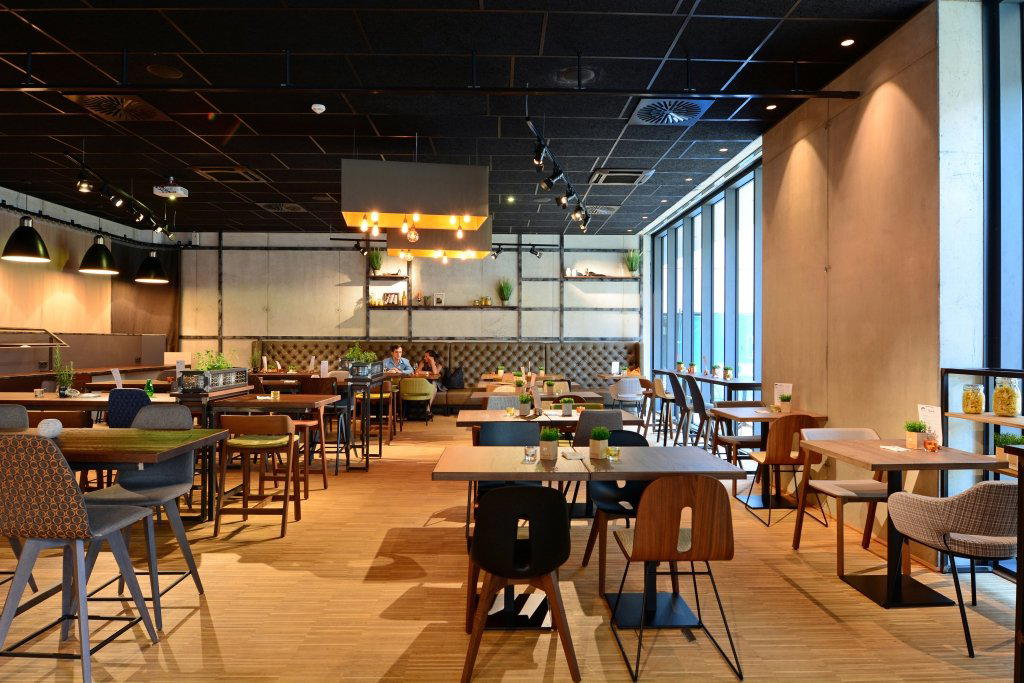
Restaurants in Soll
Browse all →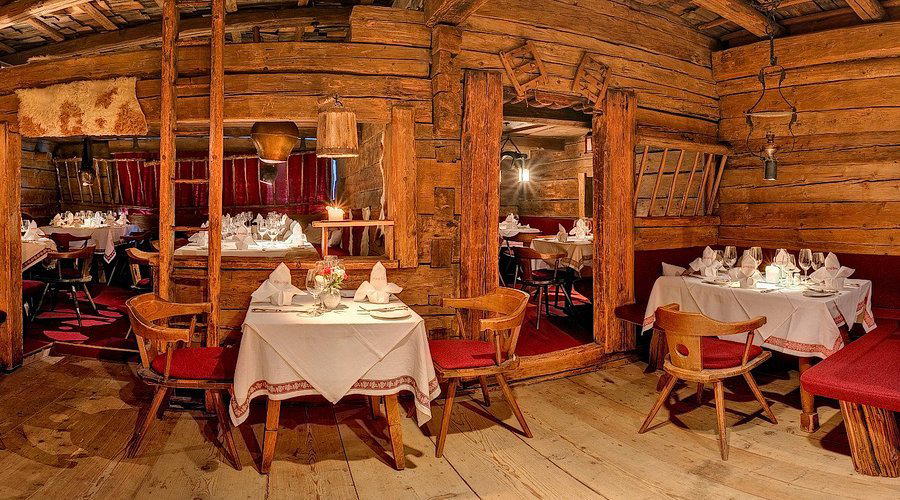
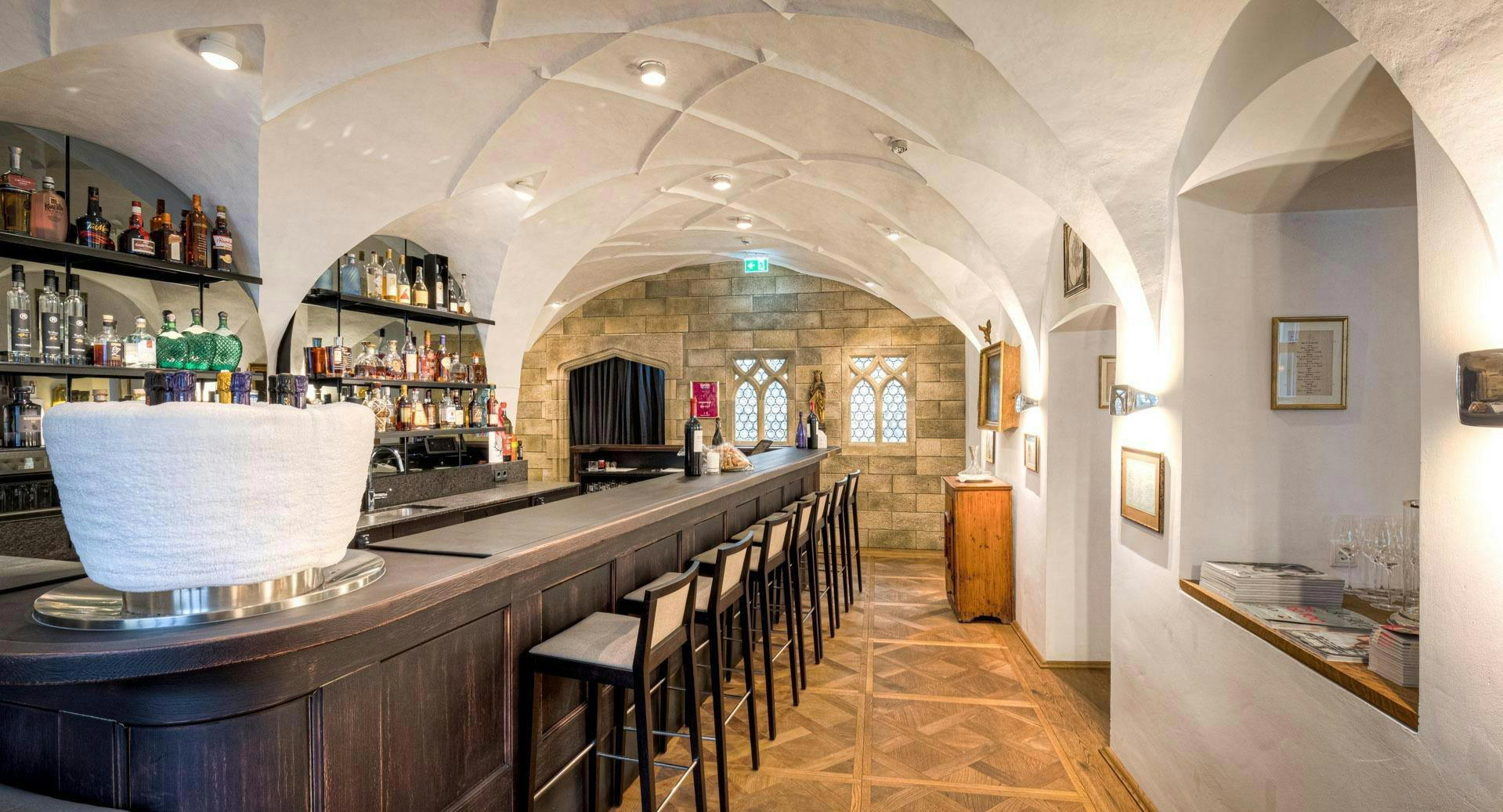
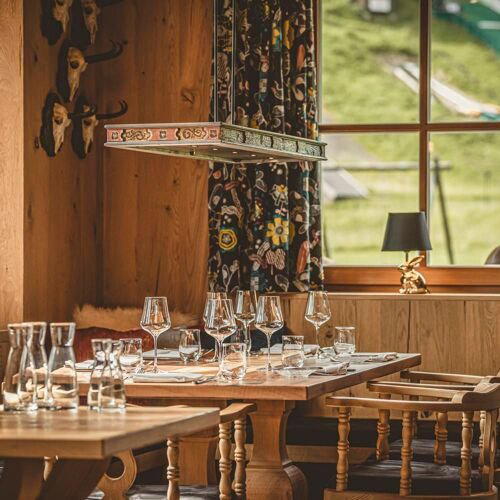
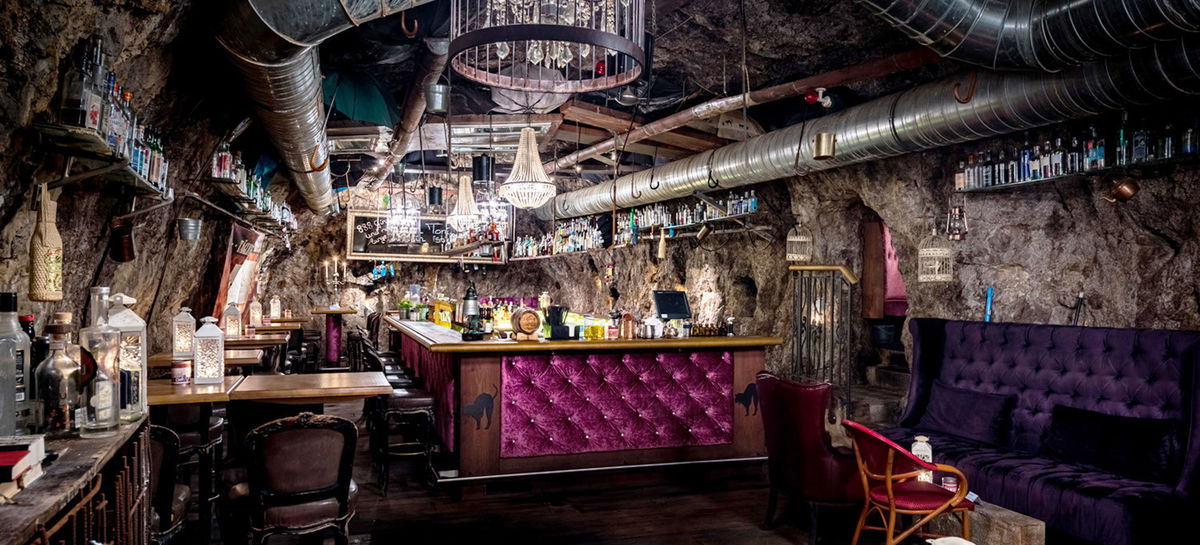
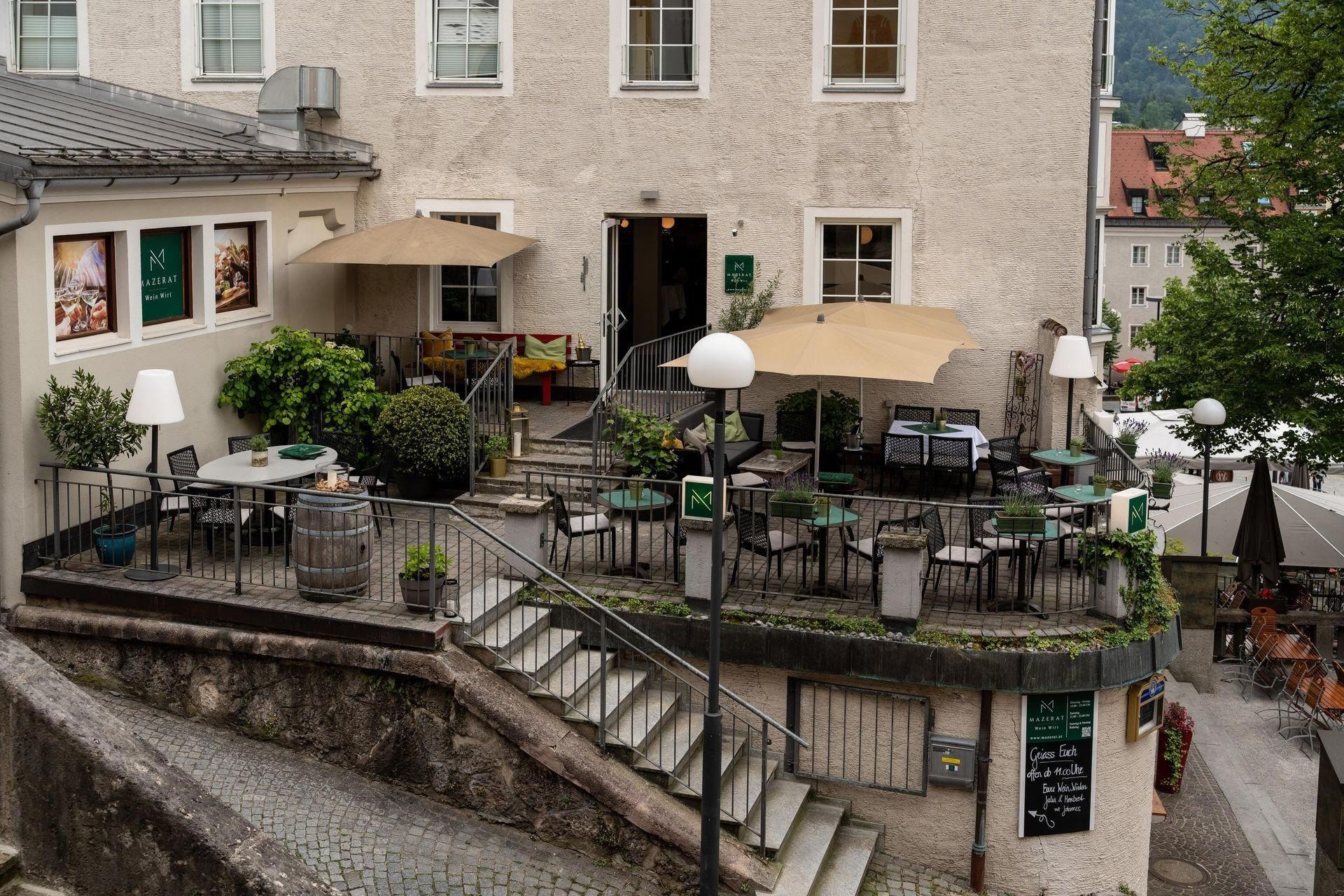
Bars in Soll
Browse all →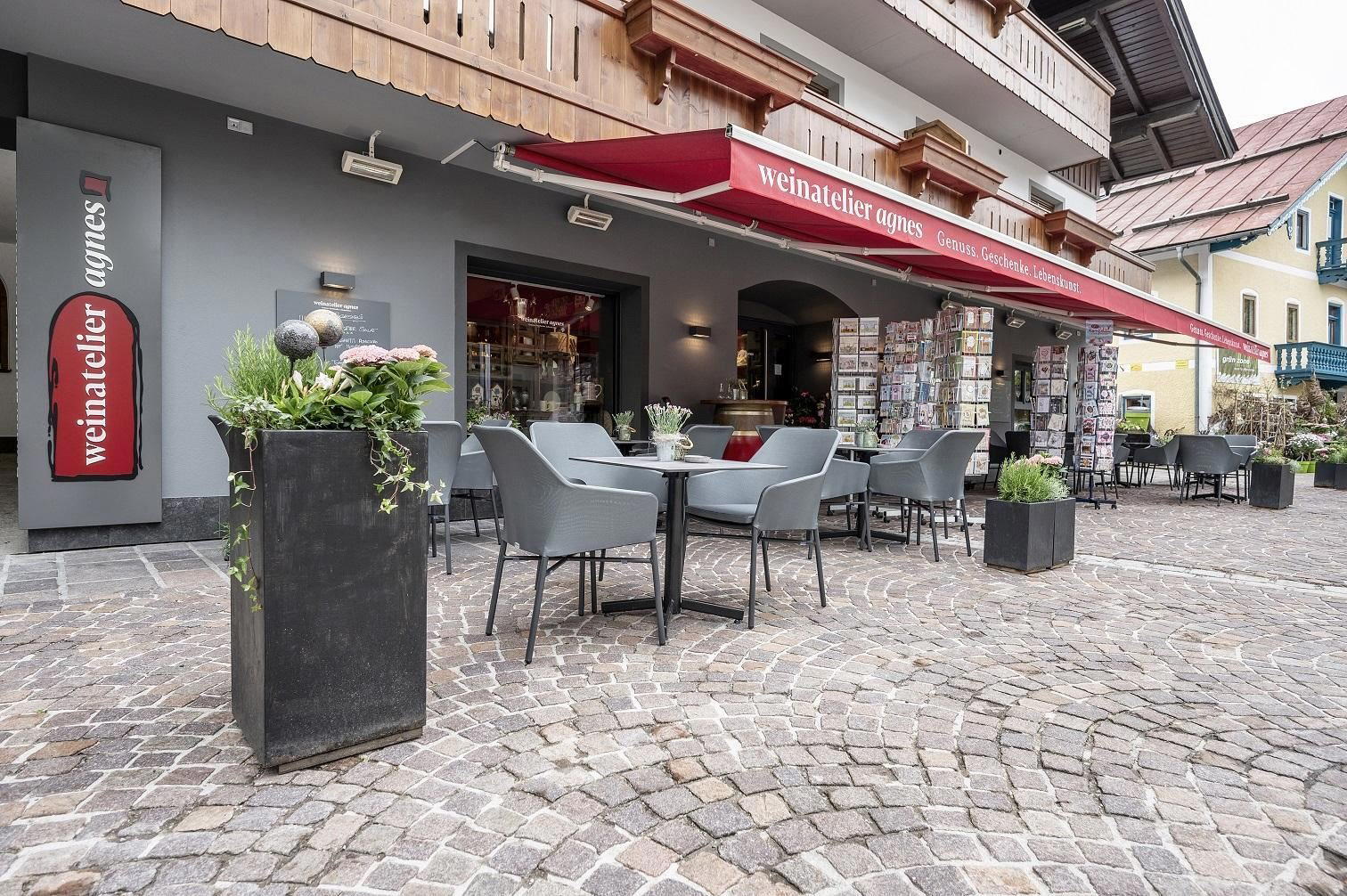
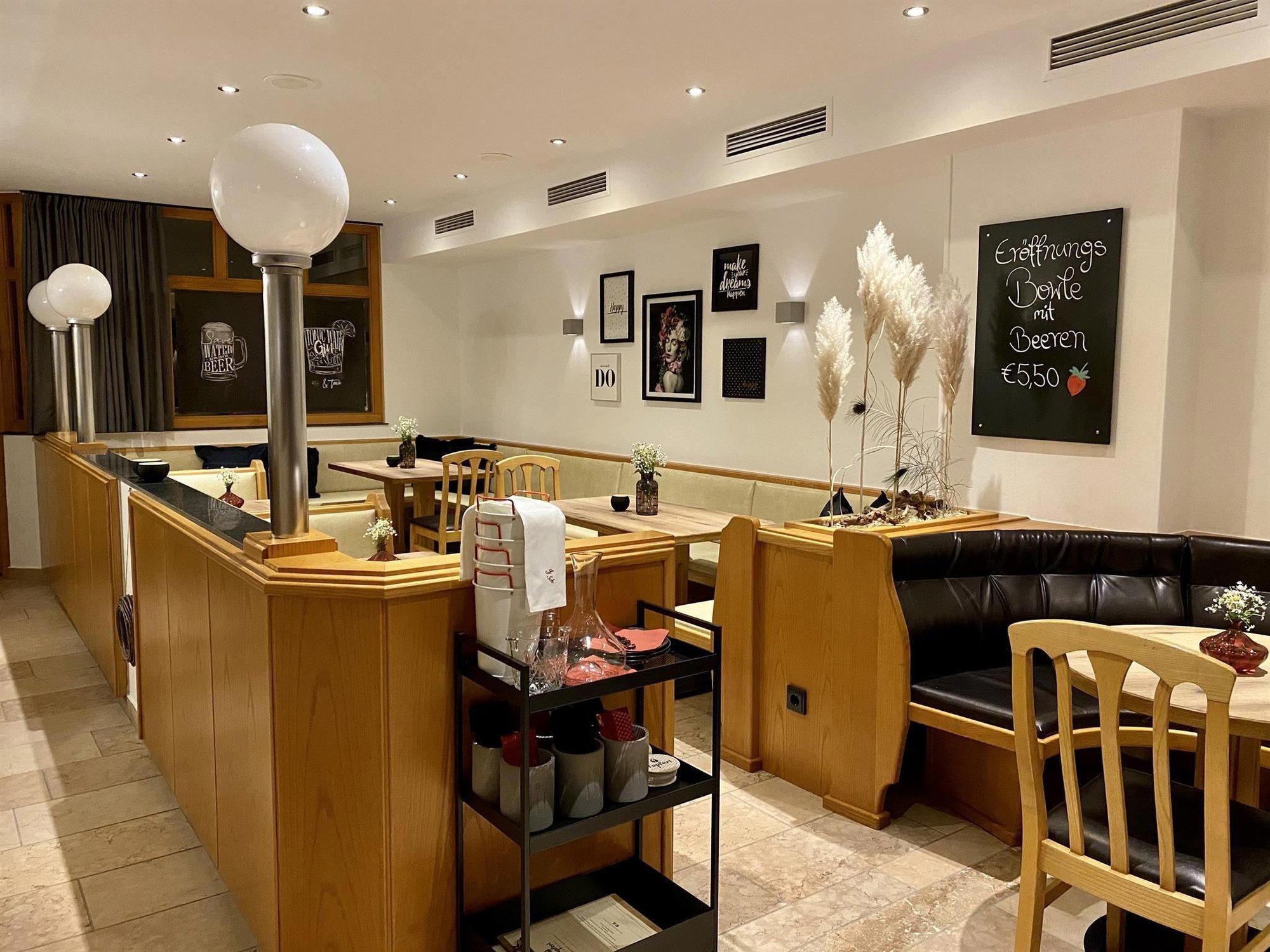
Hotels in Soll
Browse all →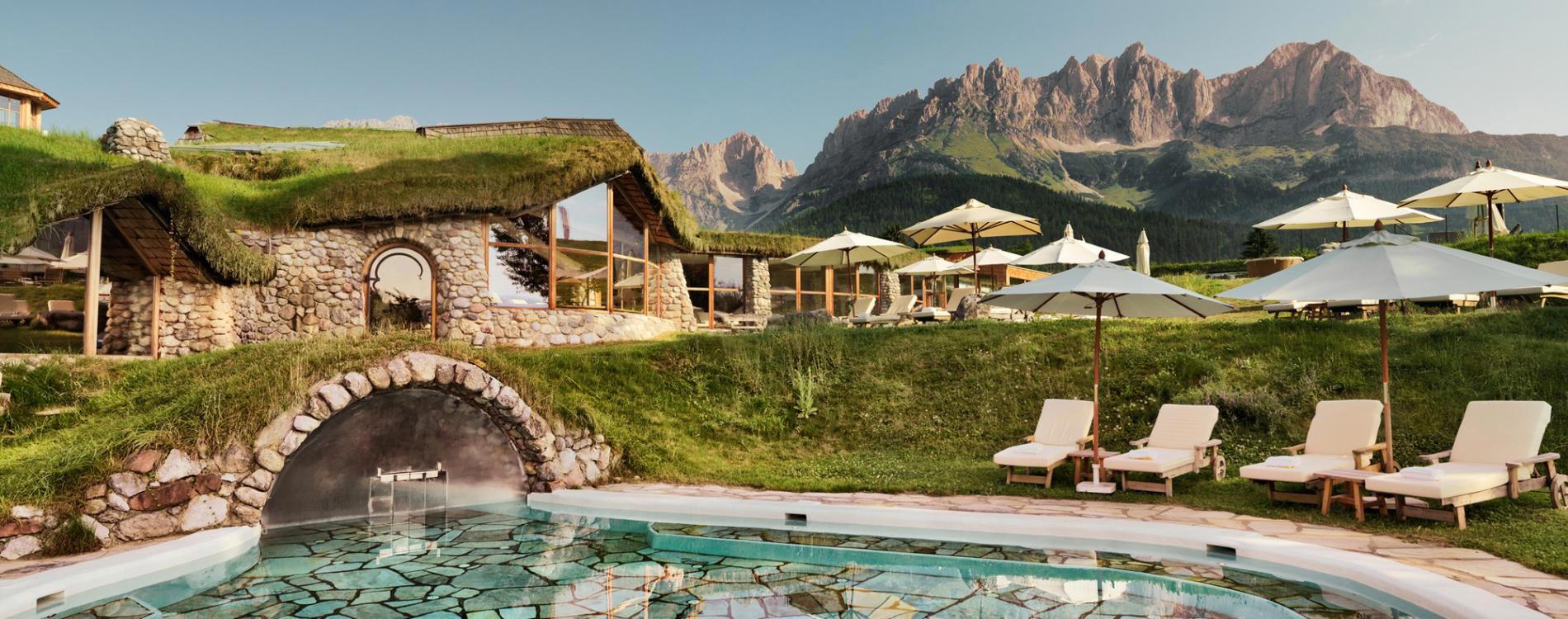

At a Glance
- Cozy
- Elegant
- Classic
- Intimate
- Date Night
- Special Occasion
- Celebration
- Family
- Historic Building
- Open Kitchen
- Extensive Wine List
- Beer Program
- Local Sourcing
- Farm To Table
Current opening hours
- Monday
- 10 AM–10 PM
- Tuesday
- 10 AM–10 PM
- Wednesday
- Closed
- Thursday
- Closed
- Friday
- 10 AM–10 PM
- Saturday
- 10 AM–10 PM
- Sunday
- 10 AM–6 PM
Hours can change for holidays and private events. Last verified .
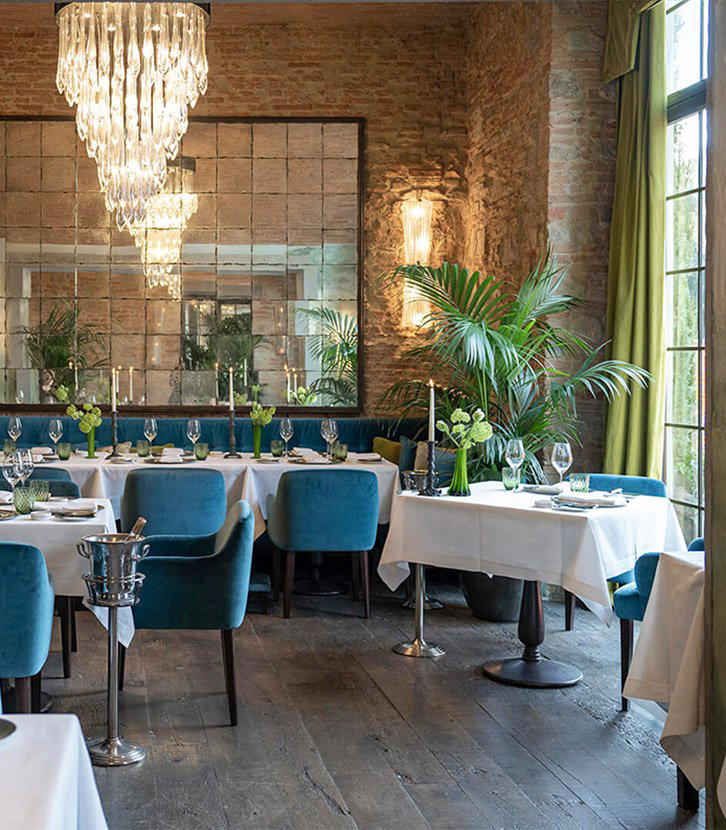
Elegant and cozy with stylish lighting, beautifully set tables, and refined décor that evokes a warm, sophisticated living room atmosphere.