Gruenauerhof
Gruenauerhof sits on Grünauerstraße in the flatlands west of Salzburg, operating in the tradition of Austrian Gasthäuser that anchor rural communities as much as they serve passing visitors. The kitchen draws on the agricultural character of the Salzburg basin, positioning the address within a distinct tier of regional dining that prioritises local sourcing over metropolitan spectacle. For travellers connecting Salzburg with the broader Alpine corridor, it represents a grounded alternative to the city's more formal rooms.
Pearl is the En Primeur Club membership app — saves, bookings, and concierge access live there. Same editors, same standards.
- Address
- Grünauerstraße 90, 5071 Wals, Austria
- Phone
- +43662850464
- Website
- gruenauerhof.com
- Directions
- Get directions
 Saves & bookings on Pearl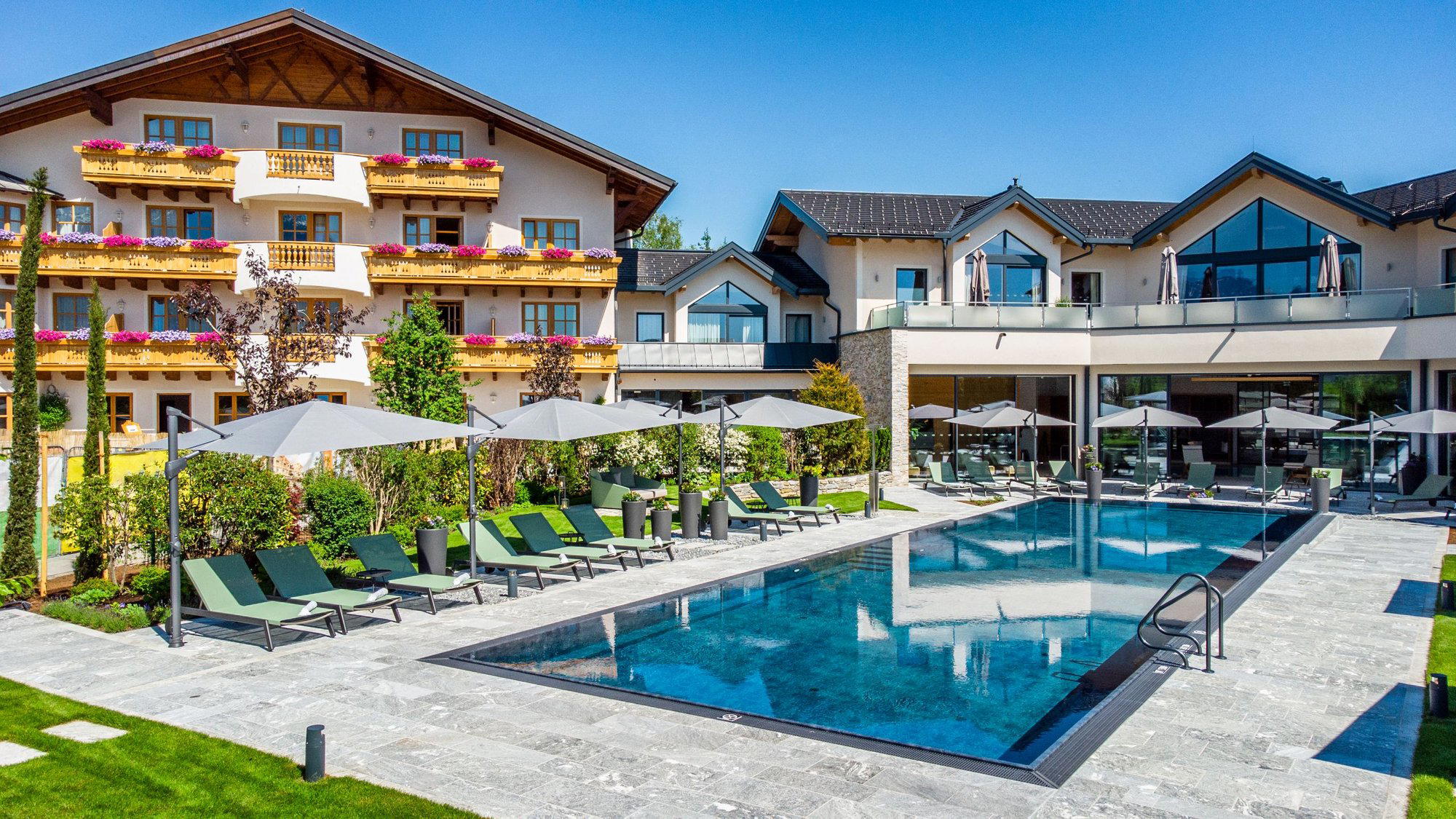
The Salzburg Basin and Its Dining Character
Gruenauerhof is a restaurant in Wals, Austria, serving Traditional Austrian with Modern Influences. Wals sits just west of Salzburg and fits the restaurant's practical, regional character. Gruenauerhof, at Grünauerstraße 90, operates within that tradition.
The kitchen leans on regional cooking rather than formal tasting menus. The Salzburg basin's produce shapes menus through dairy, vegetables, cured meats, and freshwater fish. A Gasthof menu typically builds around nearby farms and seasonal supply.
What the Address Signals About Sourcing
Austrian regional kitchens often split between technique-led and supply-led approaches. One camp chases elevation through technique, presenting local ingredients through the grammar of contemporary European fine dining. The other maintains a more direct relationship with the supply chain, letting the provenance of the ingredient carry the weight rather than its transformation. Both are legitimate. For Gruenauerhof, the key question is how closely the kitchen reflects what the Salzburg basin produces.
The address at Grünauerstraße places Gruenauerhof within easy reach of the vegetable growers and small livestock farms that still operate on the western fringe of the Salzburg agglomeration. That proximity matters in practical terms: shorter supply chains translate into fresher produce and, in the Austrian context, often into closer relationships between kitchen and supplier. Compare this with the more formalised sourcing programmes at Steirereck im Stadtpark in Vienna, where the kitchen's network of producers is a documented part of its identity, and the scale of ambition differs sharply, but the underlying principle of knowing where the food comes from is shared across both tiers.
Wals-Siezenheim also sits close enough to Bavaria that cross-border culinary influences are present in the local tradition. Bavarian-style bread dumplings, preparations common to both sides of the Inn and Salzach river systems, and the shared dairy culture of the pre-Alpine zone all shape what a conscientious kitchen in this postcode might legitimately put on the plate. The address is part of the editorial content, in other words: geography here is not background but ingredient source.
Situating Gruenauerhof in Its comparable set
Within Wals-Siezenheim's dining options, Gruenauerhof occupies a different register from the casino-adjacent dining at Cuisino, which operates under an entertainment-venue model, and from the more traditional Gasthof format of Walserwirt. Each of these addresses serves a distinct function in the local ecosystem. For a full picture of what the municipality offers, the EP Club guide to Wals-Siezenheim restaurants maps the options with editorial context.
The broader Austrian regional dining tier, which includes addresses like Landhaus Bacher in Mautern an der Donau and Taubenkobel in Schützen am Gebirge, demonstrates what regional Austrian cooking looks like when it has had time to mature into a settled identity. Both carry Michelin recognition and both are rooted in the produce of their immediate geography. Gruenauerhof operates at a different scale and with a different mandate, but the question of how well the kitchen expresses its place is the same evaluative framework that applies across the category.
For travellers building an Austrian itinerary that extends into the Alpine arc, points of comparison include Gourmetrestaurant Tannenhof in Sankt Anton am Arlberg, Griggeler Stuba in Lech, and Stüva in Ischgl: each operates within a specific Alpine microclimate and sources accordingly. The contrast between those mountain kitchens and a basin-level address like Gruenauerhof illustrates how differently Austrian regional identity expresses itself across a relatively compact geographic area. Further east, Schwarzer Adler in Hall in Tirol and Ois in Neufelden extend the regional range into Tyrol and Upper Austria respectively. At the opposite end of the ambition spectrum, internationally oriented kitchens like Le Bernardin in New York City or Atomix in New York City offer a useful calibration point for what global technique looks like when stripped of regional specificity, and why the grounded approach of Austrian Gasthof cooking represents a genuine alternative rather than a lesser one. Outside Austria entirely, Restaurant 141 by Joachim Jaud in Mieming shows how a Tyrolean kitchen can carry formal ambition without losing its regional footing.
Planning Your Visit
Wals-Siezenheim is a short drive west of Salzburg's city centre, accessible from the A1 motorway, and the address on Grünauerstraße is in the quieter residential and agricultural zone rather than the commercial strip near the stadium. Visitors arriving by car from Salzburg Airport, which lies within the municipality, will find the journey direct. Reservations are recommended, and the typical spend is about $45 per person.
Comparable Spots, Quickly
Comparable venues nearby, for context on price, style, and recognition.
| Venue | Cuisine | Price | Notes |
|---|---|---|---|
| GruenauerhofThis venue — the venue you are viewing | Traditional Austrian with Modern Influences | $$$ | Not listed |
| Cuisino | Modern Austrian & International | $$$ | Wals-Siezenheim |
| Walserwirt | Traditional Austrian | $$ | Wals-Siezenheim |
| Maximilian's | Classic Austrian Fine Dining | $$$ | Anif |
| Merkel & Merkel | Modern Austrian Fine Dining | $$$ | Hellbrunner Allee |
| Two Timez | Alpine Austrian with International Options | $$$ | Zell am See city center |
Continue exploring
More in Wals Siezenheim
Restaurants in Wals Siezenheim
Browse all →
Bars in Wals Siezenheim
Browse all →
At a Glance
- Classic
- Cozy
- Rustic
- Elegant
- Family
- Group Dining
- Business Dinner
- Celebration
- Hotel Restaurant
- Standalone
- Beer Program
- Local Sourcing
- Mountain
- Garden
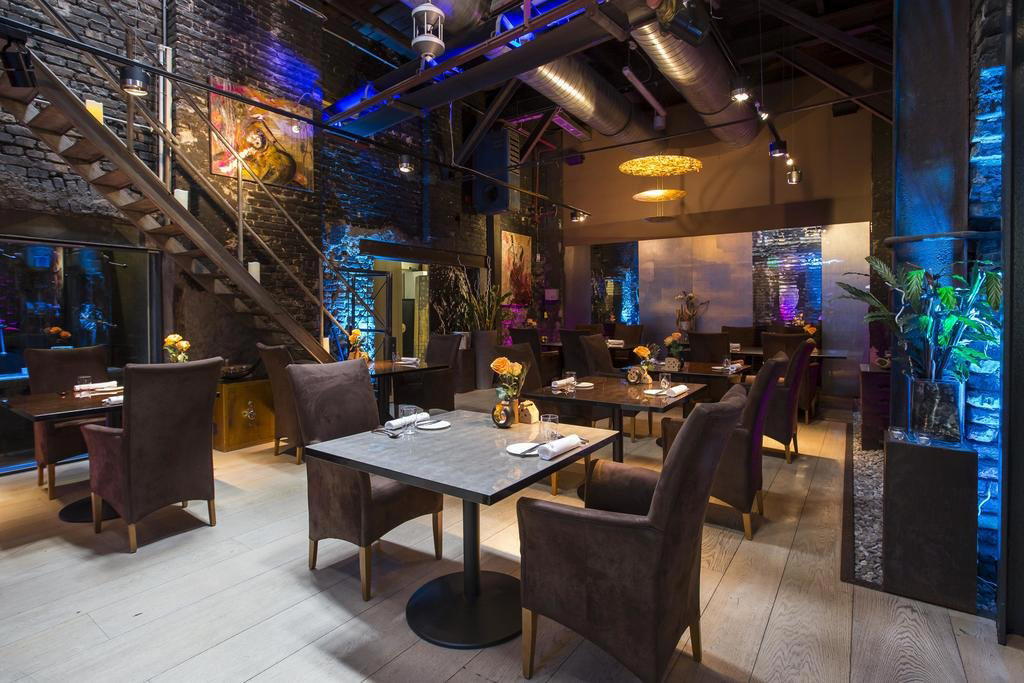
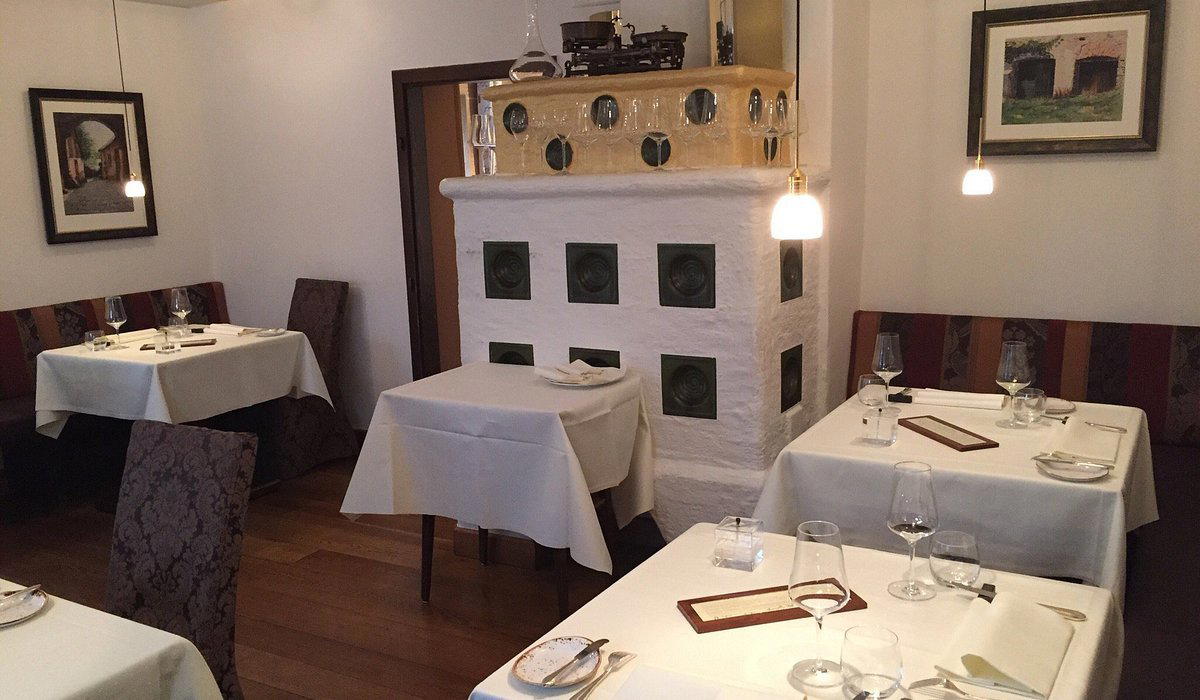
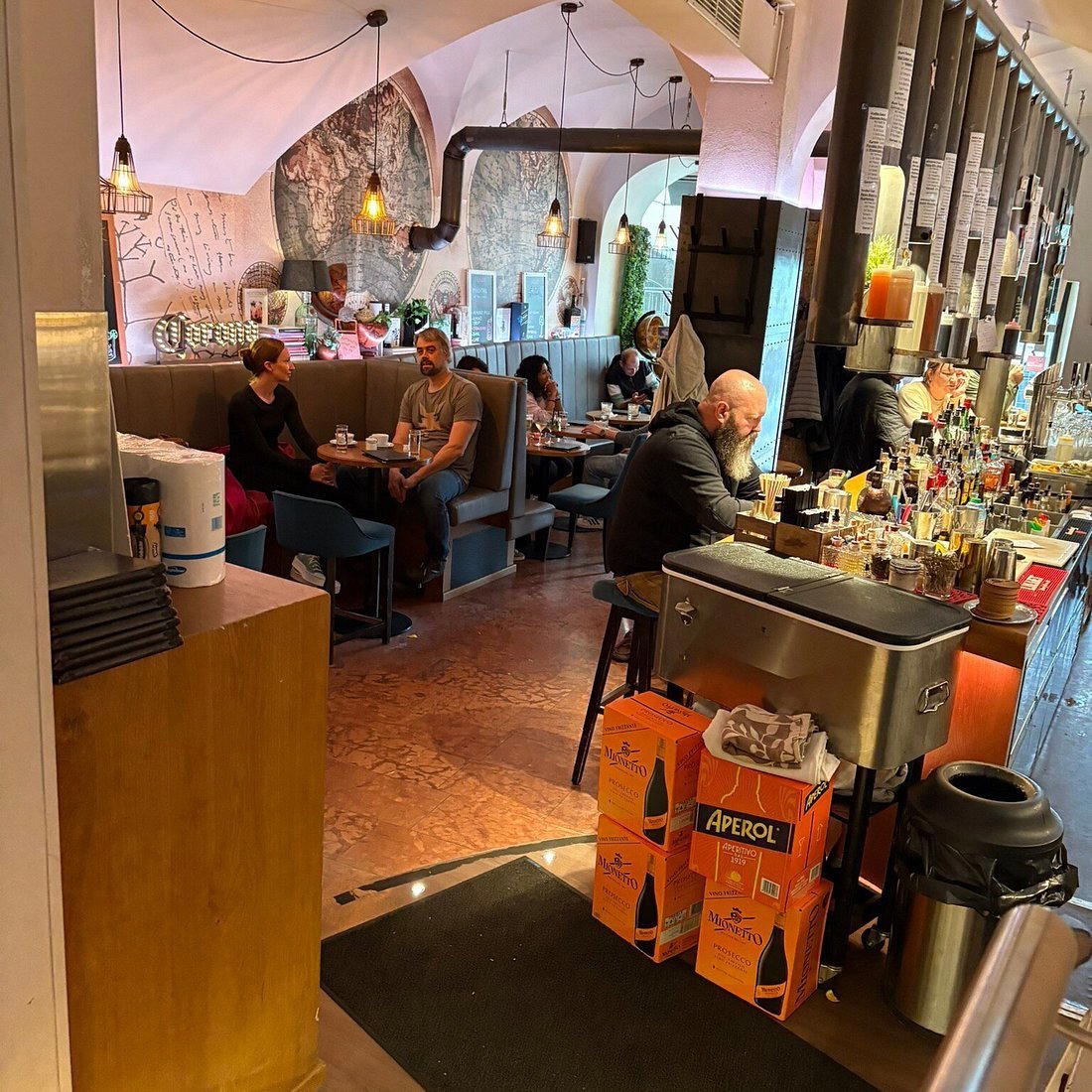
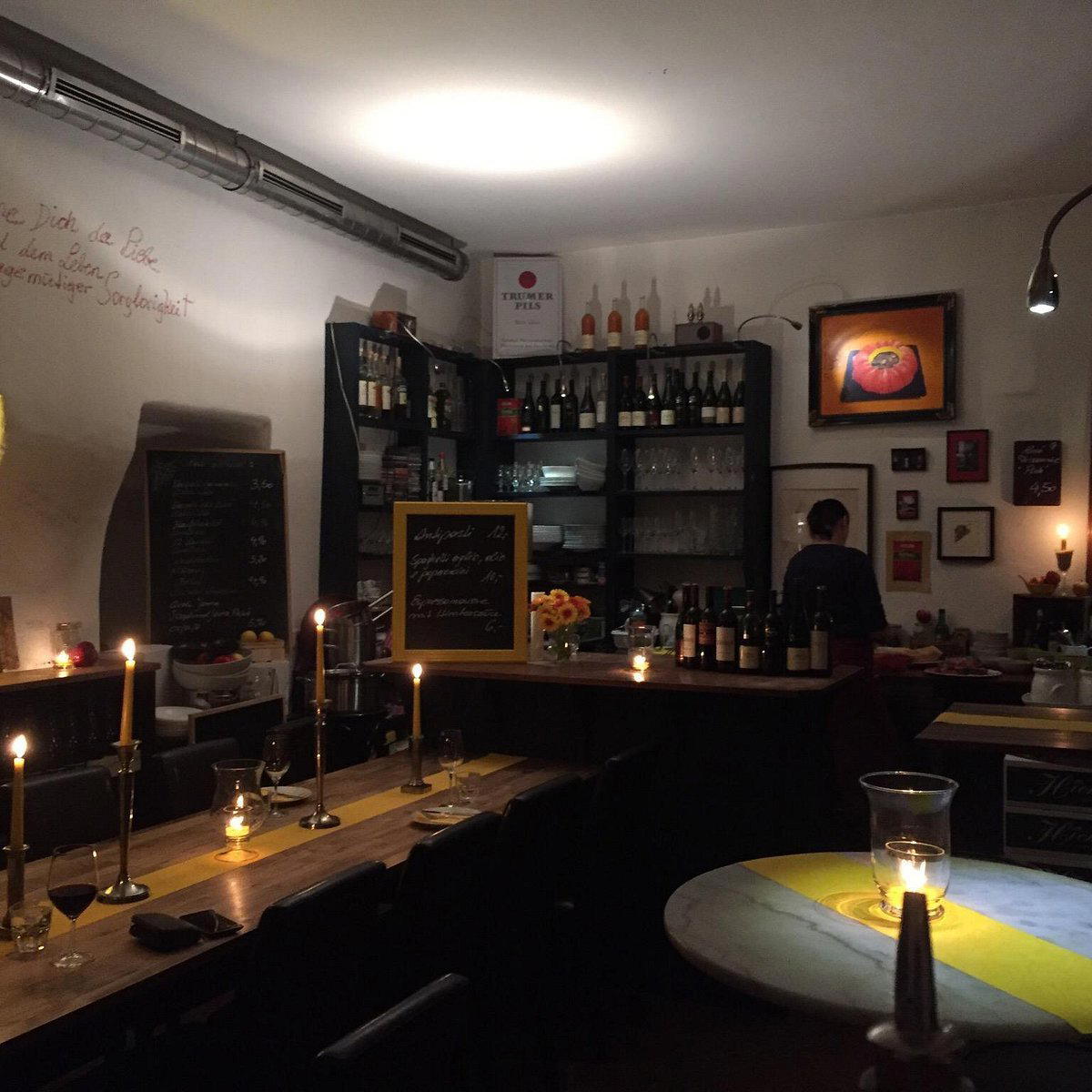
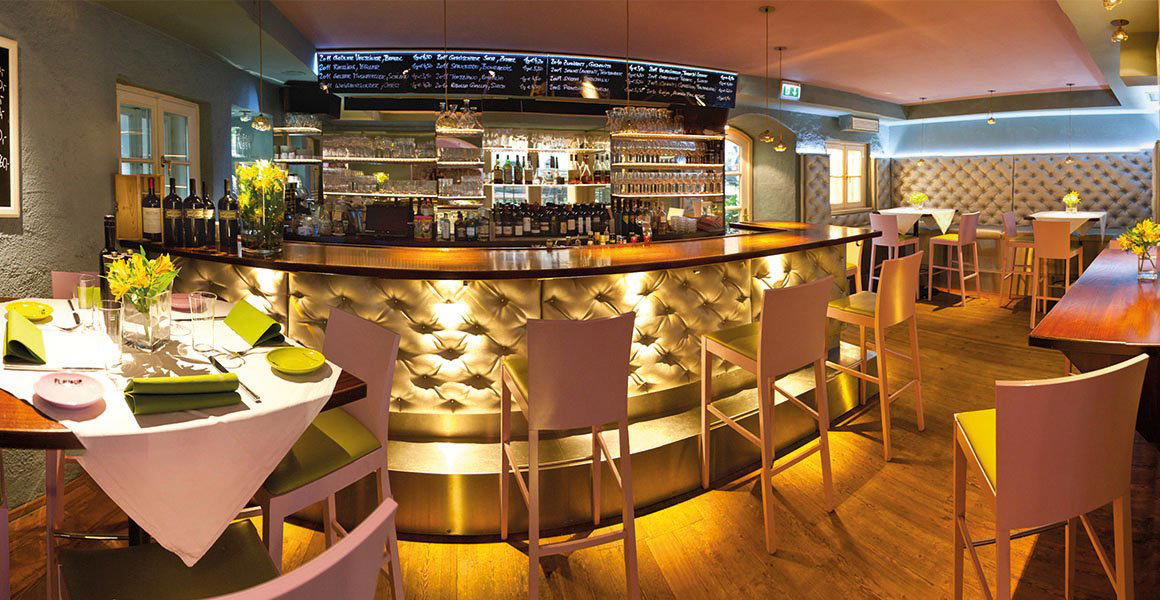
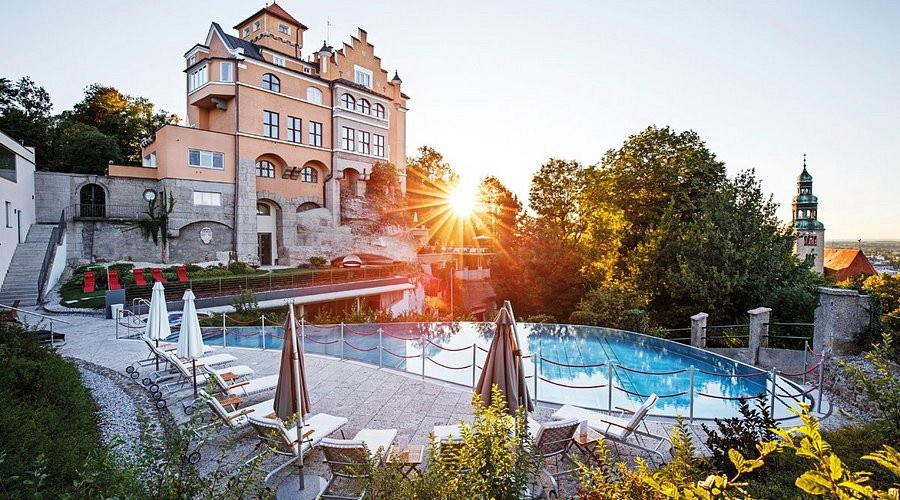
Cozy, traditional and polished, with a rural Gasthaus character and recently renovated 4-star hotel setting.