Wiegalm
Wiegalm sits in Brixen im Thale, a compact Alpine village in the Tyrolean Brixental valley where mountain hut dining is woven into daily life rather than performed for visitors. The address at Wiege 1 places it within a tradition of alm culture that predates modern ski tourism by centuries. For context on the broader local dining scene, see our full Brixen im Thale restaurants guide.
Pearl is the En Primeur Club membership app — saves, bookings, and concierge access live there. Same editors, same standards.
- Address
- Wiege 1, 6365, Austria
- Phone
- +436769662348
- Website
- wiegalm.at
- Directions
- Get directions
 Saves & bookings on Pearl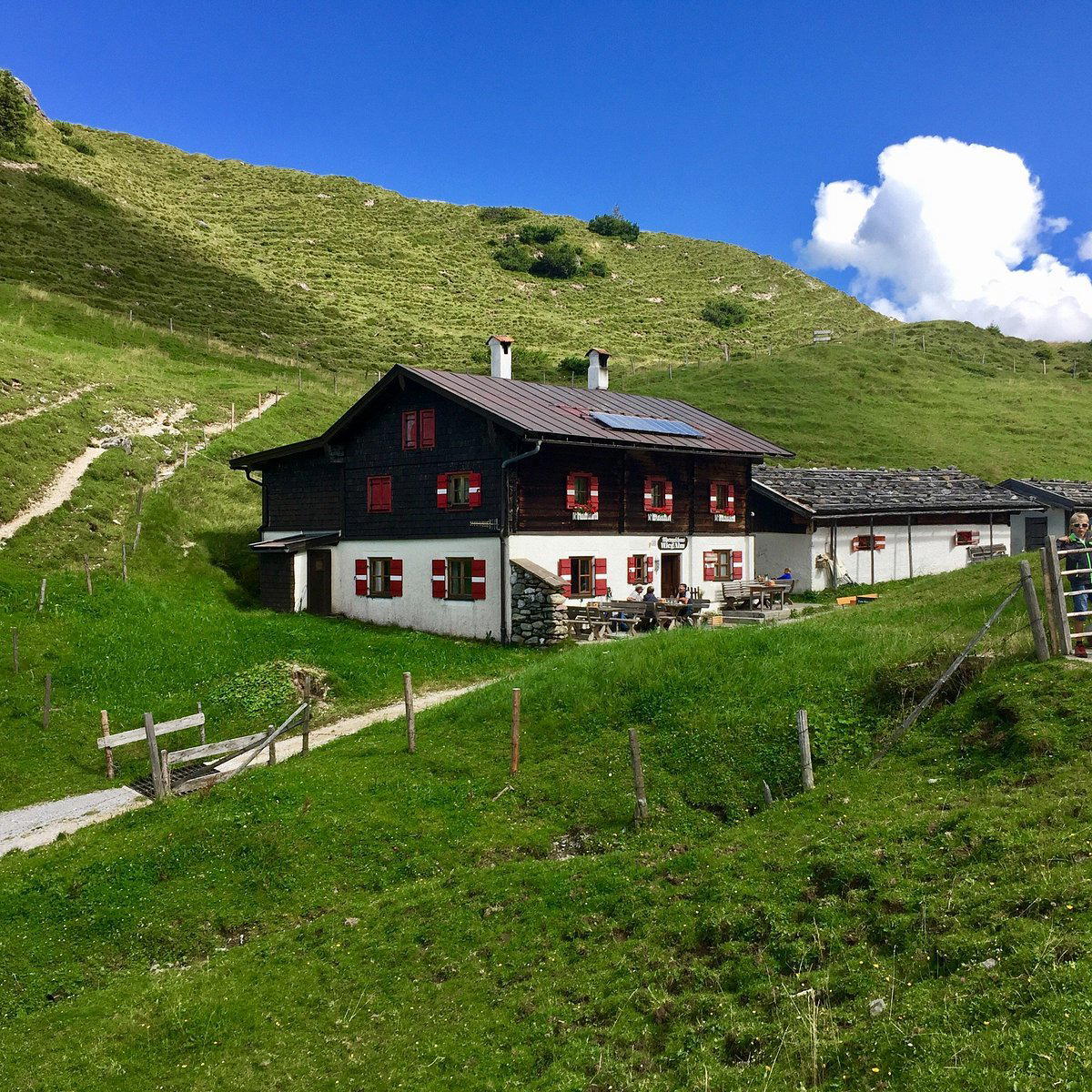
Alpine Hut Dining in the Brixental: A Tradition Older Than the Lifts
The Brixental valley in the Austrian Tyrol operates on a different logic from the purpose-built resort towns further west. Brixen im Thale grew around farming and seasonal transhumance long before ski lifts arrived, and the alm culture that shaped it, the practice of moving livestock to high pastures and feeding workers and neighbours from whatever the mountain provided, left a physical and culinary legacy that still defines how people eat here. Wiegalm, addressed at Wiege 1 on the slopes above the village, belongs to that tradition. The building type itself carries meaning: an alm is not a restaurant that happens to be in the mountains, it is a structure whose original function was agricultural, later adapted for the social rituals that mountain communities built around shared meals and shelter from weather.
That context matters when reading any alm in this valley against the broader Austrian dining scene. Places like Steirereck im Stadtpark in Vienna or Döllerer in Golling an der Salzach represent Austria's high-formal end, where classical technique and regional produce are refined into tasting-menu territory. Alm dining occupies the opposite register: the cooking is grounded in preservation, economy, and the logic of altitude, where what you serve is determined by what survives the journey up and what keeps without refrigeration. The two traditions are not competing; they are answering different questions about what Austrian food can be.
The Setting: What Altitude Does to an Experience
Mountain hut dining in Tyrol is inseparable from arrival. The approach, whether on foot, by ski, or by mountain path in summer, is part of the meal's structure. By the time a guest reaches an alm at this elevation, the physical effort or the exposure to cold air has already primed appetite in a way that no urban restaurant can replicate through design alone. The Wiegalm address at Wiege 1 situates it in the kind of terrain where the view from the terrace is not decoration but orientation: the Brixental spreads below, and the ridgeline above marks the boundary between managed pasture and open Alpine wilderness.
This physical context shapes what good alm hospitality looks like in practice. Warmth on arrival matters more than aesthetic refinement. The transition from cold outdoor air to a heated interior, the sound of wood and the smell of a kitchen that has been running since early morning, these are functional pleasures rather than staged ones. The Tyrolean alm tradition has never needed to manufacture atmosphere because the environment delivers it without assistance. Comparable settings in the western Austrian Alps, such as the dining rooms associated with Griggeler Stuba in Lech or Gourmetrestaurant Tannenhof in Sankt Anton am Arlberg, show how mountain settings can anchor even ambitious cooking; at alm level, the setting does more of the work without apology.
Brixen im Thale's Dining Ecosystem
The village supports a small but coherent set of eating options that range from alm-traditional to contemporary Alpine. Spitzbuam, operating in the European Contemporary register at the €€€ price tier, represents the more formal end of local dining: a menu that draws on regional produce but applies technique and plating sensibility beyond what alm culture asks for. Frankalm and Kandler Alm sit closer to Wiegalm in format and intent, making this a village where the alm tradition is represented across multiple properties rather than a single venue carrying the category alone. That density is useful for visitors: it means the tradition is being maintained by competition and comparison rather than nostalgia.
Across Austria more broadly, the contrast between village alm culture and the formal mountain dining found at venues like Stüva in Ischgl or the regional precision of Kräuterreich by Vitus Winkler in Sankt Veit im Pongau illustrates how widely the category of mountain eating can stretch within a single country.
Cultural Roots: What Alm Cooking Actually Represents
The food culture of Austrian mountain huts is rooted in necessity that became tradition. Dairy products, particularly butter, cheese, and soured milk preparations, dominate because cattle were the primary reason for the alm's existence. Smoked and cured meats appear because preservation was not optional at altitude. Bread, dumplings, and egg-based dishes fill the caloric requirement of physical labour in cold air. These are not dishes that Austrian cuisine has chosen to preserve out of sentiment; they are dishes that have remained because they solve real problems in a specific environment.
The broader Austrian fine-dining tradition, represented by institutions like Landhaus Bacher in Mautern an der Donau or Obauer in Werfen, draws on these same raw materials but applies entirely different frameworks. When Obauer or a comparable kitchen works with Alpine dairy and smoked products, those ingredients arrive carrying the weight of the alm tradition even in a refined context. Understanding where those ingredients originate, in operations like Wiegalm and its peers, gives a more complete reading of what Austrian cuisine is actually built from. The same relationship between source tradition and fine-dining interpretation occurs at international level: Le Bernardin in New York City draws on French coastal fishing culture in a way that is only legible if you understand the source, and Atomix in New York City operates in explicit dialogue with Korean culinary tradition. Alm culture is Austria's version of that foundational layer.
Planning a Visit
Brixen im Thale sits in the Brixental, accessible from Kitzbühel or via the Wörgl interchange on the A12 Inn Valley motorway. The village is a functioning community rather than a resort monoculture, which means seasonal rhythms affect what is open and when. Summer hiking season and winter skiing season both animate the valley, with shoulder months quieter across all properties. Mountain huts in this region typically operate within those peaks, and arriving outside them risks finding reduced services. For venues at higher elevation like Wiegalm, weather conditions directly affect access and should be factored into planning. Ikarus in Salzburg, Ois in Neufelden, or Restaurant 141 by Joachim Jaud in Mieming and Schwarzer Adler in Hall in Tirol to build a route that moves between alm-traditional and contemporary Alpine dining across the Tyrolean region.
Cost and Credentials
Comparable venues nearby, for context on price, style, and recognition.
| Venue | Cuisine | Price | Awards | Notes |
|---|---|---|---|---|
| WiegalmThis venue — the venue you are viewing | Sonnberg, Austrian Mountain Hut | $$$ | Not listed | Not listed |
| Kandler Alm | Not listed | $$ | Not listed | Brixen im Thale, Traditional Austrian Alpine |
| Frankalm | Not listed | $$ | Not listed | Brixen im Thale, Traditional Austrian Alpine Cuisine |
| Spitzbuam | Not listed | $$$$ | Michelin Plate | Brixen im Thale, Modern French-Asian Fusion |
| Das Steghaus am Schwarzsee | Not listed | $$$ | Not listed | Schwarzsee, Modern Austrian with Mediterranean Influences |
| Genusswerkstatt Zillertal | Not listed | $$$ | Not listed | Uderns, Modern Austrian with Regional Specialties |
Continue exploring
More in Brixen im Thale
Restaurants in Brixen im Thale
Browse all →
Bars in Brixen im Thale
Browse all →



Hotels in Brixen im Thale
Browse all →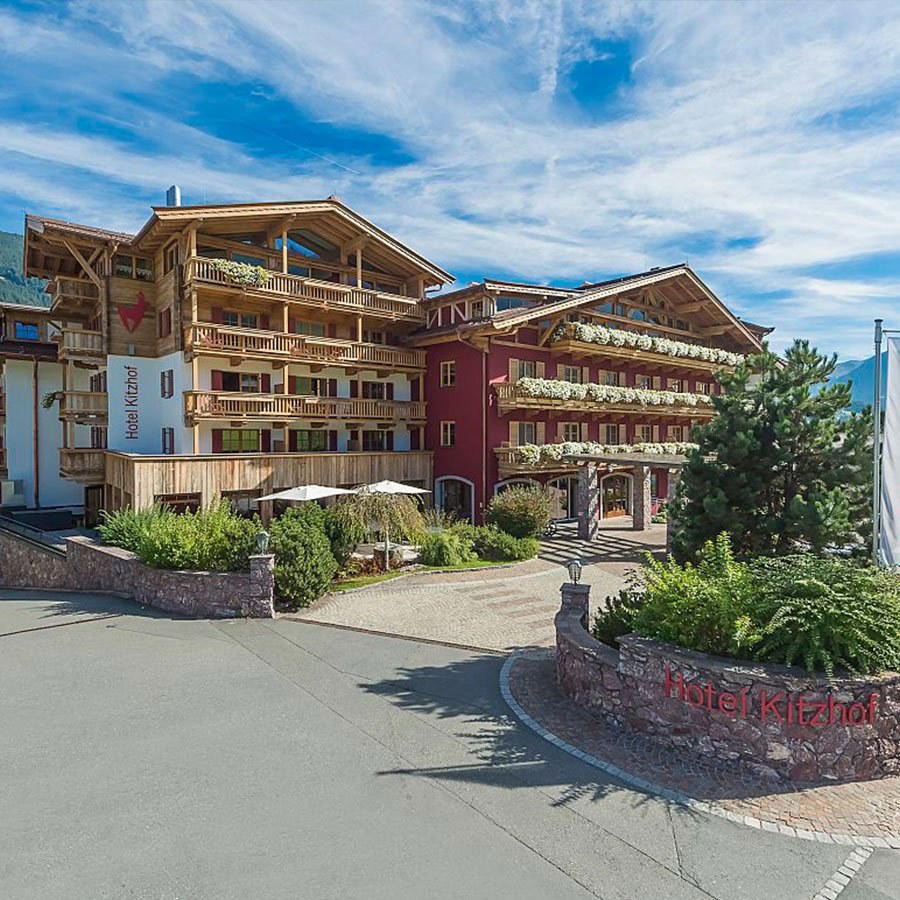
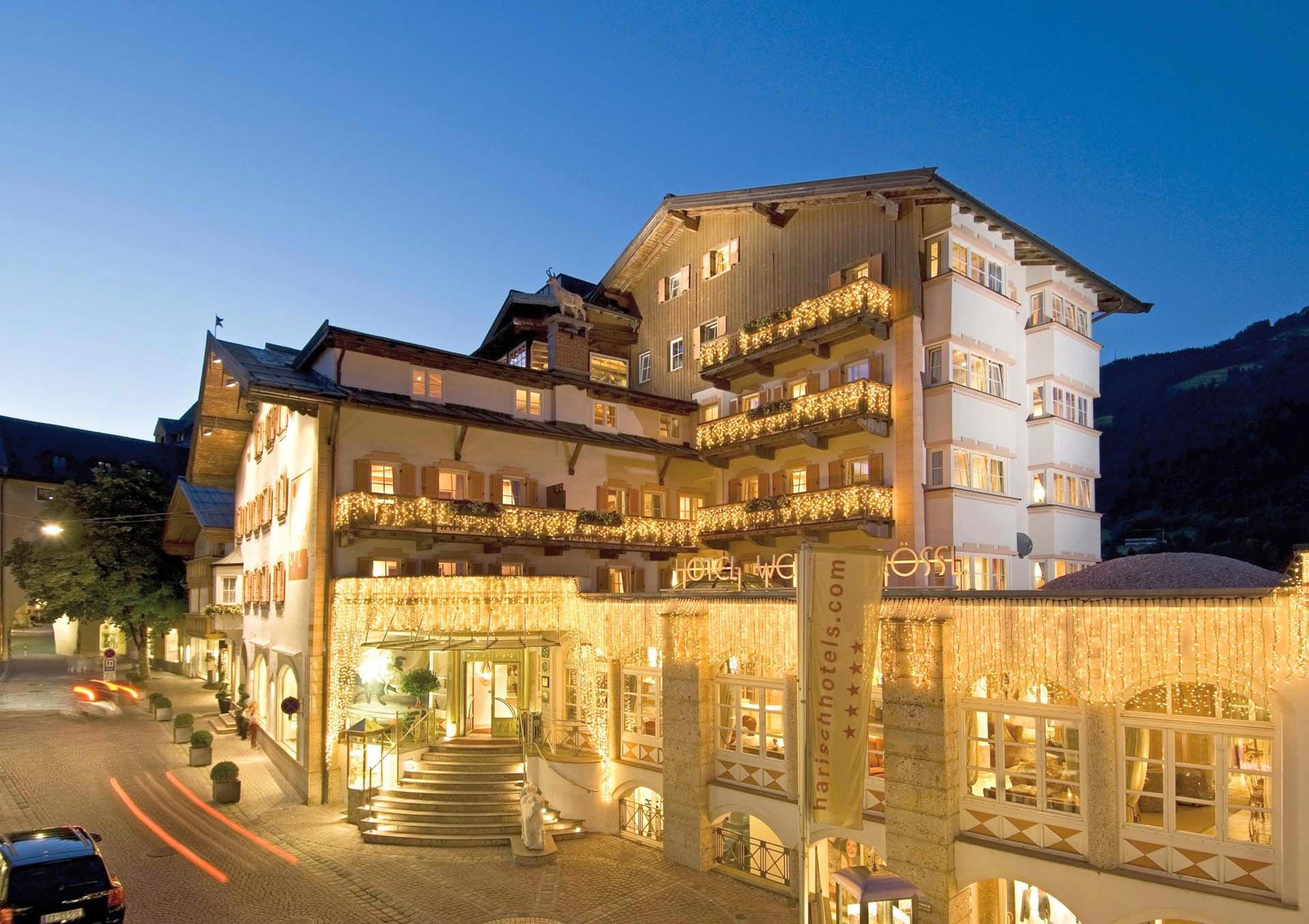
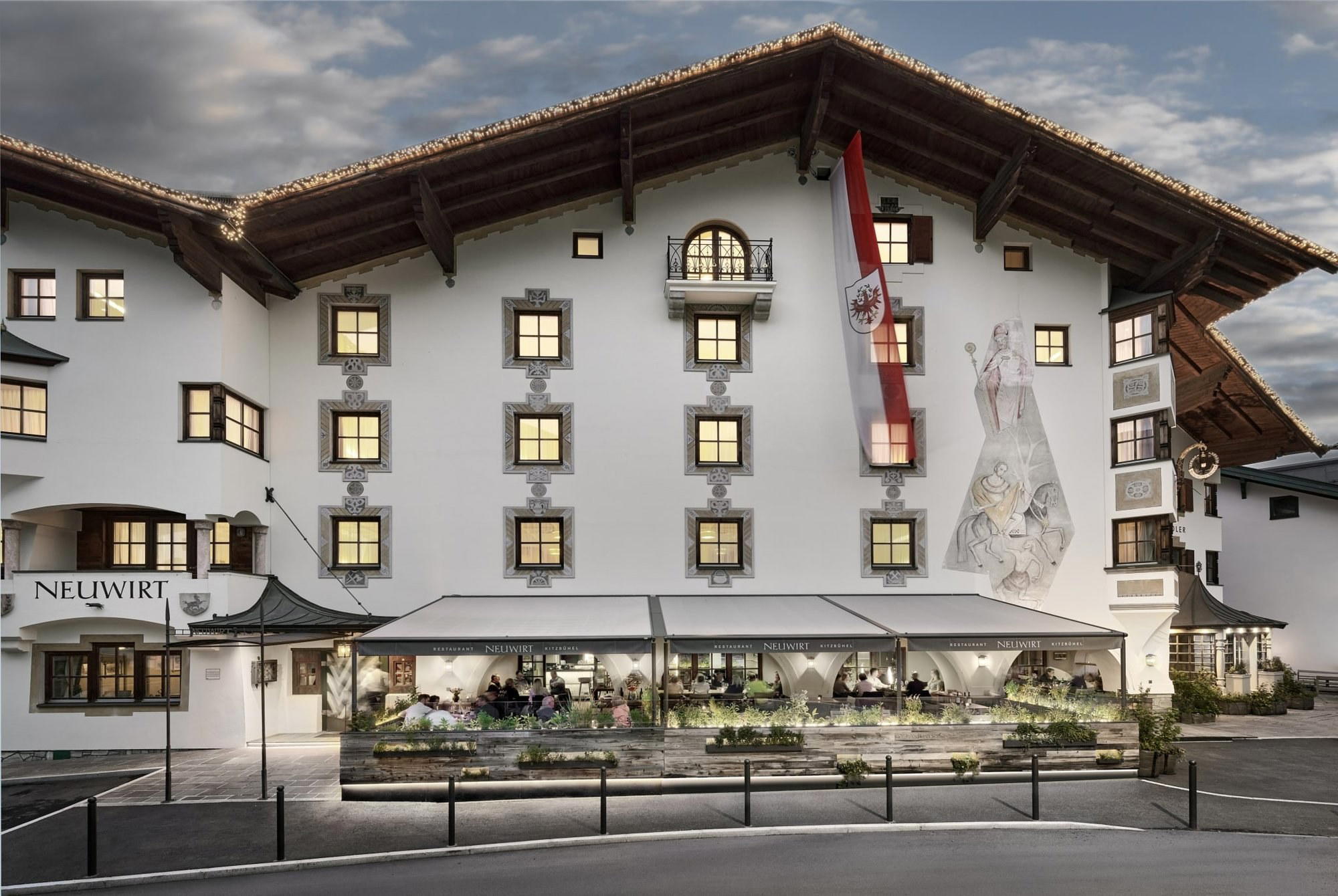
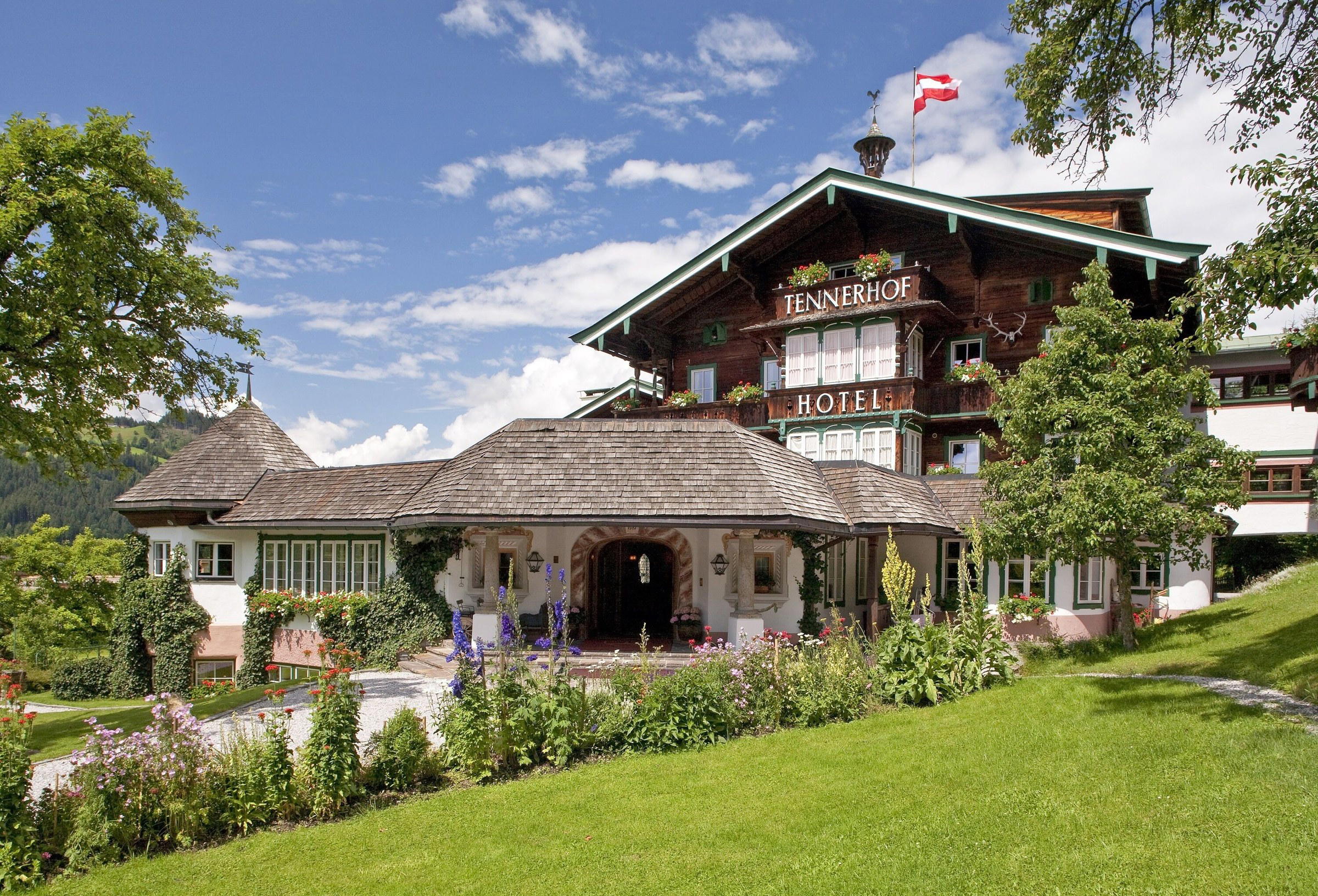
Wineries in Brixen im Thale
Browse all →
At a Glance
- Rustic
- Cozy
- Scenic
- Casual Hangout
- Historic Building
- Beer Program
- Local Sourcing
- Mountain
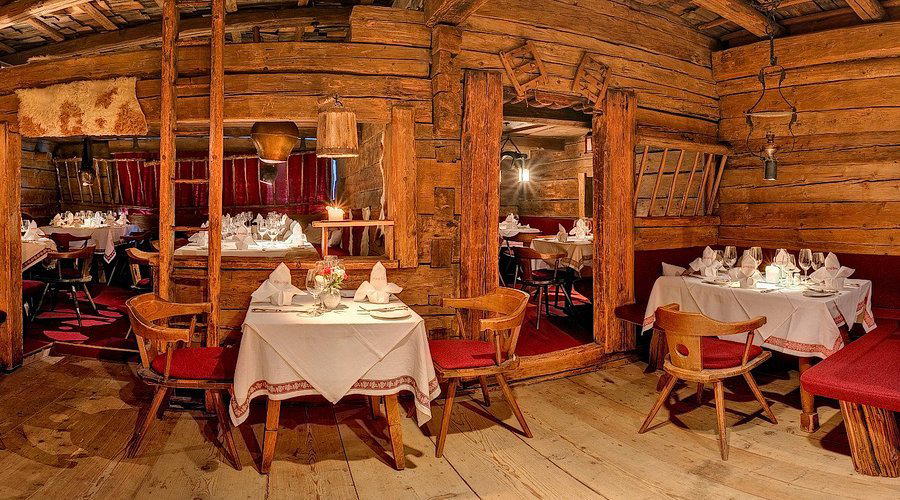
Stylish table decorations and sophisticated drinks in a mountain hut atmosphere.