BEVAN
Our verdict
On the working quayside of Pléneuf-Val-André, BEVAN occupies an address where the catch arrives within walking distance of the kitchen. The restaurant sits in a small Breton coastal town that draws serious food travellers precisely because it resists the conventions of destination dining. For those willing to make the detour from Saint-Brieuc or Dinard, the reward is a meal shaped by the tides rather than the calendar.

Pearl is the En Primeur Club membership app — saves, bookings, and concierge access live there. Same editors, same standards.
- Address
- 22 Quai des Terre Neuvas, 22370 Pléneuf-Val-André, France
- Phone
- +33296729692
- Hours
- Mon–Tue ClosedWed–Sat 12–2:30 PM, 7–11:30 PMSun 12–3:30 PM
- Directions
- Get directions
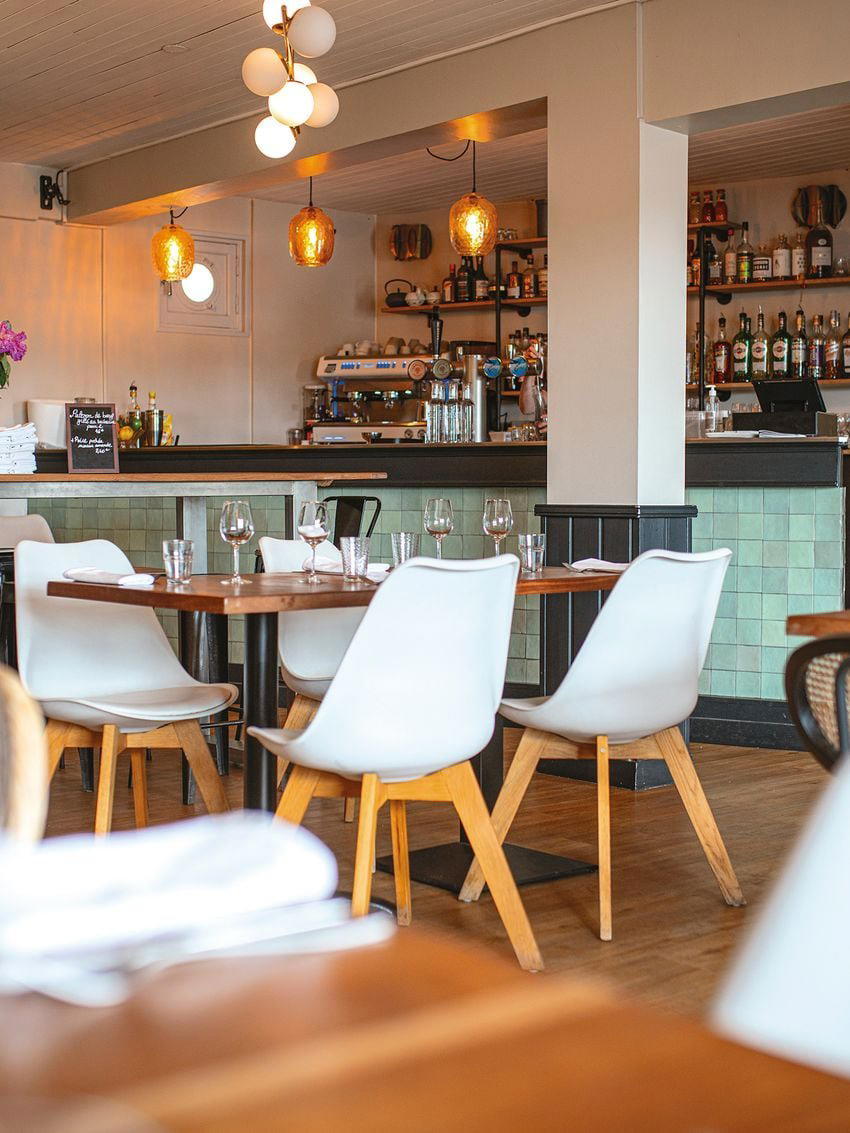
Where the Quay Shapes the Kitchen
Stand at 22 Quai des Terre Neuvas on a clear morning and the logic of cooking here becomes immediately apparent. The quay takes its name from the Terre-Neuvas — the generations of Breton fishermen who crossed the Atlantic to work the Grand Banks off Newfoundland — and the harbour still functions as a working port. The water is close enough that the smell of iodine arrives before any menu does. In coastal Brittany, this proximity between sea and table is not a marketing conceit; it is a structural fact that determines what lands on the plate and when. BEVAN sits within this tradition, at an address where the distance between ocean and kitchen is measured in metres rather than supply-chain days.
French regional cooking has spent the past two decades pulled between two poles: the gravity of Paris, where creative institutions like Alléno Paris au Pavillon Ledoyen operate at €€€€ and represent the apex of technique-driven ambition, and a quieter counter-movement in which restaurants anchored to a specific coastal or rural terroir argue that place, not prestige, is the most honest foundation for serious cooking. The Breton coast belongs firmly to the second camp. What arrives from local waters, scallops from the Baie de Saint-Brieuc, line-caught sea bass, crab from the rocky headlands around Cap Fréhel, carries a specificity that no import can replicate, and the restaurants that take that provenance seriously occupy a distinct position in the French dining map.
The Ingredient Logic of the Breton Coast
Brittany's position as a sourcing region for the rest of France's serious kitchens is well established. The scallops pulled from the Baie de Saint-Brieuc, classified under a protected geographic indication, supply tables from Rennes to Paris, and the oyster beds around the Côtes-d'Armor have fed French tables for centuries. Restaurants that operate directly within this supply chain, rather than at the end of it, work with a different set of constraints and possibilities. The chef has access to the day's catch at a grade that centralised purchasing rarely matches, but the menu must flex with the season and the sea. This is the opposite of the fixed-repertoire model practised by France's most decorated houses, properties like Troisgros - Le Bois sans Feuilles or Bras in Laguiole, where the identity of the restaurant is inseparable from a singular, developed culinary vision. On the quayside, the ingredient precedes the vision.
The scallop season in the Baie de Saint-Brieuc runs from October through May under strict quotas enforced by the local fishermen's committee, one of the more tightly managed shellfish fisheries in Europe. Outside that window, the offer shifts to what the warmer months bring: langoustines from the deeper offshore waters, line fish from the rocky coastline, and the briny, mineral oysters that define Brittany's Atlantic character. A kitchen operating at BEVAN's address is, by geography, plugged directly into this cycle. The seasons do not arrive as an abstract culinary philosophy; they arrive on the quay.
This sourcing model places Breton coastal restaurants in a peer group that cuts across national boundaries rather than running along them. The conversation is closer to what Mirazur in Menton does with the Mediterranean garden-to-table argument, or what Le Bernardin in New York City has spent decades building around the primacy of the fish itself, than it is to the classically structured menus of inland French houses.
Pléneuf-Val-André as a Dining Destination
Pléneuf-Val-André occupies a position on the Côtes-d'Armor that is specific without being remote. The town sits roughly 25 kilometres west of Saint-Brieuc, accessible by road in under 30 minutes from the main N12 corridor. Dinard and Saint-Malo are around an hour to the east; Rennes, with its TGV connections to Paris, is approximately 90 minutes by car. The town is known among French holiday-makers for its wide sandy beach and its casino, but the quayside quarter around the Terre Neuvas harbour functions as a separate register, quieter, more workaday, and oriented toward the water rather than the promenade.
This is not the kind of coastal town that accumulates destination restaurants through inertia or tourism volume. The serious food traveller who makes the drive from Saint-Brieuc or who factors BEVAN into an itinerary that includes Breton market towns and cider producers is operating with a different set of priorities than the hotel guest who wanders along the beachfront. That self-selecting audience shapes what a restaurant on the Quai des Terre Neuvas can reasonably be. For comparison with Brittany's broader appeal as a food region, our full Pléneuf-Val-André restaurants guide maps the wider offer across the town.
Placing BEVAN in the French Provincial Dining Conversation
France's most decorated regional restaurants, Auberge de l'Ill in Illhaeusern, Maison Lameloise in Chagny, Les Prés d'Eugénie in Eugénie-les-Bains, Auberge du Vieux Puits in Fontjoncouse, each arrived at their current status through decades of accumulated credibility, Michelin recognition, and a capacity to make the case that their specific geography produced something unavailable in a city. The Breton coast has its own version of this argument, and it rests almost entirely on the quality and traceability of its marine produce.
Restaurants that sit at the upper end of that proposition, whatever their current award standing, operate within a framework that serious French food culture has validated repeatedly. The coastal address is not incidental. Properties like La Vague d'Or in Saint-Tropez or Le 1947 à Cheval Blanc in Courchevel demonstrate that French fine dining at its most ambitious frequently roots its identity in a landscape-specific ingredient logic, even when operating inside a luxury hotel structure. The quayside model strips that argument back to its most direct form: here is the sea, here is what it produced today, here is what the kitchen will do with it.
For those planning a broader sweep of serious French regional cooking, including mountain houses like Flocons de Sel in Megève, southern properties like L'Oustau de Baumanière in Les Baux, or the Lyonnais institution of Paul Bocuse - L'Auberge du Pont de Collonges, BEVAN represents the Atlantic coastal entry point, where the produce argument is at its most unmediated.
Planning a Visit
The quay address at 22 Quai des Terre Neuvas places BEVAN within the working harbour quarter, a short walk from the town centre but distinct in character from the beach-facing promenade. The optimal window for Breton coastal cooking runs from autumn through spring, when the scallop season is open and the tourist influx has eased. Those combining the visit with longer food-focused itineraries should treat Pléneuf-Val-André as a deliberate detour rather than a passing stop. Georges Blanc in Vonnas and La Table du Castellet in Le Castellet illustrate how France's serious regional tables reward travellers who plan around the restaurant rather than fitting it into an existing route.
Frequently asked questions
Does BEVAN work for a family meal?
Pléneuf-Val-André is built around French family holidays, and a quayside address on the Quai des Terre Neuvas sits closer to that register than a formal tasting-menu room. The harbour setting gives the meal a natural, unhurried rhythm. Whether the kitchen runs a format suited to varied appetites across a table is best confirmed directly with the restaurant before booking.
What's the vibe at BEVAN?
The address at 22 Quai des Terre Neuvas, on a working harbour quay in a mid-sized Breton coastal town, sets the tone before you sit down. This is not a Parisian dining room or a resort hotel restaurant — the quay context points toward something grounded in place, with the Atlantic-facing light and harbour activity as part of the setting. Expect a coastal character shaped more by the Côtes-d'Armor waterfront than by formal dining convention.
Is BEVAN a good base for exploring the Côtes-d'Armor dining scene?
Pléneuf-Val-André sits roughly 25 kilometres west of Saint-Brieuc on the Côtes-d'Armor coast, placing it within reach of one of Brittany's most productive coastal sourcing zones. The quayside location at 22 Quai des Terre Neuvas puts BEVAN at the centre of the working harbour, rather than on the periphery of it. For visitors moving along the Breton coast between Dinard and Saint-Brieuc, the town functions as a credible stop in its own right rather than a detour.
What's the must-try dish at BEVAN?
Check the current menu directly with the restaurant to see what the quay is yielding at the time of your visit.
Where is BEVAN located?
BEVAN is located at 22 Quai des Terre Neuvas, 22370 Pléneuf-Val-André, France, Pleneuf Val Andre.
Comparison Snapshot
Comparable venues nearby, for context on price, style, and recognition.
| Venue | Cuisine | Price | Awards | Notes |
|---|---|---|---|---|
| BEVANThis venue — the venue you are viewing | Modern French Bistro | $30–50 | Not listed | Not listed |
| Le Biniou | Bistronomic French | $30–50 | Michelin Bib Gourmand | Pléneuf-Val-André |
| La Marinière | French Seafood | Not listed | Not listed | Les Mielles |
| La Boissière | French Bistro | $20–30 | Not listed | centre ville |
| L'AlgoRythme | Seasonal French Tapas | Not listed | Not listed | Argentré |
| Grain de Folie | French Coastal Brasserie | $30–50 | Not listed | Pornichet |
Continue exploring
More in Pléneuf-Val-André
Restaurants in Pléneuf-Val-André
Browse all →
Bars in Pléneuf-Val-André
Browse all →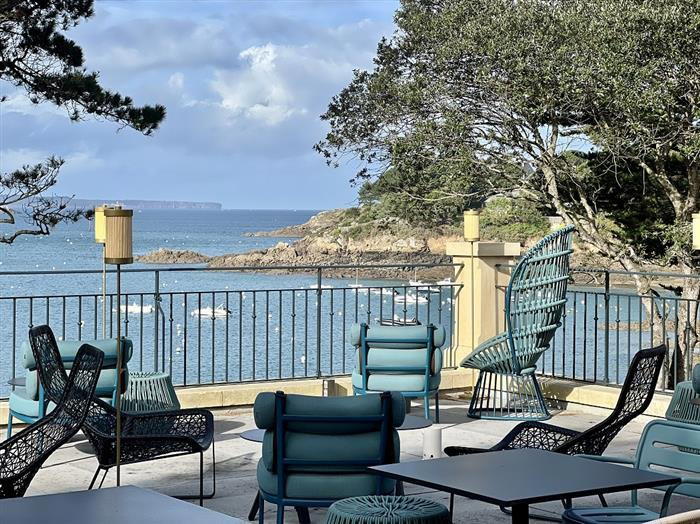
Details
- Lively
- Cozy
- Scenic
- Date Night
- Family
- Casual Hangout
- Terrace
- Waterfront
- Local Sourcing
- Waterfront
- A La Carte
- Vegetarian Friendly
Current opening hours
- Monday
- Closed
- Tuesday
- Closed
- Wednesday
- 12–2:30 PM, 7–11:30 PM
- Thursday
- 12–2:30 PM, 7–11:30 PM
- Friday
- 12–2:30 PM, 7–11:30 PM
- Saturday
- 12–2:30 PM, 7–11:30 PM
- Sunday
- 12–3:30 PM
Hours can change for holidays and private events. Last verified .
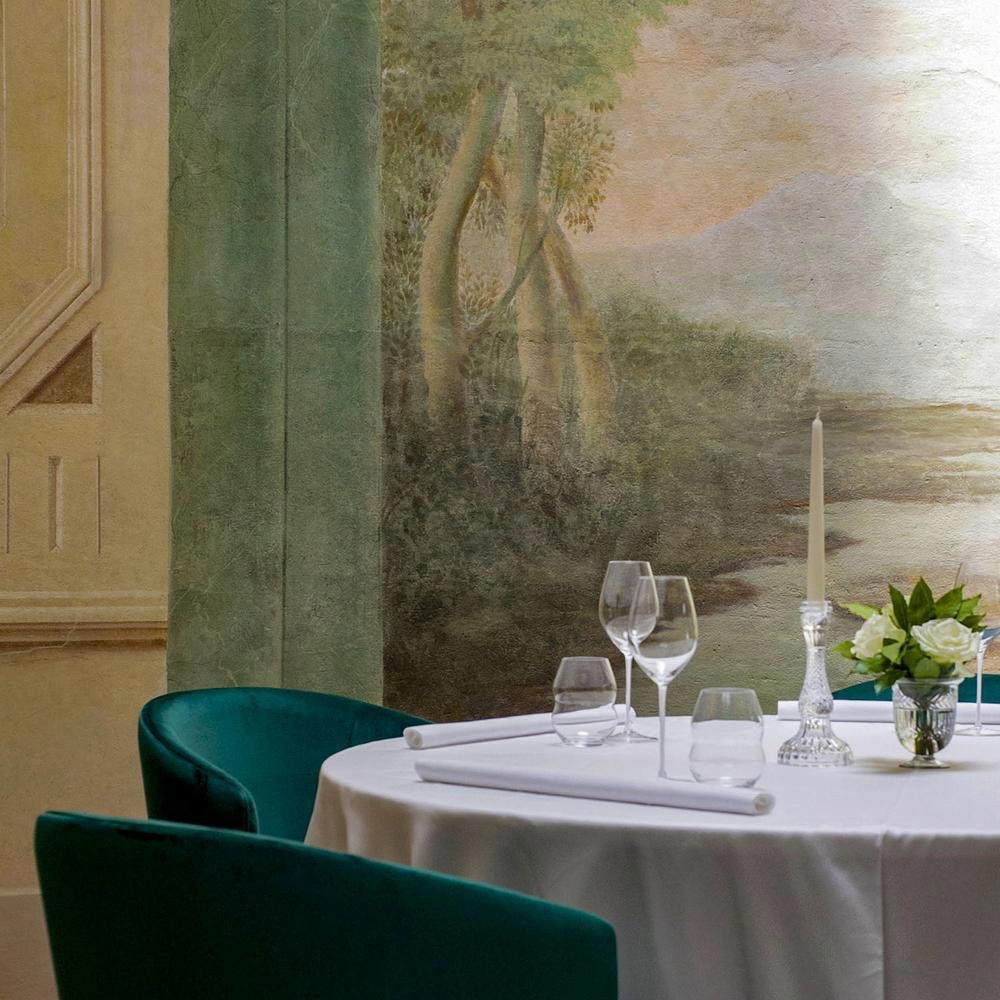
Lively ground floor café atmosphere contrasts with hushed intimate upstairs dining, enhanced by idyllic terrace views over the port.