Le Nessay


Mr & Mrs Smith Seal of Approval · Small Luxury Hotels of the World Member
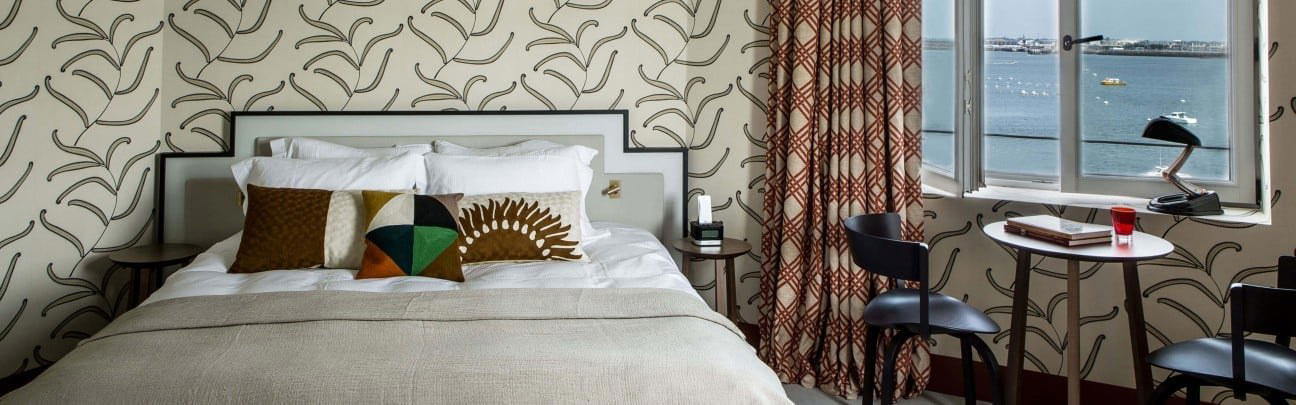
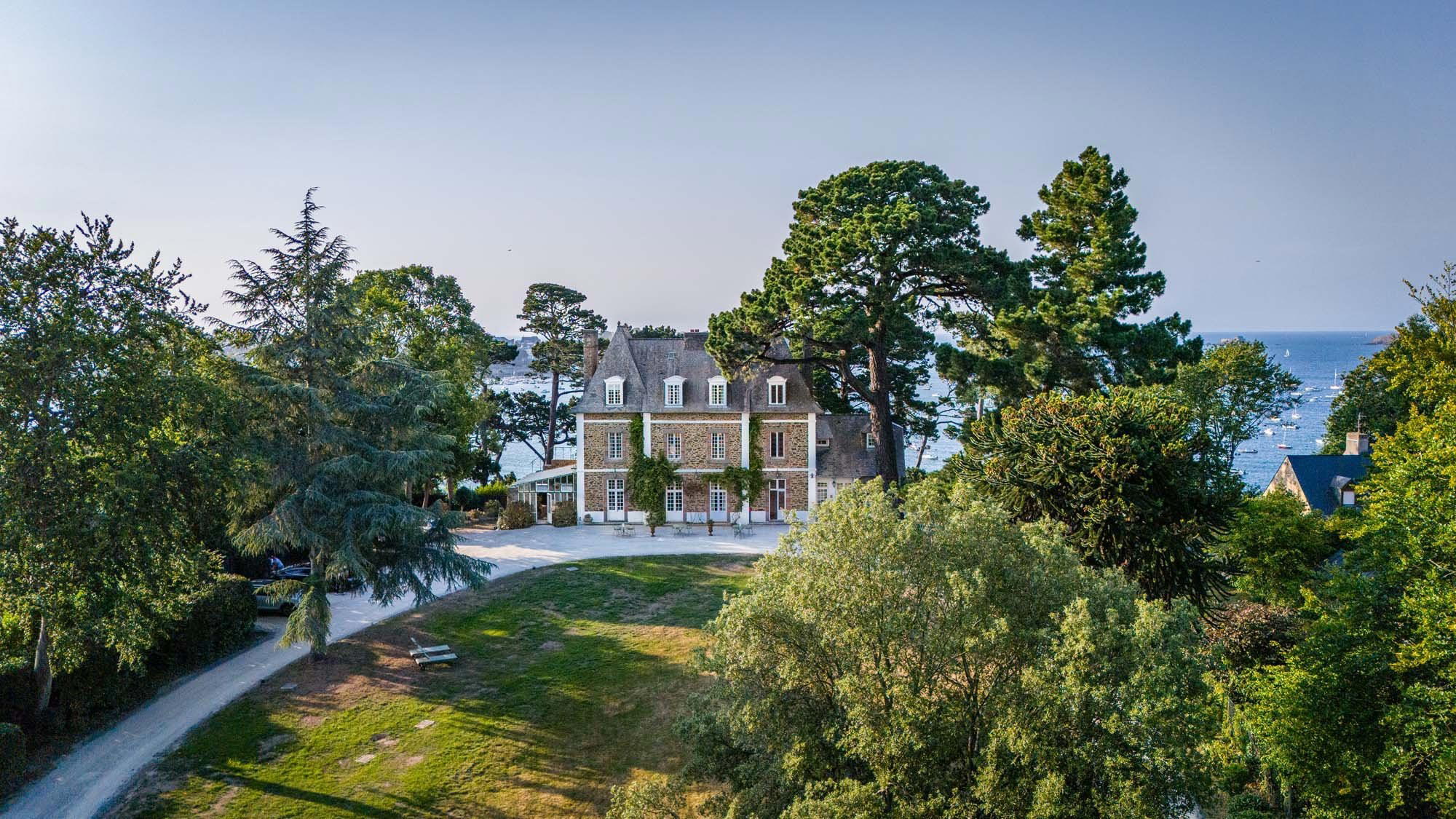
A redbrick château with turrets rising above the Nessay Peninsula on the Brittany coast, Le Nessay occupies one of northern France's most dramatically positioned hotel sites. The property reads like a deliberate throwback to the Belle Époque era of coastal leisure, when Breton headlands drew painters and aristocrats alike. For travellers seeking architectural drama and Atlantic solitude in equal measure, this is a serious candidate.

Pearl is the En Primeur Club membership app — saves, bookings, and concierge access live there. Same editors, same standards.
- Address
- Le Nessay, Saint-Briac-sur-Mer
- Website
- lenessay.com
- Directions
- Get directions
A Château at the Edge of Brittany
The Nessay Peninsula juts into the English Channel with the kind of assertiveness that the Breton coast is known for: granite-hard, wind-scraped, indifferent to compromise. Arriving at Le Nessay, the approach along the peninsula's narrow road sharpens the sense of arrival — the redbrick château materialises ahead with its turrets pointing skyward, surrounded on three sides by the Atlantic. This is architecture used as punctuation, marking the end of the land and the beginning of something else entirely. Few hotel arrivals in northern France produce quite this effect.
In the broader context of French château hotels, the Breton variant occupies a distinct register. Properties like Domaine Les Crayères in Reims or Château du Grand-Lucé in Le Grand-Lucé are rooted in inland agricultural or aristocratic traditions — symmetrical, manicured, softened by parkland. Le Nessay belongs to a different type: the coastal folly, built not to manage a domaine but to occupy a view, to plant a flag on a headland and live inside the spectacle of the sea. That distinction shapes everything about the property's character and its competitive positioning.
Architecture as the Central Argument
The redbrick construction is itself a period statement. Across the Channel in Britain, Victorian seaside architecture favoured the same material, producing the grand hotel terraces of Torquay or the pier pavilions of Brighton. On the Breton coast, the late nineteenth and early twentieth centuries brought wealthy Parisians and visiting aristocrats who commissioned villas and châteaux in similar spirit: the desire to frame the sea inside something permanent and impressive. Le Nessay's turrets, its verticality, its deliberate drama all belong to this tradition of coastal ambition, a building designed to be seen from boats as much as from the road.
This places Le Nessay in a small peer group of French properties where the architectural identity is the primary credential, rather than a wine cellar, a spa programme, or a starred restaurant. Compare it to Castelbrac in Dinard, a few kilometres along the same coastline, where a grand villa format serves a similar function: the building carries the argument, and the guest experience is organised around honouring that architecture rather than competing with it. Both properties sit within a Breton coastal tradition that is quieter, more austere, and more historically specific than the glamour of, say, Hotel Du Cap-Eden-Roc in Cap d'Antibes or Airelles Saint-Tropez Château de la Messardière.
What the Nessay Peninsula offers that the Riviera cannot is a particular quality of light and weather, the Atlantic's mood shifts faster and more dramatically than the Mediterranean's, and the architecture here is built to receive that variation. On a clear morning, the château reads differently than it does under an approaching storm front, when the turrets against a grey sky produce something closer to the fairy-tale register the building was always reaching for.
Saint-Briac-sur-Mer and Its Context
Saint-Briac-sur-Mer is a small commune on the Côte d'Émeraude, the stretch of Brittany coastline named for the green-tinged colour of its shallow coastal waters. The village has a long-standing connection with painters drawn by that light: Henri Rivière documented the area in the 1890s, and the village's position between Dinard and Saint-Malo placed it within reach of the cultural traffic that moved along this coast during the Belle Époque. Le Nessay's architecture makes sense within that history: it was built when this coastline was a genuine destination for the French upper classes, before the Riviera consolidated its grip on the national imagination of luxury coastal leisure.
Today, Saint-Briac remains quieter than its neighbours. Saint-Malo, with its walled city and substantial ferry traffic from the UK, draws significantly larger visitor numbers. Dinard, with its striped beach tents and Art Deco villa stock, functions as the better-known resort. Saint-Briac sits between them, smaller and less promoted, which suits a property like Le Nessay. The peninsula's isolation is the point, not a liability. For those considering the broader region, our full Saint-Briac-sur-Mer guide covers the area's dining and accommodation options in more detail.
Where Le Nessay Sits in the French Boutique Hotel Market
French boutique château hotels have split into at least two clear tiers. The first is defined by gastronomic credentials: Michelin-starred restaurants, celebrated wine lists, and spa infrastructure that competes with larger international groups. Properties like Les Sources de Caudalie in Bordeaux, Baumanière Les Baux-de-Provence, or Royal Champagne Hotel & Spa in Champillon compete on programme depth as much as on architecture or setting. The second tier, and Le Nessay reads as belonging here, is defined by the property itself, where the building's character and its site carry the experience, and the programming remains secondary.
Neither tier is better; they serve different travel instincts. A guest seeking a gastronomic long weekend in France will naturally look toward Château Lafaurie-Peyraguey or La Bastide de Gordes. A guest drawn to coastal solitude inside a historically specific building, one where the morning view and the quality of the silence matter more than the tasting menu, will find the Nessay Peninsula's proposition more coherent.
Planning a Stay
Le Nessay is accessible from Saint-Malo, which connects to Paris Montparnasse by TGV in just under three hours. Dinard's small airport handles seasonal routes, primarily from the UK, which makes the property a viable long-weekend destination for British travellers without requiring a Paris connection. The Breton coast's most settled weather falls between late May and early September, though the shoulder months, particularly April and October, carry a quieter atmosphere that suits the property's character more naturally than high summer, when the Côte d'Émeraude draws considerably larger crowds.
Prospective guests are advised to confirm current room availability, rates, and any seasonal closures directly with the property before travel. As with most coastal château hotels of this type in northern France, early booking for July and August is advisable, with the shoulder season offering more flexibility and, for many guests, a more genuine encounter with the Breton coast's particular atmosphere.
How It Stacks Up
Comparable venues nearby, for context on price, style, and recognition.
| Venue | Cuisine | Price | Awards | Notes |
|---|---|---|---|---|
| Le NessayThis venue — the venue you are viewing | Chateau-style family-friendly retreat | $200–300 | Mr & Mrs Smith Seal of Approval · Small Luxury Hotels of the World Member | Not listed |
| Château Le Nessay | Château-style boutique hotel blending historic charm with modern comfort | Not listed | Michelin Selected | Saint-Briac-sur-Mer |
| Version Maquis Santa Manza | Art Deco boutique in Corsican countryside | Not listed | Michelin Selected | Santa Manza |
| L'Abbaye de Talloires | Historic abbey converted to luxury hotel with original monastic features | Not listed | Michelin Selected | Talloires-Montmin |
| 70 Hectares & l'Océan - Fontenille Collection | Contemporary luxury resort with Californian surf lodge influences, blending modern elegance with natural forest surroundings. | $300–500 | Michelin Selected | Seignosse |
| Le Jeu de Paume Chamonix | Alpine chalet with Parisian heritage, blending traditional Savoyard architecture with contemporary luxury and eco-conscious design principles. | $100–200 | Michelin Selected | Lavancher |
Recognition history
Dated appearances from independent guides and award organizations, with the underlying list record or original source where available.
Mr & Mrs Smith Seal of Approval
Mr & Mrs Smith
Small Luxury Hotels of the World Member
Small Luxury Hotels of the World
Continue exploring
More in Saint Briac sur Mer
Hotels in Saint Briac sur Mer
Browse all →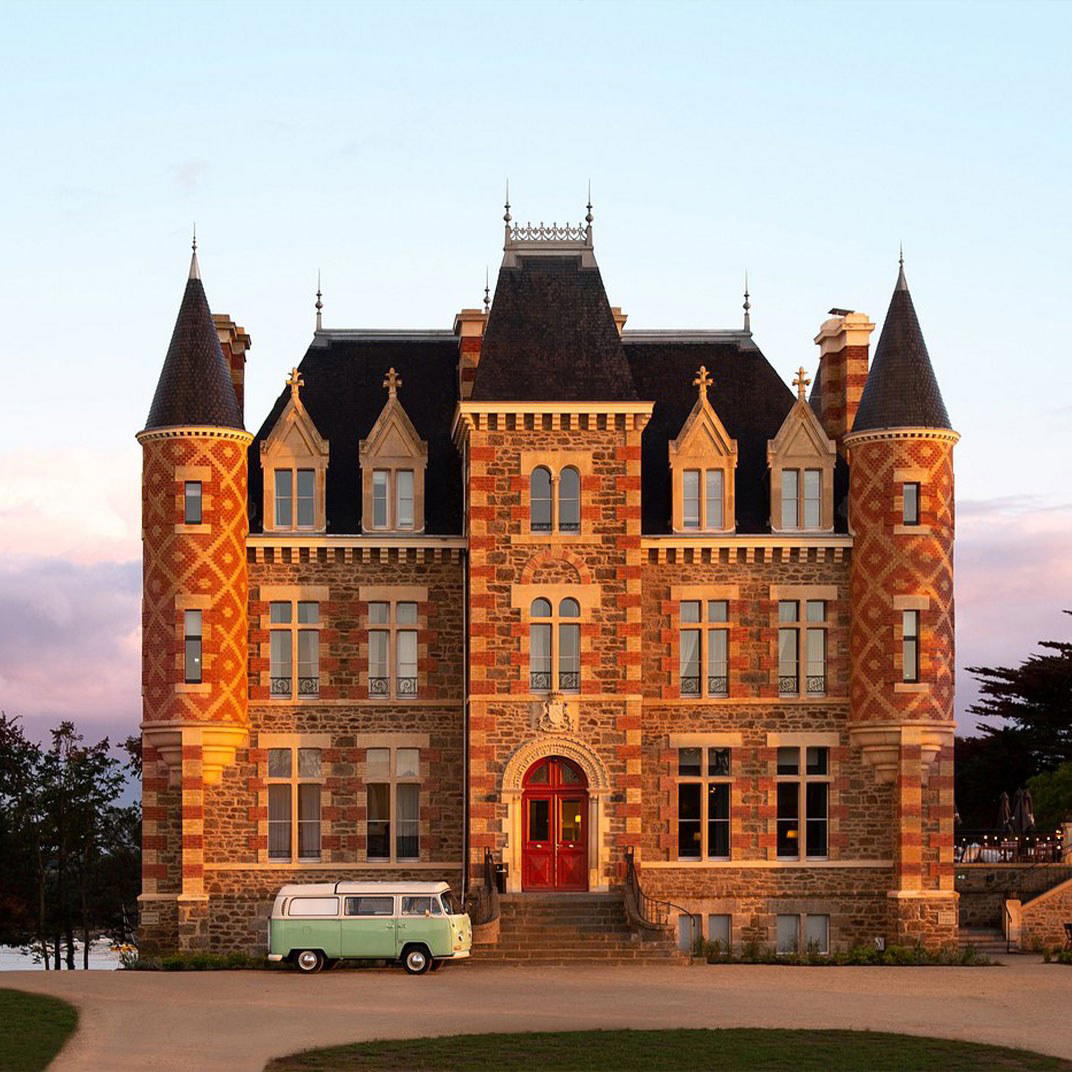
Bars in Saint Briac sur Mer
Browse all →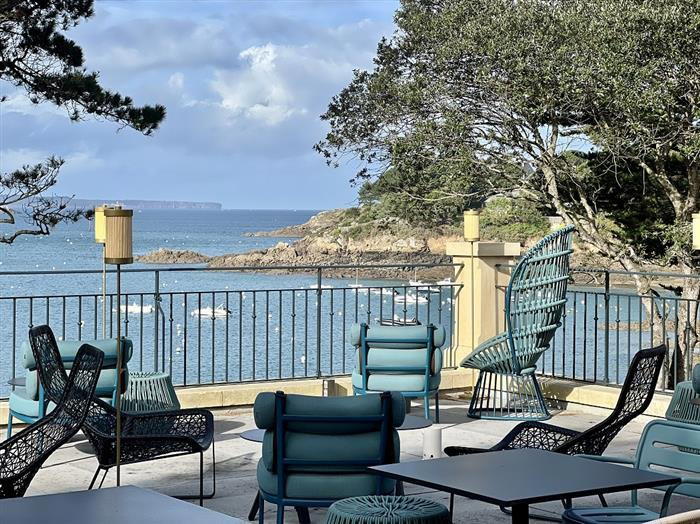
Details
- Romantic
- Elegant
- Scenic
- Cozy
- Sophisticated
- Romantic Getaway
- Family Vacation
- Weekend Escape
- Beachfront
- Panoramic View
- Terrace
- Spa
- Pool
- Wi Fi
- Restaurant
- Bar
- Parking
- Sauna
- Garden
- Waterfront
- Wheelchair Accessible
- Elevator
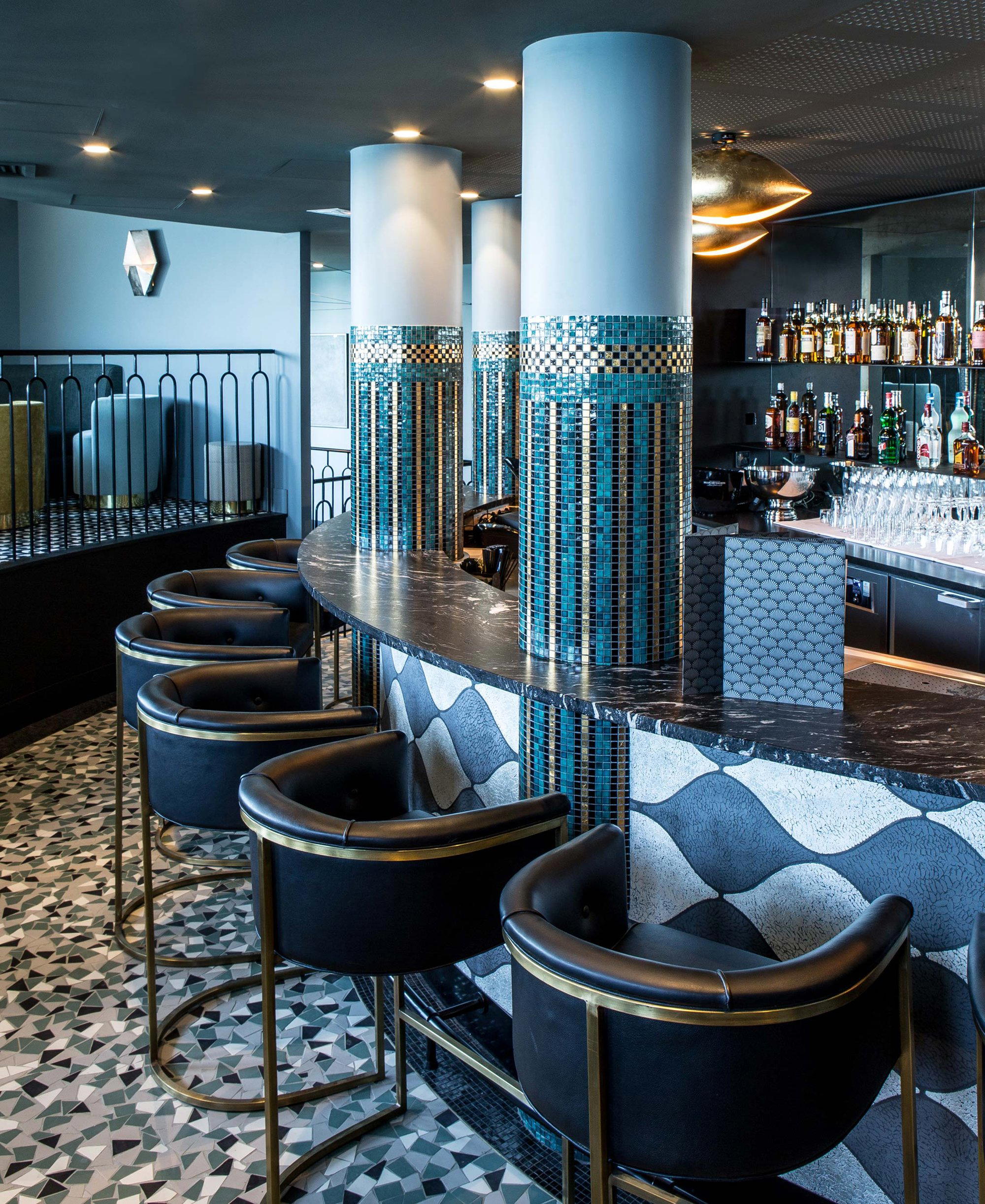
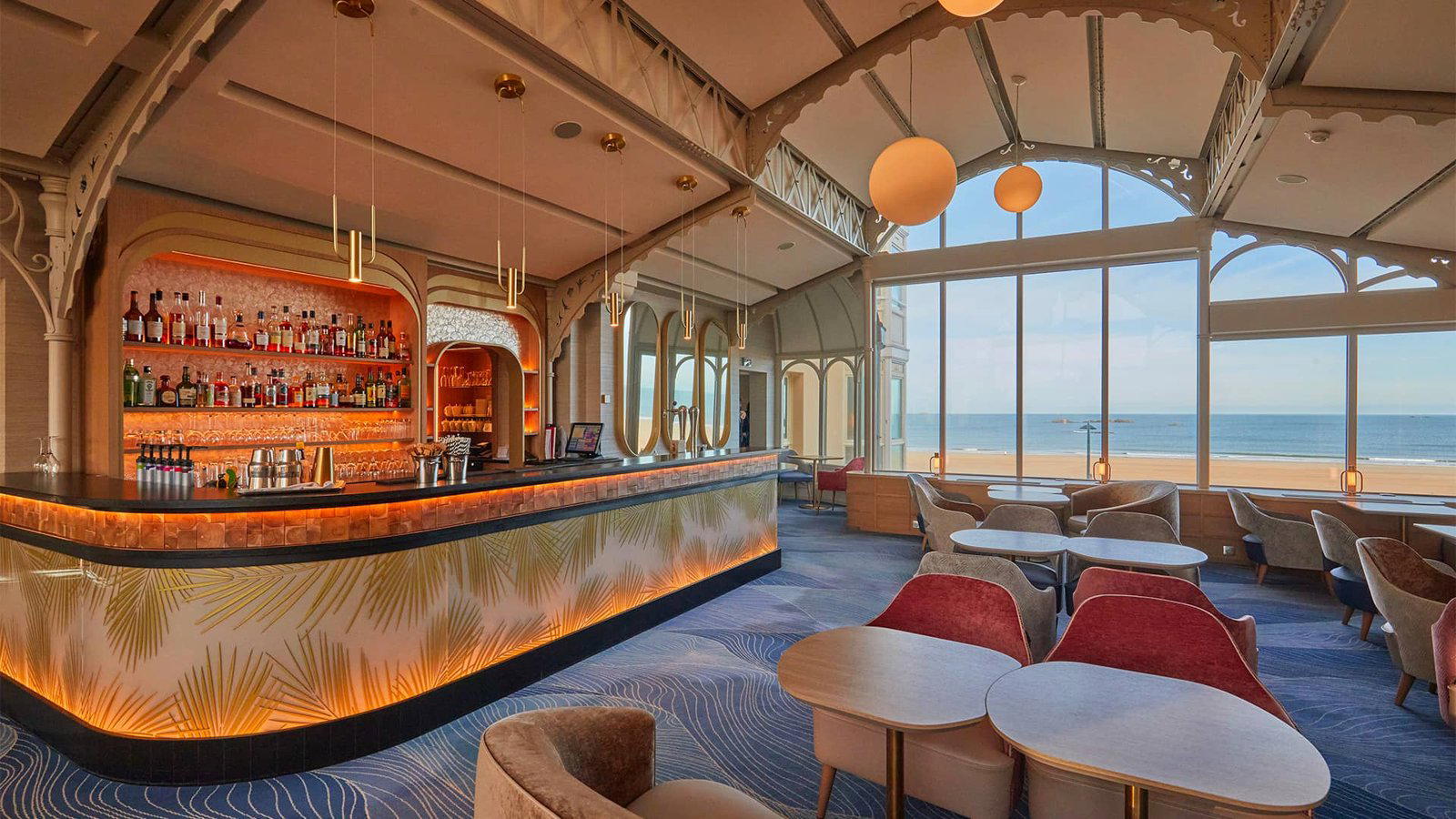
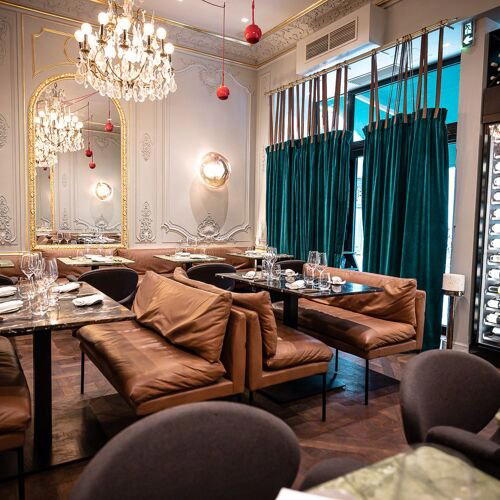
Vintage glamour with clean pastel interiors, warm Breton welcome, and serene sea-facing terrace atmosphere.