La Table d'Edgar

La Table d'Edgar brings modern cuisine to Saint-Brieuc's mid-tier dining scene, holding a Michelin Plate in both 2024 and 2025 under chef Kenny Friederichs. Positioned at the €€ price point, it sits alongside creative and contemporary peers in a city whose restaurant culture punches above its size.4 across 656 reviews confirms it as a consistent reference point for the town.
Pearl is the En Primeur Club membership app — saves, bookings, and concierge access live there. Same editors, same standards.
- Address
- 15 Rue Jouallan, 22000 Saint-Brieuc, France
- Phone
- +33 2 96 60 27 27
- Website
- saint-brieuc-hotel.fr
- Directions
- Get directions
 Saves & bookings on Pearl
Rue Jouallan is not the kind of street that announces itself. Saint-Brieuc's older residential quarters carry a particular quality found across Brittany's interior towns: stone facades, narrow pavements, the ambient smell of Atlantic air pushed inland. It is in this setting, rather than on a tourist-facing promenade, that La Table d'Edgar occupies its address at number 15.
Modern Cuisine in a Breton Context
French modern cuisine, as a category, spans an enormous range of ambition and execution. At the summit of that range sit establishments like Alléno Paris au Pavillon Ledoyen in Paris, Mirazur in Menton, and Troisgros - Le Bois sans Feuilles in Ouches, each carrying multi-star recognition and operating within France's most scrutinised competitive sets. Further down the national hierarchy, but no less seriously considered by Michelin's inspectors, sit mid-city tables whose role is different: they anchor local dining culture, set a reference point for a region's culinary ambition, and offer technically minded cooking to audiences that do not travel to Paris for dinner.
La Table d'Edgar occupies that second role in Saint-Brieuc. A Michelin Plate, awarded in both 2024 and 2025, is not a star, but it is a meaningful signal. The Plate designation indicates that Michelin's inspectors found the cooking worth recommending, quality ingredients and careful preparation, without yet meeting the threshold for a full star. In a city of Saint-Brieuc's size, sustaining that recognition across two consecutive years carries weight. It places chef Kenny Friederichs inside a specific French culinary conversation: technically grounded, regionally embedded, working at a price point accessible to regular diners rather than special-occasion visitors only.
That €€ pricing fits the restaurant's mid-market position in Saint-Brieuc. Aux Pesked, the city's Michelin-starred seafood address, operates at €€€, a tier above. Le Monde des Chimères and Ô Saveurs share the €€ bracket and the modern or creative cuisine positioning, making the mid-market contemporary tier reasonably competitive for a Breton city of this scale. L'Air du Temps operates at the entry price point, rounding out a scene that covers several distinct registers without any single table dominating.
What the Michelin Plate Signals About the Kitchen
Michelin's Plate recognition, introduced formally as a category in 2016, was designed to surface tables that inspectors would recommend without hesitation, even where a star was not warranted. The distinction matters for readers trying to understand what kind of experience to expect. A Plate restaurant in France is not a consolation prize. In cities like Saint-Brieuc, where the starred tier is small, it is often one reliable indicator of serious, consistent cooking. Holding the designation in both 2024 and 2025 points to consistency rather than a single strong season. Consistency is what guides inspectors to return, and consistency is what the repeated award reflects.
For comparison, France's most decorated addresses, from Auberge de l'Ill in Illhaeusern to Bras in Laguiole to the institution that remains Paul Bocuse - L'Auberge du Pont de Collonges in Collonges-au-Mont-d'Or, all built their reputations on exactly that quality: a kitchen that performs at the same level whether an inspector is present or not. The gap between those establishments and a €€ Plate address in Brittany is vast in terms of scale and prestige. The underlying principle, however, is the same. Trust is built through repetition.
Brittany as a Culinary Geography
Saint-Brieuc sits in the Côtes-d'Armor department, one of four that divide Brittany, and it carries the agricultural and maritime character of that position. The region's cooking tradition pulls in two directions: toward the sea, with the shellfish, crustaceans, and flat fish that the Breton coast produces at serious volume, and toward the land, with dairy, buckwheat, and root vegetables that define interior farming. A modern cuisine address in this context has a specific opportunity that restaurants in more neutral urban settings do not. The supply chain is strong. Breton butter, Breton cream, lobster from Saint-Quay-Portrieux, scallops from the bay: these are not marketing claims but agricultural facts about the region's output.
How a kitchen at this price tier uses or contextualises those ingredients defines its identity more than any single technique. The broader category of French modern cuisine, when it works well in regional settings, acts as a frame that foregrounds local produce rather than obscuring it under international technique. When it works less well, the reverse occurs: global influences flatten regional character and the terroir advantage is lost. La Table d'Edgar's sustained Michelin recognition suggests the kitchen is working on the right side of that distinction, though
The comparable set Beyond France
Modern cuisine as a format has become genuinely international. Restaurants like Flocons de Sel in Megève, Frantzén in Stockholm, and FZN by Björn Frantzén in Dubai each operate within broadly similar frameworks, ingredient-led, technically precise, format-driven, while rooted in entirely different geographic and cultural contexts. What differentiates them is not the category but the depth of their regional anchoring. A table that draws on its specific geography, rather than gesturing toward a generalised international fine dining language, offers something that cannot be replicated in other cities. This is the argument for regional modern cuisine, and it is the argument that mid-tier Breton tables like La Table d'Edgar are best positioned to make.
Planning a Visit
The restaurant is at 15 Rue Jouallan in Saint-Brieuc, France. The address sits outside the immediate commercial centre, which means arriving by car is direct, while on foot from the city centre it is a manageable walk through a quieter residential district. Booking in advance is advisable, particularly at weekends or during summer months when Brittany attracts significant tourism. Booking in advance is recommended.
For a fuller picture of what Saint-Brieuc's restaurant scene offers, see
Cuisine and Credentials
Comparable venues nearby, for context on price, style, and recognition.
| Venue | Cuisine | Price | Awards | Notes |
|---|---|---|---|---|
| La Table d'EdgarThis venue — the venue you are viewing | Modern French | $$$ | Michelin Plate | Not listed |
| L'Air du Temps | Traditional French Bistrot | $$$ | Michelin Plate | centre-ville |
| Ô Saveurs | Modern French Fine Dining | $$$ | Michelin Plate | centre-ville |
| Manoir Le Quatre Saisons | Traditional French Bistro | $$$ | Not listed | Saint-Brieuc |
| Le Monde des Chimères | Modern French Bistronomique | $$$ | Michelin Plate | Saint-Brieuc |
| L'Arbalaise | Traditional French Bistro | $$ | Not listed | centre-ville |
Recognition history
Dated appearances from independent guides and award organizations, with the underlying list record or original source where available.
Michelin Plate
Michelin
Michelin Plate
Michelin
Michelin Plate
Michelin
Continue exploring
More in Saint-Brieuc
Restaurants in Saint-Brieuc
Browse all →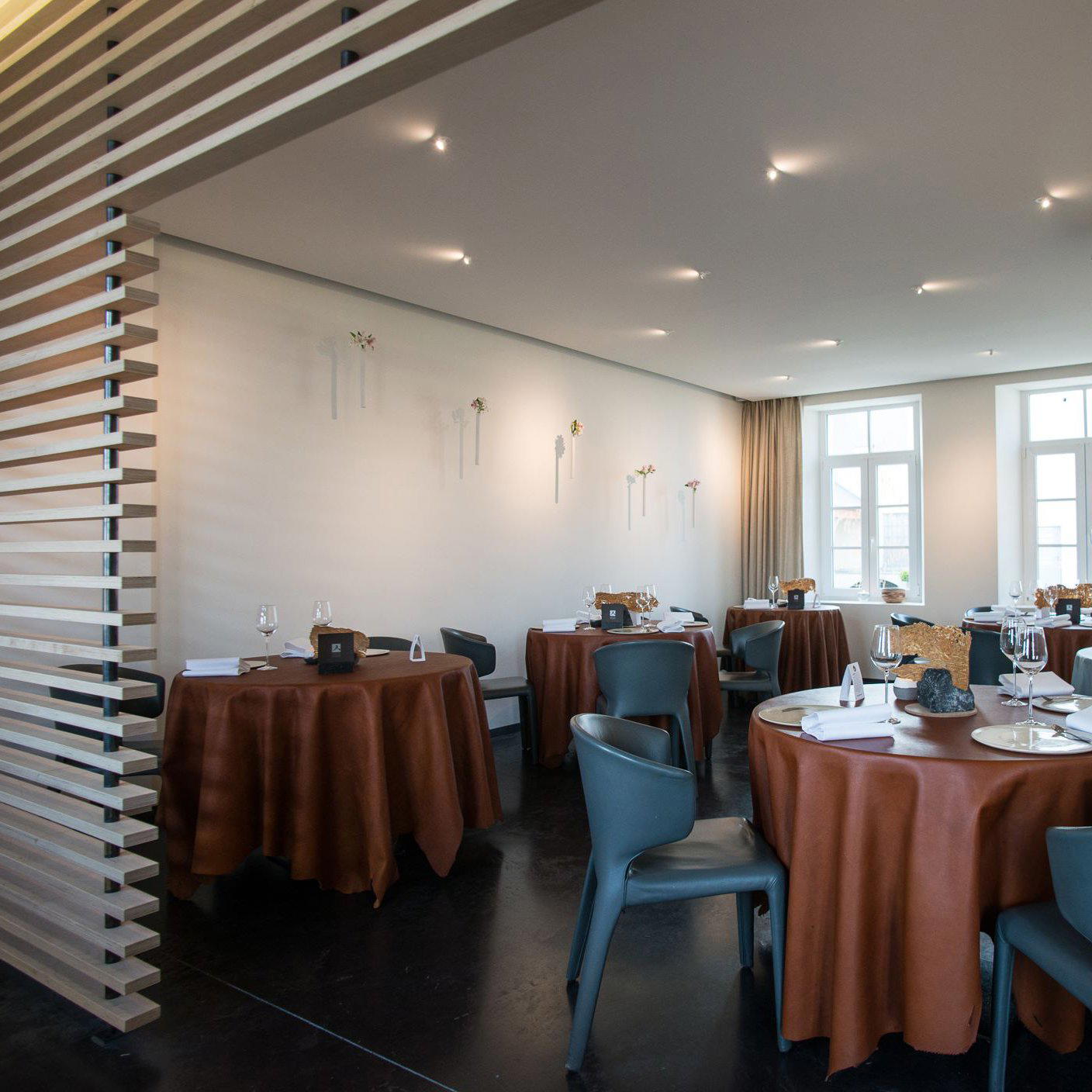
Hotels in Saint-Brieuc
Browse all →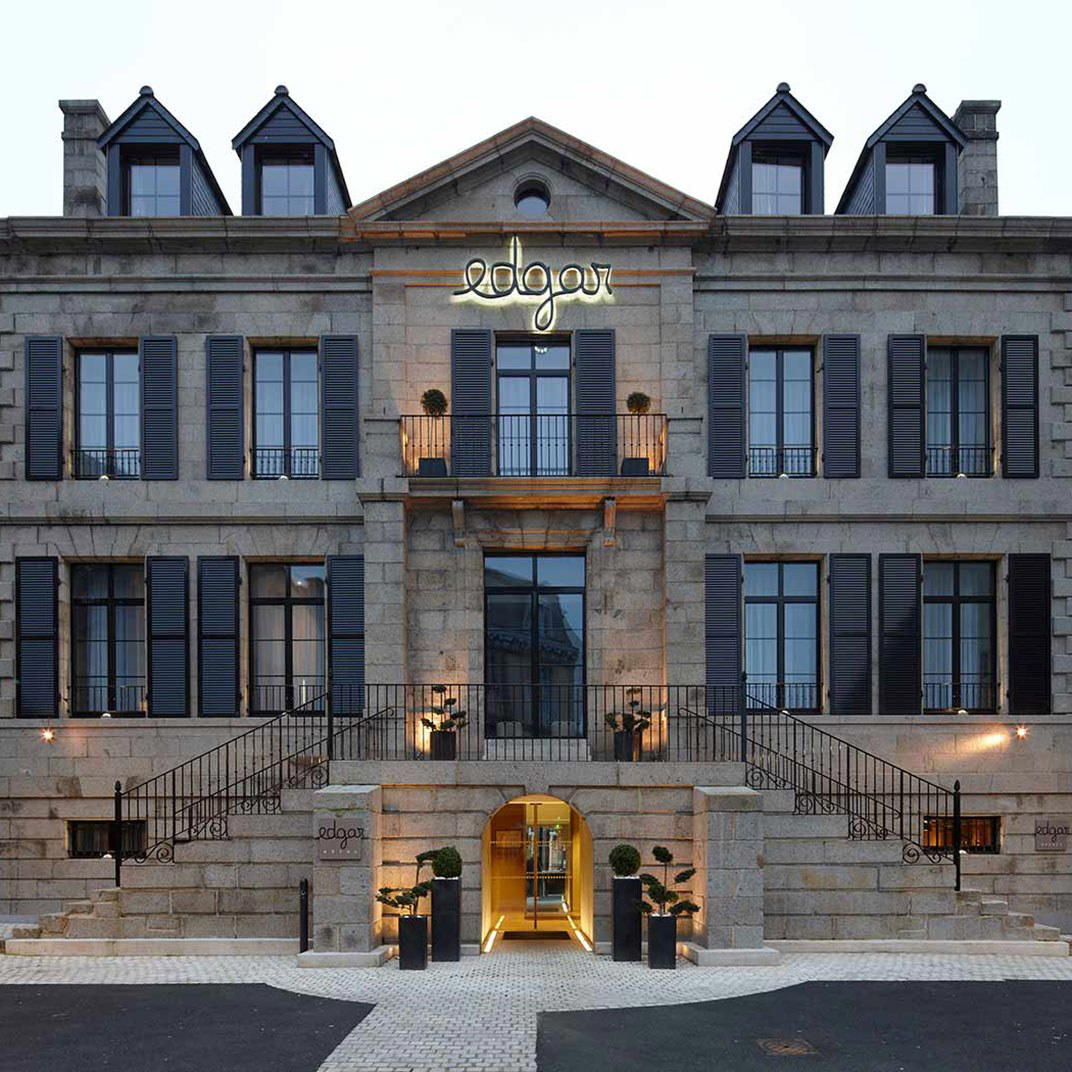
At a Glance
- Elegant
- Cozy
- Sophisticated
- Date Night
- Business Dinner
- Special Occasion
- Hotel Restaurant
- Extensive Wine List
- Local Sourcing
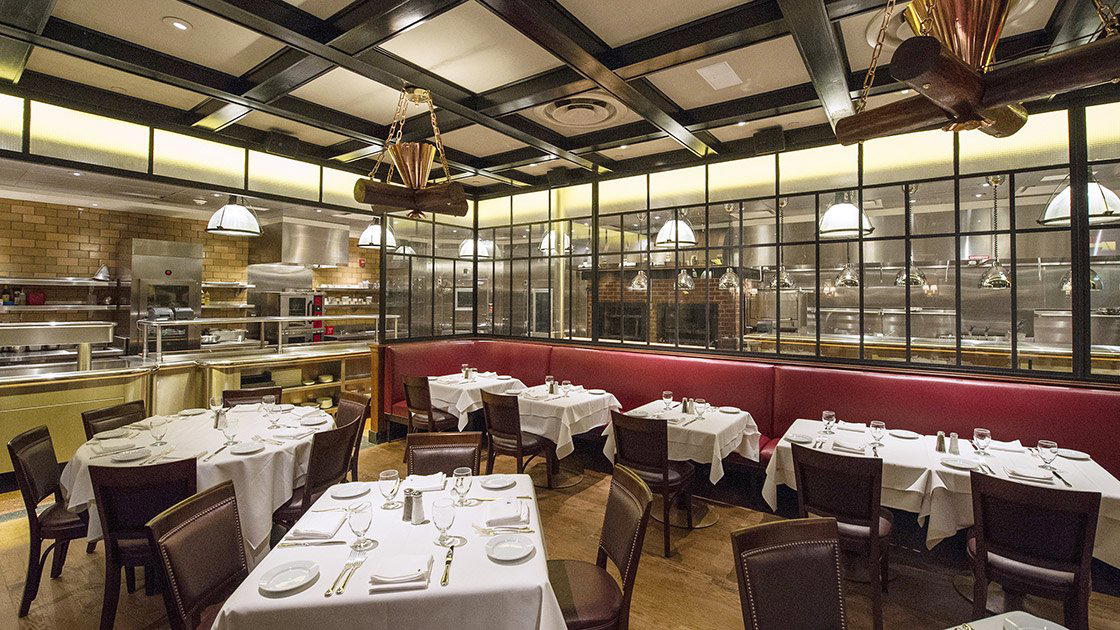
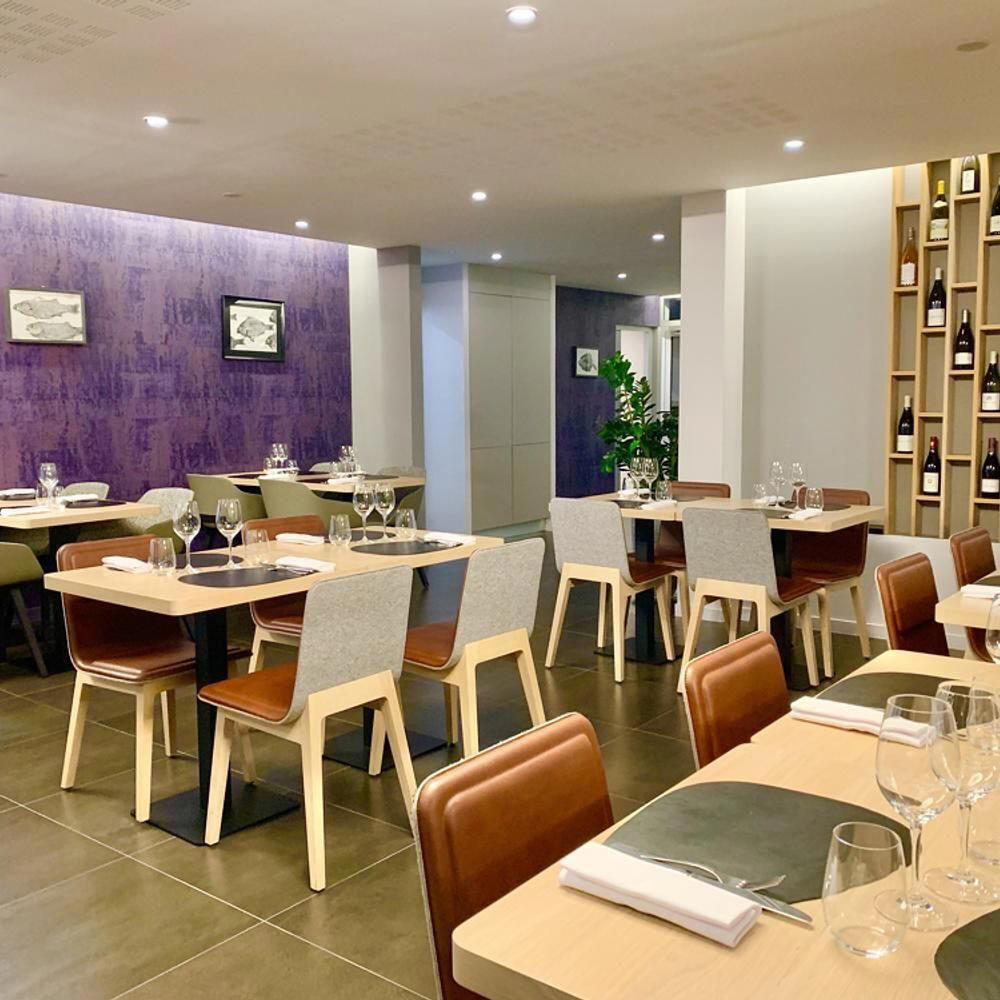
Bright, harmonious, and convivial interior organized around a lovely glass-roofed seating area that brings light and warmth.