
TANE brings Indian and Indian-curry cooking into Beppu’s compact dining scene, where hot-spring travel usually points visitors toward seafood, izakaya counters, and Bungo beef. Its Tabelog 100 Asian cuisine / Ethnic cuisine WEST selections in 2023 and 2024 give it a clear credential beyond local convenience, especially for travelers looking beyond the city’s ryokan-dinner rhythm.
Pearl is the En Primeur Club membership app — saves, bookings, and concierge access live there. Same editors, same standards.
- Address
- 10-2 Ekimae Honmachi, Beppu, Oita 874-0934, Japan
- Phone
- +81 80-3950-3457
- Website
- facebook.com
 Saves & bookings on Pearl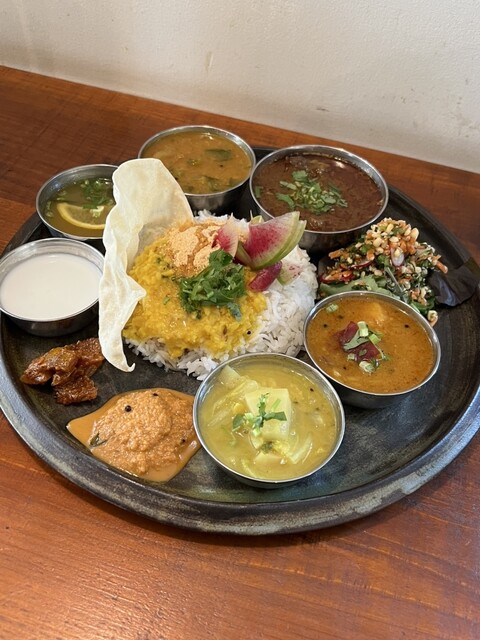
Beppu’s restaurant life often begins with steam: vapor lifting from drains, onsen inns setting dinner around local fish, and small counters catching the traffic around the station. Against that backdrop, Indian curry reads less as a detour than as evidence of how Japanese regional cities absorb foreign cooking into daily routines. TANE belongs to that quieter category: not resort dining, not a hotel restaurant, not a late-night izakaya, but a compact curry-focused stop inside a city better known for baths than spice.
The useful way to read the room is through format. Counter seating changes the pace of a meal: fewer distractions, less ceremony, and a closer view of the kitchen’s rhythm. In Japan, Indian curry has its own local life, separate from both South Asian home cooking and old-school yoshoku curry. It can be lunch-driven, precise, and personal in scale, with spice work treated as craft rather than spectacle. TANE’s recognition by Tabelog 100 for Asian cuisine / Ethnic cuisine WEST in both 2023 and 2024 places it inside that specialist field rather than the broad tourist circuit.
Indian curry as a serious regional-city address
Beppu rewards diners who do not treat the city as a single-note onsen stop. The stronger meals here tend to split into a few lanes: beef restaurants built around Oita’s local pride, seafood izakaya suited to groups, gyoza counters, taverns, and small independent kitchens with narrower menus. Within that mix, an Indian and Indian-curry restaurant carries a different kind of value. It gives the city’s dining map a daytime, spice-led option that is not trying to mimic ryokan abundance.
That distinction matters because Japanese curry culture is broad. There is the sweet, thick household style; the cutlet-shop version; the soup-curry line associated with Hokkaido; and the newer wave of spice curry influenced by South Asian technique but filtered through Japanese portioning, rice culture, and counter-service habits. TANE sits in the Indian-curry lane, a category where balance, repetition, and tight execution count more than luxury signals. The Tabelog 100 selection is the relevant credential here: it marks the restaurant against other Asian and ethnic-cuisine specialists across western Japan, not merely against nearby casual options.
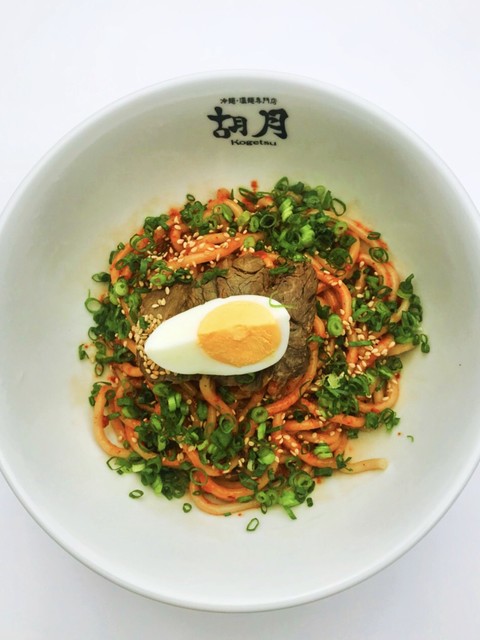
For visitors comparing categories, the choice is less “curry versus Japanese food” than “what kind of Beppu meal fits this slot.” A dinner at Bungo Beef Steak no Mise Somuri Beppu honten speaks to the region’s beef culture; a seat at Bepper's Tavern ベッパーズタバーン points toward casual drinking; Gyoza Kogetsu covers a narrower snack-and-counter appetite. TANE fills another gap: a focused curry meal in a city where many travelers are otherwise locked into lodging meals or station-area convenience.
Why the award signal carries weight in Beppu
Tabelog’s Hyakumeiten lists are useful in regional Japan because they surface genre specialists outside the major luxury circuits. Michelin coverage and international restaurant rankings often cluster around Tokyo, Kyoto, Osaka, and resort hotels; curry counters and ethnic-cuisine rooms in smaller cities rarely enter that conversation. A Tabelog 100 Asian cuisine / Ethnic cuisine WEST listing therefore says something specific: this is not just a neighborhood fallback, but part of a wider west-Japan conversation around non-Japanese cuisines.
That does not make the experience formal. It points in the opposite direction: lower ceremony, greater dependence on execution, and a meal that has to justify itself without the theatre of a long tasting menu. The restaurant’s score of 3.57 on Tabelog is another useful context marker in Japan, where ratings are compressed and a mid-3 score can indicate serious local traction. For a Beppu itinerary, that makes the restaurant a sharper lunch or early-day anchor than a grand evening plan.
The cultural point is also worth naming. Indian food in Japan is not a single imported template. It has been shaped by migrant-run kitchens, Japanese curry traditions, vegetarian and non-vegetarian regional Indian references, and the local preference for meals that can be eaten neatly and efficiently. The better regional examples tend to avoid excess: spice is structured, rice matters, and the plate has to work as lunch rather than theatre. TANE’s category and recognition suggest that kind of seriousness without requiring the diner to treat curry as a novelty.
How to place it inside a Beppu itinerary
Beppu’s dining geography is compact enough that visitors can build meals around mood rather than distance. Around the station and central streets, the decision is usually between casual counters, izakaya formats, beef specialists, hotel dining, and quick meals before or after bathing. TANE makes sense when the day needs clarity: a focused counter meal, a break from seafood and wagyu, and a reason to treat lunch as more than a logistical pause.
Travelers building a broader food day should think in contrasts. Pair curry with a later tavern stop, or set it against a beef dinner rather than doubling down on heavy meals. For a wider read on the city, use Our full Beppu restaurants guide, then cross-check the non-restaurant parts of the trip through Our full Beppu hotels guide, Our full Beppu bars guide, Our full Beppu wineries guide, and Our full Beppu experiences guide. Nearby dining references such as Atelier and Elements help round out the city’s range beyond curry.
For readers mapping curry and casual Japanese dining beyond Oita, the comparison can extend nationally without pretending every city plays the same game. [Curry Senmon Ten] Maruyama Kyoju. in Sapporo reflects a different curry culture; (Shoku) Vietnam in Kawasaki shows how Asian cooking can take root in commuter-city dining;.know in Kumamoto,.cafe in Osaka,. 鮪と炭火焼き うお炭 秋葉原店 in Tokyo, and -Grilled beef Sukiyaki- KAMAKURA TANUKIAN 鎌倉 たぬき庵 in Kamakura show how narrow formats define meals as much as cuisine labels do. Further afield, Jōdo Saké Bar in Los Angeles and Onigiri Time in Pasadena underline the same editorial point: small formats can carry serious cultural information when they are read in context.
Pricing, Compared
Comparable venues by cuisine and price in the same metro.
| Venue | Cuisine | Price | Awards | Notes |
|---|---|---|---|---|
| TANEThis venue — the venue you are viewing | $$ | , | ||
| Avatar Indian Restaurant (アブタール 別府鉄輪店) | Kannawa, Authentic Indian Curry | $$ | , | |
| Ikkyu no Namida (一休の泪) | Ishigaki West, Modern Beppu Cold Noodles | $$ | , | |
| Yakiniku Ichiriki | $$ | , | Ekimae Honmachi, Traditional Yakiniku (Japanese BBQ) | |
| 日本料理 別府 廣門 | $$ | , | Beppu Onsen, Traditional Japanese Dango-Jiru Noodles | |
| Tom Yum Kung. | $$$ | , | Higashi Beppu, Creative Thai Omakase with Natural Wine |
Continue exploring
More in Beppu
Restaurants in Beppu
Browse all →




At a Glance
- Cozy
- Hidden Gem
- Intimate
- Solo
- Family
- Casual Hangout
- After Work
- Standalone
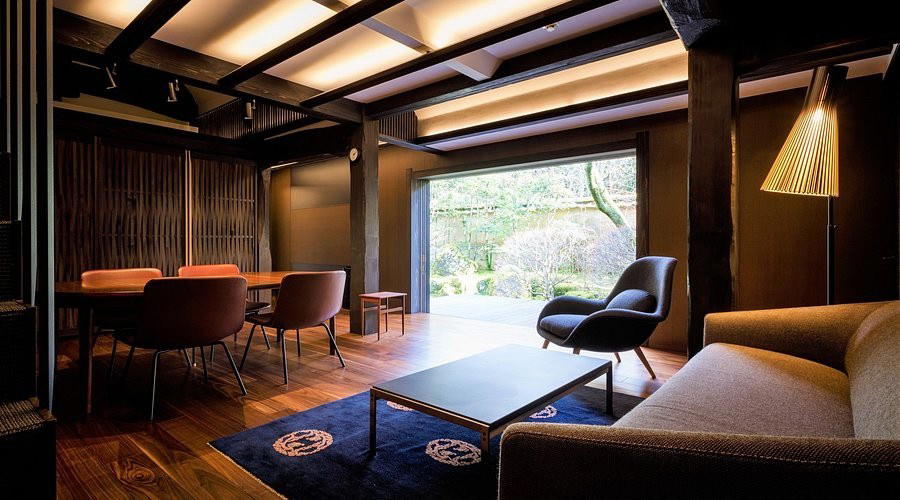
Reviews and guides describe a small, artistic, cozy space with an intimate feel, focused on a simple lunch service of South Indian meals rather than a long, busy dinner service.