Bellaria
Bellaria operates out of the Edificio Escape complex in Santa Fe, one of Mexico City's most commercially dense corridors, placing it in a neighbourhood better known for corporate towers than considered dining. The address alone signals something worth investigating: a restaurant choosing Santa Fe is making a statement about audience and ambition that the city's better-documented dining districts do not require.
Pearl is the En Primeur Club membership app — saves, bookings, and concierge access live there. Same editors, same standards.
- Address
- Edificio Escape, Juan Salvador Agraz 37-Planta Baja, Santa Fe, Contadero, Cuajimalpa de Morelos, 05348 Ciudad de México, CDMX, Mexico
- Phone
- +525525910521
- Website
- bellaria.mx
- Directions
- Get directions
 Saves & bookings on Pearl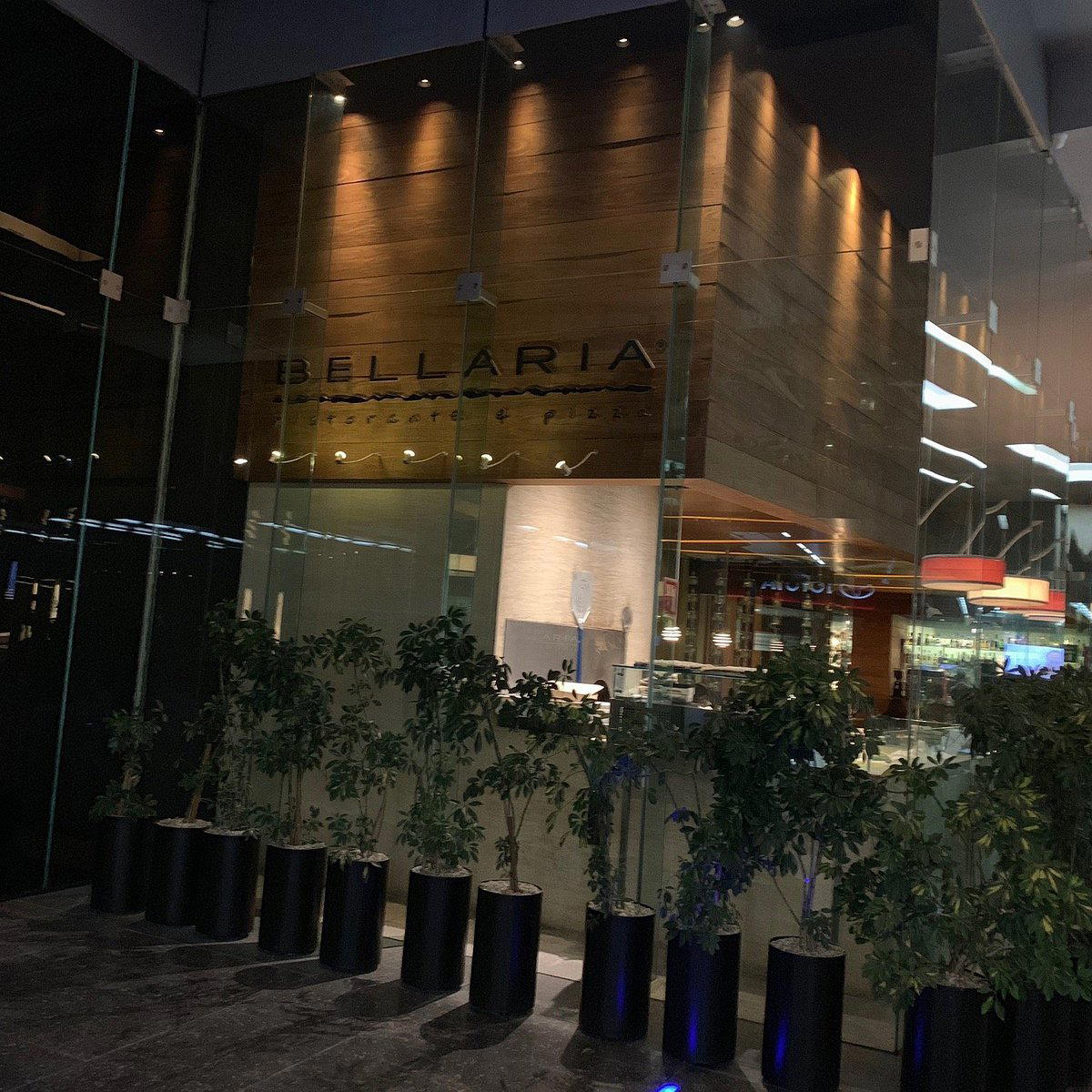
Santa Fe's Dining Register
Mexico City's serious restaurant conversation tends to cluster in Polanco, Roma, and Condesa, where the density of credentialed kitchens makes peer comparison easy. Santa Fe operates differently. The district is the city's financial backbone, a grid of glass towers and corporate campuses west of the historic centre, and its restaurant stock has historically served that function: expense-account lunches, client dinners, formats that prioritise reliability over risk. The few restaurants that break from that pattern do so against a backdrop that offers no ambient credibility from neighbouring venues. That context matters when thinking about what Bellaria is attempting at Juan Salvador Agraz 37, inside the Edificio Escape complex.
For comparison, consider the positioning calculus at work in more established corridors. Pujol and Quintonil operate at the summit of Polanco's price and reputation hierarchy, where the neighbourhood's density of fine dining reinforces each venue's credibility through proximity. Rosetta in Roma earns context from the residential character and architectural texture of Colonia Roma itself. Santa Fe offers neither of those advantages, which means any restaurant there must generate its own terms of engagement.
Reading a Menu as Architecture
The editorial angle that most clearly separates restaurants in Mexico City's current moment is not cuisine type but menu structure: how a kitchen organises its offer reveals more about its actual ambitions than its press materials ever will. The city's most discussed rooms in 2024 tend toward one of two formats: long tasting menus with locked-in sequences, or flexible à la carte programmes that allow the diner to self-determine pacing and scope. Each approach carries implications for the kitchen's creative priorities and the dining room's social temperature.
The tasting menu format, championed at the level that Pujol operates, places narrative control with the chef. Every dish arrives in a sequence the kitchen has composed, and the diner's role is interpretive rather than directive. À la carte programmes, by contrast, push compositional authority toward the table. Em and Sud 777 have both worked versions of this flexibility into their programming at different price points. The question Bellaria's address in a corporate-facing district raises is which mode fits its audience: the structured progression suits destination diners who have planned the evening, while the flexible format suits the professional lunch and impromptu dinner that Santa Fe's working population generates.
What the address and building context do suggest is that the kitchen is operating for an audience with different constraints than the tasting-menu regulars of Polanco. Edificio Escape is a mixed-use commercial development, and restaurants in that format typically anchor their offer in something repeatable and navigable across different time-of-day occasions. Whether Bellaria's menu reflects that pragmatism or cuts against it is the question the address leaves open.
The Santa Fe Dining Proposition
Across Mexico's broader fine dining geography, interesting creative work is not always happening in the cities' most-discussed neighbourhoods. Animalón in Valle de Guadalupe operates in a wine-country format that would be impossible to replicate in an urban context. KOLI Cocina de Origen in Monterrey and Alcalde in Guadalajara have built reputations in cities that don't carry the same international visibility as Mexico City, demonstrating that serious cooking can find its audience outside the default coordinates. Levadura de Olla in Oaxaca and Lunario in El Porvenir push further still, anchoring in regional identity rather than metropolitan credibility.
Santa Fe is not a departure from urban dining; it is a departure from the particular urban dining circuits that have defined Mexico City's international reputation. A restaurant there that is doing something worth the trip is, by definition, operating on its own terms. That is not a romantic observation, it is a structural one. Every guest has made a specific decision to be there.
Mexico's coastal and regional programmes, including Le Chique in Puerto Morelos, HA' in Playa del Carmen, and Arca in Tulum, draw on landscape and locality as explicit menu inputs. Urban restaurants like Bellaria cannot lean on that shorthand. The kitchen's identity has to come from somewhere else, whether that is technique, sourcing specificity, or a particular relationship with the professional community it serves daily.
For international visitors thinking about how to position Bellaria within a broader Mexico City itinerary, it is worth mapping the venue against the full dining spectrum the city offers. Bellaria is a restaurant in Mexico City’s Santa Fe district, serving Modern Italian Pizzeria & Mediterranean cooking at about $45 per person. Bellaria in Santa Fe sits at a geographic and conceptual remove from most of those venues, which makes it a considered addition to an itinerary rather than a default stop. Internationally, restaurants operating in analogous corporate-district positions, such as Le Bernardin in New York City or Lazy Bear in San Francisco, both of which have built identity and loyalty inside demanding urban markets, demonstrate that location outside the obvious dining corridor is not automatically a disadvantage. It requires a clearer sense of who the kitchen is cooking for and why.
The Pangea in San Pedro Garza Garcia model is instructive here: a restaurant that built a loyal audience in a wealthy but not traditionally food-forward neighbourhood of Monterrey, establishing itself as the anchor rather than the follower. Olivea Farm to Table in Ensenada took a comparable approach at the intersection of agricultural region and wine country. Both cases involved kitchens that made explicit choices about what the local audience needed, then built credibility from that specificity outward.
Know Before You Go
- Address: Edificio Escape, Juan Salvador Agraz 37, Planta Baja, Santa Fe, Contadero, Cuajimalpa de Morelos, 05348, Mexico City
- Neighbourhood: Santa Fe, Mexico City's western financial district, approximately 25 to 35 minutes from Polanco or Roma by car depending on traffic
- Getting there: Santa Fe has limited metro access; most visitors arrive by taxi, rideshare (Uber is widely used in CDMX), or private car. Confirm current rideshare availability from your accommodation
- Booking: Reservations are essential.
- Price tier is about $45 per person, hours are Monday to Saturday from 1:30 PM to 11 PM and Sunday from 1:30 PM to 6 PM, and the dress code is smart casual.
- Pizza Margherita
- Calamari
- Octopus Salami
- Penne al Forno con Alcachofa a la Trufa
- Pescado a la Sal
- Chocolate Volcano Cake
At-a-Glance Comparison
Comparable venues nearby, for context on price, style, and recognition.
| Venue | Cuisine | Price | Notes |
|---|---|---|---|
| BellariaThis venue — the venue you are viewing | Modern Italian Pizzeria & Mediterranean | $$$ | Not listed |
| Belforno | Modern Italian Wood-Fired | $$$ | Hipodromo de la Condesa |
| Matti Osteria | Authentic Italian Osteria | $$$ | Juarez |
| Cortile | Modern Italian-Mediterranean with Wood-Fired Pizza | $$$ | Pedregal de San Jeronimo |
| Fiesole | Traditional Italian Pizzeria | $$ | Guadalupe Inn |
| Quattro | Authentic Northern Italian | $$$$ | Res Parque Santa Fe |
Continue exploring
More in Mexico City
Restaurants in Mexico City
Browse all →
Bars in Mexico City
Browse all →
At a Glance
- Intimate
- Cozy
- Classic
- Elegant
- Date Night
- Casual Hangout
- Group Dining
- Special Occasion
- Terrace
- Open Kitchen
- Extensive Wine List
Current opening hours
- Monday
- 1:30–11 PM
- Tuesday
- 1:30–11 PM
- Wednesday
- 1:30–11 PM
- Thursday
- 1:30–11 PM
- Friday
- 1:30–11 PM
- Saturday
- 1:30–11 PM
- Sunday
- 1:30–6 PM
Hours can change for holidays and private events. Last verified .
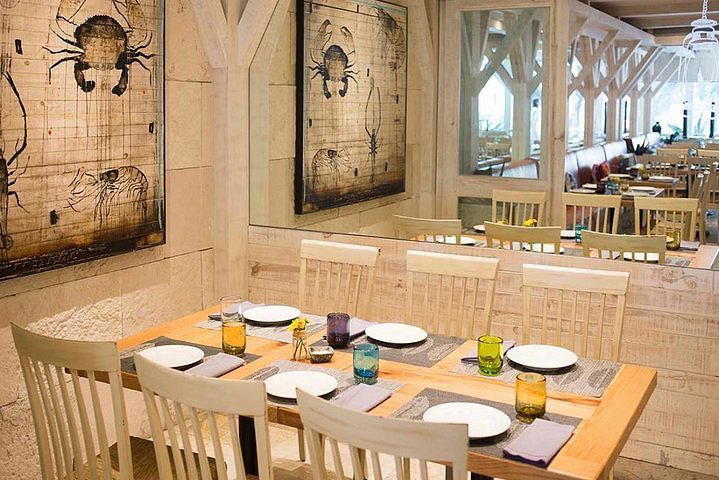
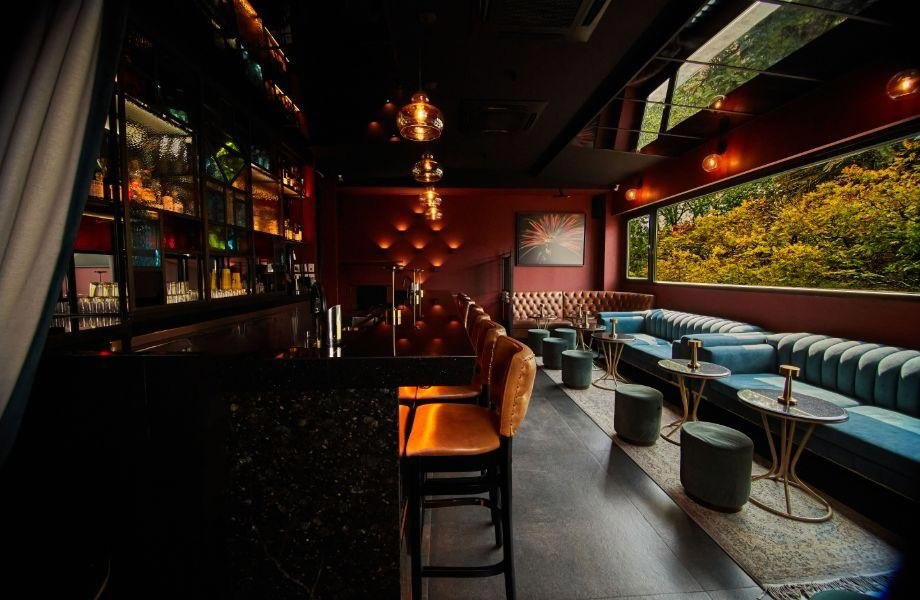
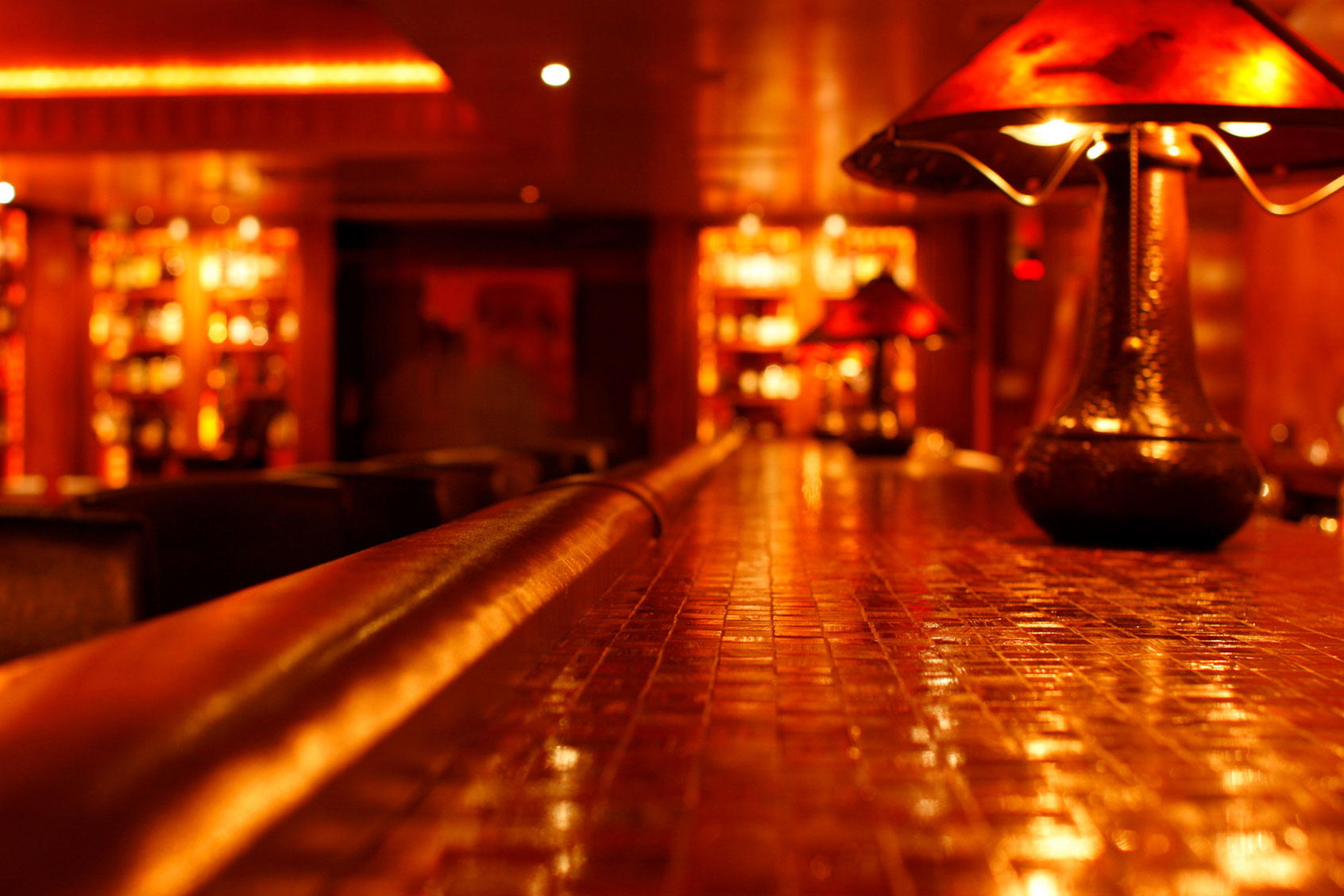
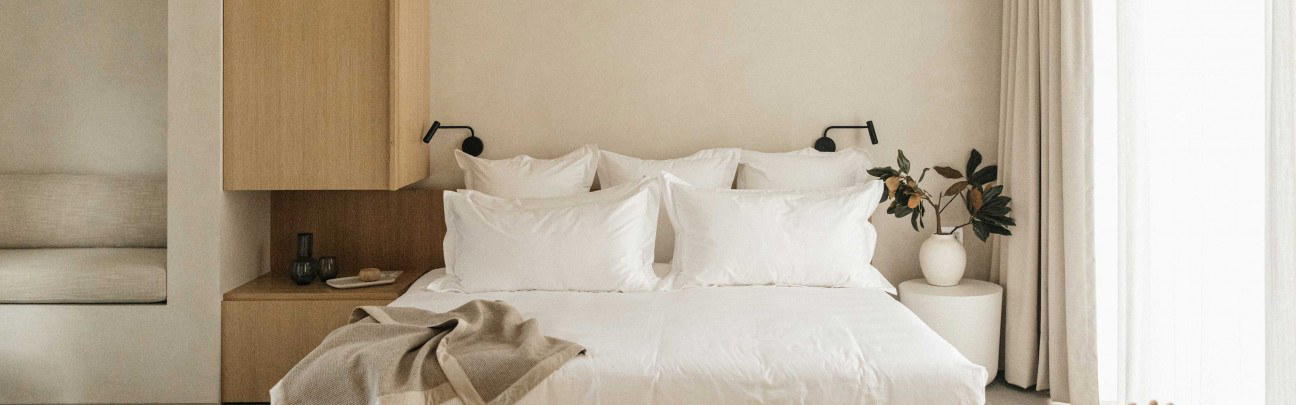
Light and airy with tastefully decorated interiors featuring creams and wood tones, simply set tables with white tablecloths and silverware, creating a relaxed yet refined atmosphere.