Matti Osteria
Our verdict
An Italian osteria on Londres in Juárez, Matti Osteria occupies a colonia where European dining formats and Mexico City's appetite for neighbourhood regulars coexist without friction. The format belongs to a small tier of Roman-influenced trattorias that have taken root in CDMX, where pasta-led menus and daily specials create the conditions for repeat visitors rather than one-time destination diners. Book ahead for dinner; lunch walk-ins are more forgiving.

The menu
What to order
- Spaghetti Vongole
- Tuna Tostada
- Homemade Pasta
- Stone-Oven Pizza
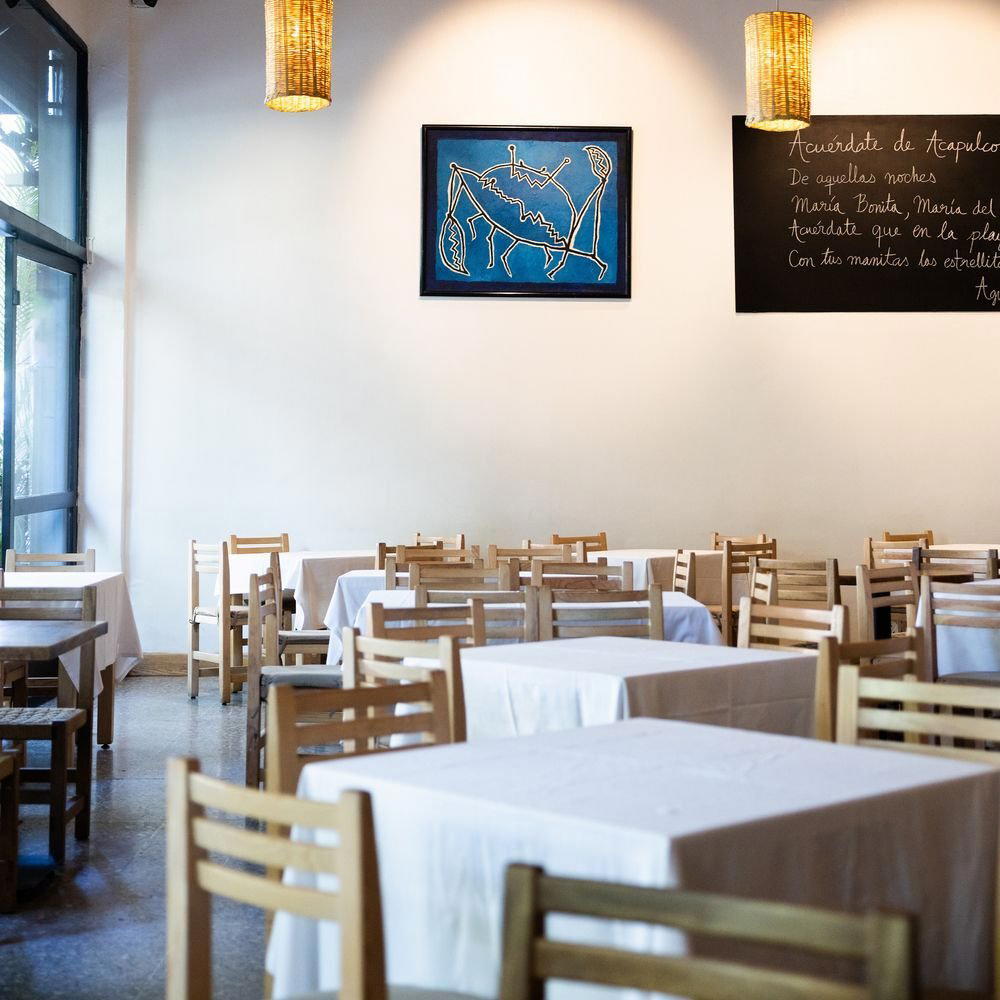
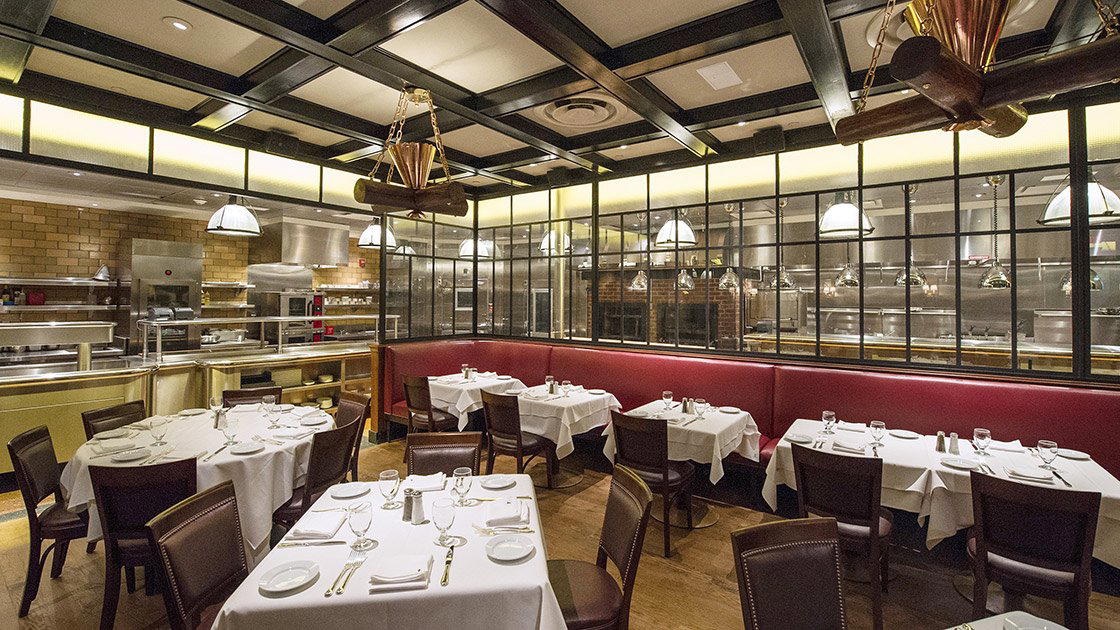
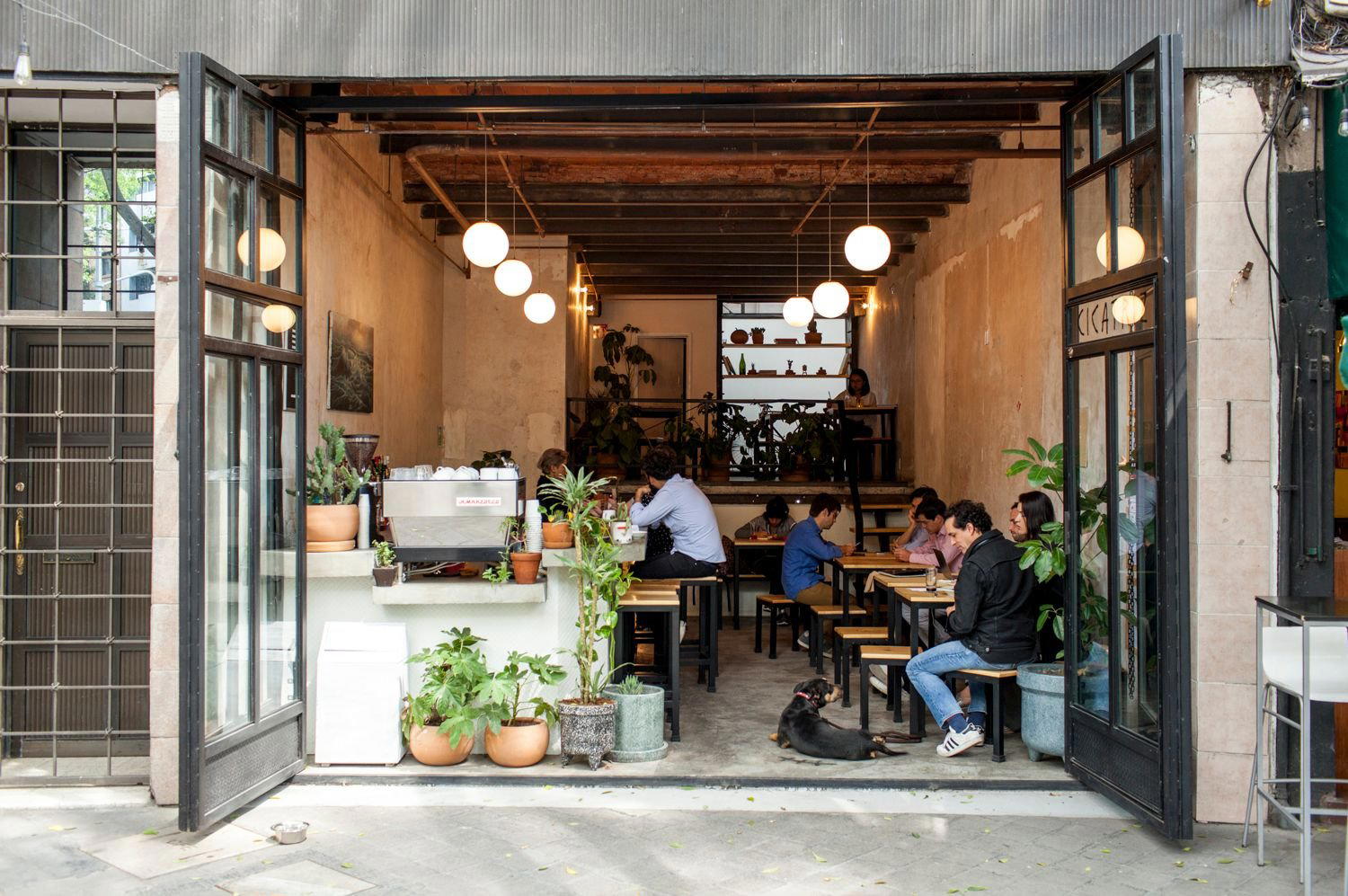
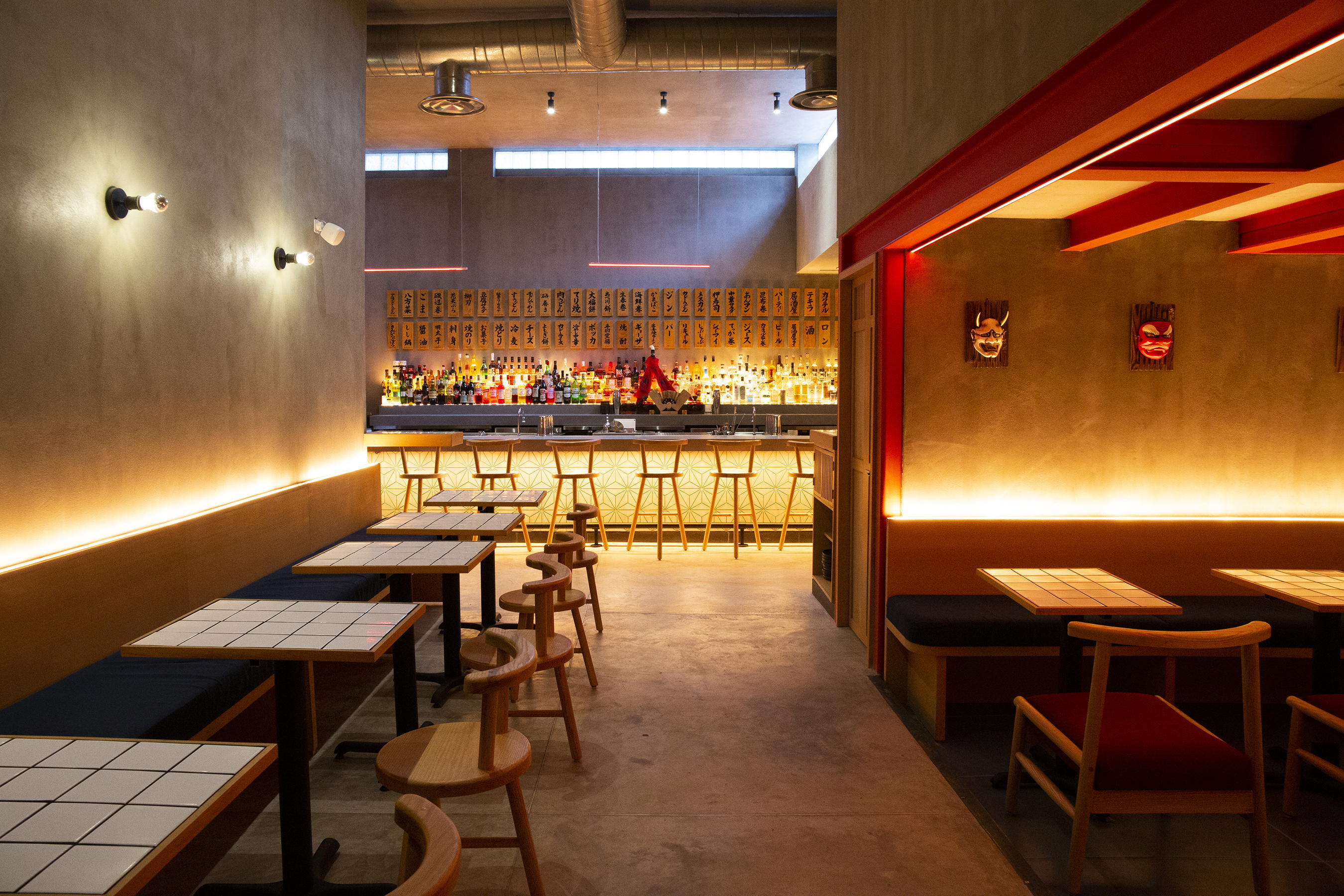
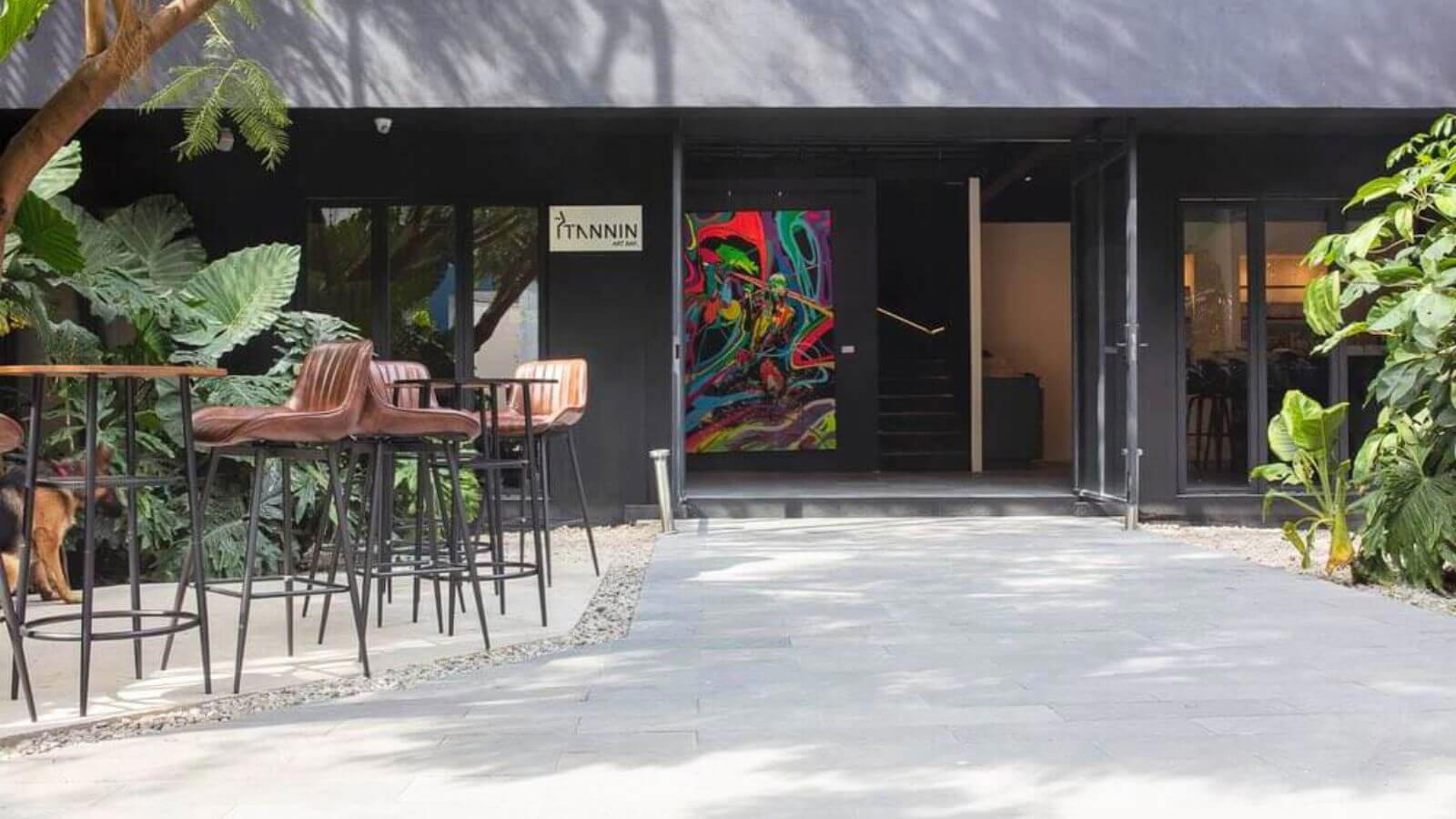
Londres Street in Colonia Juárez runs through one of Mexico City's more interesting dining corridors: close enough to the Zona Rosa to absorb foot traffic, distinct enough to develop its own residential character. The trattorias and informal European tables that have opened here over the past decade reflect a particular CDMX appetite, not for formal tasting menus, but for the kind of place where the same faces appear on Tuesday and Saturday alike. Matti Osteria, at number 49, fits squarely inside that pattern. The room reads as a neighbourhood room before it reads as a restaurant: close tables, no theatrics in the lighting, the sense that the pasta is made somewhere nearby and not far in advance.
The Italian Trattoria in a Mexican City
Italian cuisine has a longer and more layered history in Mexico City than most visitors expect. Waves of Italian immigration through the twentieth century seeded trattorias and pizzerie across colonias like Juárez, Condesa, and Roma, and a second generation of chefs trained partly in Italy has reinforced that tradition with more current technique. The result is a city where a credible cacio e pepe or a properly rested broth can appear without the self-consciousness of a novelty act. Matti sits inside this tradition rather than above it. It is not making an argument for reinvention; it is executing a format that Juárez regulars have come to rely on.
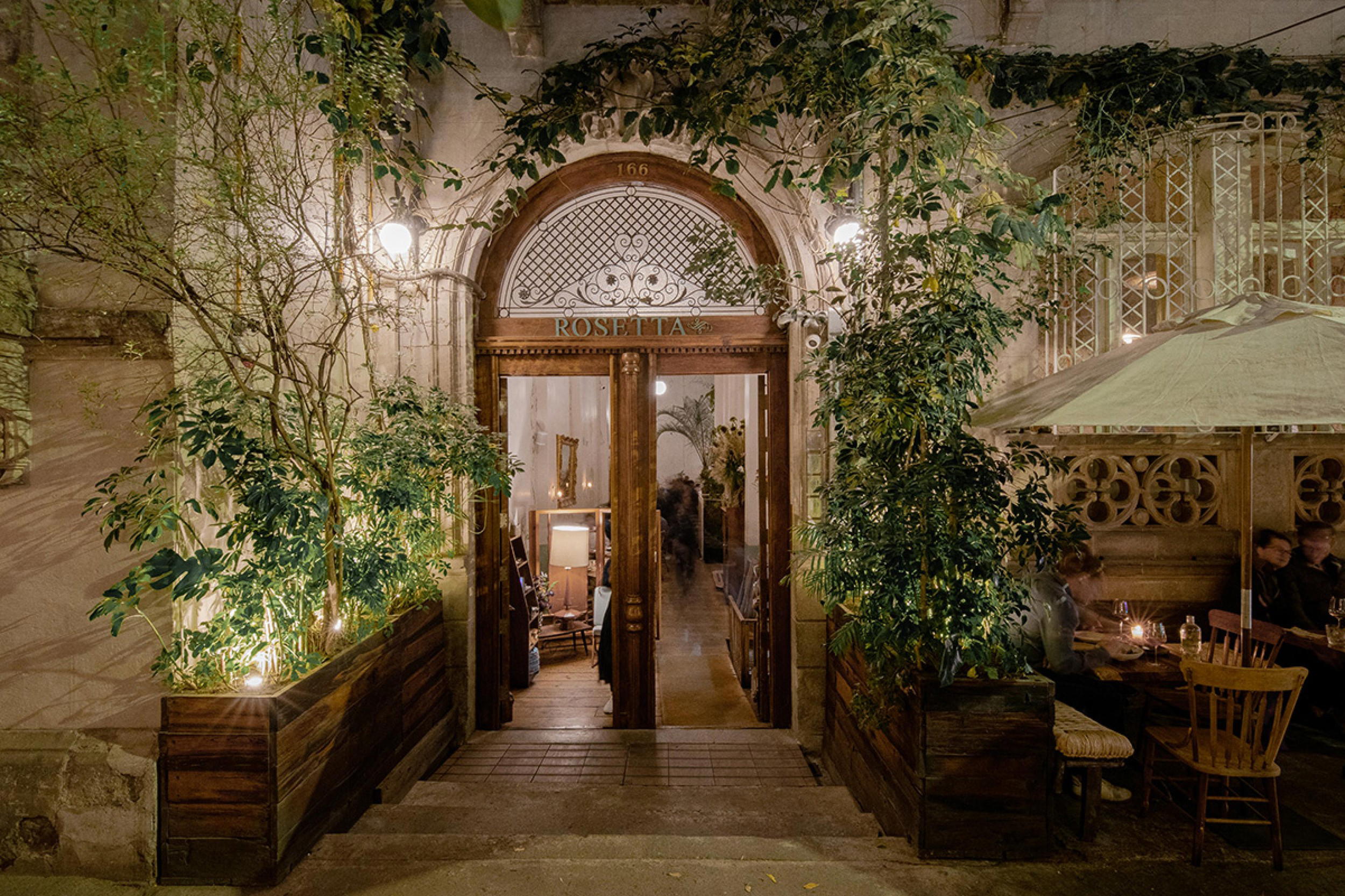
That distinction matters when placing Matti against the broader Mexico City scene. The headline tables in the city Pujol, Quintonil, Em, operate at the tasting-menu end, where a booking is a planned event and the occasion frames the meal. Rosetta in Roma Norte has made a similar argument for Italian-influenced cooking but at a more polished register with an international profile. Among Mexico's broader regional restaurant scene, that model appears at different scales, the farm-anchored format of Animalón in Valle de Guadalupe or the ingredient-rooted approach of Levadura de Olla in Oaxaca, but in CDMX itself, the trattoria-for-regulars model is a distinct and smaller cohort.
What Keeps the Regulars Returning
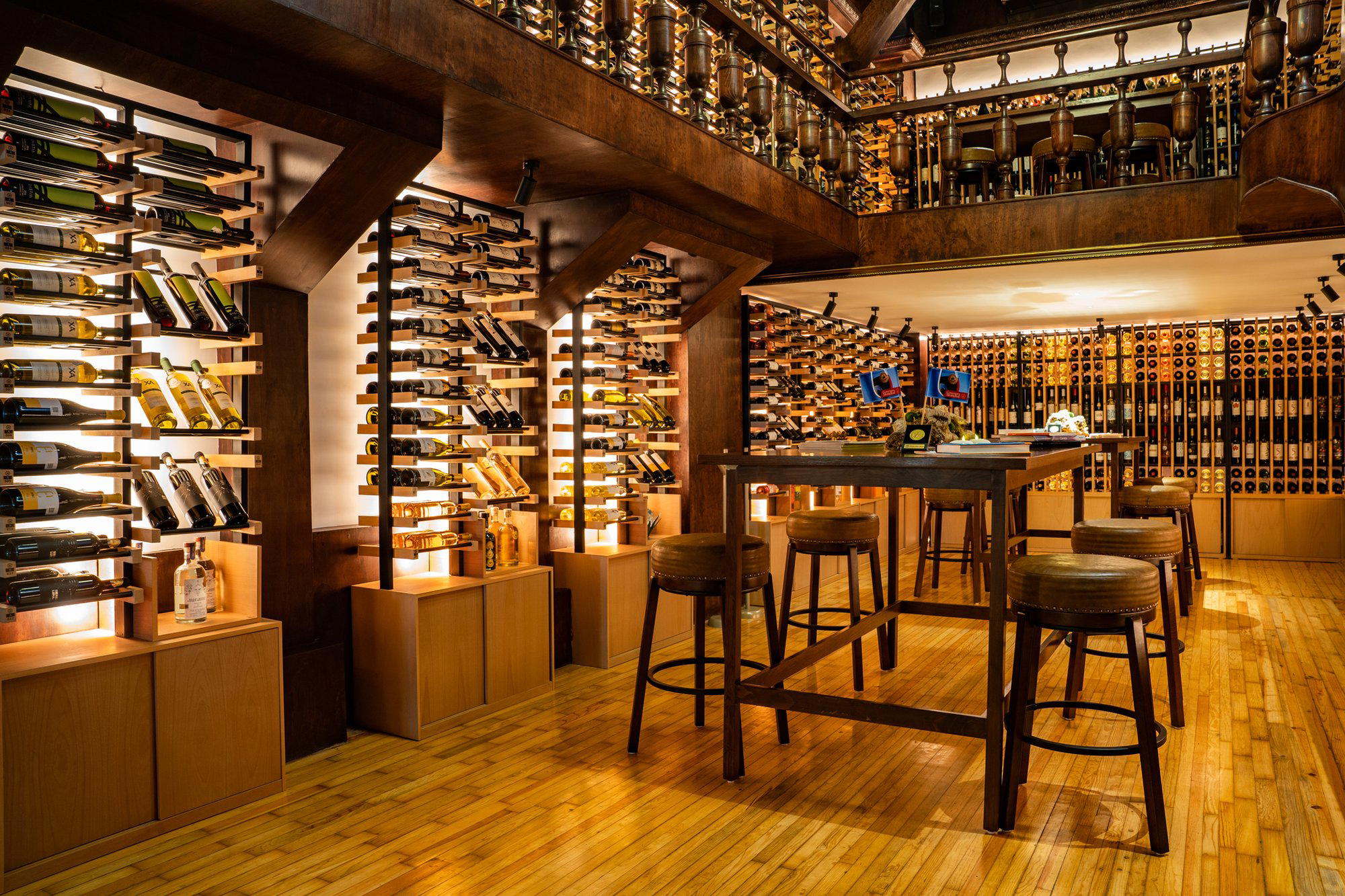
The regulars' economy at an osteria operates on different logic than destination dining. The question is not what to order for the first time but what to order again. In that context, the pasta program carries most of the weight: fresh formats that reward familiarity, where a slight change in texture week to week becomes a point of conversation rather than inconsistency. The wine list at a room like this typically leans Italian, with a short by-the-glass selection designed for a carafe order rather than a cellar deliberation. That rhythm, pasta, glass of something from the peninsula, a secondo if appetite holds, is the unwritten contract between an osteria and the people who eat there twice a month.
The Juárez location adds a practical dimension that neighbourhood regulars value: proximity. The colonia has enough residential density that a table at Matti can function as an extension of a kitchen rather than an excursion. The walk from Paseo de la Reforma or the Amberes end of the neighbourhood is short, the format supports a 90-minute dinner without pressure, and the price register, based on the osteria format and its comparison set, including Rosetta's $$-tier positioning, sits within reach for the kind of repeat visits the model depends on. For wider Mexico City context, see our full Mexico City restaurants guide.
Juárez and the European Table
Colonia Juárez is not a single-cuisine neighbourhood. Its dining mix runs from refined Mexican, Sud 777 operates in the creative Mexican space that defines the city's fine-dining identity, to French bistros, Middle Eastern counters, and the osteria format that Matti represents. What the colonia has developed, particularly along Londres and the cross streets toward Álvaro Obregón, is a tolerance for European formats that feel transplanted rather than adapted. They do not mexicanise the menu to signal relevance; they run the format straight and let the city's ingredient supply and clientele shape the experience naturally over time. That approach has worked in Juárez in a way it has not always worked in more tourist-facing neighbourhoods.
The broader Mexican dining conversation has moved decisively toward regionalism and indigenous ingredient sourcing, the kind of work that KOLI Cocina de Origen in Monterrey, Alcalde in Guadalajara, and Huniik in Merida represent in their respective cities. Against that backdrop, a straight Italian osteria in CDMX makes an implicit argument: that some formats earn their place not through provenance but through consistency and the needs of the people who live nearby. Internationally, the same debate plays out at the highest levels, Le Bernardin in New York and Atomix represent opposite poles of that question, one an institution, one a format statement, but at the trattoria scale, the answer is simpler: the regulars vote with their reservations.
Mexico's coastal and resort dining scene has developed its own high-end European-influenced formats, Le Chique in Puerto Morelos, HA' in Playa del Carmen, Olivea in Ensenada, Lunario in El Porvenir, Pangea in San Pedro Garza García, but those operate in resort or aspirational contexts that Matti explicitly avoids. The Londres address and the osteria format are both signals: this room is for the neighbourhood, not for the occasion.
Know Before You Go
Planning Notes
- Address: Londres 49, Colonia Juárez, Cuauhtémoc, 06600 CDMX
- Getting There: The closest Metro station is Insurgentes (Line 1), approximately a 10-minute walk along Londres. Reforma-area hotels place most guests within a 15-minute walk or short ride.
- Reservations: Dinner covers fill across the week; booking ahead is advisable. Lunch tends to be more accessible for walk-ins, consistent with the neighbourhood osteria format.
- Price Register: Comparable osteria-format venues in Juárez and Roma sit in the $$ range; Matti's format and neighbourhood positioning suggest a similar tier, though pricing should be confirmed directly with the venue.
- Hours and Contact:
- Format Note: The osteria model runs leading at a relaxed pace. Factor 90 minutes for a full pasta-and-secondo dinner rather than a quick in-and-out.
Frequently asked questions
What dish is Matti Osteria famous for?
Do I need a reservation for Matti Osteria?
What is Matti Osteria leading at?
Is Matti Osteria allergy-friendly?
How does Matti Osteria fit into the wider Italian dining scene in Mexico City?
The Short List
A quick peer check to anchor this venue’s price and recognition.
| Venue | Cuisine | Price | Awards | Notes |
|---|---|---|---|---|
| Matti OsteriaThis venue (the venue you are viewing) | Authentic Italian Osteria | Not listed | Not listed | Not listed |
| Pujol | Modern Mexican Fine Dining | $200–300 | 2 Michelin Stars · World's 50 Best #60 | Mexican |
| Quintonil | Modern Mexican Fine Dining | $300–500 | 2 Michelin Stars · World's 50 Best #4 | Modern Mexican, Contemporary |
| Rosetta | Mexican-Italian Fusion Fine Dining | $30–50 | 1 Michelin Star · World's 50 Best #96 | Italian, Creative |
| Em | Modern Japanese-Mexican Fusion | $200–300 | 1 Michelin Star · World's 50 Best #71 | Mexican |
| Comedor Jacinta | Traditional Mexican | Not listed | Michelin Bib Gourmand | Mexico, Mexican |
Continue exploring
More in Mexico City
Restaurants in Mexico City
All restaurants in Mexico City →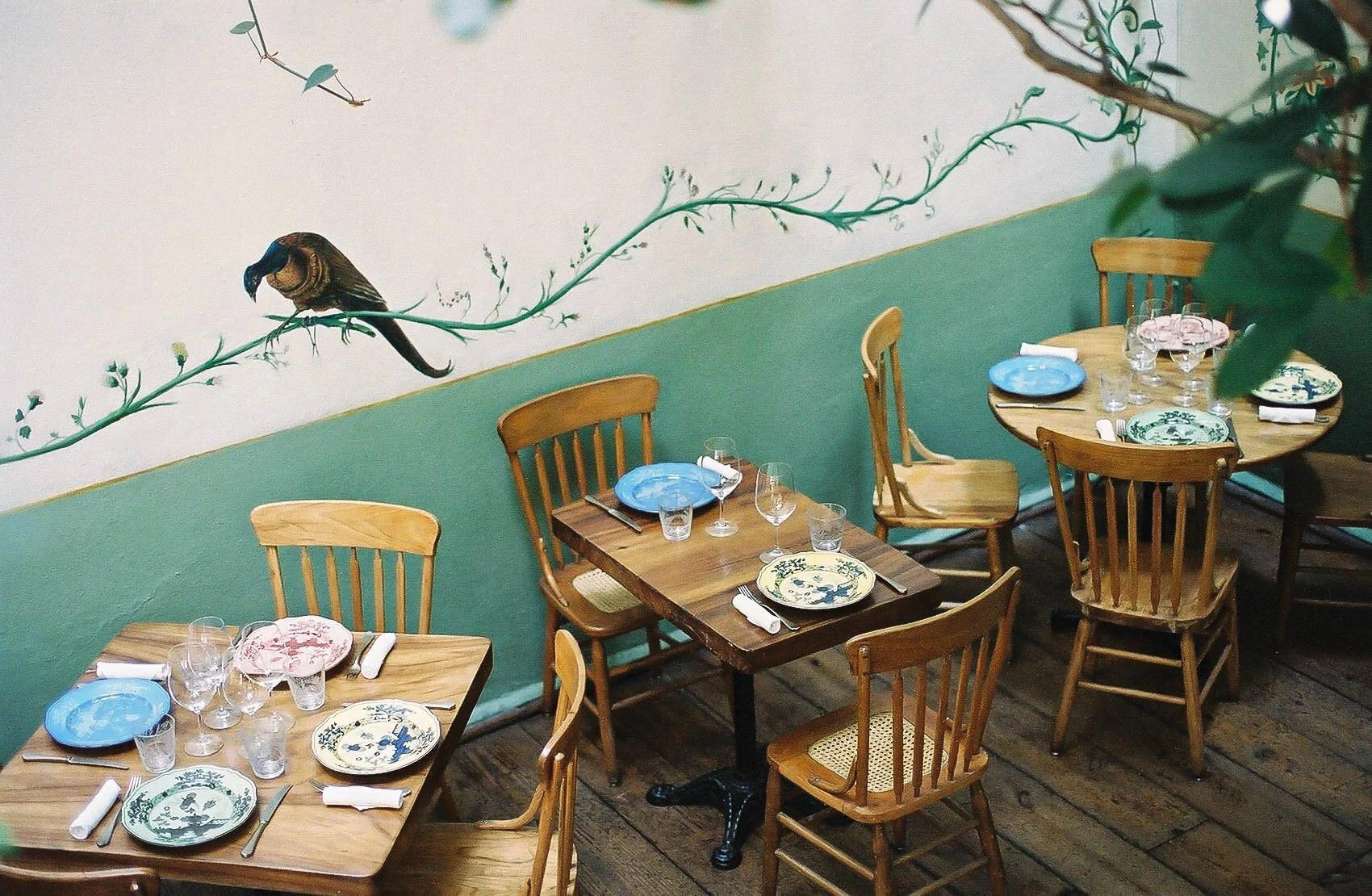




Details
- Cozy
- Lively
- Elegant
- Date Night
- Group Dining
- Family
- Casual Hangout
- Live Music
- Open Kitchen
- Extensive Wine List
- Craft Cocktails
- Local Sourcing
- A La Carte
- Wine
- Cocktails
- Vegetarian Friendly
- Vegan Options
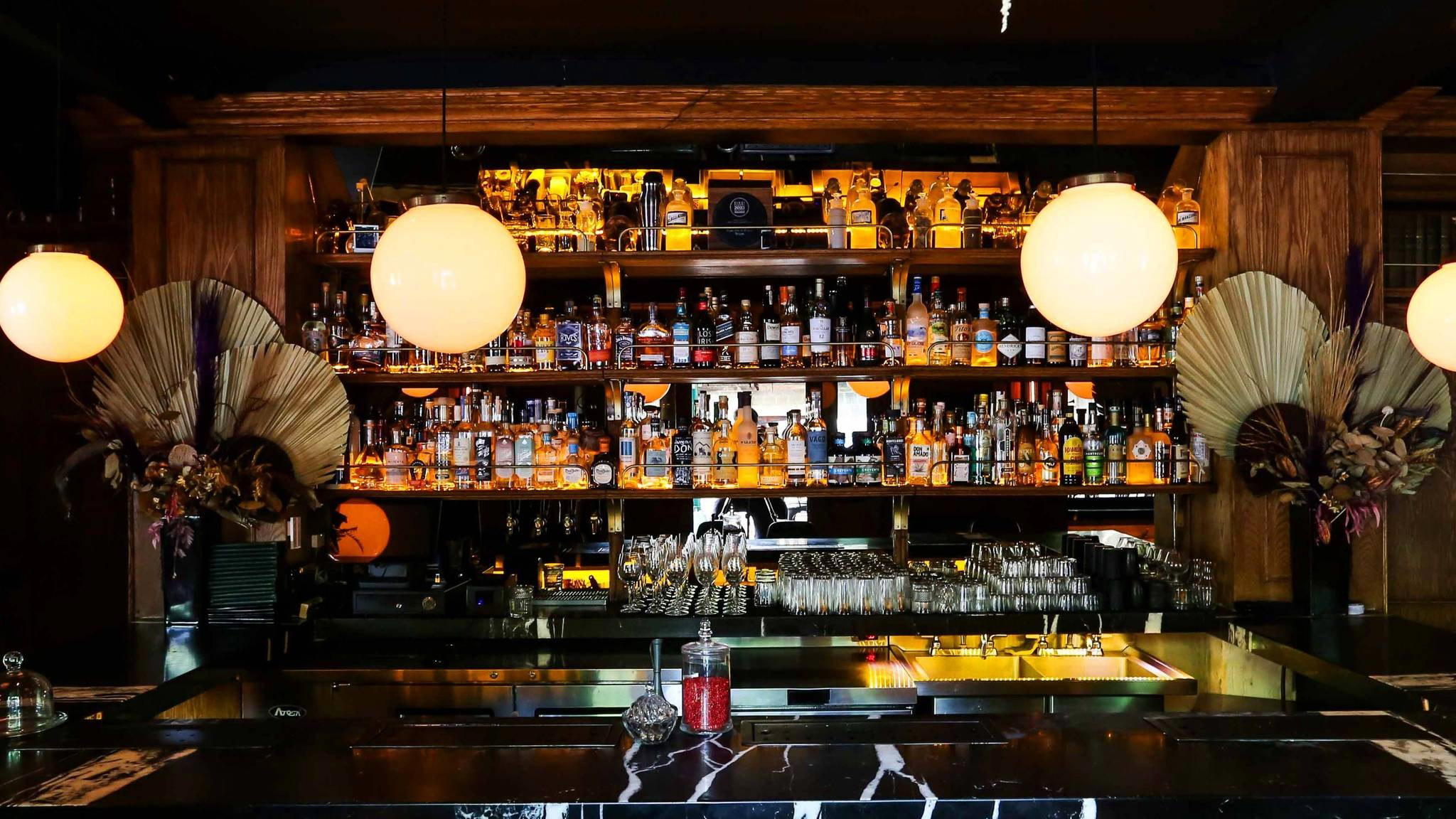
Warm and lively with wonderful lighting, well-suited music volume, and a cozy yet lively mood enhanced by live music.