
Once circulating only among Oslo's chefs and sommeliers by word of mouth, Beijing Palace has moved into the city's downtown and begun attracting a wider audience without losing the low-profile credibility that defined it. Located at Pilestredet 27, the restaurant brings Chinese cooking traditions into a city whose dining conversation is dominated by New Nordic. For those tracking Oslo beyond its Michelin circuit, this is a meaningful address.
 Discover on Pearl
Pearl is the En Primeur Club membership app — saves, bookings, and concierge access live there. Same editors, same standards.
- Address
- Pilestredet 27, 0164 Oslo, Norway
- Phone
- +47 22 11 08 00
- Website
- beijingpalace.no
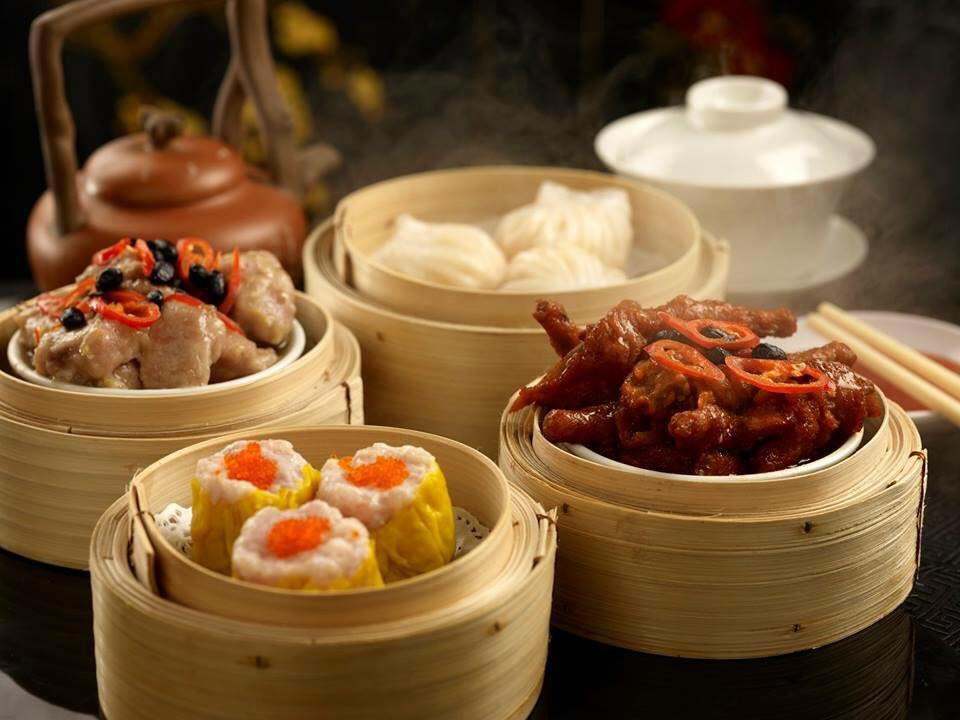
Where Oslo's Dining Conversation Gets Interrupted
Oslo's restaurant identity has been shaped, for the better part of two decades, by the amber and slate palette of New Nordic cooking. Kitchens like Maaemo and Kontrast have set the critical tone: foraged ingredients, minimal intervention, Scandinavian provenance as both technique and ideology. That conversation is real and it matters. Beijing Palace has spent years occupying that gap quietly.
The restaurant sits at Pilestredet 27, in downtown Oslo, a neighbourhood where the city's older residential fabric meets its commercial centre. Approaching the address, there is nothing in the surrounding block that signals culinary ambition in the way that a tasting-menu destination might. That low-key positioning is deliberate. For years, Beijing Palace operated with a reputation built through professional word of mouth, the kind that travels between chefs finishing a late shift and sommeliers comparing notes after service. That peer-to-peer credibility is a particular kind of trust signal in any city's dining culture, harder to manufacture than a press launch and more durable than a single review cycle.
Chinese Cooking in the Context of Oslo's Table
To understand why Beijing Palace occupies a specific niche in this city, it helps to consider what Chinese restaurant culture has historically looked like in Scandinavian capitals. For much of the twentieth century, Chinese restaurants in Norway, as across Northern Europe, were shaped by the economics of immigrant hospitality: broad menus, accessible price points, and dishes adapted to local palates. That model served a purpose and built communities. But it also compressed the range of what Chinese cooking could mean in the public imagination.
The more recent international shift, visible in cities from London to Copenhagen, has involved a different kind of Chinese restaurant emerging: one that treats regional Chinese culinary traditions with the same specificity that European fine dining applies to French or Italian cuisine. Beijing-style cooking, in particular, carries a distinct identity rooted in the imperial court tradition, where precision, restraint, and the handling of roasted and braised proteins became a form of technical language in its own right. The gap between that tradition and what most Norwegian diners had encountered in Chinese restaurants was significant. Beijing Palace operates somewhere in that space.
Oslo's dining scene, for all its New Nordic refinement, has not historically produced Chinese restaurants that push into the upper tier of the city's critical consciousness. The restaurants attracting serious attention beyond the Nordic format have tended to be French-influenced, as seen at Mon Oncle, or creatively European, as at Bar Amour. A Chinese kitchen earning genuine respect from the city's professional cooking community, enough to generate the kind of organic reputation Beijing Palace built before its relocation, represents a different kind of achievement.
The Relocation and What It Signals
The move to Pilestredet 27 marks a shift in how Beijing Palace is positioned. Previously, the restaurant's reputation functioned almost as self-limiting: it was known by the right people, and that was enough. Relocating to a more central, visible address is a deliberate choice to grow the audience without abandoning the foundations. That transition is always a test. Restaurants that build identity through professional credibility sometimes struggle when they step into broader public view, because the qualities that made them compelling in a smaller context, the lack of performance, the focus on substance over visibility, can become harder to sustain when the room fills with different expectations.
The word-of-mouth that built Beijing Palace's reputation is now beginning to spread. That spreading matters because it affects the room. Oslo's dining audience, particularly at the level of restaurants that attract chef and sommelier patronage, tends to be informed and low-tolerance for pretension. A Chinese restaurant that earned respect from that cohort is likely doing something technically credible, not simply filling a gap in the market.
For comparison, Oslo's broader Nordic scene rewards precision and restraint. Hot Shop operates in the modern Nordic register with those qualities. The fact that Beijing Palace built its reputation alongside restaurants in that tradition, rather than despite them, suggests the kitchen is speaking a similar language of intent even if the culinary vocabulary is entirely different.
Beijing Palace Inside Oslo's Wider Dining Map
Oslo is increasingly worth reading as part of a national dining story rather than an isolated capital. The restaurants drawing serious attention across Norway range from RE-NAA in Stavanger and FAGN in Trondheim to Gaptrast in Bergen, Iris in Rosendal, Under in Lindesnes, and Boen Gård in Tveit. Across that map, the dominant frame is Nordic produce and Nordic identity. Beijing Palace is not in conversation with that frame in the way that Oslo's tasting-menu establishments are. It is doing something orthogonal: bringing a non-European cooking tradition into a city whose serious dining culture has largely defined itself against European provenance.
That orthogonal position is precisely what makes it worth tracking. Cities with sophisticated dining cultures eventually develop serious representation across multiple culinary traditions. Oslo is at an earlier stage of that process than London, New York, or Tokyo, which means restaurants like Beijing Palace are genuinely at the front of a shift rather than part of an established category. The parallel, in different culinary contexts, would be the emergence of technically serious Japanese or Korean kitchens in cities where those traditions had previously been represented only in their most accessible formats.
Planning Your Visit
Beijing Palace is located at Pilestredet 27, 0164 Oslo, within walking distance of the city centre. Given the trajectory described by the restaurant's own account, where professional word of mouth is actively expanding into a broader public audience, booking ahead is advisable rather than optional. Booking ahead is advisable.
Budget and Context
Comparable venues nearby, for context on price, style, and recognition.
| Venue | Cuisine | Price | Awards | Notes |
|---|---|---|---|---|
| Beijing PalaceThis venue — the venue you are viewing | Sentrum, Authentic Chinese Dim Sum | $$ | 1 recognition | |
| Villa Paradiso | Fredensborg, Authentic Neapolitan Pizza | $$ | 1 recognition | |
| St. Lars | Bislett, Norwegian Grill Steakhouse | $$ | 1 recognition | |
| Trattoria Popolare | Enerhaugen, Rustic Italian Trattoria | $$ | 1 recognition | |
| Kitchen & Table Fishery | Youngstorget, Norwegian Seafood | $$ | , | |
| Hos Peder | $$ | , | Fredensborg, Modern Mediterranean Seafood |
Continue exploring
More in Oslo
Restaurants in Oslo
Browse all →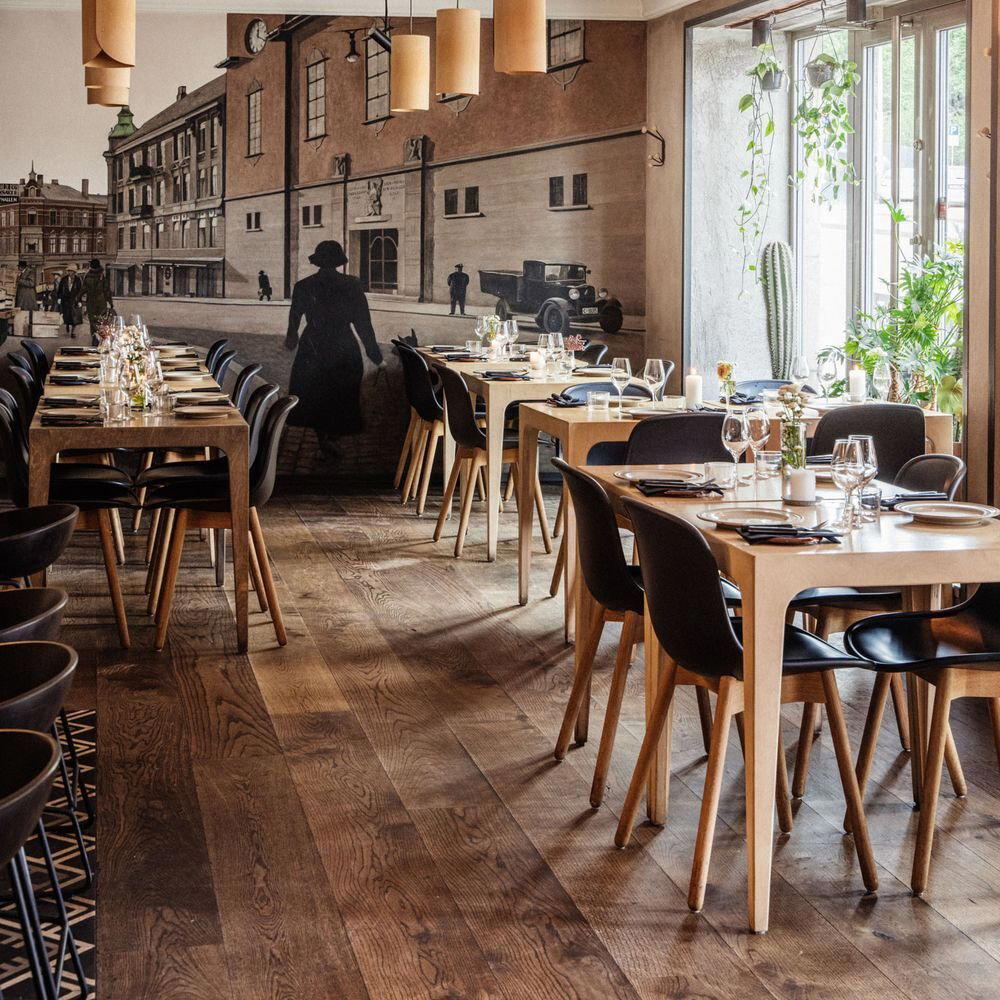

Hotels in Oslo
Browse all →
Wineries in Oslo
Browse all →
At a Glance
- Cozy
- Classic
- Group Dining
- Casual Hangout
- Historic Building
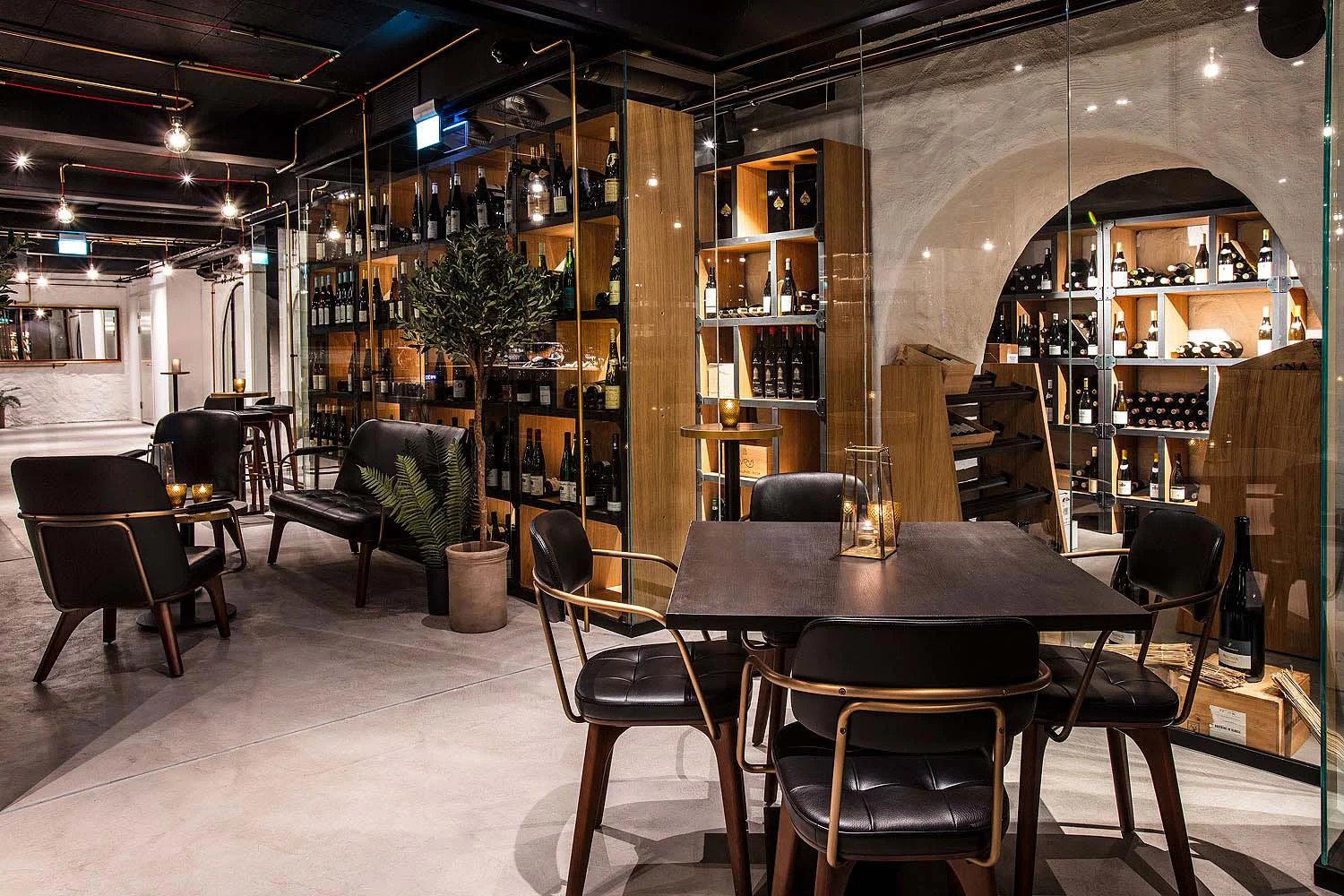
- Extensive Wine List
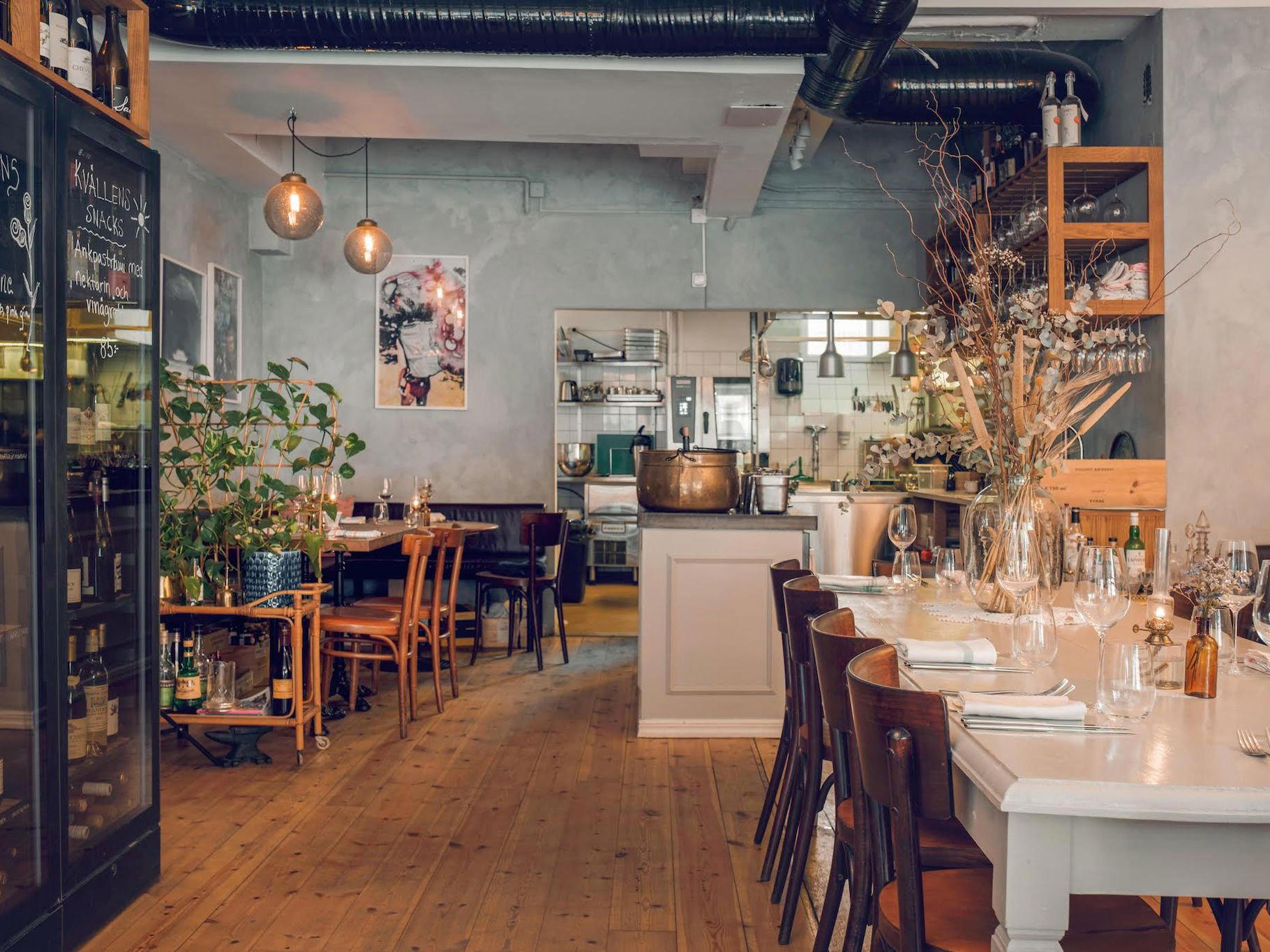
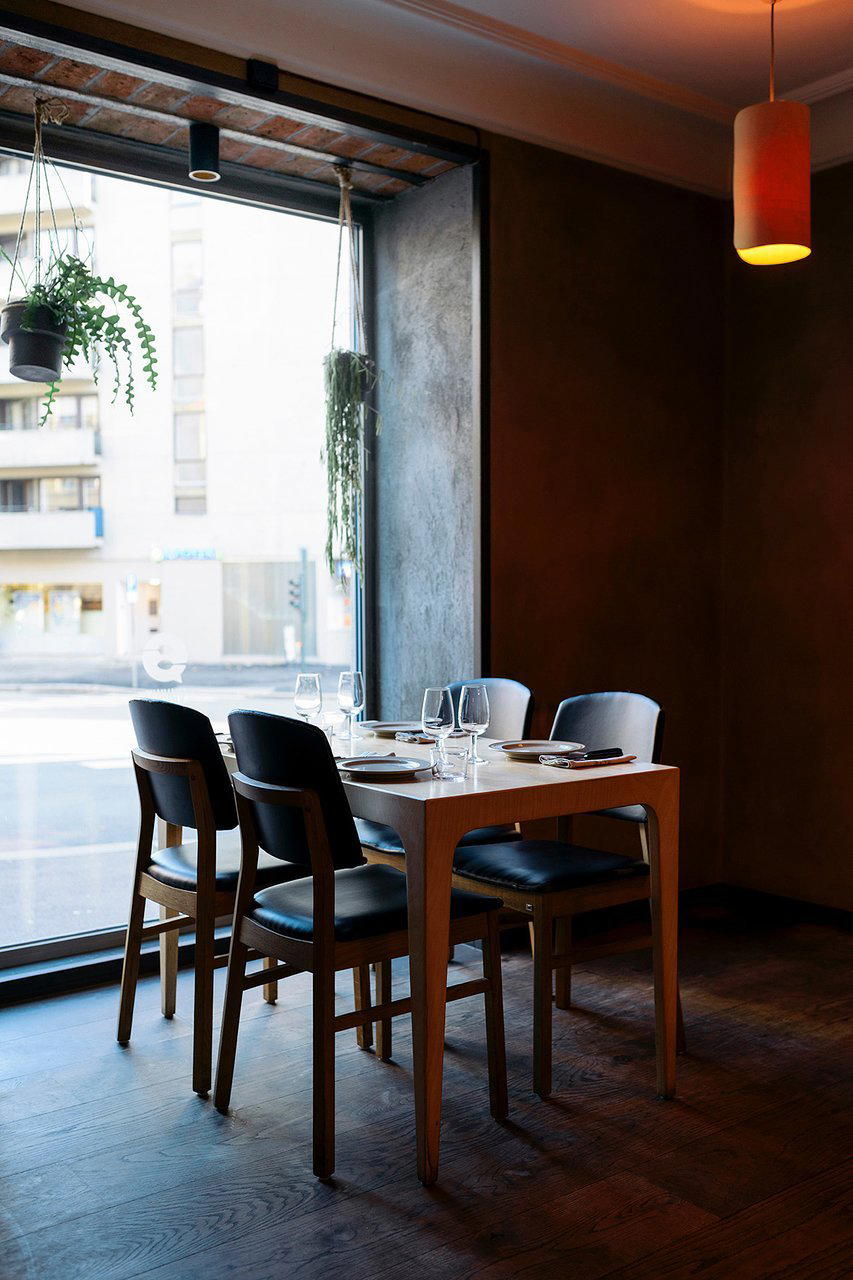
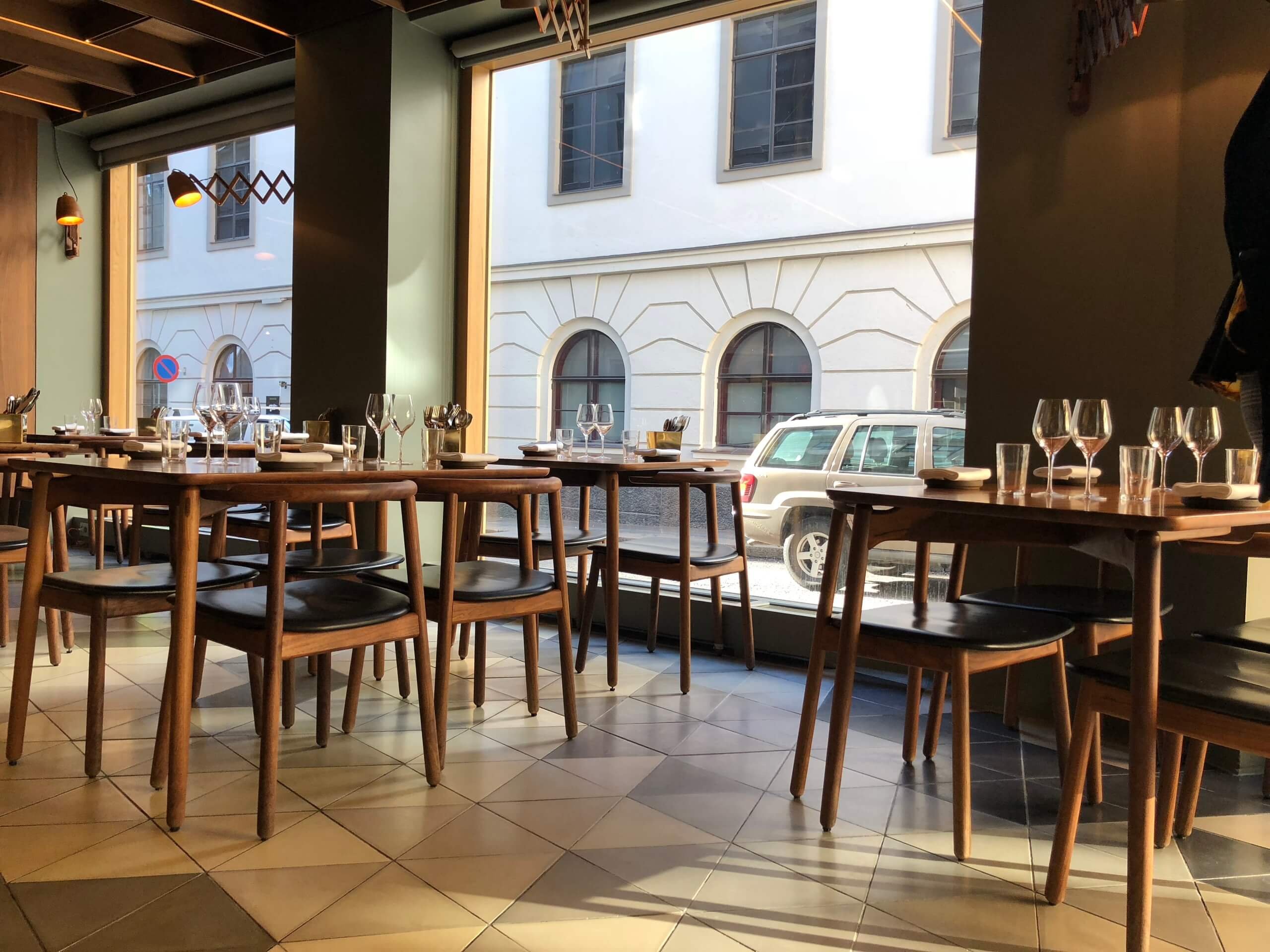
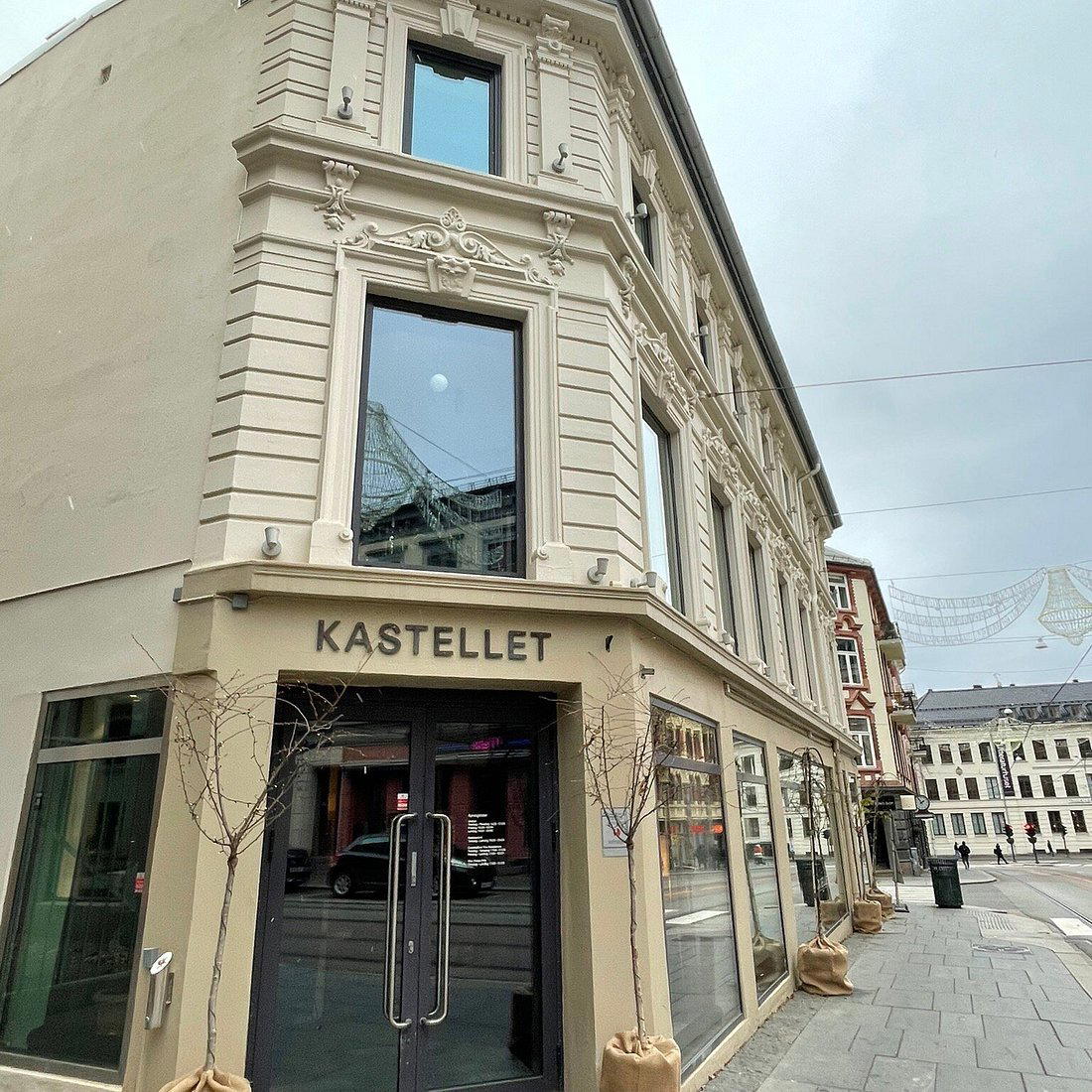
Cozy atmosphere in a historic building with dimmed lights and calm environment.