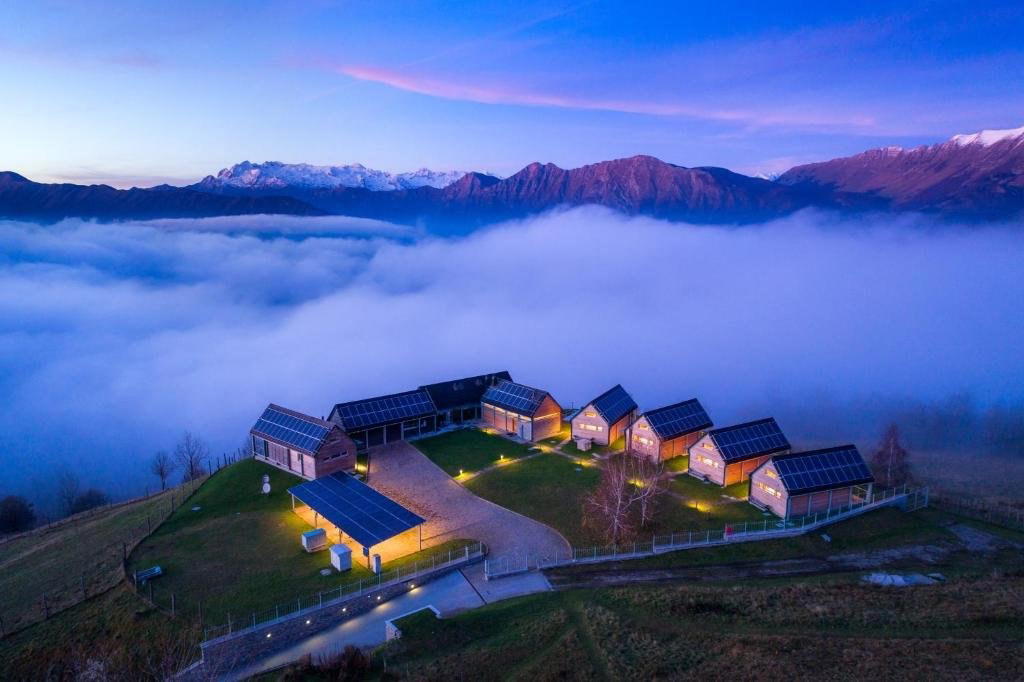
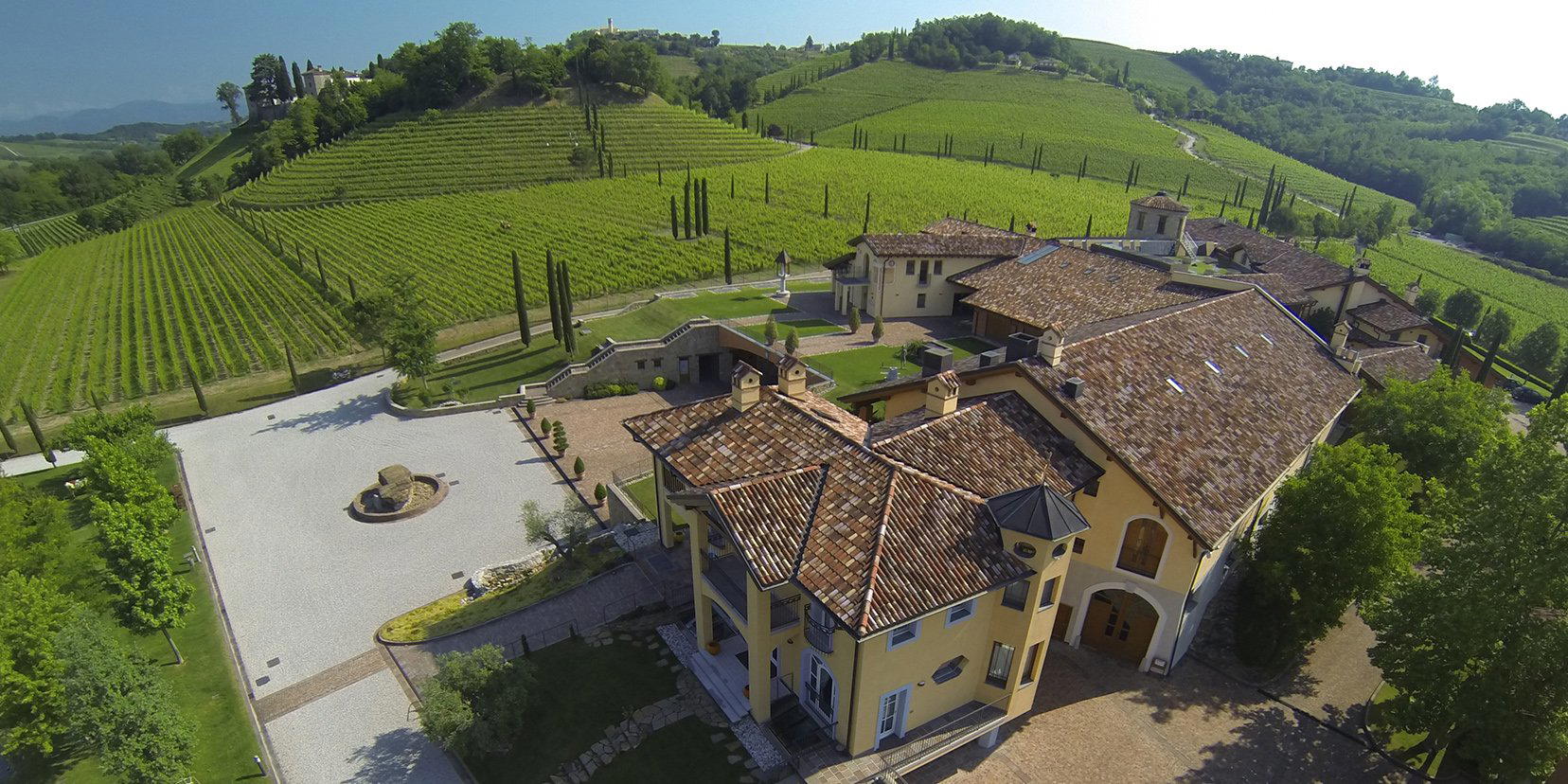
B&B Klinec sits in the Brda hills of western Slovenia, where the rhythm of a meal is shaped by the land immediately outside the window. The property belongs to a tradition of Slovenian agriturismo where wine, produce, and hospitality arrive from the same family farm. For travellers prepared to slow down, it offers a direct encounter with Brda's agricultural and viticultural character.
Pearl is the En Primeur Club membership app — saves, bookings, and concierge access live there. Same editors, same standards.
- Address
- Plešivo 51a, 5212 Dobrovo v Brdih, Slovenia
- Phone
- +38631339463
- Website
- klinecplesivo.si
- Directions
- Get directions
 Saves & bookings on Pearl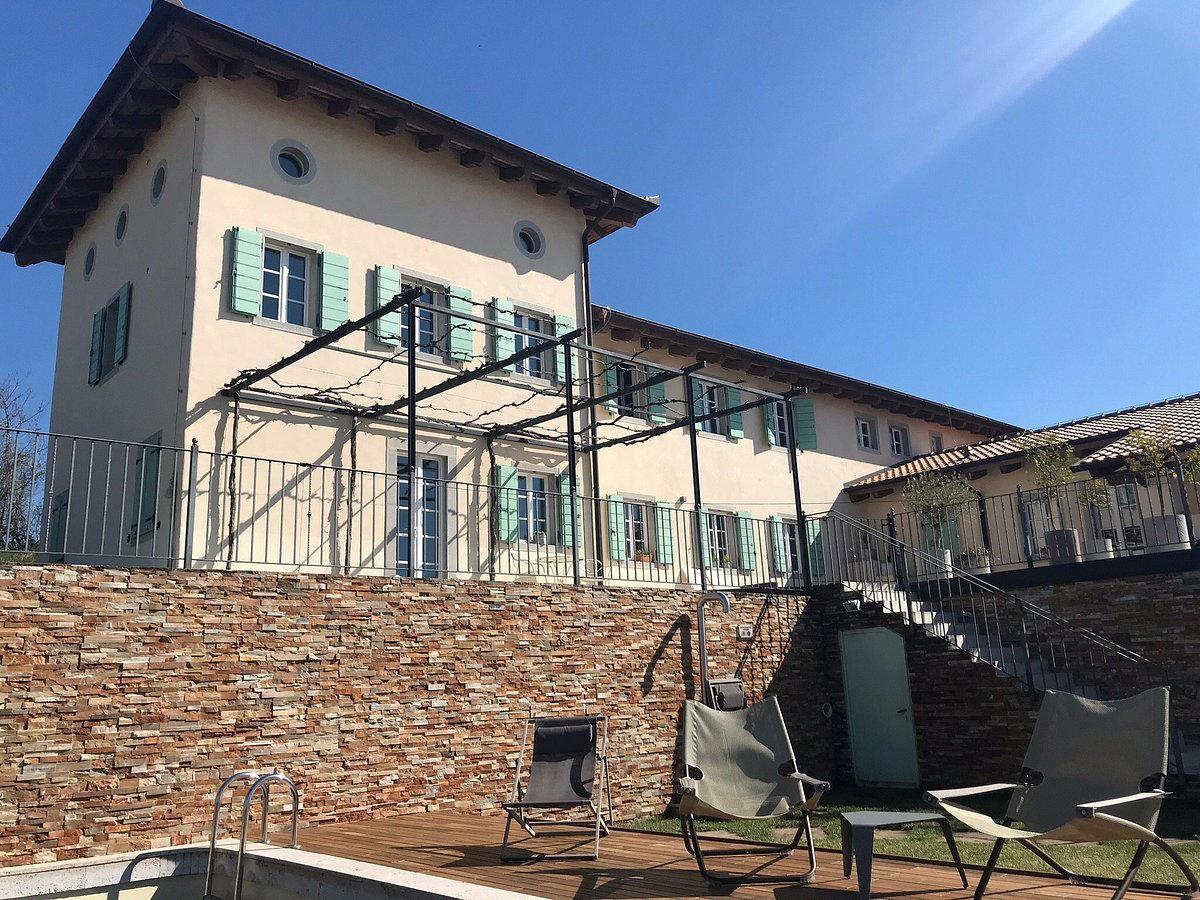
Where the Meal Begins Before You Sit Down
The Brda hills of western Slovenia occupy a narrow strip of territory where the karst limestone of the Vipava Valley gives way to softer Flysch soils and a climate tilted toward the Adriatic. The landscape here has shaped a particular kind of hospitality, one where the line between farm, cellar, and dining table is deliberately blurred. B&B Klinec, at Plešivo 51a in the Dobrovo area, sits inside that tradition. Arriving at a property like this, the approach through terraced vineyards and olive groves is not incidental scenery; it is the first act of the meal, a visual argument for everything that will follow at the table.
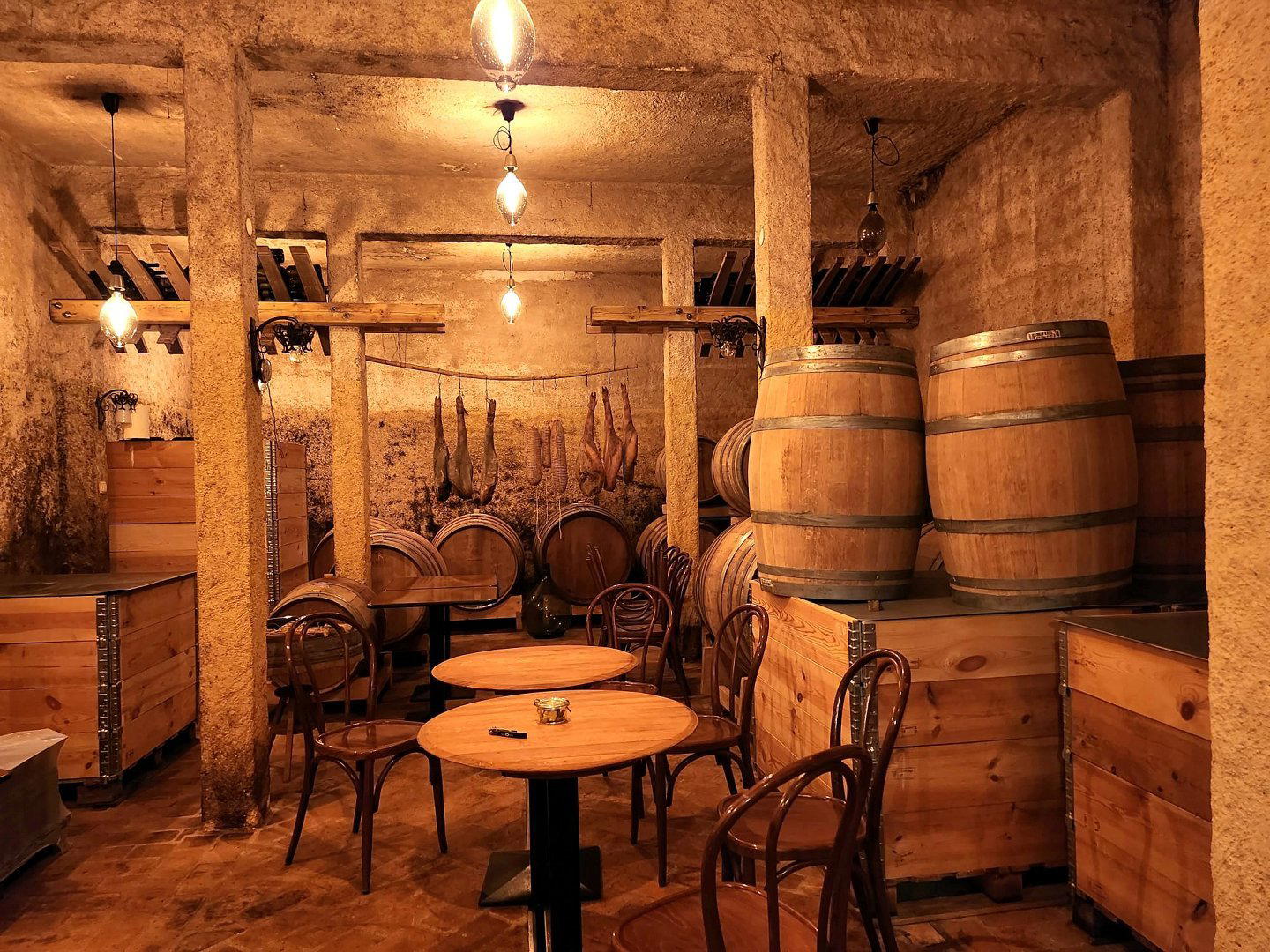
This is the logic of the Slovenian agriturismo format at its most literal. The produce does not travel far. The wine poured alongside it comes from the same hillside geology. The rhythm of eating here is set not by a tasting menu clock but by what the kitchen has available, and what the cellar has been patient enough to keep. For travellers accustomed to urban restaurant formats, where the experience is compressed into two hours and priced by the cover, Brda operates by different rules entirely.
The Dining Ritual in Brda's Agriturismo Context
Across the Brda region, coherent dining experiences share a structural quality: they unfold rather than perform. The meal at a property like Klinec is closer in spirit to eating at a family farm than to a tasting counter in a capital city. Courses arrive with the pacing of a conversation rather than a production schedule. Wine is poured from bottles that reflect what the family has made and aged, not what a sommelier has sourced for effect. The diner's role is correspondingly different: patience and curiosity matter more than menu literacy.
This format has deep roots in the Italian Collio just across the border, where the osmiza tradition of farm-direct eating has existed for centuries. Brda absorbed that influence without wholesale adopting it; the Slovenian side has its own tempo, its own produce logic, and increasingly its own confident identity. Properties that have operated across multiple generations tend to anchor that identity most clearly, since the cellar depth and the accumulated knowledge of the land both compound over time.
For comparison, the more formally structured dining rooms of the region, such as Bužinel or Gredič, orient themselves toward restaurant conventions: set menus, service sequences, and wine lists with clear architecture. The agriturismo tier, where Klinec belongs, asks for something different from the guest. Less pre-planning, more arrival with open expectations.
Brda's Wider Dining Map
The Brda wine region is small enough that a single itinerary can cover its serious dining options in two or three days. Domačija Belica and Kabaj Morel represent the region's winery-anchored hospitality, where the glass is as deliberate as the plate. Klinec Medana shares a family name and offers a related but distinct experience in the village of Medana, worth understanding as a separate proposition from Plešivo.
For travellers building a broader Slovenian itinerary, the regional context extends outward. Hiša Franko in Kobarid represents the highest formal tier of Slovenian dining, with international recognition that places it in a different category entirely. Gostilna Pri Lojzetu in Vipava anchors the adjacent wine valley's table, while Dam in Nova Gorica represents the urban end of the western Slovenia dining spectrum, closer in format to a conventional restaurant. Further afield, Hiša Denk in Zgornja Kungota, Hiša Linhart in Radovljica, Grič in Šentjošt nad Horjulom, Restavracija Strelec in Ljubljana, Milka in Kranjska Gora, Gostilna Mlinar in Idrija, and Pavus in Lasko together sketch the range of what serious Slovenian hospitality looks like across the country's distinct regions.
Our full Brda restaurants guide maps those distinctions in detail, including how to sequence properties for a multi-night stay.
Planning a Stay at Plešivo
Brda does not have public transport worth depending on. Arriving by car from Nova Gorica takes under thirty minutes on good roads; from Ljubljana, allow two hours. The Dobrovo area sits close to the Italian border, which makes cross-border Collio visits a natural extension for wine-focused travellers. Properties in this category typically ask for advance contact rather than operating an online booking system, and meal arrangements at agriturismo estates are usually confirmed alongside accommodation. The address, Plešivo 51a, 5212 Dobrovo v Brdih, places the property in the hills above the valley floor, where afternoon light and refined position are part of what the stay offers. The restaurant is open Friday 7 to 10 PM, Saturday 12:30 to 3:30 PM and 7 to 10 PM, and Sunday 12:30 to 3:30 PM.
Cuisine and Credentials
Comparable venues nearby, for context on price, style, and recognition.
| Venue | Cuisine | Price | Notes |
|---|---|---|---|
| B&B KlinecThis venue — the venue you are viewing | Modern Slovenian | $$$ | Not listed |
| Domačija Belica | Traditional Slovenian Farmhouse | $$$ | Medana, Goriška Brda |
| Gredič | Modern Mediterranean-Continental Fusion | $$$$ | Dobrovo v Brdih |
| Kabaj Morel | Modern Brda Cuisine | $$$ | Brda |
| Kruh in Vino | Slovenian Brda Wine Bar | $$$ | Dobrovo v Brdih |
| Turistična Kmetija Breg | Traditional Brda & Friulian Farm Cuisine | $$ | Dobrovo, Brda region |
Continue exploring
More in Brda
Restaurants in Brda
Browse all →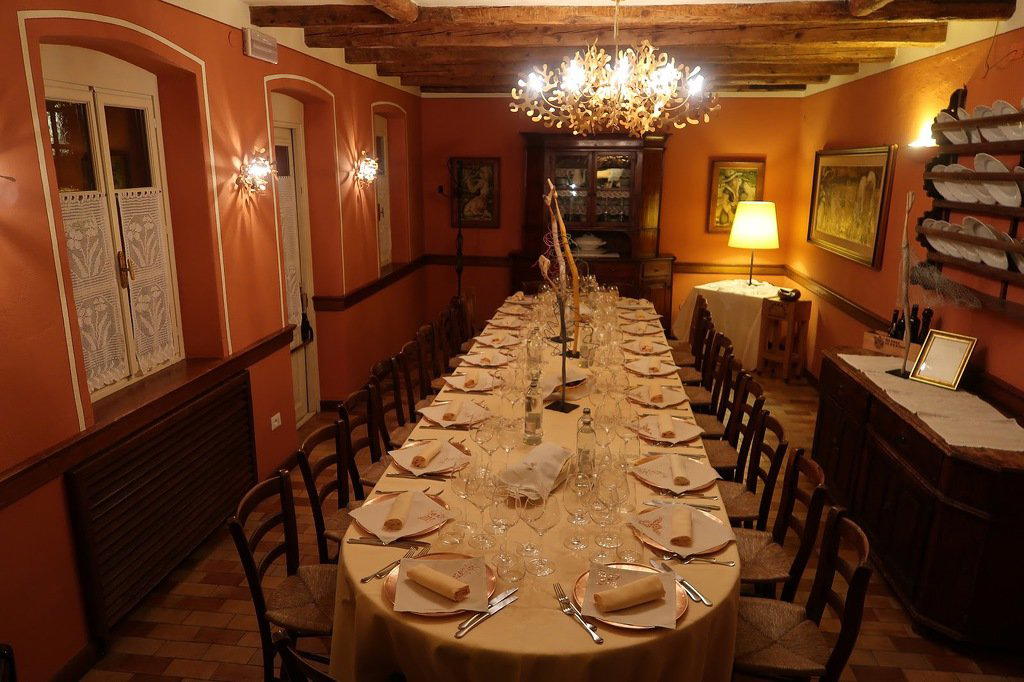
Bars in Brda
Browse all →
Hotels in Brda
Browse all →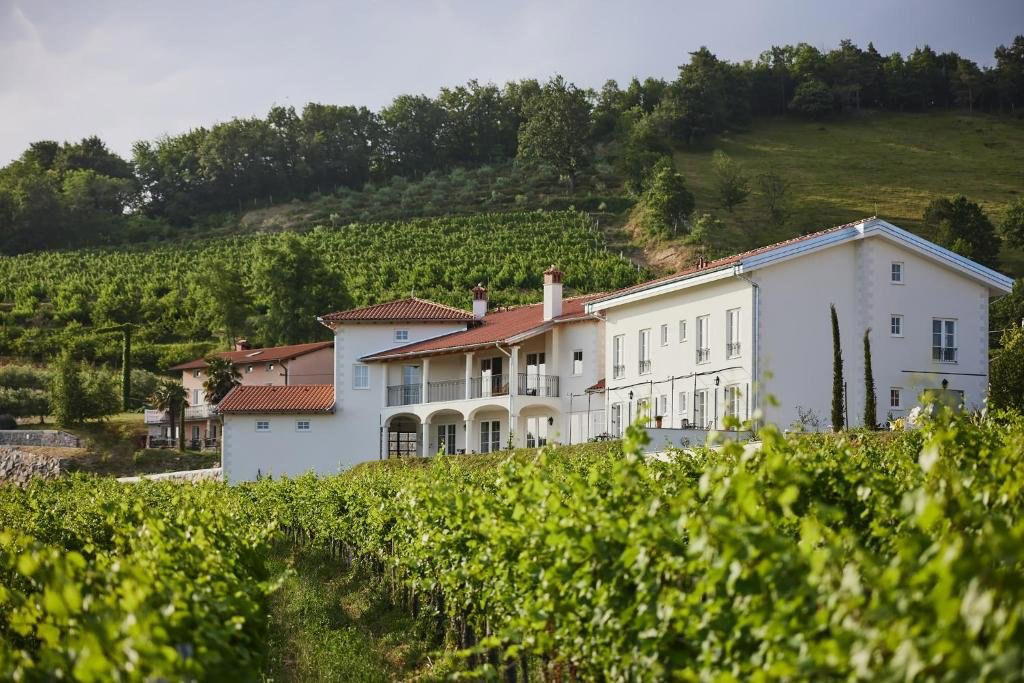
At a Glance
- Rustic
- Cozy
- Intimate
- Scenic
- Special Occasion
- Date Night
- Wine Cellar
- Extensive Wine List
- Natural Wine
- Local Sourcing
- Organic
- Vineyard
- Mountain
Current opening hours
- Monday
- Closed
- Tuesday
- Closed
- Wednesday
- Closed
- Thursday
- Closed
- Friday
- 7–10 PM
- Saturday
- 12:30–3:30 PM, 7–10 PM
- Sunday
- 12:30–3:30 PM
Hours can change for holidays and private events. Last verified .
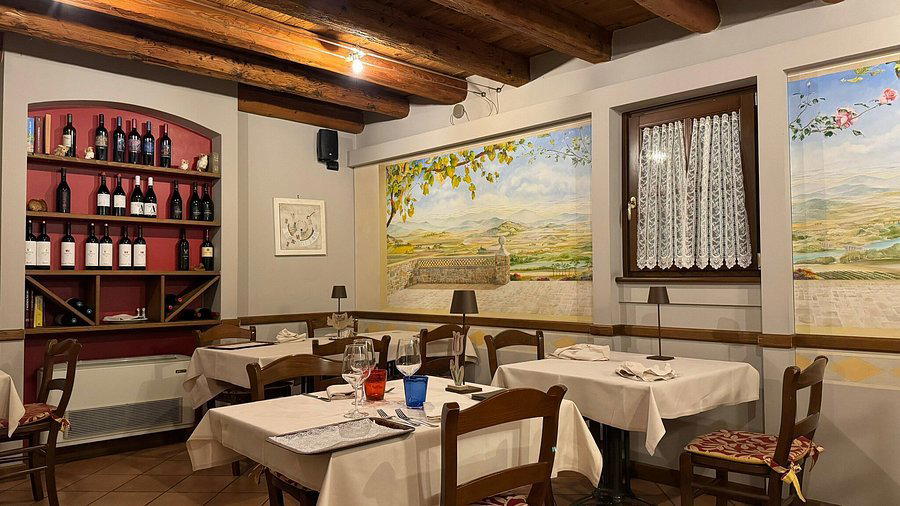
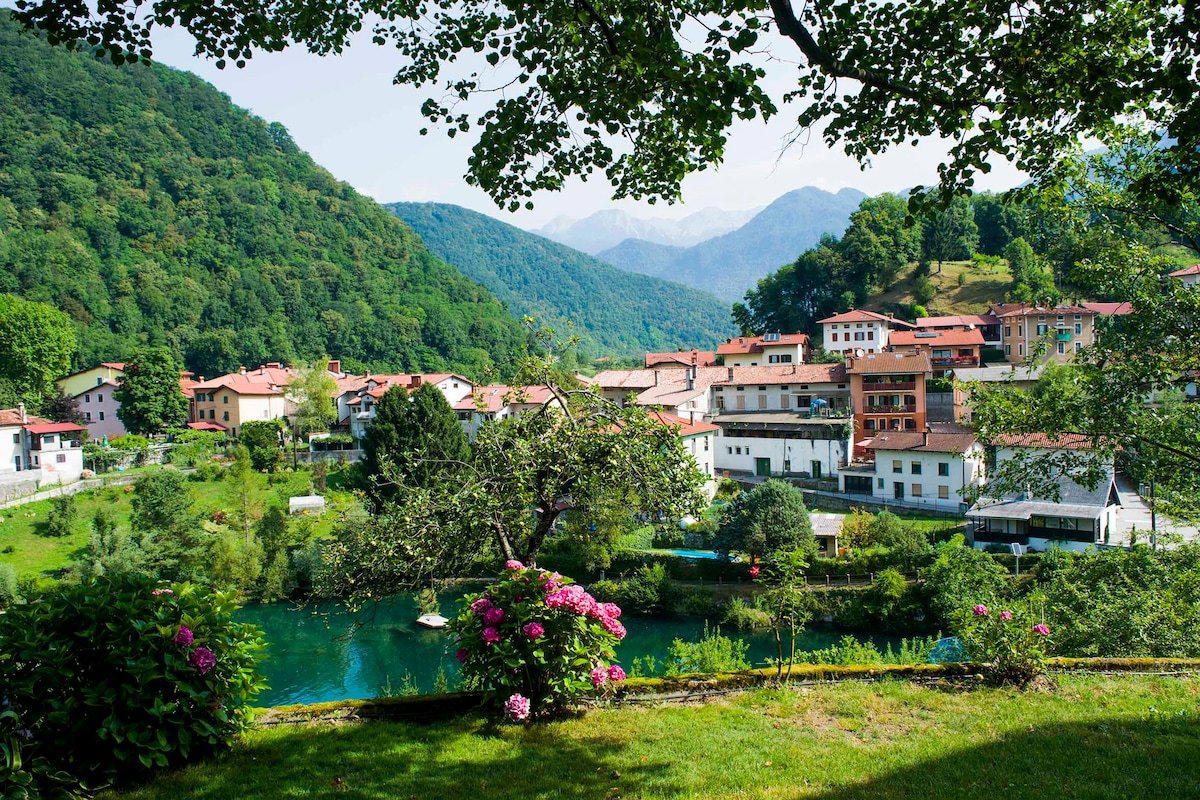
Cozy and rustic atmosphere in the heart of Goriška Brda's picturesque landscape, enhanced by family hospitality and fresh, seasonal ingredients.