Gredič

Gredič sits in the Brda wine country of western Slovenia, holding a Michelin Bib Gourmand (2025) under chef Ksenija Krajšek Mahorčič. At the €€€ price point, it occupies the accessible end of Slovenia's recognised modern cuisine tier, making it one of the more compelling entries into the country's Michelin-tracked dining circuit without the full-star premium.
Pearl is the En Primeur Club membership app — saves, bookings, and concierge access live there. Same editors, same standards.
- Address
- Ceglo 9, 5212 Dobrovo v Brdih, Slovenia
- Phone
- +386 40 477 817
- Website
- gredic.si
- Directions
- Get directions
 Saves & bookings on Pearl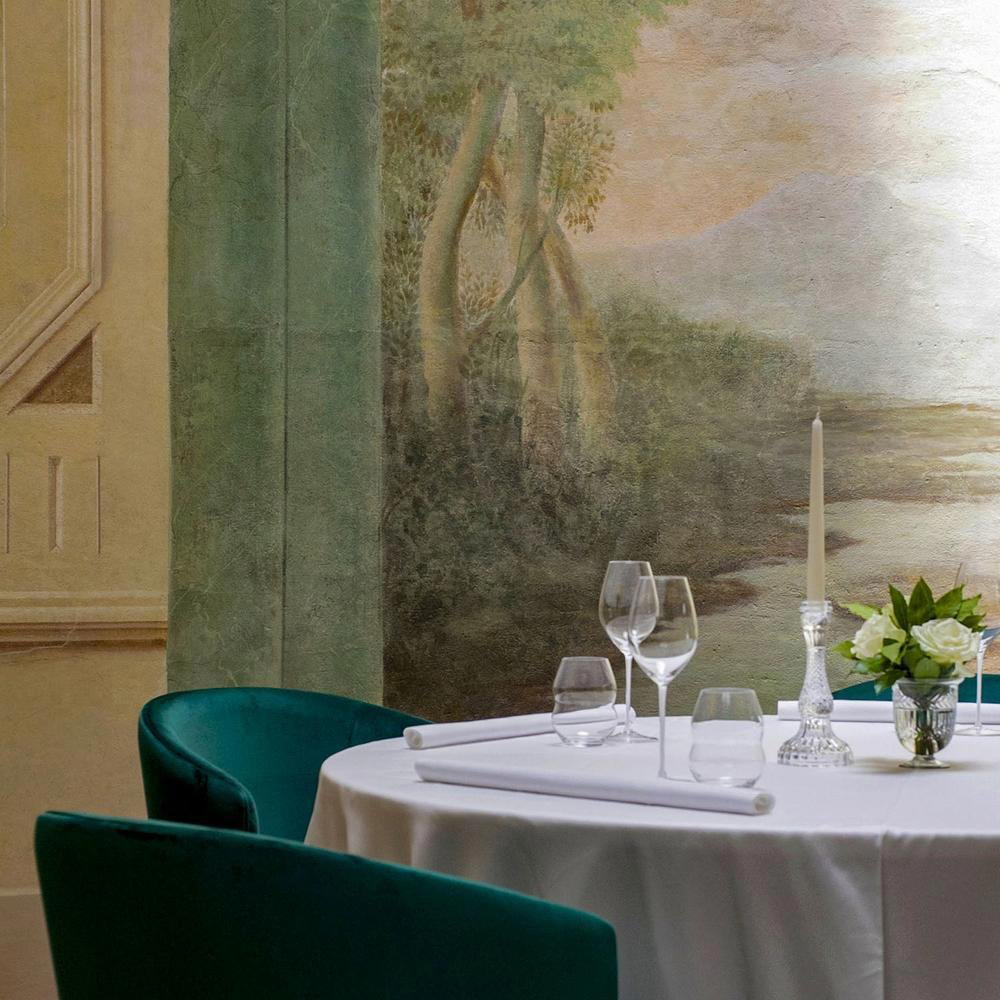
Brda, the Dining Room of Slovenia's Wine Country
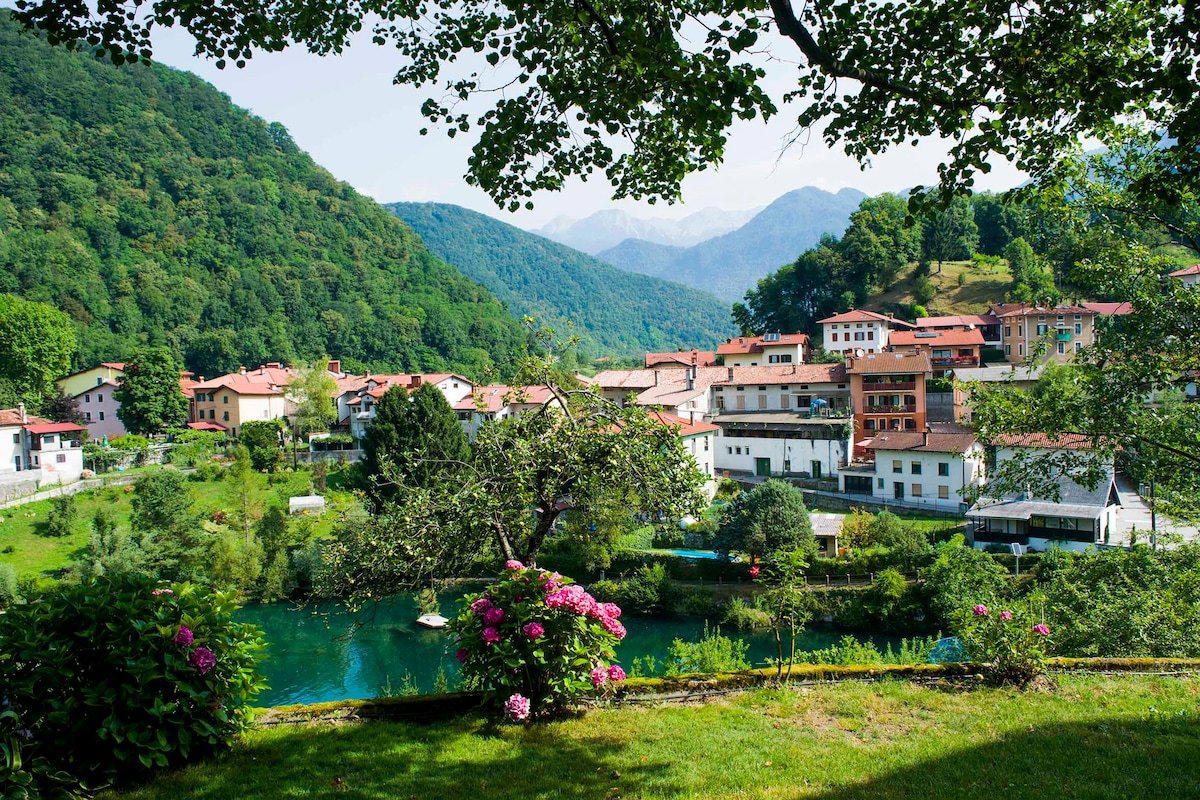
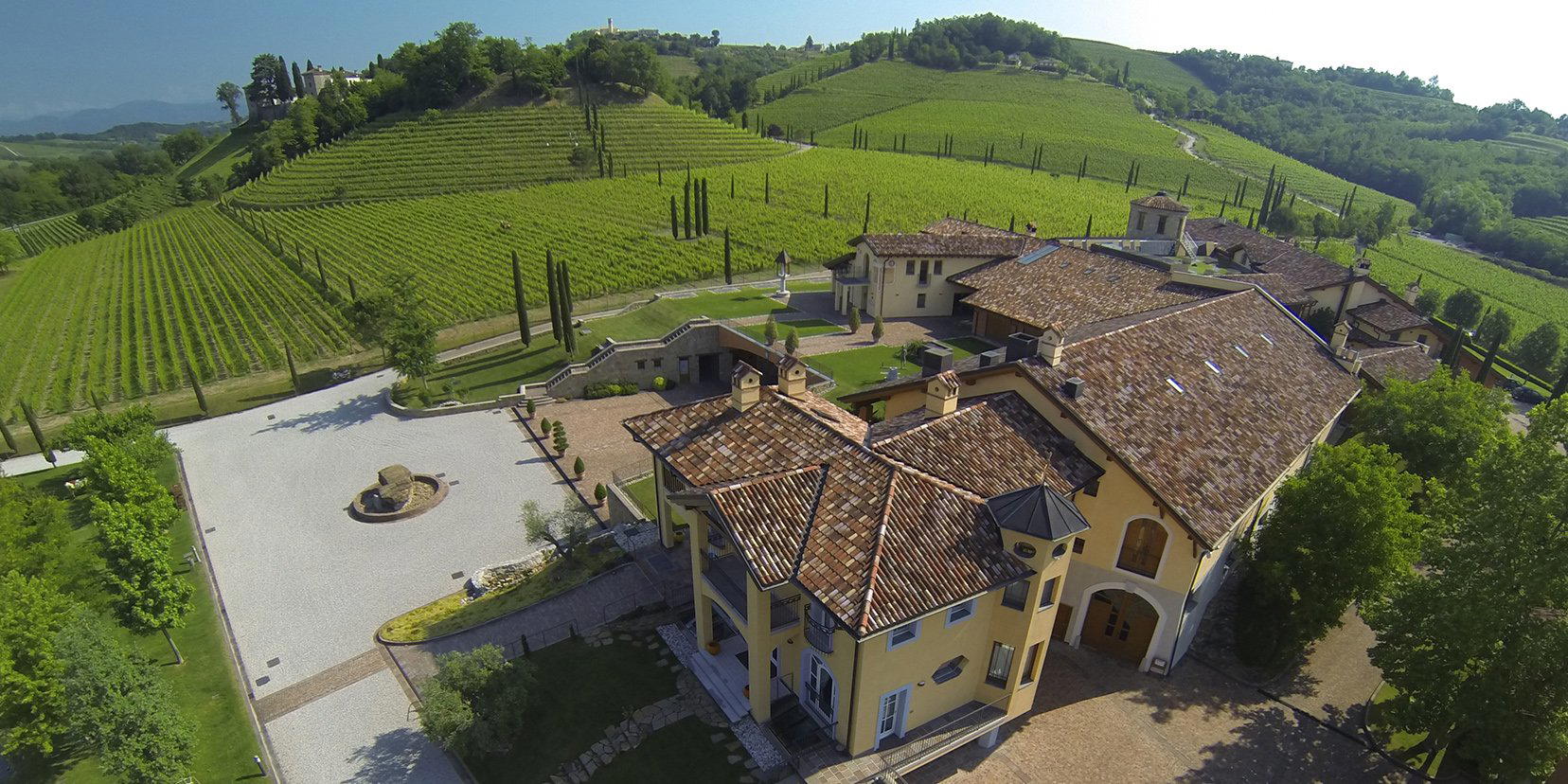
The Brda hills of western Slovenia occupy a position in the country's food and wine culture similar to what the Collio does just across the Italian border: a compact, vine-covered landscape where agriculture and gastronomy have grown inseparable over generations. Villages here are small, distances between producers are short, and the restaurants that earn recognition tend to work in close proximity to the land around them. Gredič, addressed at Ceglo 9 on the edge of Dobrovo v Brdih, sits inside that tradition. The approach to the property sets a register before you reach the door: terraced vineyards, stone architecture, and the particular stillness of a wine country town that operates on harvest rhythms rather than urban ones. For visitors arriving from Ljubljana or from across the Italian border, the transition is pronounced enough to recalibrate your pace before the meal begins.
Where Gredič Sits in Slovenia's Michelin Picture
Slovenia's Michelin-recognised dining circuit is small but geographically spread. At the higher end of the award tier, Hiša Franko in Kobarid holds three stars, and Milka in Kranjska Gora holds two. One-star houses include Gostilna Pri Lojzetu in Vipava, Grič in Šentjošt nad Horjulom, and Dam in Nova Gorica, the latter operating at the same €€€ price tier as Gredič. The Bib Gourmand sits below star level but represents a deliberate Michelin signal: good cooking at a price that doesn't require the full commitment of a starred tasting menu. In a country where the gap between Bib and one-star can be a matter of format and ambition as much as quality, Gredič occupies a genuinely useful position. It is the entry point into Slovenia's mapped modern cuisine circuit for travellers who want Michelin credibility without the €€€€ outlay that the country's star-holders typically demand.5 across 447 reviews confirms the consistency that the Bib designation implies.
In 2024, the kitchen held a Michelin Plate, the guide's baseline recognition marker. The step up to Bib Gourmand in 2025 marks an improvement in the guide's assessment.
The Kitchen Under Ksenija Krajšek Mahorčič
Modern cuisine as a Michelin category covers significant ground. At its most accomplished, it describes cooking that uses classical European technique as a base and builds outward through regional ingredient sourcing, seasonal precision, and a deliberate editorial point of view on what the local larder can produce. In a region like Brda, that editorial point of view almost writes itself: olive oil, stone fruit, local wine varieties, and the proximity of both the Adriatic and the Alpine foothills all feed into a kitchen's available palette. Chef Ksenija Krajšek Mahorčič works within this context, and the Bib Gourmand award in 2025 suggests the kitchen is delivering that regional argument with enough coherence and consistency for the Michelin inspectors to upgrade their assessment. Female-led kitchens at recognised level remain underrepresented in Slovenia's Michelin map, which makes the trajectory here carry additional weight as a data point about how the country's dining scene is evolving.
The broader pattern in Slovenia's award-tracked restaurants is that chefs at this level tend to have trained through European kitchens before returning to work with local producers. That circuit, from formal training elsewhere back to a specific regional address, is visible at many of the country's most discussed restaurants. At Gredič, the result is a modern cuisine format that operates at a price point accessible enough to draw both wine-country visitors and locals, rather than positioning itself purely as a destination meal for travelling food writers. For comparable approaches to modern cuisine at different price tiers across Slovenia, see Hiša Denk in Zgornja Kungota, Hiša Linhart in Radovljica, and Restavracija Strelec in Ljubljana.
The Brda Context You Need Before You Book
Dobrovo v Brdih is a small town in the Goriška Brda municipality, hard against the Italian border in western Slovenia. The area is primarily known for wine production, with Rebula (Ribolla Gialla across the border) as the signature white and a tradition of natural and orange wine production that has drawn international attention over the past decade. Arriving here purely for a meal without engaging with the wine country around it is technically possible but misses the obvious combination. The region also functions as a natural base for crossing into the Collio on the Italian side, where the wine villages of Cormons and Cividale extend the same viticultural tradition under a different passport.
For a sense of how Brda-area modern cuisine compares to what's happening elsewhere in the Gorizia region, Dam in Nova Gorica operates at the same price tier with a Mediterranean and modern cuisine focus and holds a Michelin star, making it the natural comparison for anyone choosing between the two. For those interested in how Slovenia's modern cuisine tradition maps against Scandinavian counterparts, Frantzén in Stockholm and FZN by Björn Frantzén in Dubai represent what the category looks like at the upper extreme of scale and investment.
Planning Your Visit
Gredič sits at the €€€ price point, placing it in the middle tier of Slovenia's recognised dining range. That pricing, combined with the Bib Gourmand status, makes it accessible for a lunch or dinner that doesn't require the full financial and logistical commitment of the country's starred restaurants. The address is Ceglo 9, Dobrovo v Brdih, and the property is reachable from Nova Gorica in under thirty minutes by road. Visitors arriving from Ljubljana should allow approximately ninety minutes by car. Advance booking is advisable given the recognition the kitchen received in 2025.
In Context: Similar Options
Comparable venues nearby, for context on price, style, and recognition.
| Venue | Cuisine | Price | Awards | Notes |
|---|---|---|---|---|
| GredičThis venue — the venue you are viewing | Modern Mediterranean & Continental | $$$ | Bib Gourmand | Not listed |
| Altrokè | Mediterranean Istrian Fine Dining | $$$ | Michelin Plate | Old Town (Stari trg) |
| Julijana | Modern Slovenian with Alpine Influences | $$$ | Michelin Plate | Bled |
| Restavracija Hotela Marina | Mediterranean Seafood | $$$ | Michelin Plate | Izola |
| Restavracija Calypso | Mediterranean Seafood Fine Dining | $$$ | Michelin Plate | Nova Gorica |
| Gostilna in vinoteka Faladur | Dining | Not listed | Bib Gourmand | Vipava |
Recognition history
Dated appearances from independent guides and award organizations, with the underlying list record or original source where available.
Michelin Bib Gourmand
Michelin
Michelin Bib Gourmand
Michelin
Michelin Plate
Michelin
Continue exploring
More in Dobrovo v Brdih
Restaurants in Dobrovo v Brdih
Browse all →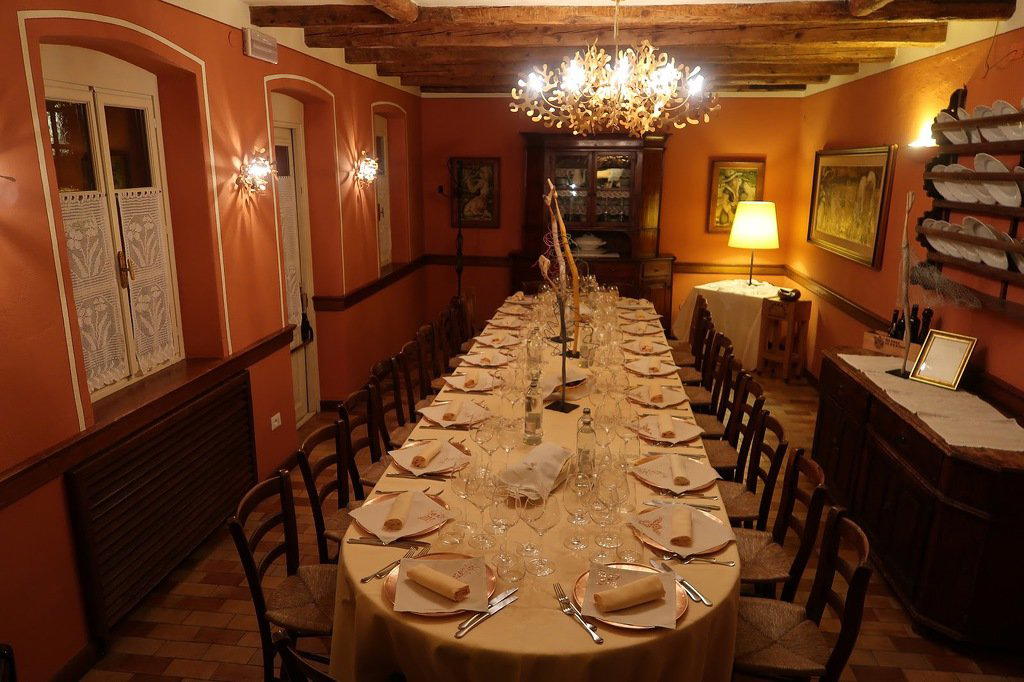
Bars in Dobrovo v Brdih
Browse all →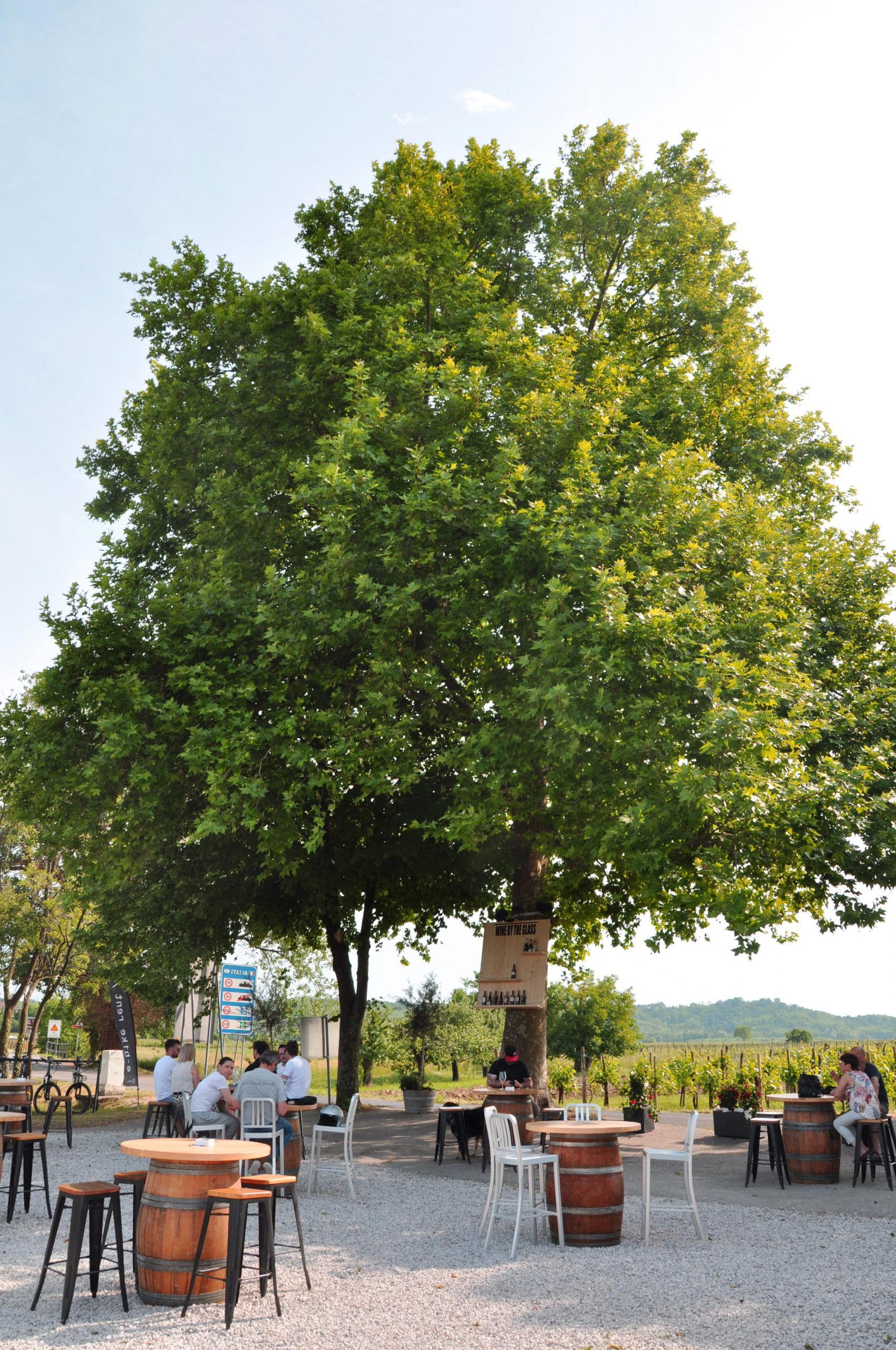
Hotels in Dobrovo v Brdih
Browse all →

At a Glance
- Romantic
- Elegant
- Rustic
- Scenic
- Cozy
- Sophisticated
- Date Night
- Special Occasion
- Celebration
- Historic Building
- Terrace
- Wine Cellar
- Extensive Wine List
- Sommelier Led
- Local Sourcing
- Vineyard
- Garden
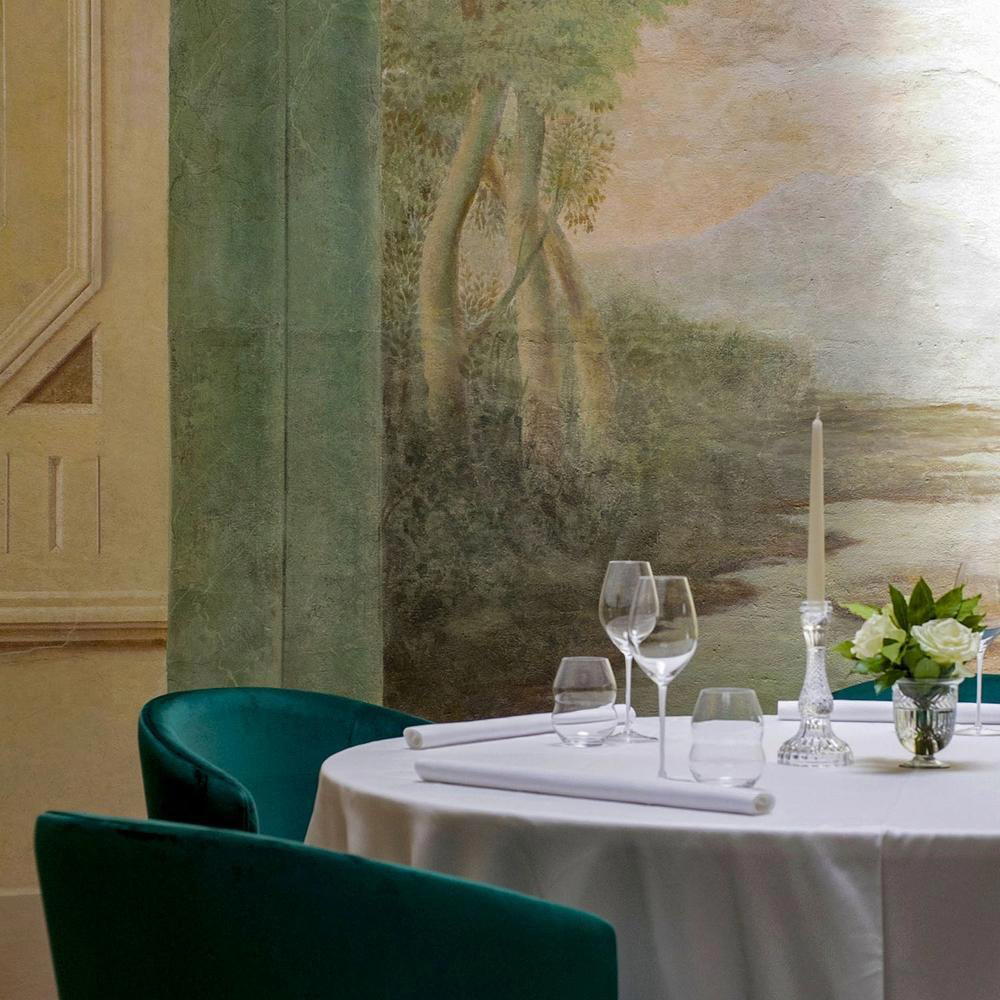
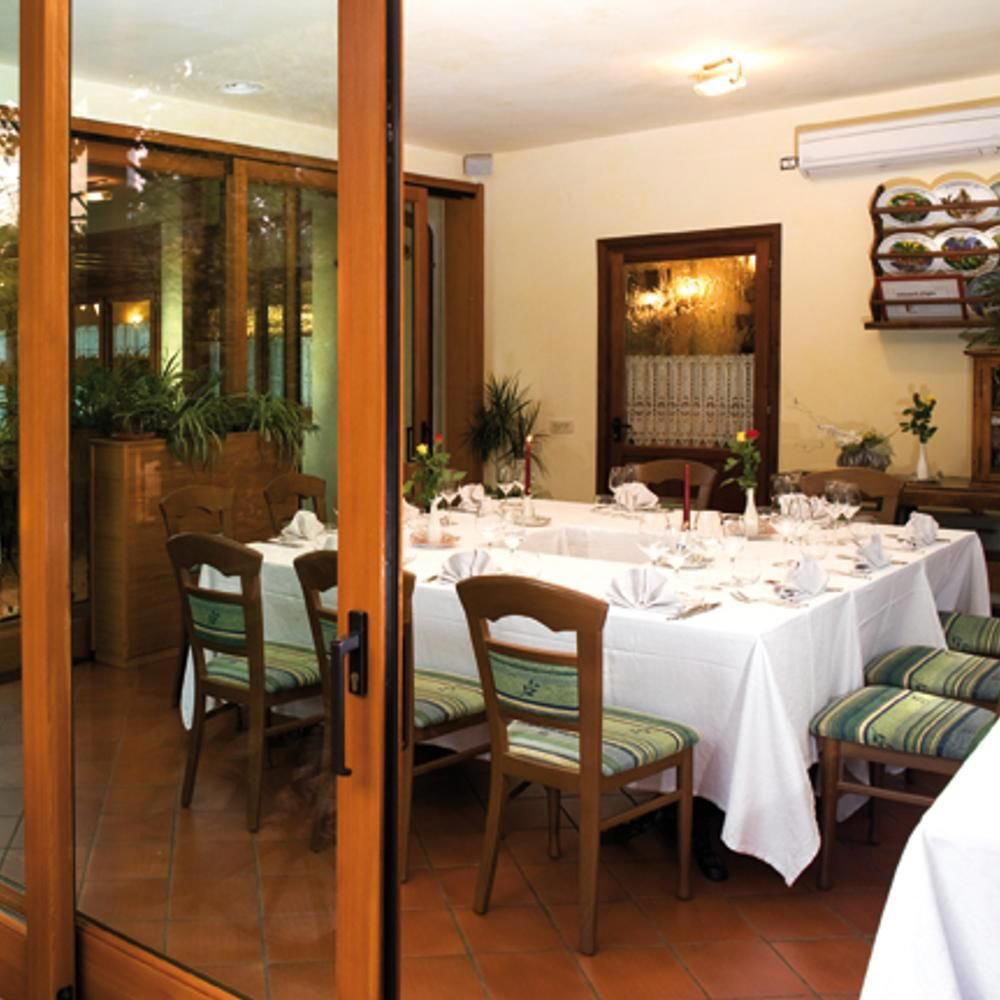
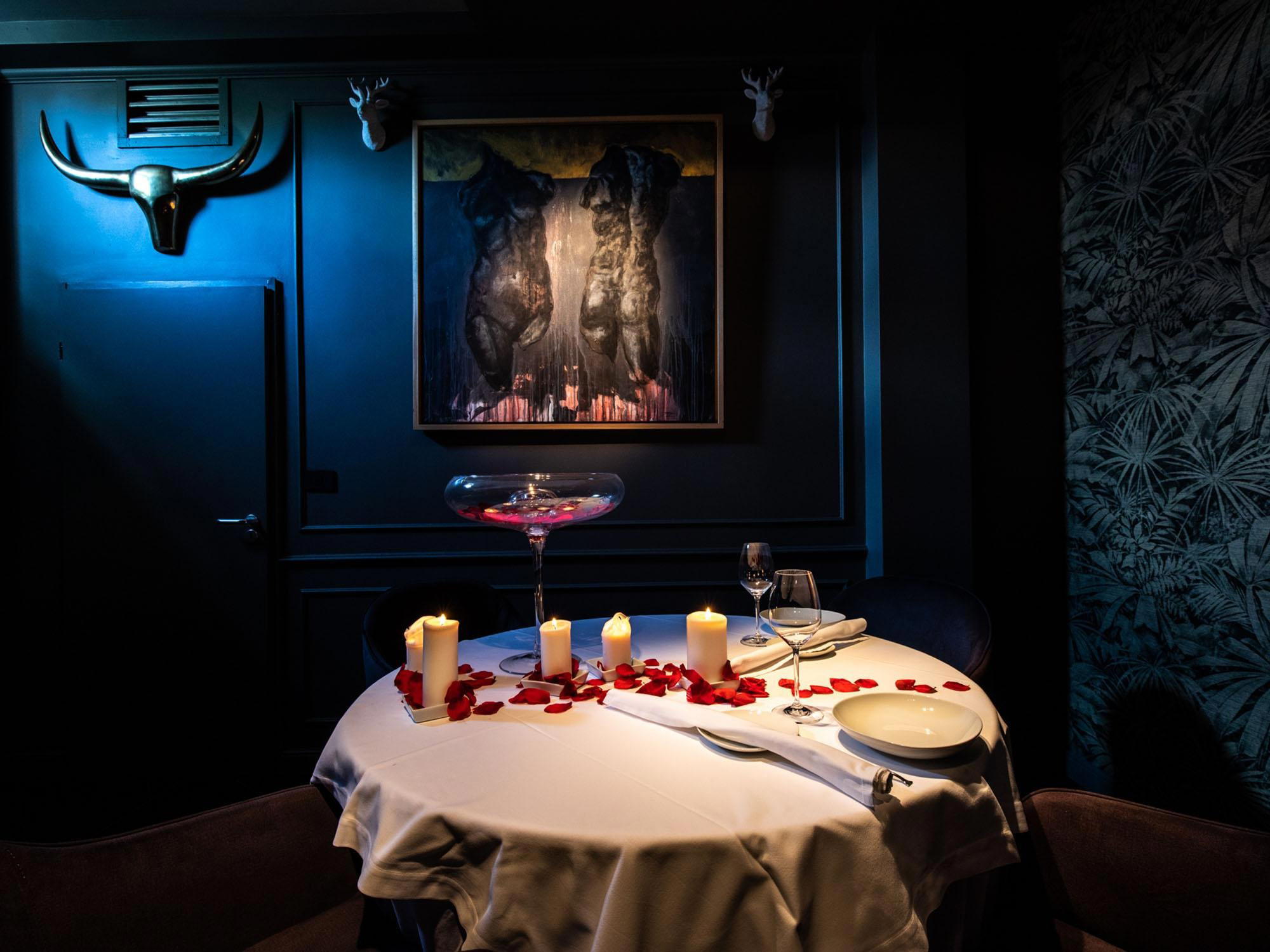
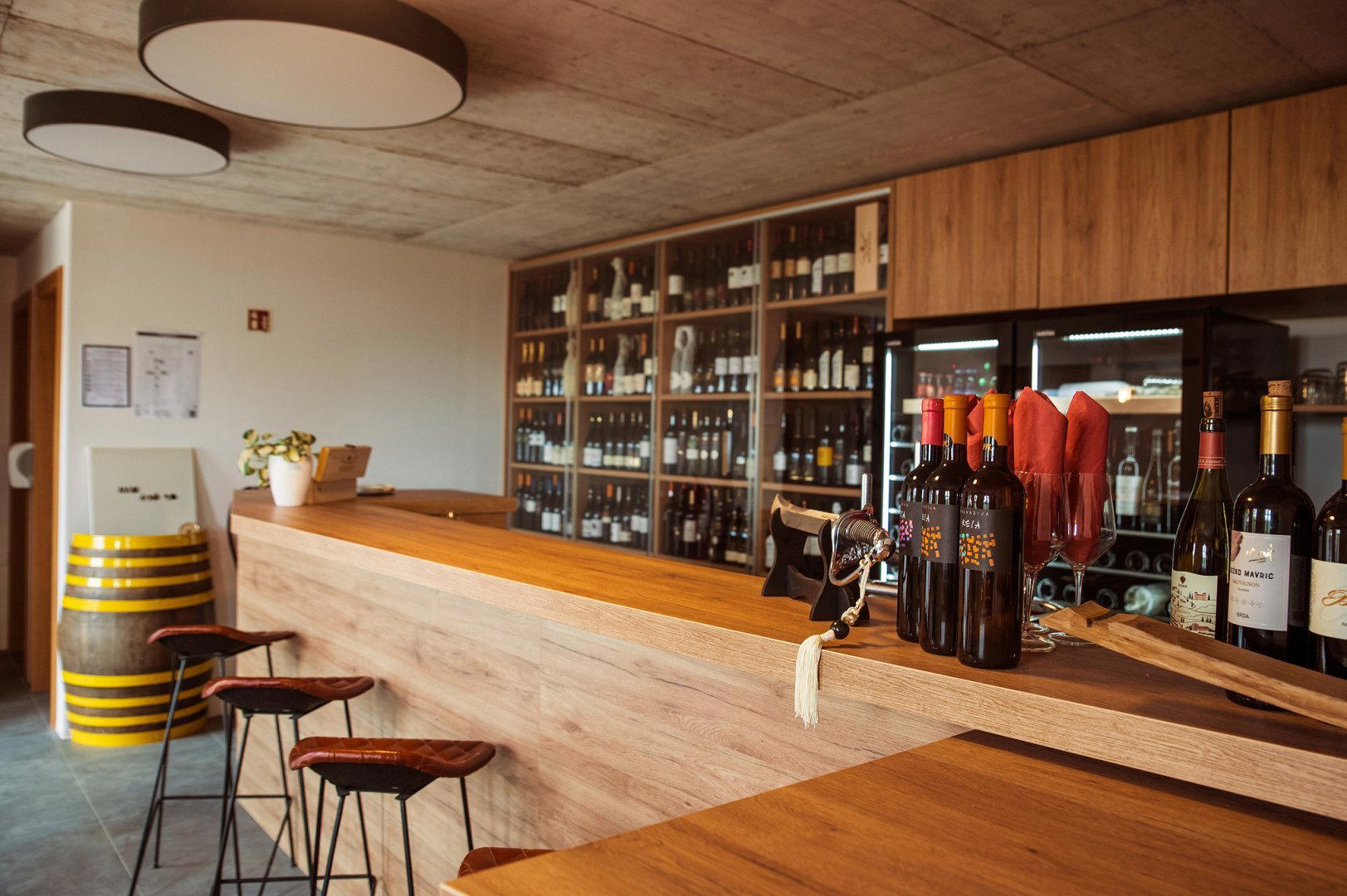
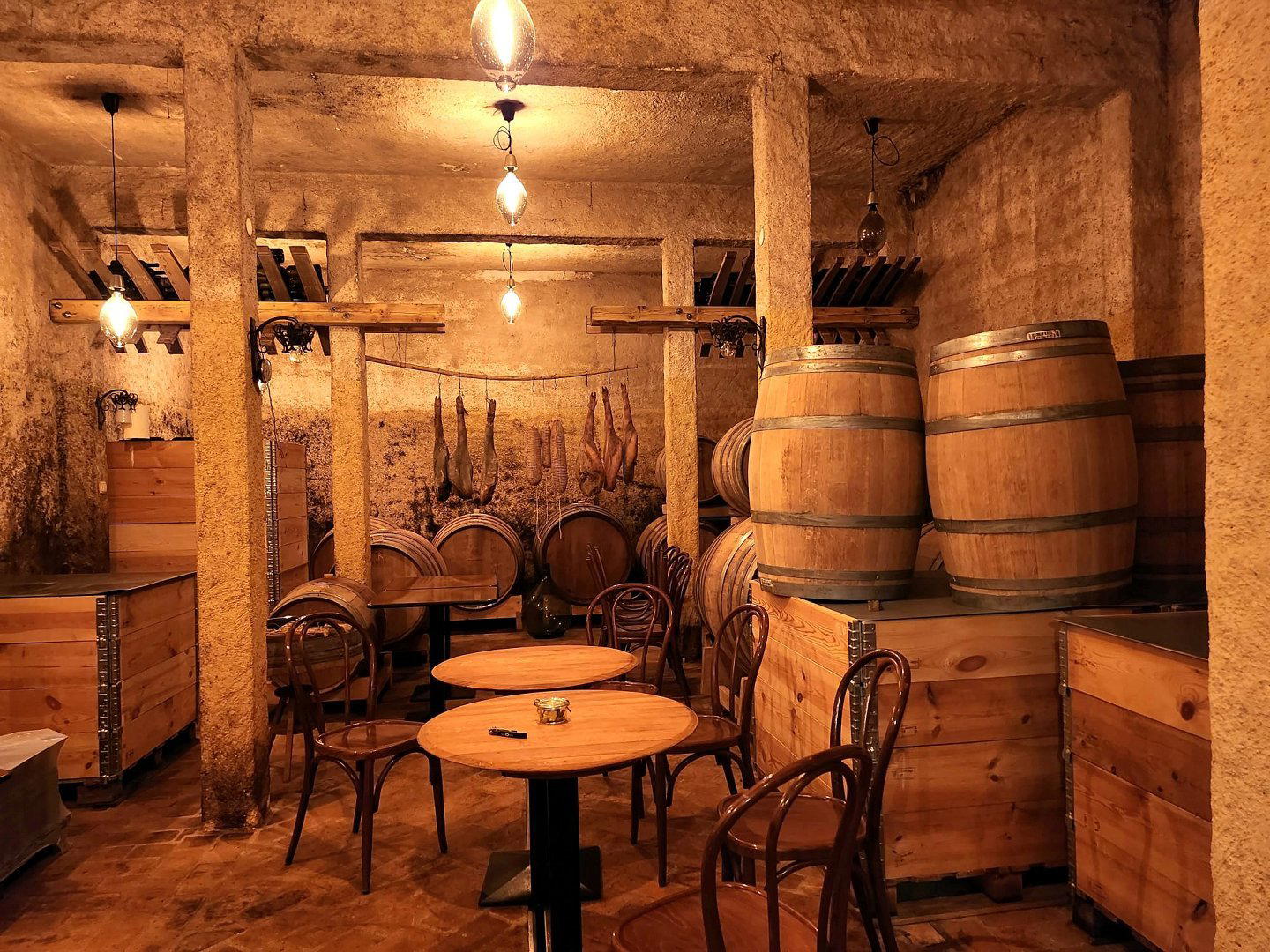
Historic castle ambiance blending preserved 17th-century charm with modern elegance, featuring scenic vineyard views, cozy lounge with fireplace, and terrace dining.