
Bužinel sits in Plešivo, a hamlet within Slovenia's Brda wine country, where the Italian border runs close enough to shape both the kitchen and the cellar. The address places it inside a region whose gostilna tradition prizes produce-driven simplicity and local wine above kitchen spectacle. For visitors moving through Brda's wine estates and hillside villages, it represents the kind of grounded, place-specific eating the region has built its reputation on.
Pearl is the En Primeur Club membership app — saves, bookings, and concierge access live there. Same editors, same standards.
- Address
- Plešivo 37a, 5212 Dobrovo v Brdih, Slovenia
- Phone
- +38631671705
- Website
- buzinel.si
- Directions
- Get directions
 Saves & bookings on Pearl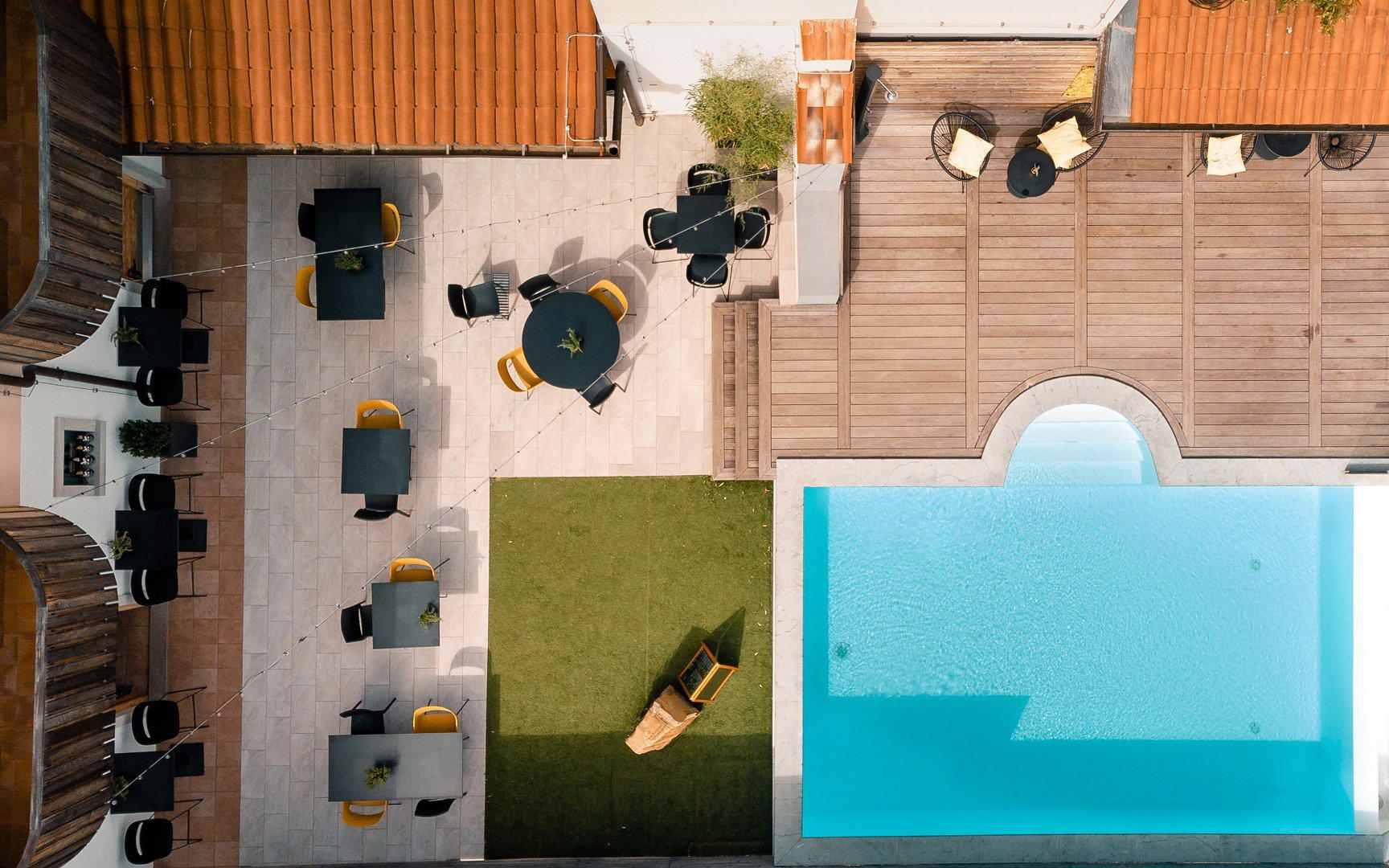
Where the Gostilna Tradition Still Holds
Brda is a region shaped by wine, seasonal cooking, and the gostilna tradition. Squeezed between the Soča valley and the Friulian plains across the Italian border, this compact Slovenian wine country has long operated on a different register from the tasting-menu theatrics that define Ljubljana's fine dining scene or the internationally recognised ambition of Hiša Franko in Kobarid. What Brda prizes instead is the gostilna: a format rooted in home-style cooking, local wine poured without ceremony, and a relationship to the land that predates the language of farm-to-table by several generations. Bužinel, addressed at Plešivo 37a in the commune of Dobrovo v Brdih, sits inside that tradition rather than above it.
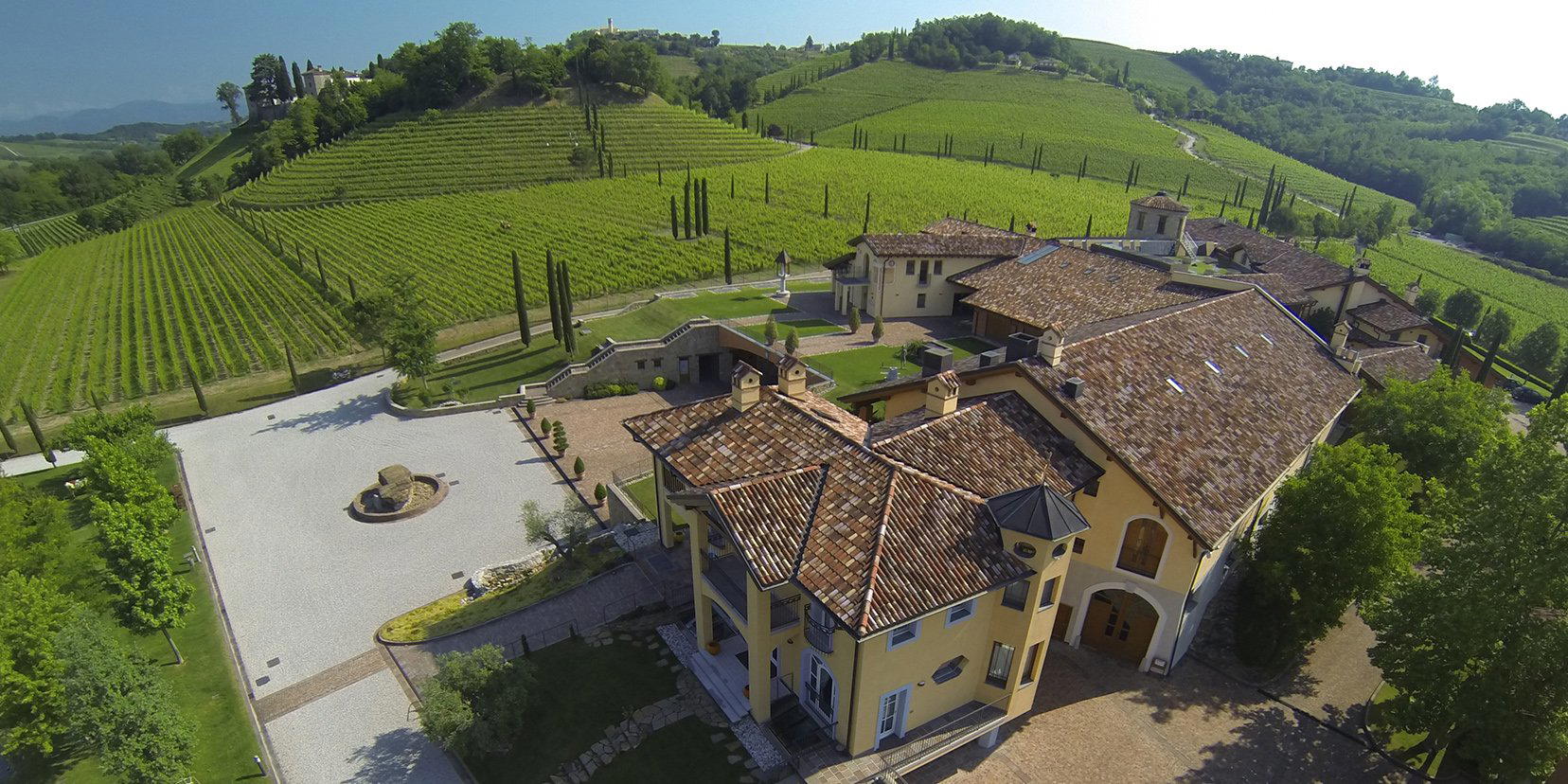
Plešivo occupies the rolling, vine-covered terrain that defines the Brda interior. Arriving here, you are not approaching a destination restaurant signposted from a main road. You are following the logic of a place where eating and wine production have always been the same conversation, where a table set in a stone building is simply where the day ends after the vineyard work is done. That physical and cultural context is not incidental to what Bužinel offers, it is the offer.
The Cultural Grammar of Brda's Kitchen
Understanding what to expect at a Brda gostilna requires some grounding in the region's culinary inheritance. The Brda table draws from Slovenian rural tradition on one side and Friulian-Italian influence on the other. Polenta, prosciutto, hard sheep's cheese, freshwater fish from nearby rivers, and seasonal foraged ingredients appear across the region's kitchens in proportions that shift depending on how close the cook is to the border. Wine is not paired with food here as an afterthought, the valley's Rebula, a white grape variety with centuries of local cultivation, and its Merlot-based blends are structural to how meals are composed.
This culinary grammar distinguishes Brda from Slovenia's other notable dining regions. The mountain cooking of Kranjska Gora, where Milka operates in a different register, relies on cured meats, dairy, and game shaped by Alpine tradition. The Vipava valley, home to Gostilna Pri Lojzetu, produces its own wine-adjacent cooking but with a distinct microclimate influence. Brda's flavour profile is softer, more Mediterranean in its fruit and olive oil use, and more deeply integrated with Italian cross-border exchange than either of those regions. A gostilna in Plešivo is operating in that specific culinary dialect.
Brda's Dining comparable set
Within Brda itself, the spectrum runs from wine-estate dining rooms to small family-run kitchens. Gredič occupies the estate-hotel end of that range, with a restored manor setting and a format that speaks to wine tourism as much as local eating. B&B; Klinec and Klinec Medana operate with the tighter integration of accommodation, wine production, and table that characterises the region's agriturismo-adjacent model. Domačija Belica and Kabaj Morel similarly position wine at the centre of the experience rather than as an accompaniment to it.
Bužinel's placement in this set is defined by its address: a hamlet location, not a village centre or estate frontage. That positioning tends to indicate a more local-facing operation, the kind of place where regulars outnumber passing wine tourists on a Tuesday evening, and where the menu adapts to season and supply rather than holding a fixed format for visitor expectations.
Slovenia's Wider Fine Dining Axis
Brda's gostilna culture sits deliberately apart from the ambition concentrated elsewhere in Slovenia. In Ljubljana, Restavracija Strelec operates in a medieval tower with a tasting menu format that targets international recognition. Hiša Linhart in Radovljica and Hiša Denk in Zgornja Kungota represent the Michelin-tracked tier of Slovenian regional cooking, both operating with levels of technical precision that place them closer to the format of Le Bernardin in New York City or Lazy Bear in San Francisco in terms of guest expectations and booking complexity. Grič in Šentjošt nad Horjulom, Pavus in Lasko, Dam in Nova Gorica, and Gostilna Skaručna in Vodice each occupy different points on the continuum between rural tradition and contemporary technique.
Bužinel is not competing in that tier. Its cultural value is precisely the opposite: the gostilna format at its most place-specific, where the logic of the meal is dictated by the land surrounding it rather than by any external benchmark of culinary ambition. That distinction is worth stating clearly, because it changes what a visit demands from the guest. You arrive without a tasting menu framework or a wine list engineered for international collectors. What you bring instead is the willingness to eat within the rhythm of the region.
Planning a Visit
Plešivo is reachable by car from Dobrovo, Brda's administrative centre, in a short drive along the vine-lined routes that connect the region's hamlets. The Brda interior is not served by public transport in any practical sense, so independent transport is the default assumption for anyone visiting this part of Slovenia. Timing a visit around the region's grape harvest period, from late August through October, places you inside among the more atmospheric moments in Brda's annual calendar, when the working reality of wine country is most visible and the gostilna kitchen is at its most seasonal. Spring visits, when asparagus and foraged greens shape Brda menus across the region, offer the alternative shoulder-season window.
The restaurant is open daily, and reservations are recommended. The address at Plešivo 37a, 5212 Dobrovo v Brdih, Slovenia, is the fixed point of reference.
Budget Reality Check
Comparable venues nearby, for context on price, style, and recognition.
| Venue | Cuisine | Price | Notes |
|---|---|---|---|
| BužinelThis venue — the venue you are viewing | Not listed | $$ | Not listed |
| Turistična Kmetija Breg | Not listed | $$ | Dobrovo, Brda region, Traditional Brda & Friulian Farm Cuisine |
| Domačija Belica | Not listed | $$$ | Medana, Goriška Brda, Traditional Slovenian Farmhouse |
| Kruh in Vino | Dobrovo v Brdih, Slovenian Brda Wine Bar | $$$ | Not listed |
| Klinec Medana | Medana, Slovenian Brda Home Cooking | $$$$ | Not listed |
| Kabaj Morel | Brda, Modern Brda Cuisine | $$$ | Not listed |
Recognition history
Dated appearances from independent guides and award organizations, with the underlying list record or original source where available.
Falstaff Winery - 2 Stars
Falstaff
Continue exploring
More in Brda
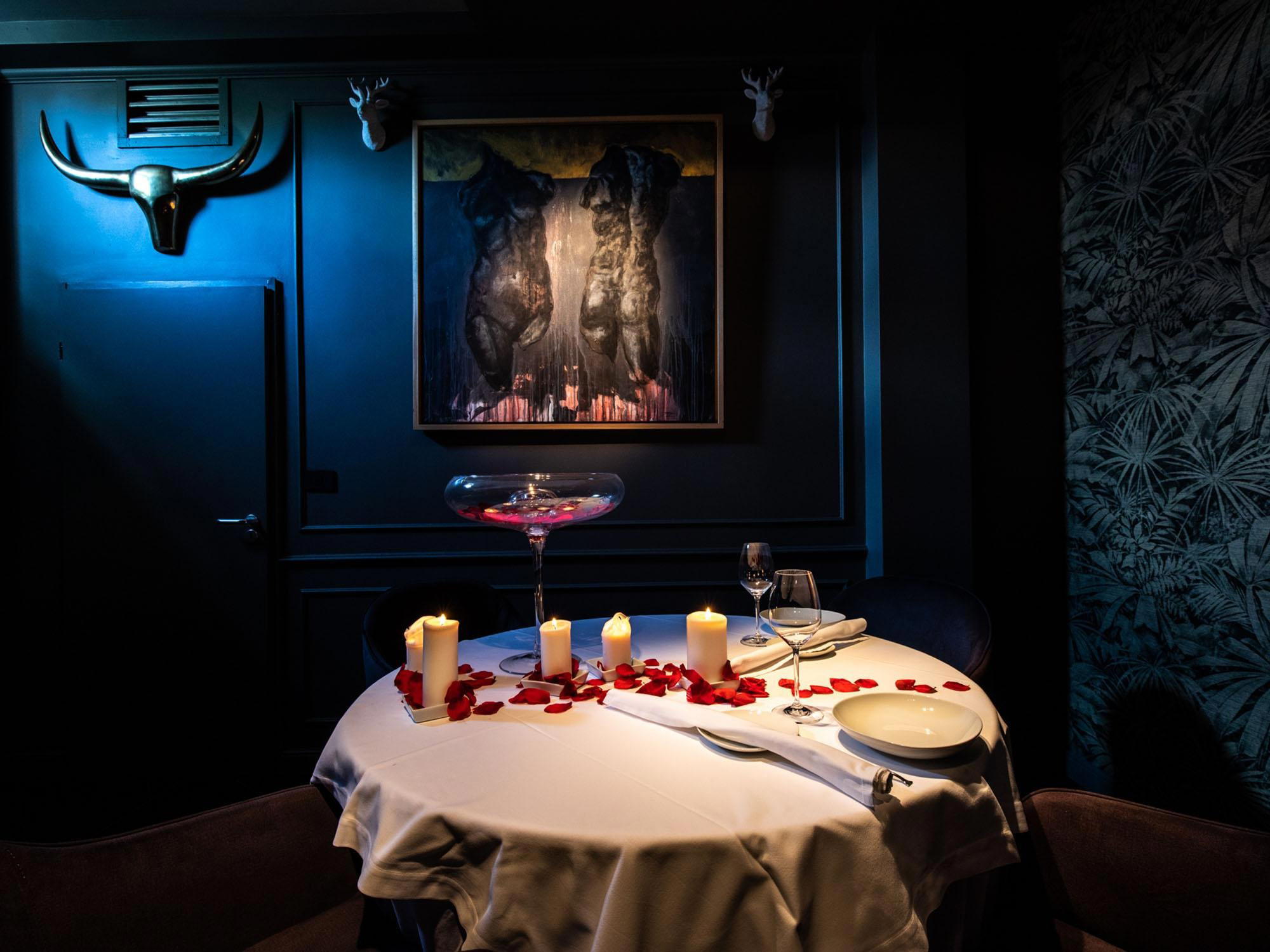
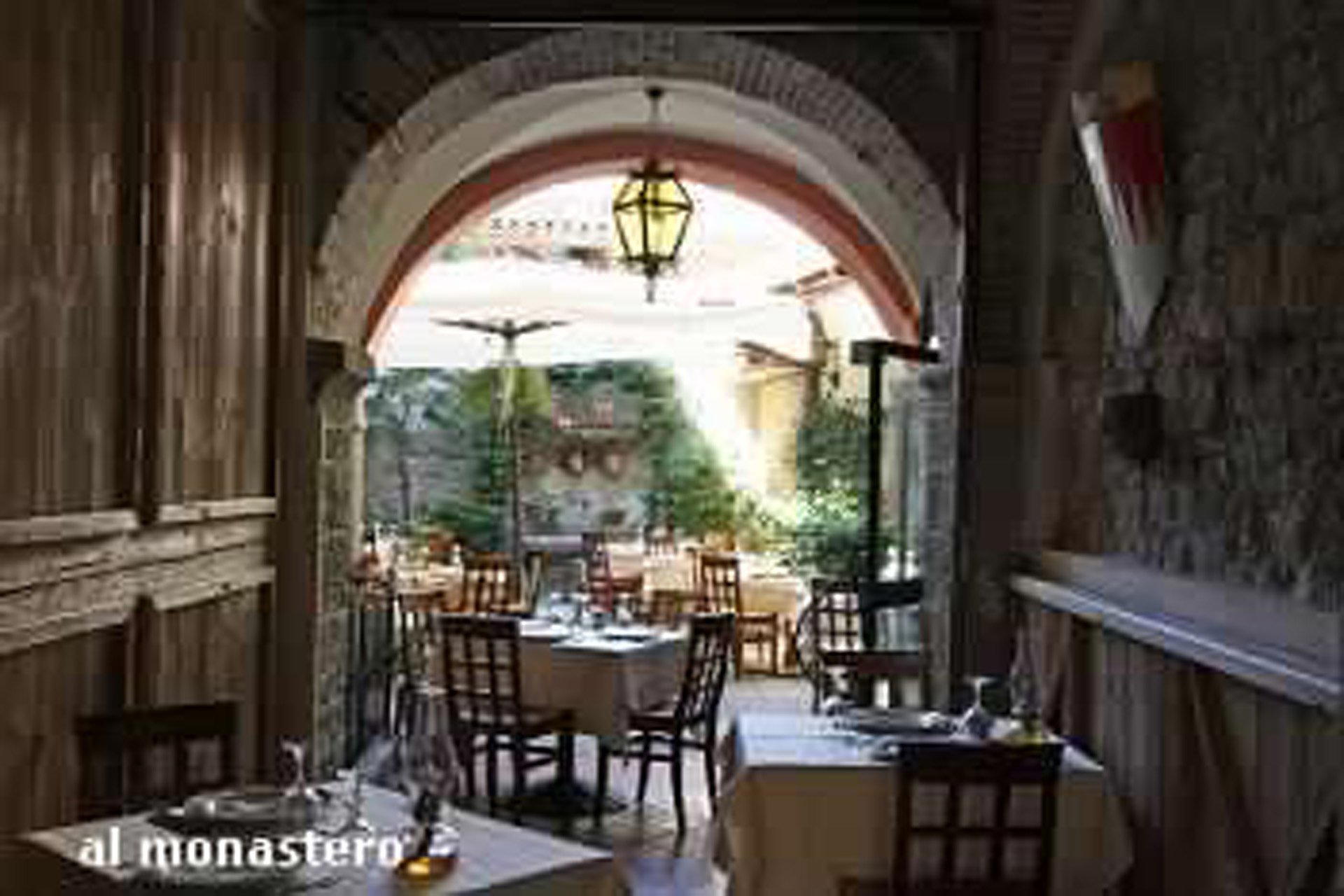
Restaurants in Brda
Browse all →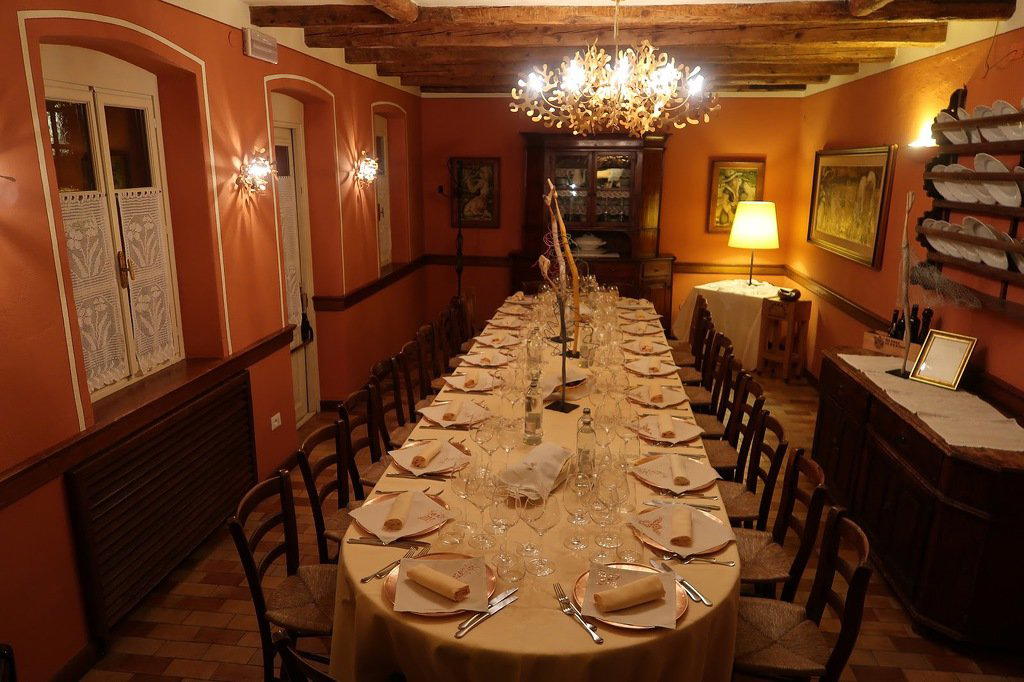
Bars in Brda
Browse all →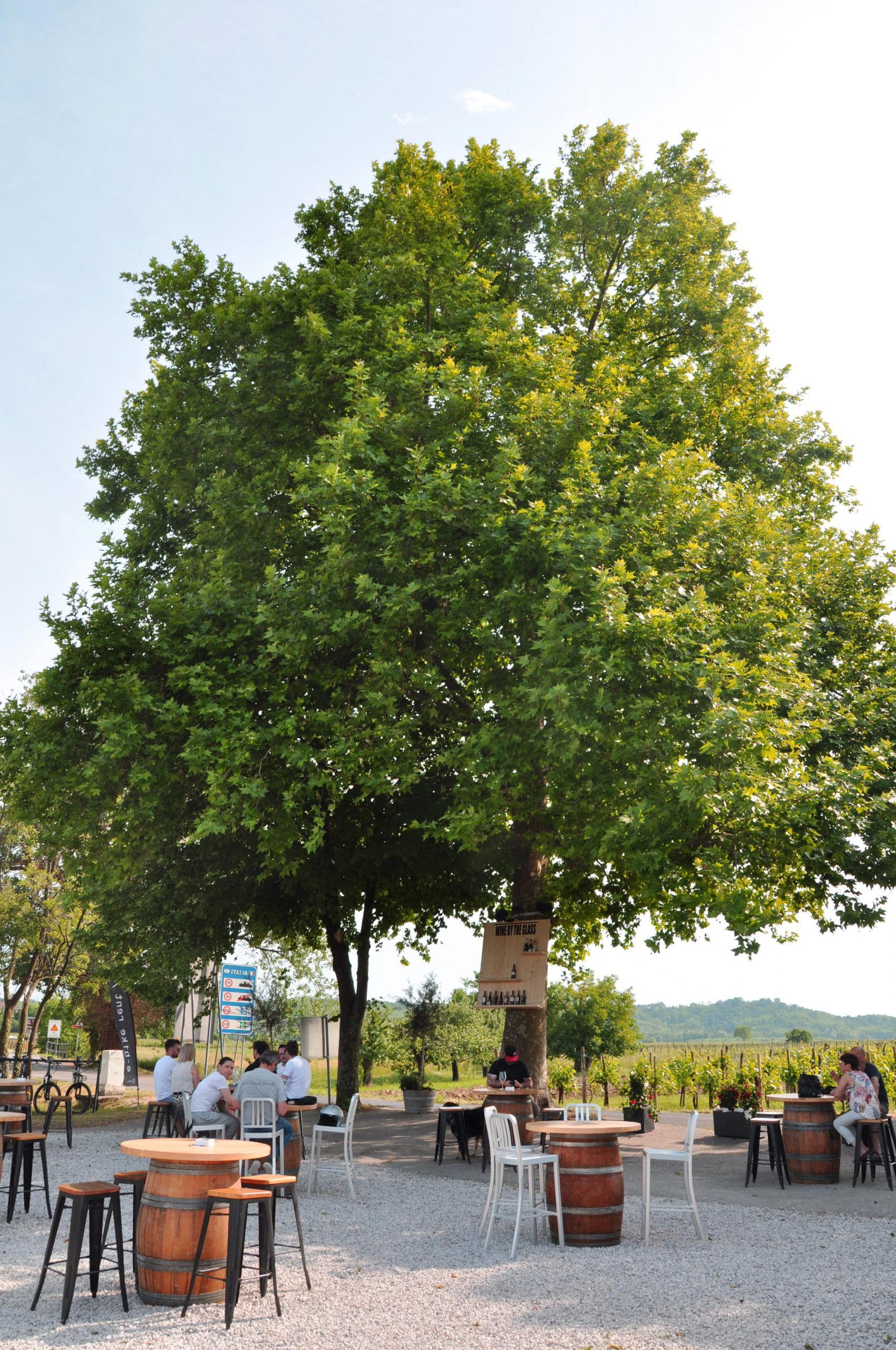
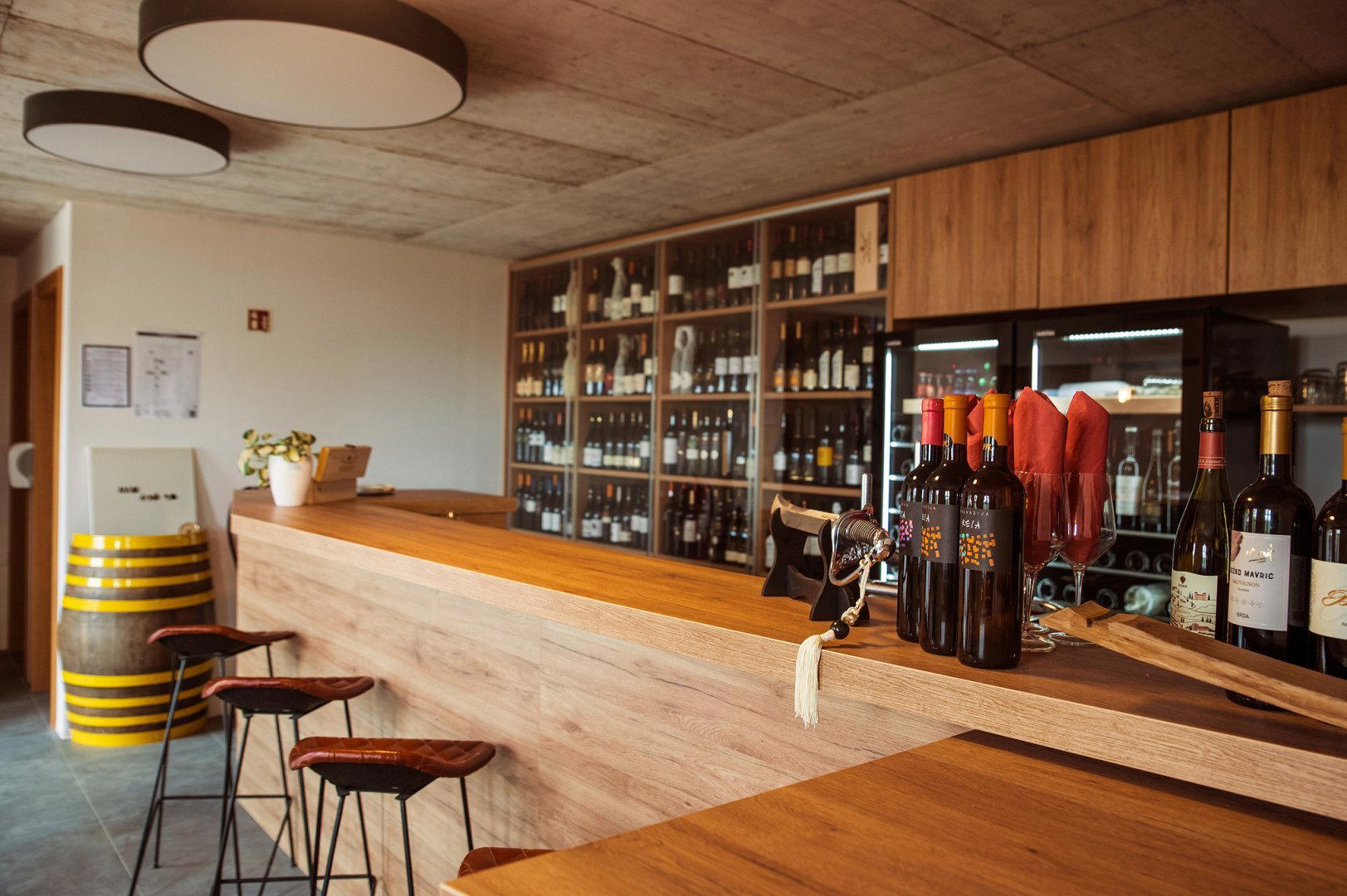
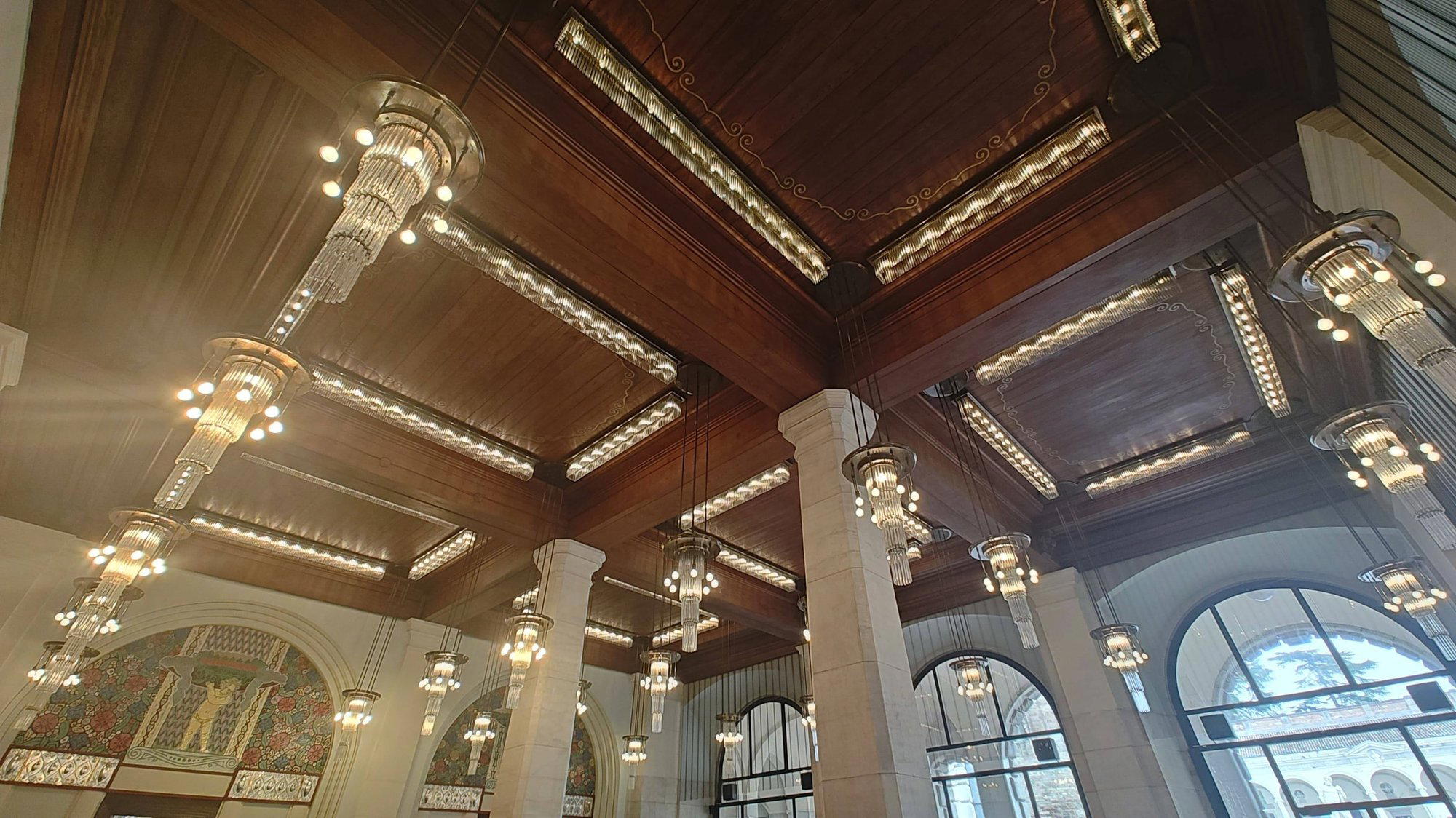
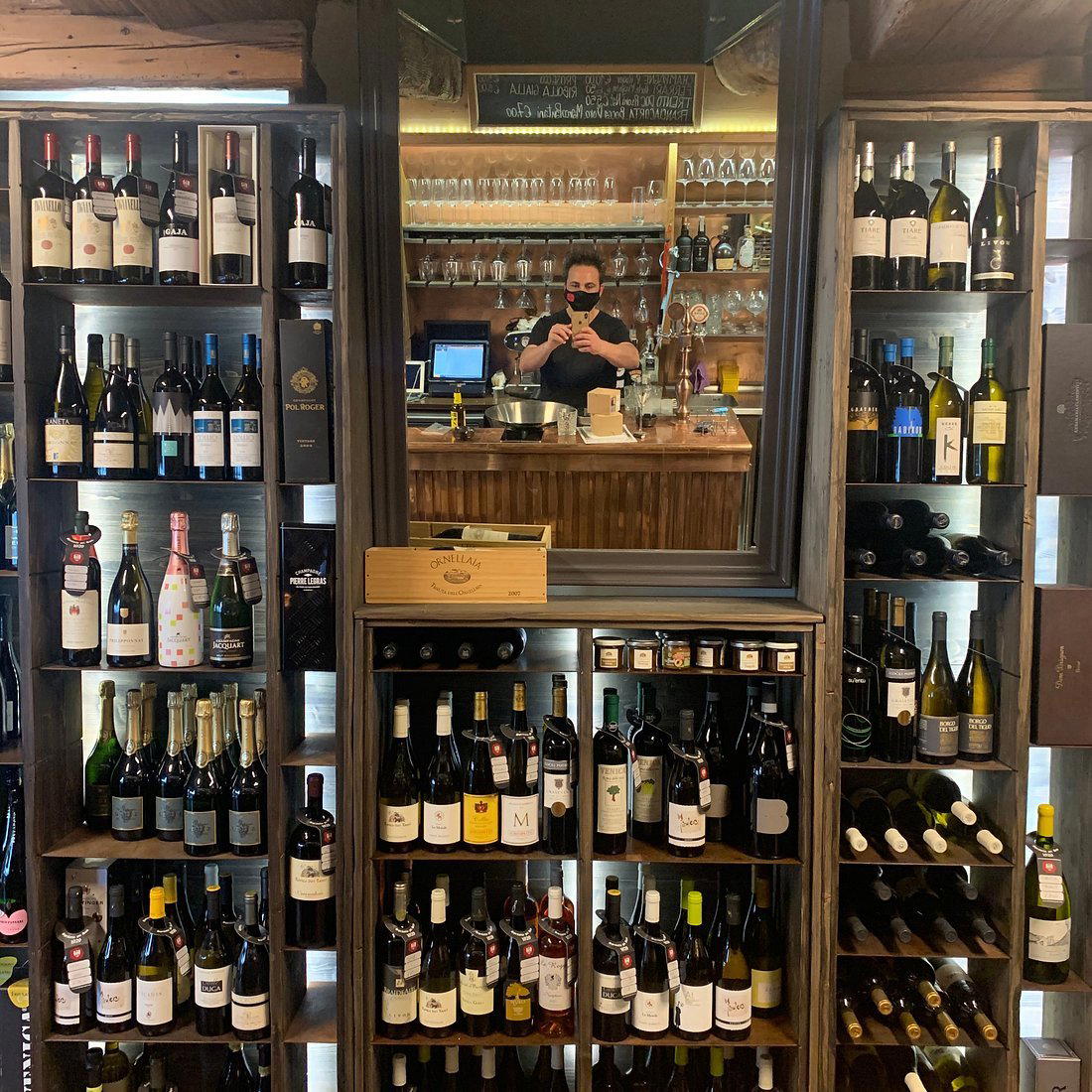
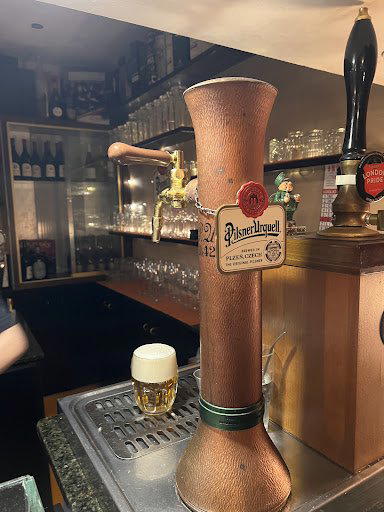
Hotels in Brda
Browse all →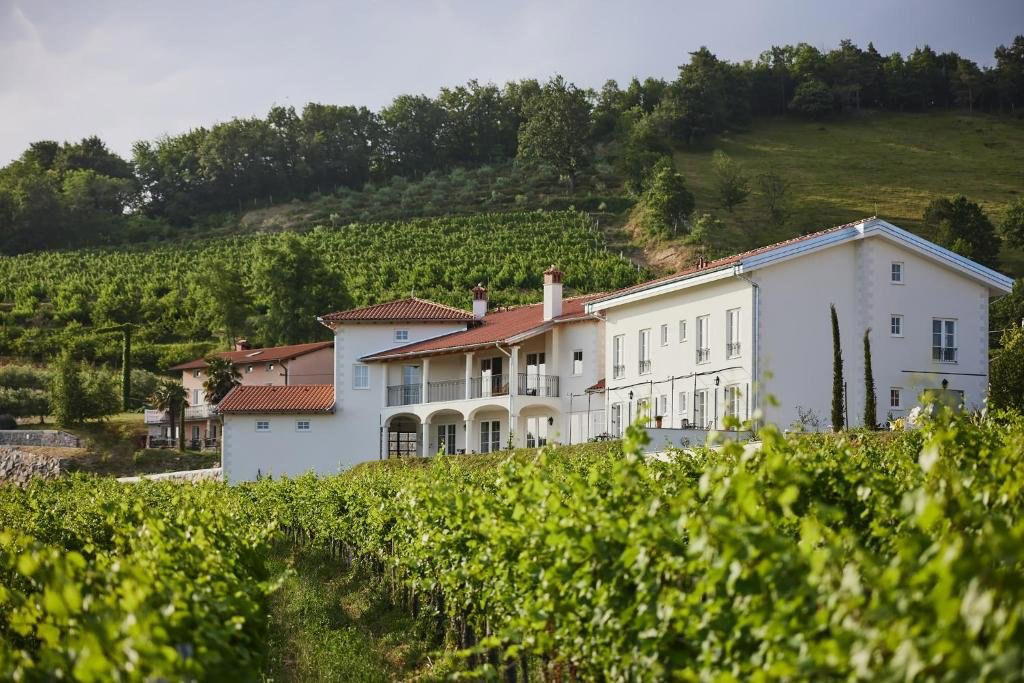
At a Glance
- Scenic
- Romantic
- Elegant
- Cozy
- Date Night
- Group Dining
- Celebration
- Special Occasion
- Terrace
- Panoramic View
- Wine Cellar
- Extensive Wine List
- Sommelier Led
- Local Sourcing
- Sustainable Seafood
- Vineyard
Current opening hours
- Monday
- 12–3 PM, 6–10 PM
- Tuesday
- 12–3 PM, 6–10 PM
- Wednesday
- 12–3 PM, 6–10 PM
- Thursday
- 12–3 PM, 6–10 PM
- Friday
- 12–3 PM, 6–10 PM
- Saturday
- 12–3 PM, 6–10 PM
- Sunday
- 12–4 PM, 6–10 PM
Hours can change for holidays and private events. Last verified .
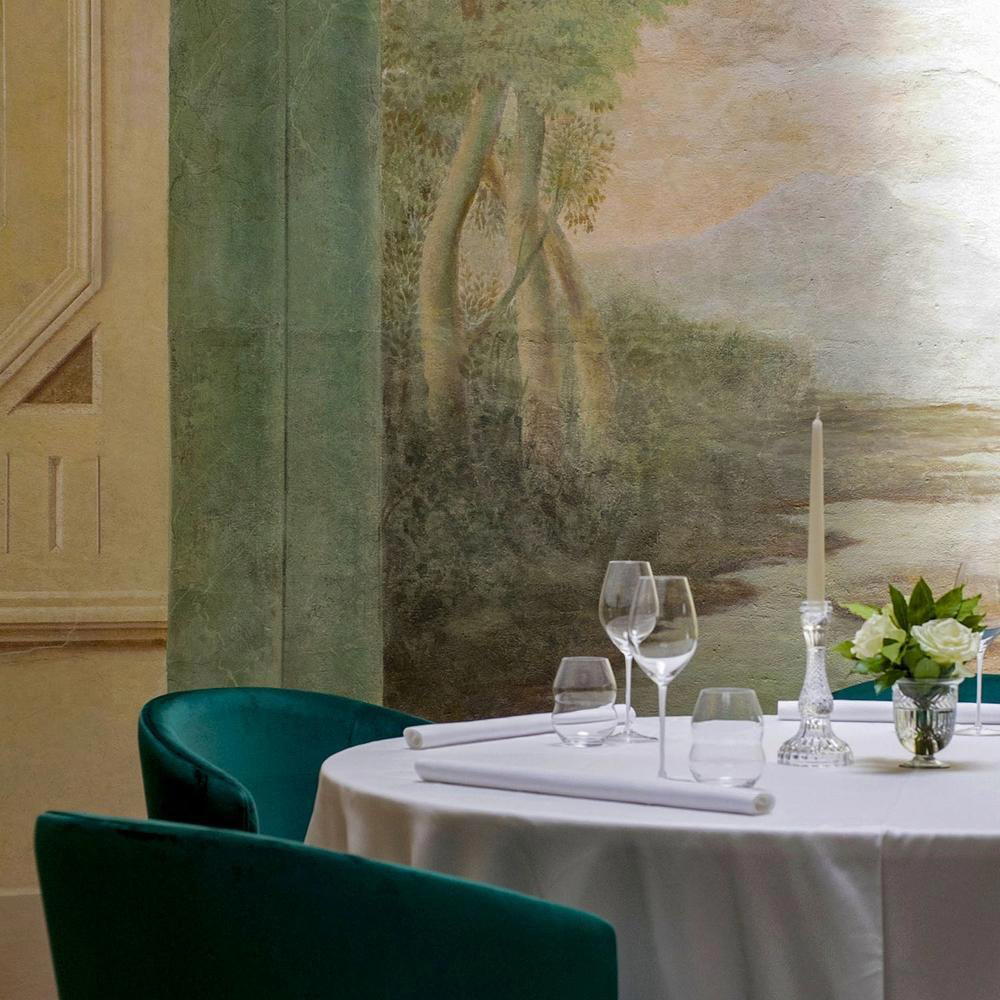
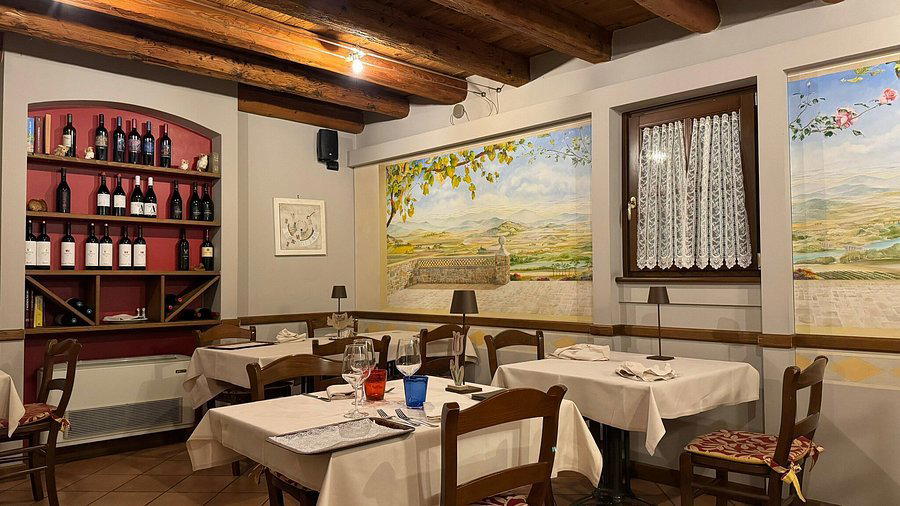
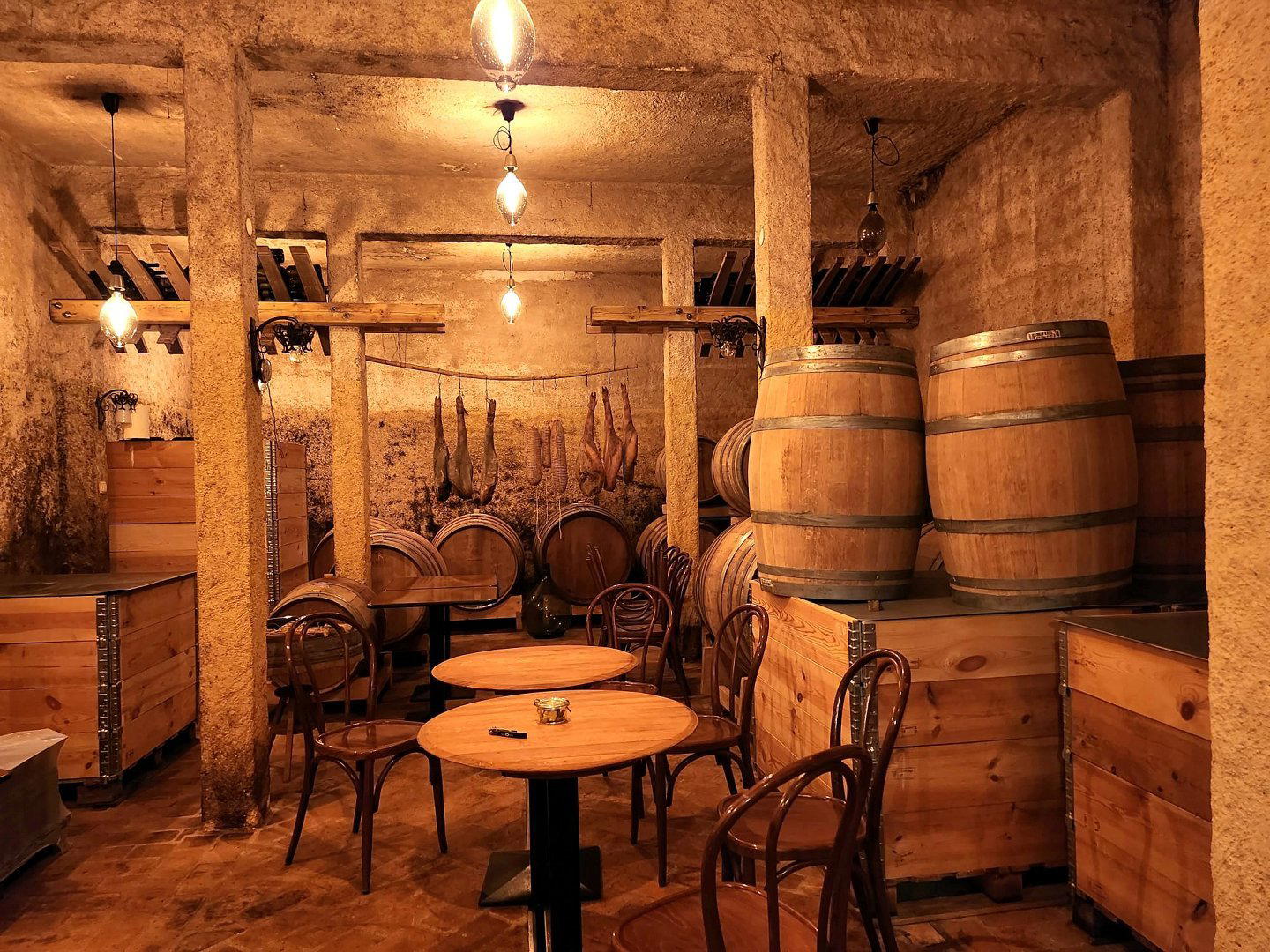
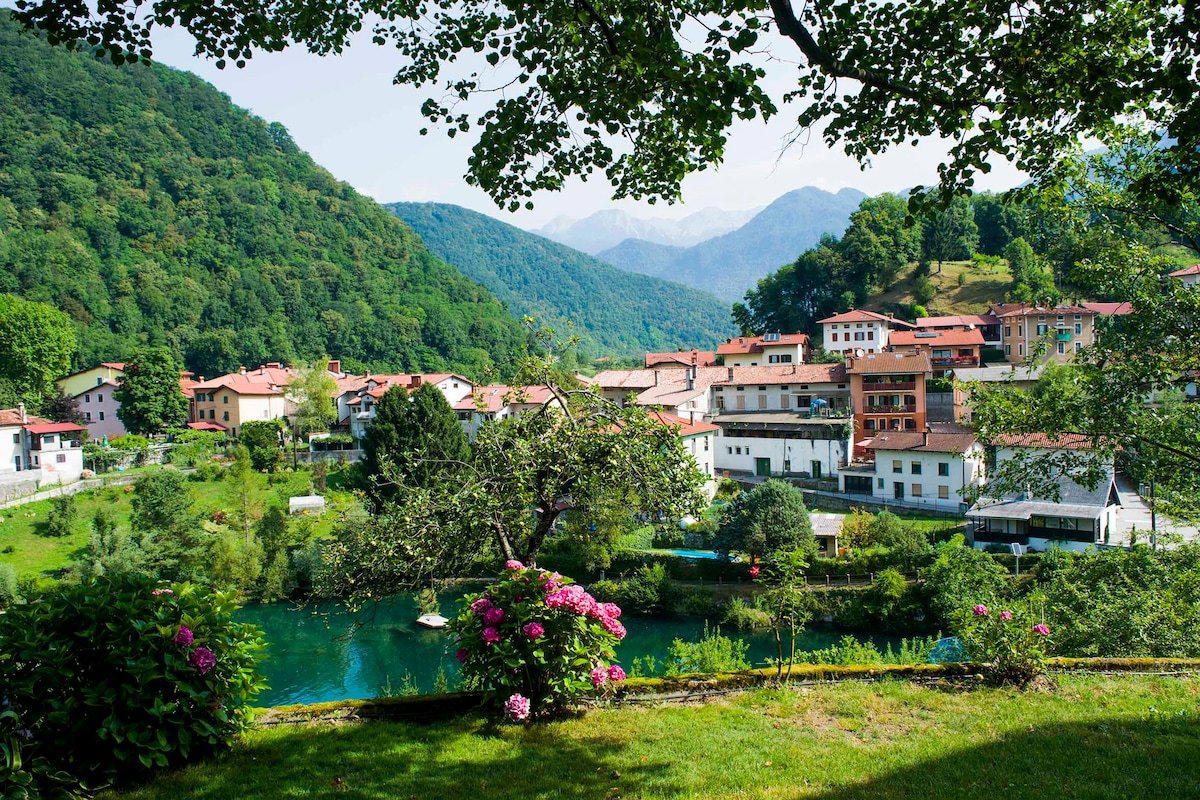
Elegantly decorated interior with warm, welcoming atmosphere; terrace dining overlooks picturesque Brda and Italian vineyards with natural light and countryside charm.