




1 Michelin Key · La Liste Top Hotels · Virtuoso Luxury Hotel Partner
Positioned on a private bay within the Son Tra Peninsula Nature Reserve, InterContinental Danang Sun Peninsula Resort sits in a different competitive tier from Da Nang's beachfront strip hotels. Its on-site restaurant La Maison 1888 holds the Michelin Guide 2024 One Star, making it the only Michelin-starred restaurant in Central Vietnam. Tatler placed it among Asia-Pacific's Best Hotels 2025, with a specific Best Design award for its Bill Bensley-conceived architecture.

Pearl is the En Primeur Club membership app — saves, bookings, and concierge access live there. Same editors, same standards.
- Address
- Bãi Bắc, Thọ Quang, Sơn Trà, Đà Nẵng 550000
- Phone
- +84 236 3938 888
- Website
- ihg.com
- Directions
- Get directions
When the Address Does the Heavy Lifting
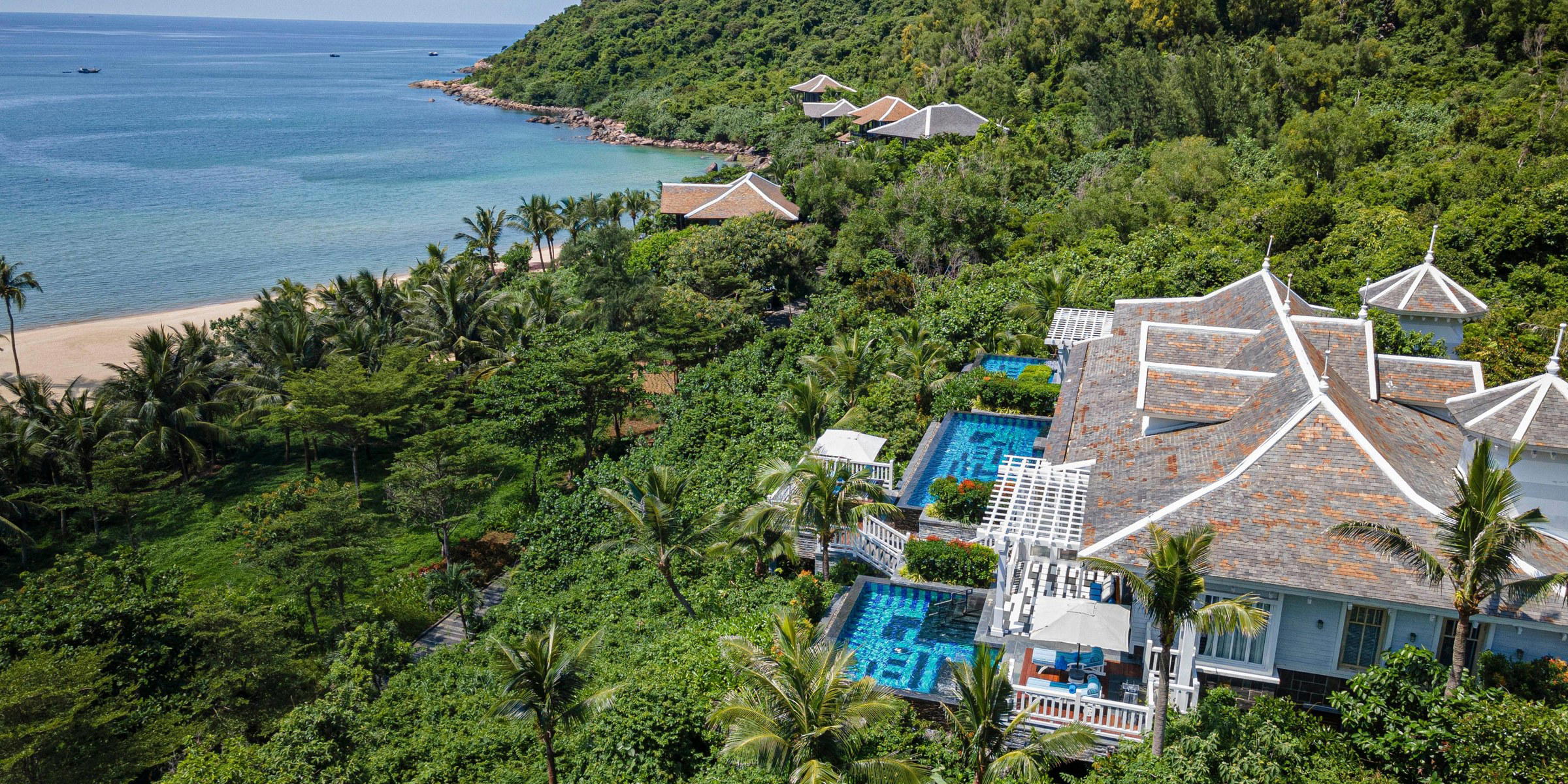
Da Nang's hotel corridor runs along a long, flat stretch of coast where international brands sit shoulder to shoulder, separated mostly by price tier and pool size. The Son Tra Peninsula represents a different proposition entirely. Rising sharply from the city's northeastern edge, the peninsula is a protected nature reserve, home to one of the last significant wild populations of the red-shanked douc langur. Building anything here comes with constraints that effectively limit the competitive set to a handful of properties, and those constraints are precisely what makes the location valuable. The InterContinental Danang Sun Peninsula Resort occupies a private bay on Son Tra's northern face, roughly 20 km from Da Nang International Airport and 13 km from the city centre, a 30-minute drive that crosses from urban Da Nang into dense tropical forest before arriving at the water.
That separation from the city is not a drawback to manage; it is the central editorial fact of the resort. Guests are not here to walk to a night market. They are here for a site where the jungle meets a 700-metre private beach, where the horizon is unbroken, and where the only neighbours are wildlife and ocean. Properties in this category, whether Amanoi in Vinh Hy or Anantara Quy Nhon Villas further south, derive their identity from geographic isolation rather than urban access. The Sun Peninsula Resort belongs to this cohort, and it should be evaluated against it.
Architecture as Statement
Resort design in Southeast Asia tends toward two modes: the low-rise rice-paddy-and-lotus aesthetic, or the tower-with-infinity-pool formula that flatters the Instagram feed. The Sun Peninsula Resort sits in a narrower category, the architecture-led destination. Tatler's Leading Hotels Asia-Pacific 2025 list named it specifically for Leading Design, a distinction that reflects the resort's tiered, clifftop arrangement conceived by architect Bill Bensley, who spent two years on-site during the design process. The result is a property that descends through multiple levels, connected by the Nam Tram, a staffed cable car operating 18 hours a day, handling the elevation that would otherwise make the mountainside site impractical. The structure creates a visual language where built form and landscape are in deliberate conversation rather than competition.
The 189 rooms, suites, penthouses, and villas follow a black-and-white palette punctuated by local art and craft references. Entry-level Resort Classic Rooms exceed 700 square feet and include furnished terraces with ocean vistas. Villas add private pools, butler service, and access to the Sun Peninsula Club InterContinental Lounge, where breakfast, afternoon tea, and evening cocktails are served as a standing daily offer. Spa-like bathrooms with walk-in rain showers and soaking tubs are standard across categories; the windows paired with those tubs are oriented toward the beach and jungle, making the view part of the room's function rather than a background detail. For comparable design-led approaches to accommodation in Vietnam, Azerai La Residence in Hue and Four Seasons Resort The Nam Hai in Hoi An operate in the same conversation, though with different geographic logic.
The Dining Programme and Its Regional Standing
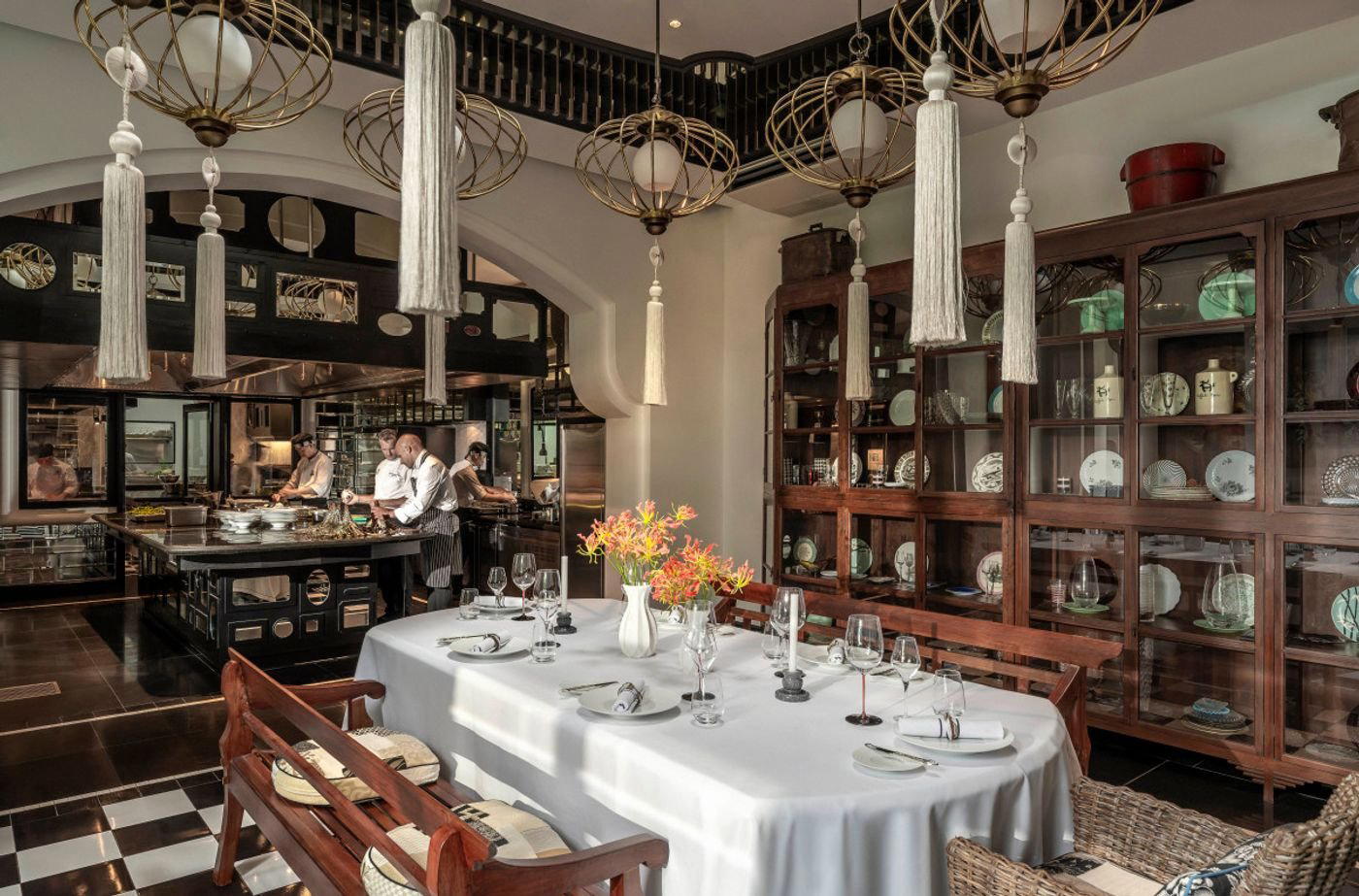
Central Vietnam's restaurant scene has historically been framed around Hoi An and Hue, with Da Nang positioned as a transit city rather than a dining destination. The Michelin Guide's 2024 recognition of La Maison 1888 with One Star changed that framing in a specific, documentable way: it is the only Michelin-starred restaurant in Central Vietnam. That credential places it outside the comparison set of hotel restaurants competing on buffet range or view quality, and inside a much smaller national cohort. Guests travelling to the Sun Peninsula Resort from Hanoi or Ho Chi Minh City should factor La Maison 1888 into the stay's value calculation; it is a reason to be here, not an amenity to be noted.
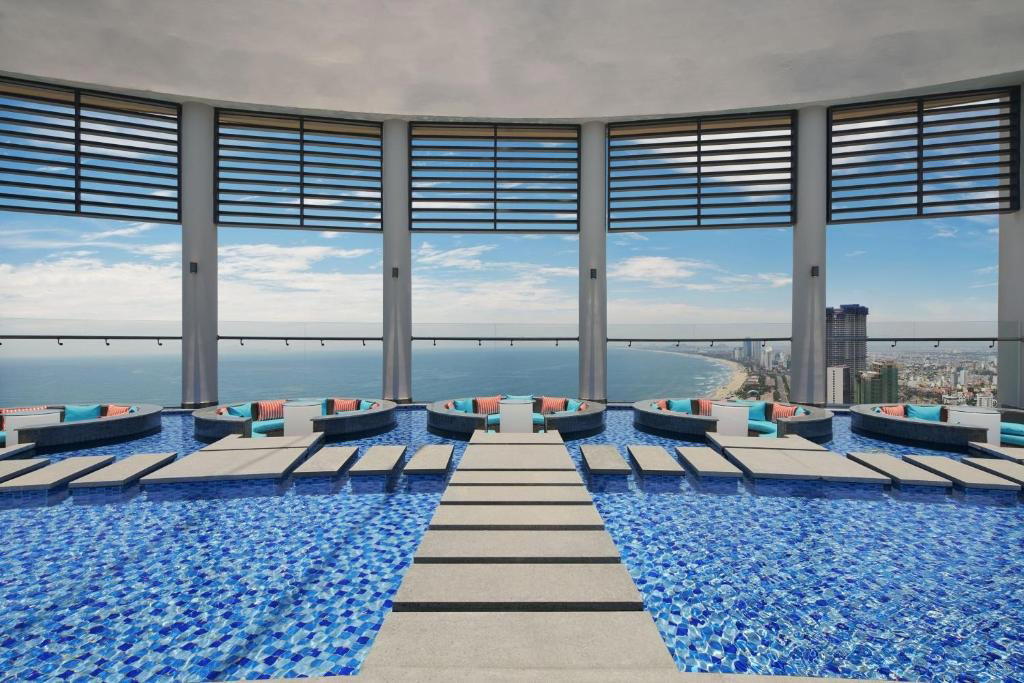
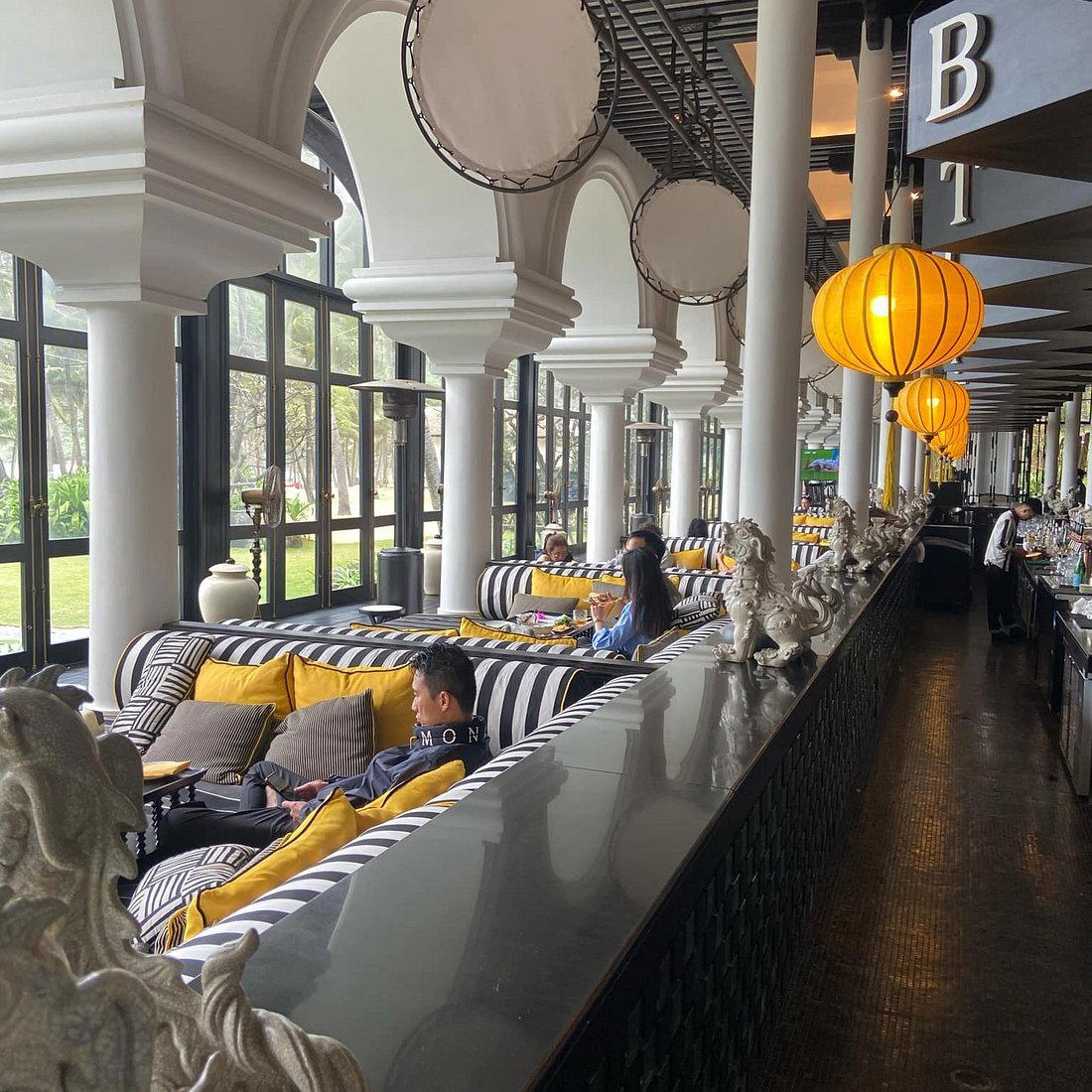
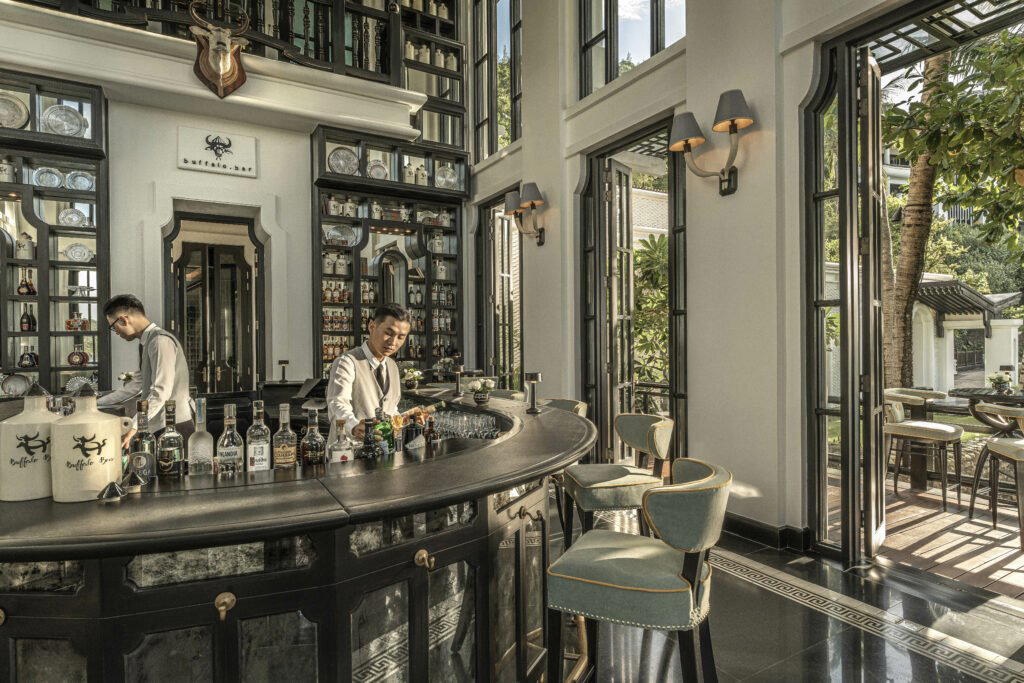
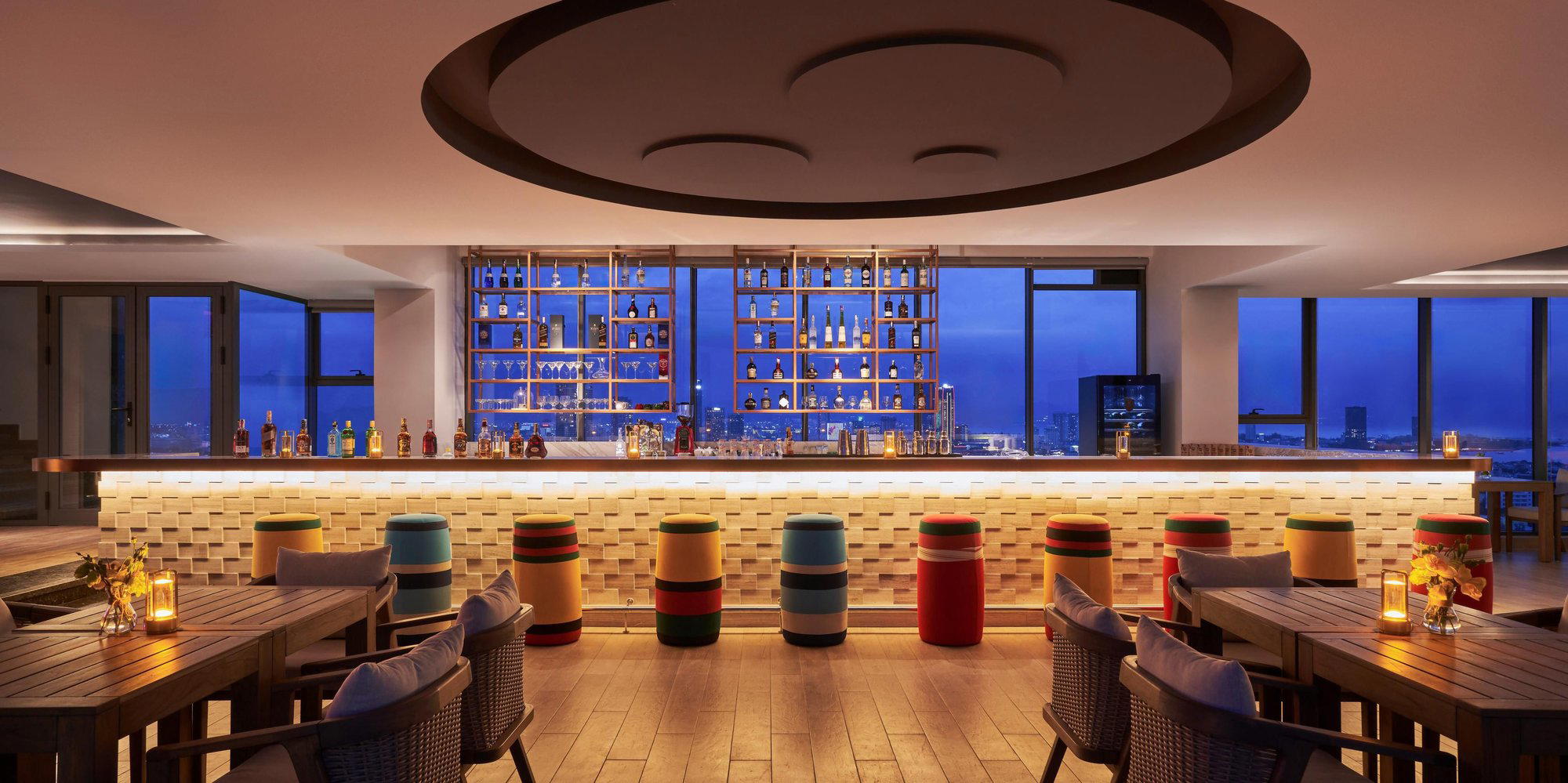
The resort's other dining venue, Citron, operates as an all-day restaurant with conical-shaped outdoor booths positioned more than 300 feet above sea level, a format that earns its own attention independently of the flagship. The Long Bar functions as the resort's social gathering point, with the Lotus Cocktail, a drink built on green bamboo and royal lotus seed syrup, serving as its signature. These are details drawn from verified resort documentation, not editorial embellishment.
The Spa and Wellness Offer
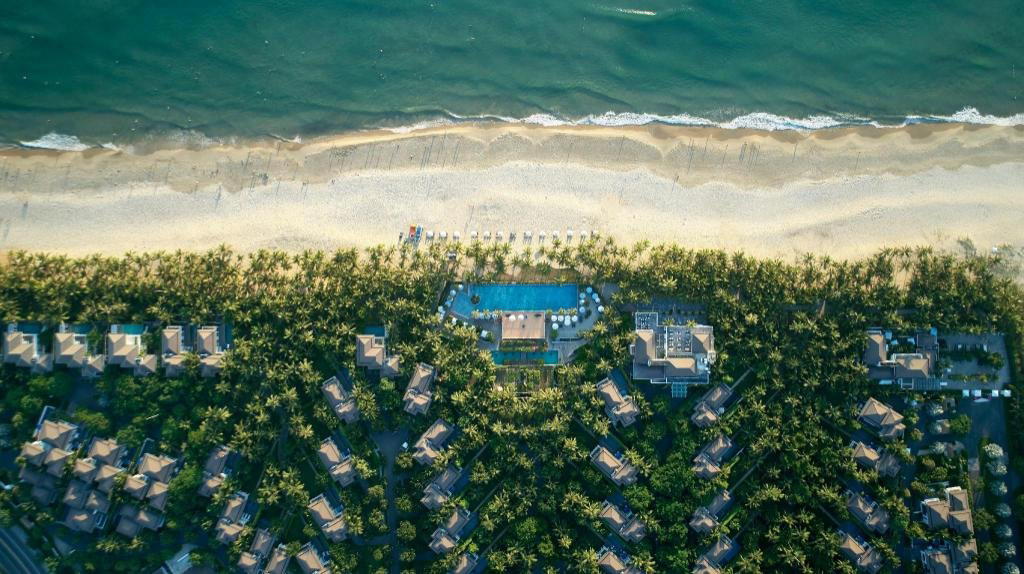
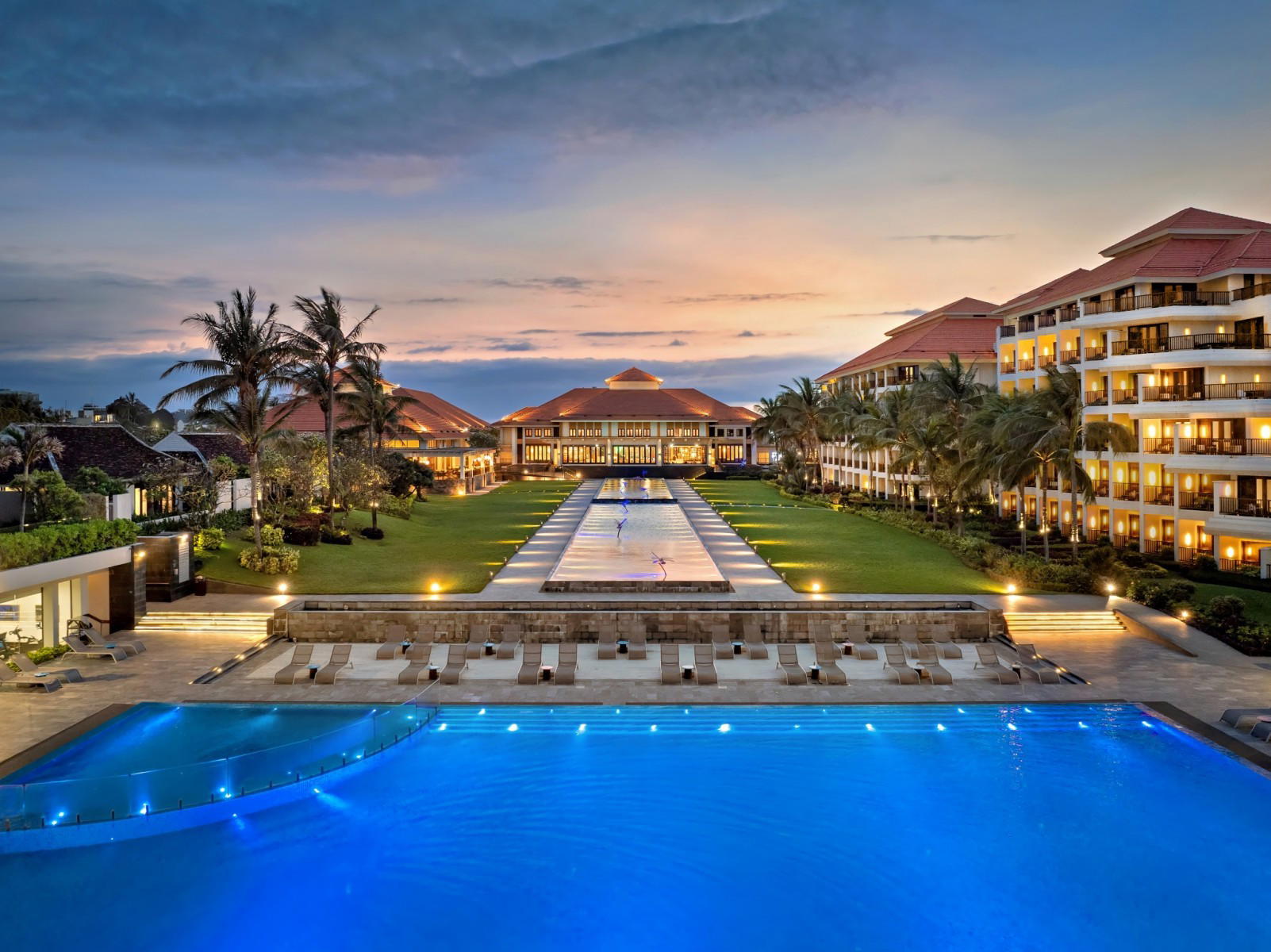
Vietnam's luxury resort wellness market has expanded considerably, with properties from Almanity in Hoi An to Hilton Quang Hanh in Cam Pha positioning spa programming as a primary draw. The Mi Sol Spa at Sun Peninsula occupies eight treatment villas set above a lagoon, a format that separates it from the standard hotel spa floor-plan and places it in a category where the environment itself is part of the treatment. Families with children, alongside adults seeking separation, are accommodated through a split pool configuration: a beachfront pool with family access and a dedicated adults-only alternative. Suites and villas with private plunge pools add a further tier for guests who prefer the pool to stay private.
Getting Here and Moving Around
The resort sits 20 km from Da Nang International Airport, which receives direct flights from major regional hubs including Hanoi, Ho Chi Minh City, Singapore, Seoul, and Tokyo, making it accessible from across the Asia-Pacific without a domestic connection. The 30-minute drive from the airport to the resort gates passes through city streets before climbing into the Son Tra reserve. Once on property, the Nam Tram cable car handles vertical movement between the resort's tiered levels throughout the day. A complimentary round-trip shuttle to Hoi An, a UNESCO World Heritage town, runs for guests who want to access the historic streets, markets, and tailors of the old quarter before returning to the resort. For context on how the city-side hotel options compare, the Novotel Danang Premier Han River, Hyatt Regency Danang, Furama Resort Danang, Premier Village Danang, Shilla Monogram Danang, voco Ma Belle Danang, Four Points by Sheraton Danang, and Mercure Danang French Village Bana Hills offer different trade-offs, principally more urban access against less geographic seclusion. A broader look at the city's dining and hospitality options is available through our full Da Nang guide.
The Minimal Set
A quick peer reference to anchor this venue in its category.
| Venue | Price | Awards |
|---|---|---|
| InterContinental Danang Sun Peninsula ResortThis venue — the venue you are viewing | Not listed | 1 Michelin Key · La Liste Top Hotels |
| Four Points by Sheraton Danang | Not listed | World Luxury Hotel Awards WLHA Regional Winner |
| Furama Resort Danang | $200–300 | World Luxury Hotel Awards WLHA Country Winner |
| Hyatt Regency Danang Resort & Spa | Not listed | Michelin Selected |
| Mercure Danang French Village Bana Hills | Not listed | World Luxury Hotel Awards WLHA Regional Winner |
| Premier Village Danang Resort Managed by Accor | $300–500 | World Luxury Hotel Awards WLHA Global Winner · World Travel Awards |
Recognition history
Dated appearances from independent guides and award organizations, with the underlying list record or original source where available.
Michelin 1 Key
Michelin
La Liste Top Hotels
La Liste
Forbes Recommended
Forbes
Virtuoso Luxury Hotel Partner
Virtuoso
Tatler Best Design
Tatler
Full recognition history (10 entries)
Forbes Recommended
Forbes
Michelin Selected
Michelin
Tatler Listed in Best Hotels Asia-Pacific
Tatler
Tatler Best Vietnam: Best Design
Tatler
Tatler One Michelin Star for La Maison 1888 by the Michelin Guide 2024
Tatler
Details
- Scenic
- Elegant
- Sophisticated
- Ornate
- Honeymoon
- Romantic Getaway
- Family Vacation
- Wellness Retreat
- Beachfront
- Infinity Pool
- Private Villa
- Destination Spa
- Panoramic View
- Pool
- Spa
- Fitness Center
- Room Service
- Concierge
- Kids Club
- Beach Access
- Waterfront
- Mountain
- Wheelchair Accessible
- Step Free Entrance
- Accessible Parking
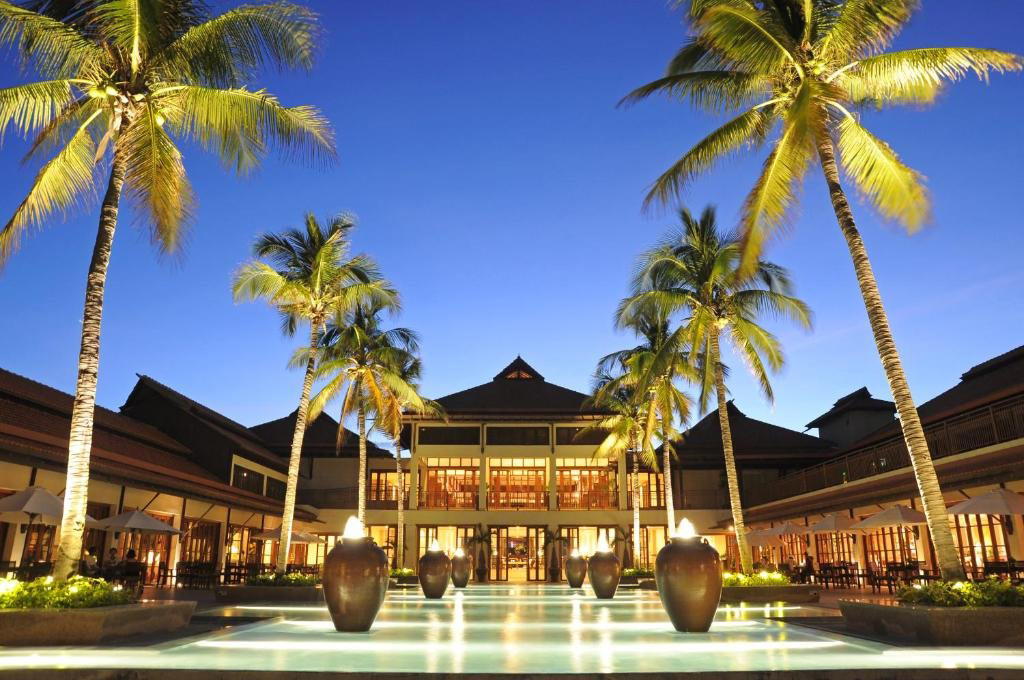
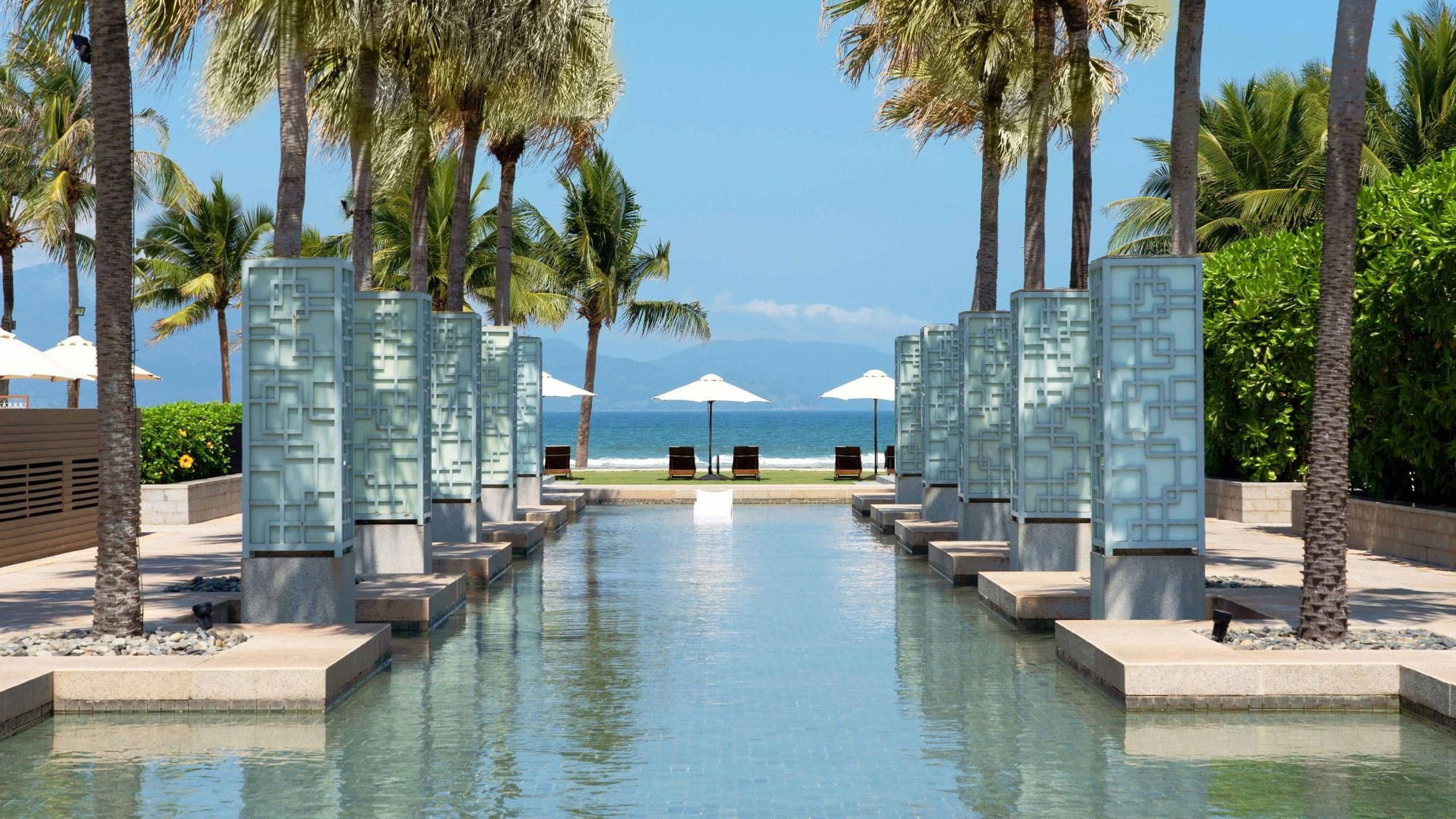
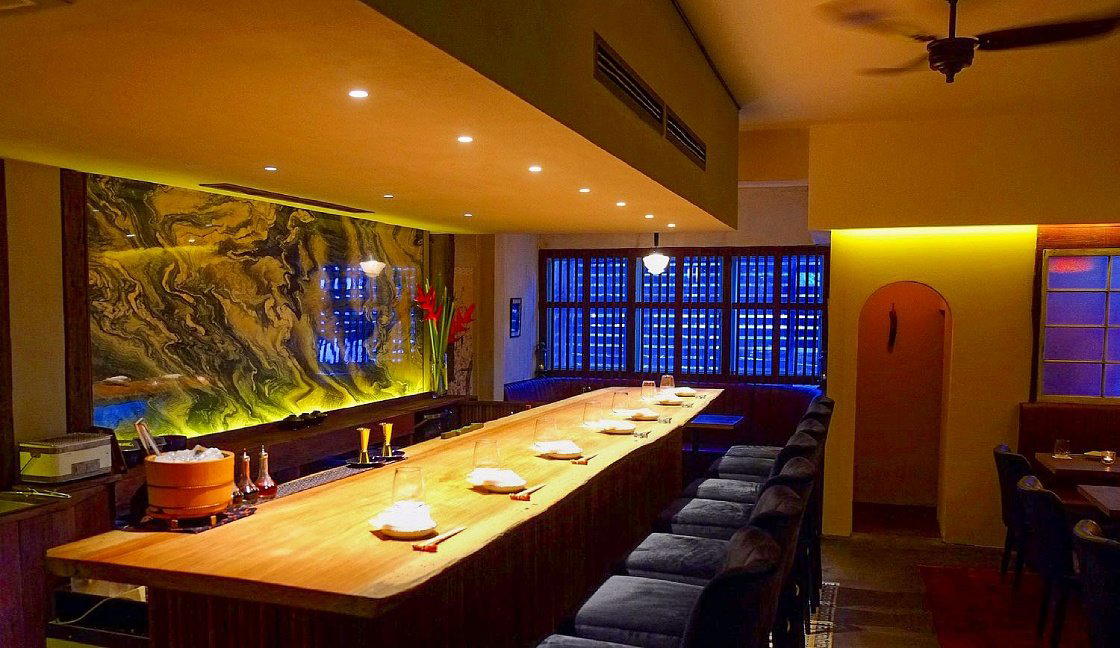
Tranquil and elegant atmosphere with natural lighting from furnished balconies overlooking the ocean and mountains, praised for peaceful retreats and dramatic architecture.