BASTARDO
Our verdict
On Rue des Tonneliers in Strasbourg's medieval core, BASTARDO occupies a street that once housed the city's barrel-makers and still carries that working grain. Positioned against the city's formal Alsatian dining tradition, it reads as a deliberate counter-point: a name that signals irreverence in a city that prizes its culinary conventions. For visitors mapping Strasbourg's dining range, it represents the less-charted end of that spectrum.

Pearl is the En Primeur Club membership app — saves, bookings, and concierge access live there. Same editors, same standards.
- Address
- 17 Rue des Tonneliers, 67000 Strasbourg, France
- Phone
- +33388210101
- Hours
- Daily 12–2 PM, 7–10 PM
- Website
- restaurantbastardo.fr
- Directions
- Get directions
The menu
What to order
- Miss Napoli
- Carbonara la verita
- Vongole
A Street That Remembers Its Trade
Rue des Tonneliers takes its name from the coopers who lined it centuries ago, crafting the barrels that moved Alsatian wine through the city's trading networks. That history sits quietly in the stonework. In Strasbourg's Grande Île, where UNESCO designation protects the medieval grid, the built environment changes slowly, and addresses carry weight. A restaurant on this particular street is not simply in the city centre; it is inside a specific layer of Strasbourg's working past, one that predates the grand brasserie era that most visitors associate with Alsatian dining. BASTARDO, at number 17, inherits that address.
The name itself is a provocation in context. Strasbourg's dining reputation has been built on formality and continuity: the region's cooking codes, the winstub tradition, the long-established institutions. A restaurant that opens with a name like BASTARDO is making a positional statement before a dish arrives. In cities where dining culture is still largely shaped by convention, names carry editorial weight. This one reads as deliberate distance from the Alsatian mainstream.
Where BASTARDO Sits in Strasbourg's Dining Range
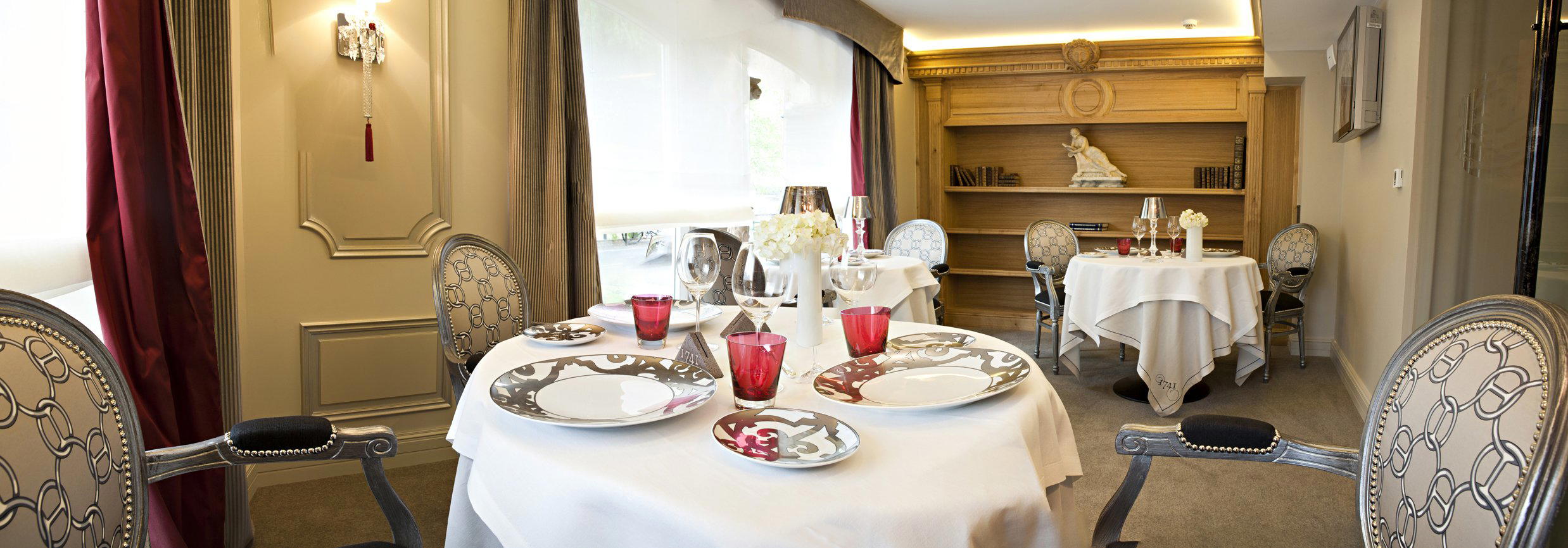
To understand BASTARDO's position, it helps to map the broader field. Strasbourg's top tier runs through houses like Au Crocodile, which holds Michelin recognition and operates in the €€€€ bracket with a format rooted in classical French-Alsatian technique. At the creative end, de:ja occupies the €€€€ tier with a format built around contemporary experimentation. The middle register, where €€€ venues like Les Funambules and Umami operate, offers modern cuisine with fewer formal constraints. 1741, positioned near the cathedral, adds another modern-cuisine reference in a heritage setting.
The venue data available for BASTARDO does not include price tier, cuisine classification, or award history, which places it outside the immediately rankable set. In a city where Michelin recognition and price signal function as the primary sorting mechanism for visitors, that absence is itself informative. BASTARDO is not currently operating inside the credentialed fine-dining circuit. Whether that reflects a deliberate positioning decision or a newer operation still accumulating record is something the booking experience will clarify more than any database entry can.
For comparison across France's wider dining field, the credentialed end of the spectrum runs through houses like Auberge de l'Ill in Illhaeusern, the most decorated Alsatian table in the region's history, and extends nationally through institutions such as Paul Bocuse, Troisgros, and Bras in Laguiole. BASTARDO does not share that lineage, at least not through any documented signal. Its interest lies elsewhere.
The Irreverent End of French Dining
Across France, a pattern has emerged in the last decade: restaurants that position themselves against the grain of their local culinary establishment, using name, format, or price as markers of difference. Mirazur in Menton did something adjacent from a technique standpoint, prioritising garden-led sourcing over classical French structure. Flocons de Sel in Megève built its reputation on Alpine terroir specificity rather than Parisian technique hierarchies. Alléno Paris and Les Prés d'Eugénie represent the opposite pole: formalism pushed to its outer limit.
The broader French dining culture has always had room for this kind of restaurant. Bistronomy, neo-bistro formats, and the generation of chefs who trained in three-star kitchens then opened thirty-seat rooms with blackboard menus have collectively expanded what counts as serious dining in France. Lazy Bear in San Francisco and Le Bernardin in New York City represent how different markets have developed their own versions of format rebellion against fine-dining orthodoxy. In Strasbourg, a city where the winstub and the grand brasserie have historically set the social dining register, a name like BASTARDO functions as a category signal even without a published menu.
The Neighbourhood as Context
The Grande Île concentration means that most Strasbourg dining happens within walking distance of itself. The cathedral, the Petite France quarter, and the canal-lined streets around Place Benjamin Zix are within a tight radius of Rue des Tonneliers. For visitors staying in the centre, Strasbourg operates as a walking city for dinner; the question is less logistics and more which dining register fits the evening. Those seeking the full Alsatian formal experience will find it at the higher-credentialed tables in our full Strasbourg restaurants guide. BASTARDO, by name and address, positions itself as the alternative to that experience rather than a version of it.
Address also places it among restaurants that serve a local lunch crowd as much as a tourist dinner circuit. Rue des Tonneliers is not a destination street in the way that the cathedral forecourt or the Petite France bridges attract foot traffic. It is a working part of the old town, which means the clientele mix is likely more varied than at the formally positioned tables elsewhere on the island.
For international reference points on how counter-positioning works in heritage cities, La Table du Castellet and Georges Blanc in Vonnas illustrate how deeply embedded a restaurant can become in a regional identity when the format aligns with place. BASTARDO appears to be working in the opposite direction: anchored in a historic street while signalling departure from what that street's city usually serves.
Planning a Visit
BASTARDO is located at 17 Rue des Tonneliers in Strasbourg's Grande Île, within the UNESCO-listed historic centre. Given the name's counter-cultural positioning relative to Strasbourg's dining establishment, walk-in availability may be more realistic here than at the city's Michelin-tracked tables, though this is not confirmed. The street is accessible on foot from Strasbourg's central tram stops, with the main lines connecting the train station to the cathedral quarter running within a short walk.
Frequently asked questions
Is BASTARDO suitable for children?
Strasbourg's Grande Île, where BASTARDO sits at 17 Rue des Tonneliers, is a family-frequented UNESCO historic centre where most central restaurants accommodate children without formal age restrictions. The venue's name signals a relaxed rather than ceremonial atmosphere, which typically correlates with child-friendly flexibility.
Is BASTARDO formal or casual?
The name BASTARDO reads as a pointed rejection of Strasbourg's formal dining register, which runs through Michelin-recognised houses like Au Crocodile and the broader Alsatian gastronomic tradition. Treat it as a counter-programme to the city's white-tablecloth tier rather than a continuation of it.
Where exactly is BASTARDO located in Strasbourg, and what is nearby?
BASTARDO is at 17 Rue des Tonneliers in Strasbourg's Grande Île, the historic island centre classified as a UNESCO World Heritage Site. The street takes its name from the coopers who historically lined it, placing the restaurant within one of the city's oldest commercial corridors, walkable from Petite France and the cathedral quarter. That concentration of dining, culture, and medieval architecture makes it a practical base for an evening in central Strasbourg.
What dish is BASTARDO famous for?
What is clear is that the venue's name and address on the historic Rue des Tonneliers — a street defined by Alsatian trade heritage — suggest a kitchen operating at some distance from regional convention. Check directly with the restaurant for current menu information.
What's the address for BASTARDO?
BASTARDO is located at 17 Rue des Tonneliers, 67000 Strasbourg, France, Strasbourg.
| Venue | Cuisine | Price | Awards | Notes |
|---|---|---|---|---|
| BASTARDOThis venue — the venue you are viewing | Modern Italian Trattoria | $20–30 | Not listed | Not listed |
| Au Crocodile | Classic French Fine Dining with Alsatian Influences | $100–150 | 1 Michelin Star · Relais Chateaux Award | French - Alsatian, Modern Cuisine |
| Colbert | Modern French Bistro | $50–100 | Michelin Plate | French Brasserie, Modern Cuisine |
| Ondine | Modern Plant-Based French Fine Dining | $100–150 | Michelin Plate | Seafood, Modern Cuisine |
| de:ja | Modern Alsatian Fine Dining | $150–200 | 1 Michelin Star | Creative |
| Les Funambules | Modern French with Asian Influences | $50–100 | 1 Michelin Star | Modern Cuisine |
Continue exploring
More in Strasbourg
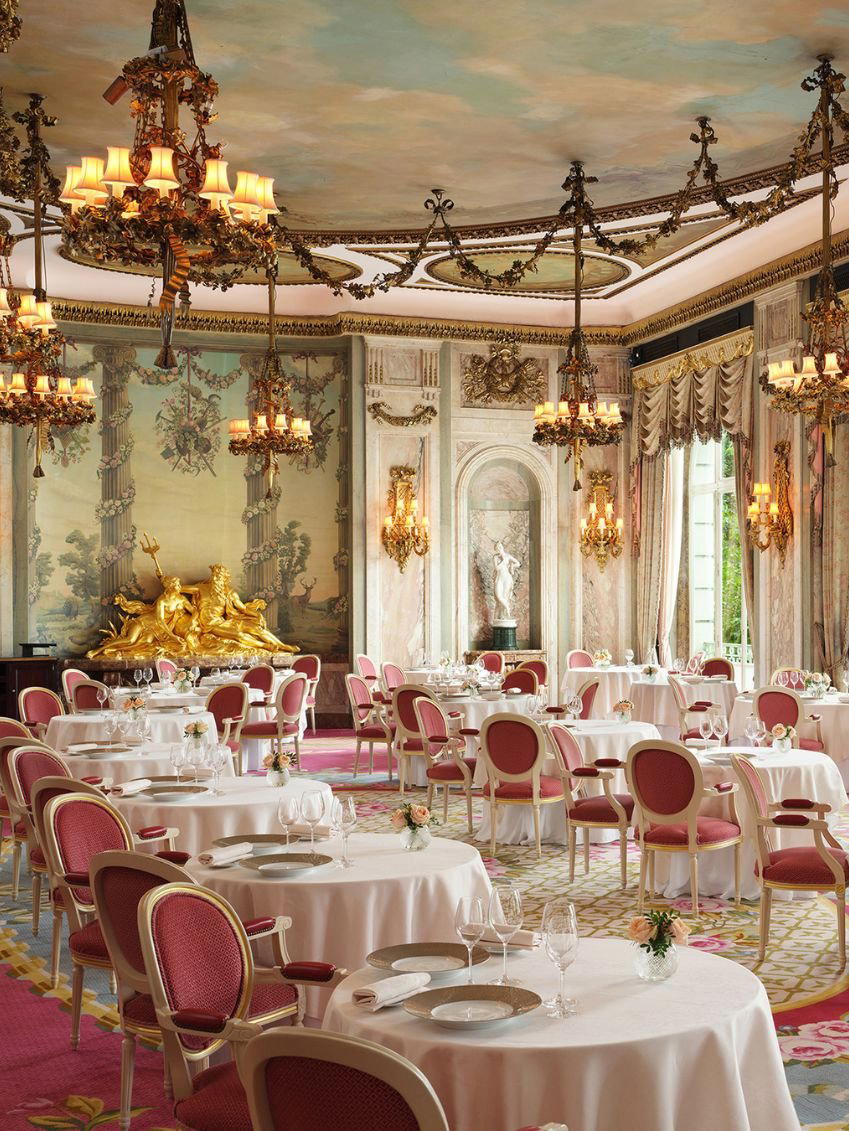
Restaurants in Strasbourg
Browse all →

Bars in Strasbourg
Browse all →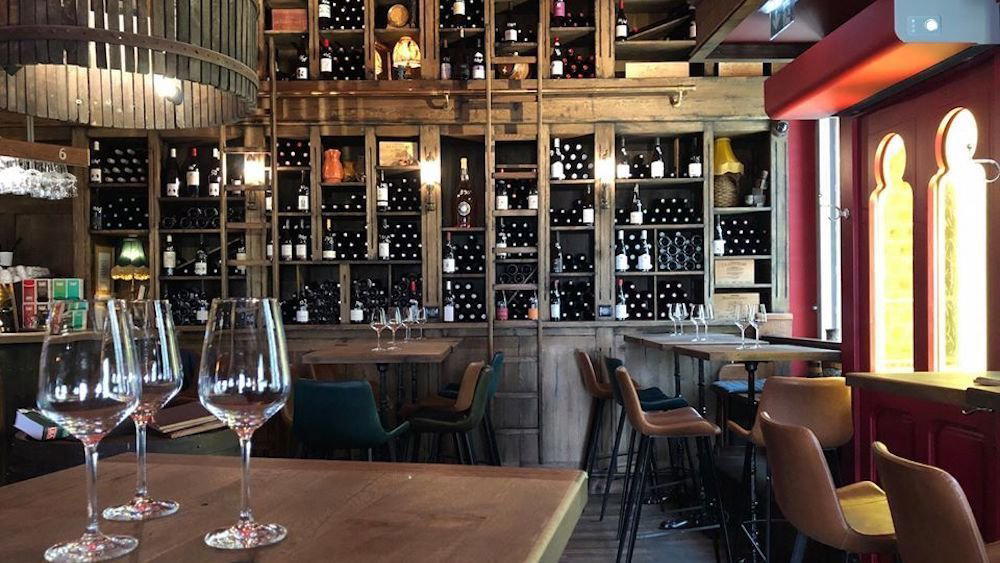
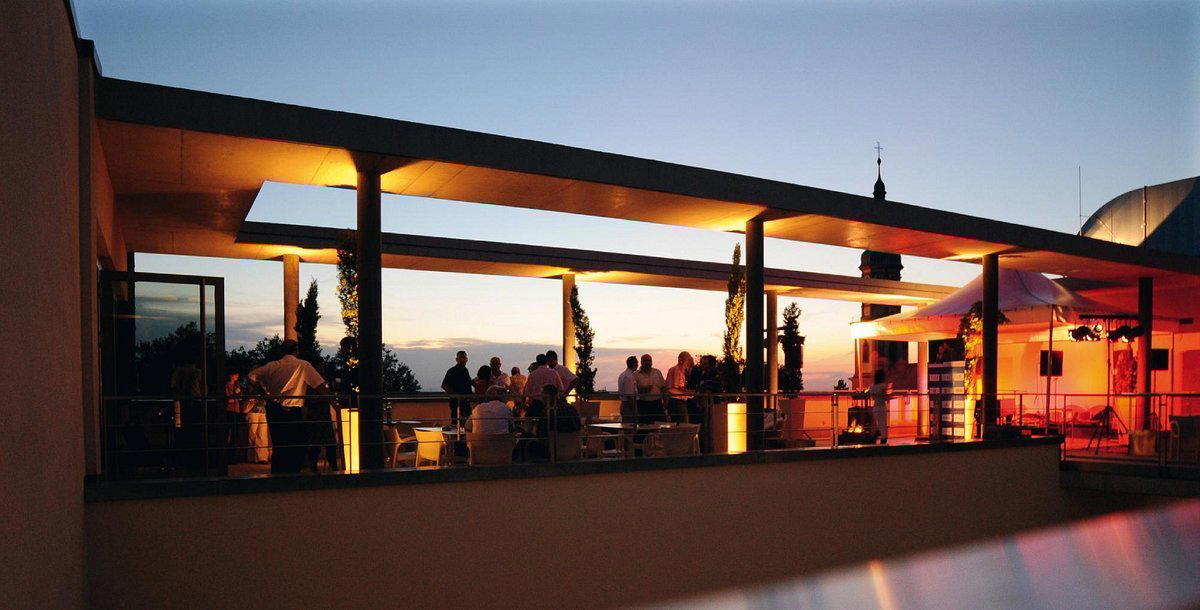
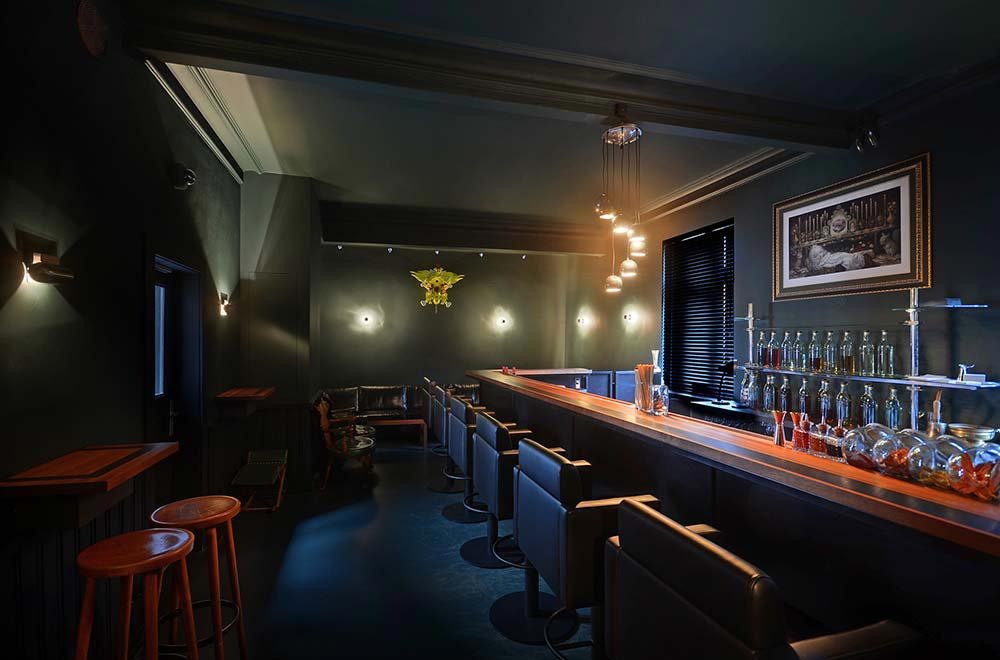


Hotels in Strasbourg
Browse all →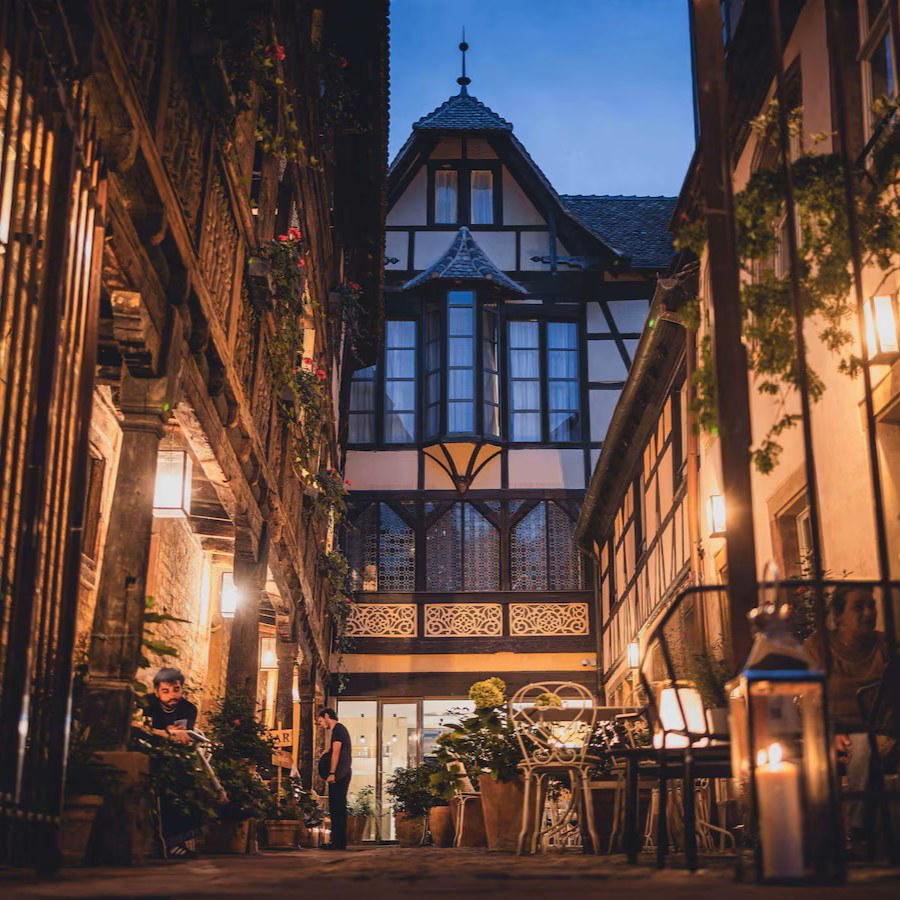
Details
- Cozy
- Trendy
- Intimate
- Elegant
- Date Night
- Casual Hangout
- Open Kitchen
- Craft Cocktails
- A La Carte
- Small Plates
- Vegetarian Friendly
Current opening hours
- Monday
- 12–2 PM, 7–10 PM
- Tuesday
- 12–2 PM, 7–10 PM
- Wednesday
- 12–2 PM, 7–10 PM
- Thursday
- 12–2 PM, 7–10 PM
- Friday
- 12–2 PM, 7–10 PM
- Saturday
- 12–2 PM, 7–10 PM
- Sunday
- 12–2 PM, 7–10 PM
Hours can change for holidays and private events. Last verified .
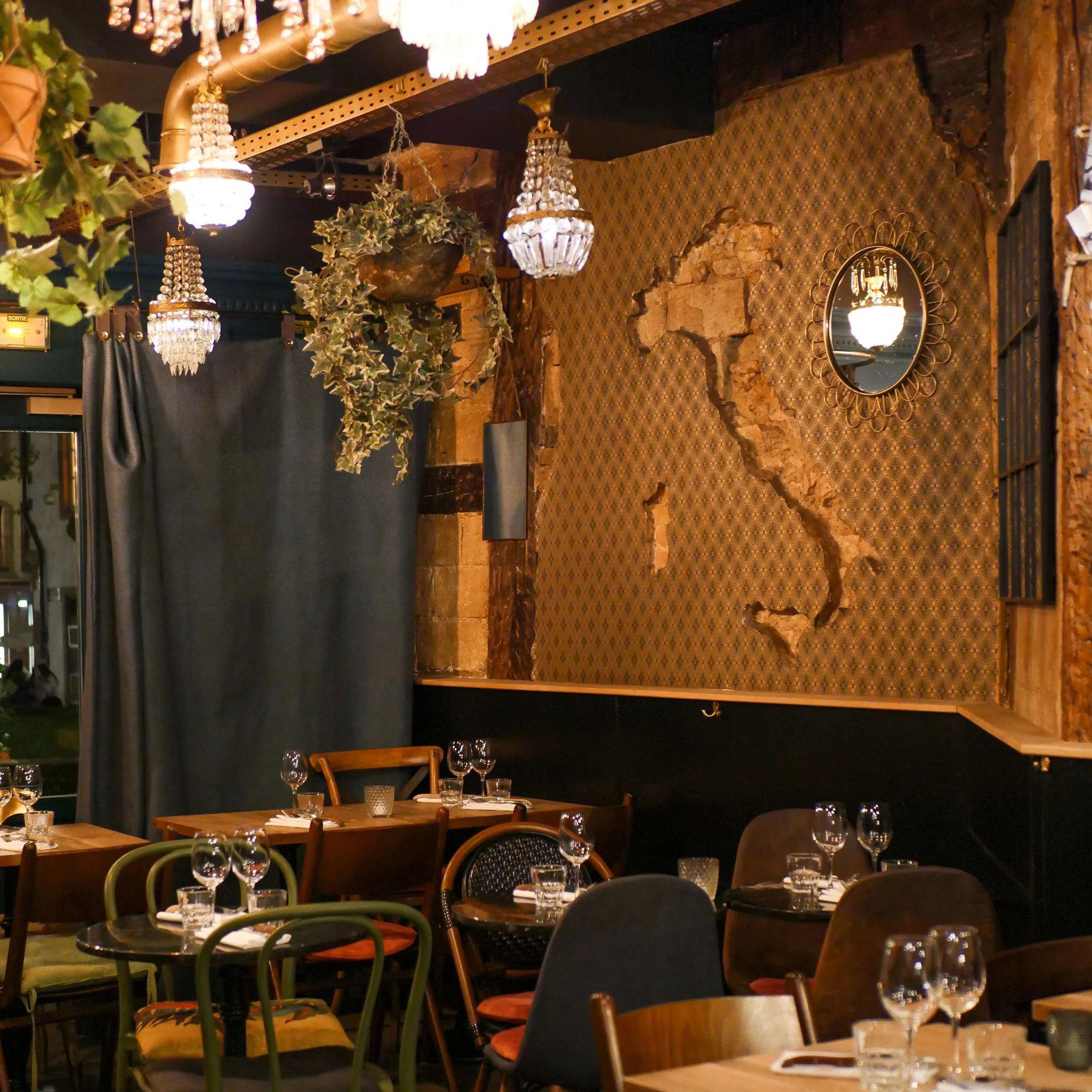
Cozy and welcoming with rock chic and baroque style, glass chandeliers, warm lighting, and a fun Italian vibe.