Barrio occupies a address on Boulevard Saint-Laurent, Montreal's most historically layered dining corridor. The venue sits within a neighbourhood that has cycled through multiple identities over decades, and its own trajectory reflects that restlessness. For visitors mapping Montreal's current restaurant scene, it represents one data point in the ongoing evolution of the Main's middle tier.
Pearl is the En Primeur Club membership app — saves, bookings, and concierge access live there. Same editors, same standards.
- Address
- 1090 Boul. Saint-Laurent, Montréal, QC H2Z 1J5, Canada
- Phone
- +15148735255
- Website
- barriochino.ca
- Directions
- Get directions
 Saves & bookings on Pearl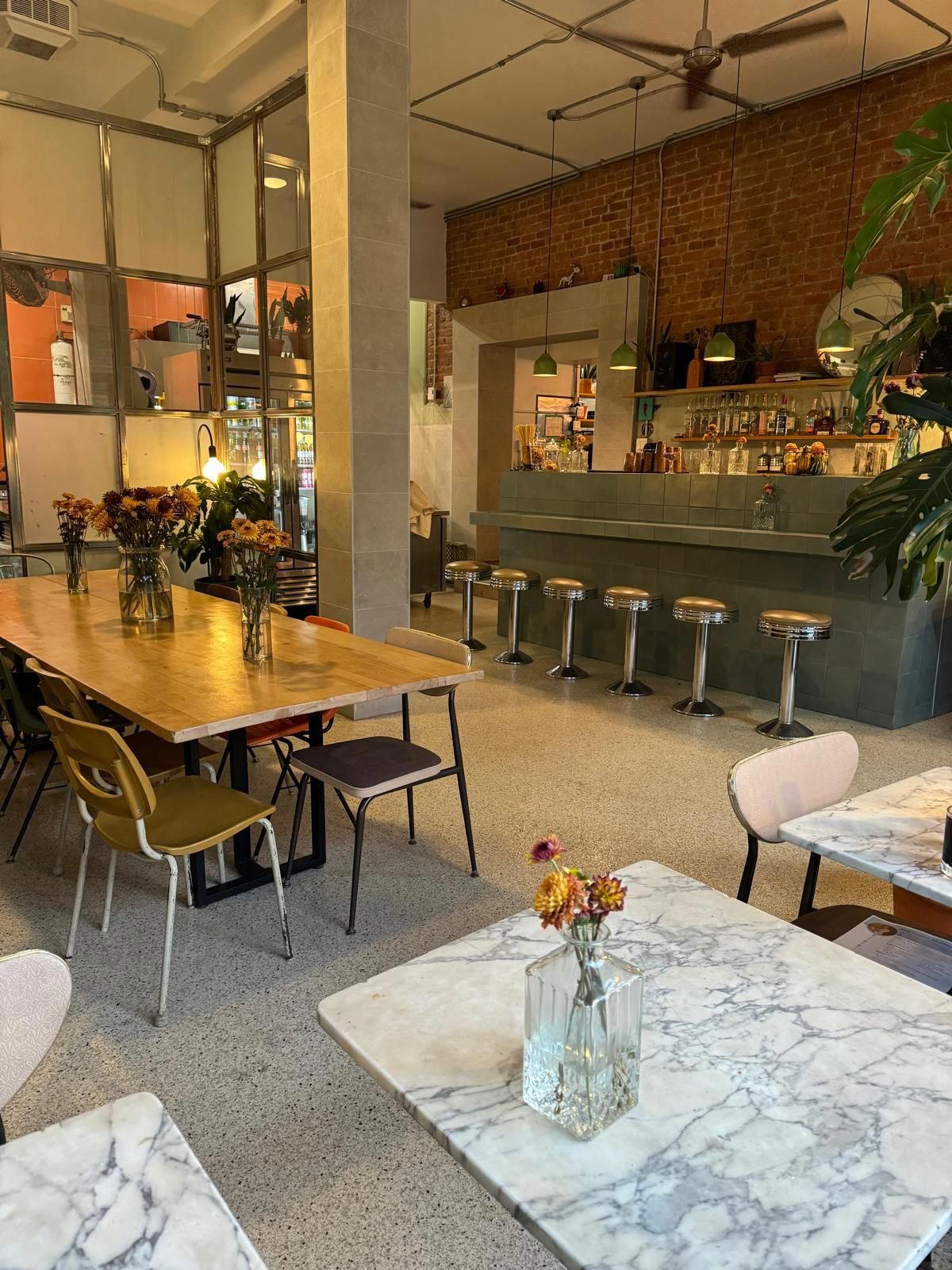
Boulevard Saint-Laurent and the Restaurants That Reinvent Themselves
Boulevard Saint-Laurent has never stayed still. From its decades as an immigrant reception corridor to its 1990s rebranding as a nightlife spine, and through to its current incarnation as a mid-market dining strip that runs parallel to, but distinct from, the tighter expense-account rooms of downtown or the chef-driven precision of the Plateau, the street rewards return visits more than single snapshots. Barrio, at 1090 Boul. Saint-Laurent, sits within that ongoing negotiation between what a neighbourhood was and what it is becoming.
That address places it in the lower stretch of the Main, where the commercial texture shifts between hospitality uses, retail holdovers, and newer concepts that arrived after the pandemic-era reset thinned the field. Venues that survived that period generally did so by recalibrating format, price point, or audience, sometimes all three simultaneously. Understanding Barrio requires understanding that context first.
The Evolution Argument: Why This Part of the Main Has Changed
Montreal's dining middle tier, the range between a $15 counter lunch and a $180 tasting menu, has compressed and complicated since 2020. Operators who once held a comfortable position in casual-upscale have had to decide whether to push toward the formality associated with rooms like Jérôme Ferrer - Europea or Mastard, or to retreat toward the kind of neighbourhood reliability that keeps tables full on Tuesdays. The Saint-Laurent corridor has seen both responses play out in real time across dozens of addresses.
The venues that have managed that repositioning most credibly tend to share a few characteristics: a clearer sense of what they are cooking and why, a format that fits the room rather than aspirations beyond it, and a price-to-experience ratio that holds against the comparison set a guest brings through the door. That comparison set, on this particular street, spans a wide range. A diner who walked past Schwartz's delicatessen a few blocks north carries different calibration than one who has just come from a meal at Sabayon.
Barrio's name signals a Spanish or Latin American orientation, and that positioning places it within a category that Montreal has historically underrepresented relative to cities like New York, where Le Bernardin anchors the French fine-dining end while an entire infrastructure of Latin-inflected rooms occupies the middle.
What the Saint-Laurent Address Implies About Format and Audience
The physical block at 1090 Boul. Saint-Laurent sits within walking distance of the lower Plateau and the northern edge of Old Montreal's influence zone, which means the foot-traffic composition shifts by hour and by season. Lunch business on this stretch skews toward office proximity and tourists following the Main northward from Old Montreal. Dinner draws a different crowd: residents from the Plateau and Mile End who treat the boulevard as a secondary option to their own neighbourhood streets, and visitors working through Montreal's dining geography with some degree of intentionality.
That audience profile matters because it shapes what a venue on this block can sustain. A highly format-dependent experience, say a long tasting menu requiring two-plus hours and advance reservation, sits awkwardly against foot traffic that is partly opportunistic. The more durable formats on this stretch have tended toward accessible entry, whether through walk-in availability, a la carte flexibility, or price points that lower the commitment threshold. Venues elsewhere in Canada that have solved the tension between neighbourhood accessibility and culinary ambition, places like AnnaLena in Vancouver or Alo in Toronto, generally did so by building a clear identity around a specific format rather than trying to serve multiple audience modes simultaneously.
The same principle applies on Saint-Laurent. The venues that read as coherent tend to have made a choice about who they are for and then built the room, the menu, and the pricing around that answer.
Montreal in the Broader Canadian Dining Conversation
Montreal occupies a specific position in the national restaurant hierarchy: it is the city where French technique meets North American ingredient supply and Quebec's own provincial food culture, producing a range of outcomes from bistro classicism to hyper-local tasting-menu work. The province's most ambitious rooms, like Tanière³ in Quebec City, have drawn international attention precisely because they sit outside the obvious reference points. Montreal's own contribution to that conversation includes formal rooms with strong critical records and a deep informal sector built on neighbourhood loyalty and accessible pricing.
Saint-Laurent sits between those registers. It is not the street where you go for the most technically demanding meal in the city, that role belongs to rooms elsewhere, including Toqué, which has defined the best of Montreal's price tier for decades. Nor is it purely a casual strip. The boulevard's current character is something in between: mid-market, format-diverse, and undergoing the same slow editorial pressure that follows any neighbourhood once enough observers start writing about it.
Other Canadian venues operating in the middle of that national conversation include Restaurant Pearl Morissette in Lincoln, Narval in Rimouski, and The Pine in Creemore, each of which has found a positioning that makes sense of its geography. The question for any Montreal address is whether it is doing the same work locally.
Further afield, places like Eigensinn Farm in Singhampton, Fogo Island Inn Dining Room in Joe Batt's Arm, and Cafe Brio in Victoria demonstrate how strongly a clear sense of place and format can define a restaurant's longevity outside major urban centres. On a boulevard as competitive and historically layered as Saint-Laurent, that clarity matters even more.
Visitors to Montreal with broader neighbourhood curiosity may also want to cross-reference 3 Pierres 1 Feu and Abu el zulof, both of which represent different facets of what the city's mid-market dining offers beyond the obvious French-leaning rooms. For a fuller orientation, our full Montreal restaurants guide maps the city's dining geography across price tiers and neighbourhoods. Comparable San Francisco experiences in the communal, evolving-format category include Lazy Bear, and Busters Barbeque in Kenora illustrates how regional identity can anchor a room with minimal formal structure.
Know Before You Go
Address: 1090 Boul. Saint-Laurent, Montréal, QC H2Z 1J5, Canada
Neighbourhood context: Lower stretch of Boulevard Saint-Laurent, between Old Montreal and the Plateau. Walking distance to both.
Booking: Contact details not confirmed at time of publication. Walk-in availability is common on this stretch, though weekend evenings on the Main can fill quickly.
Price tier: Not confirmed at time of publication. The Saint-Laurent mid-block corridor generally runs across the $$ to $$$ range for dinner.
Getting there: Saint-Laurent metro station (Orange Line) places you within a short walk. The address is well-served by the city's BIXI bike network along the boulevard.
Leading timing: Weekday evenings offer a more settled read of the room than Friday or Saturday, when foot traffic from the lower Plateau is at its highest.
How Barrio Montréal compares with similar nearby venues.
| Venue | Cuisine |
|---|---|
| Bouillon Bilk | French |
At a Glance
- Lively
- Trendy
- Casual Hangout
- Group Dining
- Late Night
- Open Kitchen
- Craft Cocktails
- Beer Program
Current opening hours
- Monday
- 12–3:30 PM
- Tuesday
- 12–3:30 PM
- Wednesday
- 12–3:30 PM
- Thursday
- 12–3:30 PM
- Friday
- 12–3:30 PM, 6–10 PM
- Saturday
- 12–3:30 PM, 6–10 PM
- Sunday
- 12–3:30 PM
Hours can change for holidays and private events. Last verified .
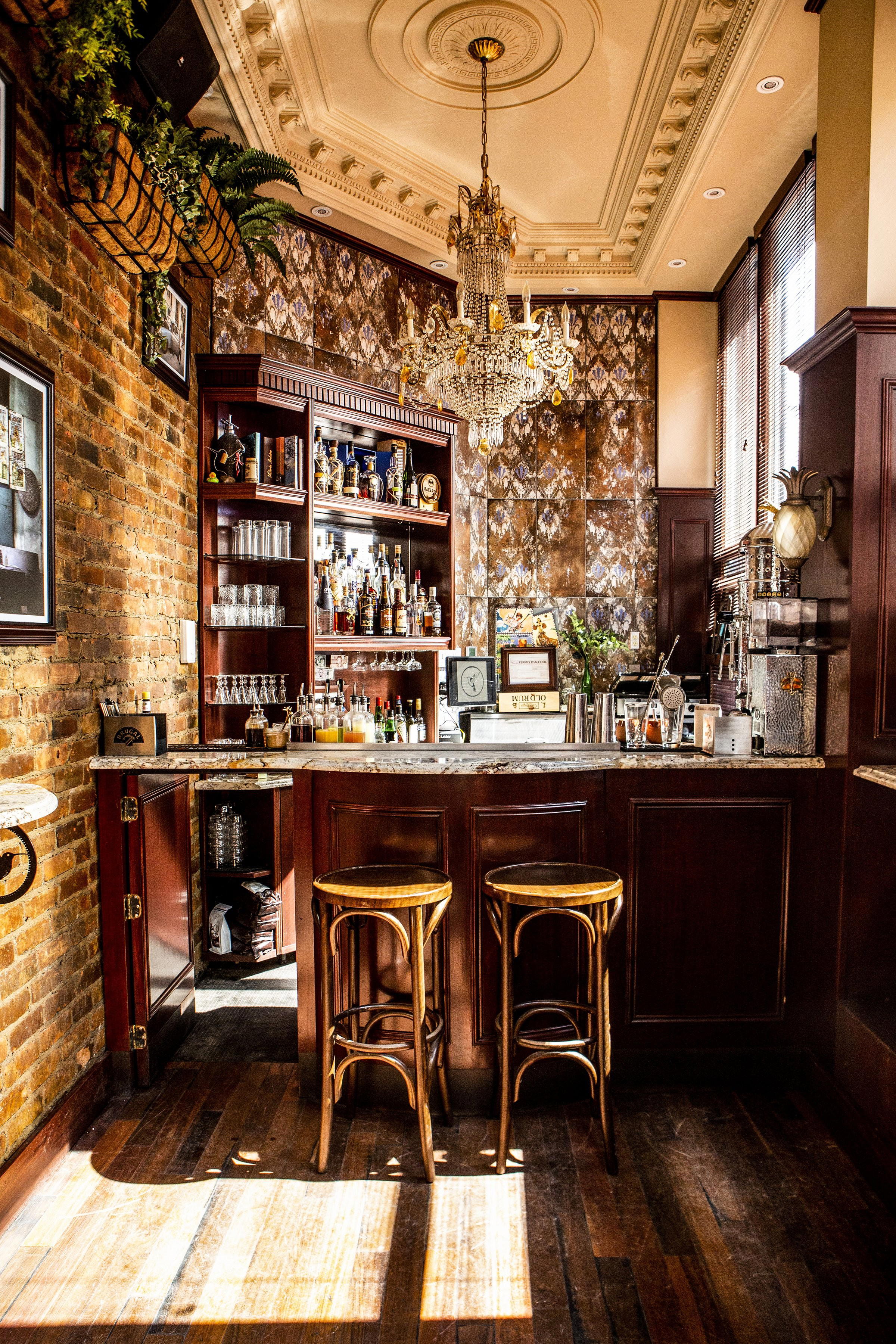
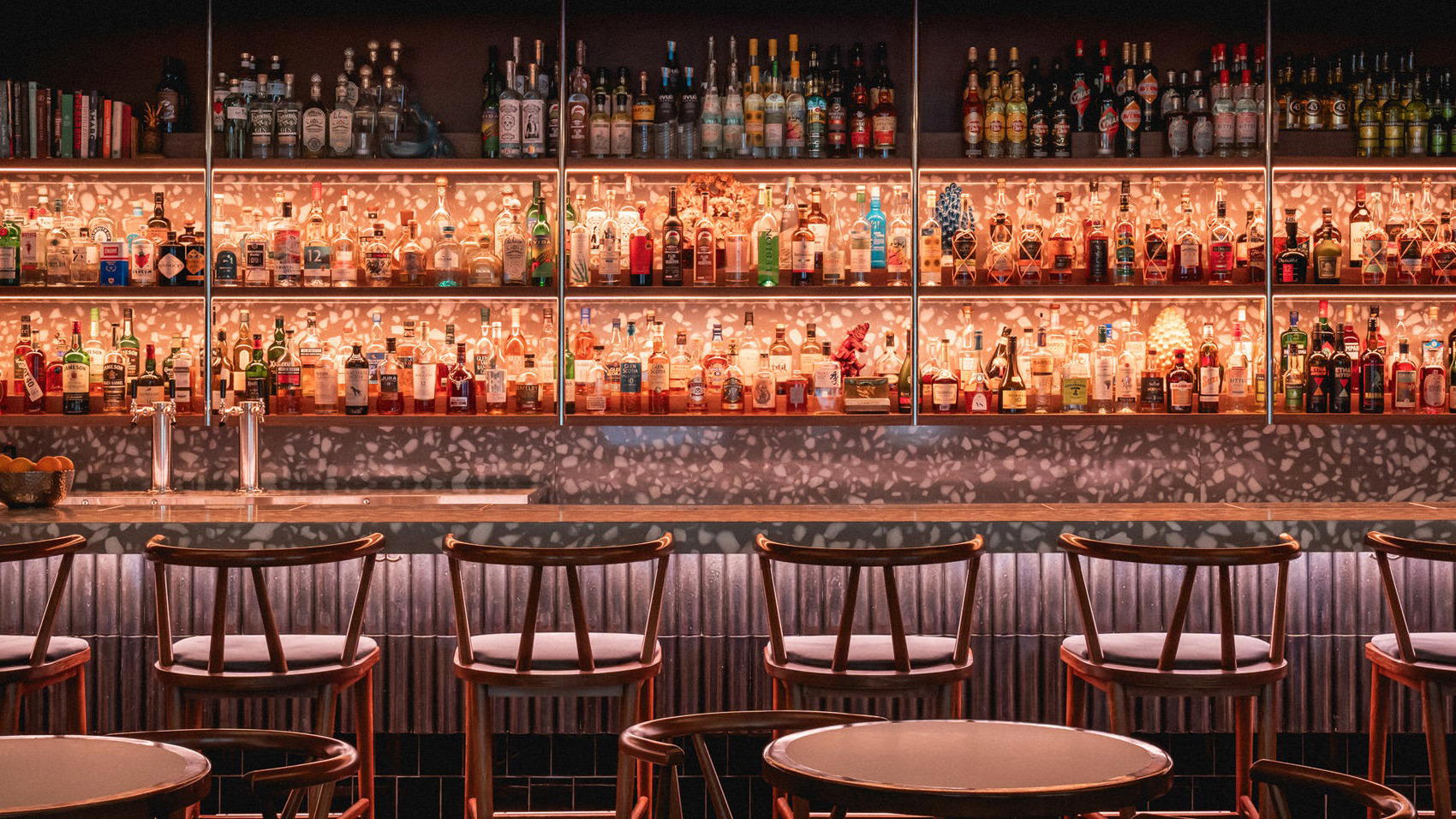
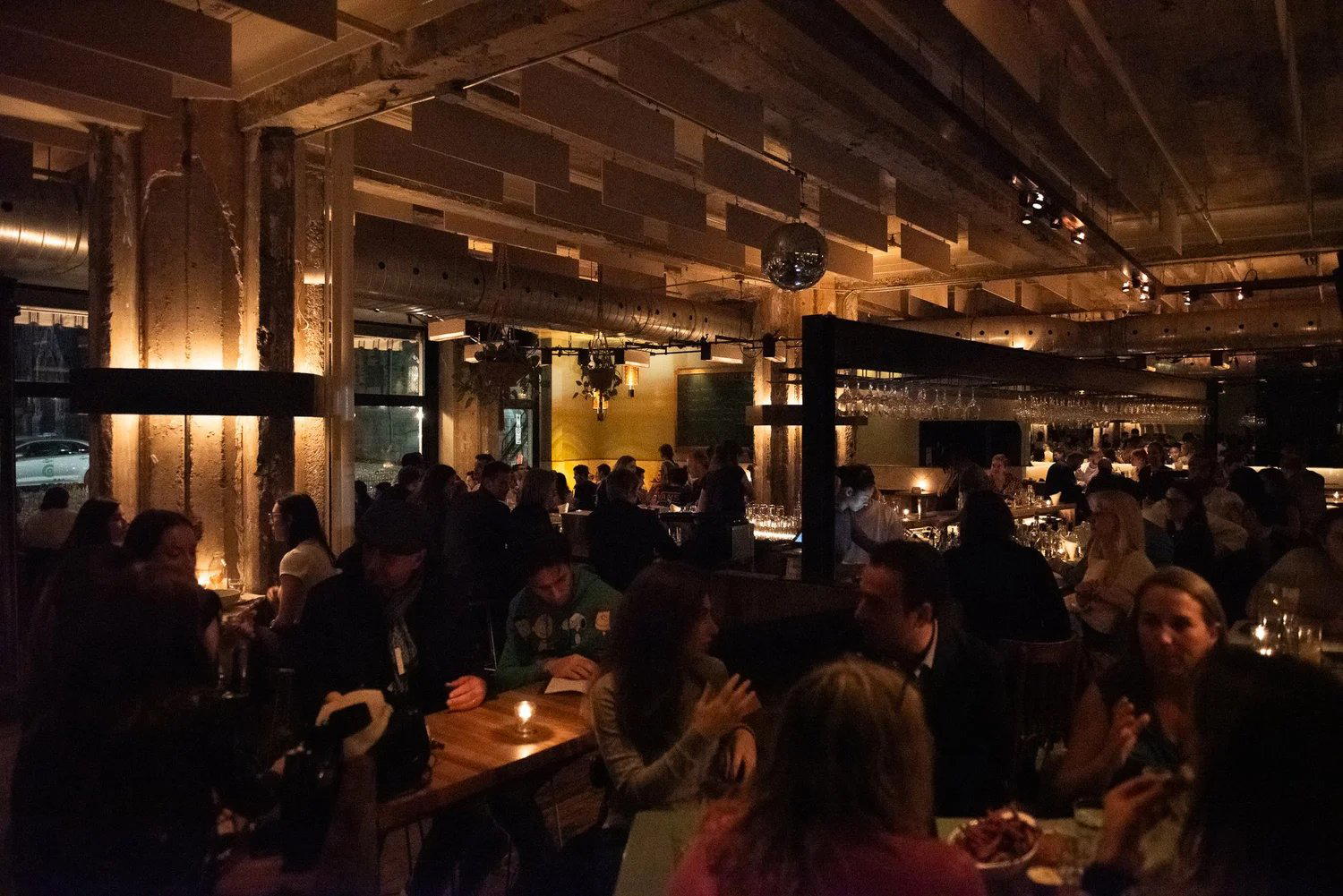
Lively and inviting atmosphere highlighting authentic Mexican flavors in a casual Chinatown setting.
Know Before You Go
- Getting there
- 1090 Boul. Saint-Laurent, Montréal, QC H2Z 1J5, Canada