Our verdict
Perched on the fifth floor of the Montreal Casino, Pavillon 67-Resto Casino occupies a setting that few dining rooms in the city can match: panoramic views over the St. Lawrence and Île Notre-Dame, framed by a room that has tracked the casino's own evolution over three decades. The restaurant sits in a distinct tier of Montreal dining, where spectacle and substance are expected to coexist.

Pearl is the En Primeur Club membership app — saves, bookings, and concierge access live there. Same editors, same standards.
- Address
- 1 Ave du Casino 5e étage, Montreal, Quebec H3C 1A9, Canada
- Phone
- (514) 392-2746
- Hours
- Mon–Wed 11 AM–2 PMThu 11 AM–2 PM, 5–10 PMFri–Sat 11 AM–2 PM, 4:30–11 PMSun 10 AM–2 PM, 5–10 PM
- Website
- casinos.lotoquebec.com
- Directions
- Get directions
- Booking
- Book on OpenTable
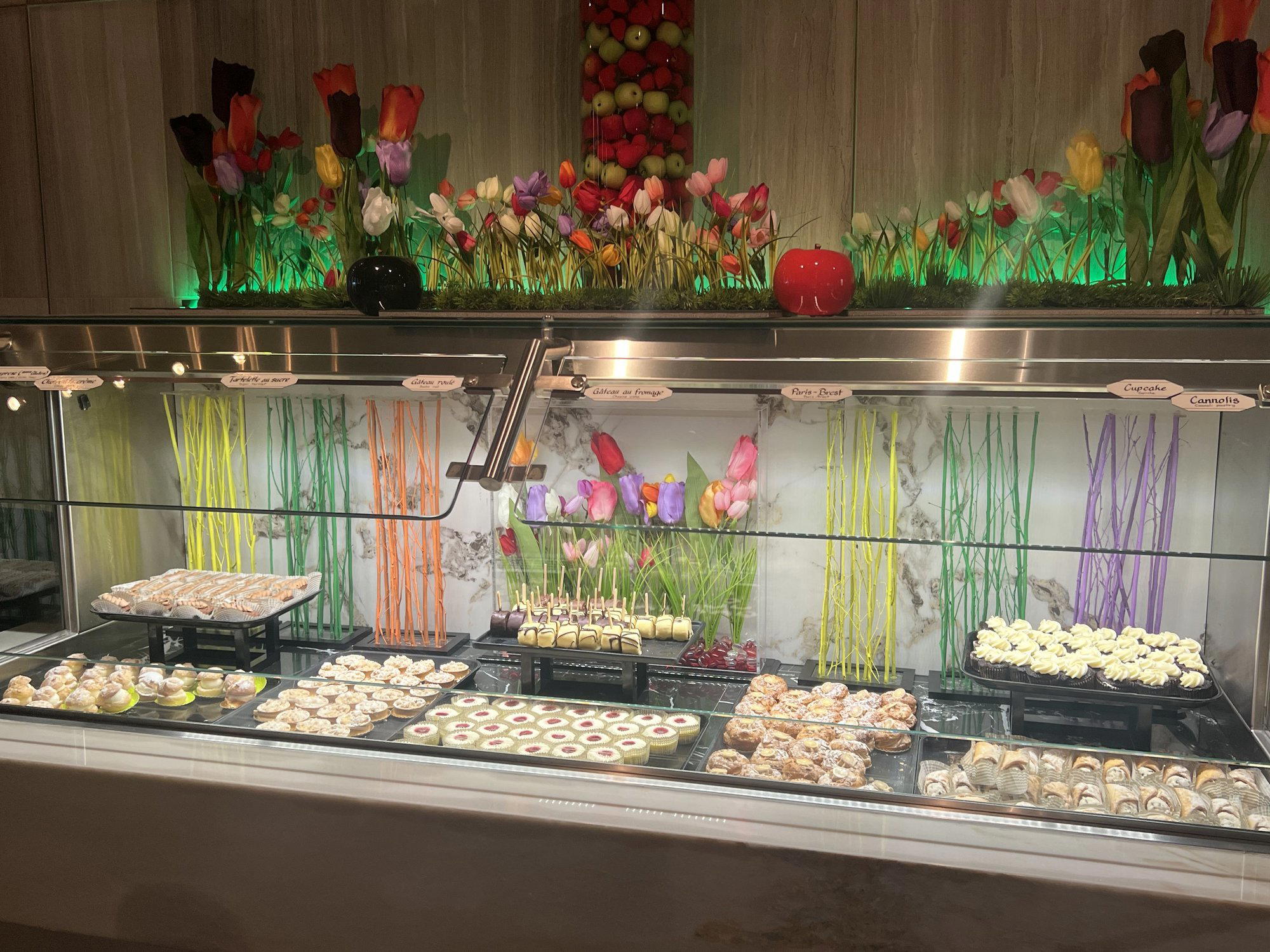
A Room with a History and a River
Casino dining in North America has spent the better part of thirty years trying to outlive its own reputation. The formula of the 1990s, grand rooms with serviceable food designed to keep gamblers fed rather than satisfied, persisted long after it stopped making sense in cities where serious restaurant culture had taken root. Montreal is one of those cities. The Casino de Montréal, housed in the former French and Québec pavilions from Expo 67, arrived with architectural credentials that most gaming properties never had, and the restaurants within it have faced a correspondingly higher set of expectations. Pavillon 67-Resto Casino, positioned on the fifth floor of that complex, has had to grow alongside both the building and the city's dining expectations.
The Expo 67 heritage is not incidental. The casino opened in 1993 in structures that were already nationally significant, and the restaurant that eventually occupied the upper floor inherited a physical environment defined by geometry, elevation, and outlook rather than by interior design choices made for the purpose. The result is a dining room where the view over the St. Lawrence River and Île Notre-Dame does work that no amount of decoration could replicate. Montreal's dining rooms tend to divide between neighbourhood rooms designed for density and intimacy, and larger-format spaces designed for occasion. This one belongs firmly in the latter category, with a scale and a sightline that signal a special-occasion register before a plate arrives.
What Casino Dining Has Become in This City
To understand where Pavillon 67-Resto Casino sits now, it helps to trace what changed. The first phase of casino restaurant programming in Montreal was broadly utilitarian. By the mid-2000s, properties like the Casino de Montréal were investing in food and beverage as a destination draw rather than a convenience, competing at a different level entirely. That shift accelerated as Montreal's restaurant culture produced a generation of internationally referenced kitchens, among them Jérôme Ferrer - Europea and Mastard, that set a visible benchmark for what serious cooking in this city looks like. A casino restaurant that wanted to be considered in the same breath had to do more than serve competent food in a large room.
The evolution at Pavillon 67 reflects that pressure. The restaurant's current positioning is as a table-service destination for guests who may not be there primarily to play, a meaningful shift from the original logic of casino food and beverage. Modern cuisine operations like Sabayon represent the kind of focused, single-format room that has defined the upper tier of Montreal dining in recent years. Pavillon 67 operates at a different scale and with a different mandate, but the ambition is oriented in the same direction: a meal that stands on its own terms, not one subsidized by foot traffic from the gaming floor.
The Setting as the Argument
The fifth-floor position matters in practical terms. The St. Lawrence is wide at this point, and Île Notre-Dame sits in the middle distance with the Jacques Cartier Bridge visible on the eastern horizon. Evening light across that stretch of water has a particular quality, and the room's orientation is designed to use it. For context within Quebec's broader dining geography, few kitchens of this ambition level are paired with a view of this scale. Tanière³ in Quebec City occupies a vaulted stone cellar that makes the opposite architectural argument; the drama there is all compression and depth. At Pavillon 67, the argument is expansion and light.
Across Canada, the restaurants that have managed to turn large-format occasion dining into a credible culinary proposition are a short list. Alo in Toronto operates at scale with tasting-menu rigour. AnnaLena in Vancouver has built a reputation through consistency in a mid-sized room. The challenge for any restaurant in Pavillon 67's position, a large room inside a complex not built around it, is translating ambition into execution across a larger number of covers than a chef-driven tasting counter would accept.
Reaching the Restaurant
The Casino de Montréal sits on Île Notre-Dame, accessible from the city via the Pont de la Concorde. By car, the island is a short drive from the Old Port; by Metro, the Jean-Drapeau station on the Yellow Line connects to the complex directly. The casino operates its own access roads, and the restaurant is reachable from the main entrance via elevator to the fifth floor. For visitors staying in central Montreal hotels, the transfer takes under fifteen minutes by taxi. Reservations protocols are tied to the casino's own reservation system rather than third-party booking platforms, and for weekend evenings, planning ahead by at least a week is a reasonable baseline given the room's combination of views and occasion-dining demand. Parking is available on the island and is among the more direct access arrangements for a Montreal dining destination of this scale.
For those building an itinerary across Montreal's broader dining spectrum, the contrast with neighbourhood institutions like 3 Pierres 1 Feu or the informal register of Abu el zulof is instructive. Pavillon 67 occupies the formal, large-format end of the spectrum, and is most useful in a visit that already includes time for smaller, chef-driven rooms. Quebec's wider restaurant geography offers points of comparison: Narval in Rimouski makes the case for regional cooking at a distance from the city, while Aux Anciens Canadiens in Quebec City holds the formal historical-dining end of the provincial spectrum. Pavillon 67 sits between those poles: formal and occasion-oriented, but anchored in a contemporary rather than heritage framework.
Further afield, the conversation around destination restaurants in institutional or complex settings includes places like Restaurant Pearl Morissette in Lincoln and Eigensinn Farm in Singhampton, both of which have built reputations inside non-traditional frameworks. The Pine in Creemore and Barra Fion in Burlington represent the smaller end of occasion dining in Ontario. In global terms, the reference for refined dining within a large-scale entertainment complex runs toward something like Le Bernardin in New York City, which has maintained critical standing across decades inside a Midtown hotel complex, or the more conceptually driven Atomix in New York City. Bearspaw Golf Club in Calgary is a Canadian analogue for dining embedded in a larger institutional structure. The challenge all of them share is separating the restaurant's identity from the complex around it. See our full Montreal restaurants guide for broader context on where this room sits within the city's dining map.
Frequently asked questions
What do regulars order at Pavillon 67-Resto Casino?
Do I need a reservation for Pavillon 67-Resto Casino?
Is Pavillon 67-Resto Casino worth visiting if you are not staying at the casino or planning to gamble?
Cuisine and Credentials
Comparable venues nearby, for context on price, style, and recognition.
| Venue | Cuisine | Price | Awards | Notes |
|---|---|---|---|---|
| Pavillon 67-Resto CasinoThis venue — the venue you are viewing | French Gourmet Buffet | $50–100 | Not listed | Not listed |
| La Salle à Manger | French-Inspired Bistro | Not listed | Not listed | La Fontaine Park |
| Restaurant Mile-Ex | Modern French Bistro | Not listed | Not listed | District de Saint-Édouard |
| Rosélys | Modern French-English Bistro | $50–100 | Wine Spectator Award of Excellence | Golden Square Mile |
| Les Cavistes | French Bistro with Québec Flair | $50–100 | Star Wine List | Nicolas-Viel |
| Bonaparte | Classic French Bistro | $50–100 | Not listed | Vieux Montréal |
Details
- Elegant
- Lively
- Group Dining
- Celebration
- Brunch
- Open Kitchen
- Hotel Restaurant
- Waterfront
- Skyline
- Buffet
- Vegetarian Friendly
Current opening hours
- Monday
- 11 AM–2 PM
- Tuesday
- 11 AM–2 PM
- Wednesday
- 11 AM–2 PM
- Thursday
- 11 AM–2 PM, 5–10 PM
- Friday
- 11 AM–2 PM, 4:30–11 PM
- Saturday
- 11 AM–2 PM, 4:30–11 PM
- Sunday
- 10 AM–2 PM, 5–10 PM
Hours can change for holidays and private events. Last verified .
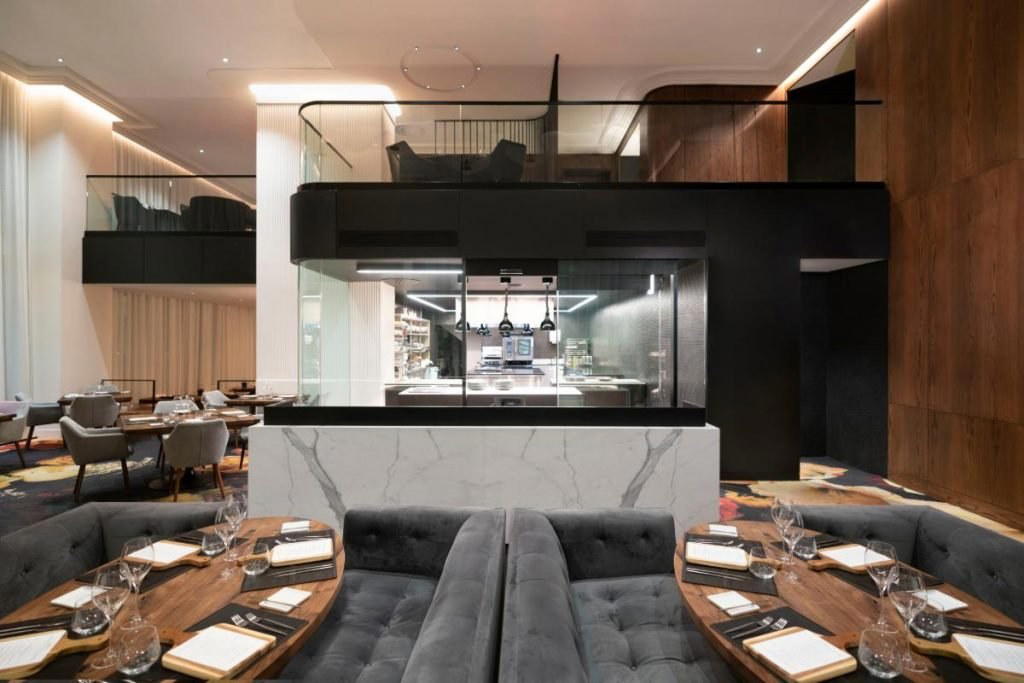
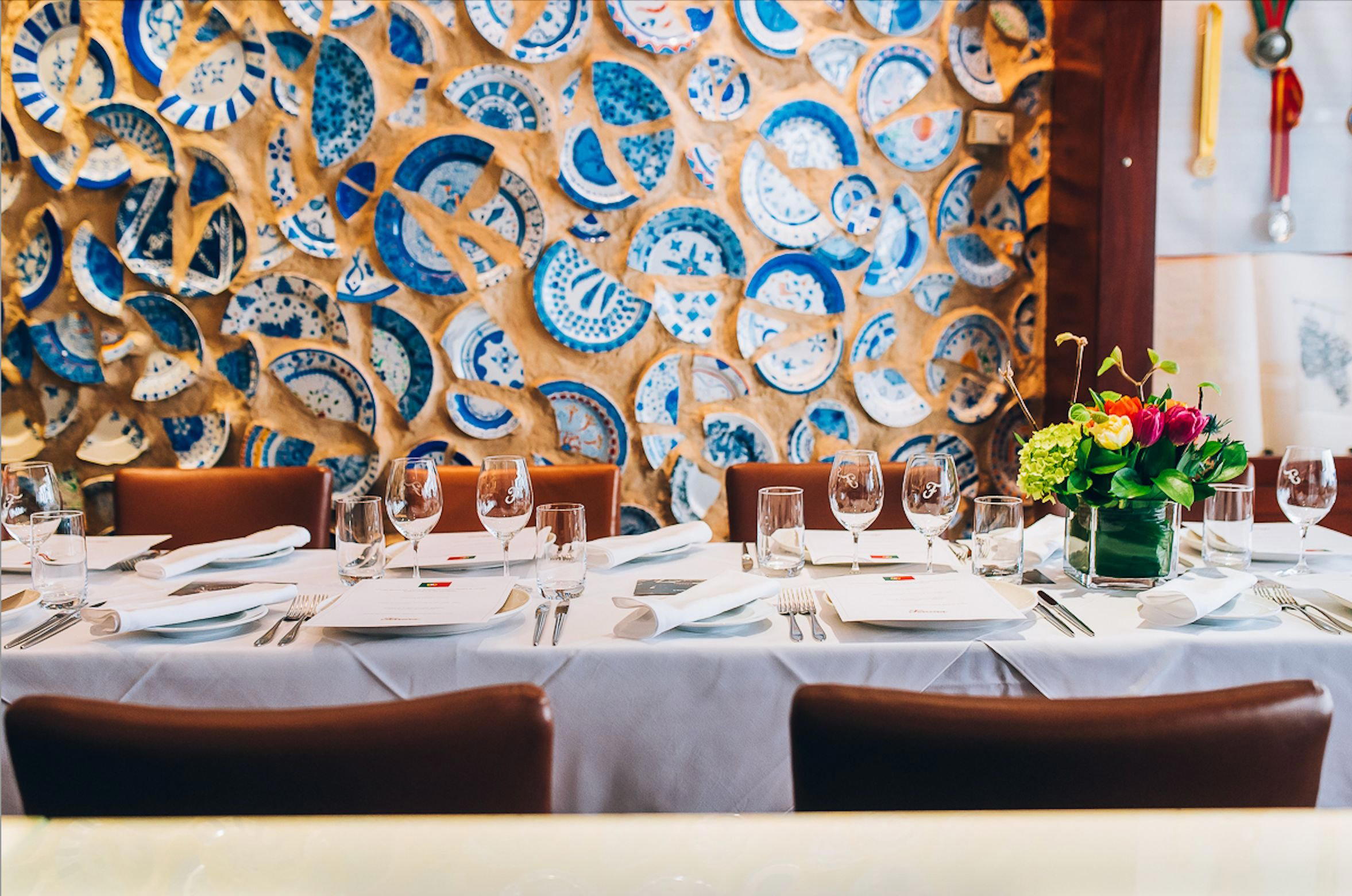
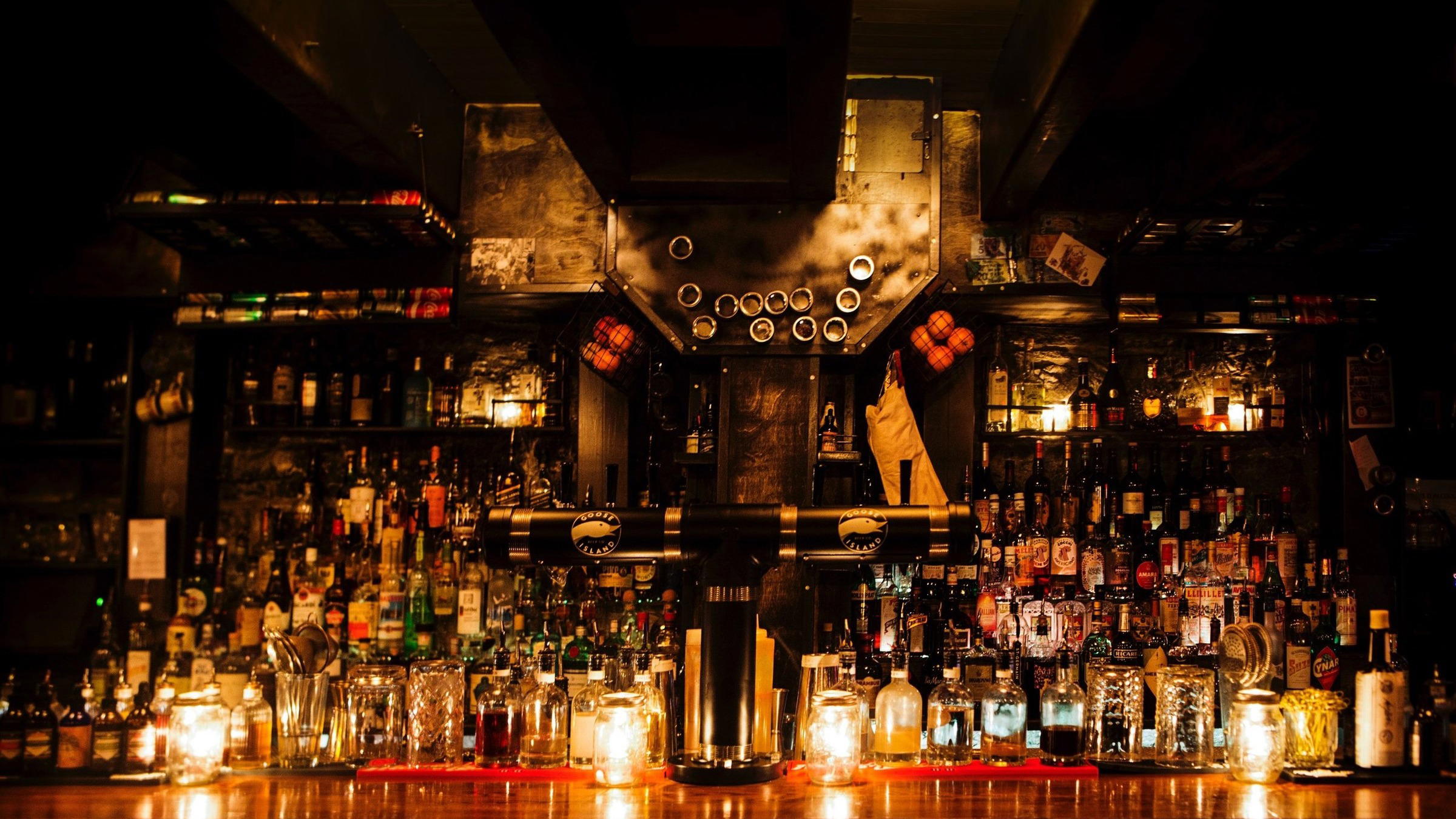
Warm and relaxed with classy lighting, open kitchen views, and a calmer rhythm post-2025 expansion.