On Saint-Denis Street, where Montreal's French bistro tradition runs deep, Piel Canela occupies a different register — warmer in tone, more personal in pace. The address places it inside the Plateau-Mont-Royal dining corridor, where neighbourhood regulars and destination diners share the same room. A name that translates loosely to 'cinnamon skin' signals something distinct from the brasserie majority around it.
Pearl is the En Primeur Club membership app — saves, bookings, and concierge access live there. Same editors, same standards.
- Address
- 4542 Saint Denis St, Montreal, Quebec H2J 2L3, Canada
- Phone
- +14388178822
- Website
- pielcanelamtl.com
- Directions
- Get directions
 Saves & bookings on Pearl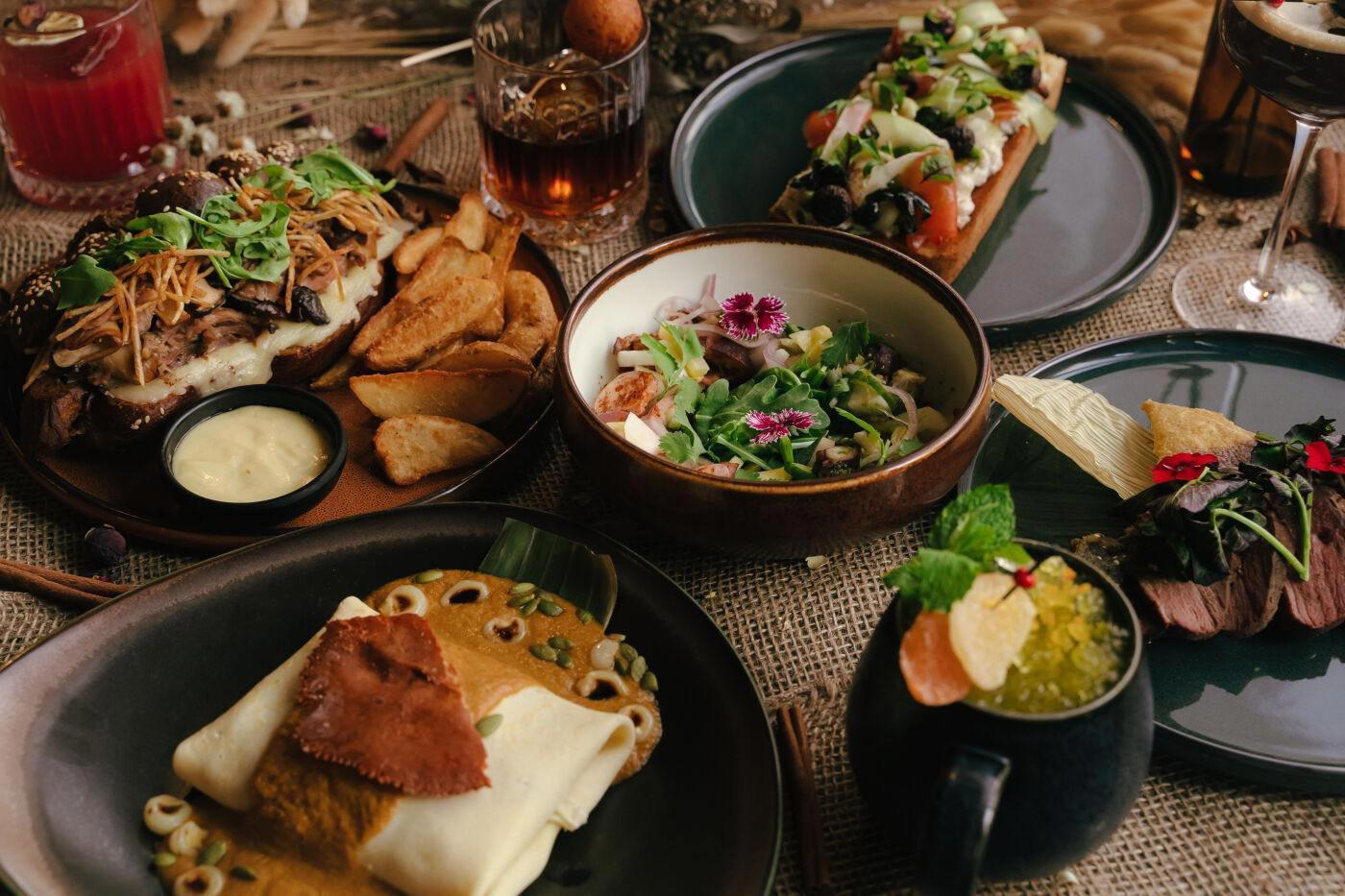
Saint-Denis and the Geometry of a Montreal Dining Street
Saint-Denis Street has a particular kind of density that few Montreal corridors match. From the lower Plateau up through Mile End's southern edge, it accumulates restaurants in the way that serious dining cities do: not through planning, but through decades of attrition and survival. The places that remain on Saint-Denis tend to have earned their foothold. Piel Canela, at 4542 Saint-Denis, sits in a stretch of the street where the room-to-room contrast is sharp — French bistros trading in onion soup and steak frites next door to newer addresses working with different references entirely.
That contrast matters editorially. Montreal's Plateau-Mont-Royal has long been identified as a neighbourhood where culinary identity is genuinely contested. The French bistro tradition, anchored institutionally by addresses like Abu el zulof and the broader brasserie culture that L'Express has represented for decades, shares the street with operators drawing from Latin American, Middle Eastern, and pan-Mediterranean pantries. Piel Canela's name — translating roughly from Spanish as 'cinnamon skin,' an affectionate phrase common across Latin American vernacular, signals which side of that divide it occupies.
The Room and What It Communicates
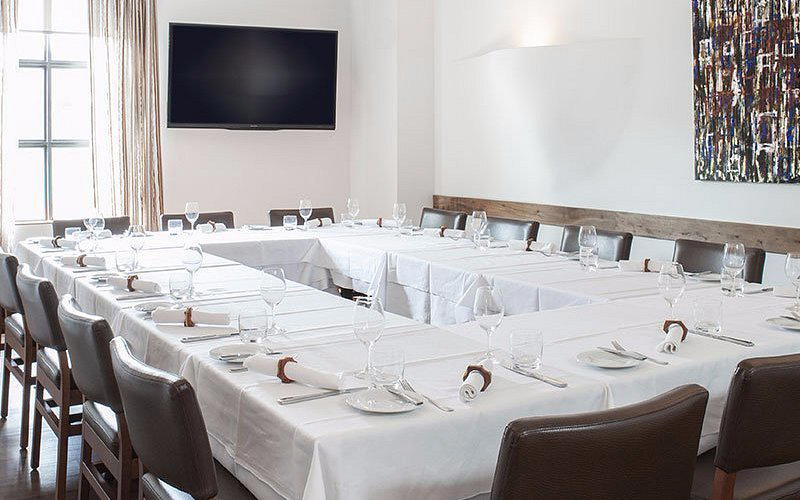
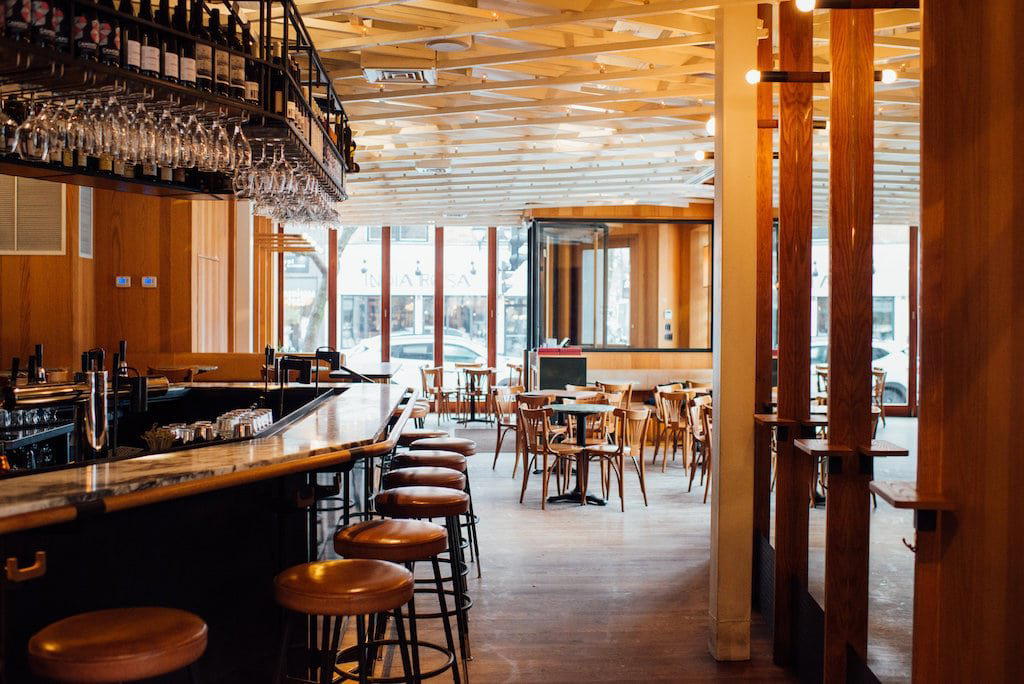
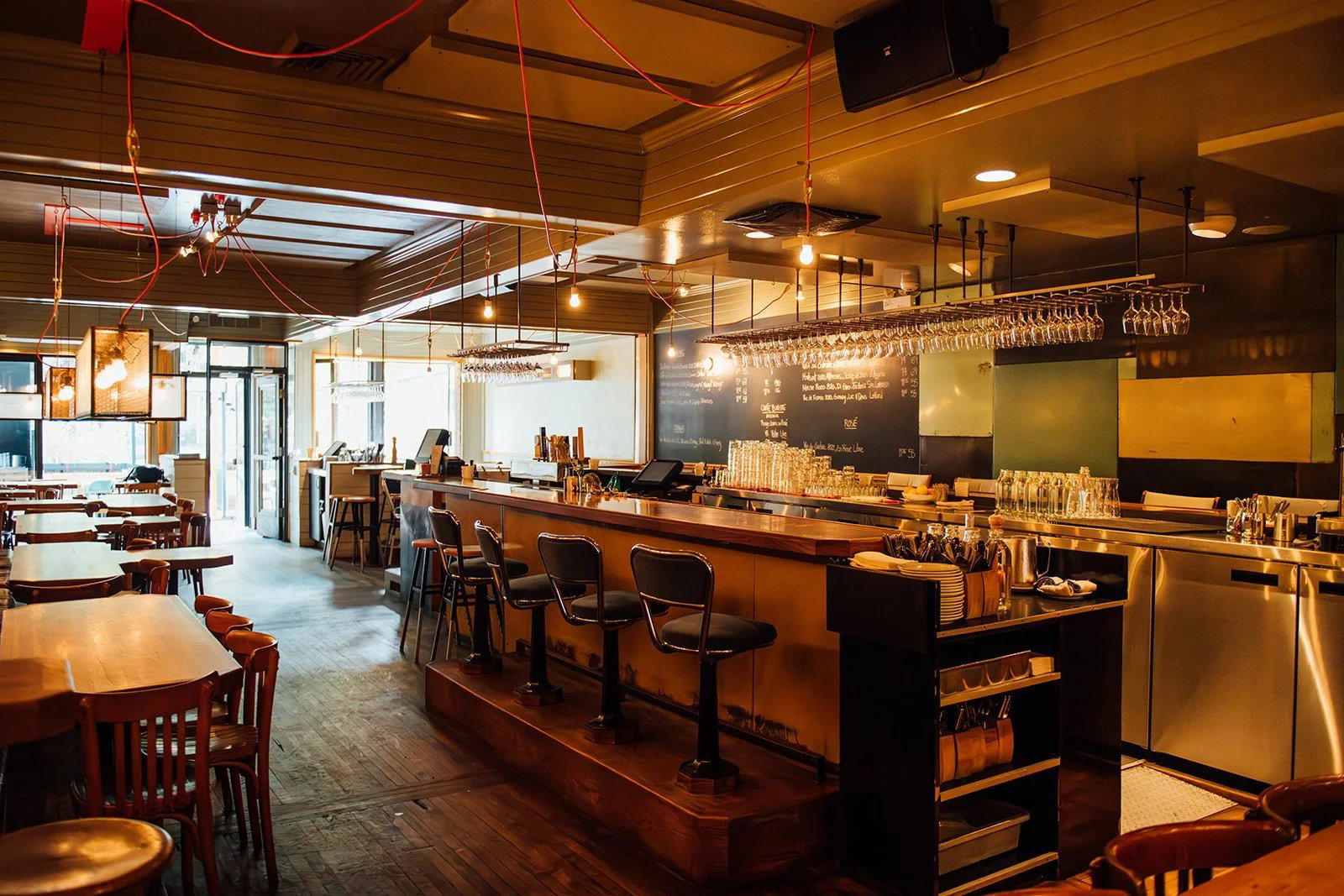
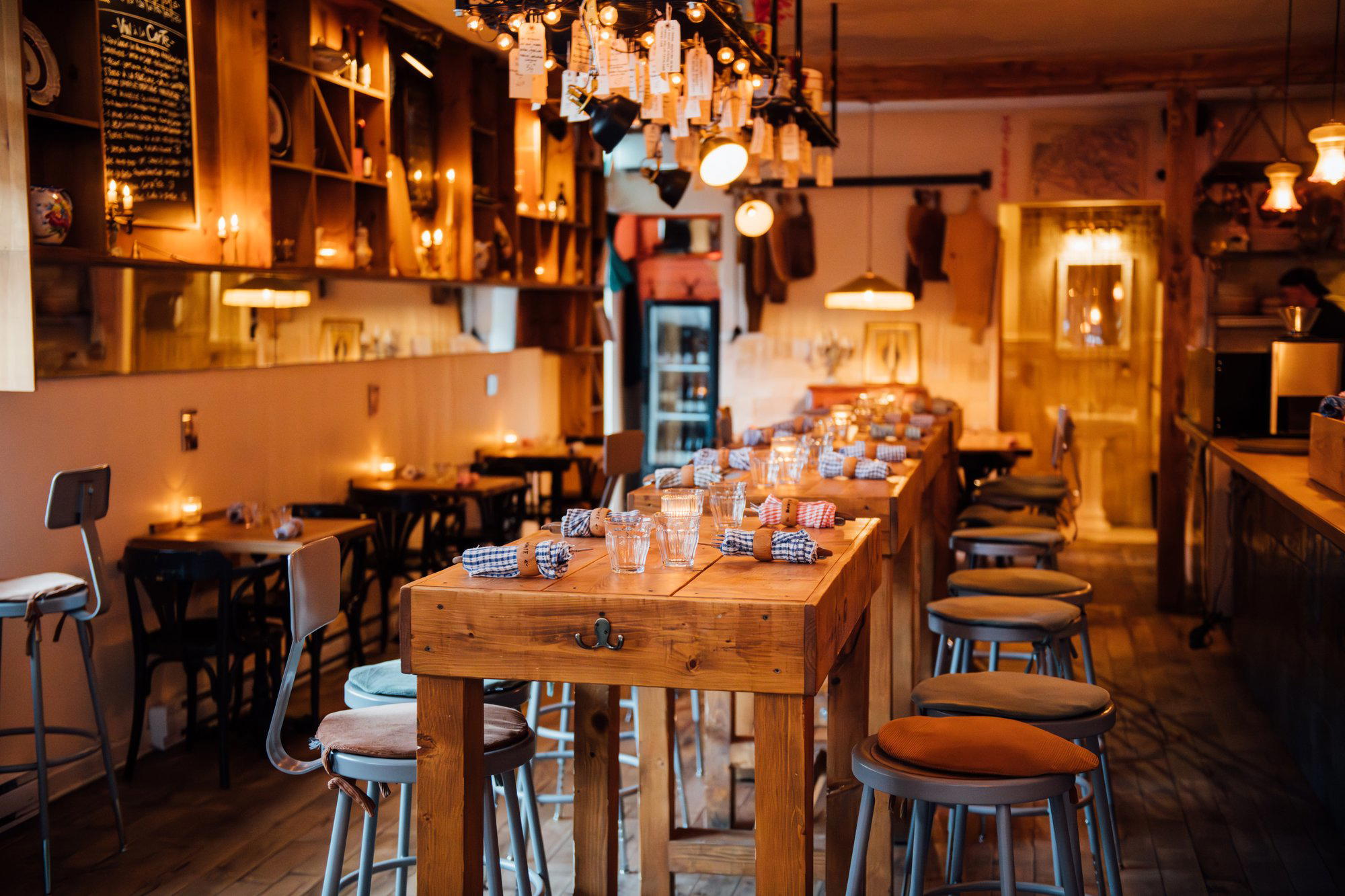
Approaching from the street, the scale reads immediately as intimate. This is not a dining room built for volume or for the kind of theatrical staging that Montreal's higher-budget modern cuisine addresses deploy. Venues in the Plateau's middle tier typically seat between twenty and fifty covers, and the rhythm of service at that scale is meaningfully different from the brigade-driven precision of a Jérôme Ferrer - Europea or a Mastard at the upper end of Montreal's modern cuisine pricing.
At smaller neighbourhood addresses, the team dynamic functions differently. Without a large brigade, the front-of-house, kitchen, and any drinks program operate in close proximity, not just physically, but operationally. The person describing a dish is often close enough to the pass to know its current state. The sommelier or drinks lead, where one exists, doubles as the connective tissue between what arrives from the kitchen and how a guest understands what they are eating. That compression of roles, when it works, produces a quality of attentiveness that larger rooms sometimes cannot replicate regardless of their formal service training.
In Montreal's mid-tier neighbourhood dining, this team-driven model has become more common as operators prioritise consistency of experience over expansion. Addresses like Sabayon and 3 Pierres 1 Feu operate on comparable logic: small rooms, tightly coordinated teams, where the connection between kitchen intent and table delivery is direct rather than mediated through layers of service hierarchy.
Where Piel Canela Sits in Montreal's Culinary Geography
Montreal's dining market has a clear structural split. At the upper end, tasting-menu addresses priced comparably to Tanière³ in Quebec City or Alo in Toronto anchor the destination dining tier. Below that sits a wide and active middle band: neighbourhood addresses with distinct culinary identities, priced for regulars rather than occasion dining, and sustained by the density of Montreal's residential population in areas like the Plateau and Mile End.
Piel Canela operates in that middle band, where differentiation comes from culinary identity rather than from investment in room or credentials. Latin American-inflected cooking in Montreal occupies a smaller niche than French bistro or modern Canadian cuisine, which means that an address committed to those references competes on specificity. The name alone marks a positioning decision: this is not a room softening its references toward a pan-Latin generalism, but one that signals a particular warmth and cultural specificity in its choice of language.
For context, the wider Canadian dining scene has seen considerable investment in culinary identity at the neighbourhood level. AnnaLena in Vancouver and Narval in Rimouski demonstrate how smaller-scale addresses in different Canadian cities have built reputations through consistency and specificity rather than scale. At the more rarefied end, destination operations like Eigensinn Farm in Singhampton and Restaurant Pearl Morissette in Lincoln show what happens when culinary identity is taken to its logical extreme. Piel Canela operates nowhere near that level of ambition or isolation, but it shares the underlying logic: a distinct identity, held consistently, produces a loyal audience in a competitive market.
The Team Dynamic at This Scale
In a small neighbourhood room on a street as competitive as Saint-Denis, the collaboration between kitchen and front-of-house is not a design choice but a structural necessity. There is no buffer of middle management between the cook and the guest. The person taking a reservation, pouring a drink, and explaining a dish is often the same person whose relationship with the kitchen is measured in daily proximity rather than formal hierarchy.
This dynamic, when it coheres, produces something that larger and more formally structured rooms can find difficult to manufacture: the sense that the staff are genuinely invested in whether you are enjoying yourself, not because service training demands it, but because the room is small enough that your experience is visible to everyone working it. Internationally, this model is associated with some of the most respected small-format addresses, from the neighbourhood bistros of Lyon to the counter-only kaiseki rooms that have shaped expectations around intimate dining in Japan. Montreal's Plateau has its own version of this tradition, and Saint-Denis is one of the streets where it plays out most consistently.
For those building a broader Montreal itinerary, EP Club's full Montreal restaurants guide maps the city's dining across price tiers and neighbourhoods, including addresses across the Plateau and beyond. Comparable neighbourhood-scale experiences with distinct culinary identities can also be found at Barra Fion in Burlington and Aux Anciens Canadiens in Quebec, each operating with a clear sense of place and a tightly coordinated team. At the higher end of the international register, Le Bernardin in New York City and Atomix in New York City demonstrate what front-of-house and kitchen cohesion looks like when resourced at maximum scale, a useful point of comparison for understanding what the neighbourhood model at Piel Canela's level is optimising for and against. For golf and dining combined in Canada, Bearspaw Golf Club in Calgary offers a different register entirely. The Pine in Creemore similarly rewards those willing to travel for a tightly defined experience outside a major urban centre.
Know Before You Go
- Address: 4542 Saint-Denis St, Montreal, Quebec H2J 2L3, Canada
- Neighbourhood: Plateau-Mont-Royal, central Saint-Denis corridor
- Price tier: Mid-range neighbourhood dining; specific pricing not confirmed at time of publication
- Reservations: Booking details not confirmed; walk-in availability varies by night and season
- Hours: Not confirmed at time of publication; verify directly before visiting
- Phone / website: Not listed in current records; search current local directories for the most recent contact information
At a Glance
- Lively
- Cozy
- Brunch
- Family
- Group Dining
- Terrace
- Craft Cocktails
Current opening hours
- Monday
- 9 AM–2:30 PM
- Tuesday
- Closed
- Wednesday
- Closed
- Thursday
- 9 AM–2:30 PM
- Friday
- 9 AM–2:30 PM
- Saturday
- 9 AM–2:30 PM
- Sunday
- 9 AM–2:30 PM
Hours can change for holidays and private events. Last verified .
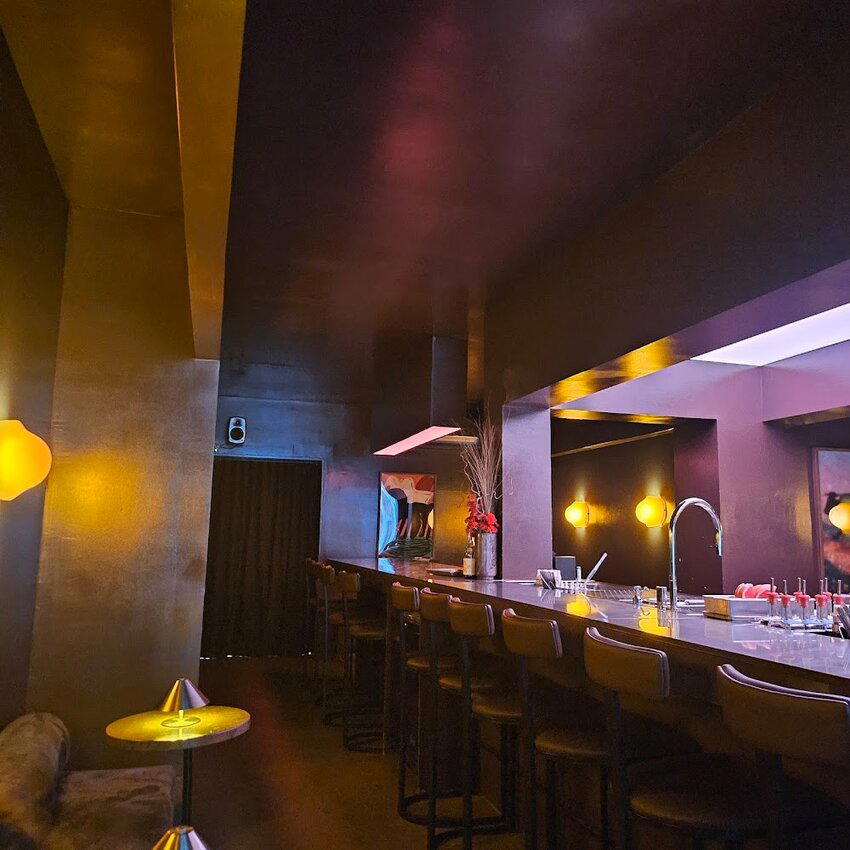
Colorful decor with an energetic, lively atmosphere reflecting lively Latin culture, cozy terrace, and inviting community-friendly service.
Know Before You Go
- Getting there
- 4542 Saint Denis St, Montreal, Quebec H2J 2L3, Canada