Westso Mexican Steakhouse
Westso Mexican Steakhouse on Chicago's Northwest Side brings together the two culinary traditions its name announces, Mexican technique and American steakhouse conventions, in a format that sits outside the city's downtown dining corridor. Located at 6699 N Northwest Hwy, it operates in a neighbourhood defined more by regulars than by reservation-seekers, which shapes both its audience and its character.
Pearl is the En Primeur Club membership app — saves, bookings, and concierge access live there. Same editors, same standards.
- Address
- 6699 N Northwest Hwy, Chicago, IL 60631
- Phone
- +17737291100
- Website
- westsorestaurant.com
- Directions
- Get directions
 Saves & bookings on Pearl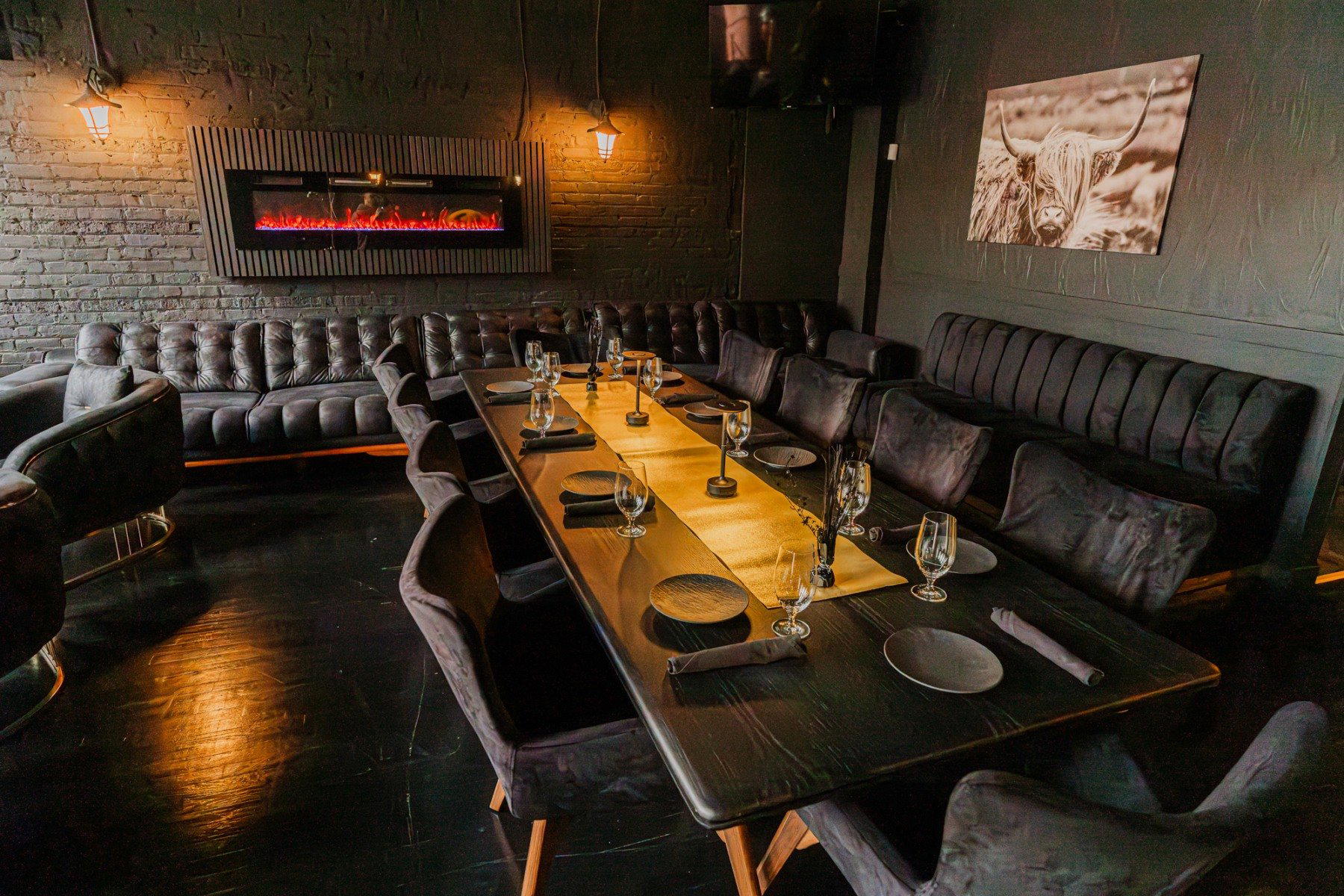
A Northwest Side Hybrid in a City That Rewards Specialists
Chicago's restaurant map has long rewarded specialists. Westso Mexican Steakhouse is a Mexican Steakhouse in Chicago's Edison Park at 6699 N Northwest Hwy. The city's most-discussed tables, Alinea, Smyth, Oriole, operate within clearly defined culinary identities, and diners generally know what category they are walking into. Against that backdrop, the hybrid format, where two distinct culinary traditions are merged under one roof rather than one influencing the other, remains a harder commercial proposition, and a more interesting editorial subject. Westso Mexican Steakhouse, at 6699 N Northwest Hwy in the Edison Park neighbourhood, positions itself precisely at that intersection.
The address matters. Edison Park sits near the city's far northwest boundary, a residential corridor that operates at a different tempo from the River North or West Loop dining districts. Venues in this part of the city tend to build their audience from the surrounding community rather than from destination traffic. That dynamic shapes everything from format to pricing to the kind of regulars who fill the room on a Tuesday, and it distinguishes venues here from the award-chasing tier you find closer to downtown.
The Hybrid Format and What It Has Become
Mexican-American steakhouse crossovers have followed a traceable arc over the past two decades. Early iterations tended to subordinate one tradition to the other: a steakhouse that offered a salsa bar, or a Mexican restaurant that added a carne asada to an otherwise conventional menu. The more considered versions that emerged later treated both traditions as structurally equal, using Mexican spice logic, marinades, and side culture alongside American steakhouse expectations around cut quality, preparation method, and portion scale. Westso's name signals an intent to operate in that second mode.
What the format implies, in general terms, is a menu where the sourcing and preparation of beef is taken seriously on its own terms, while Mexican flavour frameworks, dried chillies, citrus acids, charcoal methods, masa-based accompaniments, sit alongside rather than beneath the protein. Nationally, this approach has found audiences in cities with both strong Mexican culinary heritage and established steakhouse culture. Chicago qualifies on both counts, and the Northwest Side specifically has a long, well-documented history of Mexican culinary presence that predates the trendier southward migrations of that cuisine's visibility in the city's food press.
Evolution Over Profile: What Changes in a Neighbourhood Restaurant
The editorial angle most relevant to a venue like Westso is not the founding story but the trajectory. Neighbourhood restaurants that survive and develop over time in residential corridors do so through a different mechanism than destination restaurants. They iterate based on the feedback of regulars rather than critics, adjust based on supply relationships and seasonal availability rather than menu engineering cycles, and often develop a more specific identity over time than the original concept suggested.
For the hybrid format specifically, evolution tends to move in one of two directions. Some venues drift toward the steakhouse identity as beef costs and customer expectations around protein dominate the economic logic. Others deepen the Mexican side, sourcing more regionally specific ingredients, working with dried chillies and regional moles, or developing a masa program that gives that side of the menu structural weight. Which direction Westso has moved, or whether it has maintained the original balance, is the kind of question that rewards a direct visit rather than remote assessment. That friction is itself a signal: venues that don't generate extensive press coverage tend to be shaped by local relationships rather than external narrative.
In that sense, Westso occupies a category that diners familiar with only the award-driven end of American dining may undervalue. The Michelin-tracked tier operates on a different logic of visibility and validation. Nationally, that same award-driven register applies to restaurants like Le Bernardin in New York City, Lazy Bear in San Francisco, The French Laundry in Napa, Providence in Los Angeles, Addison in San Diego, and The Inn at Little Washington. Westso does not compete in that tier. It competes in a different register, one where consistency, value, and neighbourhood fit determine longevity.
The Steakhouse Dimension in a Mexican Framework
American steakhouse culture is one of the more durable dining formats in the country, partly because its conventions are so legible. Guests arrive with clear expectations around cut, temperature, and side structure, and the format rewards precision on those variables more than novelty. When that framework is crossed with Mexican culinary logic, the interesting territory is usually found in the marinade and char approach, the acidic counterweights that Mexican cooking uses to balance fat, and the accompaniments that give the table a different textural range than a conventional steakhouse side selection.
Broader American examples of successful hybrid steakhouse formats, including farm-to-table steakhouses like Blue Hill at Stone Barns or regionally rooted formats like Bacchanalia in Atlanta, demonstrate that the category has room for conceptual depth when the sourcing and technique are treated seriously. International comparisons, such as 8 1/2 Otto e Mezzo Bombana in Hong Kong or Emeril's in New Orleans, show how hybrid culinary identities can be sustained across decades when the kitchen develops a coherent point of view. Whether a neighbourhood Mexican steakhouse on Chicago's northwest boundary reaches for that depth or prioritises accessibility and volume is a function of its specific audience and economics.
Know Before You Go
Booking and Cost Snapshot
Comparable venues nearby, for context on price, style, and recognition.
| Venue | Cuisine | Price | Notes |
|---|---|---|---|
| Westso Mexican SteakhouseThis venue — the venue you are viewing | Edison Park, Mexican Steakhouse | $$$ | Not listed |
| Barrio | Not listed | $$$ | River North, Modern Mexican with American Influences |
| Matilda | River North, Mexican-Peruvian Fusion | $$$ | Not listed |
| Manchamanteles | Bucktown, Polished Mexican Fine Dining | $$$ | Not listed |
| Casa Tequila Chicago | Wicker Park, Authentic Mexican Grill | $$ | Not listed |
| Costera Cocina Tulum | Not listed | $$$ | River North, Modern Tulum-Inspired Mexican |
At a Glance
- Elegant
- Intimate
- Sophisticated
- Date Night
- Special Occasion
- Craft Cocktails
Current opening hours
- Monday
- 5–10 PM
- Tuesday
- 5–10 PM
- Wednesday
- 5–10 PM
- Thursday
- 5–10 PM
- Friday
- 5–11 PM
- Saturday
- 11 AM–3 PM, 5–11 PM
- Sunday
- 10 AM–3 PM, 4–9 PM
Hours can change for holidays and private events. Last verified .
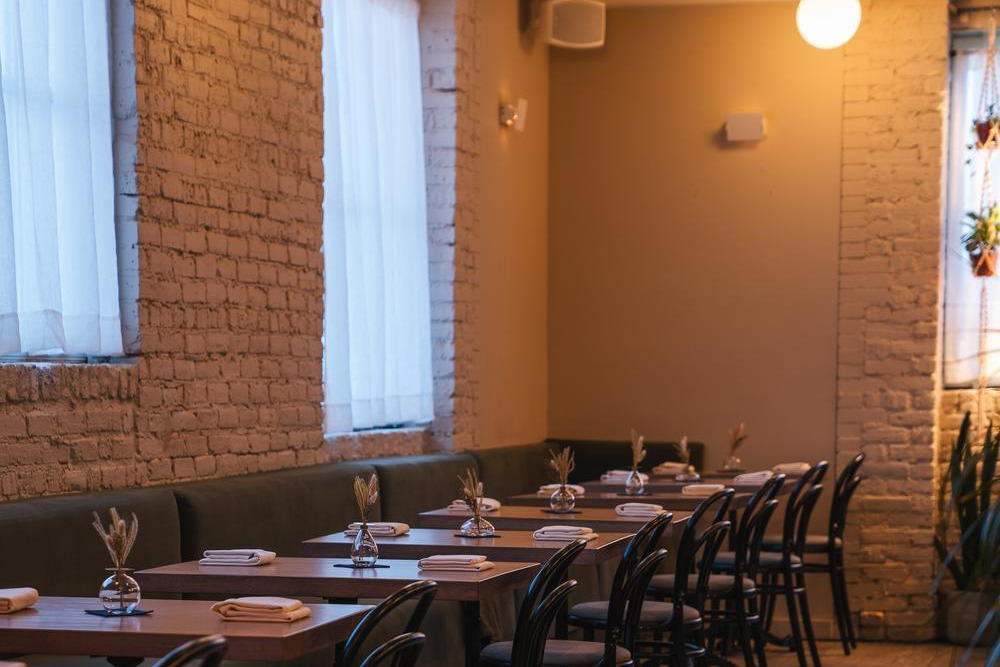
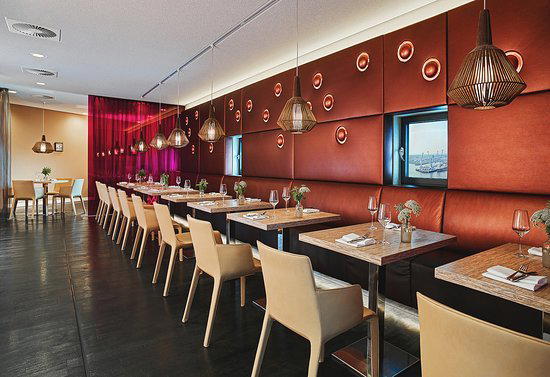
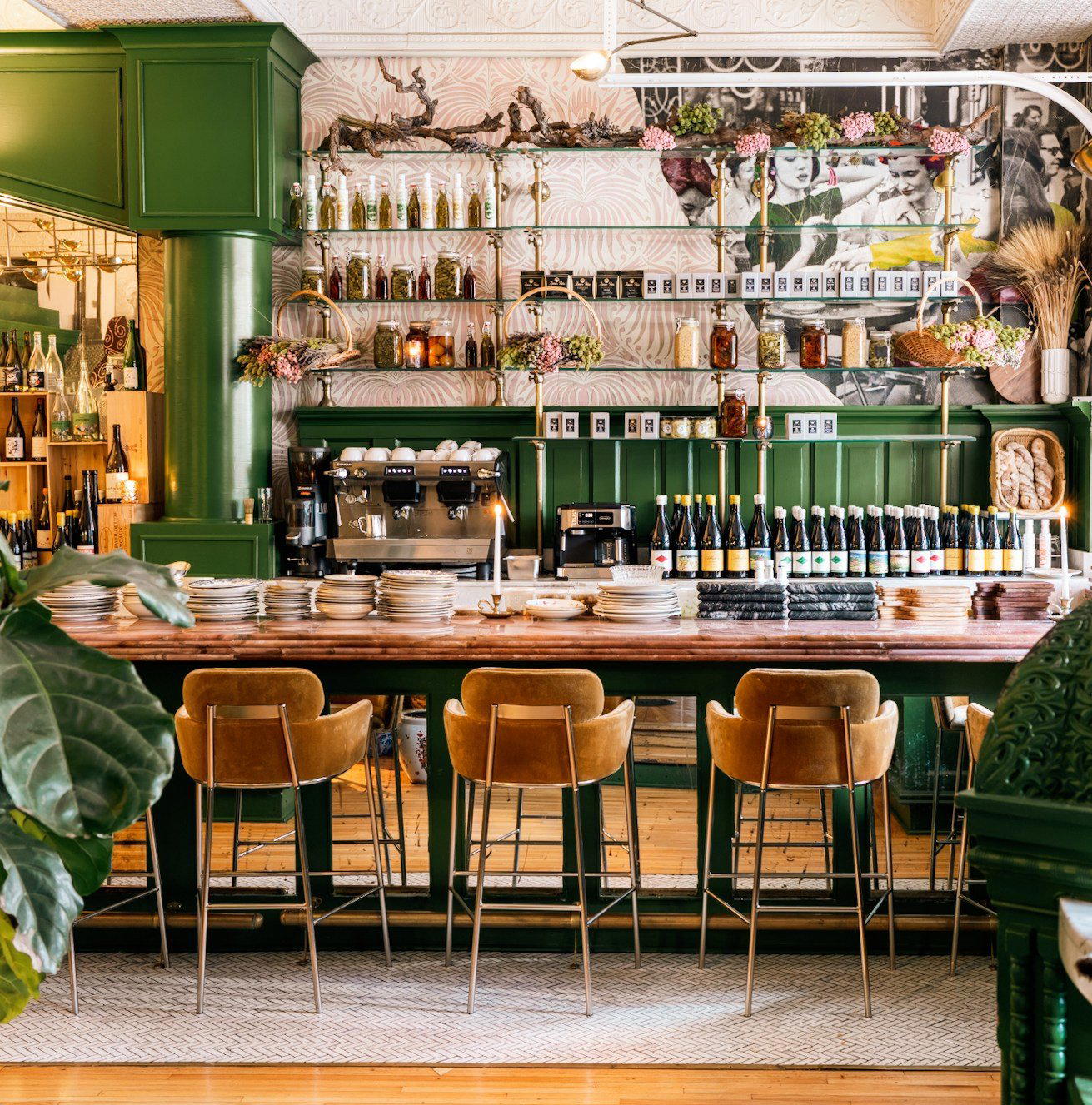
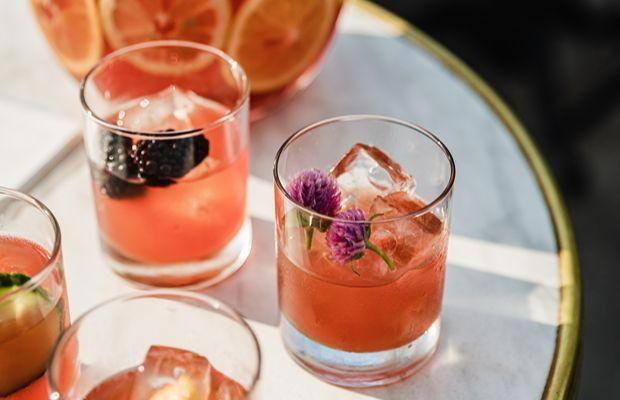
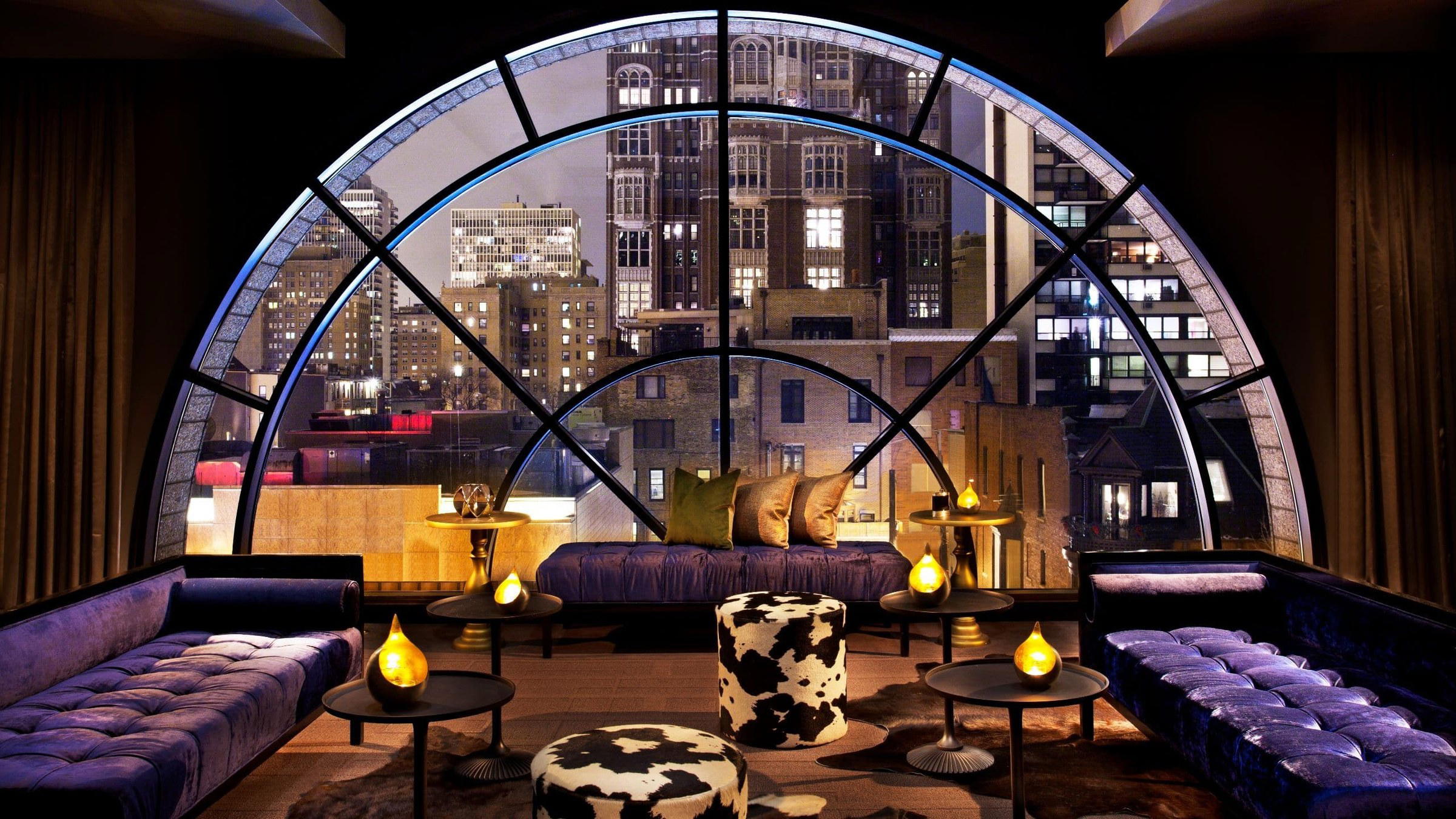
Blends comfort with elegance for exclusive and intimate dining occasions.