The Room and What It Communicates
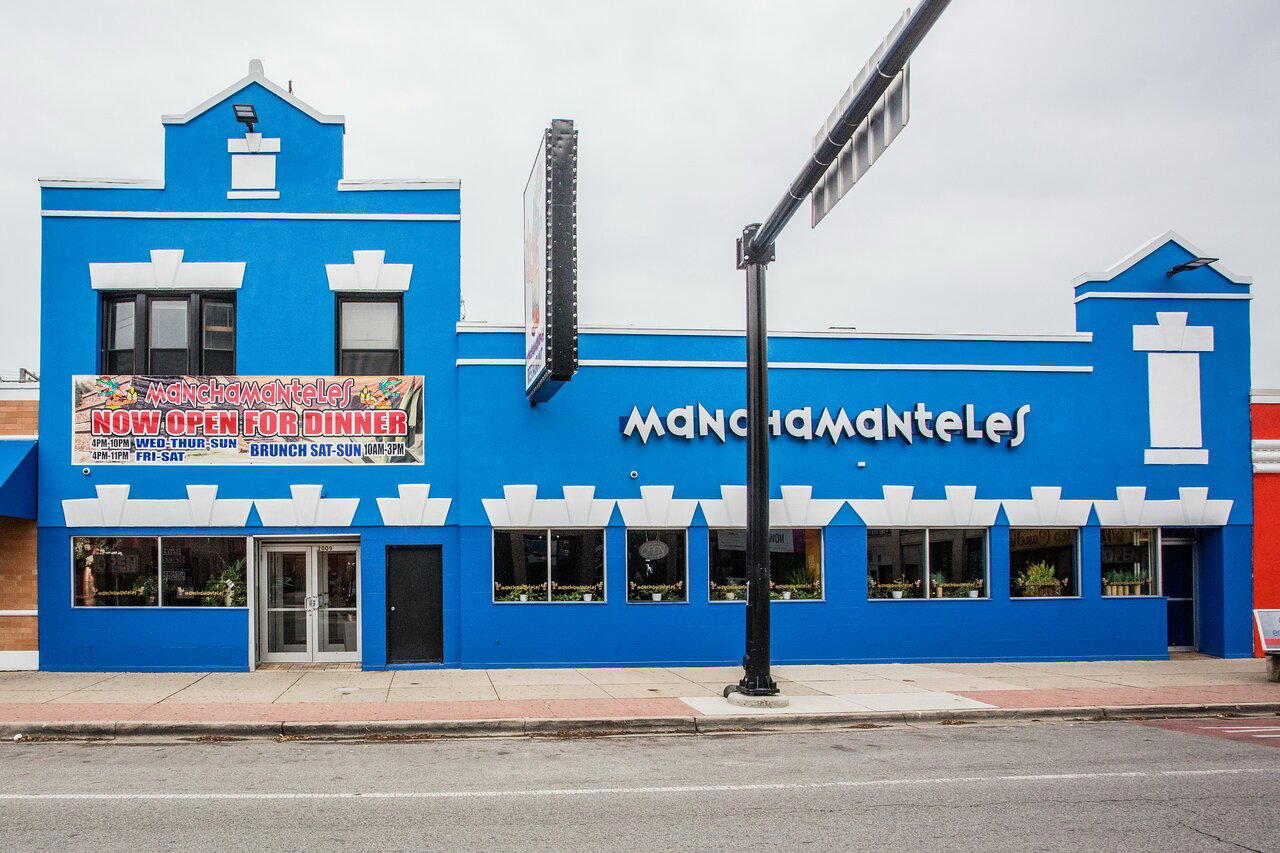
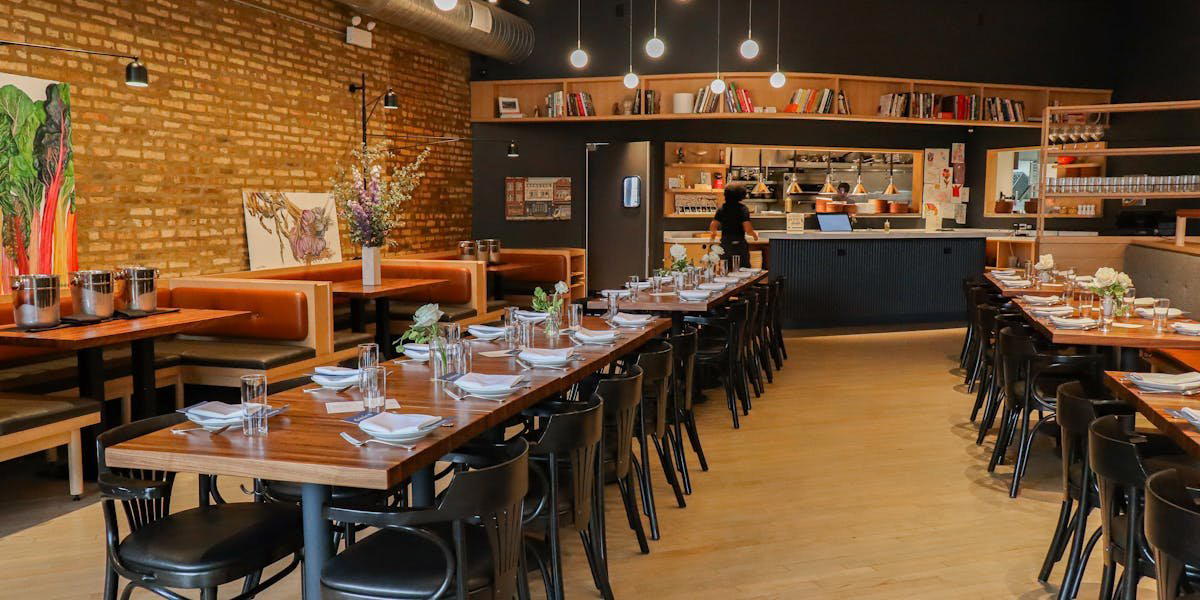
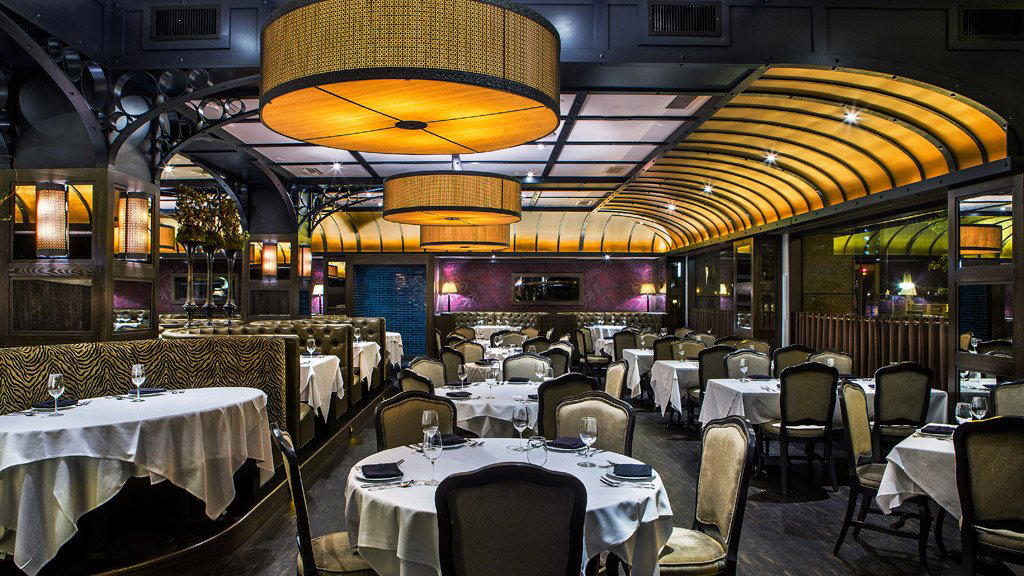
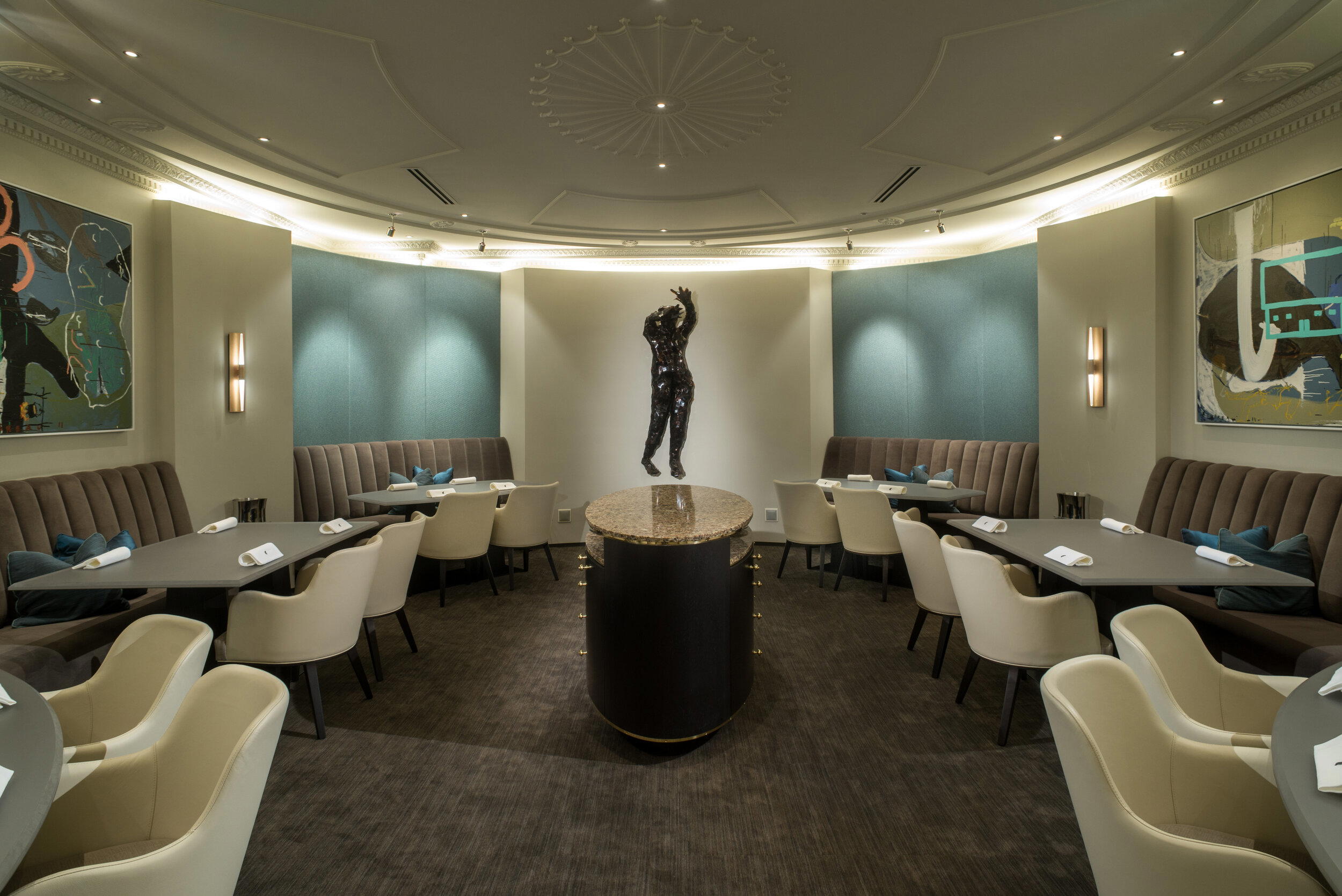
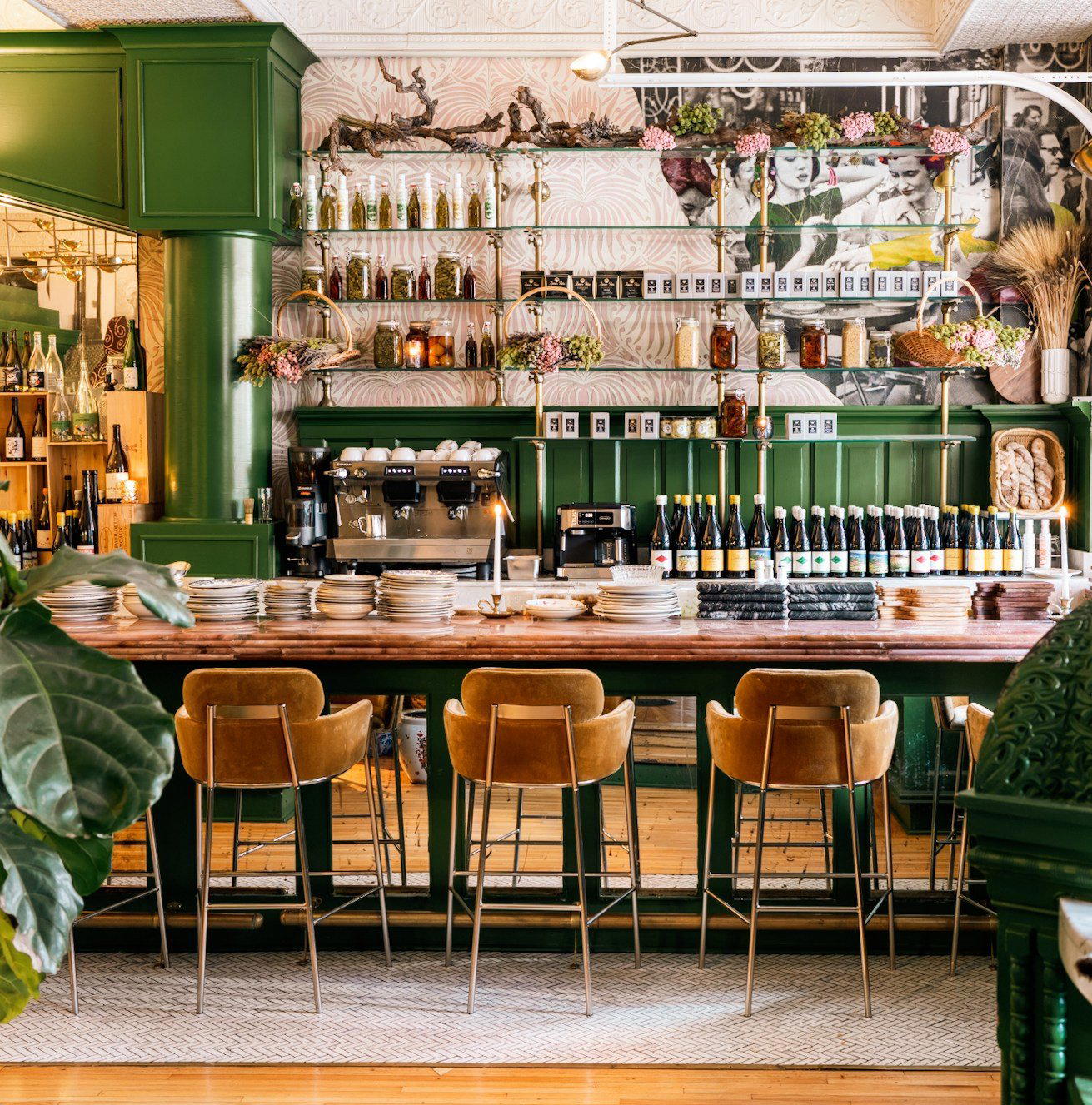
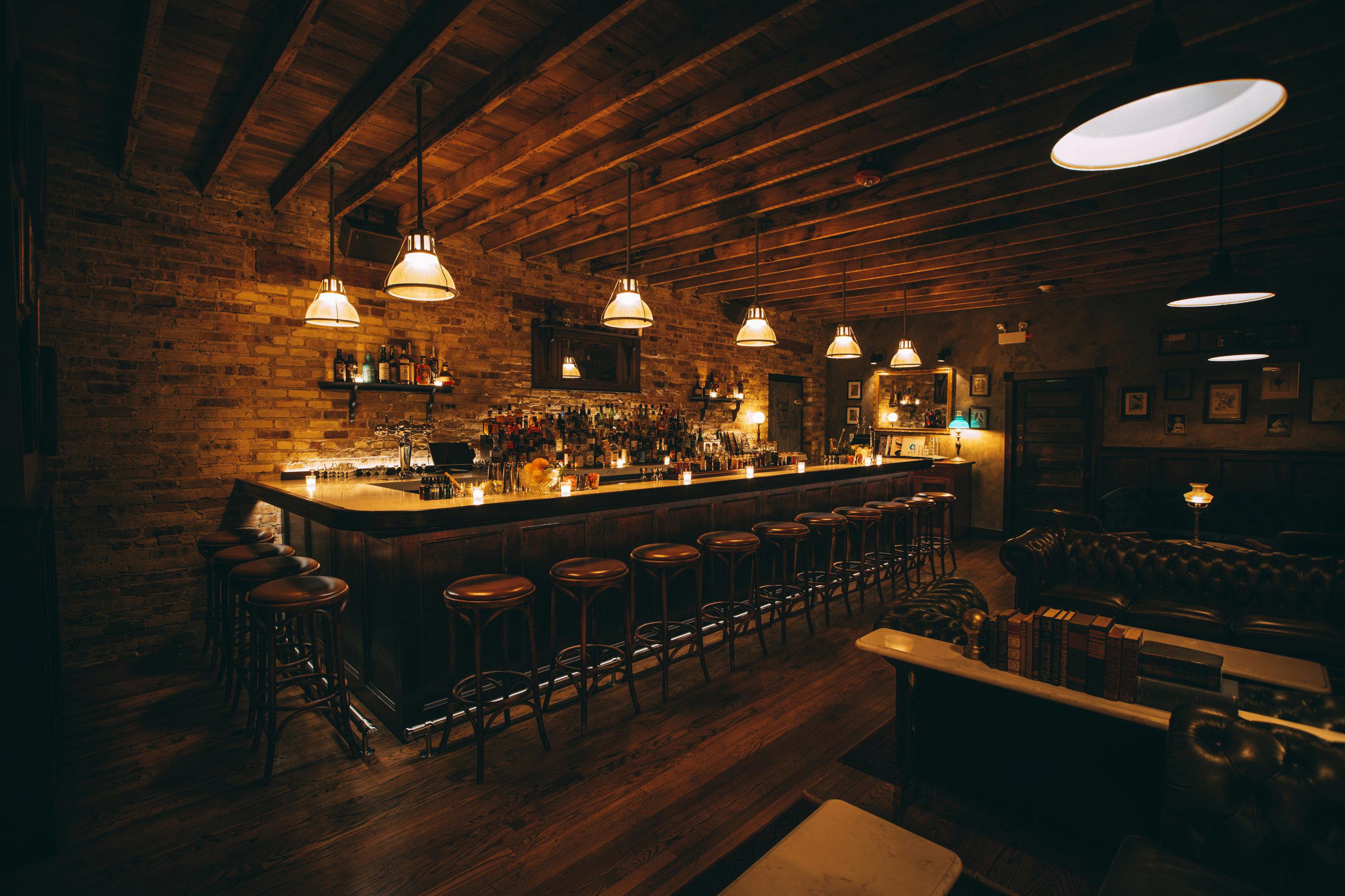
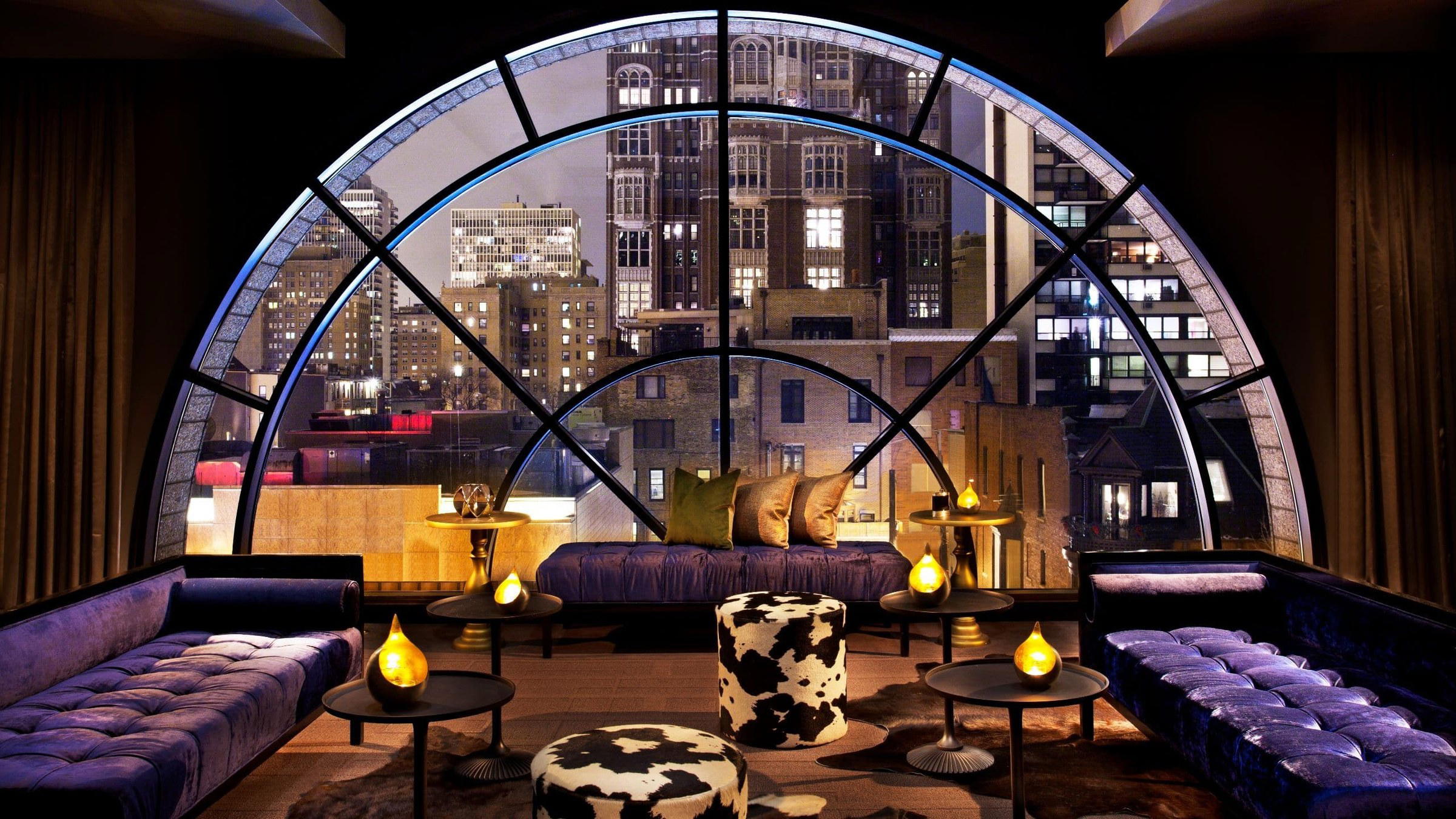
Chicago's serious independent restaurants tend to fall into two atmospheric registers: the spare, modernist room where the food is meant to carry everything, and the warmer, more textured space where the environment does part of the storytelling. Manchamanteles reads as the latter. The Western Avenue address puts it in a stretch of Logan Square where the street-level experience is still shaped by the neighborhood's working character, the contrast between exterior and interior is part of the transition a diner makes on arrival.
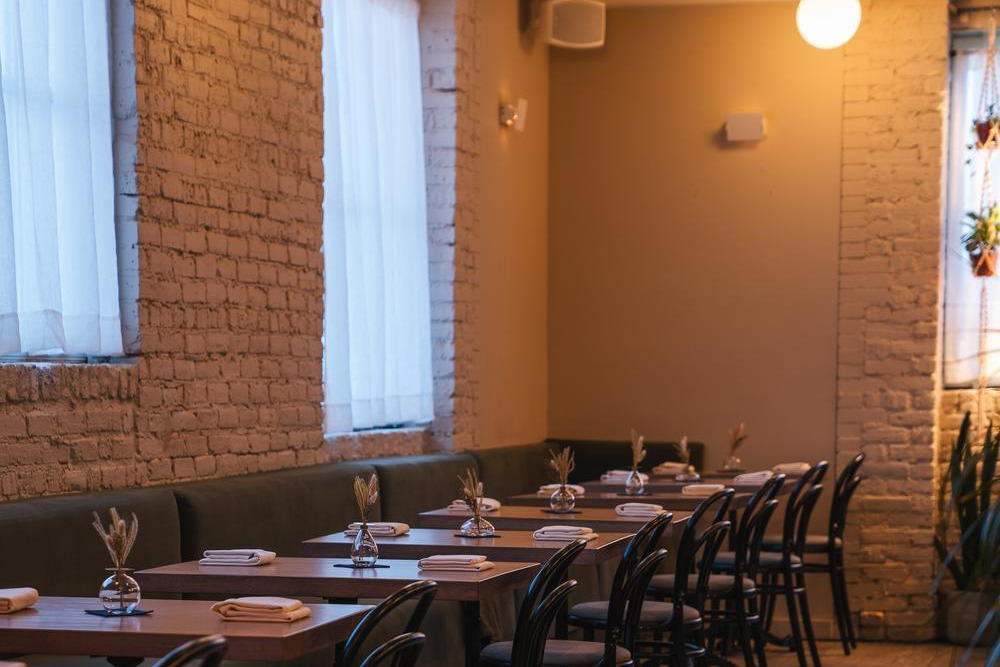
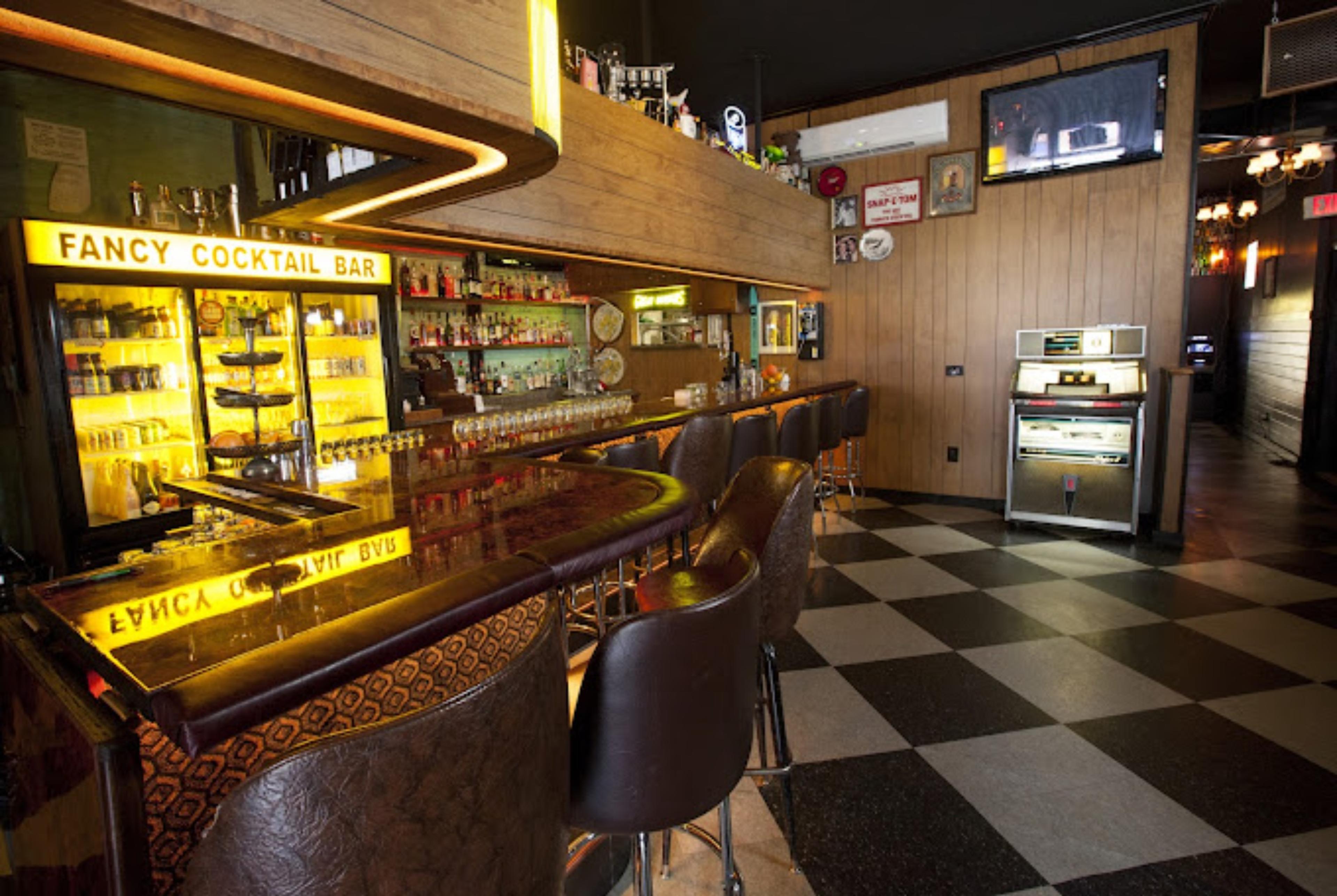
Inside, the atmosphere operates in the register that Mexican fine dining has developed most successfully in the United States: attentive without formality, warm without casualness that undermines the cooking's ambition. The sound level, the light quality, the pace at which a room like this moves, these are calibrated to support a meal that asks for some attention. This is not background-dining territory. The kitchen's reference point demands that a guest arrive prepared to engage with what arrives.
Across Chicago's higher-end independent scene, rooms like this sit in a peer group that includes Kasama, which applies a similar depth of cultural specificity to Filipino cooking, and operators further along the formality spectrum like Smyth and Oriole. Manchamanteles occupies a different cultural register from those addresses but competes for the same guest: someone who wants a meal grounded in a specific culinary tradition, executed with rigor.
The Culinary Tradition Behind the Name
Mexican cuisine in the United States has spent twenty years moving through distinct phases of recognition. The first wave of serious attention focused on regional authenticity, Oaxacan mole, Yucatecan cochinita, Veracruz seafood, often served in informal settings that kept prices accessible. The second wave, which has accelerated since roughly 2015, involves kitchens that apply fine-dining technique and tasting-menu structure to those same regional traditions. Chicago has produced several restaurants in this second wave, and Manchamanteles belongs to that cohort.
The manchamanteles sauce that names this restaurant is a useful lens for understanding the cuisine's complexity. It belongs to the same family as the great moles, poblano, negro, coloradito, in that it requires a sequence of dried and fresh chiles, ground separately, combined with tropical fruit (pineapple and plantain appear in most versions), and cooked low and slow with pork or chicken. The result sits at the intersection of savory, sweet, and acidic in a way that challenges simple description. It is the kind of preparation that a kitchen chooses to reference when it wants to signal seriousness about the depth of the tradition it is working in.
That tradition places Manchamanteles in a national conversation. Across the United States, the restaurants doing considered work with Mexican regional cooking have shown that the cuisine operates at the same level of technical complexity as the French or Japanese traditions that have historically dominated fine-dining recognition. Venues like Le Bernardin in New York City or The French Laundry in Napa set the standard for how a culinary tradition can be carried into a format that demands consistent, high-level execution. Mexican fine dining is now producing its own answers to that standard.
Where Manchamanteles Sits in Chicago's Broader Scene
Chicago's restaurant scene at the serious independent level is anchored by a handful of addresses that have shaped national expectations for the city: Alinea at the creative extreme, Next Restaurant in its rotating-concept format, Smyth and Oriole as the contemporary American standard-bearers. These venues define the city's reputation in international food media. Below that tier, but not in terms of quality, sits a layer of cuisine-specific independents where Logan Square has become especially productive neighborhood.
Manchamanteles at 2009 N Western Ave is in a part of Logan Square that has the density of serious restaurants to support an evening built around a single address. The neighborhood is accessible by public transit and by car. For visitors constructing an itinerary across the city's independent scene, Western Avenue in Logan Square functions as a destination stop rather than a casual detour.
Nationally, the Mexican fine-dining cohort Manchamanteles belongs to is developing peer-set comparisons with addresses like Lazy Bear in San Francisco and Blue Hill at Stone Barns in Tarrytown, restaurants where a specific culinary philosophy shapes every element of the experience, and where the guest's engagement with that philosophy is the basis of the meal. The format signals intent before a word is spoken. See our full Chicago restaurants guide for context on how Manchamanteles positions against the city's wider range of serious dining options.
Know Before You Go
Address: 2009 N Western Ave, Chicago, IL 60647
Neighborhood: Logan Square
Website: search the venue name directly for current reservation access.
Hours: Hours: Wed to Sun, with Monday and Tuesday closed.
Price range: about $50 per person.
Reservations are recommended.
Getting there: The 2009 N Western Ave address is at 2009 N Western Ave, Chicago, IL 60647.