Barcelona Tapas
On a quiet Uptown block where Dublin Street runs through one of New Orleans' most residential corridors, Barcelona Tapas occupies the kind of neighbourhood slot that Spanish-format dining tends to fill well in American cities: informal enough for a weeknight, considered enough to reward attention. The kitchen works within a tapas framework that suits the city's appetite for shared plates and extended table time.
 Discover on Pearl
Pearl is the En Primeur Club membership app — saves, bookings, and concierge access live there. Same editors, same standards.
- Address
- 720 Dublin St, New Orleans, LA 70118
- Phone
- +15048619696
- Website
- barcelonanola.com
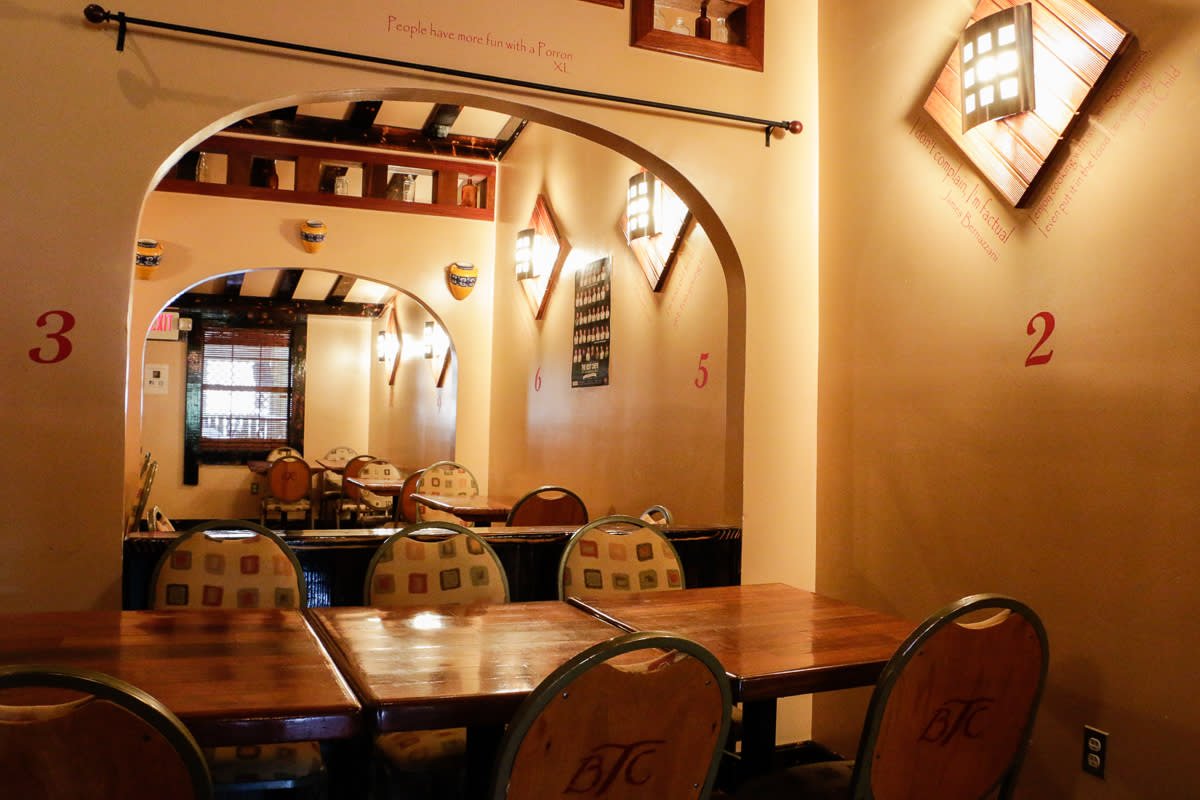
Dublin Street and the Logic of Uptown Dining
Uptown New Orleans operates on different rhythms than the French Quarter or the CBD dining corridor. The neighbourhood is residential in character, with a pedestrian scale that encourages local dining habits. Restaurants here tend to earn their keep from repeat local traffic rather than from walk-in visitors moving between sights. That dynamic shapes what works: formats that reward familiarity, kitchens that don't need to explain themselves nightly, and price points that sustain weekly visits. Spanish tapas, as a format, maps cleanly onto those conditions.
Barcelona Tapas sits at 720 Dublin St, in a part of Uptown that sits comfortably removed from the concentration of destination restaurants closer to Magazine Street or the Garden District. The address matters more than it might appear. Dining in this corridor means choosing a neighbourhood table over a scene, which is a meaningful distinction in a city where the scene, in certain rooms, can overwhelm the food. That's not a criticism of New Orleans' higher-profile dining rooms. It's an observation about what Uptown offers that those rooms don't: a lower register, a slower pace, and a dining posture oriented around the table rather than the occasion.
The Tapas Format in a City Built for Sharing
New Orleans has always been a sharing-plate city before the term became a menu category. The Creole tradition of communal table service, the po'boy counter culture, the jazz brunch format, all of these point toward a dining culture comfortable with informality and duration. Spanish tapas, with its architecture of small dishes designed for circulation and conversation, fits that sensibility more naturally here than it might in cities with more rigid dining conventions.
The tapas model also draws a meaningful contrast with the tasting-menu format that anchors much of the city's fine dining conversation. Rooms like Bayona and the long-running standard set by Emeril's operate in a register where the kitchen controls pacing and sequence. Tapas inverts that: the diner controls the meal's shape, ordering incrementally, spending longer at the table by choice rather than by ticking through a fixed progression. It's a more democratic format, and in a neighbourhood context, a more sustainable one.
This format has also proven durable across American cities at a moment when the mid-range dining tier is under pressure. Venues at the Zasu price point face real competition from both ends: the casual end undercuts on price, the tasting-menu end captures the occasion spend. Spanish tapas occupies a middle lane that trades on conviviality and repetition rather than singularity.
Spanish Cuisine in the American South: What Translates
Spanish food has a longer American footprint than the current tapas-bar enthusiasm might suggest. The culinary links between Iberian cooking and Gulf Coast cuisine run through Louisiana's colonial history, through shared ingredients, shared preservation techniques, and a shared orientation toward pork, shellfish, and rice. That doesn't make a tapas restaurant in New Orleans culturally indigenous, but it does mean the format lands with less friction here than in cities without those connective threads.
The shared-plate format also connects to the broader American pattern of Spanish-influenced dining that has spread from coastal cities to mid-market urban neighbourhoods. What distinguishes stronger entrants in this category is kitchen discipline around temperature, timing, and sourcing. Patatas bravas served cold, or croquetas with an unset interior, are the marks of a kitchen cutting corners on technique. Tortilla española that holds its shape and releases cleanly signals the opposite. These are the granular signals that separate a genuine tapas kitchen from a kitchen that's borrowed the format without the underlying craft.
For readers tracking the broader American fine-dining map, reference points like Le Bernardin in New York City, The French Laundry in Napa, or Lazy Bear in San Francisco sit in a different tier and format entirely. The comparison isn't competitive, it's structural: those rooms are architect-designed experiences where every variable is controlled. A neighbourhood tapas bar operates on a different contract with the diner, one built on accessibility, repeatability, and the specific pleasures of an unscripted evening. Other notable comparators in that architect-designed tier include Smyth in Chicago, Single Thread Farm in Healdsburg, Providence in Los Angeles, Blue Hill at Stone Barns in Tarrytown, Addison in San Diego, The Inn at Little Washington, Frasca Food & Wine in Boulder, Atomix in New York City, and Atelier Moessmer Norbert Niederkofler in Brunico.
Placing Barcelona Tapas in the New Orleans Dining Picture
New Orleans' restaurant identity is anchored by Creole and Cajun cooking, and rightly so. Commander's Palace, Dooky Chase, Galatoire's: these are institutions that have defined what the city means in culinary terms for over a century. But the city's dining picture has diversified considerably in the past two decades, and Uptown in particular has absorbed formats that would have read as incongruous a generation ago. Spanish tapas is one of them.
Within the Uptown corridor, Barcelona Tapas occupies the casual-to-mid end of the neighbourhood's dining spectrum, which is the segment with the highest local repeat traffic and the lowest dependence on visitor spend. That's a structurally sensible position. It's also the segment that's hardest to sustain, because local regulars are less forgiving of inconsistency than visitors who won't return regardless.
Know Before You Go
| Address | 720 Dublin St, New Orleans, LA 70118 |
|---|---|
| Neighbourhood | Uptown, New Orleans |
| Format | Spanish tapas, shared plates |
| Pricing | Not confirmed; mid-range tapas format typical for category |
| Reservations | Contact venue directly; booking policy unconfirmed |
| Hours | Not confirmed; verify before visiting |
| Getting There | Uptown is accessible by streetcar on the St. Charles line; Dublin St is a short walk from Magazine St corridor |
Comparison Snapshot
Comparable venues nearby, for context on price, style, and recognition.
| Venue | Cuisine | Price | Awards | Notes |
|---|---|---|---|---|
| Barcelona TapasThis venue — the venue you are viewing | Authentic Spanish Tapas & Paella | $$ | , | |
| Lola's | Authentic Spanish Tapas | $$ | , | Fairgrounds |
| Maïs Arepas | Colombian Arepas | $$ | , | Central City |
| PIZZA domenica | Wood-Fired Italian Pizza | $$ | , | Uptown |
| Superior Grill | Authentic Tex-Mex | $$ | , | Milan |
| Taquerias Carnalito | Authentic Mexico City Taqueria | $$ | , | Arts District |
Continue exploring
More in New Orleans
Restaurants in New Orleans
Browse all →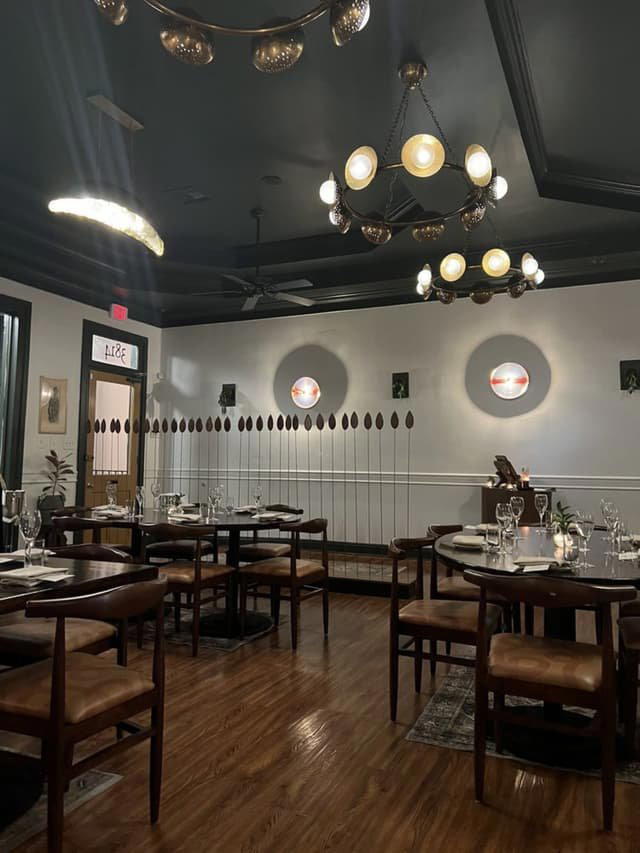
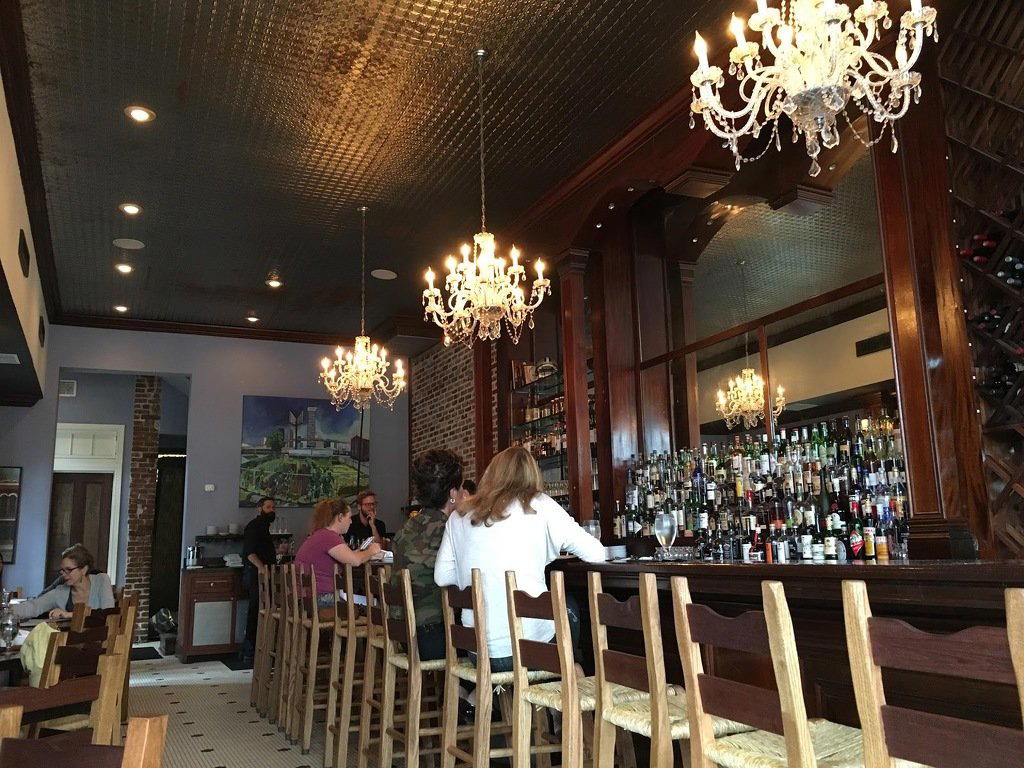
Bars in New Orleans
Browse all →
At a Glance
- Romantic
- Elegant
- Modern
- Date Night
- Group Dining
- Special Occasion
- Private Event
- Private Dining
- Terrace
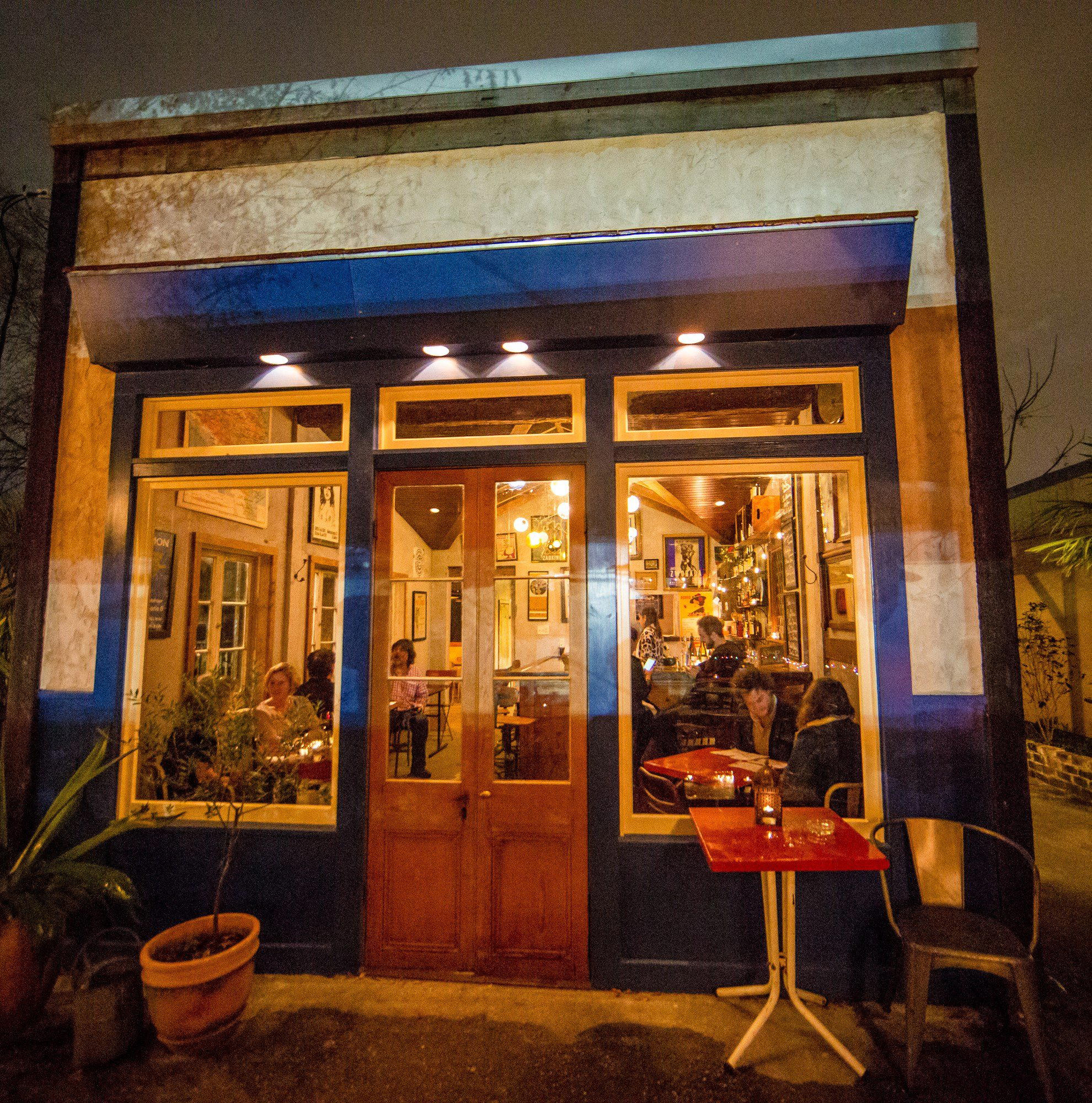
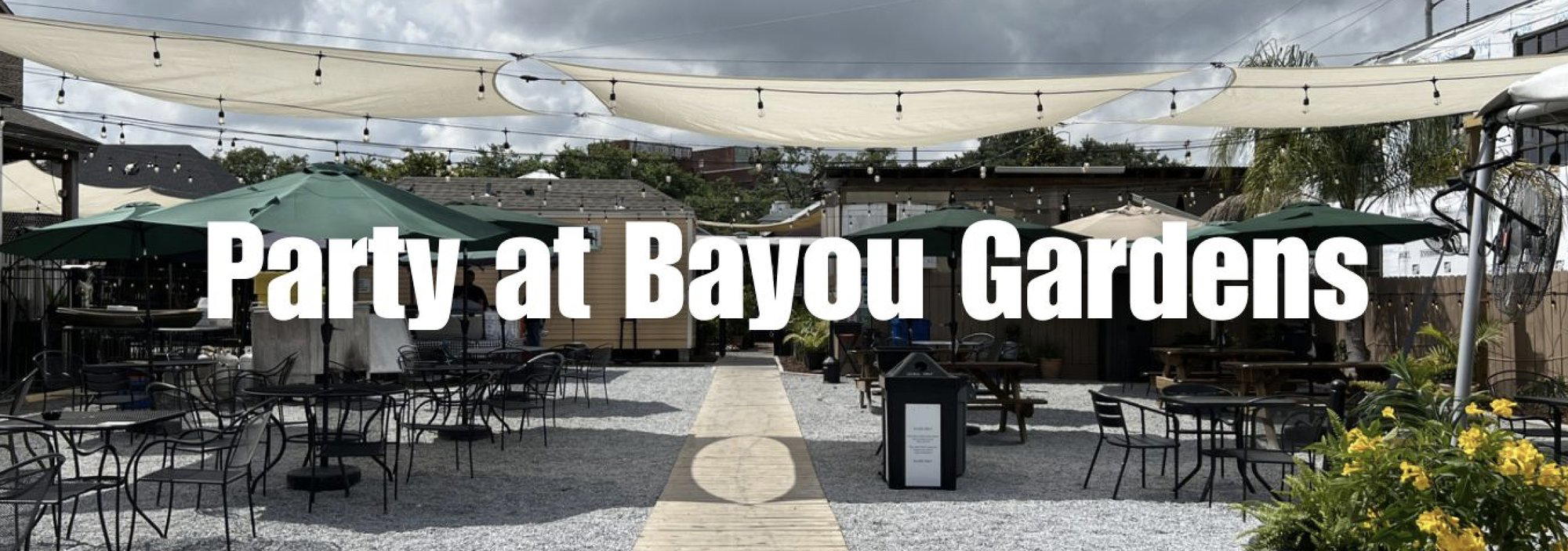
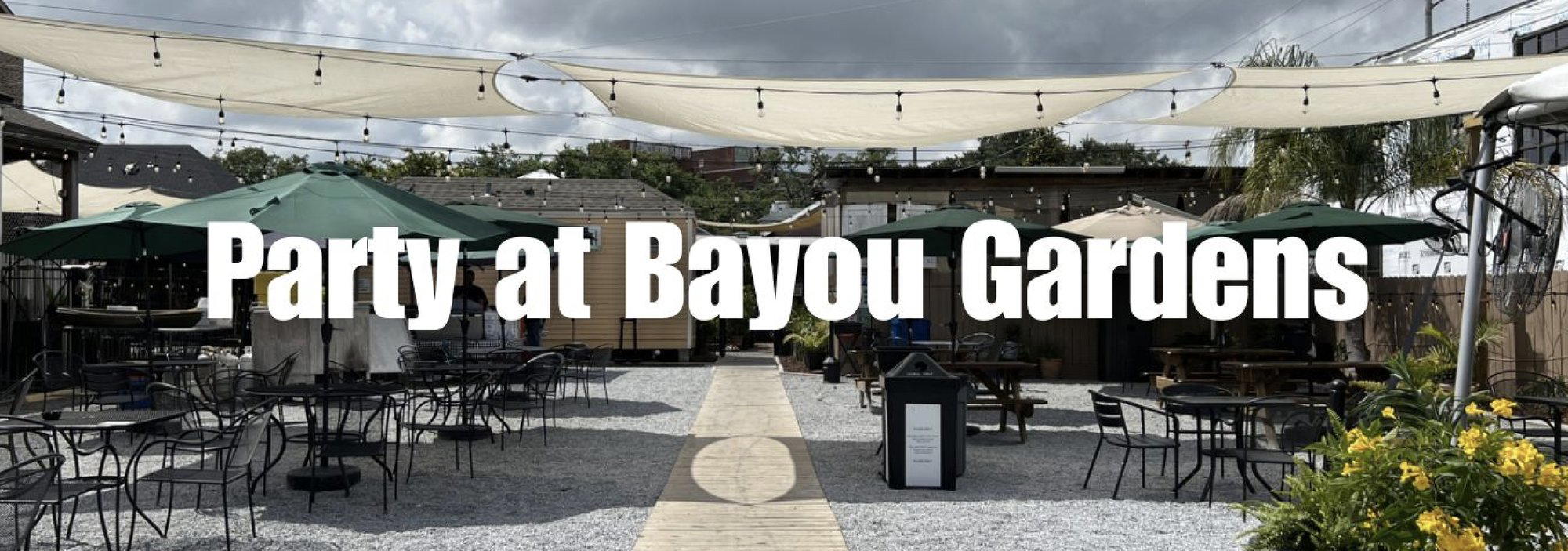
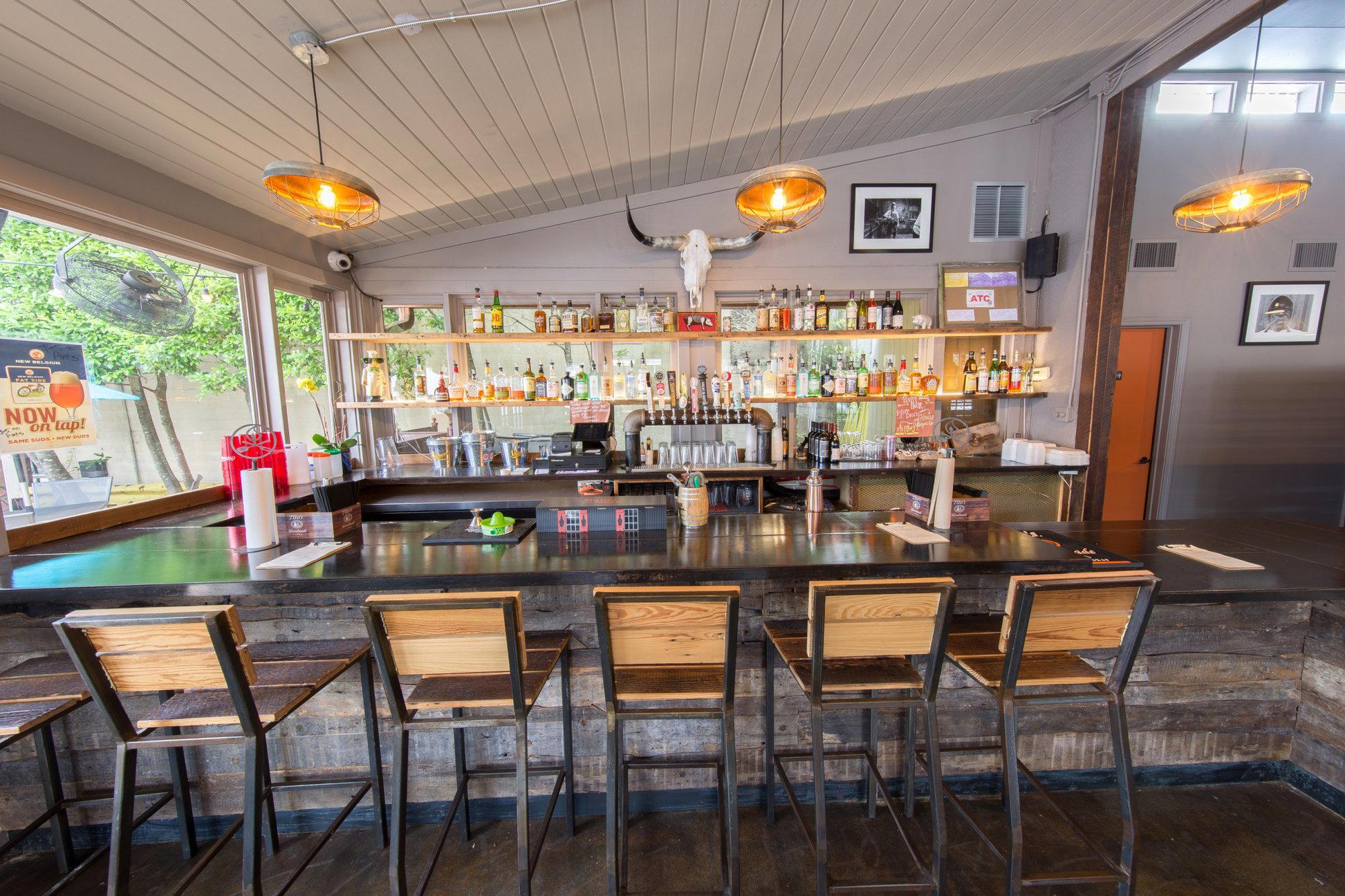
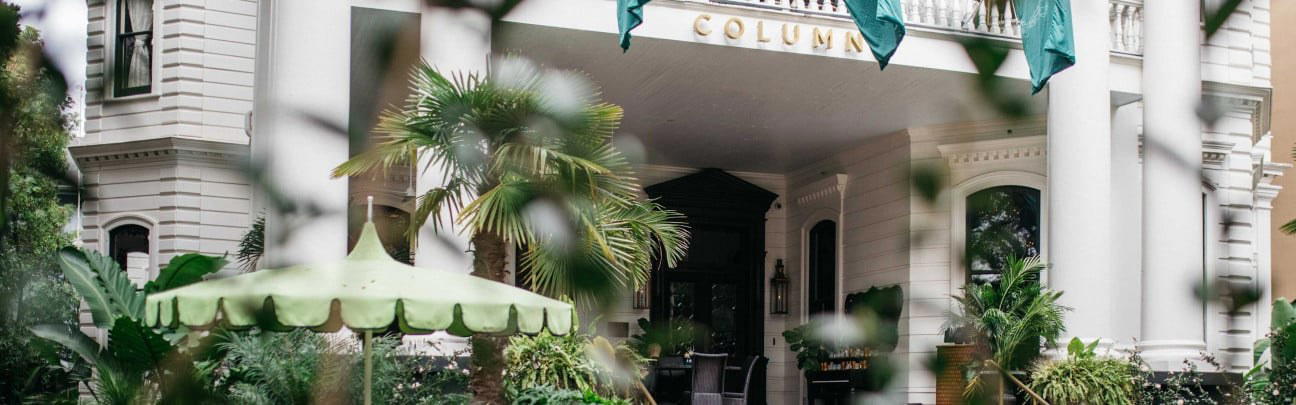
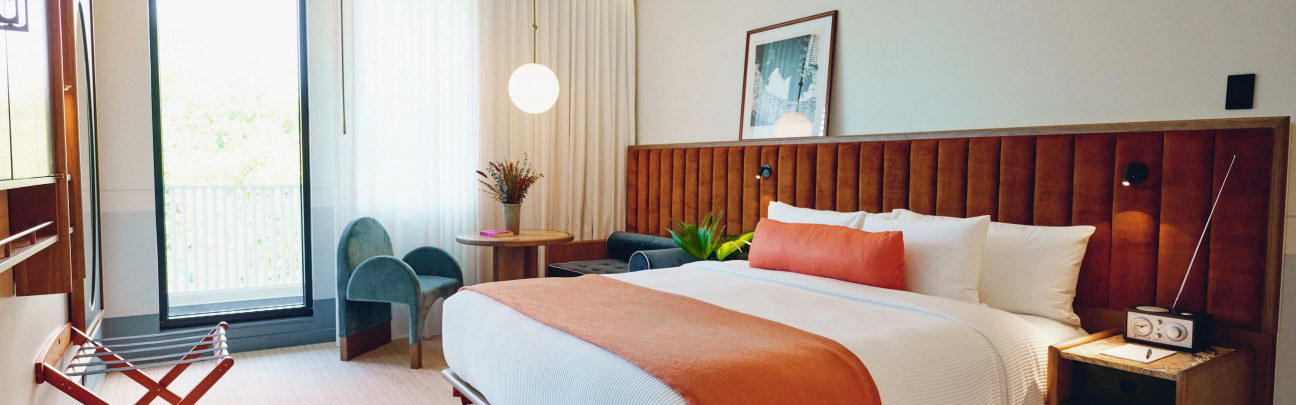
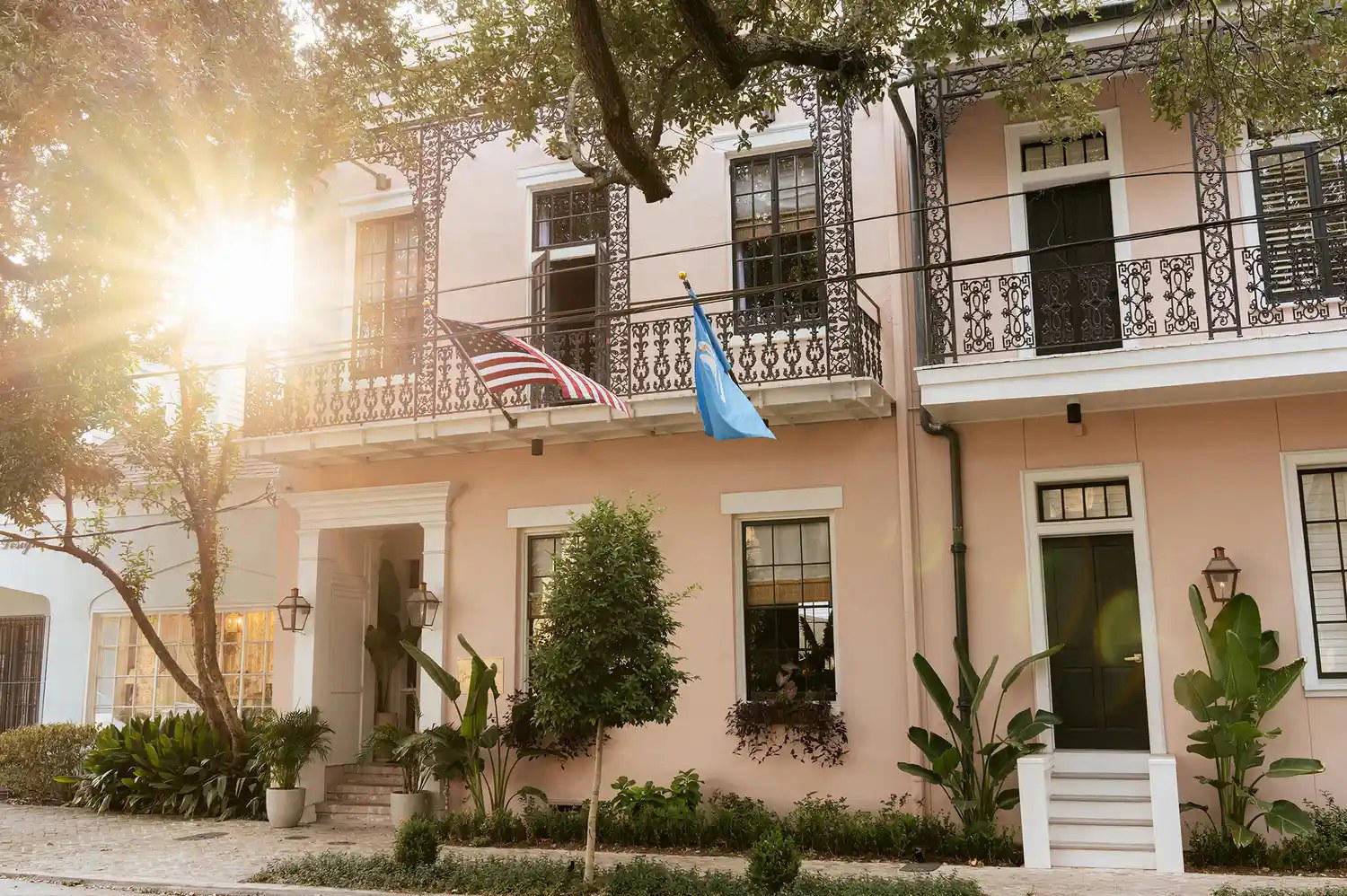
Modern Spanish décor in a romantic setting within a restored historic cottage, featuring a covered patio.