Lola's
On Esplanade Avenue at the edge of the Tremé, Lola's occupies a stretch of New Orleans where Spanish settlers once shaped the city's culinary DNA. The kitchen works within that tradition, drawing on local Gulf ingredients and applying technique that sits somewhere between the old-world Mediterranean and the deep Louisiana pantry. A neighbourhood fixture with a loyal following and little appetite for self-promotion.
Pearl is the En Primeur Club membership app — saves, bookings, and concierge access live there. Same editors, same standards.
- Address
- 3312 Esplanade Ave, New Orleans, LA 70119
- Phone
- +15044886946
- Website
- lolasneworleans.com
- Directions
- Get directions
 Saves & bookings on Pearl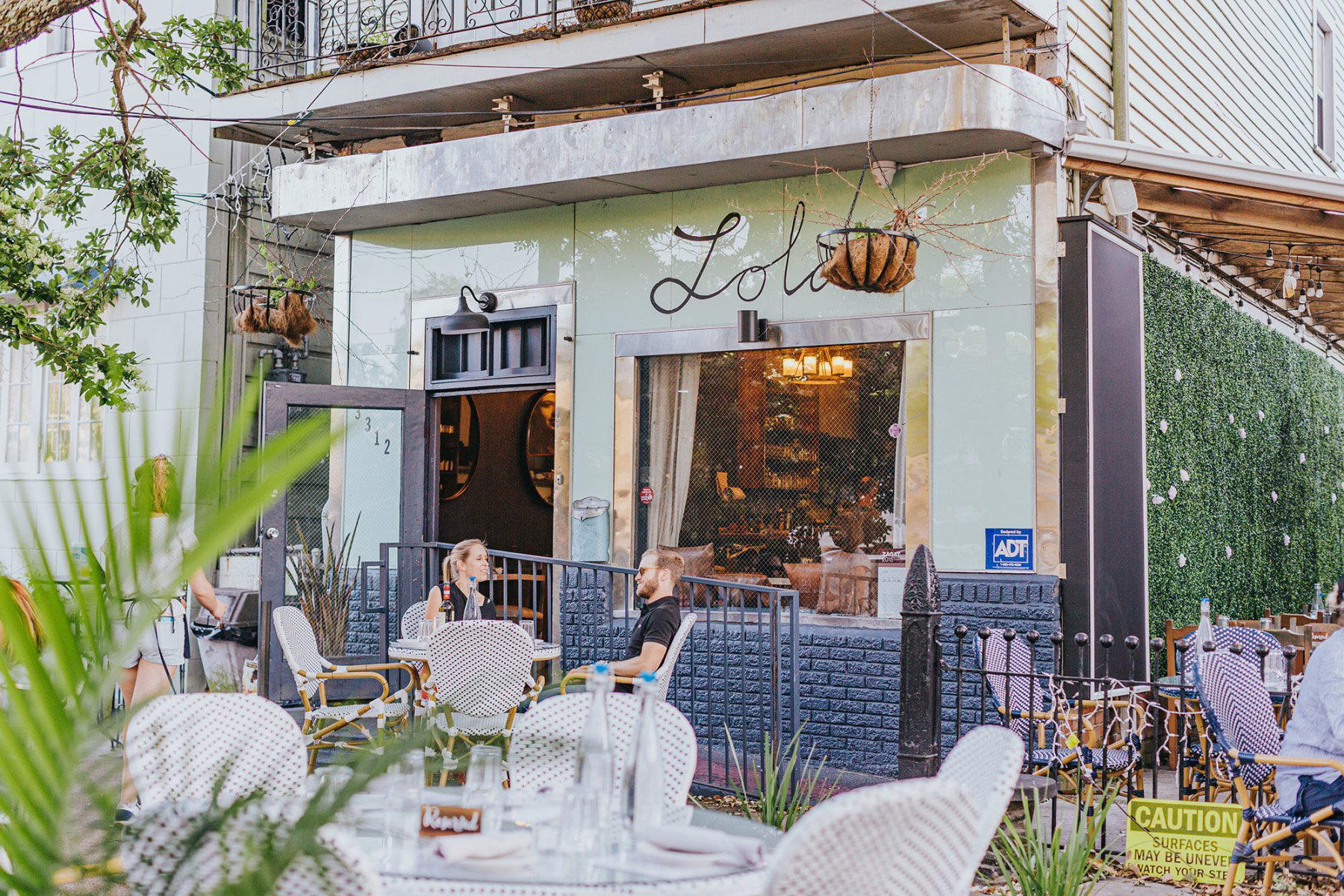
Esplanade Avenue and the Cooking That Belongs Here
Esplanade Avenue runs northeast from the French Quarter toward City Park, and the blocks around 3300 trace the older edges of the Tremé, one of the country's longest-settled African American neighbourhoods and a district that fed the city's musical and culinary imagination long before tourism arrived. The architecture along this stretch is residential, wide porches, dense canopy, the occasional corner bar, and restaurants that hold on here tend to do so because the neighbourhood adopted them, not because a marketing campaign found them. Lola's is a restaurant serving Authentic Spanish Tapas at 3312 Esplanade Ave, New Orleans, LA 70119.
In a city where the dominant dining conversation centres on French Creole heritage and Cajun technique, the Spanish culinary thread is comparatively underplayed. New Orleans was under Spanish rule for nearly four decades before the Louisiana Purchase, and that period left more than just street names: it left flavour logic, spicing habits, and a comfort with saffron, olive oil, and rice-centred dishes that threads through the city's cooking even when nobody acknowledges it directly. Lola's works explicitly within that lineage, which puts it in a category occupied by few addresses in the city.
Where the Technique Meets the Pantry
The broader pattern in American restaurant cooking over the last two decades has been the application of European or global technique to local American ingredients. In Louisiana, that conversation plays out with particular intensity, because the local pantry is genuinely extraordinary: Gulf seafood, Louisiana rice, Creole tomatoes, andouille from River Road parishes. The question for any serious kitchen here is how to work with those ingredients without defaulting to the same Cajun-Creole canon that many New Orleans dining rooms already represent.
Lola's approach is to lean into the Spanish side of the city's past, applying Iberian cooking logic, paella construction, garlic-forward saucing, the use of saffron as a structural flavour rather than a garnish, to a Gulf Coast ingredient set. This is not fusion in any self-conscious sense. It reads more like a restoration project, treating Spanish technique as native to New Orleans rather than imported. Comparable approaches appear in other American cities: Bayona in the Quarter has long worked Mediterranean influence into Louisiana product, though with a broader global frame. Lola's narrows the aperture to the Iberian specifically.
That narrowing matters editorially, because it places Lola's in a distinct comparable set from the Creole establishments that define the city's fine-dining identity. Commander's Palace, Emeril's, and Re Santi e Leoni all work within the French-inflected Creole tradition. Lola's is doing something structurally different, and the neighbourhood it chose reflects that: Esplanade is not the Quarter, and the restaurant is not bidding for the same dining occasion.
The Neighbourhood Fixture and What That Means
Restaurants that achieve genuine neighbourhood-fixture status in New Orleans tend to resist the city's tendency toward performance. The city has a spectacular talent for theatrical dining, the parade-route rooms, the white-tablecloth legacy houses, the cocktail bars built around ritual. Neighbourhood institutions operate by different rules. The room is usually quiet, the lighting functional, the crowd a mix of locals who have been coming for years and out-of-towners who found their way here through a friend's recommendation rather than a press piece.
That dynamic describes Lola's more accurately than any description of the food alone. The address on Esplanade is residential enough that first-time visitors occasionally wonder whether they have the right block. That low-profile positioning is consistent with how the restaurant operates: it does not seek out press cycles or awards campaigns in the way that the city's more prominent dining rooms do. For context, addresses like Saint-Germain and Zasu operate in a more visible register, with tasting menus and the awards infrastructure that supports that format. Lola's occupies the other end of the spectrum.
Across the broader American fine-dining conversation, the tension between technically ambitious neighbourhood restaurants and the formal tasting-menu tier is well established. Lazy Bear in San Francisco, Alinea in Chicago, The French Laundry in Napa, Le Bernardin in New York City, and Providence in Los Angeles all operate within the high-formality, high-visibility tier. Lola's is not in that conversation. What it offers is something the awards-circuit restaurants generally cannot: a dinner that feels like it belongs to a place, not to a category.
Ingredient Logic and the Gulf Coast Connection
The relationship between imported method and local product defines what makes a restaurant like this credible rather than merely eccentric. Spanish technique applied to generic ingredients produces a restaurant that could exist anywhere. Spanish technique applied to Gulf shrimp, Louisiana-grown saffron-adjacents, and rice from the Acadian parishes produces something that can only exist here.
That specificity of place is what separates the better neighbourhood-fixture restaurants from their lower-effort counterparts. Across the American South, a generation of kitchens has learned to treat regional ingredients with the same seriousness that Burgundy treats its terroir. Blue Hill at Stone Barns in Tarrytown, Single Thread Farm in Healdsburg, Bacchanalia in Atlanta, and Addison in San Diego all operate within that framework, each anchoring their menus to the agricultural character of a specific region. Lola's works at a lower price register and without the farm-to-table branding apparatus, but the underlying logic is the same: the ingredient context is not interchangeable.
Imported technique and local or regional product can coexist without either cancelling the other out.
Know Before You Go
Address: 3312 Esplanade Ave, New Orleans, LA 70119
Neighbourhood: Esplanade Ridge, adjacent to the Tremé
Reservations: Recommended
Price range: About $35 per person
Dress code: Casual
Cuisine and Credentials
Comparable venues nearby, for context on price, style, and recognition.
| Venue | Cuisine | Price | Notes |
|---|---|---|---|
| Lola'sThis venue — the venue you are viewing | Authentic Spanish Tapas | $$ | Not listed |
| Santa Fe | Spanish & Southwestern Cuisine | $$ | Fairgrounds |
| Phở Tầu Bay Restaurant | Traditional Vietnamese Pho | $$ | Central Business District |
| Mona Lisa | Italian-American Pizza and Pasta | $$ | French Quarter |
| Gumbo Shop | Authentic Creole | $$ | French Quarter |
| Domenica | Modern Italian Pizza and Pasta | $$ | Central Business District |
Continue exploring
More in New Orleans
Restaurants in New Orleans
Browse all →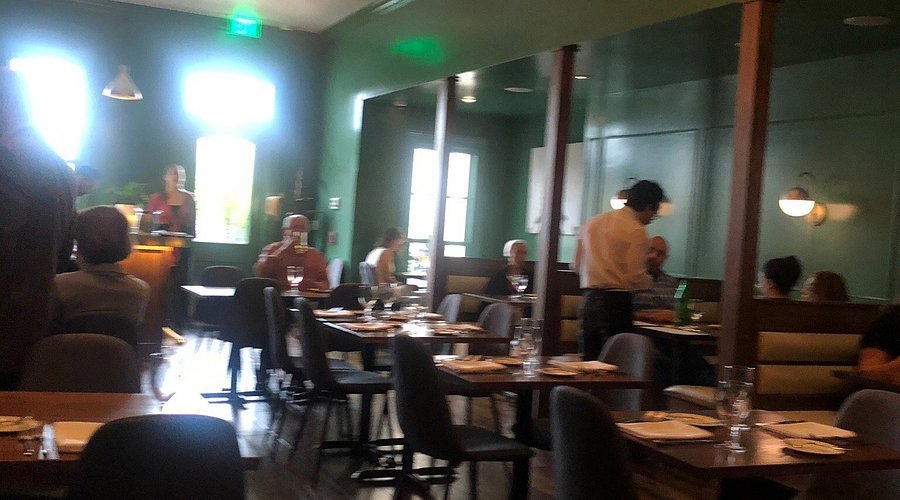
Bars in New Orleans
Browse all →


At a Glance
- Classic
- Cozy
- Date Night
- Casual Hangout
- Byob
- Street Scene
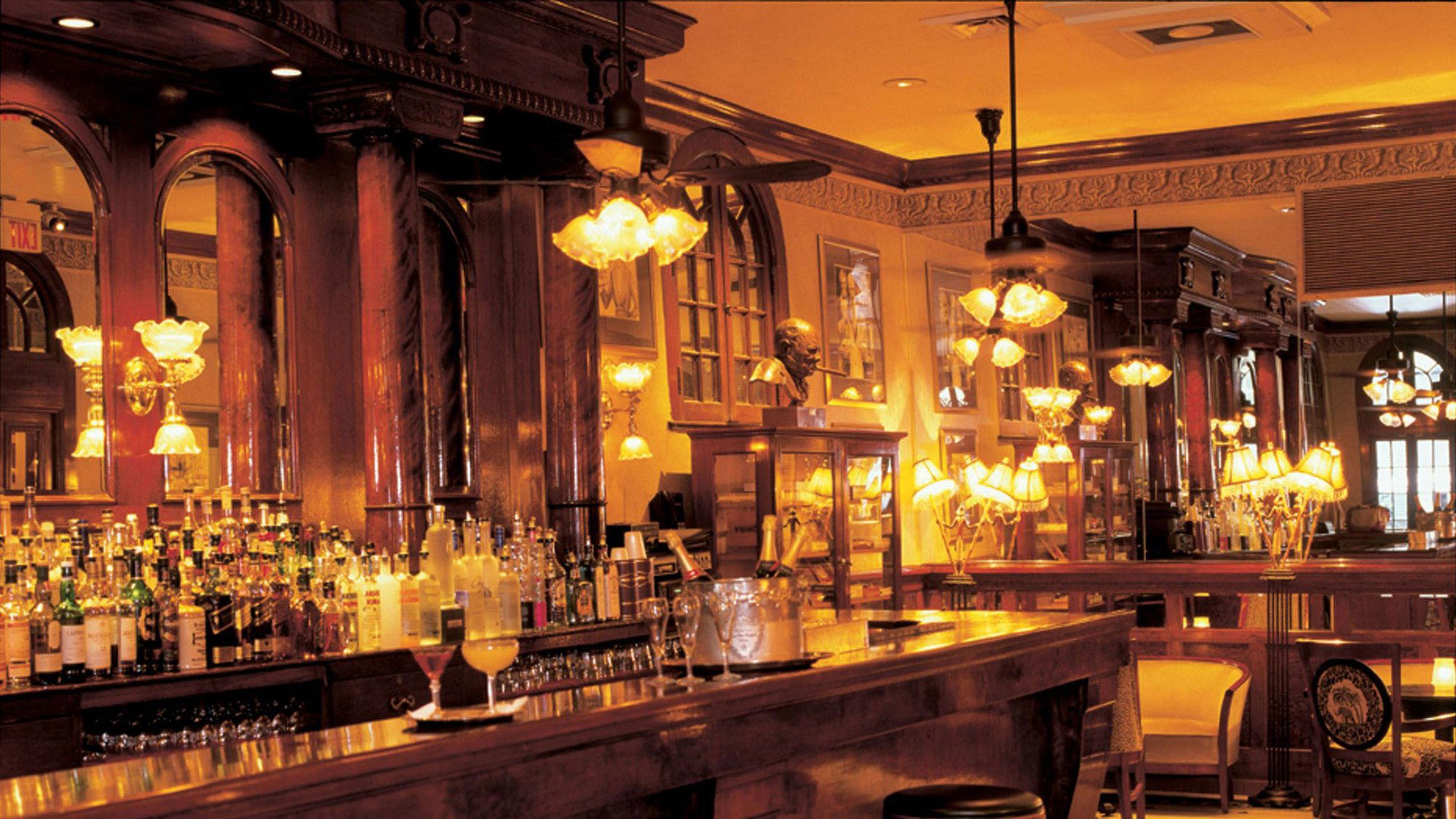
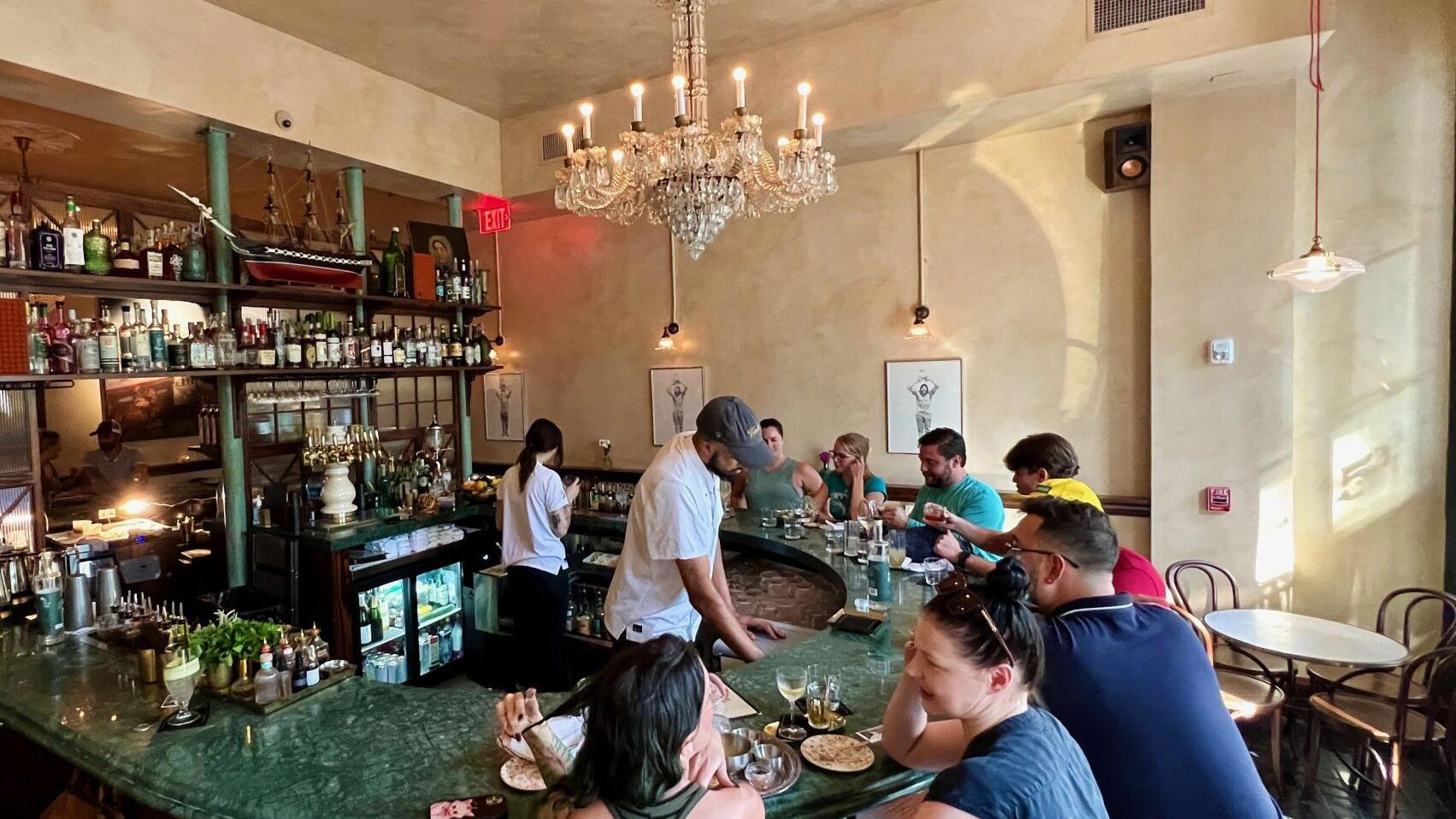
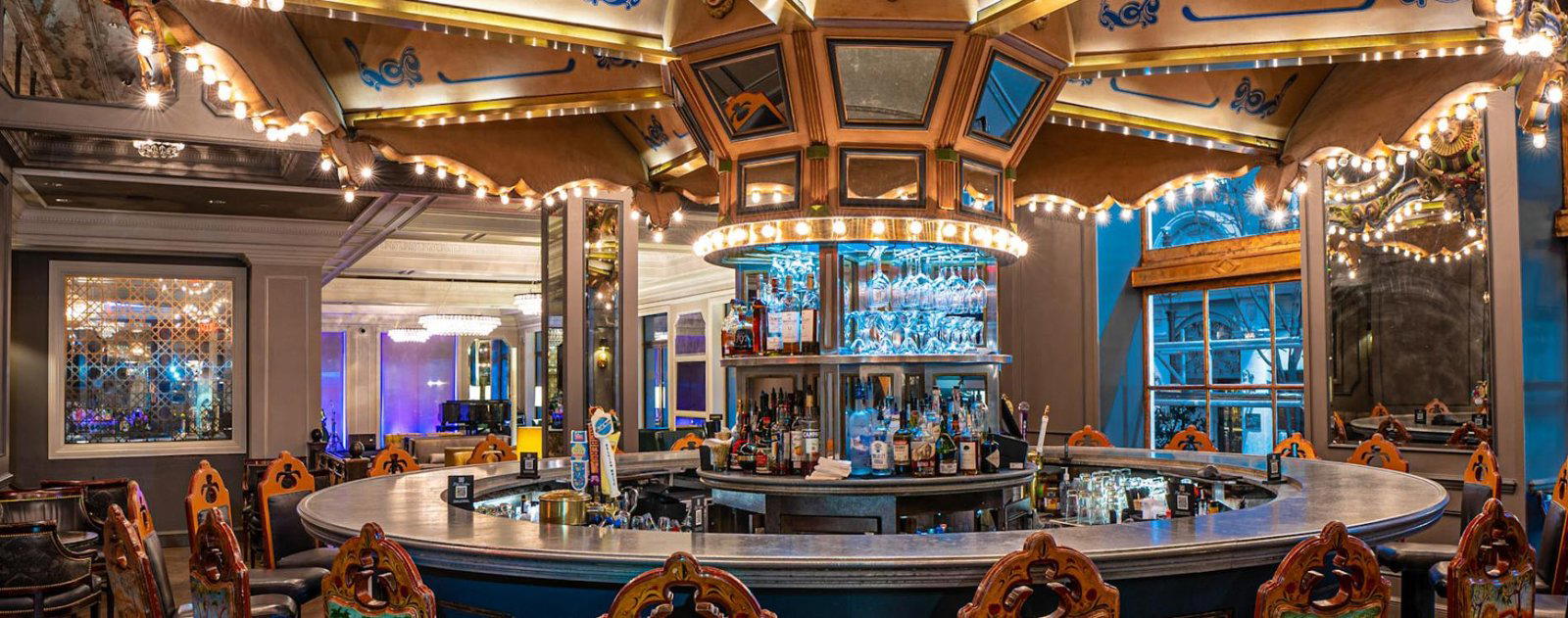
Comfy sofa seating on one side with beautiful Esplanade Avenue views and outdoor options for a relaxed, classic atmosphere.