Taquerias Carnalito
Taquerias Carnalito brings Mexico City-style street food to New Orleans, a city whose own taco culture has historically played second fiddle to its Creole and Cajun traditions. The format here is direct: tacos built with the precision and ingredient focus of D.F. street cooking, sitting in a dining scene that tends to reward exactly this kind of specificity. A focused, no-frills stop in a city full of elaborate productions.
Pearl is the En Primeur Club membership app — saves, bookings, and concierge access live there. Same editors, same standards.
- Address
- 930 Poydras St Ste 100, New Orleans, LA 70112
- Phone
- (504) 381-5470
- Website
- taqueriascarnalito.com
- Directions
- Get directions
 Saves & bookings on Pearl
Where Mexico City Street Logic Meets the New Orleans Appetite
New Orleans dining has long operated on a kind of confident insularity. The city's Creole and Cajun traditions are so deeply codified that outsider formats either adapt to the local grammar or struggle to find footing. The city's established institutions, places like Emeril's and Bayona, built their reputations by working within and expanding that local tradition rather than working against it. What makes the taco format interesting in this context is precisely that it doesn't try to negotiate with the city's culinary orthodoxy. Mexico City-style street food operates on its own rules: high-quality protein, handmade tortillas, minimal garnish, and a pricing logic that assumes volume over margin. Taquerias Carnalito lands in that tradition.
The street-food taqueria model from Mexico City is a specific thing. It isn't Tex-Mex, and it isn't the hybrid California-Mexican format that has dominated American taco culture for the past two decades. D.F. street cooking prizes brevity: the taco as a delivery system for one or two ingredients done with precision, not a vessel for layered condiments. In a city where even casual dining tends toward complexity and richness, that restraint reads as its own kind of statement.
The Format and What It Signals
The taqueria format carries its own set of expectations about pace and access. You don't plan weeks ahead for a street-food counter the way you might for a reservation-driven room like Saint-Germain or Re Santi e Leoni. The implied contract with a taqueria is immediacy: walk in, order, eat standing or at a small counter, repeat. That accessibility is a feature of the format, not an accident of positioning. Across American cities, the Mexico City-style taco has occupied a particular niche where the barrier to entry is low but the quality ceiling is high, and the leading operators hold both of those things in tension.
For visitors to New Orleans whose dining itinerary is already weighted toward the city's table-service institutions, Taquerias Carnalito represents a different rhythm. The planning effort is minimal. There's no six-week lead time, no tasting menu deposit, no dress consideration. The practical question is timing: taqueria-style operations tend to run hard during lunch and peak into early evening, with the leading product moving fastest. Arriving at the tail end of a service, when protein has been holding, rarely delivers the same result as eating close to when a new batch comes off. That's a general truth about the format, not specific to any one kitchen, but it's the useful piece of logistical advice for anyone approaching street food with the same seriousness they'd apply to a booked room.
New Orleans and the Case for Casual Precision
The city's dining culture has diversified meaningfully over the past decade. The French Quarter and Garden District remain anchored by the kind of white-tablecloth Creole production that defines New Orleans in the national imagination, but the neighborhoods around Magazine Street, Mid-City, and the Bywater have developed a more granular, format-diverse scene. Street food and fast-casual formats that would have struggled to hold attention a decade ago now operate alongside destination restaurants without any awkwardness. That shift reflects a broader American dining pattern, visible in cities like San Francisco, Chicago, and New York, where Lazy Bear, Alinea, and Le Bernardin coexist with serious street-food operations that command their own critical attention.
In New Orleans specifically, the appetite for this kind of informal precision is real. The city's population has a documented affinity for eating on the move, outdoors, and without ceremony. Muffulettas, po'boys, and beignets are all, in their own way, street-food formats that the city has refined into cultural institutions. A Mexico City-style taqueria slots into that tradition more naturally than it might in a city with a less itinerant eating culture. The comparison isn't forced: New Orleans has always understood that the quality of a thing and the formality of its presentation are separate variables.
What to Know Before You Go
Taquerias Carnalito is a walk-in-friendly taqueria with regular hours of Mon: 11 AM-11 PM; Tue: 11 AM-11 PM; Wed: 11 AM-11 PM; Thu: 11 AM-11 PM; Fri: 11 AM-1 AM; Sat: 11 AM-1 AM; Sun: 11 AM-11 PM. This matters more in New Orleans than in some cities because the dining day here is structured differently: late-night eating culture is strong, but lunch and mid-afternoon can see irregular hours at smaller, independently operated spots.
For visitors building a broader New Orleans itinerary around food, the city's full offering runs considerably deeper than its most-visited institutions.
For comparison, the kind of focused, ingredient-first casual dining that restaurant represents in New Orleans has close analogs at the summit of the American restaurant spectrum. Operations like Single Thread Farm in Healdsburg and The French Laundry in Napa occupy a completely different price tier and format, but the underlying logic of sourcing-first cooking connects across scales. Closer in format, if not in geography, are the serious casual operations that have developed around cities with strong immigrant food traditions. Providence in Los Angeles and Atomix in New York both demonstrate how a city's dining identity can hold space for technical ambition across different price points and formats. The same logic applies to what a quality taqueria contributes to New Orleans: it fills a format gap without trying to be anything it isn't. That discipline, in any dining format, tends to be rewarded. Also worth noting in the broader context of serious dining: Alain Ducasse at Louis XV and Zasu represent opposite ends of the ambition and price spectrum, but both demonstrate that clarity of purpose is the variable that holds across all of them.
Quick Comparison
Comparable venues nearby, for context on price, style, and recognition.
| Venue | Cuisine | Price | Notes |
|---|---|---|---|
| Taquerias CarnalitoThis venue — the venue you are viewing | Authentic Mexico City Taqueria | $$ | Not listed |
| Tacos del Cartel New Orleans | Authentic Mexican Taqueria | $$ | Arts District |
| Taceaux Loceaux | Creative Fusion Tacos | $$ | West Riverside |
| El Gato Negro | Authentic Mexican from Michoacán | $$ | Lakeview |
| Johnny Sánchez | Modern Mexican Taqueria | $$$ | Central Business District |
| The Velvet Cactus | Mexican | $$ | Lakeview |
Continue exploring
More in New Orleans
Restaurants in New Orleans
Browse all →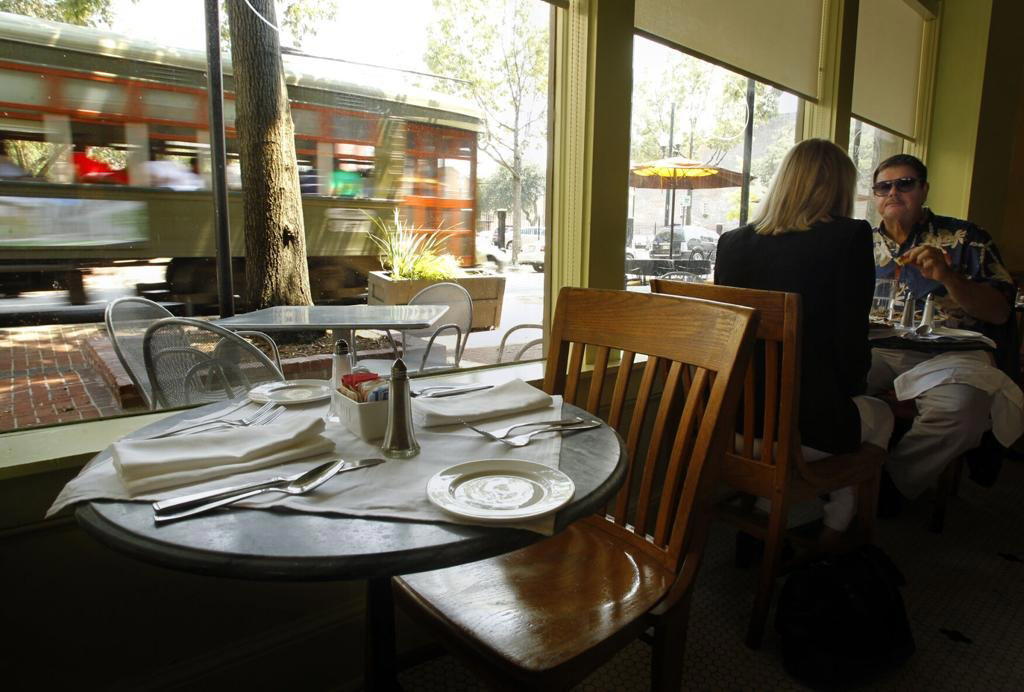
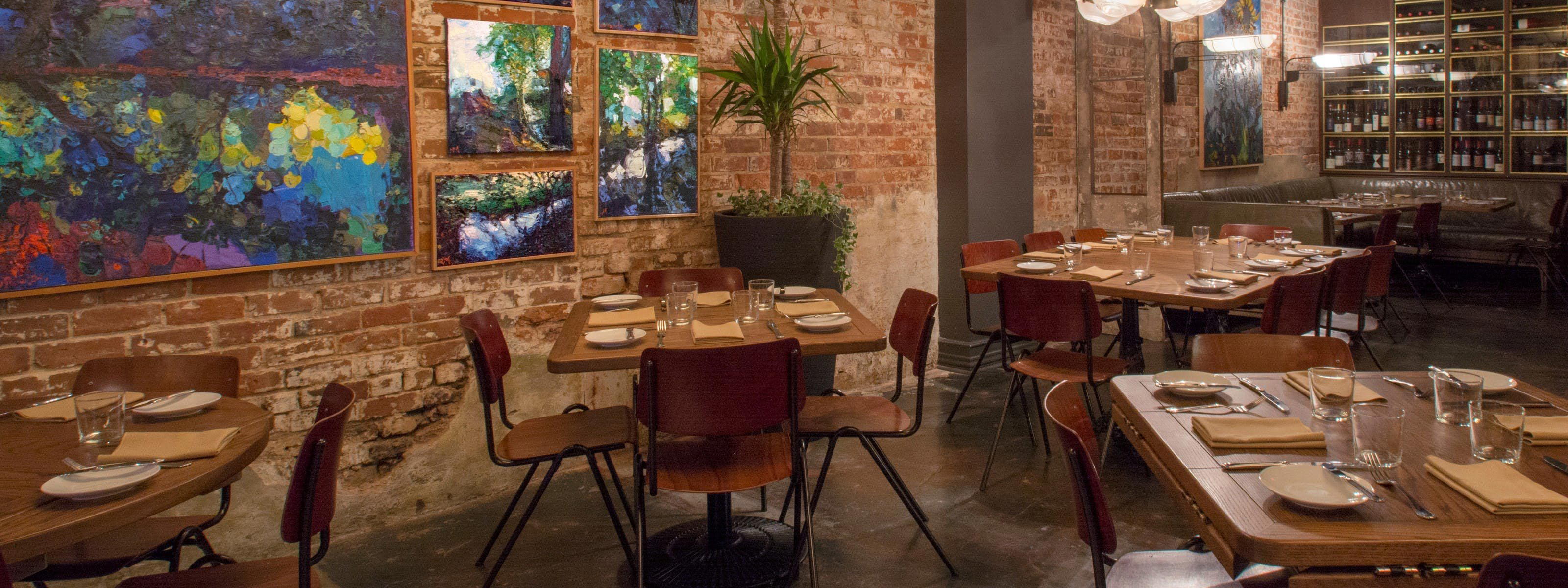
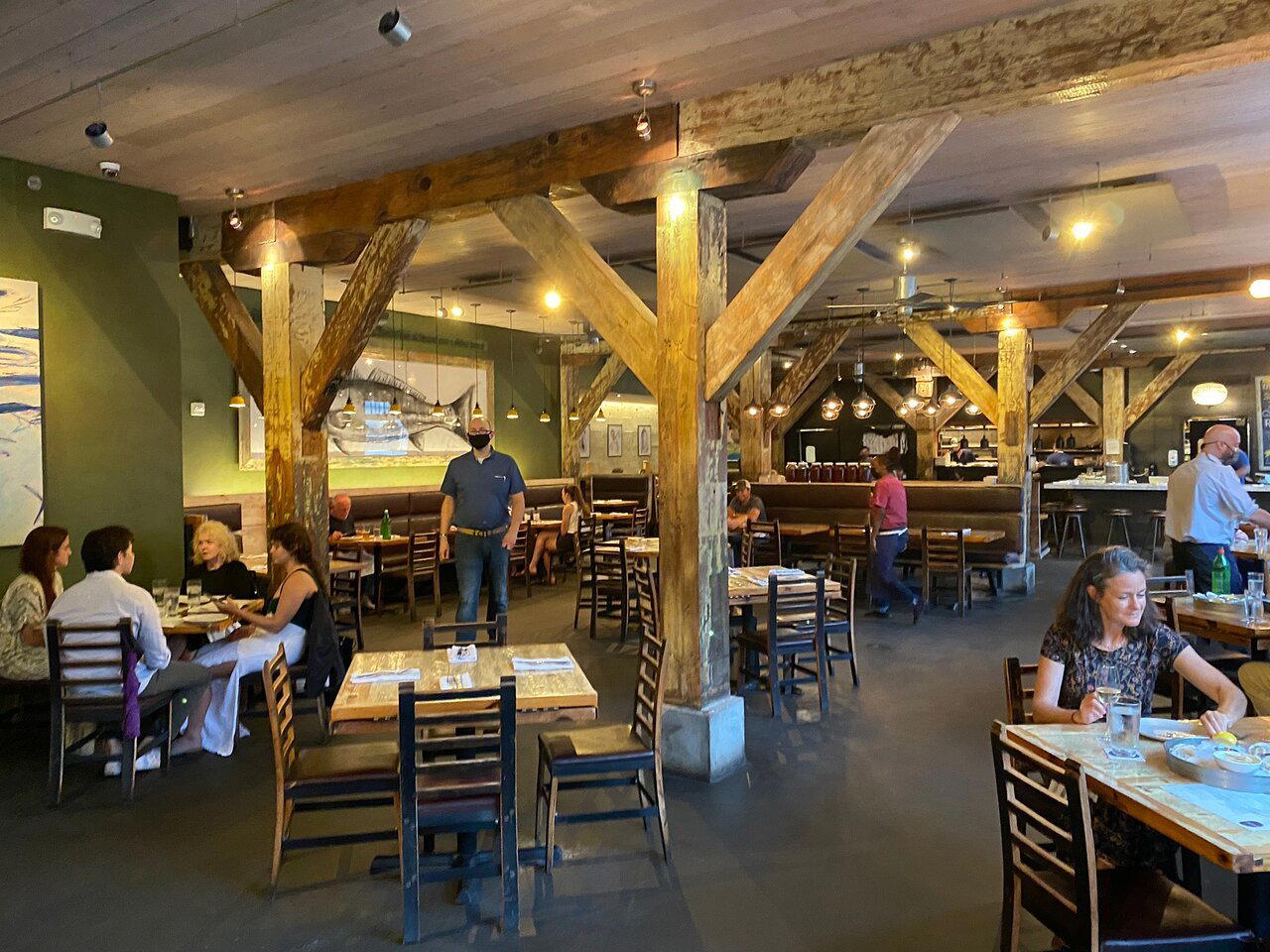
Bars in New Orleans
Browse all →

At a Glance
- Lively
- Trendy
- Casual Hangout
- Late Night
- Open Kitchen
Current opening hours
- Monday
- 11 AM–11 PM
- Tuesday
- 11 AM–11 PM
- Wednesday
- 11 AM–11 PM
- Thursday
- 11 AM–11 PM
- Friday
- 11 AM–1 AM
- Saturday
- 11 AM–1 AM
- Sunday
- 11 AM–11 PM
Hours can change for holidays and private events. Last verified .
Lively and welcoming with Mexican warmth, evoking the soul of Mexico City.