Maïs Arepas
Our verdict
On the edge of the Garden District, Maïs Arepas brings Venezuelan arepa culture to a city that has always absorbed outside culinary traditions and made them its own. The format is direct: corn-based rounds filled and built to order, sitting at an accessible price point in a neighbourhood more accustomed to white-tablecloth Creole. A counter-programming choice in one of America's most cuisine-defined cities.

Pearl is the En Primeur Club membership app, where members save venues, book tables and use the concierge.
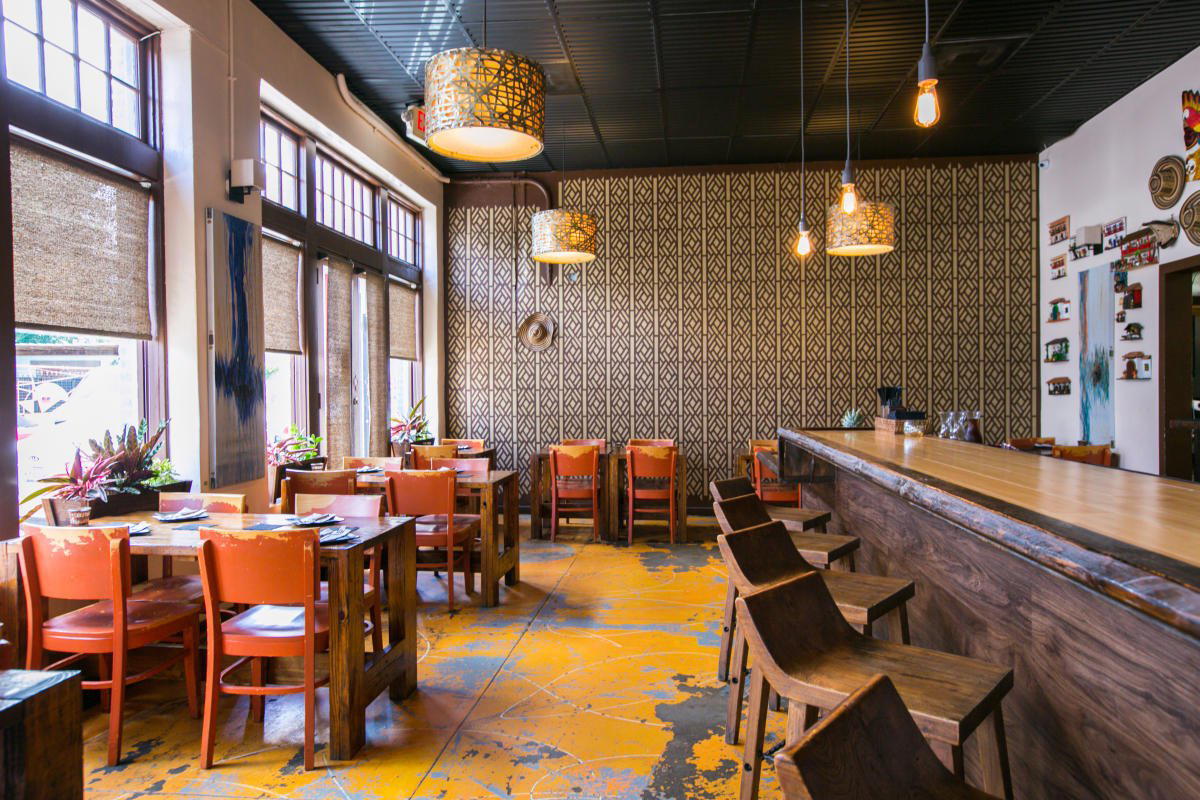
The menu
What to order
- Arepa Sampler
- Empanadas Caleñas
- Marinera Arepas
Where Venezuelan Street Food Meets a Creole City
New Orleans has never been a one-cuisine town, but its reputation compresses easily into a handful of categories: Creole, Cajun, and the upscale American-contemporary that has grown around both. Venues like Emeril's and Bayona occupy the upper register of that tradition, while newer entries such as Re Santi e Leoni and Saint-Germain pull toward contemporary European formats. What the city has done consistently, across every era, is absorb outside culinary vocabularies and reframe them through local ingredients, local appetite, and a particular indifference to trend cycles. Maïs Arepas, at 1200 Carondelet Street on the edge of the Garden District, sits inside that long pattern of absorption.
The arepa itself is a pre-colonial form, a round of ground corn dough griddled or baked and then split or topped, deeply embedded in Venezuelan and Colombian everyday eating. In its home context, the arepa is a staple, not a specialty format, which is precisely what makes it interesting territory for a city like New Orleans, where staple-food traditions carry enormous cultural weight. Bringing an arepa-forward menu to a street defined by historic architecture and proximity to Commander's Palace-level expectations is a positioning decision that says something about where the city's casual dining register is moving.
The Address and What It Signals
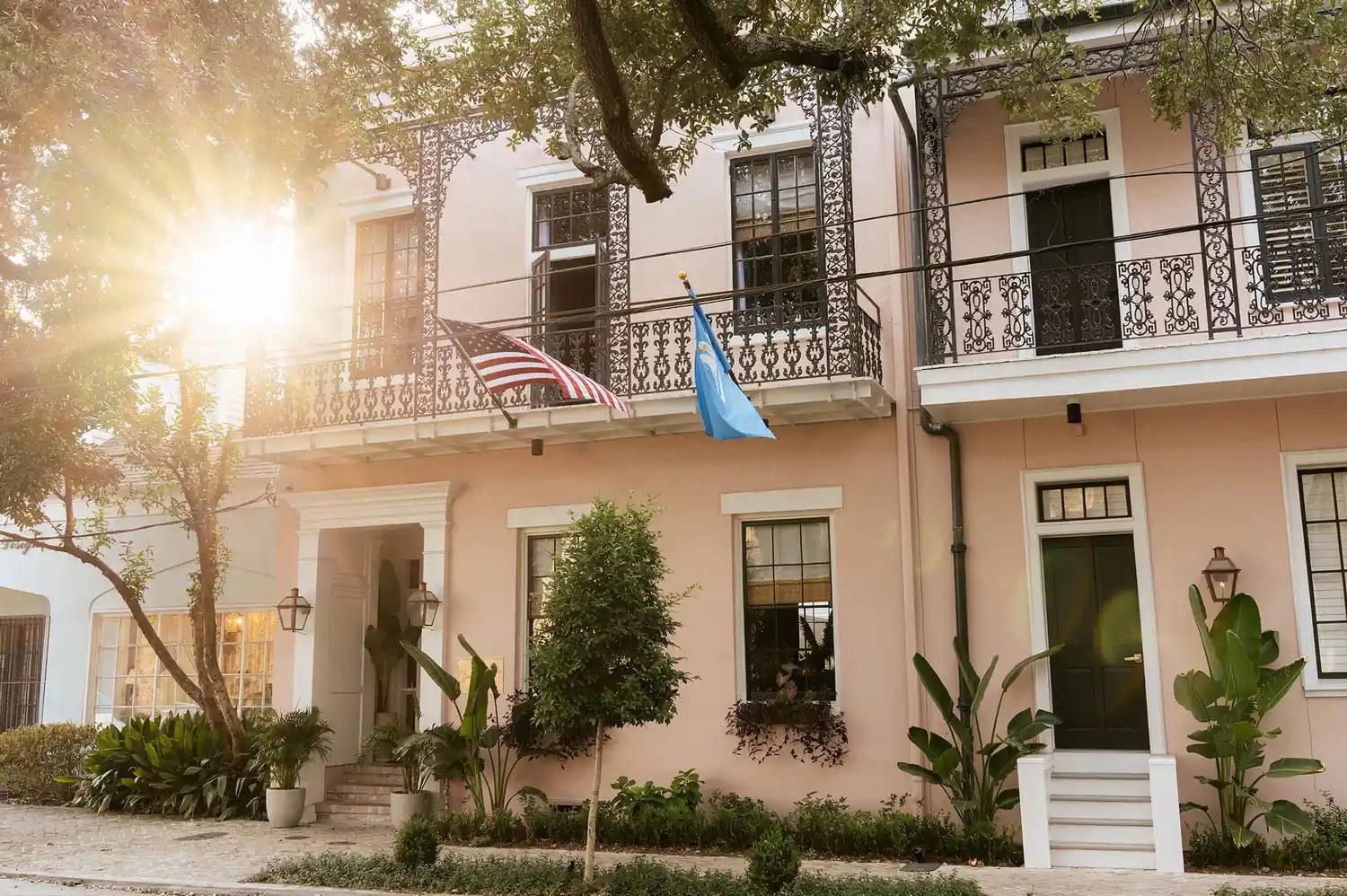
Carondelet Street runs through a neighbourhood where the dining options have historically skewed formal or bar-adjacent, with little in between. The Garden District's immediate surrounds tend toward the grand: sprawling porches, high-ceilinged dining rooms, menus priced for special occasions. A focused arepa operation at this address reads as a deliberate gap-fill, putting a fast-casual Latin American format in a space where the neighbourhood's foot traffic increasingly supports it. The city's population of young professionals, transplants, and students has shifted the demand profile of lower-Magazine-adjacent streets, and a venue built around an accessible corn-based format registers that shift.
For context across the broader American dining scene, the arepa format has earned serious critical attention in cities where Venezuelan communities have concentrated, particularly in New York and Miami. It has not yet built the same critical infrastructure in New Orleans that, say, the tasting-menu format enjoys at venues like Zasu. That gap between format recognition elsewhere and relative novelty here is part of what gives Maïs Arepas its positioning advantage in this specific market.
Evolution of the Format in American Dining
The trajectory of Latin American casual dining in the United States over the past two decades follows a recognisable arc. A format arrives attached to a specific immigrant community, operates within that community for years or decades, then crosses into broader visibility when a combination of food media attention and neighbourhood demographic change creates the conditions for wider uptake. Tacos followed this path. Arepas are following it now, with the distinction that the format's Venezuelan and Colombian roots place it in a different cultural conversation than the Mexican-American canon that dominates mainstream perception of Latin food in the US.
In the premium casual tier, which sits between fast-food chains and full-service restaurants with wine lists, the arepa has advantages that explain its current trajectory. It is format-flexible: the same corn base accommodates vegetarian, meat, and seafood fills without requiring structural menu changes. It is production-efficient: griddled to order with minimal kitchen footprint. And it carries a story that holds up to scrutiny, grounded in centuries of Venezuelan and Colombian food culture rather than invented around a trend cycle. Those properties make it a reasonable long-term bet in a city that has, in various forms, integrated Spanish, French, African, Caribbean, and Central American foodways into its own culinary identity.
The comparison to how New Orleans handled Vietnamese immigration and its culinary results is instructive. The city now has a Vietnamese food culture that operates at every price point, from banh mi shops in Gretna to upscale integration of pho elements into contemporary menus. If the arepa format develops a similar foothold, Maïs Arepas will be able to point to an early-mover position in that progression.
How It Sits Against the Broader Field
Nationally, the venues defining the upper tier of American restaurant ambition, places like Le Bernardin in New York City, Alinea in Chicago, The French Laundry in Napa, or Blue Hill at Stone Barns in Tarrytown, operate in a different register entirely. So do highly decorated peers like Single Thread Farm in Healdsburg, Providence in Los Angeles, Addison in San Diego, Lazy Bear in San Francisco, The Inn at Little Washington, Bacchanalia in Atlanta, Atomix in New York City, and 8 1/2 Otto e Mezzo Bombana in Hong Kong. Maïs Arepas does not compete with or aspire to that tier. Its competitive set is the growing cohort of format-specific casual operations that have begun to define neighbourhood dining in mid-size American cities, venues where the editorial case rests on execution quality and cultural authenticity rather than tasting-menu architecture.
Within New Orleans specifically, see our full New Orleans restaurants guide for how the casual and mid-range tiers are evolving across neighbourhoods. The Garden District's Carondelet address positions Maïs Arepas at a useful junction between the tourist-facing dining corridor and the more residential eating patterns of Uptown.
Planning a Visit
Because venue-specific hours, booking policies, and current menu details are not published in centralised databases at the time of writing, the most reliable approach is to check the Carondelet Street address directly or look for current social media activity from the venue, which tends to carry the most up-to-date operational information for casual operations of this type. The address at 1200 Carondelet St sits within walking distance of the Garden District's main streetcar stops, making it reachable from the French Quarter or the CBD without a car. For dietary questions, including vegetarian or vegan configurations of the arepa format, contacting the venue directly before visiting is the practical step, as the corn-based format is inherently adaptable but fill options shift with supply and season.
Frequently asked questions
What's Maïs Arepas's location?
Maïs Arepas is located at 1200 Carondelet St, New Orleans, LA 70130, New Orleans.
Is Maïs Arepas one of the few Venezuelan-style arepa spots in New Orleans?
New Orleans has a well-documented Vietnamese dining culture and a growing Central American food presence, but Venezuelan and Colombian arepa-focused restaurants remain a genuinely thin category in the city. Maïs Arepas at 1200 Carondelet St operates in a format with almost no direct local competition, which distinguishes it more than any single award could. For visitors specifically tracking Latin American regional cuisines across the Gulf South, that scarcity is the relevant context.
What should I eat at Maïs Arepas?
The menu is built around arepas, the corn-masa rounds that form the everyday staple of Venezuelan and Colombian eating, filled and served in a fast-casual format. Located at 1200 Carondelet St, the kitchen translates a street food tradition that rarely appears in New Orleans dining.
Should I book Maïs Arepas in advance?
The arepa format sits firmly in fast-casual territory, which in New Orleans typically means walk-in service rather than advance reservations. At 1200 Carondelet St, the venue occupies a stretch of the city where demand at accessible price points can move quickly during peak meal hours. Arriving slightly off-peak, particularly mid-afternoon, is a practical hedge if you want to avoid a wait.
What do critics highlight about Maïs Arepas?
Formal critical coverage in major publications has not yet consolidated around Maïs Arepas, which itself reflects the broader pattern of Venezuelan and Colombian arepa spots in New Orleans remaining outside the city's well-documented Creole and Cajun review circuits. That gap is notable: it positions the venue in a category where local word-of-mouth carries more weight than starred review columns. Checking community platforms and neighbourhood food forums in New Orleans yields the most current ground-level assessments.
Can Maïs Arepas accommodate dietary restrictions?
Arepas are naturally corn-based, which makes the format a practical starting point for guests avoiding wheat or gluten, though fillings vary and cross-contamination protocols differ by kitchen. Contacting the venue directly before visiting is the reliable way to confirm what the kitchen can and cannot accommodate.
Standing Among Peers
Comparable venues nearby, for context on price, style, and recognition.
| Venue | Cuisine | Price | Notes |
|---|---|---|---|
| Maïs ArepasThis venue (the venue you are viewing) | Colombian Arepas | $20–30 | Not listed |
| Gumbo Shop | Authentic Creole | $20–30 | French Quarter |
| New Orleans Creole Cookery | Traditional Creole | $30–50 | French Quarter |
| Alma Café Mid-City | Honduran-inspired all-day brunch and Latin American cafe | $20–30 | Mid-City |
| Central City BBQ | New Orleans-Style Wood-Smoked BBQ | $20–30 | Central Business District |
| Killer Poboys at Erin Rose | Internationally Inspired New Orleans Po'boys | $10–20 | French Quarter |
Continue exploring
More in New Orleans
Restaurants in New Orleans
All restaurants in New Orleans →
Bars in New Orleans
All bars in New Orleans →



Details
- Cozy
- Romantic
- Casual Hangout
- Date Night
- Open Kitchen
- A La Carte
- Small Plates
- Vegetarian Friendly
Current opening hours
- Monday
- Closed
- Tuesday
- 11:30 AM–2:30 PM, 5:30–10 PM
- Wednesday
- 11:30 AM–2:30 PM, 5:30–10 PM
- Thursday
- 11:30 AM–2:30 PM, 5:30–10 PM
- Friday
- 11:30 AM–2:30 PM, 5:30–10 PM
- Saturday
- 11:30 AM–2:30 PM, 5:30–10 PM
- Sunday
- 5–9:30 PM
Hours can change for holidays and private events. Hours as of .
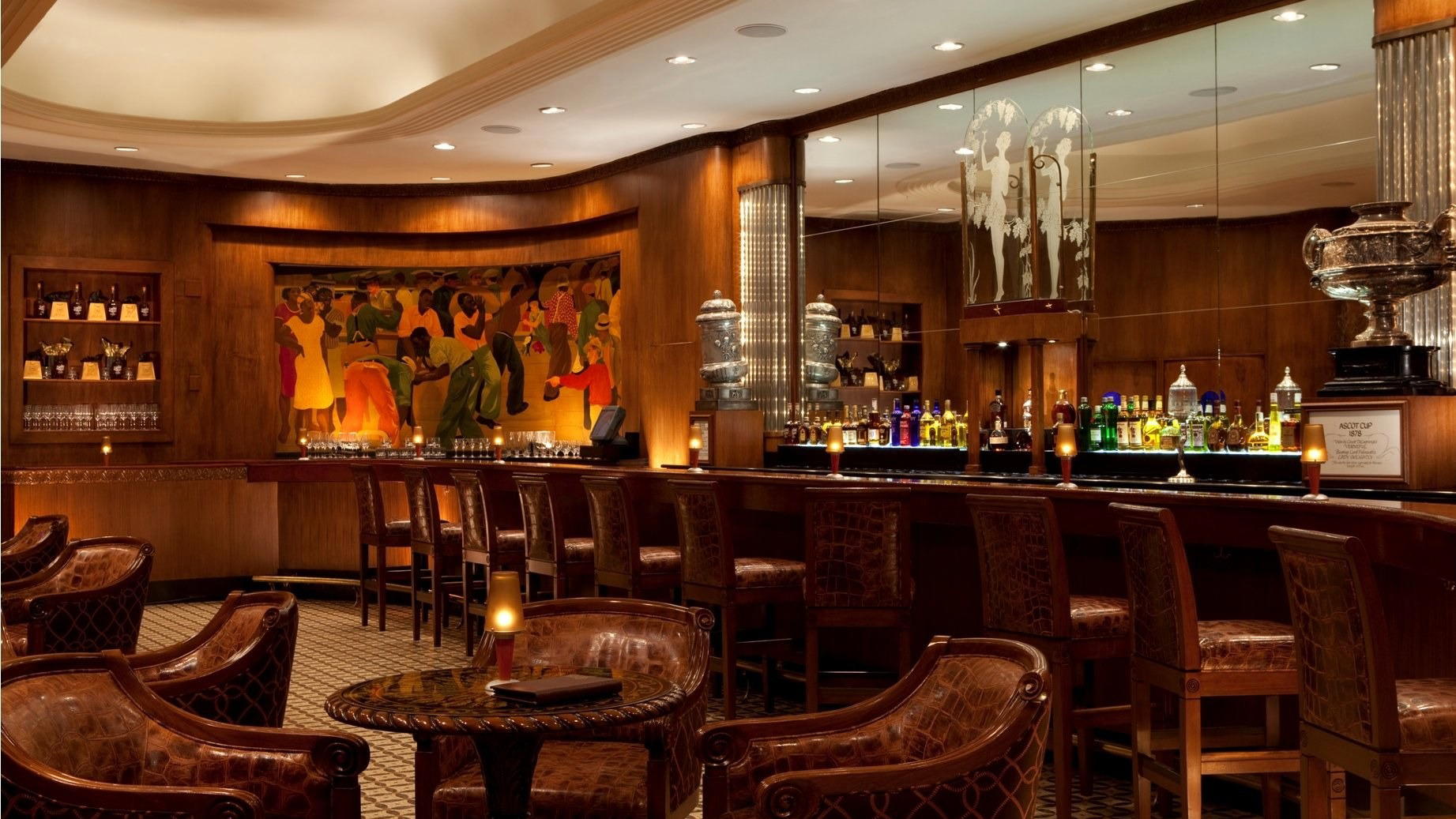
Cozy with low romantic lighting and comfortable table spacing.