PIZZA domenica
On Magazine Street in Uptown New Orleans, PIZZA domenica sits at an intersection the city does well: imported technique meeting local appetite. The kitchen applies Neapolitan discipline to a Southern context, producing pies that read as neither strictly Italian nor broadly American. It occupies a different tier than the city's Creole institutions, closer in spirit to the neighbourhood trattorias that anchor their blocks.
Pearl is the En Primeur Club membership app — saves, bookings, and concierge access live there. Same editors, same standards.
- Address
- 4933 Magazine St, New Orleans, LA 70115
- Phone
- +15043014978
- Website
- pizzadomenica.com
- Directions
- Get directions
 Saves & bookings on Pearl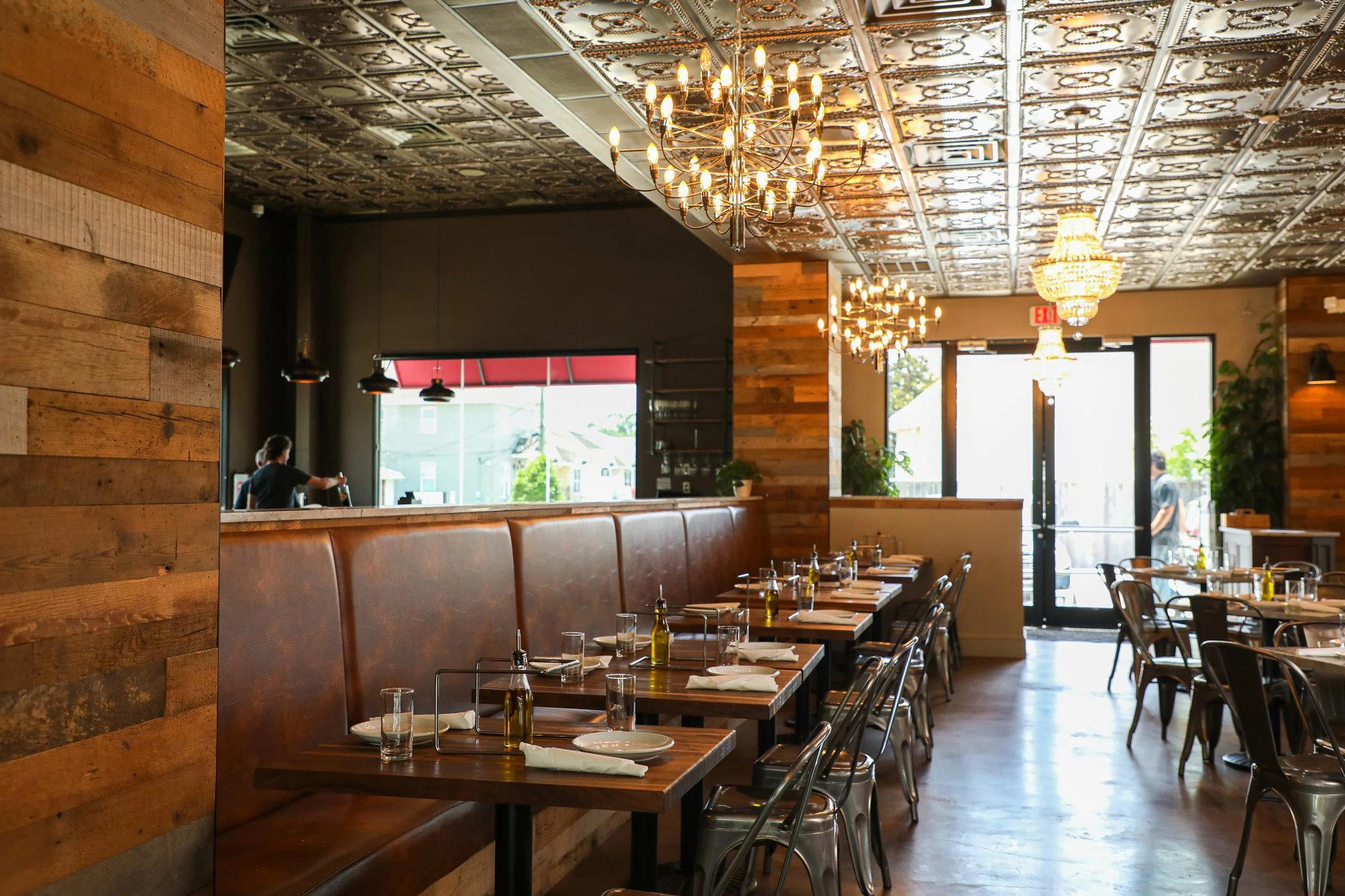
Magazine Street and the Neapolitan Question
Magazine Street runs through one of New Orleans's most residential and commercially layered corridors, a stretch where hardware stores share blocks with wine bars and the foot traffic shifts from tourist to neighbour within a few paces. At 4933, PIZZA domenica sits in that residential register rather than the French Quarter dining circuit, which shapes everything about how it operates and who it draws. The city's dining identity has long centred on Creole and Cajun traditions, institutions like Emeril's or the Creole formality of Commander's Palace. PIZZA domenica operates in a different lane: the neighbourhood anchor, where regulars make decisions by proximity and consistency rather than occasion.
That positioning matters because New Orleans has relatively few venues that apply serious Italian-derived method to a casual, walk-in format without tipping into tourist-oriented red-sauce territory. The Uptown corridor has absorbed enough relocated professionals and food-literate locals to sustain something more specific, and PIZZA domenica reads as a response to that audience.
Neapolitan Discipline in a Southern City
The editorial angle worth pressing here is not the pizza itself but what the application of Neapolitan method means in a city with this particular food culture. Neapolitan pizza, as a tradition, is defined by constraint: high-heat wood-fired ovens, hydrated doughs, short fermentation windows, and a doctrine of restraint on toppings. It is a technique that does not negotiate easily with local ingredient maximalism. New Orleans cooking, by contrast, tends toward accumulation: layered spice, long braises, and the kind of flavour density that comes from the bayou's ingredient base.
Where those two traditions meet productively is on the question of ingredient quality. Southern Louisiana has a serious larder: Gulf seafood, Creole tomatoes in season, locally produced charcuterie, and dairy sourced closer than any Italian import would be. The more interesting Neapolitan-style kitchens in American cities use that larder rather than import around it, letting the dough and heat do the structural work while the toppings carry regional character. Whether the restaurant executes that balance consistently is the operative question, and one the Uptown neighbourhood appears to have answered in its favour given the venue's continued presence on a block that cycles operators regularly.
For comparison, consider where the restaurant sits relative to the broader New Orleans dining scene. Contemporary tasting-menu rooms like Re Santi e Leoni or the reservation-forward format of Saint-Germain occupy a higher price tier and a more occasion-specific role. Bayona and Zasu operate in a New American idiom that blends Creole roots with global influence. The restaurant's pitch is narrower and, in some ways, more demanding: it asks diners to evaluate it against the specific discipline of Italian pizza-making, not against the broader local canon.
The American Neapolitan comparable set
American cities have produced a distinct tier of serious pizza operations over the past two decades, venues that train staff in Neapolitan method, import specific flour varieties, and obsess over oven temperature in ways that would read as eccentric anywhere but Naples itself. New York, Chicago, and the Bay Area have the densest concentrations of these, but the format has pushed into secondary markets with mixed results. New Orleans is a harder city for this kind of operation than Chicago or San Francisco, partly because the local dining culture has such a defined gravitational centre in Creole-Cajun cooking, and partly because the humidity and heat affect dough behaviour in ways that kitchens in cooler climates do not have to account for.
That environmental context is not a footnote. Pizza dough is a living system, and high ambient humidity changes hydration calculations, fermentation rates, and crust texture in ways that require constant calibration. A kitchen on Magazine Street in August is working in materially different conditions from a kitchen in the East Village in October. The venues that manage this well earn a kind of credibility that purely technical proficiency in a forgiving climate does not.
For those mapping the national pizza landscape, the reference points vary by ambition level. Tasting-menu operations built around fermentation and technique at places like Lazy Bear in San Francisco or the technical precision of Alinea in Chicago represent one end of the American fine-dining spectrum. The restaurant sits closer to the neighbourhood trattoria model, where the standard is daily consistency and local loyalty rather than award-cycle visibility. That is a different and, for many diners, more useful kind of excellence.
Planning Your Visit
The restaurant sits on Magazine Street in Uptown, at 4933 Magazine St, New Orleans, LA 70115. The neighbourhood is navigable on foot during cooler months; in summer, the walk from the streetcar is brief but the heat warrants consideration. The restaurant is open Mon: 3–9 PM; Tue: 3–9 PM; Wed: 3–9 PM; Thu: 3–9 PM; Fri: 11 AM–10 PM; Sat: 11 AM–10 PM; Sun: 11 AM–9 PM, and it is walk-in friendly. Pricing is about $25 per person. The walk-in culture of neighbourhood pizza operations in this format generally means early evening arrival is safer than prime Saturday night.
Diners who plan to work through New Orleans seriously over several days might use the restaurant as a counterpoint to the city's heavier Creole repertoire. After a lunch at a Creole institution or a long tasting menu, a focused pizza operation provides a different kind of satisfaction: simpler in structure, more transparent in its ingredient logic, easier to repeat.
The Essentials
Comparable venues nearby, for context on price, style, and recognition.
| Venue | Cuisine | Price | Notes |
|---|---|---|---|
| PIZZA domenicaThis venue — the venue you are viewing | Uptown, Wood-Fired Italian Pizza | $$ | Not listed |
| Central Grocery and Deli | French Quarter, Classic Italian Deli | $$ | Not listed |
| Domenica | Not listed | $$ | Central Business District, Modern Italian Pizza and Pasta |
| Angelo Brocato Ice Cream | Not listed | $$ | Mid-City, Sicilian Gelato & Italian Desserts |
| Hana | Riverbend, Neighborhood Sushi Bar | $$ | Not listed |
| Maïs Arepas | Central City, Colombian Arepas | $$ | Not listed |
Continue exploring
More in New Orleans
Restaurants in New Orleans
Browse all →
Bars in New Orleans
Browse all →
At a Glance
- Lively
- Rustic
- Casual
- Casual Hangout
- Family
- Open Kitchen
- Craft Cocktails
- Beer Program
Current opening hours
- Monday
- 3–9 PM
- Tuesday
- 3–9 PM
- Wednesday
- 3–9 PM
- Thursday
- 3–9 PM
- Friday
- 11 AM–10 PM
- Saturday
- 11 AM–10 PM
- Sunday
- 11 AM–9 PM
Hours can change for holidays and private events. Last verified .
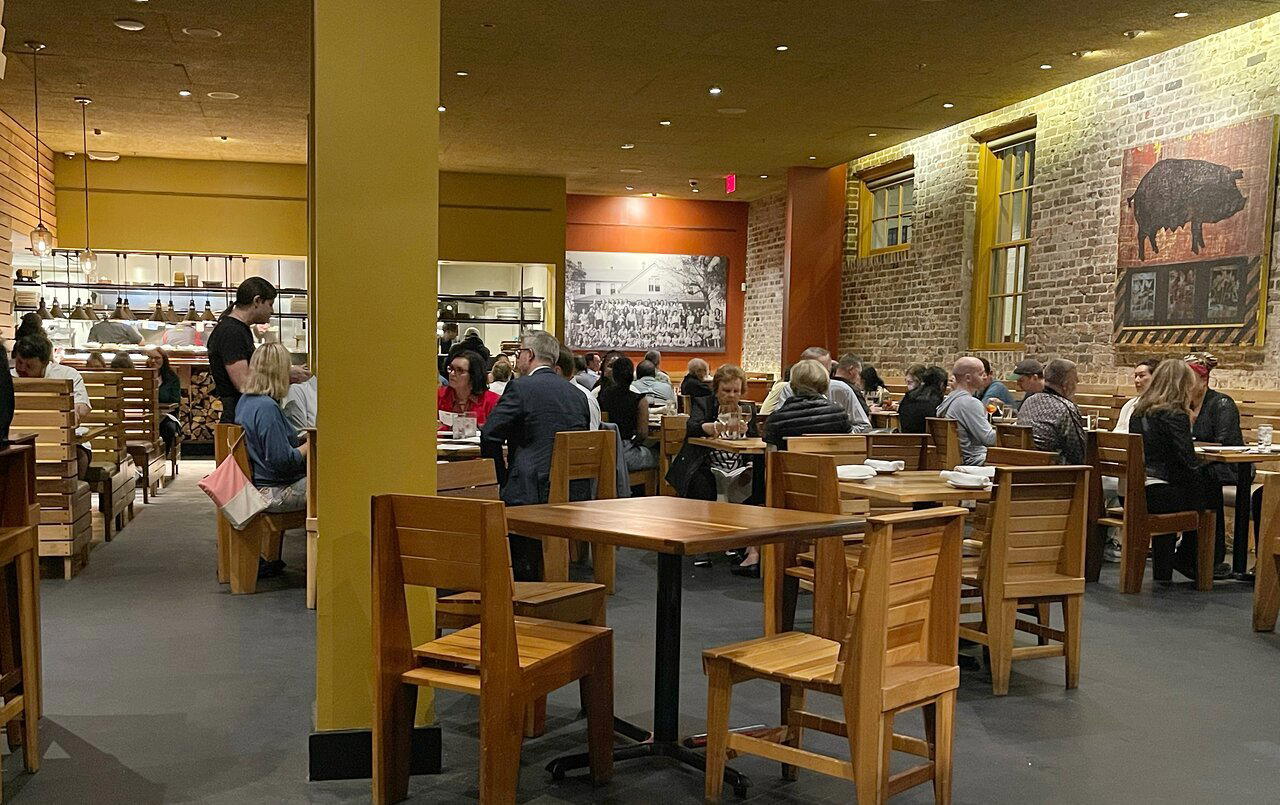
Casual, fun, and lively atmosphere with an open kitchen.