Bar Underdog
Our verdict
Bar Underdog belongs to Palo Alto’s more contemporary dining-and-drinking conversation, where casual formats sit beside ambitious Bay Area sourcing culture. With no public database details for cuisine, chef, awards, hours, or pricing, the useful way to read it is through context: a Palo Alto venue to research directly before planning, especially if ingredient sourcing, booking certainty, or family logistics matter.

Pearl is the En Primeur Club membership app — saves, bookings, and concierge access live there. Same editors, same standards.
- Address
- Palo Alto, United States
- Directions
- Get directions
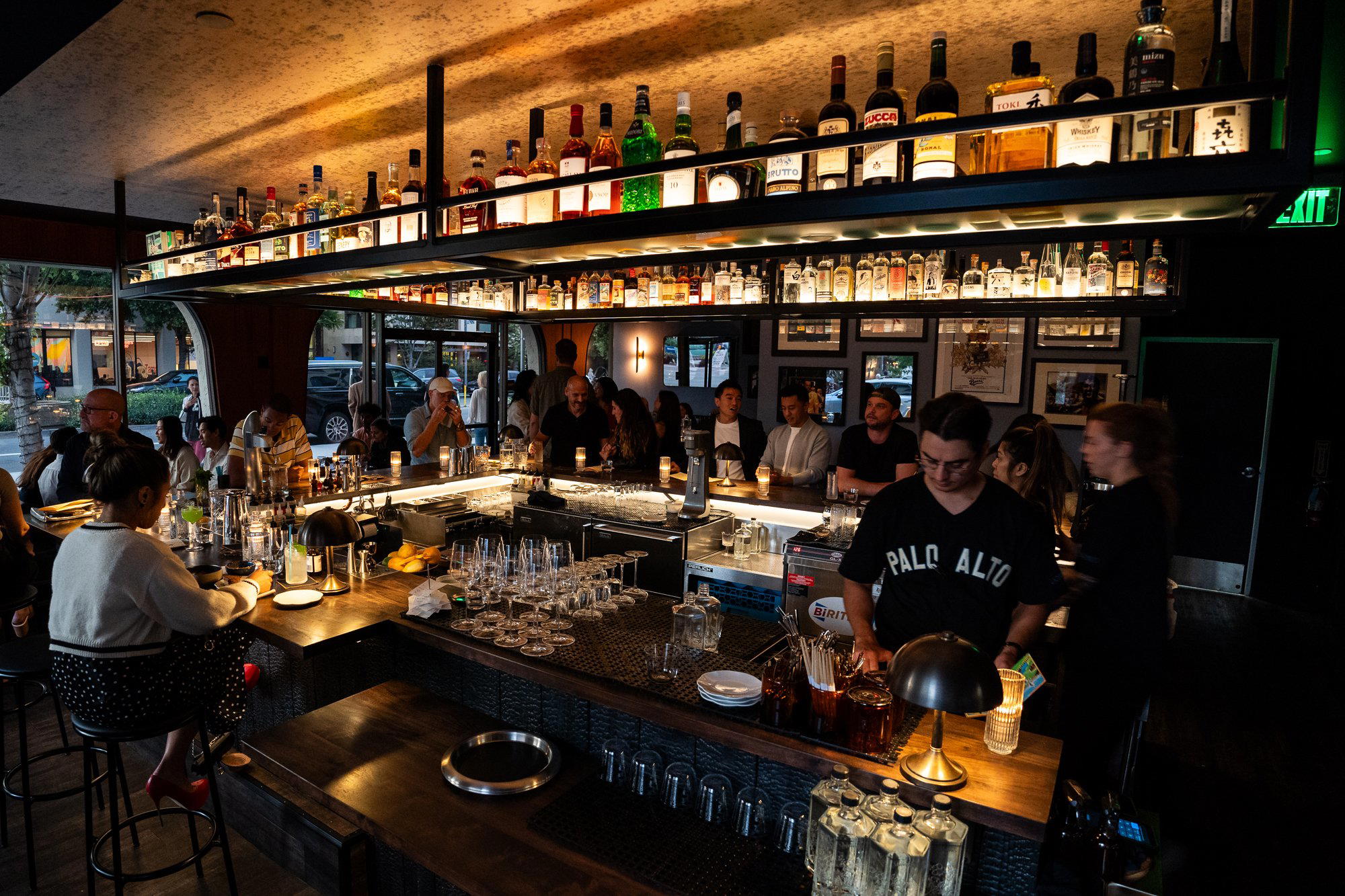
The menu
What to order
- Mochiko fried chicken
- Korean corn-cheese puffs
- Tuna tartare
- No. 34 cocktail
- Toki Whisky Highball
The Palo Alto frame: casual names, serious sourcing expectations
Approaching a Palo Alto restaurant or bar usually means reading the room before reading the menu. The city does not perform hospitality with the late-night density of San Francisco or the resort polish of Napa; it works in a narrower register, shaped by Stanford, Sand Hill Road, Caltrain routines, and a clientele that often cares as much about sourcing logic as presentation. Bar Underdog sits inside that context, and that matters more than any unsupported claim about a signature dish or house style. In a city where a casual counter can be judged against farmers market produce, Bay Area coffee standards, and the region’s unusually literate wine-and-cocktail audience, the question is not whether a venue sounds ambitious. The question is whether its format makes ingredient decisions legible.
Palo Alto’s dining scene is compact but demanding. Nearby references show the range: Anatolian Kitchen points to the city’s appetite for regional comfort cooking, Arya Steakhouse covers the polished steakhouse lane, Asian Box reflects the Bay Area’s fast-casual, ingredient-conscious habit, and Bare Bowls sits closer to the wellness-driven daytime pattern. Add Birdie's at Stanford Golf, and the local map becomes clearer: Palo Alto dining is less about a single restaurant row than a set of use cases, from campus-adjacent meals to business dinners and weekday regulars. For a wider read on that spread, Our full Palo Alto restaurants guide is the better starting point than treating any one address as the whole story.
Ingredient sourcing is the Bay Area baseline, not a garnish
In Northern California, ingredient language carries consequences. The region’s restaurant culture has spent decades turning farm proximity, seafood traceability, bread programs, and produce seasonality into everyday expectations. That does not mean every venue operates like a tasting-menu restaurant, and it should not. It means diners in Palo Alto tend to notice when a menu names farms, when cocktails use fresh citrus rather than bottled shortcuts, when bar snacks feel assembled rather than cooked, or when a kitchen leans on generic supplier language.
The Bay Area’s ingredient conversation has several reference points. In Napa, The French Laundry in Napa helped fix garden-driven luxury in the American imagination. In Healdsburg, Single Thread Farm in Healdsburg connects hospitality to farm production with unusual directness. San Francisco’s Lazy Bear in San Francisco works in a different, communal fine-dining register, while Los Angeles seafood seriousness is well represented by Providence in Los Angeles. These are not peer venues for a Palo Alto bar by format or scale; they are useful because they show how clearly sourcing can be communicated when a restaurant wants that information to matter. A neighborhood venue need not mimic that level of formality, but it benefits from the same discipline: say where the produce, seafood, meat, or spirits come from, then let the format do its work.
What the absence of published detail tells the reader
Missing information is not a flaw by itself. Many smaller venues under-document their operations online, and Palo Alto has plenty of restaurants where the lived demand is stronger than the published profile. But for a premium travel reader, the gaps change the planning calculus. No listed address means a guest should confirm the location through the venue’s own current channel before setting an itinerary. No listed hours means the venue should not be treated as a guaranteed option for a tight evening schedule. No listed price range means it is unwise to frame the night as either casual or high-spend until the menu is verified.
That practical caution is especially relevant in Palo Alto because dining often happens around fixed obligations: a Stanford visit, a venture meeting, a medical appointment, a weekday commute, or a family weekend. The city does not reward vague planning. The same applies to bookings. If a venue uses walk-ins, that changes the rhythm of the evening; if it uses reservations, peak slots may disappear quickly around Stanford events and weekday business demand.
How to read Bar Underdog against larger restaurant culture
American dining has split into clearer lanes. At one end sit capital-intensive destination rooms where awards, tasting menus, cellars, and staff ratios define the experience. At the other end are neighborhood venues that succeed by making repeat use easy: a short menu, a bar seat, enough craft to be taken seriously, and enough restraint to avoid ceremony. Palo Alto, because of its audience, tends to blur those lanes. A casual room can be judged by the standards of a much larger restaurant city, while a polished restaurant can be asked to behave with the convenience of a neighborhood regular.
National references help sharpen that distinction. Le Bernardin in New York City represents seafood precision in a formal dining frame. Emeril’s in New Orleans speaks to a different kind of American restaurant identity, tied to regional hospitality and a named culinary personality. Smyth in Chicago and Atomix in New York City show how contemporary tasting formats can build a complete intellectual structure around place, technique, and sequence. Blue Hill at Stone Barns in Tarrytown has made agriculture itself part of the dining argument, while Addison in San Diego, The Inn at Little Washington in Washington, and Osteria Francescana in Modena show how awards recognition can turn a restaurant into a travel decision. Bar Underdog should not be forced into that category without evidence. Its more useful comparison is the Bay Area’s everyday seriousness: venues that may be casual in form but are still expected to know where their ingredients come from.
The editorial read
The case for Bar Underdog depends on what a diner is trying to solve. If the aim is a Palo Alto night that can move between food and drink without the formality of a destination tasting menu, the name belongs in the research set, provided the diner confirms current logistics first. That distinction is not pedantry; it is how good travel planning works in cities where a promising venue can be either a casual regular’s address or a hard-to-book room depending on the night.
The ingredient-sourcing lens is the fairest way to approach the venue. Ask whether the menu identifies farms, fisheries, butchers, bakers, roasters, or spirits producers. Ask whether the drinks list changes with citrus, herbs, or seasonal produce rather than only with branding. Ask whether vegetarian cooking reads as an afterthought or as a real section of the menu. In Palo Alto, those questions separate venues built for convenience from venues built with a point of view. Until public data gives more detail, Bar Underdog is better treated as an informed candidate than a fully documented recommendation.
Planning notes for a Palo Alto night
Check the venue’s current official channel before traveling, especially for Monday service, late arrivals, holidays, Stanford weekends, and private-event windows. In Palo Alto, dinner timing can be compressed by office schedules and campus traffic, so a flexible backup nearby is useful if reservations are unavailable or the room is operating on a walk-in basis. Dress should be guided by the confirmed format: Palo Alto generally tolerates casual clothing, but business-adjacent dining rooms can skew neater in the evening.
Families should also verify the setup before arriving. The same logic applies to dietary needs. That may sound cautious, but it is preferable to turning a sparse listing into false certainty.
Frequently asked questions
Is Bar Underdog child-friendly?
For early evening plans, that matters more than the name on the door.
Is Bar Underdog better for a quiet night or a lively one?
Palo Alto can swing between subdued weekday service and busier evenings, and Bar Underdog does not publish enough detail to place it firmly in either camp. Checking the current format before arriving is the safer read.
What kind of venue is Bar Underdog in Palo Alto?
That makes it a venue to verify by format, not by reputation claims.
What's the must-try dish at Bar Underdog?
There is no cuisine type, chef name, or signature item listed for Bar Underdog, so naming a must-order dish would be guesswork. A better approach is to ask about the current menu once you know the format.
Should I book Bar Underdog in advance?
Yes, if the plan depends on a specific time in Palo Alto, confirmation is wise because the record does not list hours or booking method. That applies especially on business-heavy nights in the city.
In Context: Similar Options
| Venue | Cuisine | Price | Awards |
|---|---|---|---|
| Bar UnderdogThis venue — the venue you are viewing | Cocktail Bar with Chef-Driven American Small Plates | $30–50 | Not listed |
| Lotus Thai Bistro | Authentic Thai Cuisine | $20–30 | Not listed |
| Nola | Cajun & Creole with Latin Fusion | $30–50 | Not listed |
| Meyhouse | Authentic Turkish Meyhane | $50–100 | Wine Spectator Award of Excellence |
| Scoop | Artisanal Microcreamery | $1–10 | Not listed |
| TAVERNA | Farm-to-Table Greek | $30–50 | Not listed |
Continue exploring
More in Palo Alto
Restaurants in Palo Alto
Browse all →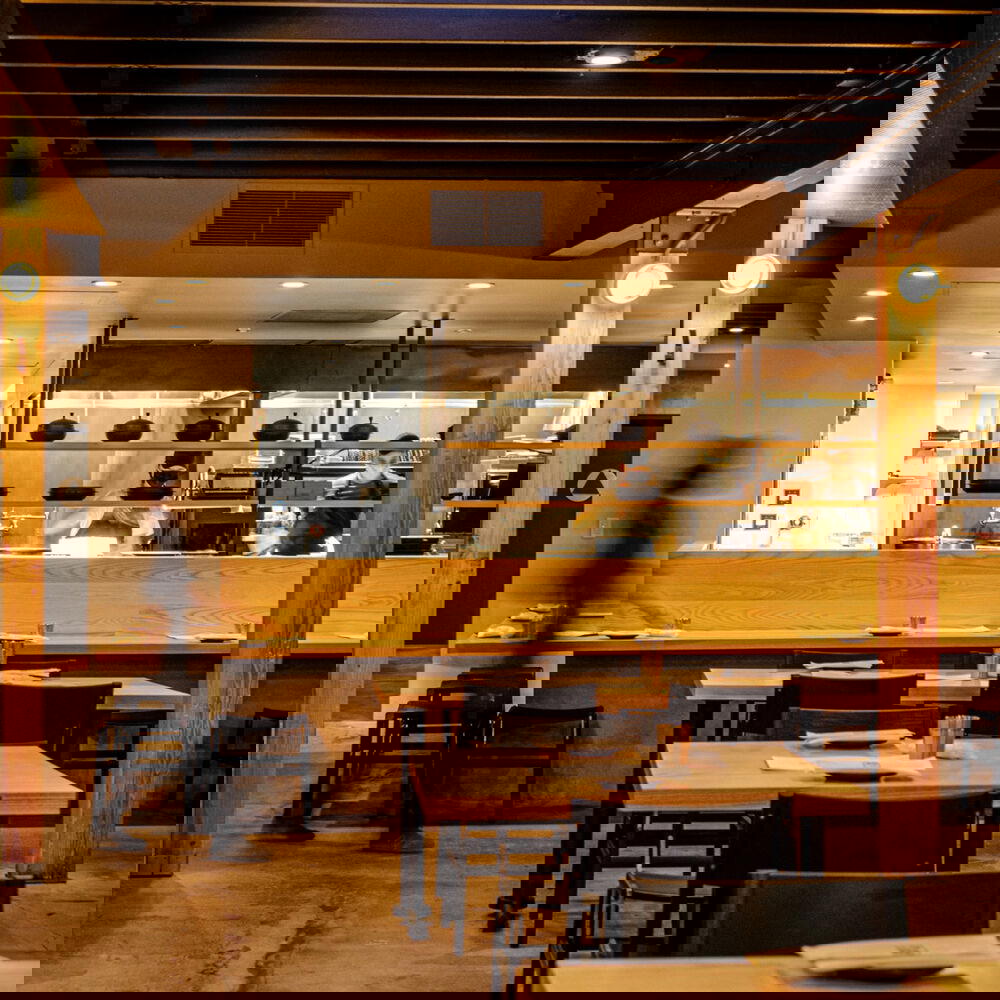
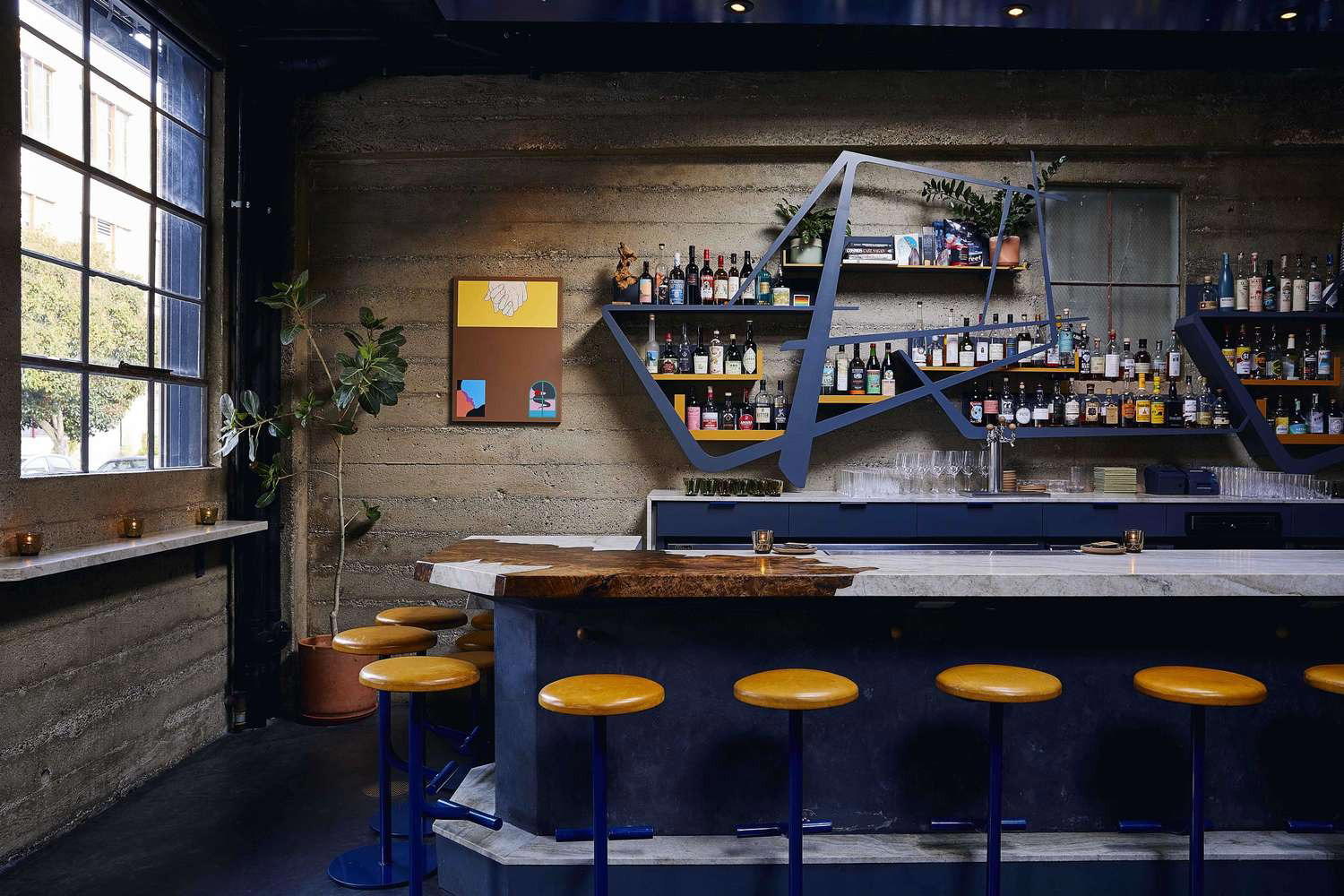
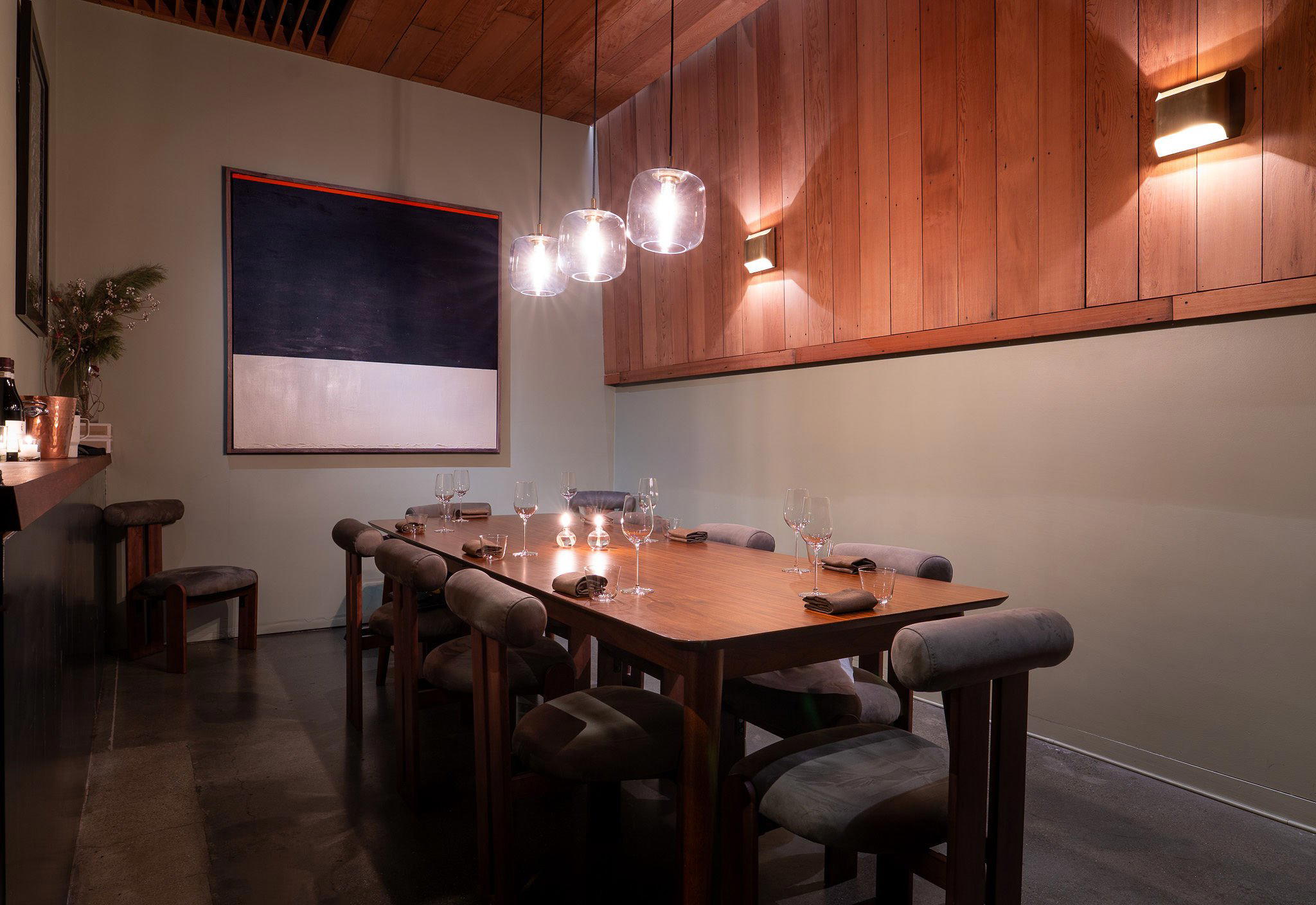
Bars in Palo Alto
Browse all →
Hotels in Palo Alto
Browse all →



Details
- Trendy
- Modern
- Cozy
- Lively
- Sophisticated
- Casual Hangout
- After Work
- Late Night
- Group Dining
- Standalone
- Craft Cocktails
- Sake Program
- Beer Program
- Local Sourcing
- Small Plates
- A La Carte
- Cocktails
- Wine
- Beer
- Sake
- Vegetarian Friendly
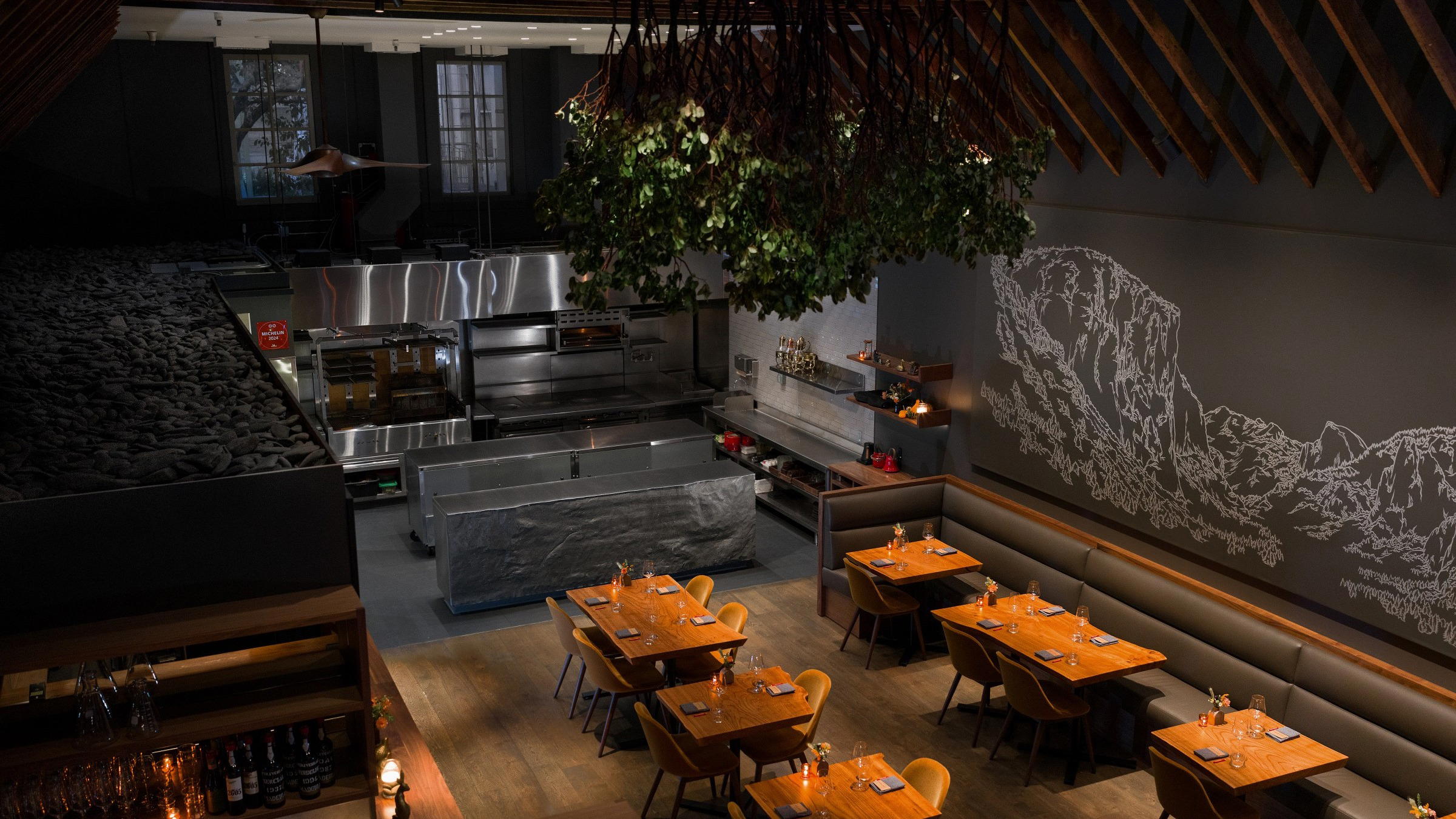
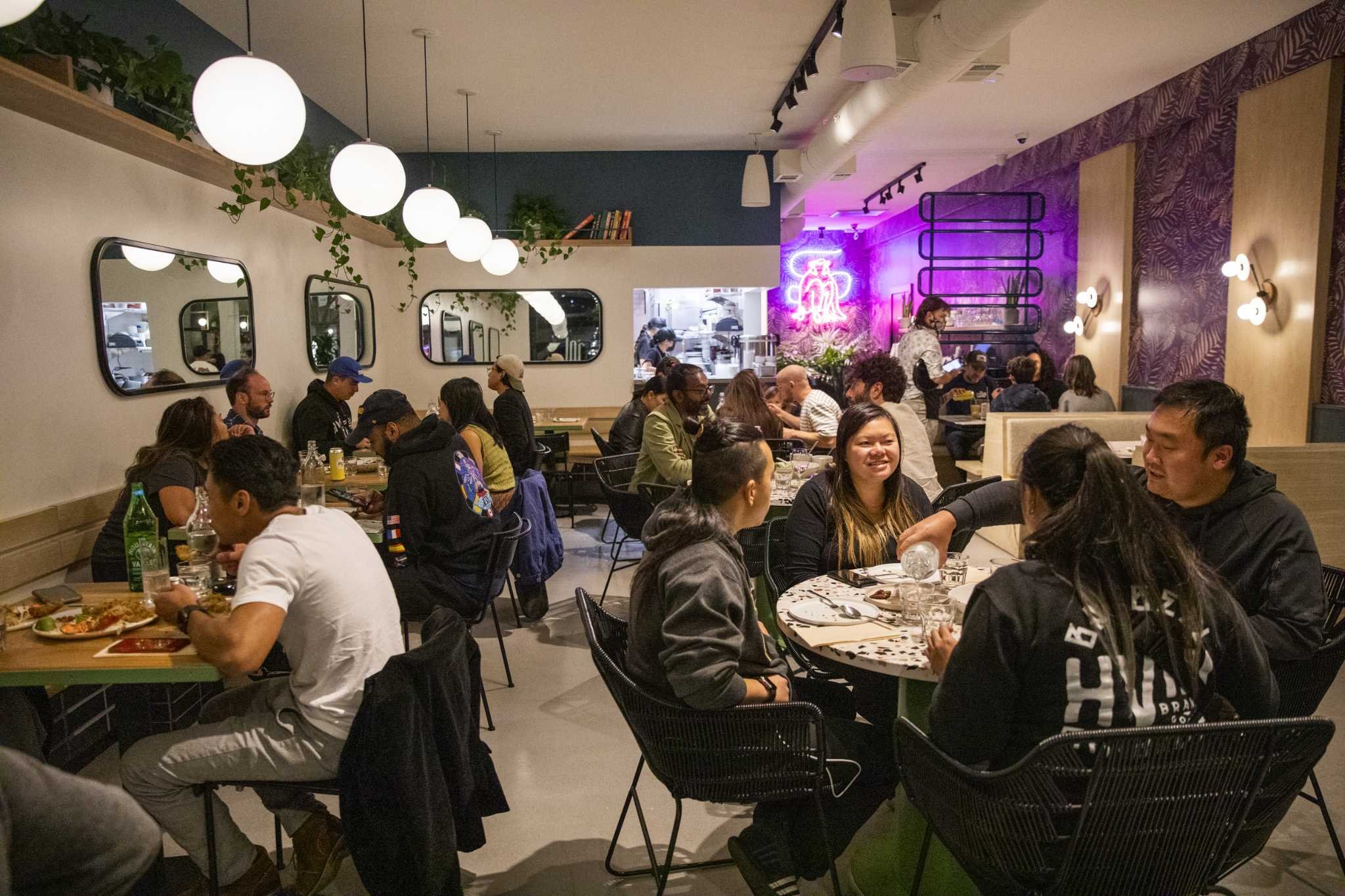
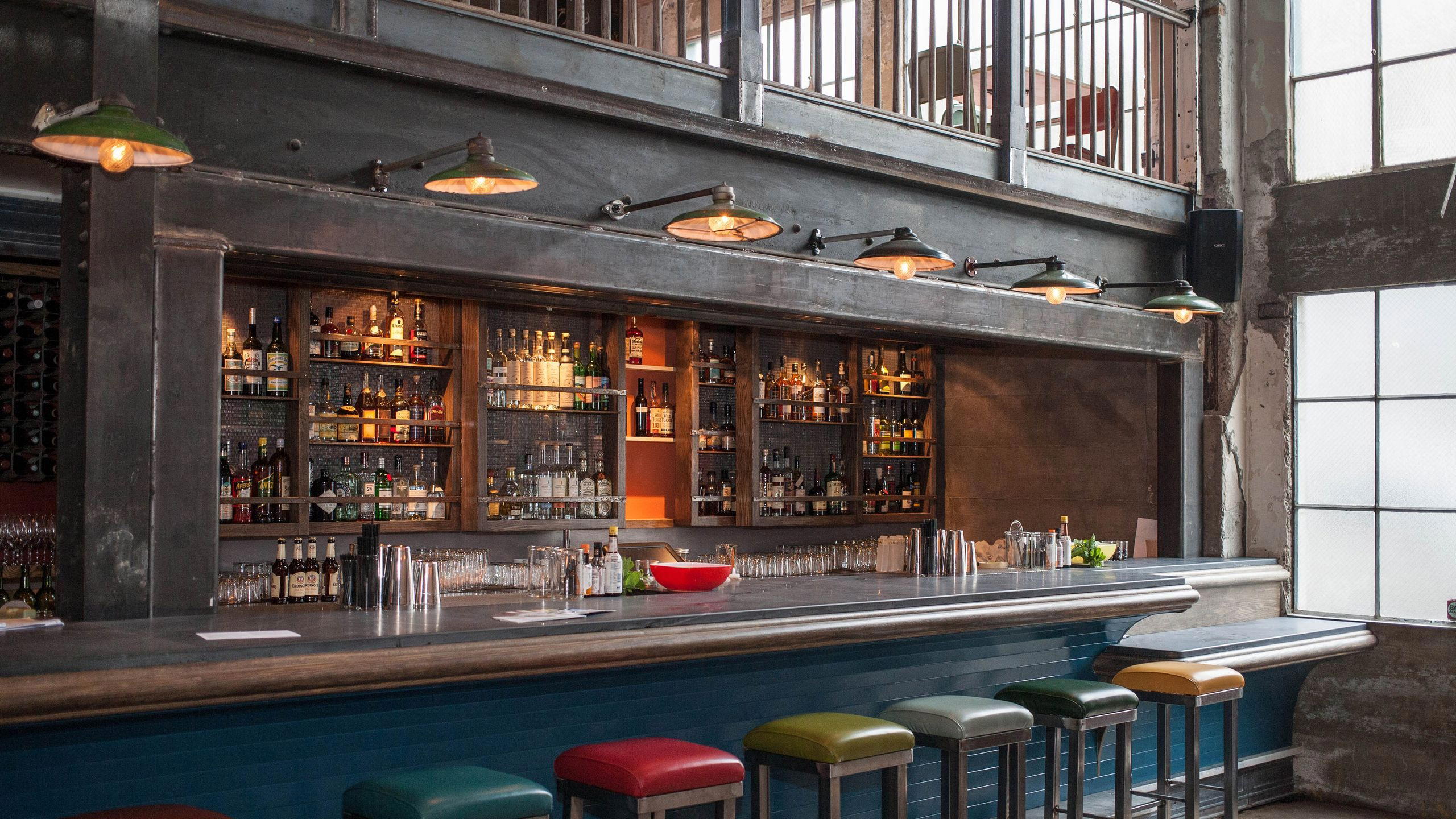
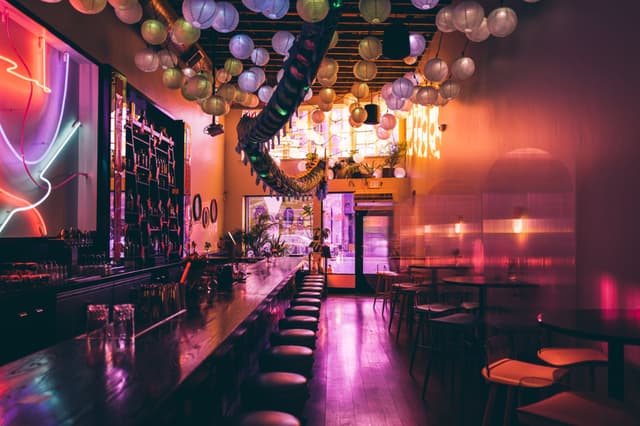
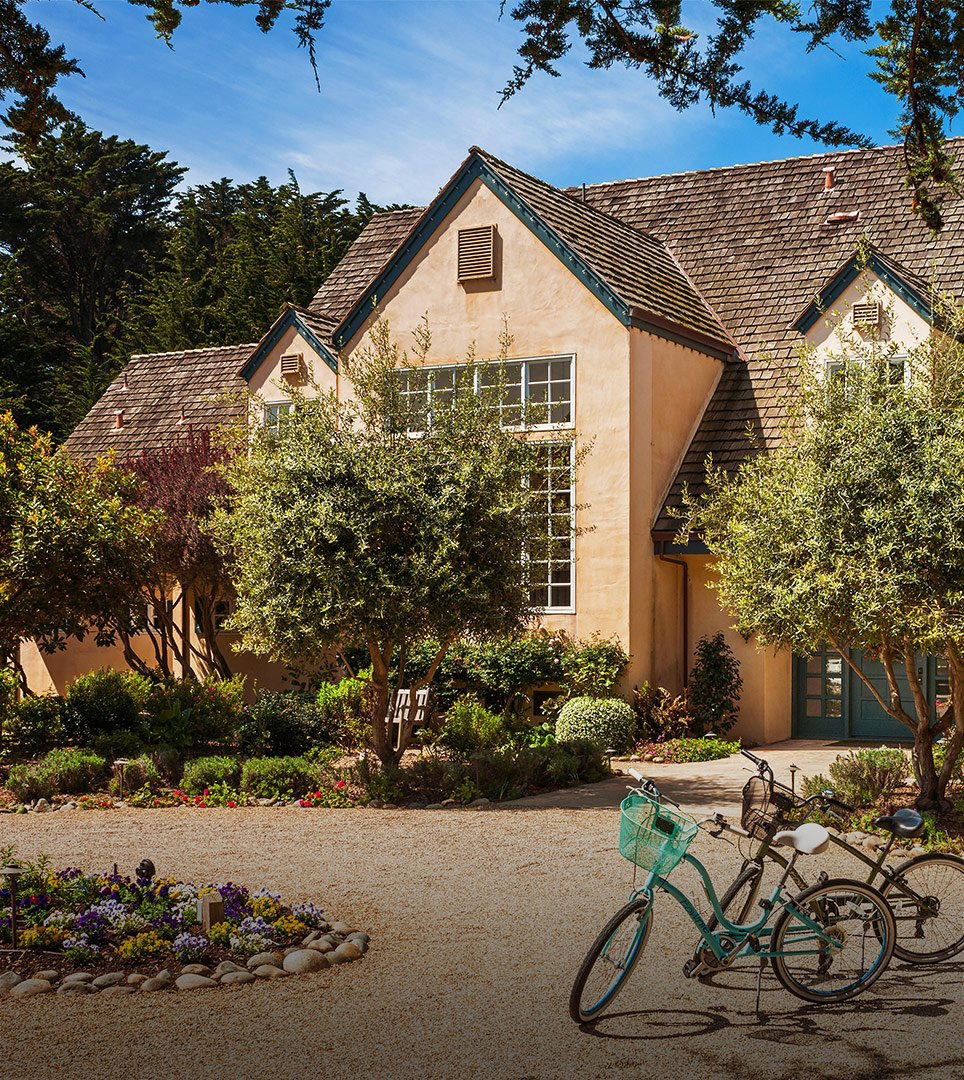
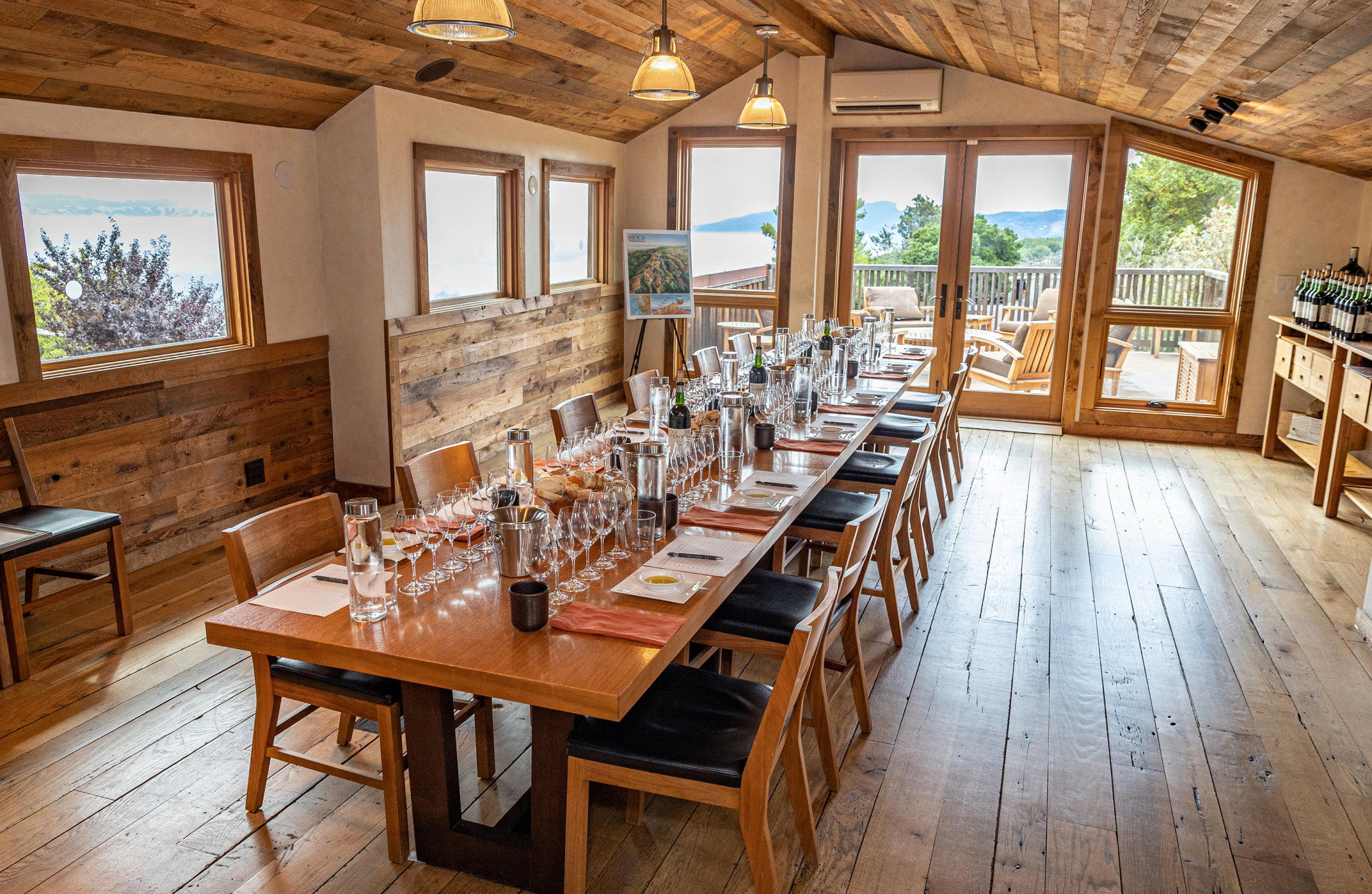
Moody, come-as-you-are, with a convivial neighborhood feel; design details blend Japanese influence and Bay Area warmth.