Arya Steakhouse
Our verdict
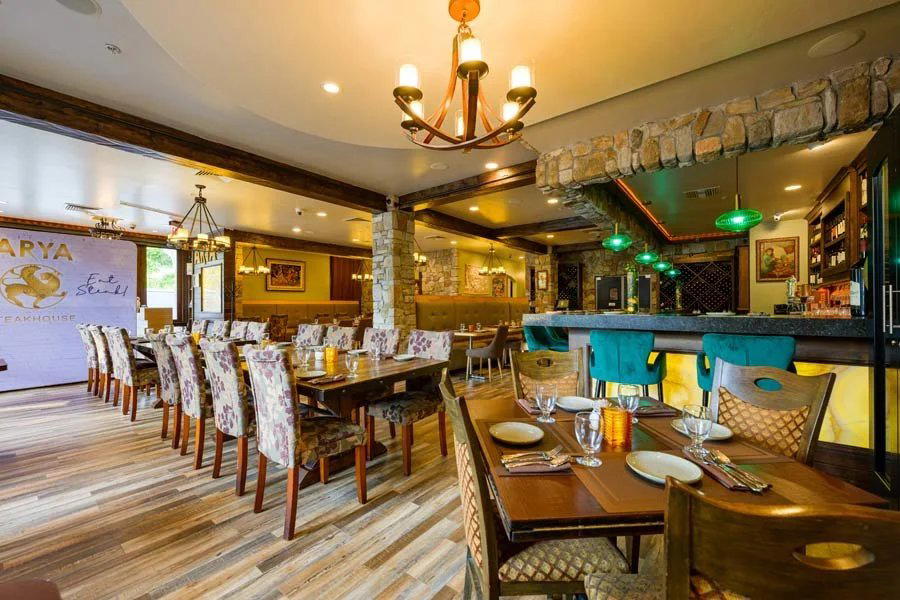
Arya Steakhouse on University Ave in Palo Alto serves Persian steakhouse cooking at lunch and dinner. Smart casual dress, conversational noise, and leisurely pacing suit planned meals and private dining.

Pearl is the En Primeur Club membership app — saves, bookings, and concierge access live there. Same editors, same standards.
- Address
- 140 University Ave, Palo Alto, CA 94301
- Phone
- (650) 304-3119
- Hours
- Daily 11:30 AM–9:30 PM
- Website
- aryasteakhouse.com
- Directions
- Get directions
- Booking
- Book on OpenTable
The menu
What to order
- 8 oz Filet Mignon
- Herb-Crusted Rack of Lamb
- Chicken & Beef Shish Kabob Platter
- Pomegranate & Walnut Fesenjan Stew
University Avenue and the Steakhouse Tier
University Avenue in Palo Alto runs a particular dining logic: it serves a population that splits between quick-turnaround tech lunches and sit-down dinners that carry the weight of a deal or a celebration. Steakhouses sit at the heavier end of that register, offering the kind of menu architecture built around a central protein and the sides, sauces, and wines that orbit it. Arya Steakhouse, at 140 University Ave, occupies that position on one of the Bay Area's most commercially active dining corridors, where the competition ranges from fast-casual bowls to full white-tablecloth European formats.
On University Avenue, the steakhouse format competes not just with other steak-focused rooms but with the full spread of formats that define Silicon Valley's dining culture. Options like Anatolian Kitchen, Asian Box, and Bare Bowls serve the lighter, faster end of Palo Alto's appetite. Arya Steakhouse addresses a different occasion: the dinner that needs a booth, a wine list, and a menu built around a specific cut of meat.
What a Steakhouse Menu Architecture Signals
The steakhouse menu is one of the most legible formats in American dining. Its logic is modular: a protein category anchored by cut and grade, a sides column that functions semi-independently, a sauce section that either supplements or competes with the meat's natural character, and a wine list calibrated against red-drinking preferences. That architecture places the burden of differentiation almost entirely on sourcing and execution. Diners reading a steakhouse menu are not evaluating conceptual range; they are reading for cut selection, grade transparency, and whether the kitchen has a point of view on aging.
In California, steakhouses operate in a context where local sourcing rhetoric is ubiquitous but often underspecified. The more disciplined rooms in the state, including well-documented examples at the higher end of the market, tend to list their sourcing with some specificity: ranch name, state of origin, or aging duration. Without that information, a steakhouse menu reads more as a format than an argument.
Arya Steakhouse's position on University Avenue places it in a corridor that has historically rewarded both consistency and occasion-readiness. The Palo Alto dining crowd, shaped by proximity to Stanford and the density of tech-sector entertaining, tends to spend at a higher average check when the occasion justifies it, and a steakhouse format is one of the clearest signals of that occasion tier.
The Bay Area Steakhouse Context
California's steakhouse category sits in tension with the state's broader culinary identity, which leans toward lighter proteins, produce-led menus, and Californian wine pairings that favour Pinot Noir and Chardonnay over the Cabernet-heavy pairings more typical of a classic American chophouse. The steakhouses that have sustained in the Bay Area tend to resolve that tension in one of two ways: by doubling down on the traditional format with premium sourcing that justifies the red-meat focus, or by hybridising toward a broader menu that incorporates seafood and lighter options alongside the central steak program.
For comparison, the ambition ceiling in California dining is illustrated by restaurants like Single Thread Farm in Healdsburg and The French Laundry in Napa, both of which operate at a price and format tier well above the steakhouse category. In San Francisco, Lazy Bear represents a different model entirely: a communal tasting format that dissolves the steakhouse's modular structure. The steakhouse is a distinct format with its own logic, and Arya operates within that logic rather than against it.
Nationally, the steakhouse format has been refined most visibly at places like Le Bernardin in New York City (for the contrast of a seafood-focused room at comparable price points) and at tasting-format rooms like Alinea in Chicago and Atomix in New York City, which operate in entirely different architectural registers. The steakhouse remains its own category: occasion-driven, protein-centred, and legible to a broad dining public in a way that tasting menus are not.
Palo Alto's Dining Register
University Avenue has sustained a mixed dining tier for over two decades. At the more casual end, formats like Birdie's at Stanford Golf serve a neighbourhood function. At the mid-range, Bistro Elan has built a reputation for French-influenced cooking that addresses a different occasion tier than a steakhouse. The steakhouse format sits slightly apart from both: it is neither quick nor conceptually ambitious in the fine-dining sense, but it commands a specific kind of loyalty from diners who want a familiar, occasion-appropriate format executed with consistency.
Palo Alto's dining geography also puts it in proximity to a broader Northern California dining scene that includes Providence in Los Angeles and Addison in San Diego at the southern end of the state. These are reference points for the ambition that California dining can carry when a room commits fully to a format and sources the talent and ingredients to match. The steakhouse category rarely reaches that tier, but the better rooms within it are disciplined about sourcing, service, and the kind of wine program that supports a carnivore-heavy table.
Further afield, places like Emeril's in New Orleans, Blue Hill at Stone Barns in Tarrytown, The Inn at Little Washington in Washington, and 8 1/2 Otto e Mezzo Bombana in Hong Kong illustrate how dining rooms at the top of their respective categories tend to distinguish themselves through format discipline and sourcing specificity. Those principles apply across categories, including the steakhouse.
Planning Your Visit
Arya Steakhouse is located at 140 University Ave in central Palo Alto, within walking distance of the Caltrain station and the core of downtown. University Avenue has reliable street parking in the evenings, and the surrounding blocks offer structured garage options that reduce arrival friction for parties driving from elsewhere in the Peninsula. For anyone visiting from San Francisco or the South Bay, the Caltrain connection makes Palo Alto's dining corridor more accessible than its suburban address might suggest. Reservations are advisable for weekend evenings, when University Avenue's full-service restaurants operate at capacity. For a broader picture of what the city's dining scene offers across formats and price points, see our full Palo Alto restaurants guide.
Frequently asked questions
Is Arya Steakhouse good for families?
The steakhouse format is structurally more family-accommodating than tasting-menu or counter-service formats: the menu is modular, portions are shareable, and the occasion-dinner register at a University Avenue address sets a clear expectation without being prohibitively formal. Arya's location at 140 University Ave puts it close to downtown Palo Alto's pedestrian corridor, which makes arrival with a group straightforward. That said, the room skews toward adult dinners rather than kid-first outings.
What's the vibe at Arya Steakhouse?
University Avenue in Palo Alto runs a dining register that sits between casual tech-lunch spots and destination fine dining, and a steakhouse on this corridor occupies the occasion-dinner tier: deliberate, table-service led, and suited to deal closings or anniversary meals rather than drop-in visits. At 140 University Ave, the address places Arya within the central spine of downtown Palo Alto, which carries its own ambient energy from foot traffic and the proximity to Stanford. The format signals a dress code of business-casual without enforcing it.
Where is Arya Steakhouse located and is it convenient to reach?
Arya Steakhouse is at 140 University Ave in central Palo Alto, California — one block from the downtown core and within walking distance of the Palo Alto Caltrain station, which connects to San Francisco and San Jose. That positioning makes it one of the more transit-accessible dinner options on the Peninsula for guests coming from either direction. Street parking and nearby garages serve drivers, though University Avenue congestion during peak evening hours is a known variable in this part of Silicon Valley.
What should I eat at Arya Steakhouse?
In the steakhouse format, the cut selection is the primary decision: the aging program and grade (USDA Prime vs. Choice, or dry-aged vs. wet-aged) define the room's ambition more than any other indicator. Sides in a well-run steakhouse are designed to complement rather than compete, with creamed spinach, roasted potatoes, and bone marrow preparations serving as the standard markers of a kitchen's confidence. At Arya's University Avenue address, the wine list is the expected secondary focus for a clientele that routinely dines at this price tier across the Bay Area.
Where exactly is Arya Steakhouse?
Arya Steakhouse is located at 140 University Ave, Palo Alto, CA 94301, Palo Alto.
Accolades, Compared
A quick peer list to put this venue’s basics in context.
| Venue | Cuisine | Price | Awards |
|---|---|---|---|
| Arya SteakhouseThis venue — the venue you are viewing | Persian Steakhouse | $150–200 | Not listed |
| Anatolian Kitchen | Anatolian Turkish & Mediterranean | $30–50 | Not listed |
| Khazana by Chef Sanjeev Kapoor | Modern Indian Fine Dining | $50–100 | Not listed |
| Macarena | Traditional Spanish Tapas & Paella | $30–50 | Wine Spectator Award of Excellence |
| Whole Foods Market | Organic Grocery Market with Prepared Foods & Deli | $10–20 | Not listed |
| Bistro Elan | California-French Bistro | $50–100 | Not listed |
Continue exploring
More in Palo Alto
Restaurants in Palo Alto
Browse all →
Bars in Palo Alto
Browse all →
Hotels in Palo Alto
Browse all →



Details
- Elegant
- Romantic
- Intimate
- Sophisticated
- Date Night
- Special Occasion
- Business Dinner
- Private Dining
- A La Carte
- Vegetarian Friendly
- Halal
Current opening hours
- Monday
- 11:30 AM–9:30 PM
- Tuesday
- 11:30 AM–9:30 PM
- Wednesday
- 11:30 AM–9:30 PM
- Thursday
- 11:30 AM–9:30 PM
- Friday
- 11:30 AM–9:30 PM
- Saturday
- 11:30 AM–9:30 PM
- Sunday
- 11:30 AM–9:30 PM
Hours can change for holidays and private events. Last verified .
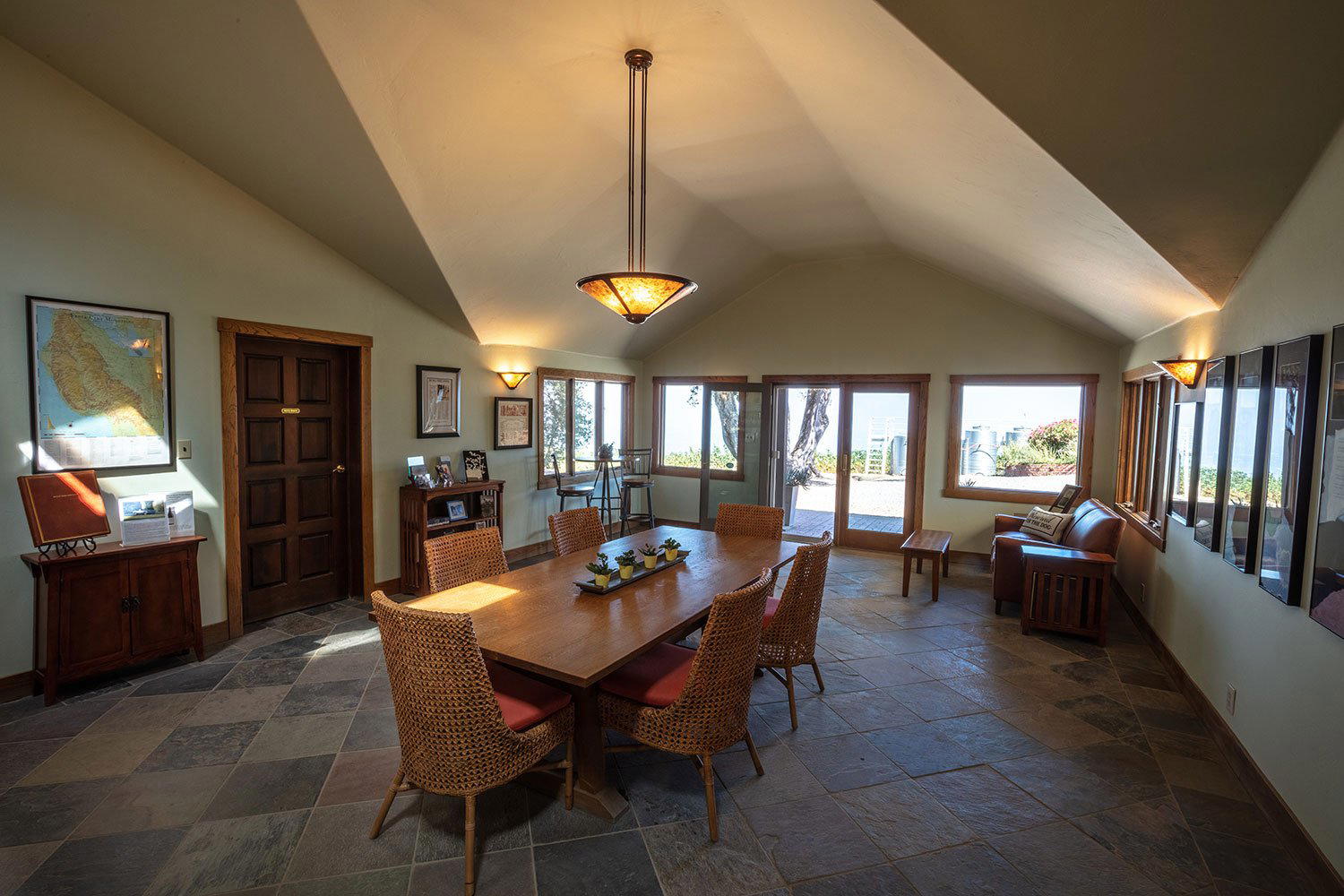
Intimate and romantic with warm hospitality and old-world dining charm.