Nola
Our verdict
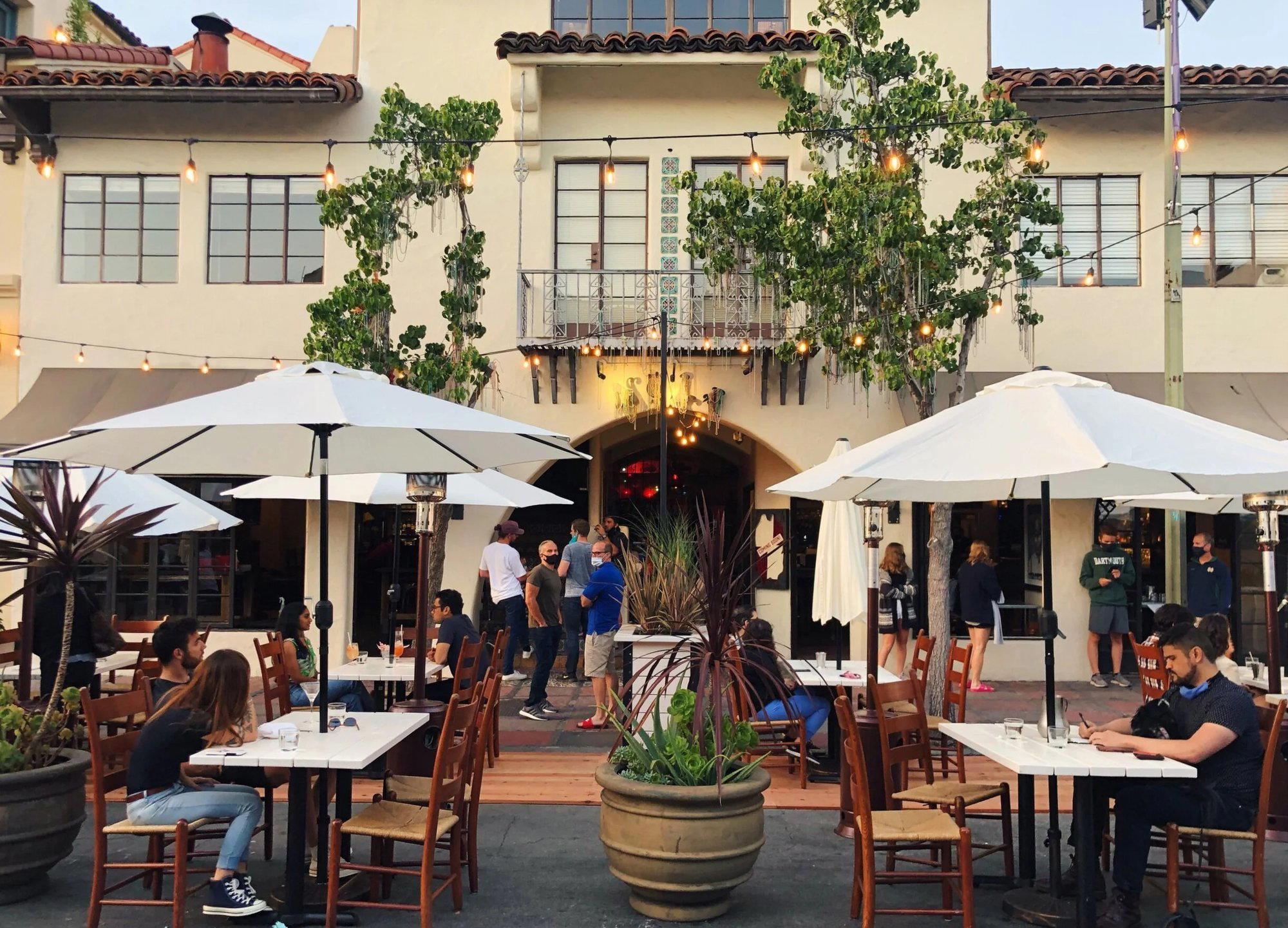
Nola occupies a considered spot on Ramona Street in downtown Palo Alto, where the Peninsula's appetite for ingredient-driven dining intersects with New Orleans culinary tradition. Positioned within a corridor of independently minded restaurants, it draws comparisons to sustainably focused peers in the Bay Area fine-dining circuit rather than the tech-campus lunch trade that defines much of the city's restaurant culture.

Pearl is the En Primeur Club membership app — saves, bookings, and concierge access live there. Same editors, same standards.
- Address
- 535 Ramona St, Palo Alto, CA 94301
- Phone
- (650) 328-2722
- Hours
- Mon ClosedTue–Thu 11:30 AM–11 PMFri 11:30 AM–1 AMSat 11 AM–1 AMSun 11 AM–10 PM
- Website
- nolas.com
- Directions
- Get directions
- Booking
- Book on OpenTable
The menu
What to order
- Spicy Jambalaya
- Jambalaya
- Chicken and Waffles
- Beignets
- Crab Cakes
Where Downtown Palo Alto Meets a Southern Culinary Tradition
Ramona Street in downtown Palo Alto functions as the Peninsula's closest approximation of a genuine restaurant row. Independent operators line the block, drawing a clientele that skews toward the professionally ambitious and the food-literate, a demographic that has helped sustain serious dining in a city more often associated with venture capital than with culinary ambition. Within that corridor, Nola sits as a reference point for a style of cooking that traces its lineage to New Orleans rather than to the Californian farm-to-table orthodoxy that dominates much of the Bay Area conversation. That distinction matters: the Gulf South tradition brings a different set of sourcing priorities, flavor commitments, and cultural references than the produce-forward restraint practiced at, say, Single Thread Farm in Healdsburg or the hyper-technical precision of The French Laundry in Napa.
The Sustainability Argument in Southern Cooking
American restaurants operating under the broad banner of sustainability have tended to cluster around a handful of recognizable archetypes: the farm-partnership tasting menu, the zero-waste cocktail bar, the hyper-local ingredient showcase. Blue Hill at Stone Barns in Tarrytown built an entire identity around that model. What makes the sustainability question more interesting in the context of Southern cooking is that the tradition was practicing nose-to-tail, whole-animal, and preserved-ingredient cooking long before those concepts acquired the marketing vocabulary they carry today. Cajun and Creole kitchens have historically used every part of the catch, every cut of the pig, and every season's surplus in fermented or pickled form — not as a philosophical statement but as an economic necessity that shaped an entire regional cuisine. When a New Orleans-inflected restaurant operates in a market like Palo Alto, where diners are highly attuned to sourcing narratives, that inherited approach to whole-ingredient cooking translates naturally into the language of environmental consciousness that the local audience expects.
The comparison set for this kind of positioning is specific. Providence in Los Angeles has built a long record of responsible seafood sourcing, earning recognition from the Monterey Bay Aquarium's Seafood Watch program, demonstrating that fine-dining and environmental accountability are not mutually exclusive in the California market. Addison in San Diego operates at the Michelin level while maintaining a regional sourcing ethos. The expectation, in other words, is well-established across the state: California diners have come to treat ethical sourcing as a baseline criterion rather than a differentiating feature.
The Palo Alto Context: Independent Restaurants in a Competitive Mid-Peninsula Market
Understanding where Nola fits requires a clear-eyed look at what Palo Alto's dining scene actually rewards. The city's restaurant population is heavily weighted toward formats that serve a working lunch or a business dinner efficiently. Walk Ramona Street on a weeknight and the contrast between venues is instructive. Anatolian Kitchen brings a focused Mediterranean-Turkish approach to the same block, while Arya Steakhouse serves the market for Persian-influenced proteins in a more formal setting. Quick-service operators like Asian Box and health-forward concepts like Bare Bowls address the lunch-crowd velocity that the tech economy generates. Birdie's at Stanford Golf operates in a different register entirely, tied to a recreational venue rather than the downtown pedestrian trade.
Nola's address at 535 Ramona St places it squarely inside the independent-dining corridor where the comparison is not to the campus cafeteria or the fast-casual health bowl but to the kind of sit-down cooking that demands a reservation and rewards attention. That positioning is not automatic in Palo Alto; the city's dining culture has historically punched below its economic weight, and the restaurants that have held serious reputations here have done so against a relatively thin competitive field by Bay Area standards.
Southern Cooking and the National Fine-Dining Conversation
The restaurant that most clearly established New Orleans cooking as a fine-dining category worth serious critical attention is Emeril's in New Orleans, which helped shift the perception of Gulf South cuisine from regional comfort food to a codified culinary system with as much intellectual architecture as French or Japanese cooking. More recently, the fermentation-forward and technique-intensive direction of places like Lazy Bear in San Francisco and the conceptual ambition of Alinea in Chicago have widened the vocabulary available to American chefs operating outside strictly European frameworks. Atomix in New York City and Le Bernardin in New York City demonstrate that rigorous sourcing and technical precision are not genre-specific. The point is that the standards by which a serious American restaurant is evaluated have shifted considerably, and a Southern-inflected kitchen operating in Silicon Valley in 2025 is being measured against a national conversation that has grown substantially more demanding.
That pressure is not entirely unwelcome. It has historically produced more disciplined sourcing decisions and more considered menus in restaurants that might otherwise have coasted on nostalgia or regional novelty. The Inn at Little Washington has demonstrated over decades that American regional cooking, held to a high technical standard and sourced with genuine rigor, can sustain decades-long critical respect. 8½ Otto e Mezzo Bombana in Hong Kong shows the same principle operating across cultural contexts: a strong regional identity, executed with precision, travels.
Planning a Visit
Nola is located at 535 Ramona St in downtown Palo Alto, within walking distance of the CalTrain station, which makes it accessible from San Francisco or San Jose without requiring a car. Ramona Street's independent restaurant cluster tends to fill up on Thursday through Saturday evenings, so advance planning is advisable regardless of how well-known a specific venue is. For current booking availability, hours, and any updates to the menu format, checking directly with the restaurant is the reliable approach, as third-party listing data for smaller independent operators frequently lags behind operational changes. Palo Alto's dining corridor rewards exploration across multiple visits: the density of independently minded operators on and around Ramona Street means that a single evening rarely captures the full picture. Our full Palo Alto restaurants guide maps the broader scene with the same editorial framework applied here.
Frequently asked questions
Where do I go for Nola?
Nola is located at 535 Ramona St, Palo Alto, CA 94301, Palo Alto.
Is Nola in Palo Alto a good option for dining near the CalTrain station?
At 535 Ramona St in downtown Palo Alto, Nola sits within walking distance of the CalTrain station, making it one of the more accessible independent restaurants on Ramona Street for visitors arriving by rail from San Francisco or San Jose. That access point is relevant for anyone planning a dinner reservation without a car, as street parking in downtown Palo Alto on evenings can be constrained. The Southern culinary focus gives it a programmatic reason to visit beyond mere convenience of location.
What should I order at Nola?
Nola draws on the Southern culinary tradition anchored in New Orleans cooking, so dishes rooted in that canon are the reason to visit. The body of the menu reflects techniques and flavor profiles associated with Gulf Coast and Creole-influenced kitchens.
What's the best way to book Nola?
Nola is located at 535 Ramona St in downtown Palo Alto, a block that functions as the Peninsula's most active independent restaurant corridor. Arriving at the restaurant directly or searching for the current reservation platform by name is the most reliable approach.
What is Nola known for?
Nola is known for bringing Southern cooking, specifically the New Orleans tradition, into Palo Alto's competitive independent dining market on Ramona Street. That positioning is notable in a city whose restaurant scene tilts heavily toward either fast-casual formats or international cuisines. The restaurant occupies a distinct lane as one of the few operations on the Peninsula seriously engaging with Creole and Gulf Coast culinary heritage.
How does Nola handle allergies?
Southern cooking traditions frequently involve shellfish, pork derivatives, and wheat-based preparations, so guests with specific dietary requirements should check the venue's official channels before booking to confirm what substitutions or modifications are available.
Should I splurge on Nola?
Nola operates in a Palo Alto dining market that rewards independent operators with clear culinary identity, and its Southern focus gives it a point of difference that most mid-Peninsula restaurants do not offer. If Southern cooking or New Orleans-influenced food is relevant to your interests, the specificity of the concept justifies a considered visit.
Compact Comparison
Comparable venues nearby, for context on price, style, and recognition.
| Venue | Cuisine | Price | Notes |
|---|---|---|---|
| NolaThis venue — the venue you are viewing | Cajun & Creole with Latin Fusion | $30–50 | Not listed |
| NM Cafe | Contemporary American Cafe | $30–50 | Stanford Shopping Center, Contemporary American Cafe |
| Cool Cafe | American Café | Not listed | Stanford, American Café |
| Bare Bowls | Acai Bowls & Healthy Smoothies | $10–20 | Downtown Palo Alto, Acai Bowls & Healthy Smoothies |
| Dinah's Poolside Restaurant | Farm-to-Table American | $20–30 | Not listed |
| Birdie's at Stanford Golf | American Clubhouse | $20–30 | Stanford, American Clubhouse |
Continue exploring
More in Palo Alto
Restaurants in Palo Alto
Browse all →
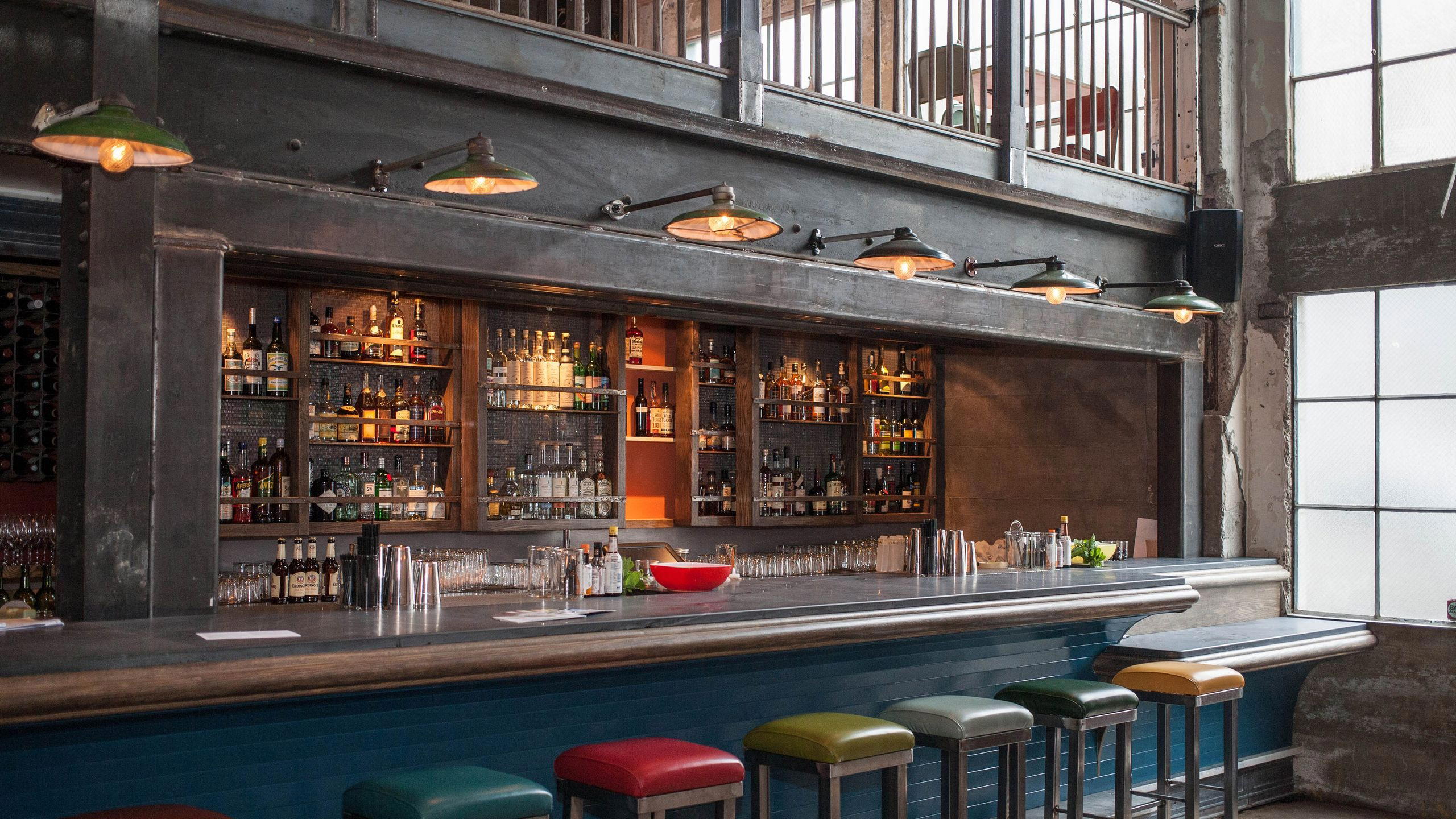
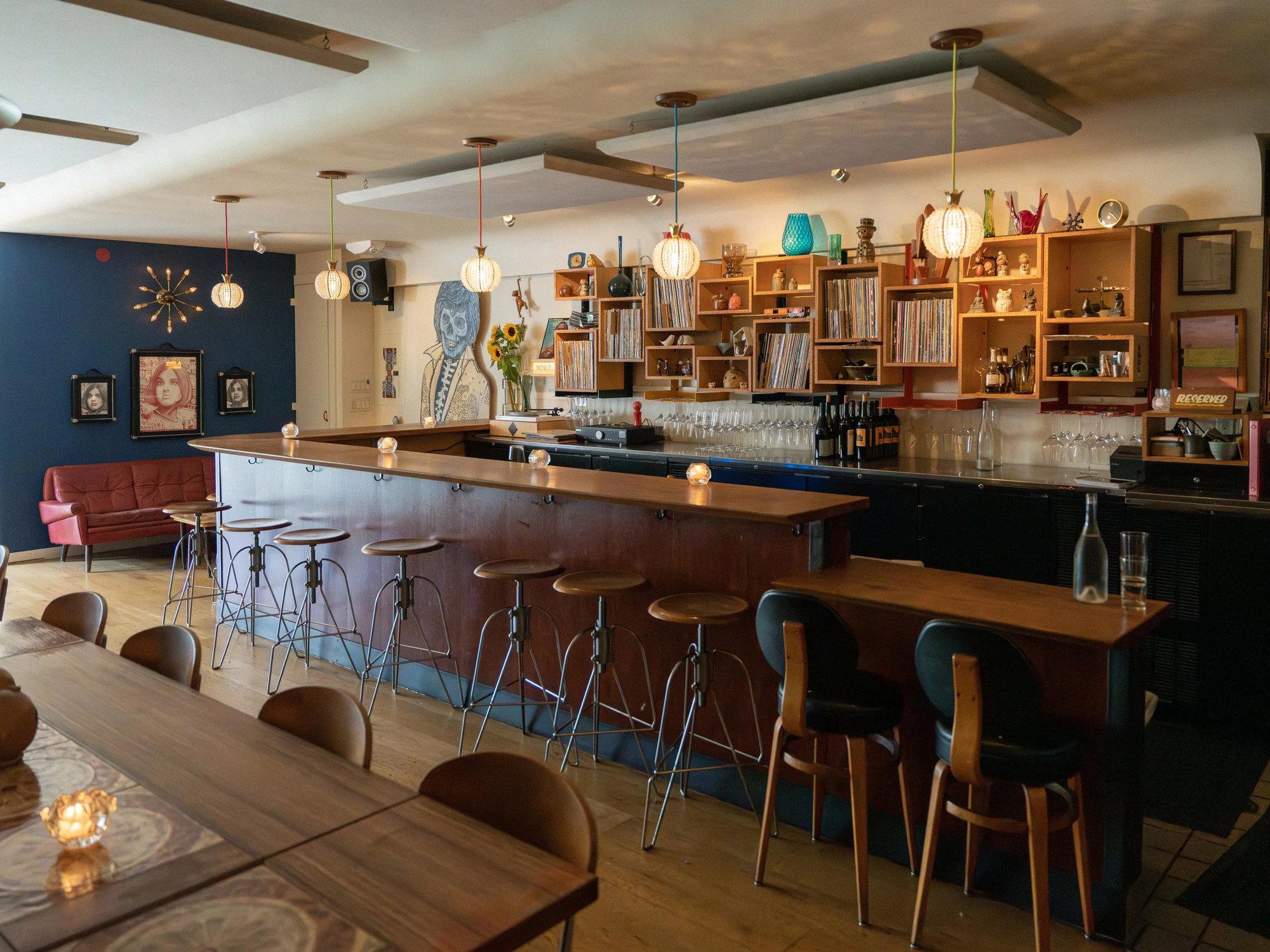
Bars in Palo Alto
Browse all →
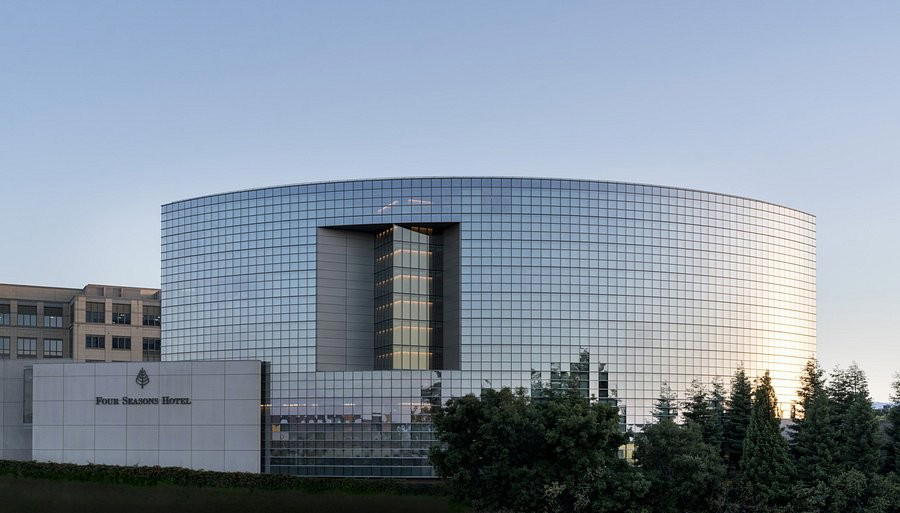
Hotels in Palo Alto
Browse all →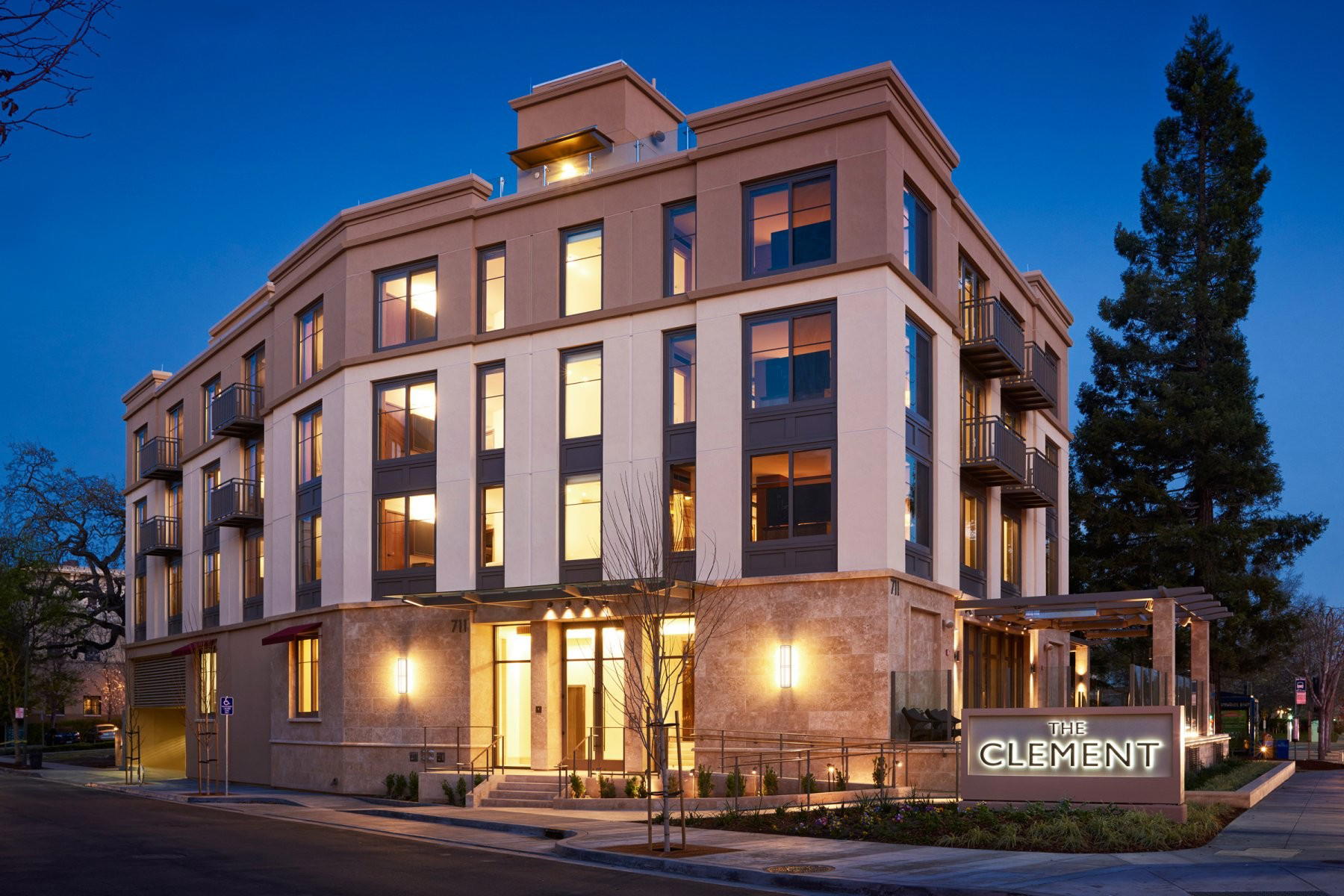

Details
- Lively
- Trendy
- Casual Hangout
- Special Occasion
- Late Night
- Courtyard
- Open Kitchen
- Historic Building
- Craft Cocktails
- A La Carte
- Small Plates
- Craft Cocktails
- Vegetarian Friendly
- Gluten Free Options
Current opening hours
- Monday
- Closed
- Tuesday
- 11:30 AM–11 PM
- Wednesday
- 11:30 AM–11 PM
- Thursday
- 11:30 AM–11 PM
- Friday
- 11:30 AM–1 AM
- Saturday
- 11 AM–1 AM
- Sunday
- 11 AM–10 PM
Hours can change for holidays and private events. Last verified .
Festive French Quarter-inspired decor with lively folk art, lively atmosphere transporting guests to New Orleans.