President's Terrace
Our verdict
On University Avenue in the heart of Palo Alto, President's Terrace occupies a stretch of the Peninsula's most restaurant-dense corridor, where the California-grown ingredient tradition meets a dining public shaped by global professional mobility. The address at 488 University Ave places it squarely within walking distance of Stanford's campus edge, giving it a clientele that expects both technical seriousness and seasonal grounding.

Pearl is the En Primeur Club membership app — saves, bookings, and concierge access live there. Same editors, same standards.
- Address
- 488 University Ave, Palo Alto, CA 94301
- Phone
- (650) 843-9755
- Hours
- Mon–Thu 4–10 PMFri–Sat 4–11 PMSun 4–10 PM
- Website
- presidentsterrace.com
- Directions
- Get directions
- Booking
- Book on Resy
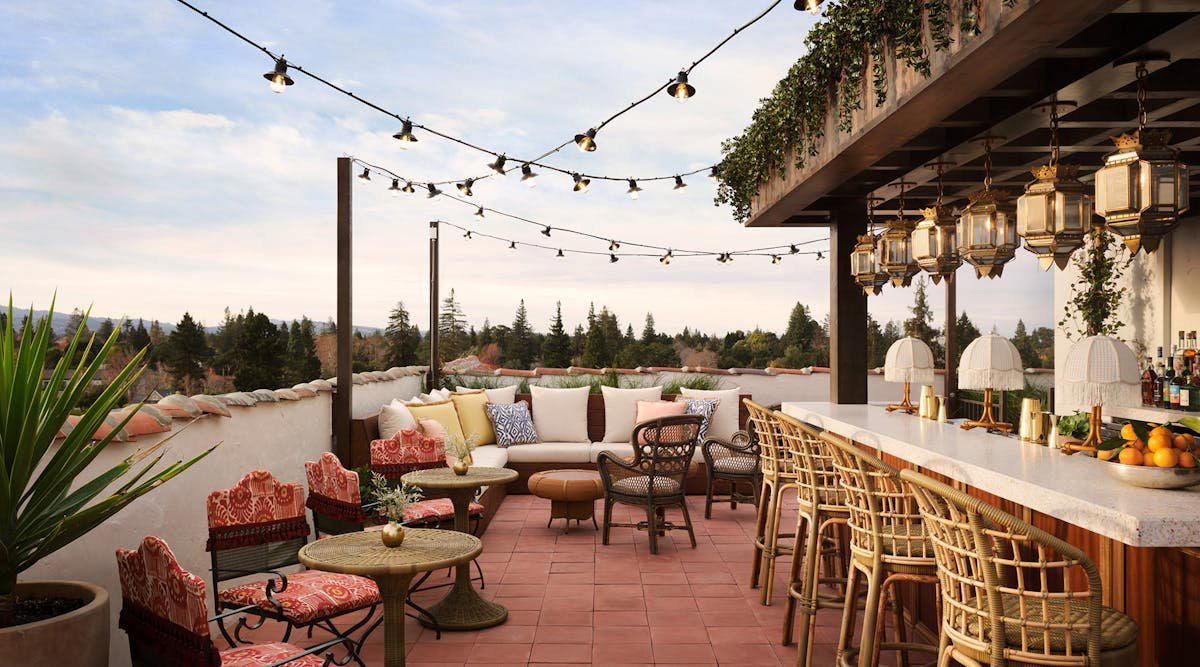
The menu
What to order
- Rock Shrimp Tempura
- Bay scallops
- Pacific kampachi
University Avenue and the Dining Expectation It Creates
University Avenue in Palo Alto runs through one of the most economically concentrated zip codes in the United States, and the dining corridor that lines it reflects exactly that pressure. The restaurants here are not competing for tourist foot traffic in any conventional sense. Their regulars are venture partners, Stanford faculty, and engineers whose professional travel has taken them through kitchens in Tokyo, Copenhagen, and Lyon. That context shapes what a restaurant on this street needs to do: it must carry genuine technical fluency and ingredient discipline, because the room will notice when it doesn't.
President's Terrace, at 488 University Ave, sits inside that expectation. The stretch rewards restaurants that find a clear lane and hold it with consistency.
The California Ingredient Tradition and Its Technical Counterpart
The Bay Area's relationship with ingredient sourcing is older and more institutionally serious than most American cities. The arguments that Alice Waters was making at Chez Panisse in the 1970s — that California's agricultural diversity is itself a culinary resource worth centering — have long since passed from radical proposition to regional orthodoxy. What has changed in the decade since is the layering: Northern California's seasonal supply chain now meets cooking technique imported from every major culinary tradition, and the most interesting results come from that collision rather than from either tradition alone.
This is the tension that defines the leading Peninsula dining rooms. Restaurants like Single Thread Farm in Healdsburg have built entire identities around the point where Japanese kaiseki discipline meets Sonoma-sourced product. Lazy Bear in San Francisco applies a tasting-menu format drawn from modernist European tradition to ingredients that are emphatically local in provenance. Even further afield, the conversation between indigenous product and imported method is a structuring principle at places like Blue Hill at Stone Barns in Tarrytown and Providence in Los Angeles. Palo Alto's dining scene, dense with globally experienced diners, operates in the same register.
What the Address on University Avenue Signals Seasonally
The seasonal rhythm on University Avenue is worth understanding before you plan a visit. Spring and early summer bring Stanford's commencement calendar, which compresses reservations across the corridor and fills every room on the avenue from late May through mid-June. Fall marks the return of the academic year, and with it a reliable increase in midweek covers as faculty and visiting scholars reestablish routines. The quietest window, and often the most comfortable for unhurried dining, runs through January and February, when the post-holiday slowdown gives the avenue's restaurants room to breathe and kitchens the space to experiment.
For context on how Palo Alto's dining calendar compares across the full range of options on the avenue and surrounding blocks, the EP Club Palo Alto restaurants guide maps the broader picture by neighbourhood and format.
Placing President's Terrace in Its Competitive Frame
The University Avenue corridor operates in a different competitive register than, say, the tasting-menu tier anchored by The French Laundry in Napa or the highly formatted modernist experiences of Alinea in Chicago and Atomix in New York City. Those rooms demand advance planning measured in weeks or months, carry significant per-cover spend, and function as destination dining in the fullest sense. The Peninsula's avenue-level restaurants, by contrast, operate as high-frequency neighborhood anchors for a clientele that nonetheless carries sophisticated expectations shaped by exposure to those destination rooms.
That positioning has its own discipline. A restaurant on University Avenue competes on return visits, not first impressions. The question is not whether a dish is technically remarkable on encounter but whether a guest trusts the kitchen enough to come back the following month. Consistency, seasonal responsiveness, and the kind of sourcing transparency that Palo Alto's dining public notices and responds to are the real performance metrics here. Restaurants that have managed that balance on the Peninsula include Birdie's at Stanford Golf, which anchors a different audience on the venue's campus edge.
At a broader American scale, the approach that tends to work at this level of the market, local ingredient primacy supported by technique drawn from outside the region, is the same approach that has driven critical recognition at places like Addison in San Diego, Le Bernardin in New York City, Emeril's in New Orleans, The Inn at Little Washington, and 8 1/2 Otto e Mezzo Bombana in Hong Kong. The common thread across those rooms is an unwillingness to let sourcing story substitute for technical execution, or vice versa.
Planning a Visit
President's Terrace is located at 488 University Ave, Palo Alto, CA 94301, on a stretch of the avenue that is walkable from the University Avenue Caltrain station in under ten minutes. University Avenue has metered street parking along its length, with structured parking available on adjacent cross streets. The Palo Alto corridor is accessible from Highway 101 via University Avenue exit or from Page Mill Road via El Camino Real, making it a practical stop whether you're traveling from San Francisco, San Jose, or the wider Peninsula. Given the density of activity on the avenue during Stanford's academic calendar, midweek visits outside of commencement season tend to offer easier access.
Frequently asked questions
Does President's Terrace work for a family meal?
The University Avenue location at 488 University Ave puts it within easy walking distance of the University Avenue Caltrain station, which helps with logistics for groups arriving from different directions. The address places it in a corridor that serves a wide range of diners on any given evening, from Stanford faculty to visiting families, which suggests the environment is unlikely to feel exclusionary. Calling ahead to ask about pacing and format is the practical step before committing with children in the group.
How would you describe the vibe at President's Terrace?
University Avenue in Palo Alto operates as one of the most economically active dining corridors in the Bay Area, and an address at 488 University Ave sits squarely in that current. The street draws a mix of tech-sector professionals, Stanford affiliates, and out-of-town visitors, which tends to produce rooms that feel purposeful rather than leisurely. Expect a room shaped by its neighbourhood's pace.
Is President's Terrace a good option for a business lunch on University Avenue in Palo Alto?
The address at 488 University Ave places it at the centre of Palo Alto's main commercial and professional corridor, which is where a significant share of Silicon Valley's working lunch circuit runs. University Avenue restaurants in this stretch are used regularly by Stanford affiliates and tech-sector professionals precisely because of proximity and walkability from offices and the Caltrain station.
What should I order at President's Terrace?
As a working principle in Palo Alto's dining corridor, California-sourced seasonal ingredients tend to anchor the better plates at University Avenue addresses — a standard the Bay Area's ingredient culture, shaped by decades of farm-direct sourcing, has made broadly expected rather than exceptional. Checking the current menu directly before visiting will give you the clearest picture of what the kitchen is leading with.
Where do I go for President's Terrace?
President's Terrace is located at 488 University Ave, Palo Alto, CA 94301, Palo Alto.
Peers in This Market
Comparable venues nearby, for context on price, style, and recognition.
| Venue | Cuisine | Price | Notes |
|---|---|---|---|
| President's TerraceThis venue — the venue you are viewing | West Coast Seafood Small Plates | $30–50 | Not listed |
| Wildseed | Seasonal Plant-Based Californian | $30–50 | Town & Country Village |
| Dinah's Poolside Restaurant | Farm-to-Table American | $20–30 | Palo Alto |
| Local Union 271 | Modern American Farm-to-Table | Not listed | Downtown Palo Alto |
| Bare Bowls | Acai Bowls & Healthy Smoothies | $10–20 | Downtown Palo Alto |
| Lou & Herbert's | Tapas & Small Plates | $30–50 | Downtown Palo Alto |
Continue exploring
More in Palo Alto
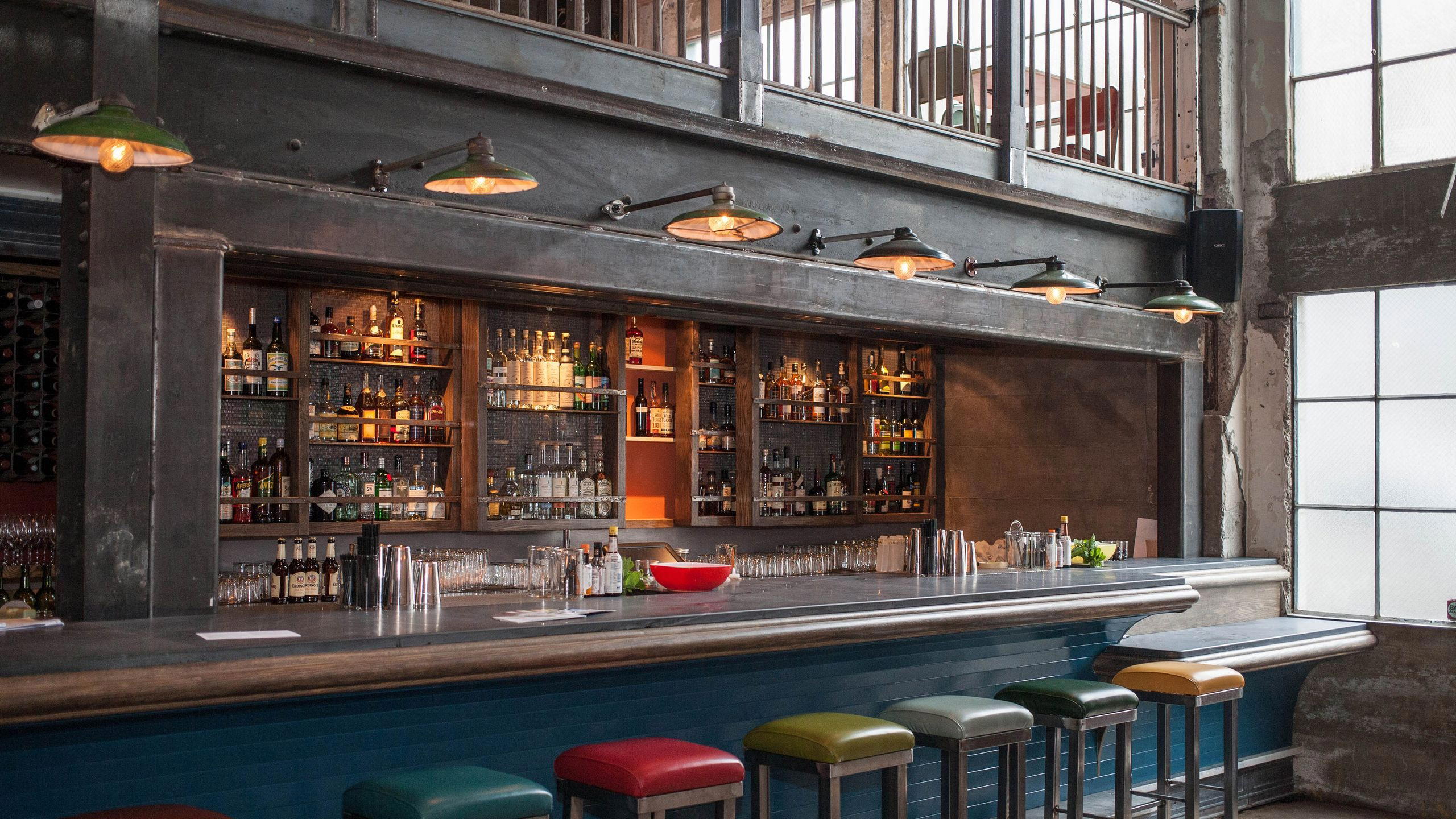
Restaurants in Palo Alto
Browse all →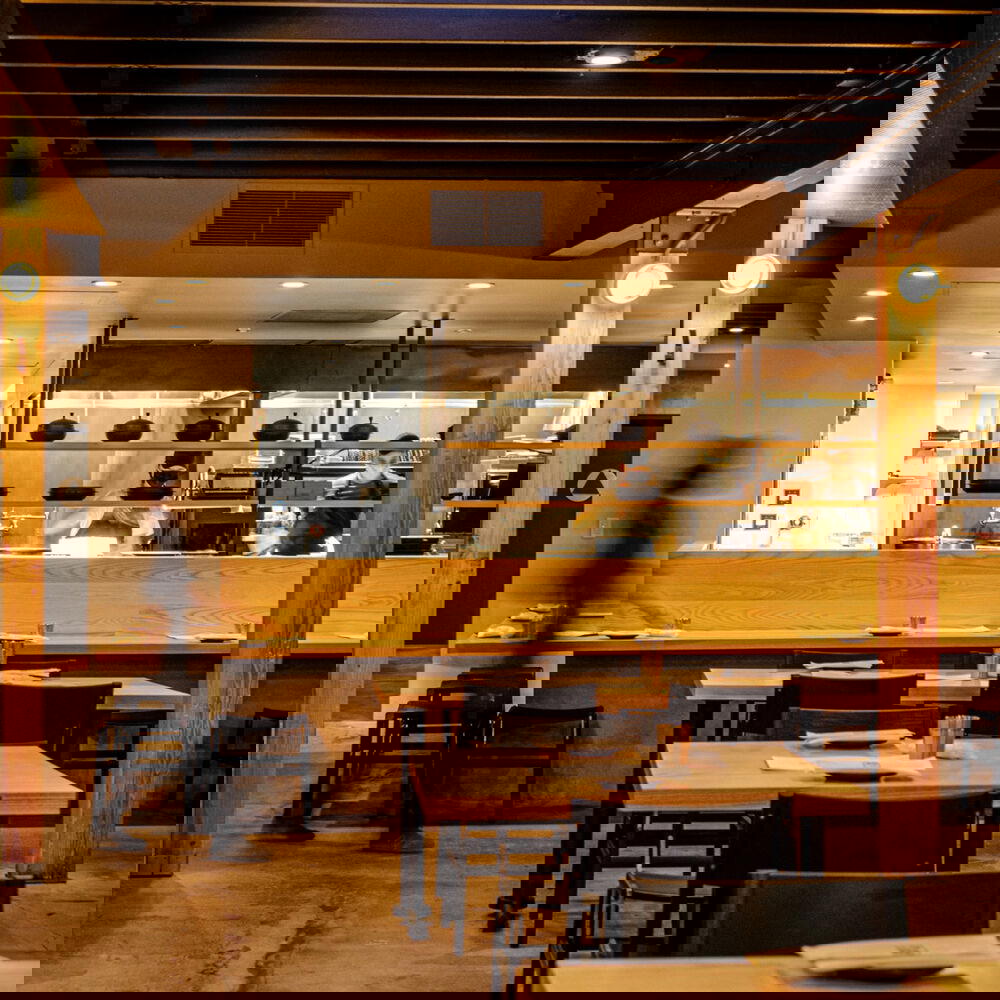
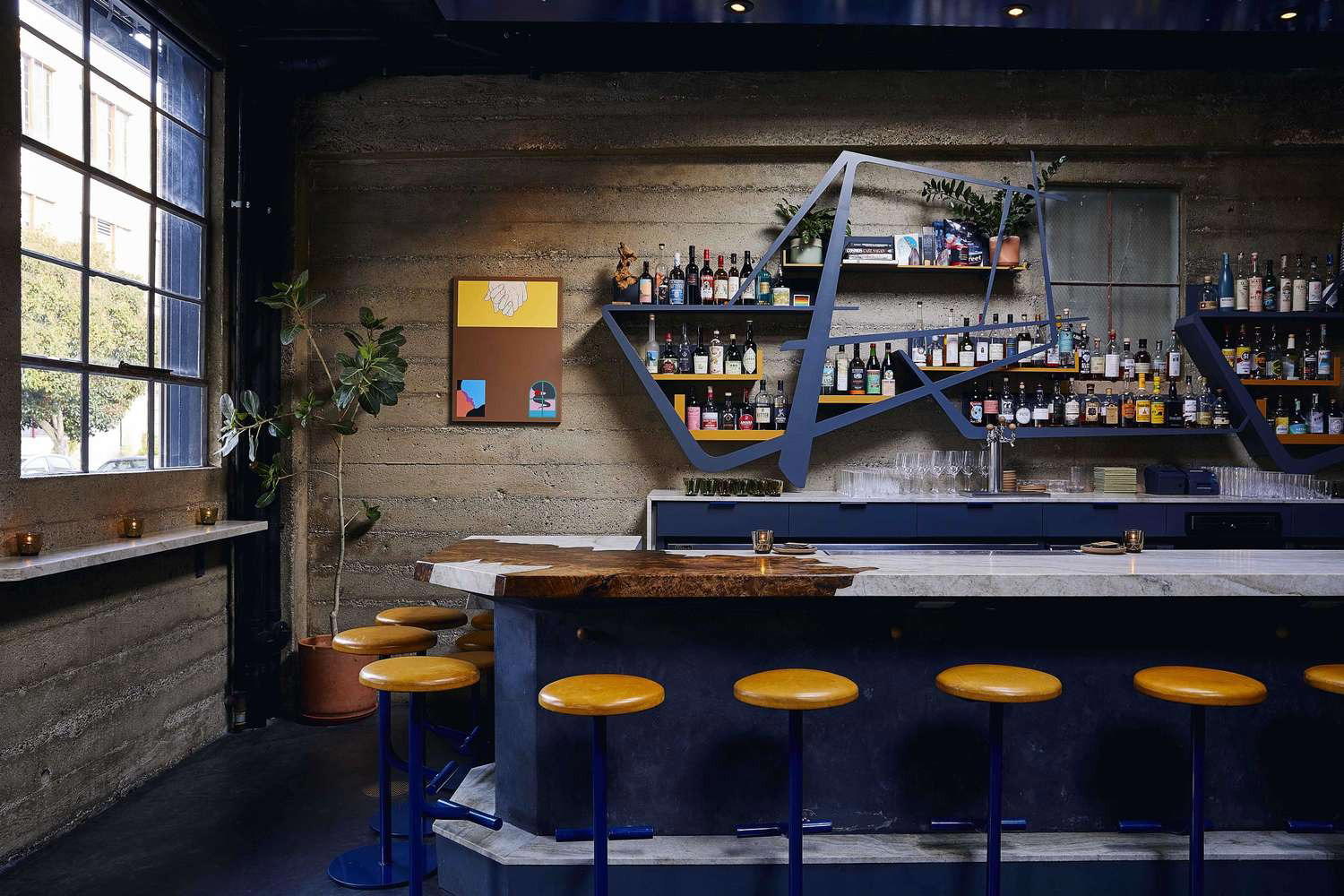
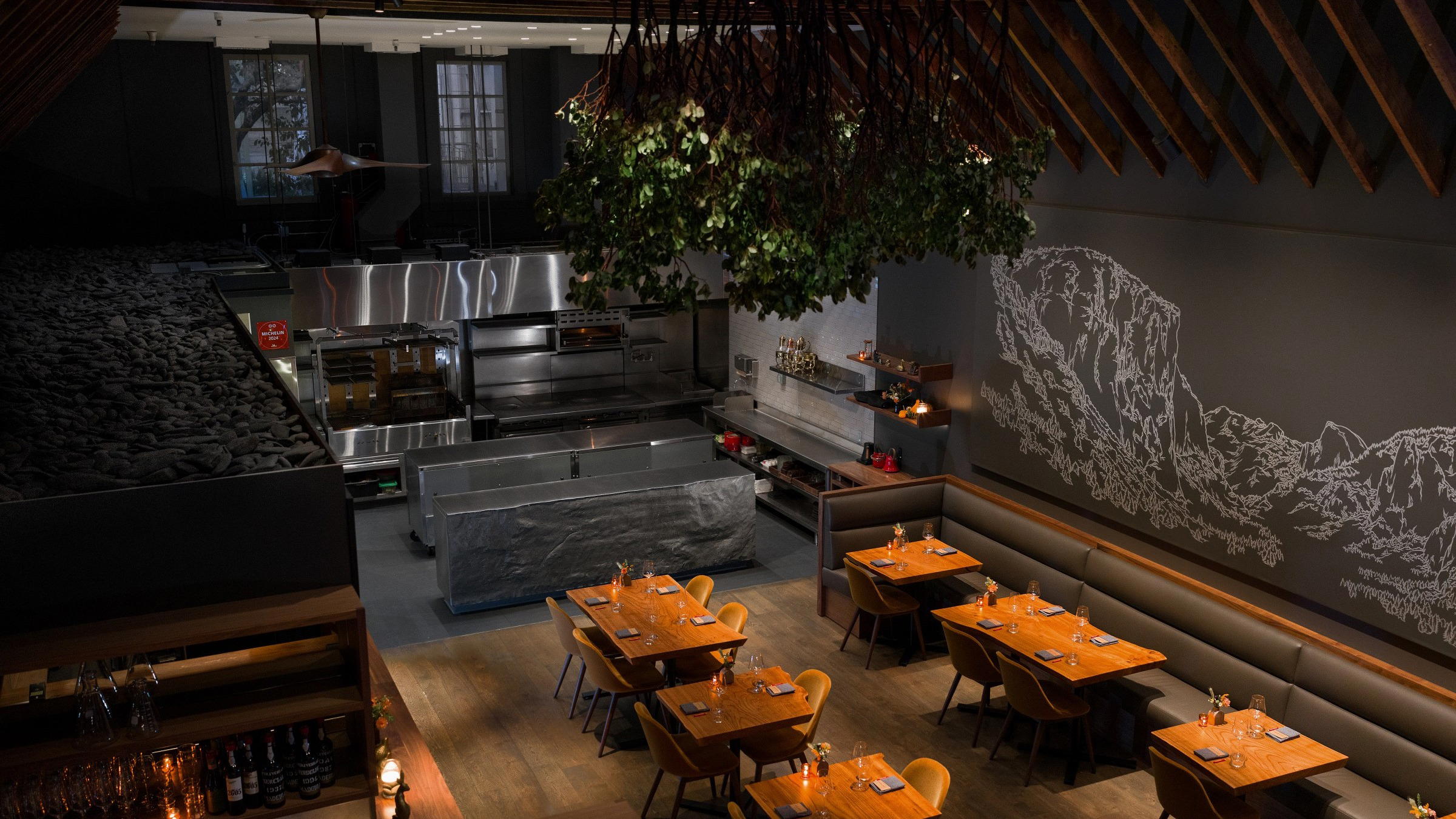
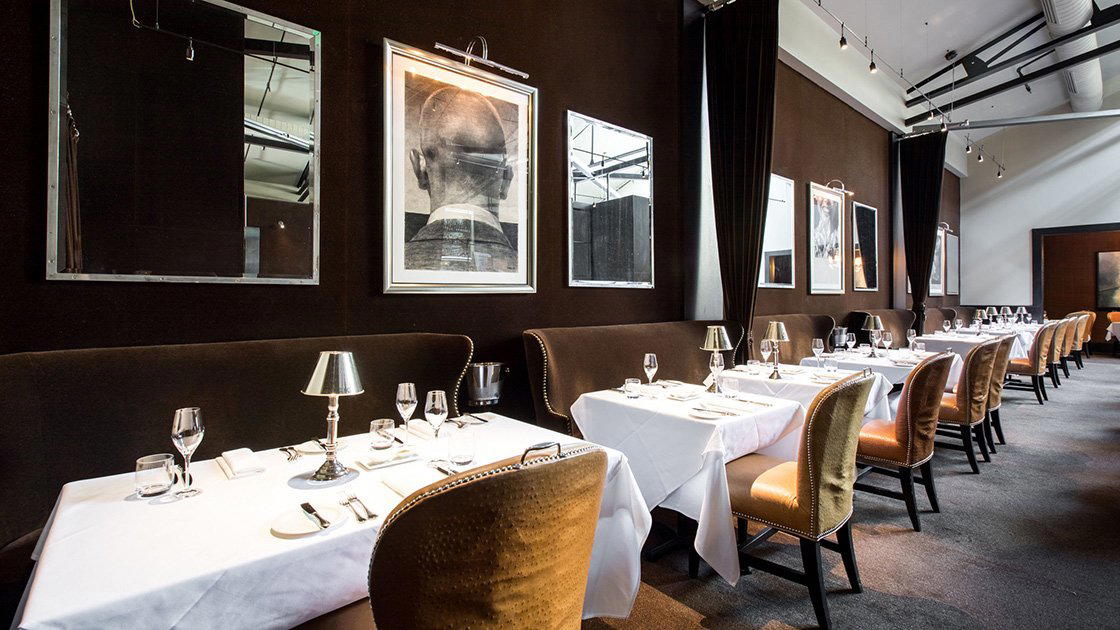
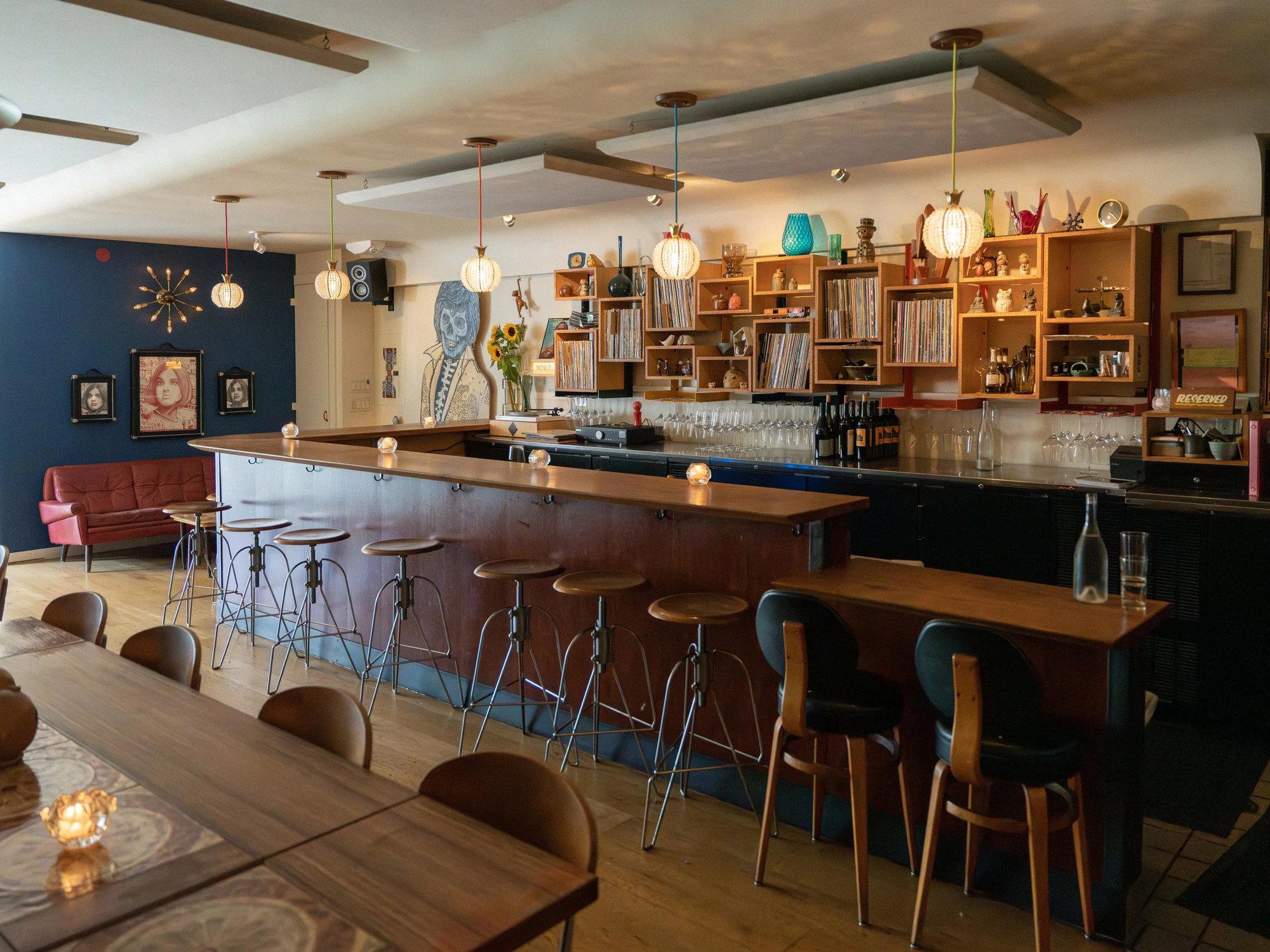
Bars in Palo Alto
Browse all →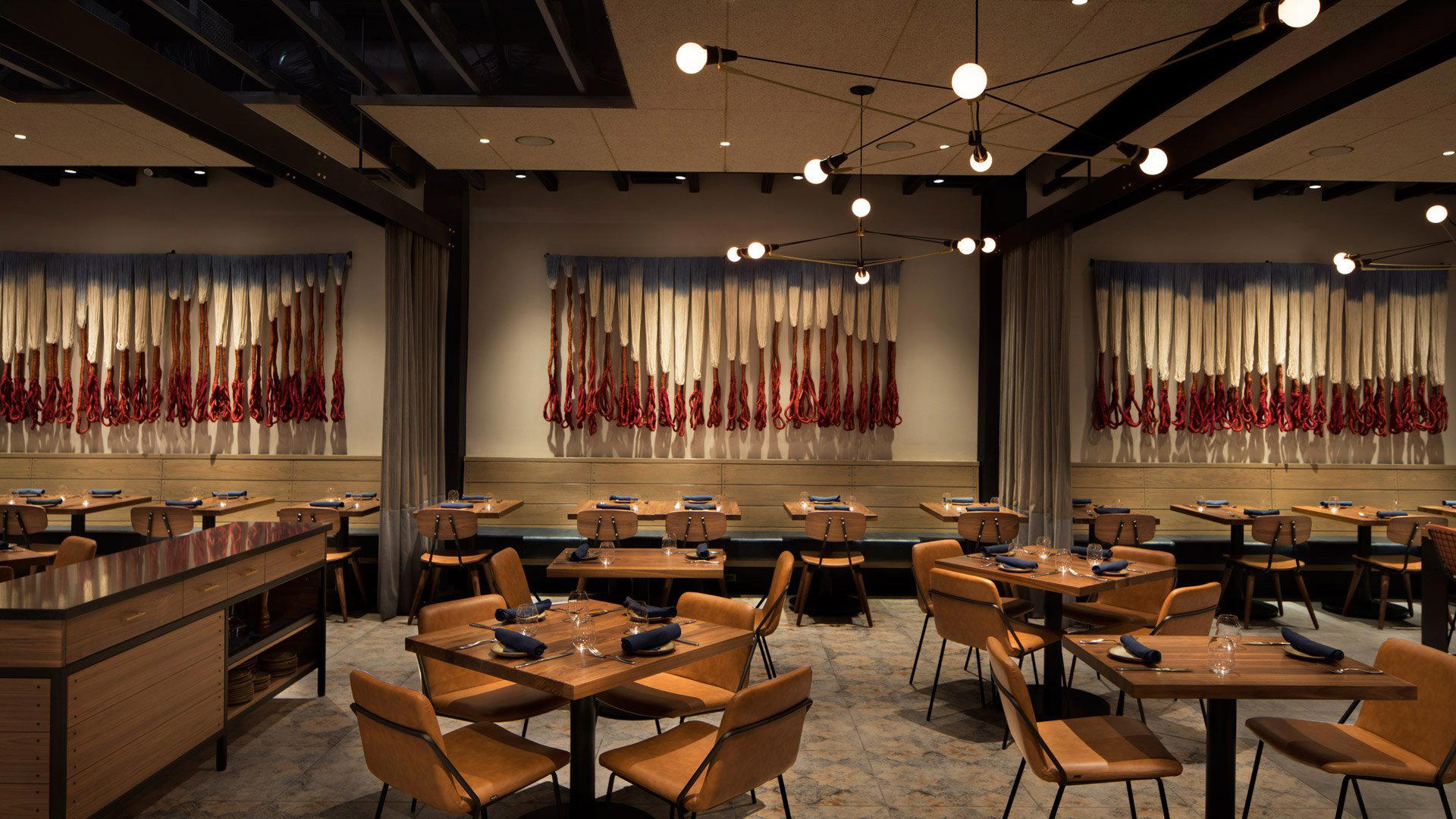
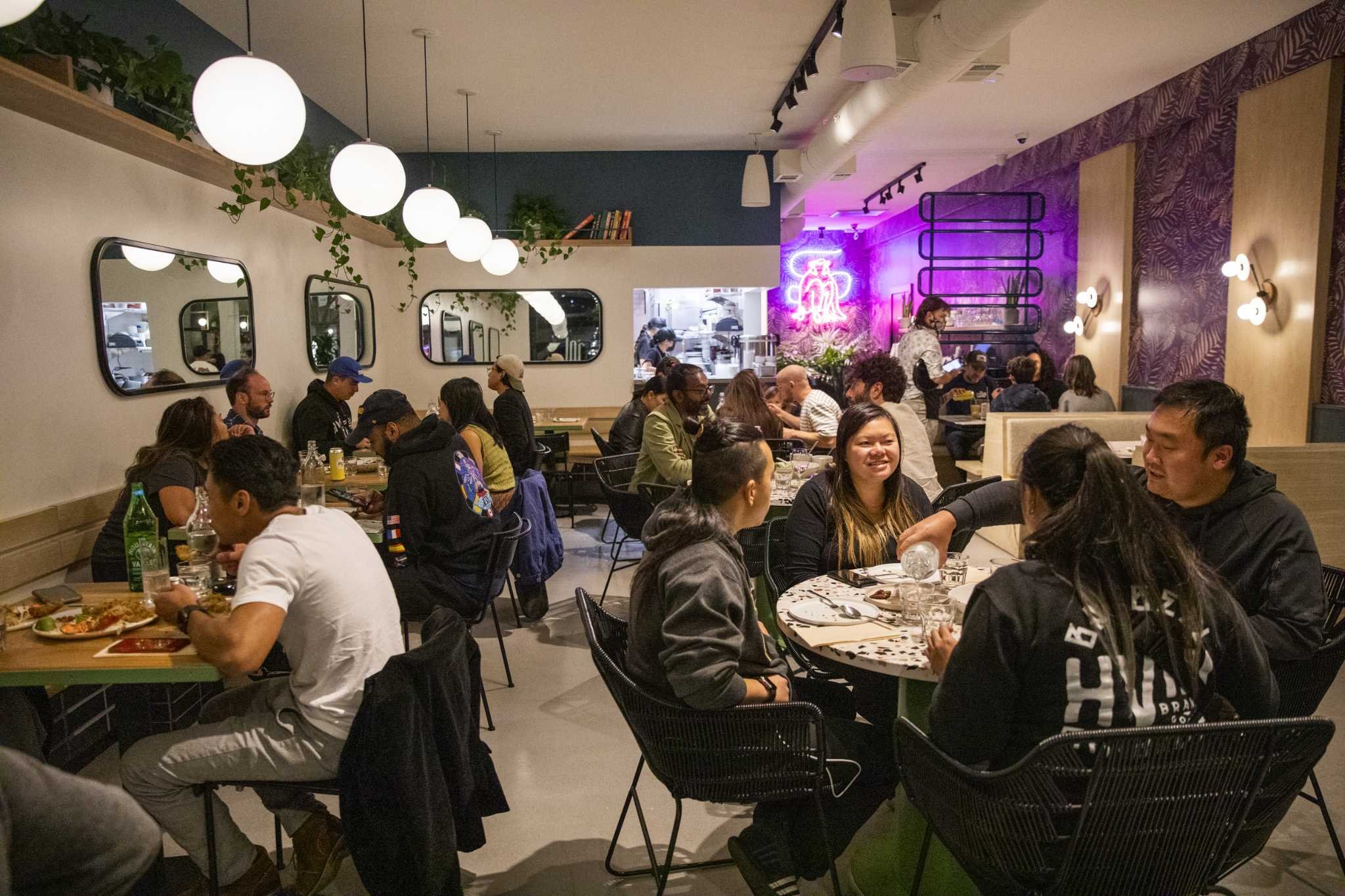
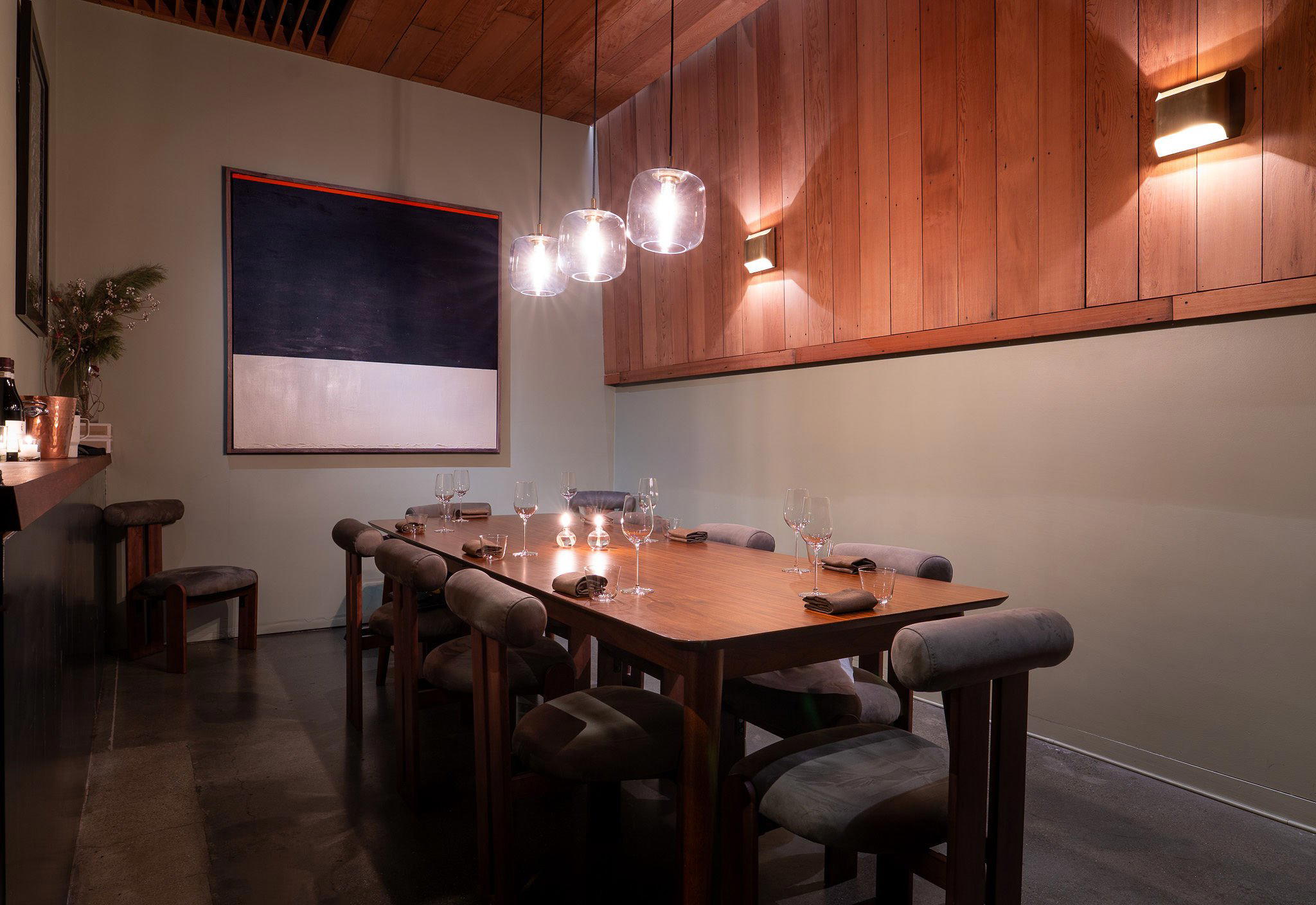
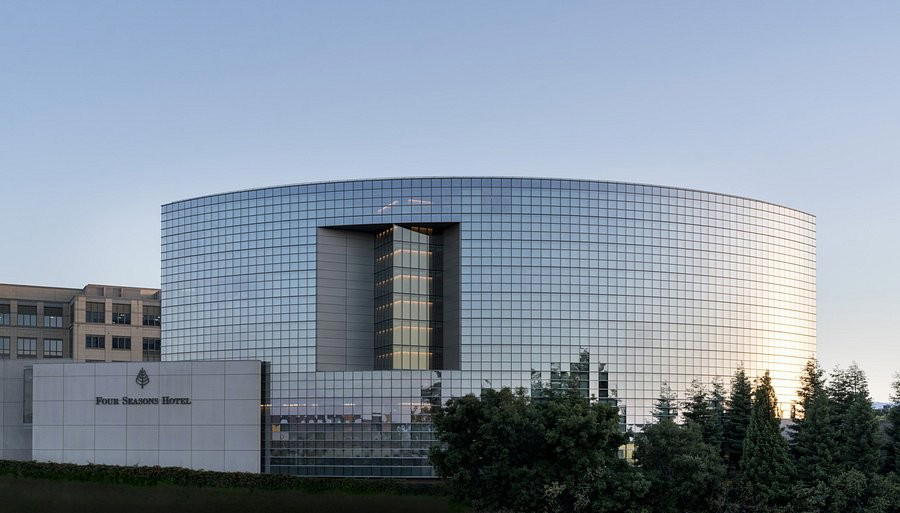
Hotels in Palo Alto
Browse all →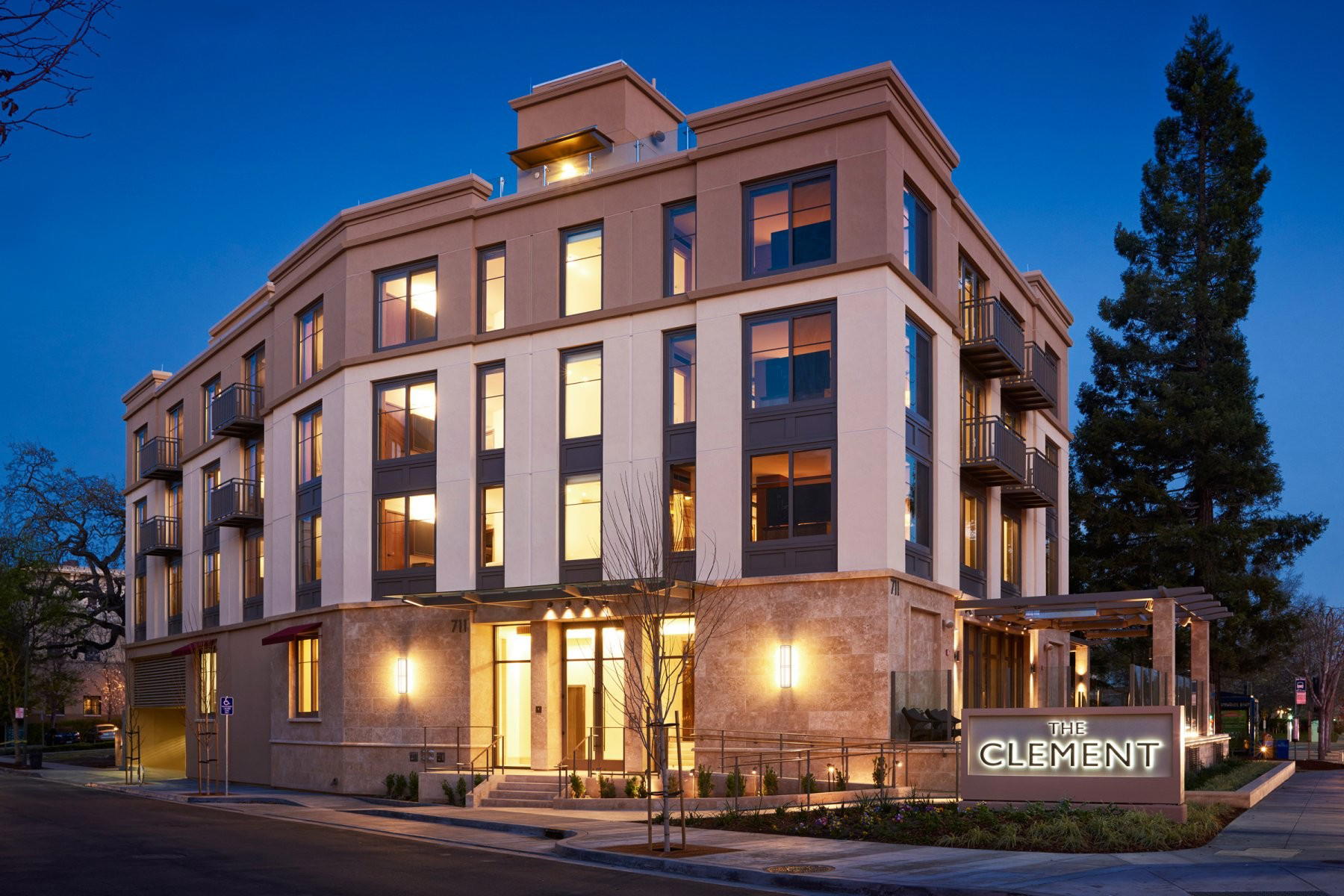
Details
- Scenic
- Elegant
- Cozy
- Date Night
- Group Dining
- Celebration
- Rooftop
- Terrace
- Panoramic View
- Hotel Restaurant
- Craft Cocktails
- Natural Wine
- Local Sourcing
- Skyline
- Small Plates
- Cocktails
- Natural Wines
- Craft Beers
Current opening hours
- Monday
- 4–10 PM
- Tuesday
- 4–10 PM
- Wednesday
- 4–10 PM
- Thursday
- 4–10 PM
- Friday
- 4–11 PM
- Saturday
- 4–11 PM
- Sunday
- 4–10 PM
Hours can change for holidays and private events. Last verified .
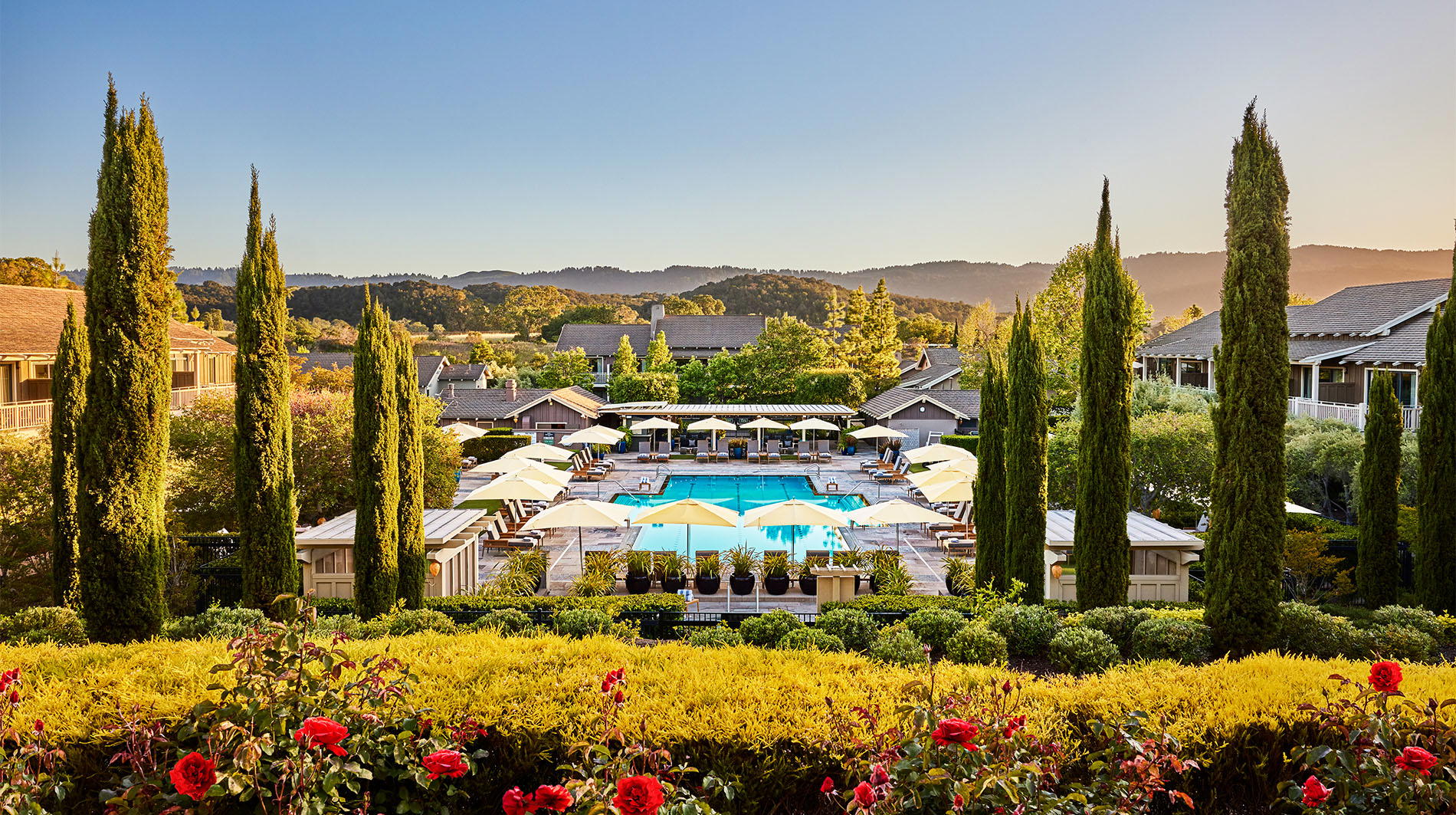
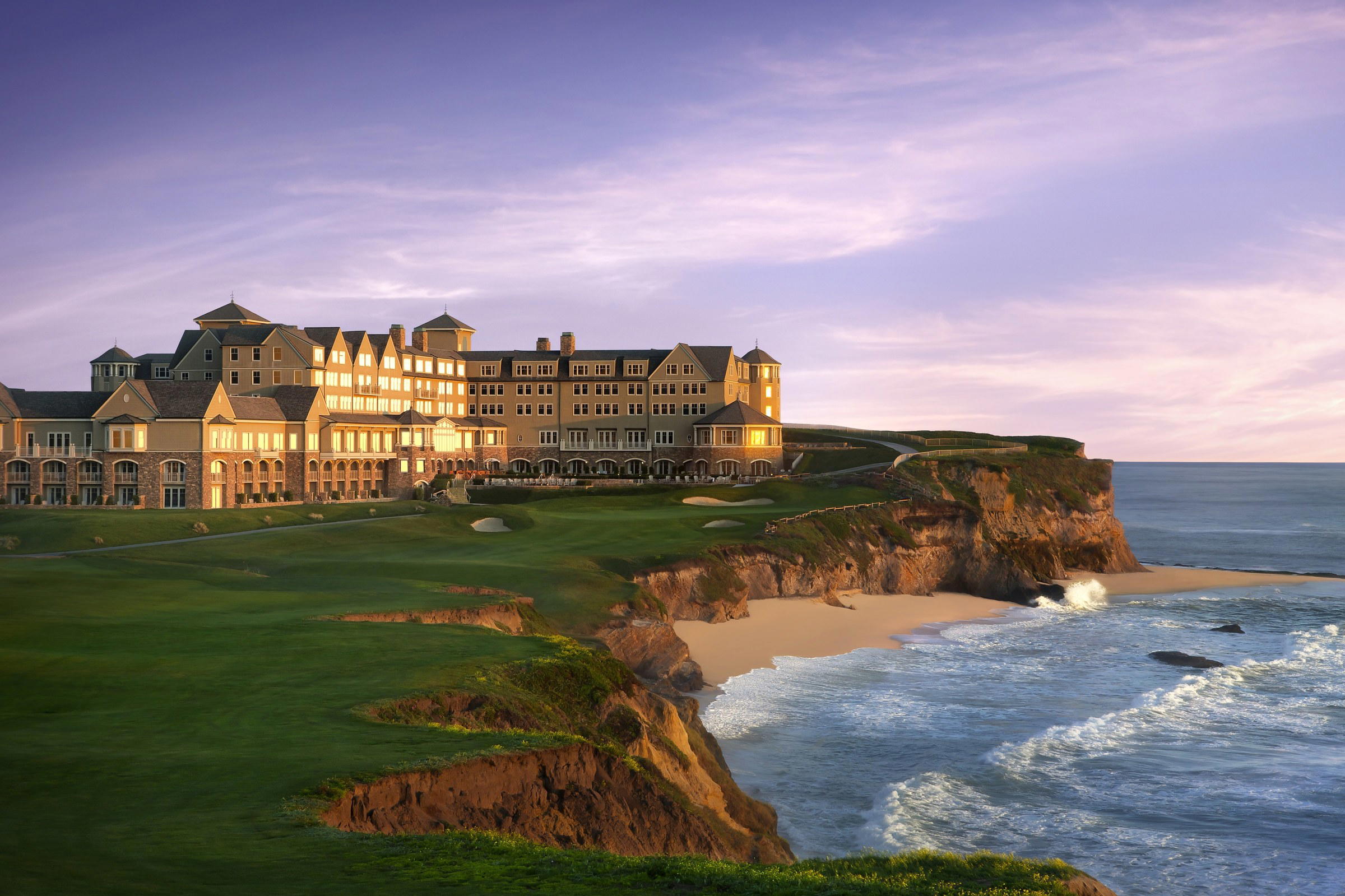
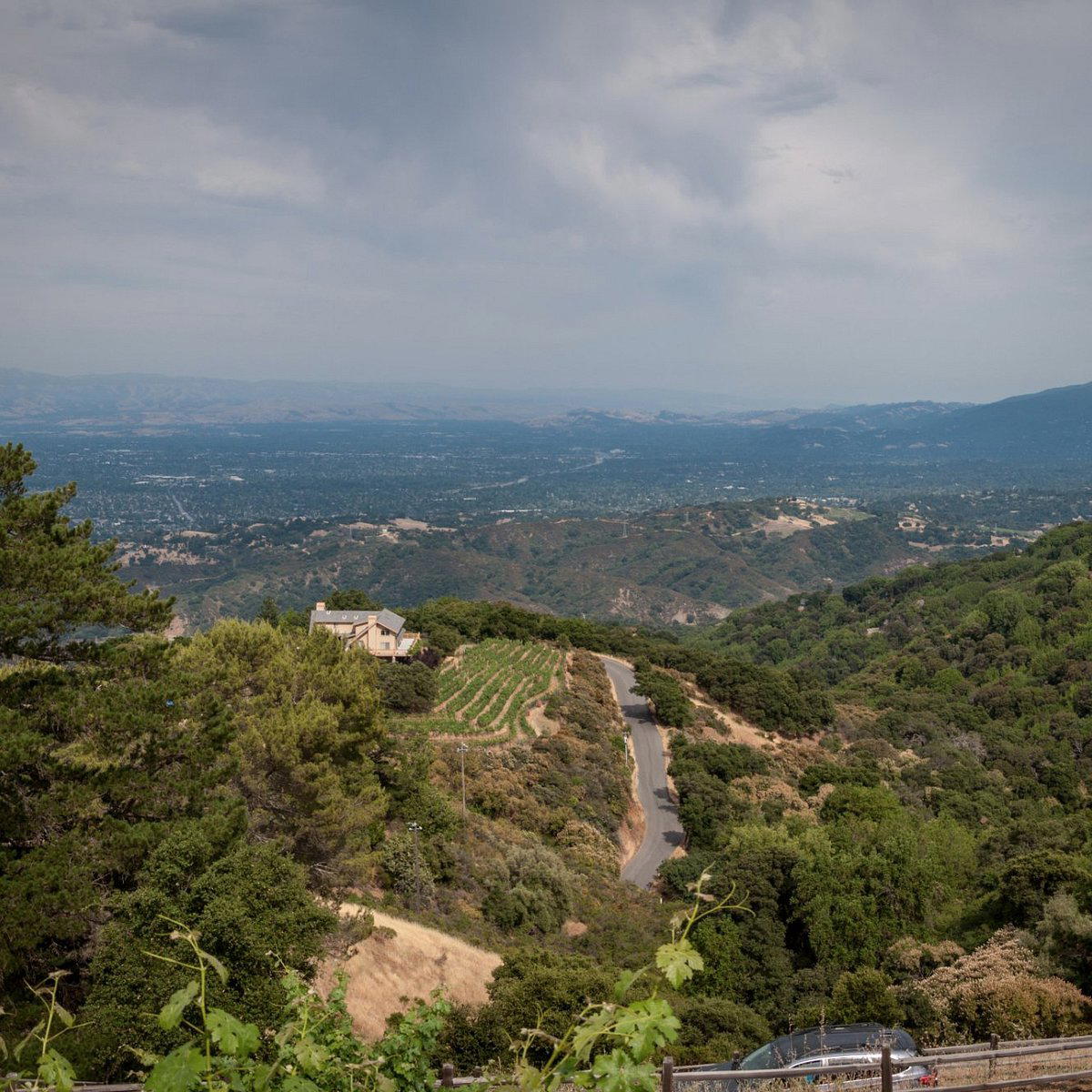
Relaxed California vibe with twinkling lights, cozy yet upscale atmosphere, and sweeping city views.