Anatolian Kitchen
Our verdict
On California Avenue in Palo Alto, Anatolian Kitchen brings the ingredient-forward traditions of Turkish cooking to a dining scene more accustomed to quick-serve innovation than slow-crafted regional cuisine. The kitchen draws on sourcing practices rooted in Anatolian culinary culture, where the provenance of a dish matters as much as its preparation. For the Peninsula's Turkish food options, it occupies a distinct position in the local dining conversation.

Pearl is the En Primeur Club membership app — saves, bookings, and concierge access live there. Same editors, same standards.
- Address
- 340 California Ave, Palo Alto, CA 94306
- Phone
- (650) 853-9700
- Hours
- Mon–Thu 11:30 AM–9 PMFri–Sat 11:30 AM–9:30 PMSun 11:30 AM–9 PM
- Website
- anatoliankitchen.com
- Directions
- Get directions
- Booking
- Book on OpenTable
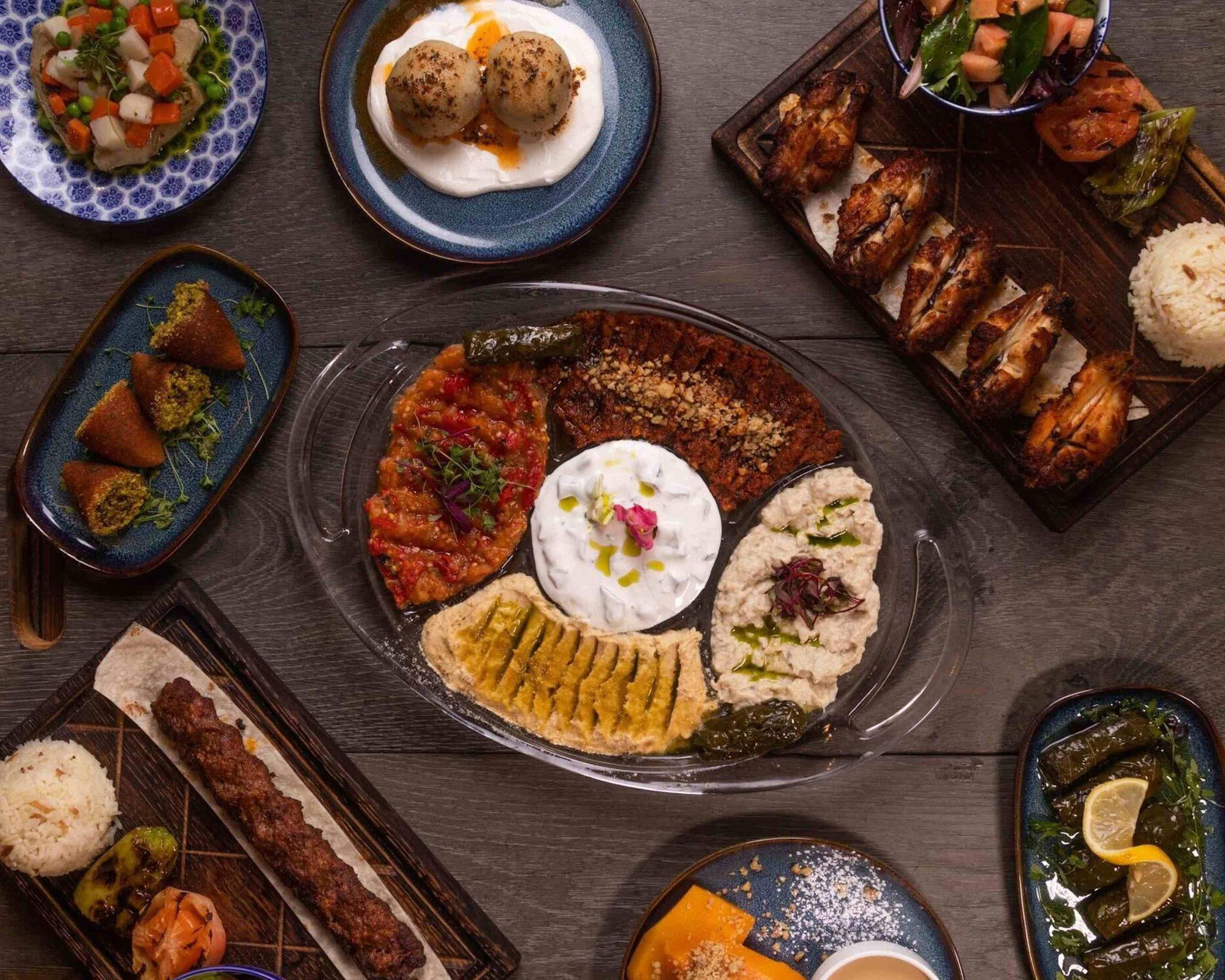
The menu
What to order
- Muhammara
- Moussaka
- Alexander Kebab
- Kunefe
- Manti
- Iskender Kebab
California Avenue and the Case for Anatolian Cooking
California Avenue runs a quieter parallel to University Avenue, Palo Alto's better-known dining corridor, and that separation matters. The restaurants along this stretch tend to attract a steadier neighborhood clientele rather than conference-week visitors cycling through well-publicized names. It is the kind of street where a kitchen can build a following through consistency rather than visibility. Anatolian Kitchen, at 340 California Ave, sits inside that dynamic, operating in a part of town where repeat diners shape a restaurant's identity more than passing foot traffic.
Turkish cooking is underrepresented across the Bay Area relative to its depth as a cuisine tradition. Where other Middle Eastern and Mediterranean categories have achieved wider recognition in the region, Anatolian food occupies a narrower niche, which means the few kitchens doing it seriously carry more weight. The cuisine itself draws from a geography that spans the Aegean coast, the Black Sea highlands, and the semi-arid plains of central Anatolia, each zone contributing distinct ingredients, techniques, and preserved traditions. A kitchen that takes those distinctions seriously is doing something different from a restaurant that uses Turkish cuisine as a broad frame for generic Mediterranean fare.
Sourcing as the Organizing Principle
The case for Anatolian food is ultimately a case about ingredients. Where French or Japanese haute cuisine is often discussed through technique, Turkish cooking rewards conversation through provenance: the quality of the olive oil, the source of the lamb, the drying method for the spices, the acidity level in the yogurt. These are not decorative details. They determine whether a dish reaches the register that makes Anatolian food compelling or collapses into something generic.
Across American restaurants working with this tradition, the sourcing gap between high and low execution is sharper than in most other cuisines. A well-sourced Turkish kitchen will use lamb from animals raised on appropriate pasture, pul biber that retains its oily depth rather than arriving as dusty flakes, and dairy with enough fat content to carry the weight of dishes like haydari or cacık. The difference between those ingredients and commodity substitutes is not subtle. It shows up in texture, finish, and the kind of persistence a dish has after the plate is cleared. This is the standard against which any serious Anatolian kitchen is measured, and it is the frame through which Anatolian Kitchen in Palo Alto is leading understood.
For readers who want a reference point for what sourcing-led cooking looks like at its most rigorous, operations like Blue Hill at Stone Barns in Tarrytown or Single Thread Farm in Healdsburg have made the ingredient supply chain the editorial and culinary center of their programs. The logic applies across cuisines: when the sourcing is the story, the kitchen's decisions about where to buy become inseparable from the food itself.
Where Anatolian Kitchen Sits in the Palo Alto Context
Palo Alto's dining options span a wide range of formats and ambitions. The California Avenue stretch alone includes neighbors like Bistro Elan, which anchors the street's more formal end, and Asian Box, operating in the fast-casual register. Further out, options like Bare Bowls and Birdie's at Stanford Golf address different functional dining moments. Anatolian Kitchen's Turkish focus places it in a separate category entirely, with a cuisine tradition that has no direct competitor on this stretch and limited competition across the broader Peninsula.
In the regional context, the Persian dining tradition has a stronger foothold on the Peninsula, anchored by restaurants like Arya Steakhouse, which operates at a different price point and with a different cuisine logic. Turkish and Persian cooking share some surface ingredients but diverge significantly in their use of spice, their approach to meat preparation, and their relationship to bread and grain. A diner familiar with one is not automatically oriented in the other. Anatolian Kitchen occupies a distinct cultural and culinary position, not simply a regional variant of something already present in the market.
For those building a broader picture of where ambitious regional cooking is happening across the country, the full Palo Alto restaurants guide maps the city's options by category and ambition level. And for the kind of sourcing-led, regionally-committed cooking that sets the benchmark nationally, operations like Smyth in Chicago, Providence in Los Angeles, and Addison in San Diego demonstrate what full commitment to an ingredient philosophy looks like at the top of the American dining tier. Internationally, Atelier Moessmer Norbert Niederkofler in Brunico has built an entire program around Alpine sourcing ethics that carry direct relevance to how any serious regional kitchen thinks about its supply chain.
Planning a Visit
Anatolian Kitchen is located at 340 California Ave, Palo Alto, CA 94306, in the California Avenue commercial district, walkable from the California Avenue Caltrain station. Given the limited availability of Turkish cooking at this level on the Peninsula, first-time visitors are better served by arriving without the constraint of a tight schedule, giving the meal room to move at its own pace. Specific booking requirements, hours, and pricing are best confirmed directly with the restaurant before planning, as operating details at this category of neighborhood restaurant can shift seasonally.
Frequently asked questions
Where do I go for Anatolian Kitchen?
Anatolian Kitchen is located at 340 California Ave, Palo Alto, CA 94306, Palo Alto.
Is Anatolian Kitchen suitable for a dinner in Palo Alto if I'm new to Turkish cuisine?
Turkish food is among the more accessible entry points into eastern Mediterranean cooking, built around shared plates, grilled meats, and herb-forward sauces that require no prior orientation. Anatolian Kitchen's California Avenue location in Palo Alto puts it within walkable distance of the California Avenue Caltrain station, making it a practical choice for both local residents and visitors coming down from San Francisco. The meze-first structure of an Anatolian meal also makes it a format that works well for groups with mixed familiarity.
What do regulars order at Anatolian Kitchen?
Turkish cuisine is structured for range rather than single-dish anchoring. At Anatolian Kitchen on California Avenue, the strongest approach is to move through the meze section before committing to mains — cold and warm small plates are where Anatolian cooking tends to show its depth in sourcing and seasoning. Grilled proteins and slow-cooked dishes typically follow as the more substantive second act.
How far ahead should I plan for Anatolian Kitchen?
California Avenue restaurants in Palo Alto draw a residential and professional crowd that tends to fill mid-week tables more reliably than visitors expect. Anatolian Kitchen at 340 California Ave sits in a stretch that has become a consistent local dinner circuit, so weekend evenings in particular warrant a reservation rather than a walk-in attempt. Checking availability a few days ahead is a reasonable baseline.
What has Anatolian Kitchen built its reputation on?
The Peninsula has very few Turkish restaurants operating at any considered level, which positions Anatolian Kitchen as one of the only venues in the Palo Alto area where Anatolian cooking is the organizing focus rather than a token menu section. That scarcity gives California Avenue's Anatolian Kitchen a functional authority in its category that a city with ten competing Turkish restaurants would make harder to sustain. The kitchen's sourcing approach reinforces that positioning.
Side-by-Side Snapshot
Comparable venues nearby, for context on price, style, and recognition.
| Venue | Cuisine | Price | Notes |
|---|---|---|---|
| Anatolian KitchenThis venue — the venue you are viewing | Anatolian Turkish & Mediterranean | $30–50 | Not listed |
| Madame Tam Asian Bistro | Vietnamese Asian Bistro | Not listed | Downtown Palo Alto |
| Rara | Authentic Nepalese | $20–30 | California Avenue |
| Wildseed | Seasonal Plant-Based Californian | $30–50 | Town & Country Village |
| Whole Foods Market | Organic Grocery Market with Prepared Foods & Deli | $10–20 | Downtown Palo Alto |
| Ramen Nagi | Japanese Ramen | $20–30 | Downtown Palo Alto |
Continue exploring
More in Palo Alto
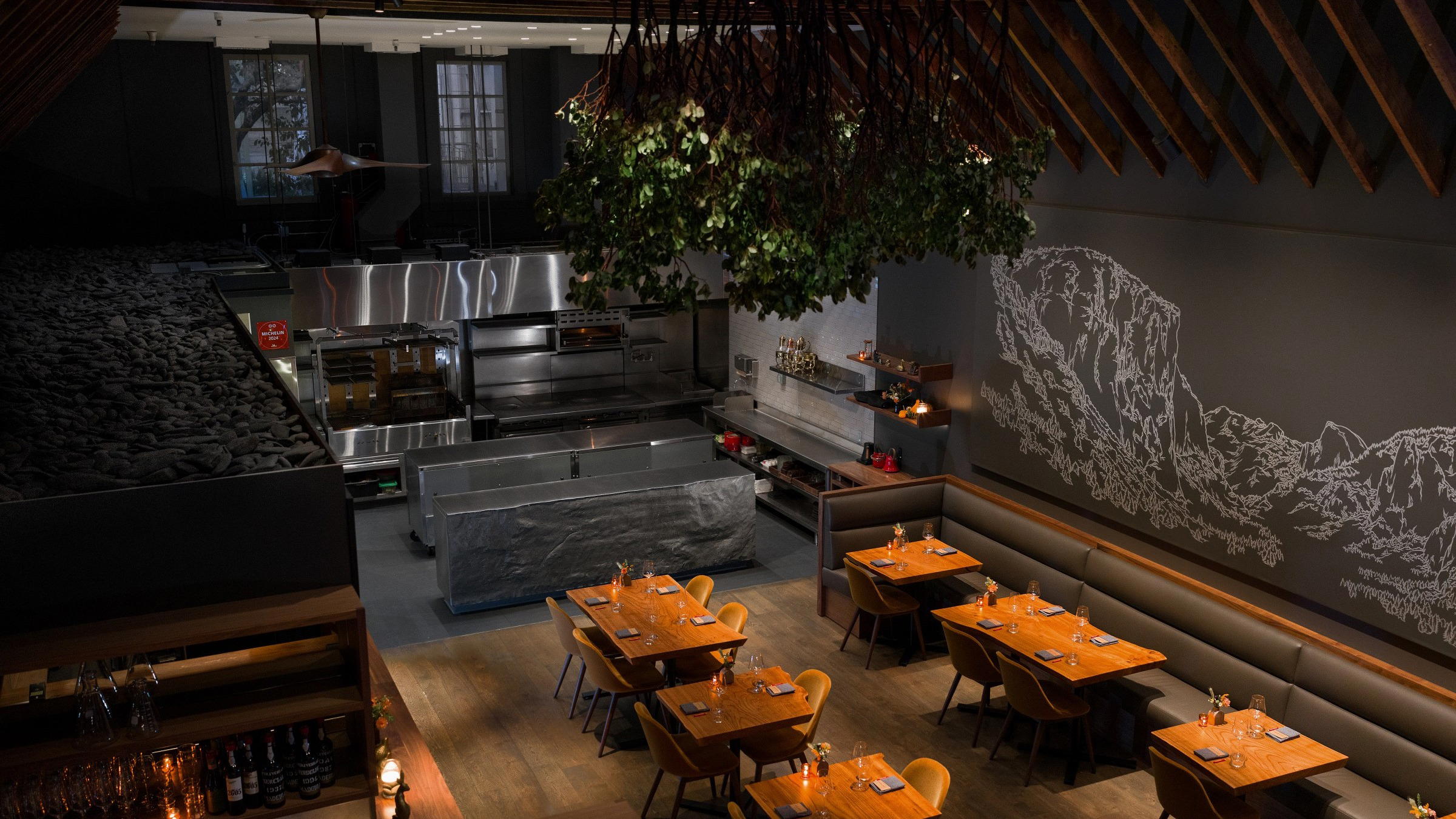
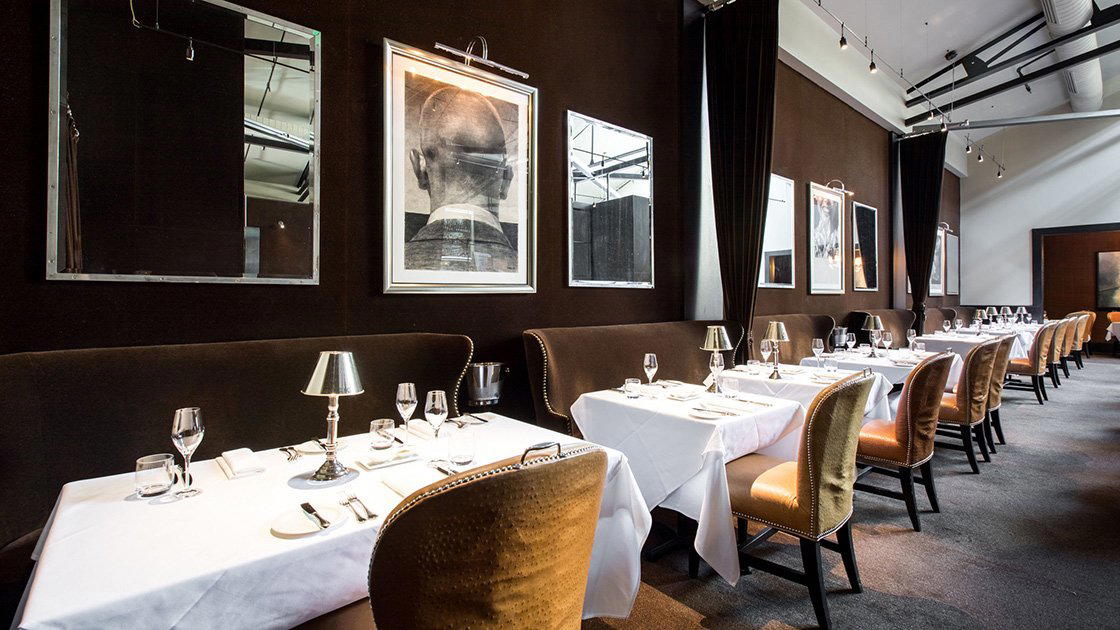
Restaurants in Palo Alto
Browse all →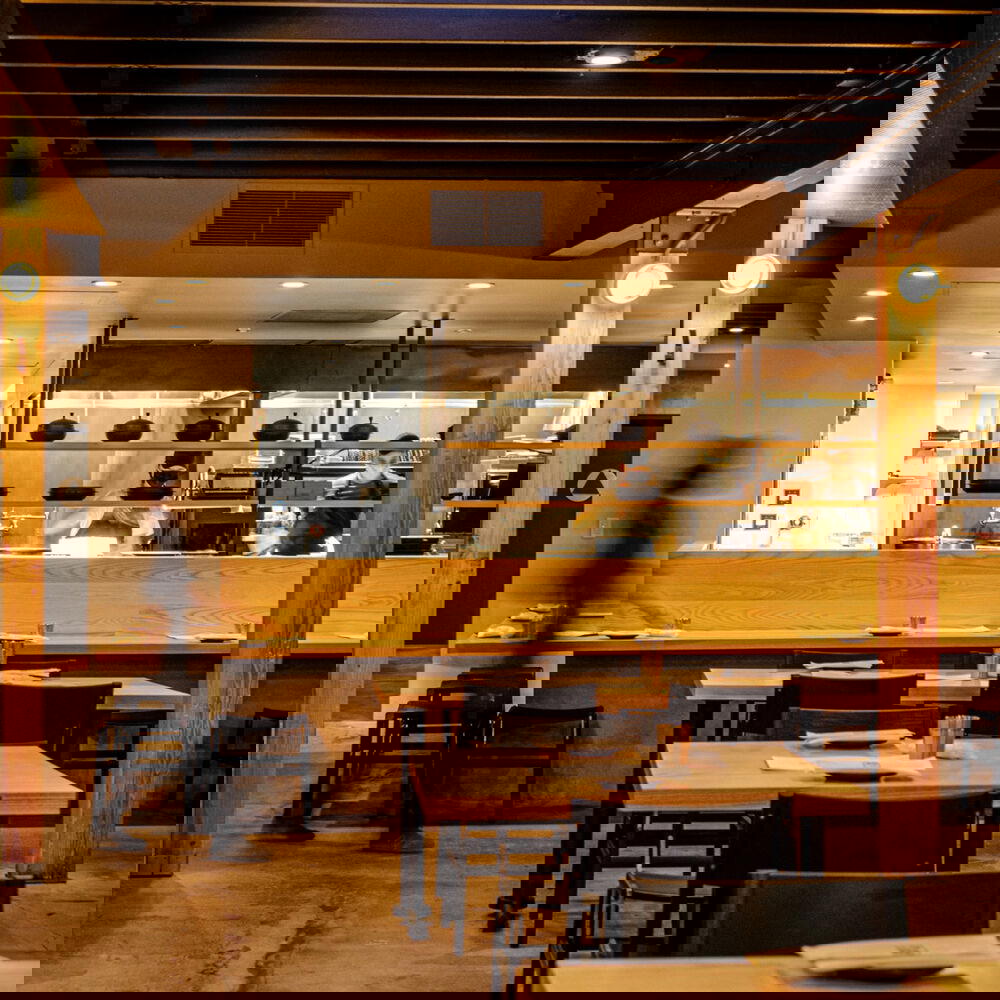
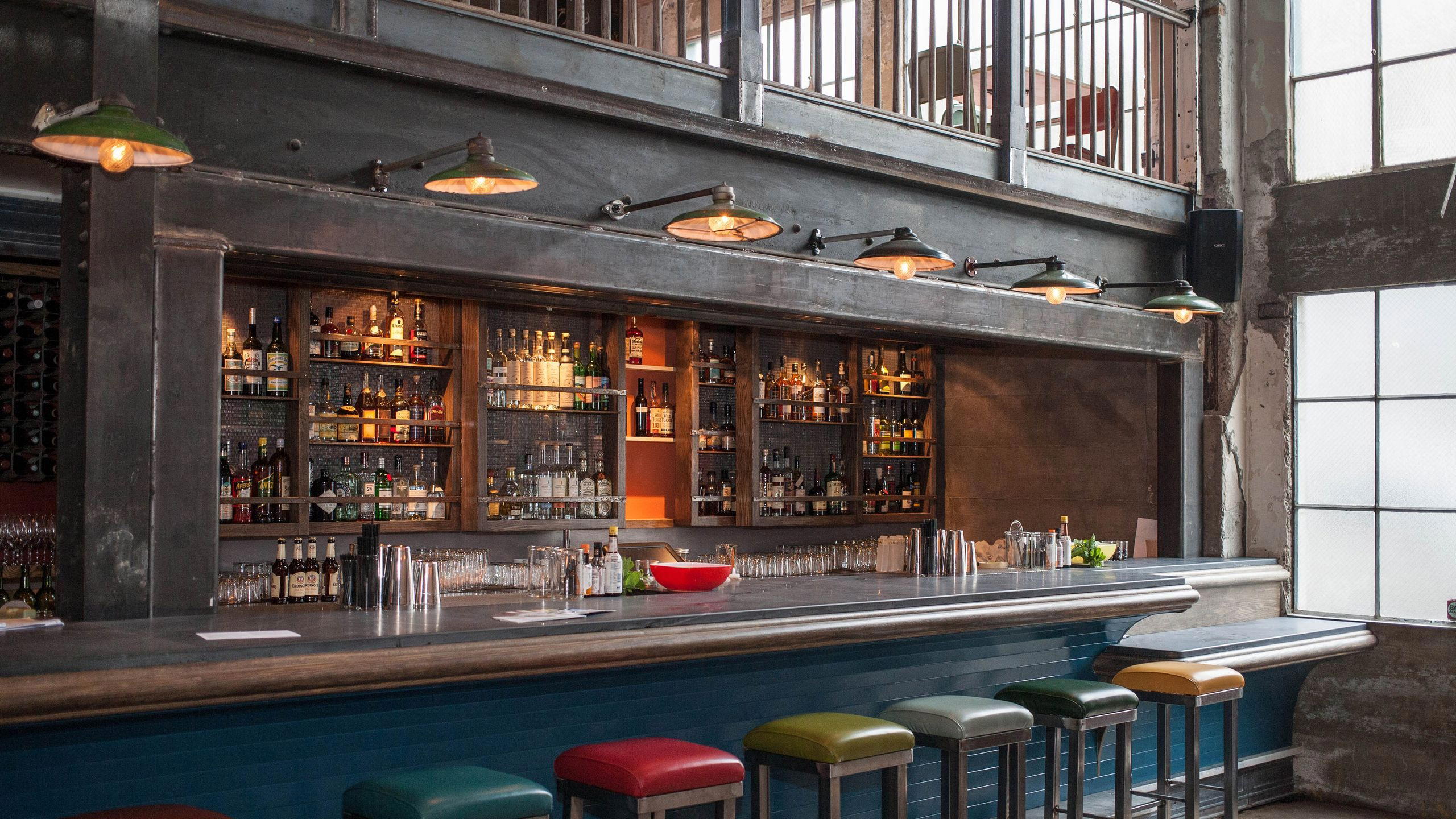
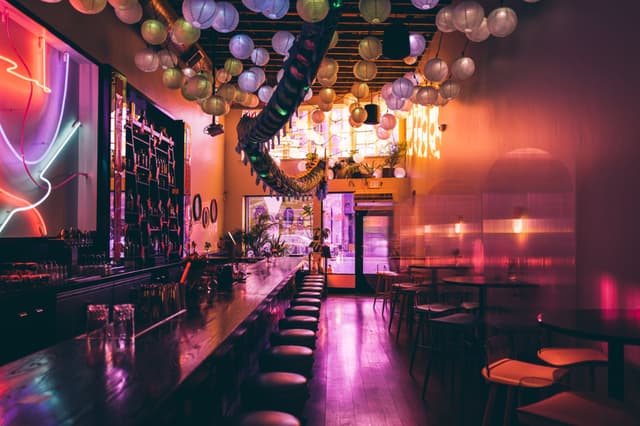
Bars in Palo Alto
Browse all →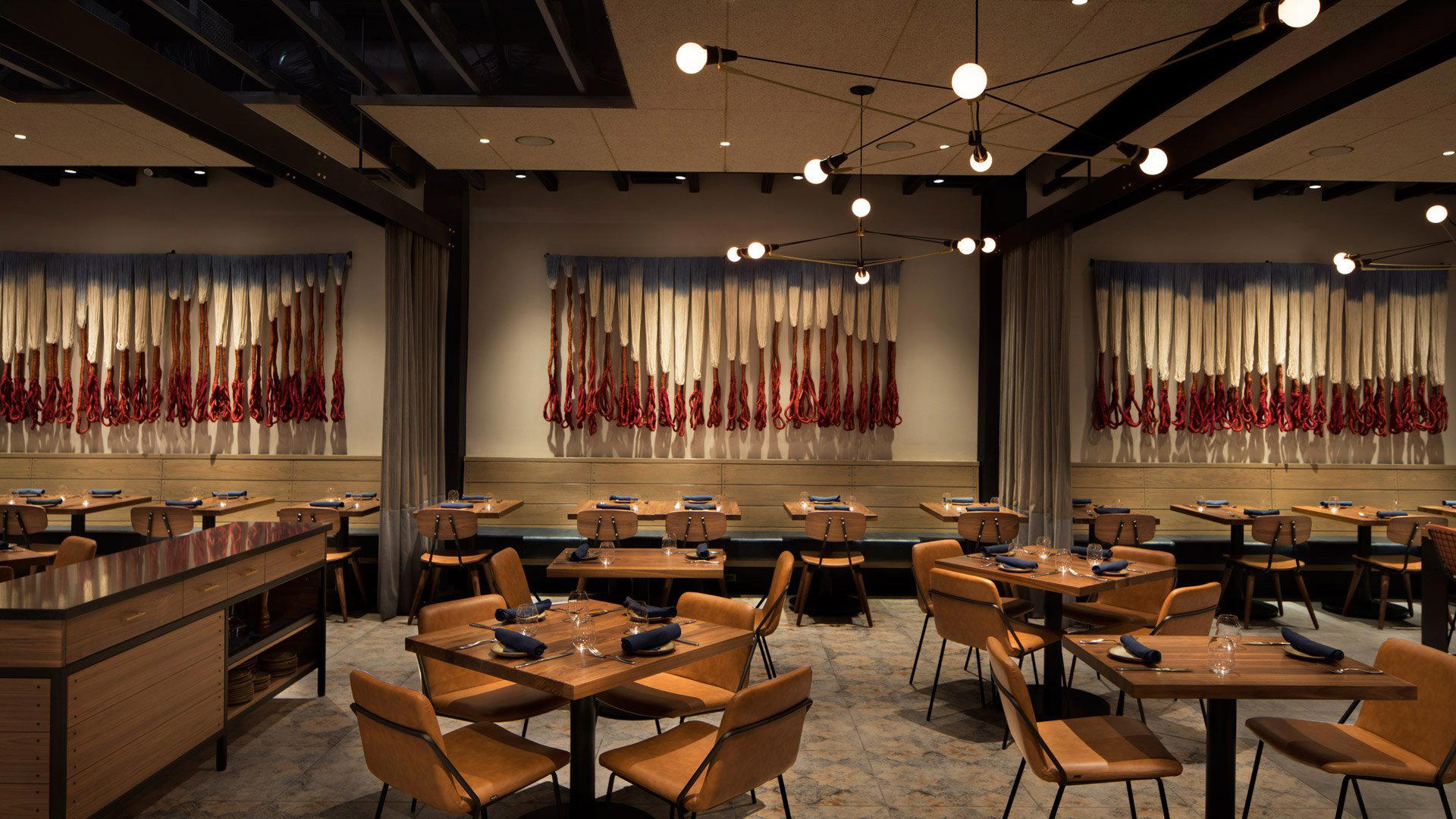
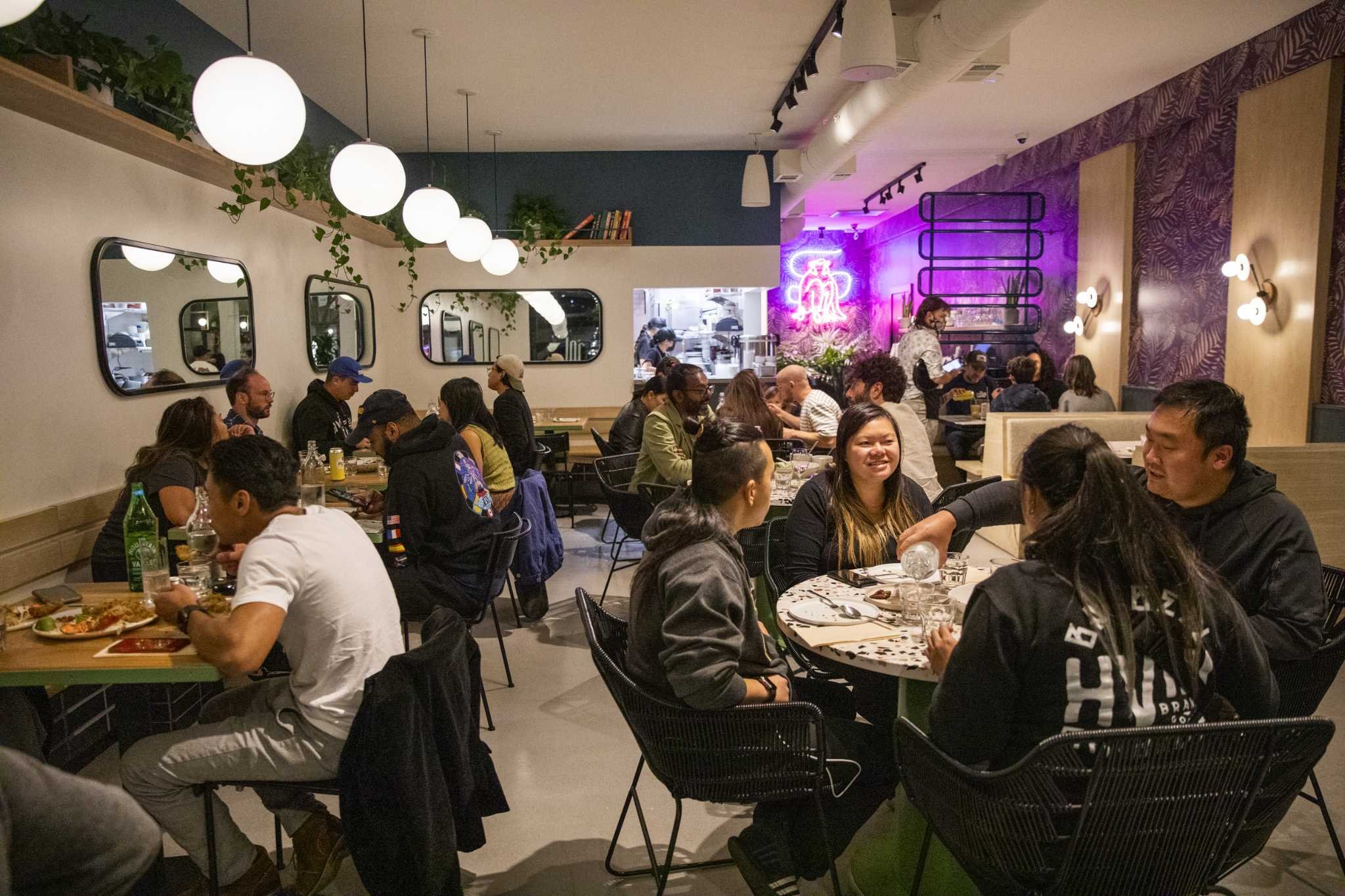
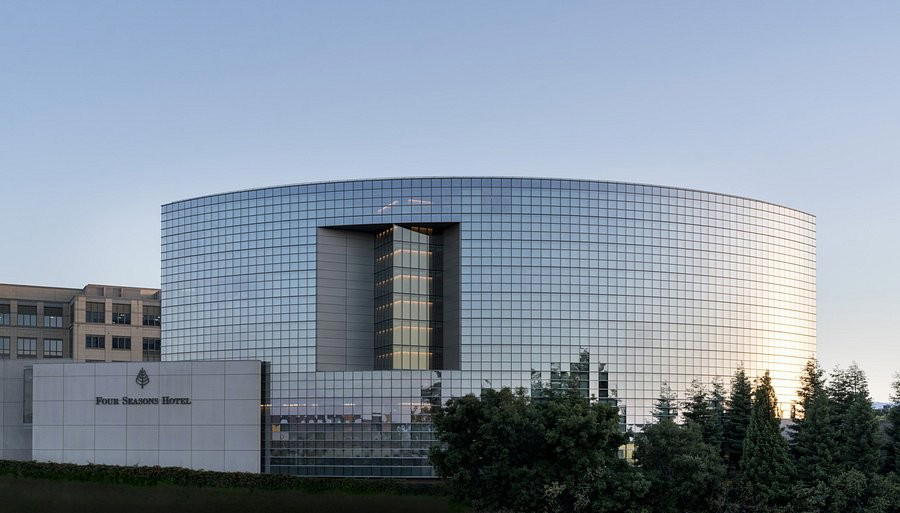
Hotels in Palo Alto
Browse all →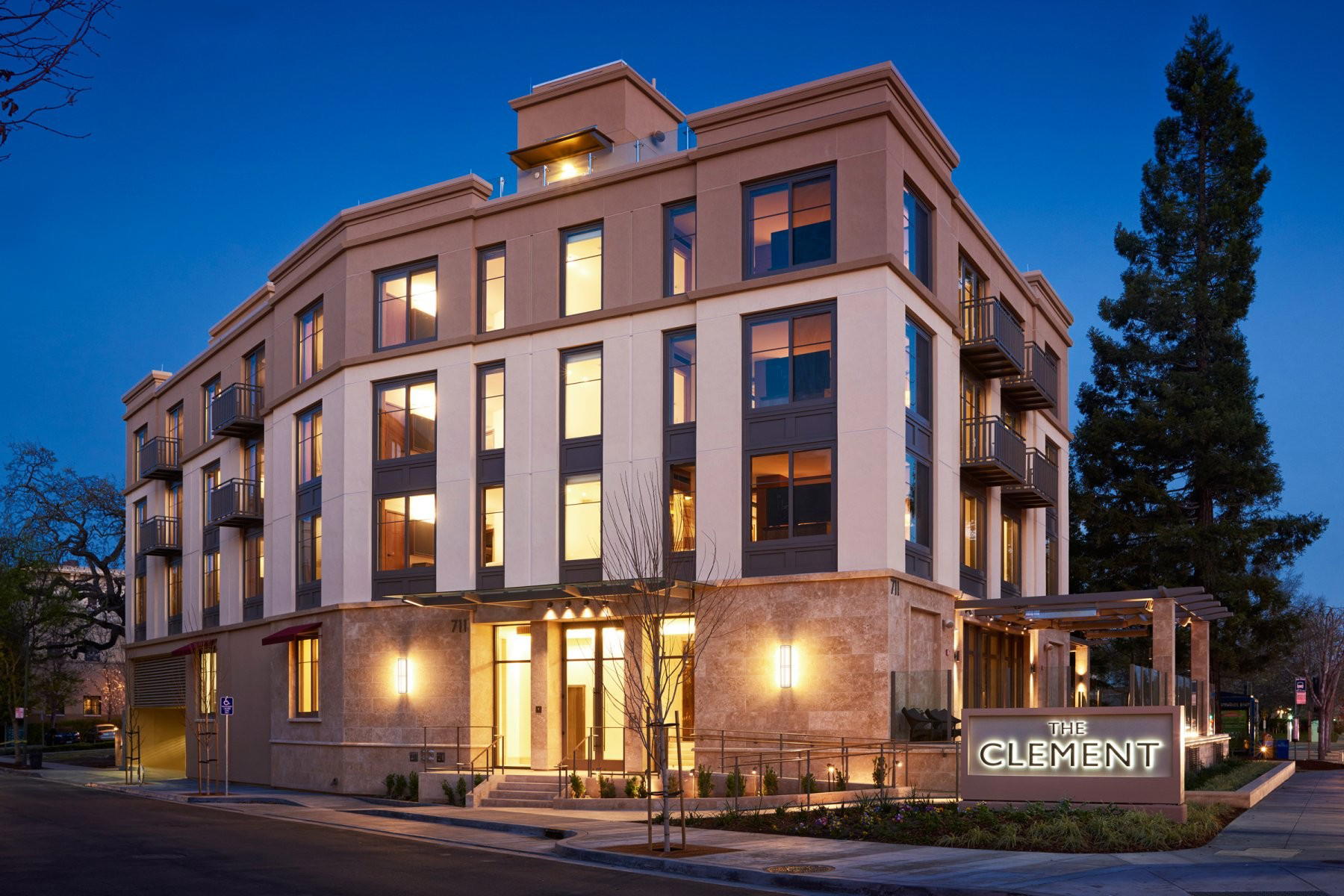

Details
- Cozy
- Intimate
- Classic
- Group Dining
- Business Dinner
- Casual Hangout
- Private Event
- Open Kitchen
- Standalone
- Craft Cocktails
- Beer Program
- Extensive Wine List
- Local Sourcing
- Street Scene
- A La Carte
- Family Style
- Wine
- Cocktails
- Vegetarian Friendly
- Halal
- Gluten Free Options
Current opening hours
- Monday
- 11:30 AM–9 PM
- Tuesday
- 11:30 AM–9 PM
- Wednesday
- 11:30 AM–9 PM
- Thursday
- 11:30 AM–9 PM
- Friday
- 11:30 AM–9:30 PM
- Saturday
- 11:30 AM–9:30 PM
- Sunday
- 11:30 AM–9 PM
Hours can change for holidays and private events. Last verified .
Intimate and relaxing, with an open-kitchen feel and a focus on fresh bread and homemade dishes; guest comments also point to a cozy, flavorful, and welcoming dining experience.