
Fukuoka’s Spanish category has a different rhythm from Tokyo’s tasting-menu circuit: smaller rooms, izakaya adjacency, and drinks lists that make room for sake and shochu beside wine. bar BaBa fits that hybrid lane in Hirao, with Tabelog 100 Spanish cuisine recognition in 2026, a 20-seat scale, and a dinner spend that keeps it closer to a serious neighbourhood bar than a formal destination restaurant.
Pearl is the En Primeur Club membership app — saves, bookings, and concierge access live there. Same editors, same standards.
- Address
- Japan, 〒810-0014 Fukuoka, Chuo Ward, Hirao, 2 Chome−17−20 グランド平尾 105
- Phone
- +81 90-2968-8688
- Website
- bar-baba.com
 Saves & bookings on Pearl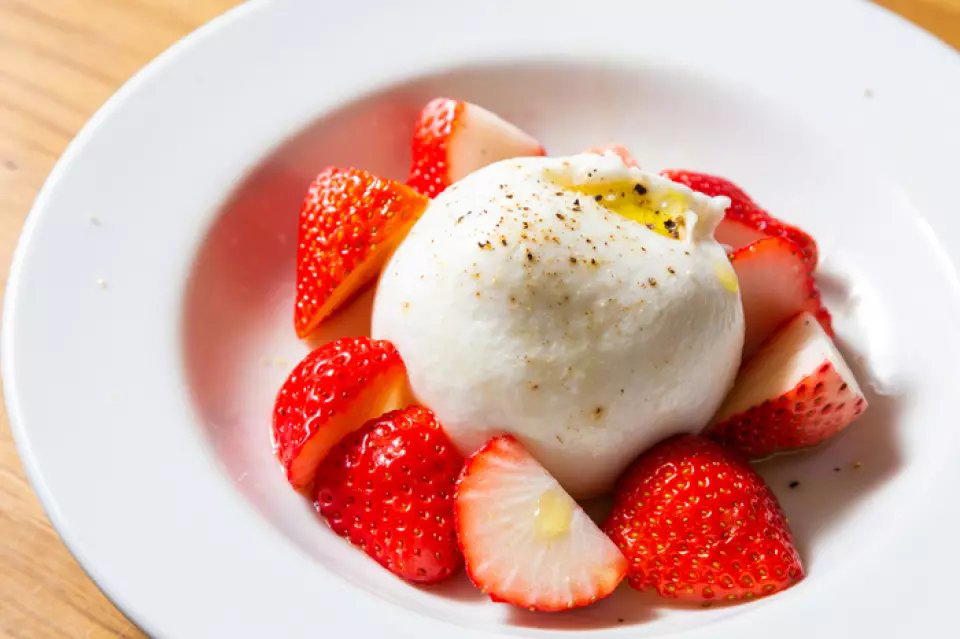
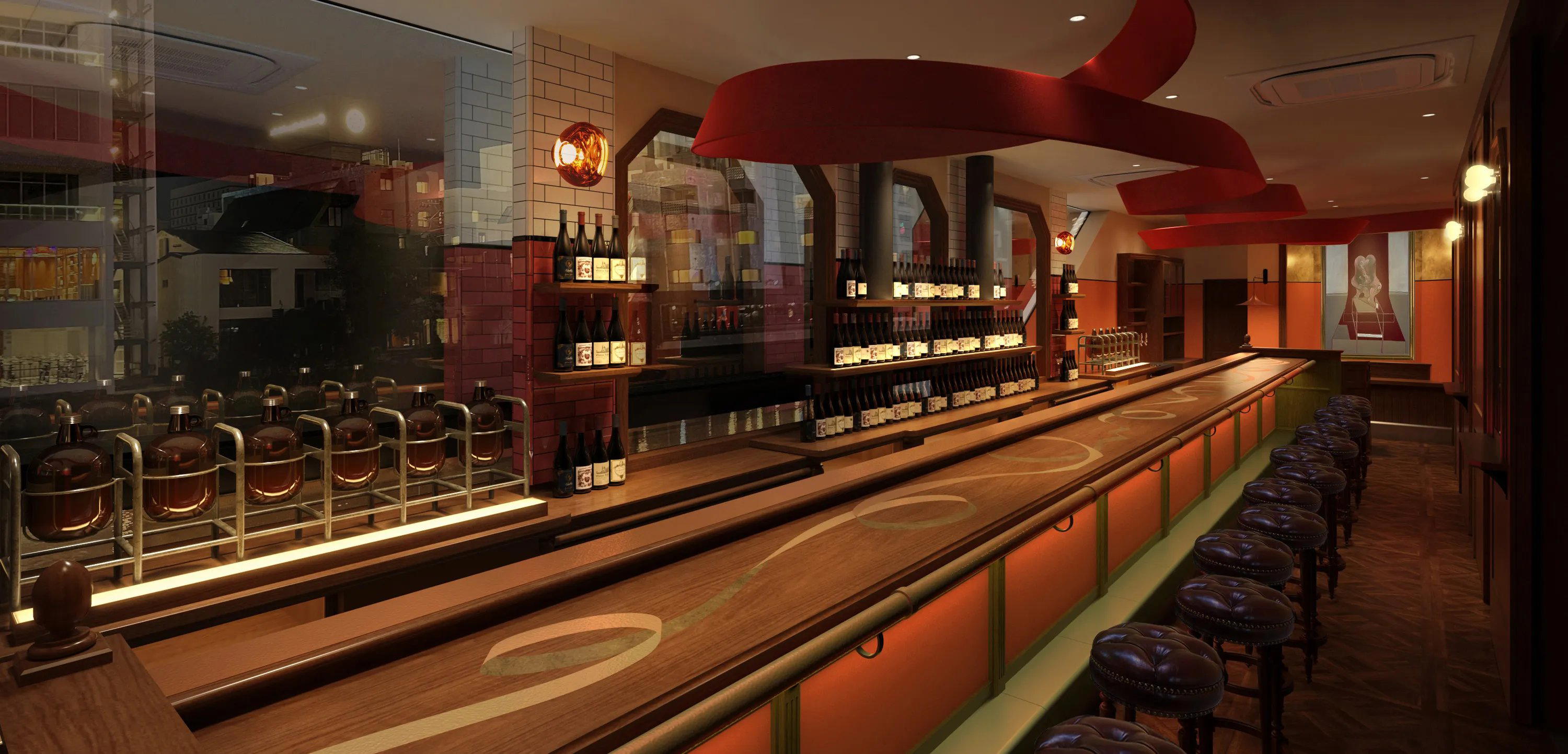
Hirao changes the terms of a night out in Fukuoka. Away from louder entertainment corridors, the room matters: counter seats, compact circulation, and a tempo favouring conversation over spectacle. Spanish cooking need not be white-tablecloth performance; it can behave like a bar, sharing ground with Japanese tavern habits, wine service, sake, shochu, and a kitchen built for repeat local use rather than occasion-only dining.
That frames bar BaBa, a 20-seat Spanish, Japanese-cuisine, and izakaya-addressed restaurant in Chuo Ward’s Hirao area. Its selection for Tabelog 100 Spanish cuisine in 2026 gives the category signal; the format is more interesting. Fukuoka’s European-leaning rooms work best when they stop copying metropolitan fine dining and absorb the city’s drinking culture. Wine alongside nihonshu and shochu suggests handoffs between kitchen, drinks, and floor rather than one linear menu narrative.
Spanish cooking filtered through Fukuoka's bar culture
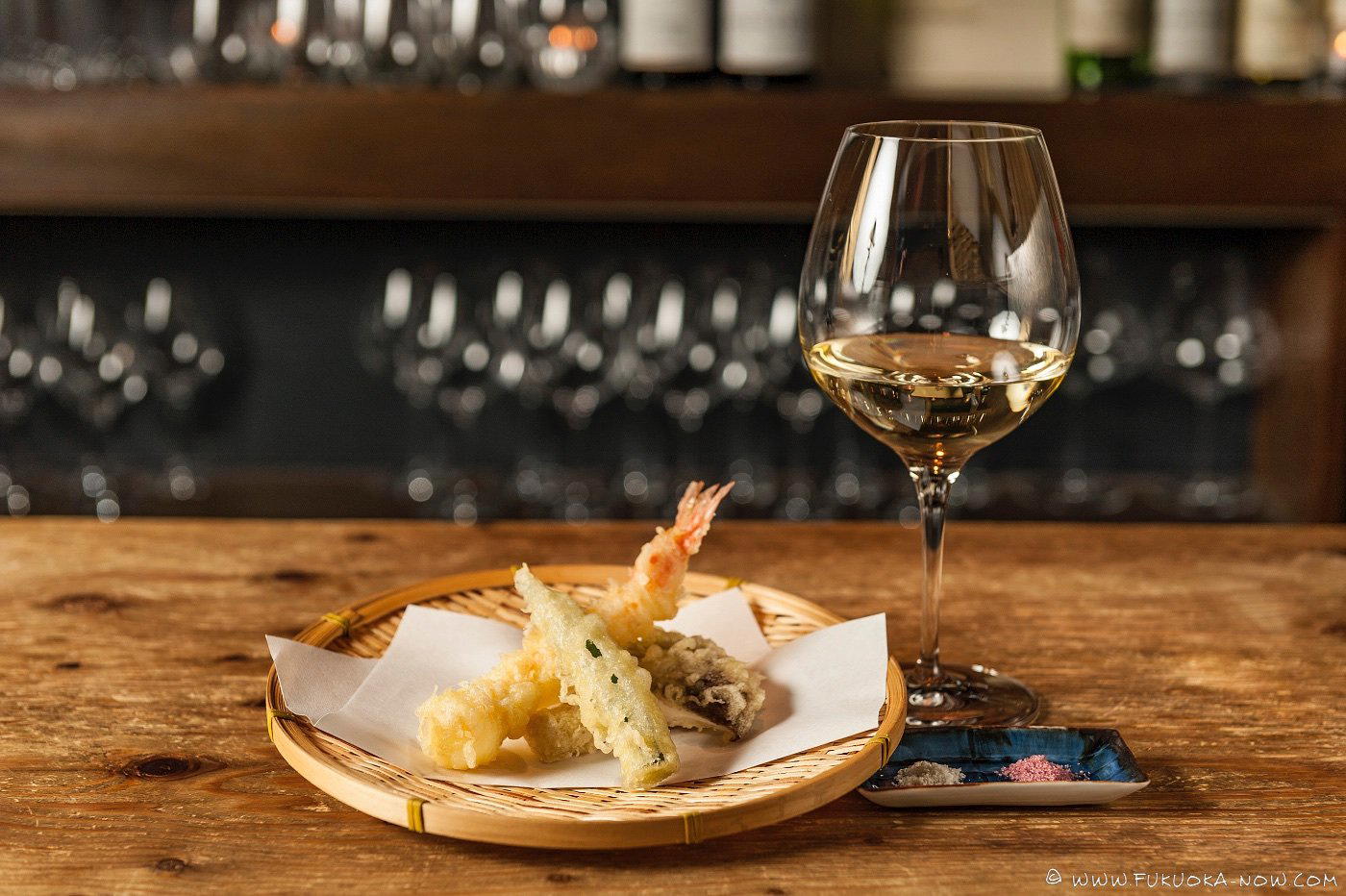
Spanish food in Japan often splits into two visible modes: the polished restaurant, where prix-fixe structure and imported-reference cooking dominate, and the bar-led version, where tapas logic overlaps with izakaya pacing: small plates, drinks-first ordering, and movement from wine to Japanese spirits without breaking the mood. Fukuoka suits the second because its dining identity values informal excellence, late-evening utility, and dishes that carry alcohol without ceremony.
The useful comparison is Fukuoka’s broader mid-priced field, not only other Spanish rooms. Aji no Katsueda operates lower, while Kiyoki sits far above this tier at JPY 10,000 to JPY 14,999. bar BaBa occupies the middle: serious enough for national category recognition, informal enough for a neighbourhood night out. Fukuoka often rewards kitchens that handle craft without making guests finance a grand statement.
The category mix matters. Spanish, Japanese cuisine, and izakaya are not random tags; they map a regional Japanese pattern where imported cuisines gain traction by adapting to local drinking behaviour. A Spanish room with only wine can feel narrow in Fukuoka. One that understands sake and shochu speaks to local habits while keeping its European frame. That range signals a team: the kitchen does not carry the evening alone, and front-of-house is not reduced to placing plates.
For readers mapping Fukuoka by mood rather than cuisine, this sits among useful alternatives. Indian and spice-led dining appears at 106 South Indian Fukuoka tenjin ten and Afterglow, while older Japanese reflexes show through Aji Dokoro Taro Gen Sougyou ten, Aji Furai Shokudo Kaba, and Aji no Katsueda. Hirao’s Spanish-Japanese bar mode belongs to the same city logic: specific, compact, and built for people who eat with drinks in mind.
A 20-seat room where the floor has to steer the night
Small restaurants expose weak service fast. With 20 seats, every decision is visible: counter pacing, placement of two-person bookings on busy nights, drink suggestions, and movement through a limited seating window without feeling processed. Team dynamic becomes substance. A kitchen can set direction, but the room succeeds only if drinks and floor read the table correctly.
That matters because the drinks range crosses categories requiring different instincts. Wine asks for temperature, glassware, and pairing structure; sake and shochu ask for regional literacy and another sense of weight with food. In a Spanish-Japanese izakaya format, front-of-house is editorial, deciding whether the night leans Barcelona bar, Fukuoka tavern, or between. The strongest version is collaborative: kitchen, drinks, and service as a triangle, not a hierarchy.
Tabelog’s 2026 Spanish cuisine selection places the restaurant inside a national category rather than a local curiosity. The listing score, 3.56, should be read in Japanese review-site context, where mid-threes can signal strong user confidence, especially outside Tokyo’s densest restaurant districts. The stronger trust marker is the Hyakumeiten selection itself: it places the room among a curated Spanish-cuisine group for that year, more meaningful than a single numeric score.
The room also reflects a Fukuoka truth: serious meals need not orbit Hakata or Tenjin. Nishitetsu Hirao gives access to a quieter residential-commercial pocket, changing expectations. Guests are less likely to chase a grand tasting menu than want a controlled, good-value dinner supporting conversation, drinks, and a second stop if the night continues. bar BaBa is better understood as part of Fukuoka’s adult neighbourhood dining culture than as a standalone Spanish showcase.
How to place it in a Fukuoka itinerary
The right use case is an evening of drinks and shared plates, not a formal celebration with private-room expectations. Private rooms are not part of the format, and the intimate scale makes reservation sensible. The restaurant allows reservations and notes that two-person parties may be seated at the counter on busy days; counter seating often gives the clearest view of team coordination.
Price is part of the appeal. The average dinner band is JPY 4,000 to JPY 4,999, with review-based spending at JPY 5,000 to JPY 5,999. That keeps it below Fukuoka’s more expensive special-occasion tier while above a casual snack-and-drink stop. Payment flexibility helps: major credit cards are accepted, electronic money is not, and QR payments include PayPay and Rakuten Pay. Parking is unavailable, so the Hirao station approach is cleaner.
Across Japan, regional Spanish restaurants must prove why they exist beyond imported style. The answer here is not a chef biography or single signature plate, but the working model: Spanish category recognition, Japanese drinking fluency, compact seating, and neighbourhood pace. That gives Fukuoka travellers an alternative to ramen, yakitori, sushi, and yatai-led itineraries without forcing a formal European script.
For broader planning, Our full Fukuoka restaurants guide is the natural companion, while Our full Fukuoka hotels guide, Our full Fukuoka bars guide, Our full Fukuoka wineries guide, and Our full Fukuoka experiences guide help place dinner inside the wider trip. Readers extending the Japan file beyond Kyushu can compare local formats through -Grilled beef Sukiyaki- KAMAKURA TANUKIAN 鎌倉 たぬき庵 in Kamakura. 鮪と炭火焼き うお炭 秋葉原店 in Tokyo.cafe in Osaka.know in Kumamoto, (Shoku) Vietnam in Kawasaki, and [Curry Senmon Ten] Maruyama Kyoju. in Sapporo. For a North American counterpoint to Japanese drink-led dining, Jōdo Saké Bar in Los Angeles and Onigiri Time in Pasadena show how Japanese formats travel differently.
The Short List
Comparable venues at a glance for context.
| Venue | Cuisine | Price | Notes |
|---|---|---|---|
| bar BaBaThis venue — the venue you are viewing | Not listed | $$ | Not listed |
| Sabatarou | Not listed | $$ | Chūō, Traditional Japanese clay-pot rice breakfast & lunch |
| HUNGRY HEAVEN Fukuoka imaizumi ten | Not listed | $$ | Chūō, Gourmet American-style burger restaurant |
| Elborracho Daimyou ten | Not listed | $$ | Chūō, Authentic Mexican restaurant & taco bar |
| ZAEKA | Not listed | $$ | Chūō, Halal Pakistani & Indian Curry House |
| Toritori Kenkyu Dan | Hakata, Yakitori & Chicken Ramen | $$ | Not listed |
Recognition history
Dated appearances from independent guides and award organizations, with the underlying list record or original source where available.
Tabelog 100 #52 · No. 52
Tabelog · Tabelog 100 - Spanish cuisine - 2026
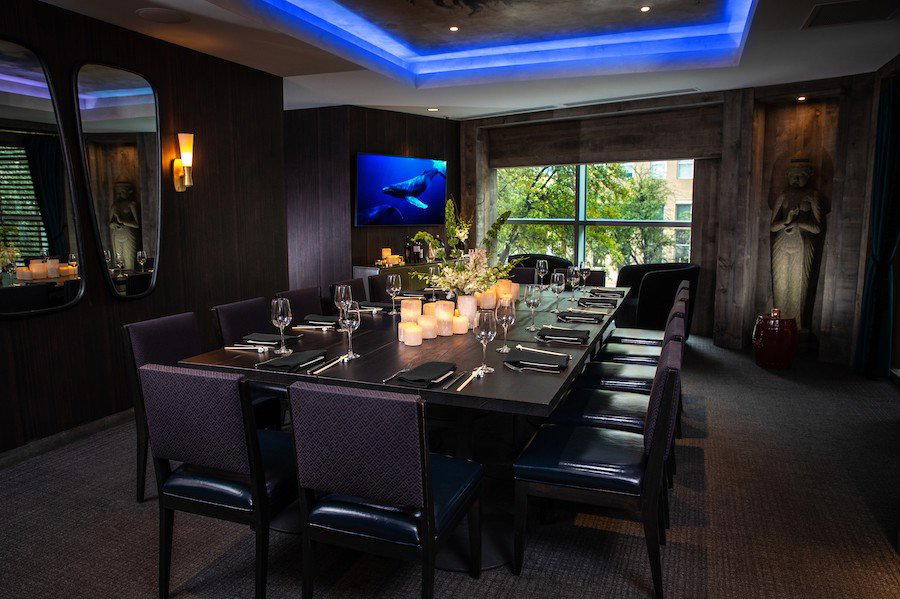
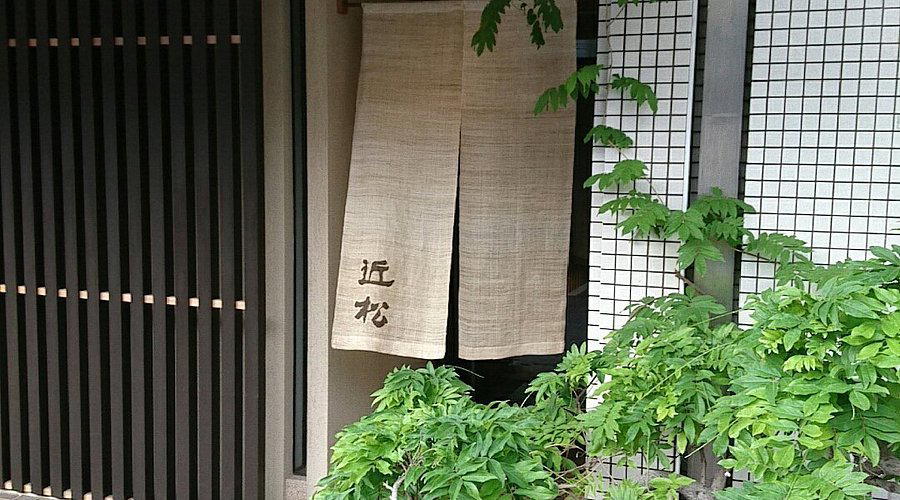
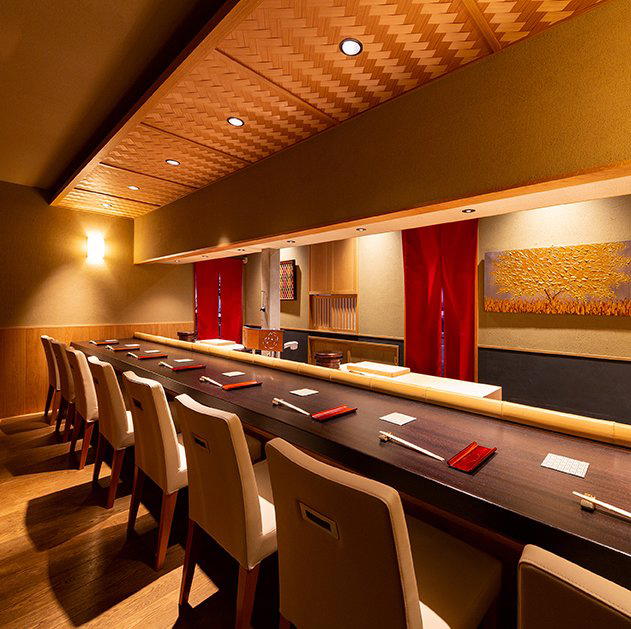
At a Glance
- Cozy
- Lively
- Intimate
- After Work
- Casual Hangout
- Date Night
- Group Dining
- Solo
- Late Night
- Private Event
- Standalone
- Private Dining
- Natural Wine
- Extensive Wine List
- Natural Wine
Current opening hours
- Monday
- 6–11 PM
- Tuesday
- 6–11 PM
- Wednesday
- Closed
- Thursday
- 6–11 PM
- Friday
- 6–11 PM
- Saturday
- 6–11 PM
- Sunday
- 6–11 PM
Hours can change for holidays and private events. Last verified .
Bright, open, and relaxed with a warm, homey Spanish bar feel where solo guests can comfortably drop in for a drink or paella, balanced between lively conversation and an easygoing neighborhood vibe.