Google: 4.6 · 138 reviews
.png)

Bailara occupies a rural hotel in the Gipuzkoa hills outside Bidania, where a single surprise tasting menu draws entirely from local producers — asparagus, teardrop peas, artichokes, cep mushrooms, and meat from regional breeders. Michelin Plate-recognised in both 2024 and 2025, it operates at the €€€ tier, positioning it as a serious but accessible entry point into Basque Country's seasonal, terroir-driven dining scene.
 Discover on Pearl
Pearl is the En Primeur Club membership app — saves, bookings, and concierge access live there. Same editors, same standards.
Countryside as Larder: Dining at Bailara in Bidania
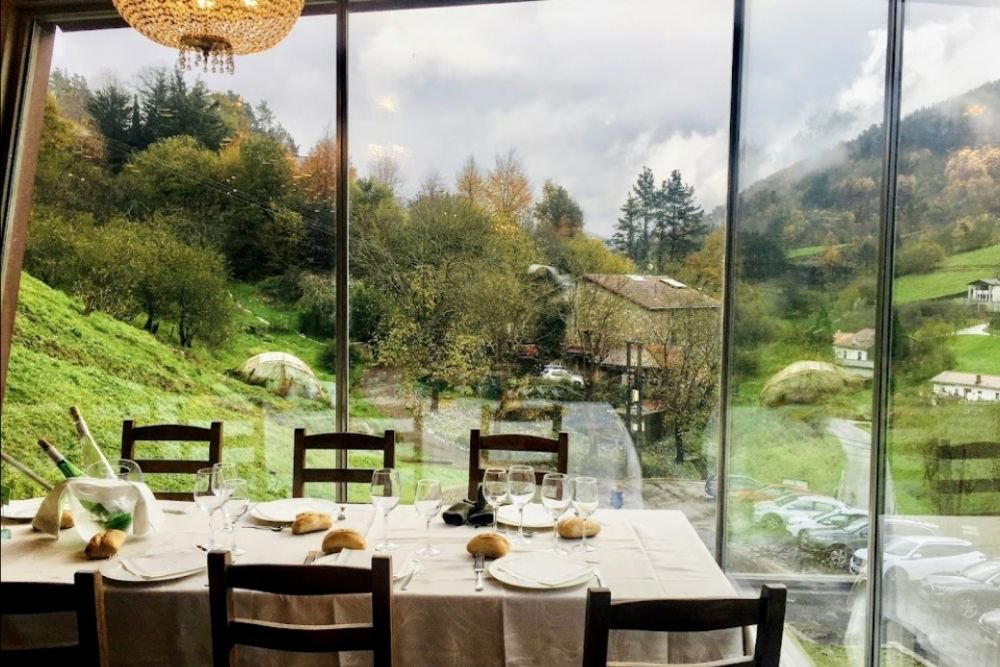
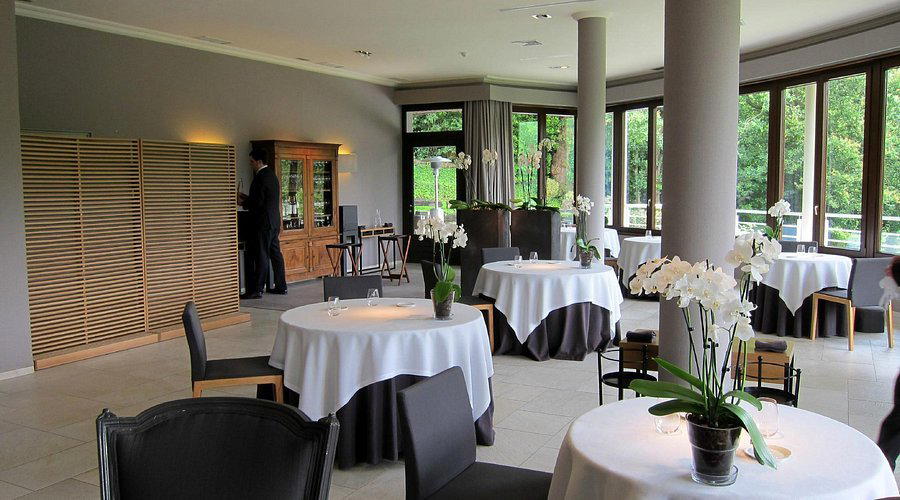
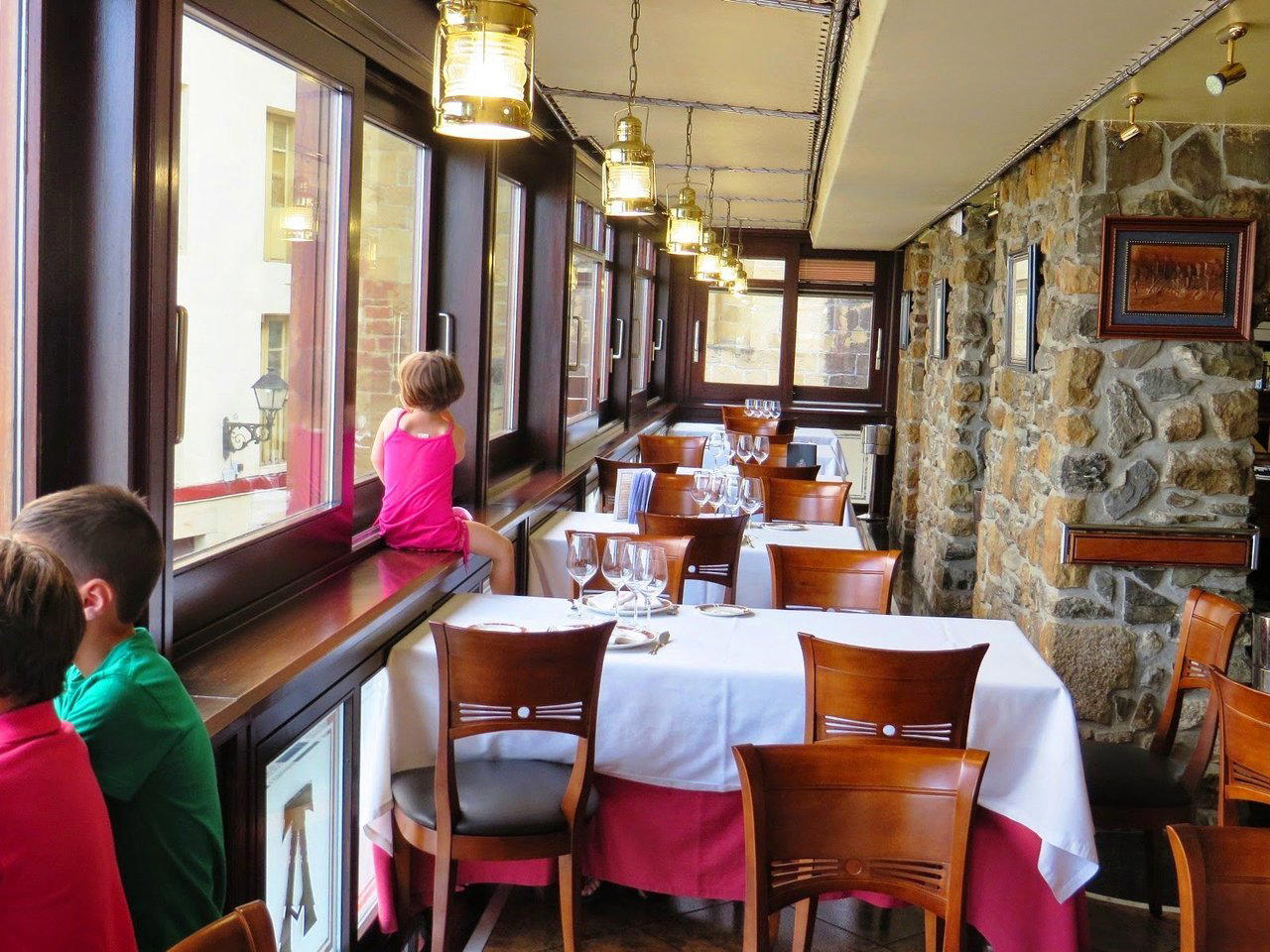
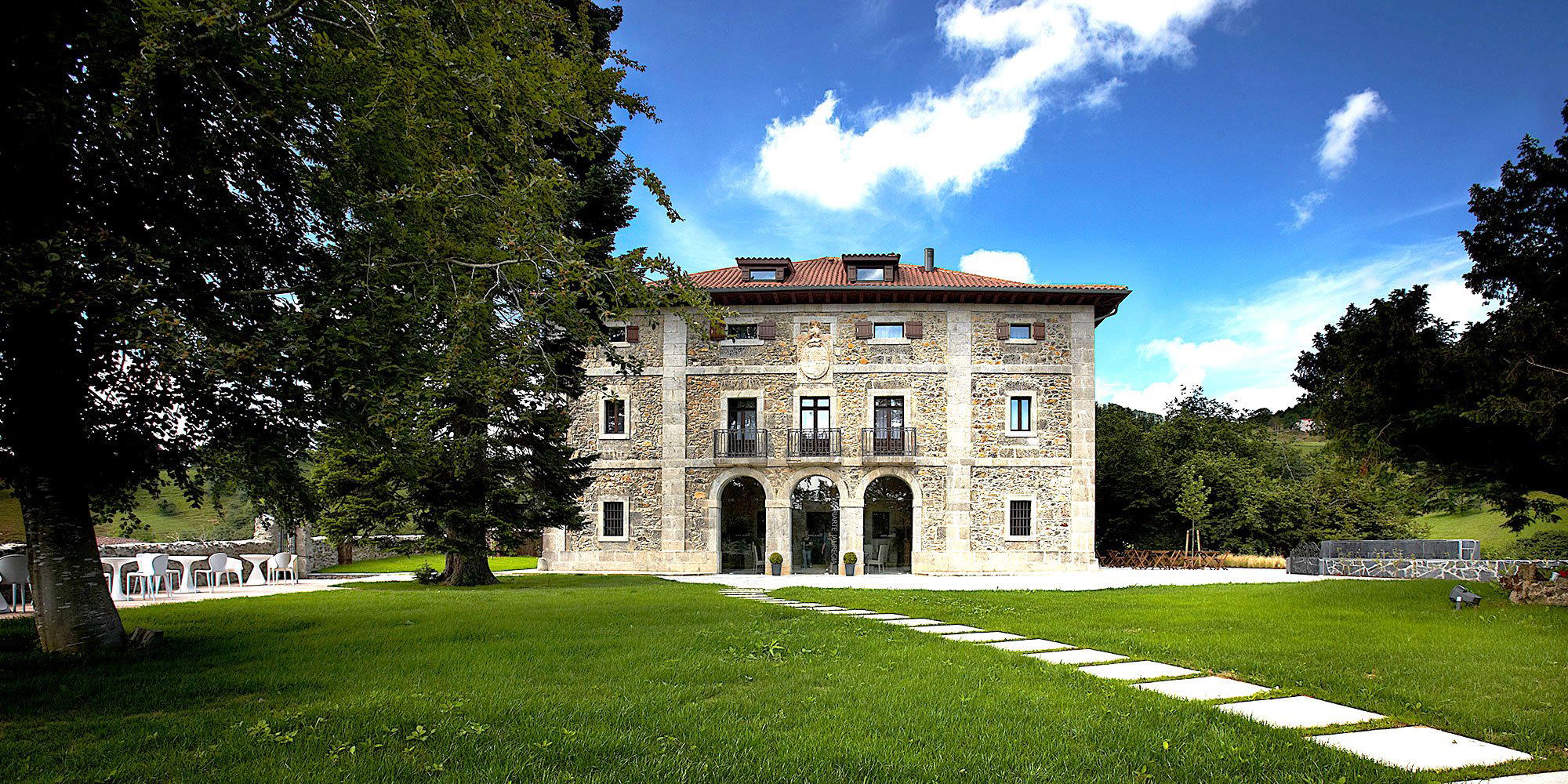
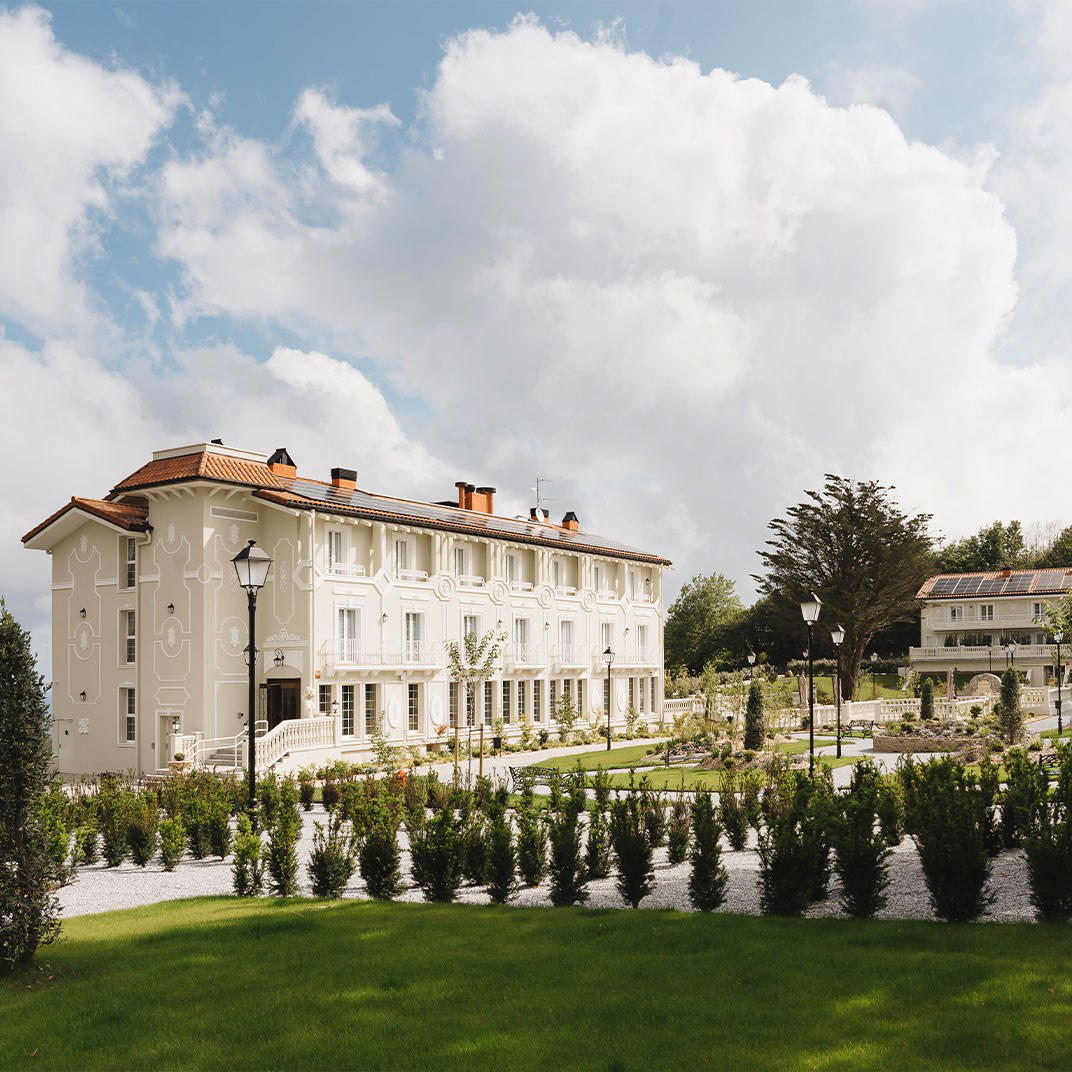
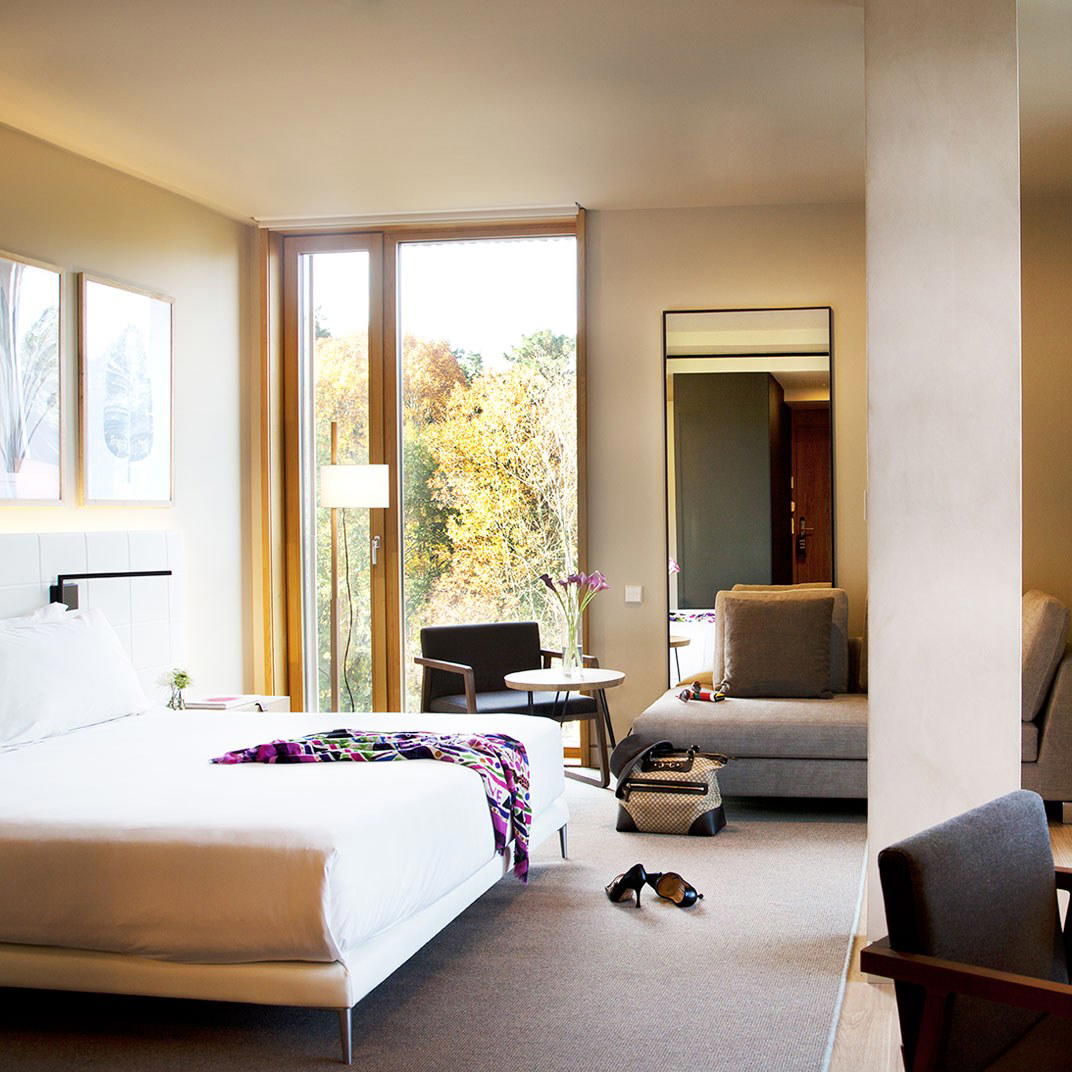
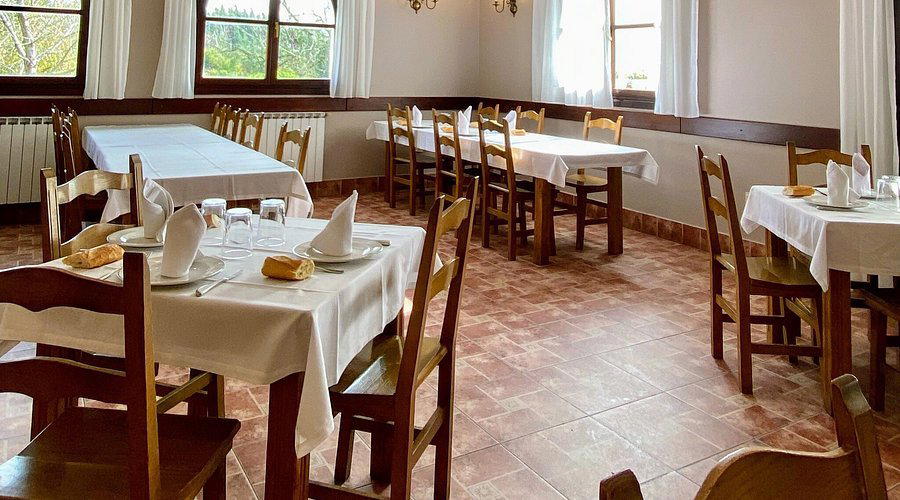
The road into Bidania runs through Gipuzkoa's lower hills — pasture land, farmsteads, and the kind of dense Atlantic green that signals you are well clear of San Sebastián's pintxos bars and the coastal tourist circuit. Arriving at Bailara, the rural hotel setting reads immediately: the building sits within nature rather than alongside it, and the dining room carries that same unhurried quality. There is no urban theatre here, no performance of urban finesse. What you encounter instead is a contemporary interior in a landscape that has been supplying serious kitchens in the Basque Country for generations.
That context matters, because Bailara's entire menu logic depends on it. The kitchen runs a single surprise tasting menu — no à la carte alternatives, no negotiated substitutions , built around whatever the surrounding farms and producers are delivering at that moment in the season. Asparagus, teardrop peas, artichokes, and cep mushrooms have all featured as central ingredients, alongside meat sourced from local breeders. The format places Bailara within a specific tradition in northern Spain: the rural tasting menu that treats its postal code as a pantry.
The Basque Sourcing Tradition and Where Bailara Sits Within It
The Basque Country has a longer and more codified relationship with local produce than almost any other region in Europe. The txoko culture , private gastronomic societies where members cook for each other using the leading available local ingredients , pre-dates the global fine dining conversation about terroir by decades. The region's top-end restaurants, from Arzak in San Sebastián to Mugaritz in Errenteria and Azurmendi in Larrabetzu, have all built international reputations partly on the quality of what grows and grazes within reach. Bailara operates at a different scale and price point , €€€ against the €€€€ tier occupied by those three-Michelin-star addresses , but it draws from the same producer ecosystem.
That positioning is worth pausing on. Gipuzkoa's agricultural micro-economy , small-scale vegetable growers, independent cattle farmers, specialty mushroom foragers , functions as critical infrastructure for kitchens across the price spectrum. Bailara's menu, grounded in those same supply chains, offers a version of Basque seasonal cooking that doesn't require a four-figure outlay or a booking placed months in advance. For comparison, Martin Berasategui in Lasarte-Oria and Arzak sit at the apex of Spain's most decorated dining region; Bailara operates closer to the base of that pyramid, where the ingredient quality remains high but the format is more relaxed.
The Single Menu Format: What It Signals
A surprise tasting menu, with no published course list, is a specific commitment by a kitchen. It removes the guest's ability to pre-edit and places full curatorial authority with the cook. In practice, it means the menu changes with supply rather than on a fixed quarterly calendar , if the season's asparagus arrives early or the cep harvest runs short, the kitchen adapts accordingly. This is a more demanding operational model than a fixed seasonal menu and typically signals a kitchen with strong producer relationships and enough confidence to build dishes around what's available rather than what's been printed.
Michelin's Plate recognition in both 2024 and 2025 acknowledges the kitchen's consistency within that model. The Plate distinction, below Michelin's star tier, indicates food that inspects well and cooks with care , a meaningful signal for a rural address operating in a region where the competition for Michelin's attention is dense. For context, Spain has more Michelin-starred restaurants per capita than nearly any country outside France and Japan; holding a Plate in Gipuzkoa in particular means sitting in a peer set where standards are set by some of Europe's most scrutinised kitchens, including El Celler de Can Roca in Girona and DiverXO in Madrid at the far end of the ambition spectrum.
What the Menu Reflects About the Region
Teardrop peas from the Basque Country , lágrima peas , are among the most prized vegetables in Spanish cooking, harvested by hand over a short window each spring and commanding prices that reflect the labour involved. Their inclusion on a rural tasting menu is not incidental; it signals both direct access to specialty growers and a kitchen willing to build around ingredients that cannot be substituted or extended once they run out. Artichokes from the Tudela corridor, white asparagus from Navarre's river plains, cep mushrooms from the Pyrenean foothills , these are Basque Country staples that carry genuine agricultural specificity, not generic seasonal framing.
Charcoal-grilled beef tacos , a dish noted specifically in Michelin's own assessment , suggest the kitchen is comfortable moving between precision vegetable cookery and more direct, fire-led techniques. That range is consistent with how Basque cooking has always operated: the region's culinary identity sits between the finesse of the new Basque cuisine and the directness of the parilla tradition, where quality meat over live fire needs almost nothing added.
Planning Your Visit
Bailara sits within a rural hotel in Bidania, making it a natural anchor for an overnight stay rather than a standalone dinner trip from San Sebastián. The €€€ pricing places it at the higher end of rural dining in the region, but below the commitment required at the area's starred addresses. Google's rating of 4.6 across 130 reviews suggests consistent guest satisfaction across multiple visits and seasons , a useful signal for a tasting menu format where the experience changes with each sitting. Booking enquiries and current menu details are leading directed through the hotel directly, as specific hours and availability are subject to seasonal variation. For anyone building a broader Basque itinerary, this sits naturally alongside a visit to our full Bidania restaurants guide, and the town itself is a reasonable base for exploring surrounding Gipuzkoa. Further context on accommodation options is available in our full Bidania hotels guide, while our full Bidania bars guide, wineries guide, and experiences guide cover the wider area.
For those extending the trip into Spain's broader fine dining circuit, the range runs from approachable to stratospheric: Aponiente in El Puerto de Santa María, Quique Dacosta in Dénia, Cocina Hermanos Torres in Barcelona, Ricard Camarena in València, and Atrio in Cáceres each represent distinct regional approaches to the same question of what Spanish fine dining can mean. For a European comparison outside Iberia, Frantzén in Stockholm and FZN by Björn Frantzén in Dubai offer reference points for how the rural-sourcing, single-menu format translates into different contexts.
At-a-Glance Comparison
These are the closest comparables we have in our database for quick context.
| Venue | Cuisine | Price | Awards | Notes |
|---|---|---|---|---|
| Bailara | Modern Cuisine | €€€ | Bailara’s contemporary ambience in a rural hotel in the heart of nature definite… | This venue |
| Aponiente | Progressive - Seafood, Creative | €€€€ | Michelin 3 Star | Progressive - Seafood, Creative, €€€€ |
| Arzak | Modern Basque, Creative | €€€€ | Michelin 3 Star | Modern Basque, Creative, €€€€ |
| DiverXO | Progressive - Asian, Creative | €€€€ | Michelin 3 Star | Progressive - Asian, Creative, €€€€ |
| El Celler de Can Roca | Progressive Spanish, Creative | €€€€ | Michelin 3 Star | Progressive Spanish, Creative, €€€€ |
| Quique Dacosta | Creative | €€€€ | Michelin 3 Star | Creative, €€€€ |
Continue exploring