GU San Sebastián
GU San Sebastián sits on Ijentea Kalea in the heart of Donostia's old town, a address that places it squarely within one of Europe's most concentrated bar and pintxos circuits. The venue operates within a city where the bar format has undergone genuine reinvention over the past decade, and GU reflects that broader shift toward drinks-led, considered programming over the traditional high-volume pintxos crawl.

Pearl is the En Primeur Club membership app — saves, bookings, and concierge access live there. Same editors, same standards.
- Address
- Ijentea Kalea, 9, 20004 Donostia / San Sebastián, Gipuzkoa, Spain
- Phone
- +34 943 44 13 82
- Hours
- Mon–Wed ClosedThu 5 PM–12 AMFri 12–5 AM, 5 PM–12 AMSat 12–6 AM, 5 PM–12 AMSun 12–7 AM, 5–10 PM
- Website
- gusansebastian.com
- Directions
- Get directions
- Booking
- Book on the venue's website
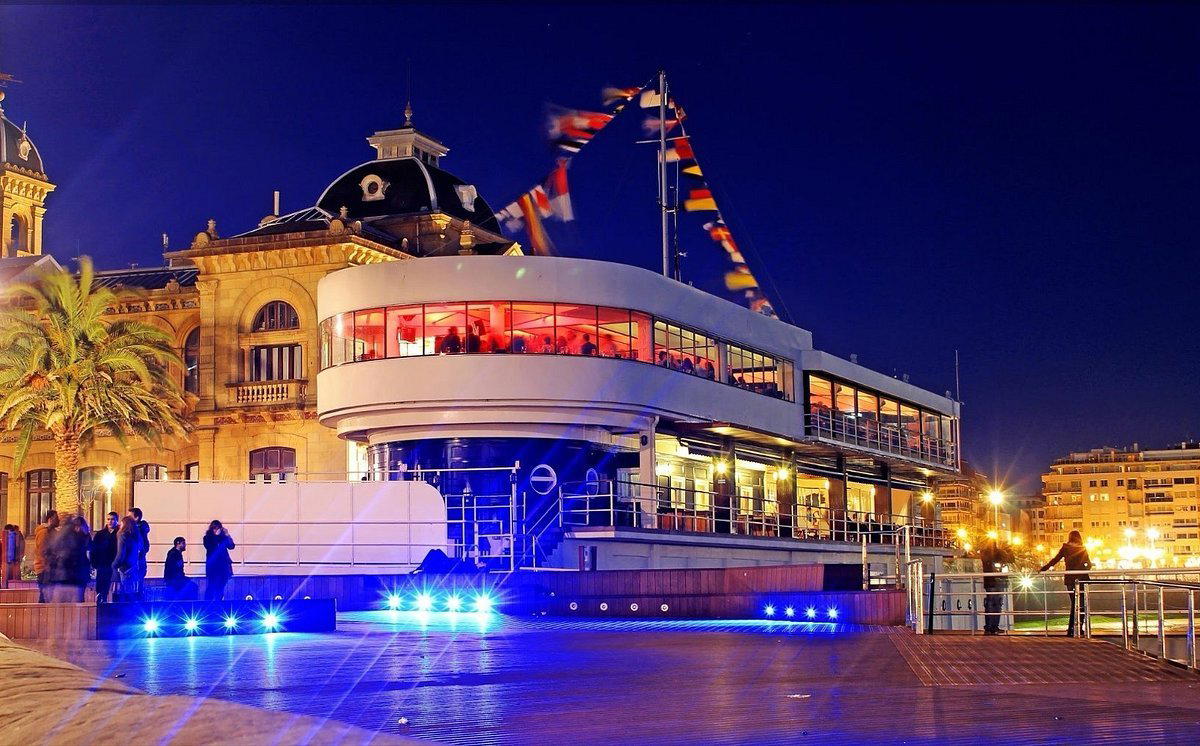
Ijentea Kalea and the Changing Grammar of the San Sebastián Bar
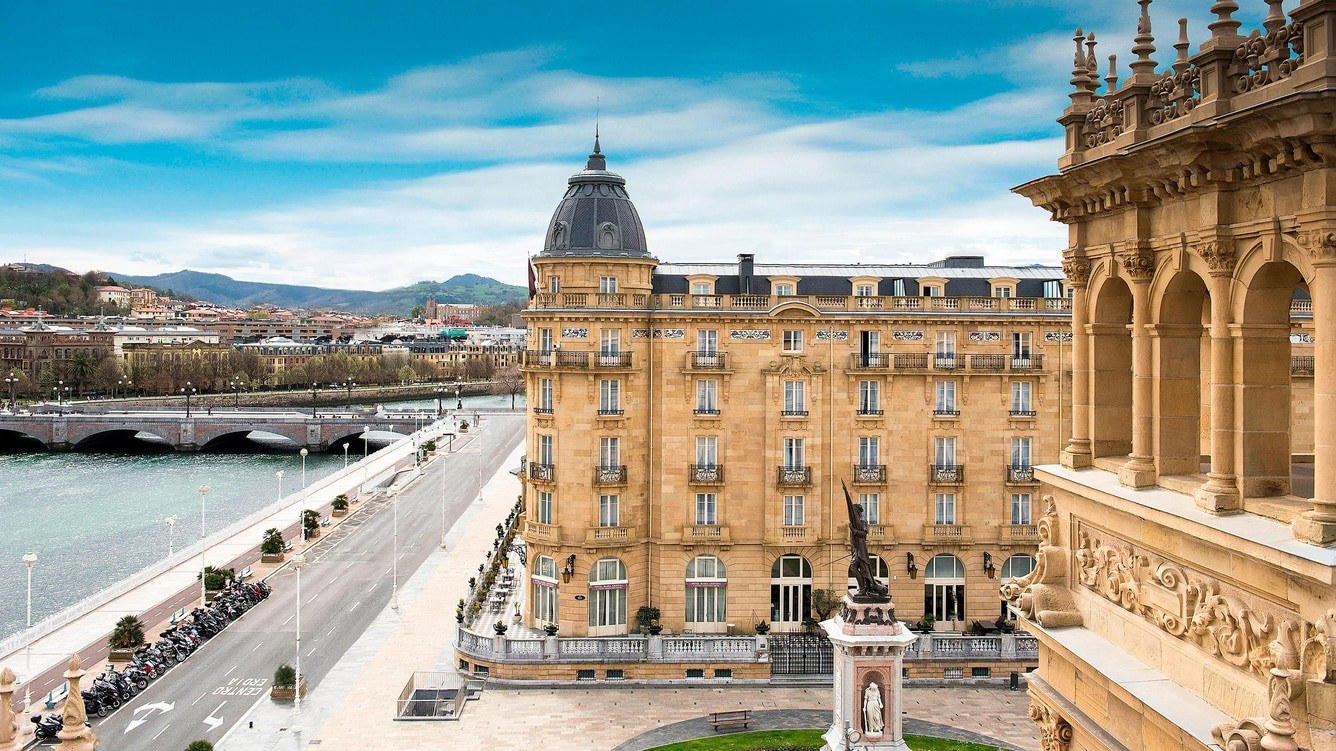
The streets around the Parte Vieja in San Sebastián follow a grid that hasn't changed much in two centuries, but the venues inside those buildings have shifted considerably. Ijentea Kalea, where GU San Sebastián is addressed at number 9, sits in the inner core of the old quarter, a few minutes' walk from the Río Urumea and surrounded by the kind of bar density that makes Donostia a reference point for anyone writing about Spanish drinking culture. The address alone places GU in competitive proximity to some of the most-discussed bars in the Basque Country.
That proximity matters because San Sebastián's bar scene has never been static. Through the 1990s and into the 2000s, the Parte Vieja operated largely on a single model: high-turnover pintxos counters, txakoli poured fast, and movement between stops every thirty minutes. That model still exists and still works, but it no longer defines the entire circuit. Over the past decade, a different tier has emerged, one oriented around slower visits, drinks programs with genuine range, and formats borrowed more from the cocktail bar than the traditional taberna. GU sits within the territory shaped by that shift.
The Reinvention Arc: From Traditional Counter to Considered Format
San Sebastián's evolution as a bar destination has tracked two parallel stories. One is the international recognition of its pintxos culture, which brought higher foot traffic and, inevitably, pressure on venues to either scale up or differentiate. The other is a quieter, more internal conversation among operators about what Basque hospitality looks like when it moves beyond the traditional counter format.
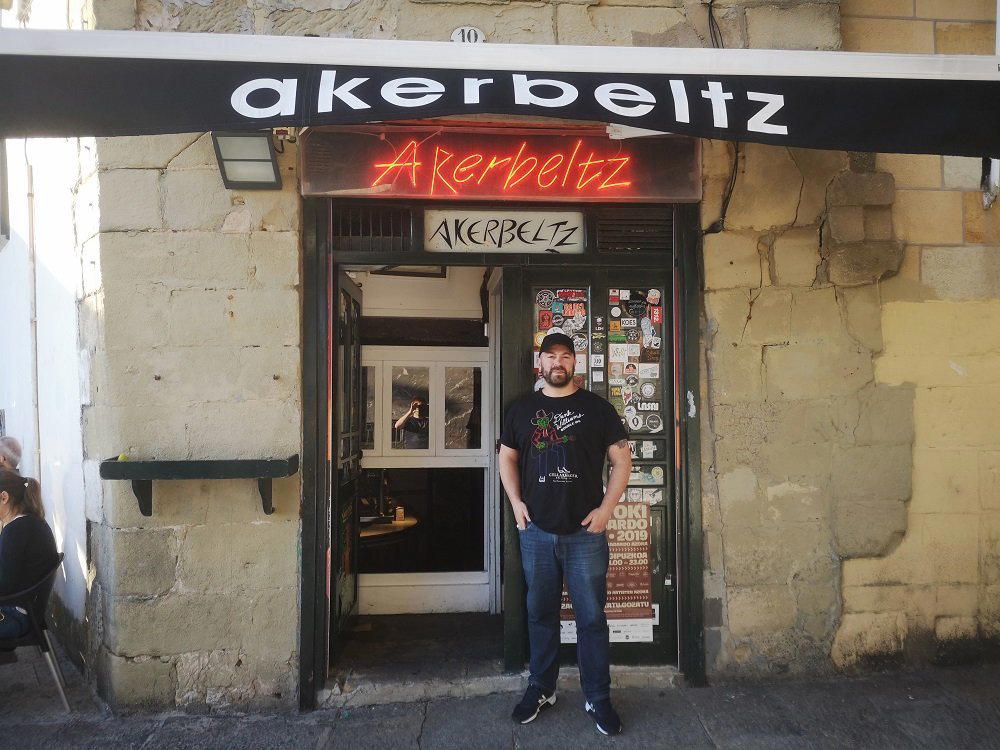
Venues like Akerbeltz and Antonio taberna have each, in different ways, staked out positions in that conversation. Atari Gastrolekua represents yet another approach, applying gastro-bar logic to the Basque context. Bar Ciaboga brings its own character to the same concentrated geography. What this cluster illustrates is that the Parte Vieja is no longer operating on one template. GU's position within that cluster, at an address that draws both local regulars and visitors working through the old town, places it at the intersection of those competing formats.
The broader pattern here is one visible across Spanish cities. In Madrid, venues like Angelita have redefined what a Spanish bar can prioritize, moving wine selection and deliberate pacing to the foreground. In Barcelona, the durability of Boadas demonstrates that a clear format, held consistently over decades, builds a different kind of authority than trend-chasing. In Palma de Mallorca, Garito Cafe has built its reputation on atmosphere and programming discipline rather than volume. Across Seville, Granada, and the Balearics, venues like Bar Sal Gorda, Bar Gallardo, and La Margarete each demonstrate that the Spanish bar format is being renegotiated city by city. Even internationally, the question of what a bar owes its guest beyond the drink itself is being asked in places as different as Bar Leather Apron in Honolulu. San Sebastián, given its density and reputation, is simply where that question is asked most loudly.
What the Old Town Concentration Means for a Visitor
Visiting the Parte Vieja with any seriousness means making choices. The street density in this part of Donostia is such that twenty bars can occupy a single block, and the quality variance between them is significant. The tourist-facing operations, distinguishable by laminated picture menus and staff angling for the pavement, are present alongside venues that have been running for generations and have no particular interest in performing for newcomers.
GU's location on Ijentea Kalea places it within the inner zone of that concentration, where the balance between resident regulars and visiting traffic shifts depending on the day and time. Evenings in the Parte Vieja during peak season run busy from around 7pm; arriving earlier allows for a more measured experience and a better read of what any given venue is actually doing. The Sunday and Monday dynamics differ from Thursday through Saturday, which is worth accounting for when building an itinerary around this part of the city. For anyone planning a more comprehensive pass through San Sebastián's bar and restaurant circuit, our full San Sebastián restaurants guide maps the key venues and neighbourhoods in more detail.
The Txakoli Question and What Basque Bars Are Drinking Now
No reading of a San Sebastián bar is complete without some account of the drink side. Txakoli, the slightly effervescent, high-acid white wine grown in the Basque Country, has long defined what gets poured at speed in the Parte Vieja. It works for what it is: a palate-clearing, low-alcohol option that pairs efficiently with the salt and fat of a pintxo. But it also has a ceiling, and the bars that have evolved beyond the pure pintxos-and-txakoli format have generally done so by building more depth on the drinks side, whether through extended wine lists, gin-and-tonic programs, or cocktail menus with some technical ambition.
The gin-and-tonic culture that spread through Spain's premium bar circuit in the 2010s reached San Sebastián and has partially settled into something more selective, with the initial novelty giving way to a smaller number of venues that actually invest in the category. Natural wine interest has also arrived in the Basque Country, as it has across urban Spain, creating a new axis along which bars differentiate. Where GU sits on that drinks spectrum is something that a visit will answer more reliably than any external description, given the absence of a documented menu in the public record.
Planning a Visit
GU San Sebastián is at Ijentea Kalea, 9, in the Parte Vieja district of Donostia-San Sebastián, Gipuzkoa. The old town is walkable from the main rail station at Donostia in under fifteen minutes, and the address sits deep enough in the quarter to be a deliberate stop rather than an accidental discovery. Walk-in access is standard for the Parte Vieja bar circuit, though peak evening hours in summer and during festival periods compress space across the whole neighbourhood.
Reputation Context
Comparable venues nearby, for context on price, style, and recognition.
| Venue | Cuisine | Price | Awards | Notes |
|---|---|---|---|---|
| GU San SebastiánThis venue — the venue you are viewing | cocktail_bar | $30–50 | Not listed | Not listed |
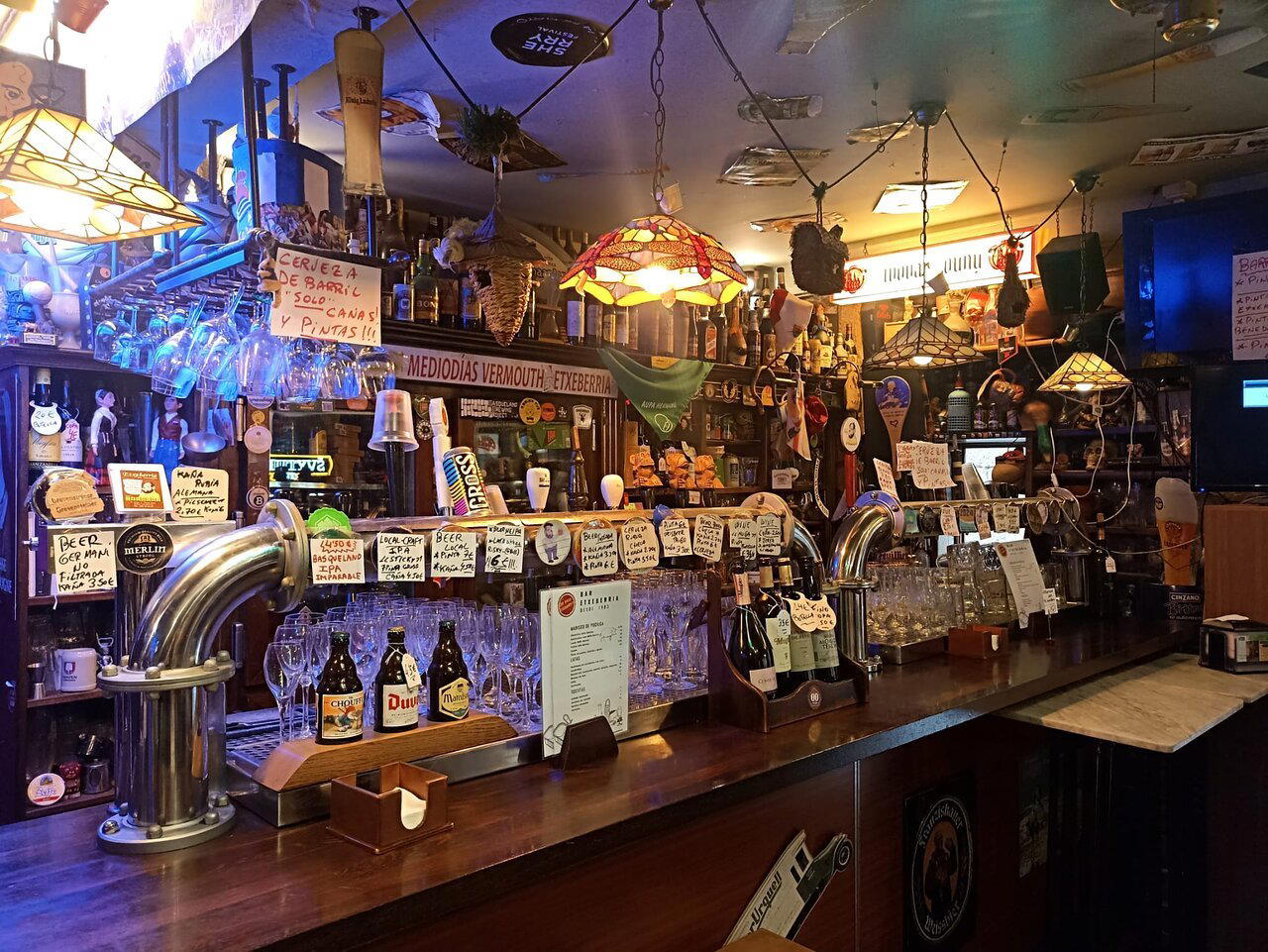
| Bar Etxeberria | beer_bar | $20–30 | Falstaff Wine Bar - 93 Falstaff Points | Parte Vieja (Old Town) |
| La Gintonería Donostiarra | cocktail_bar | $10–20 | Not listed | Gros |
| Bidea Berri | pub | Not listed | Not listed | Gros |
| Haizea | pub | $20–30 | Not listed | Parte Vieja |
| Bataplán Disco | lounge | $20–30 | Not listed | Centro |
Continue exploring
More in San Sebastián
Bars in San Sebastián
Browse all →
Restaurants in San Sebastián
Browse all →
Details
- Lively
- Trendy
- Modern
- Elegant
- After Work
- Late Night
- Group Outing
- Celebration
- Date Night
- Rooftop
- Waterfront
- Panoramic View
- Historic Building
- Design Destination
- Terrace
- Seated Bar
- Lounge Seating
- Outdoor Terrace
- Standing Room
- Classic Cocktails
- Craft Cocktails
- Gin
- Waterfront
Current opening hours
- Monday
- Closed
- Tuesday
- Closed
- Wednesday
- Closed
- Thursday
- 5 PM–12 AM
- Friday
- 12–5 AM, 5 PM–12 AM
- Saturday
- 12–6 AM, 5 PM–12 AM
- Sunday
- 12–7 AM, 5–10 PM
Hours can change for holidays and private events. Last verified .
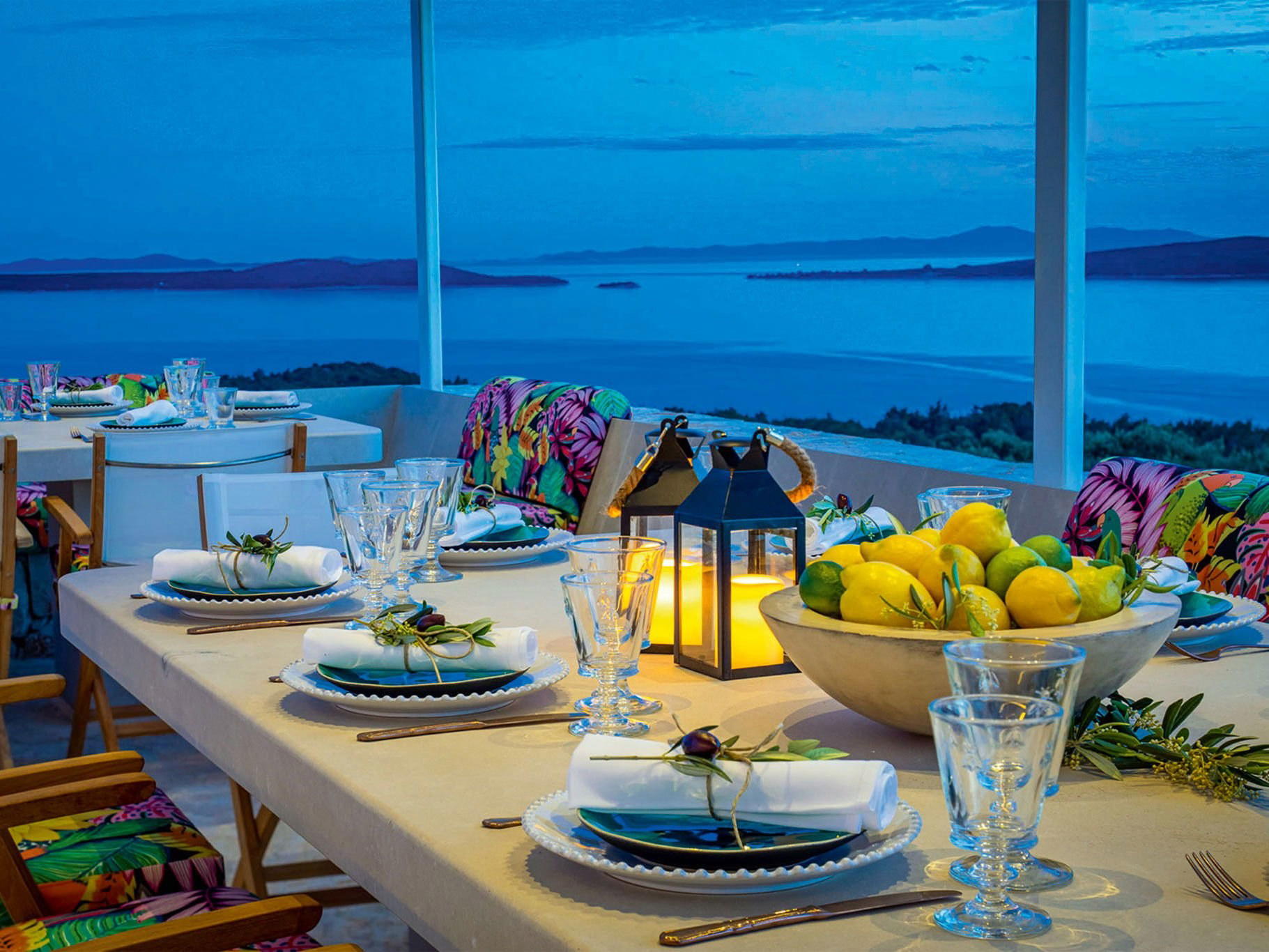
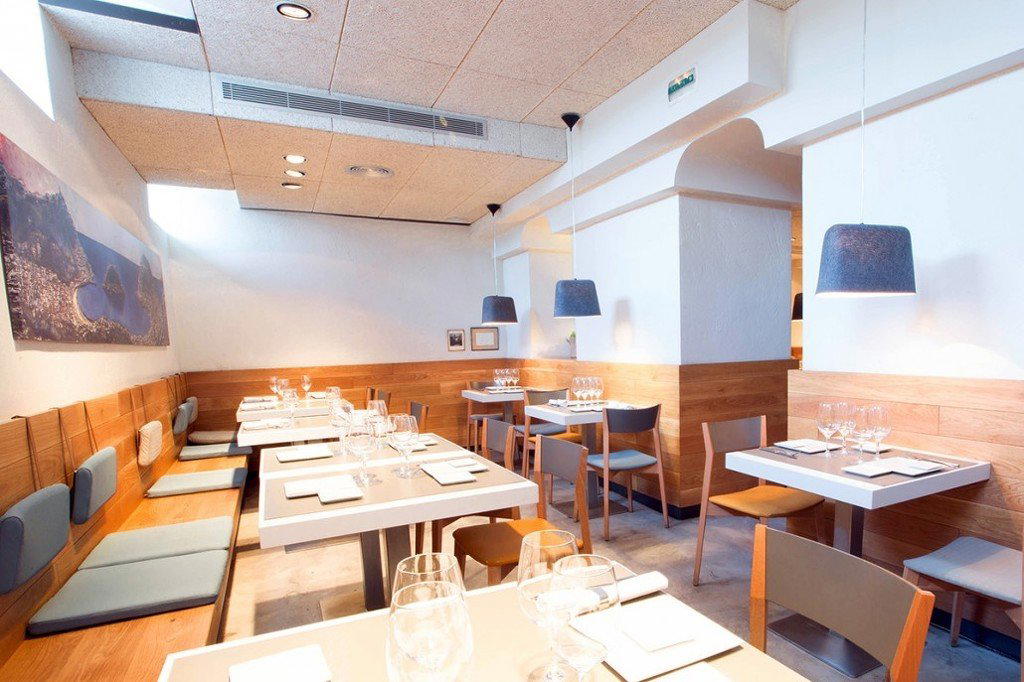
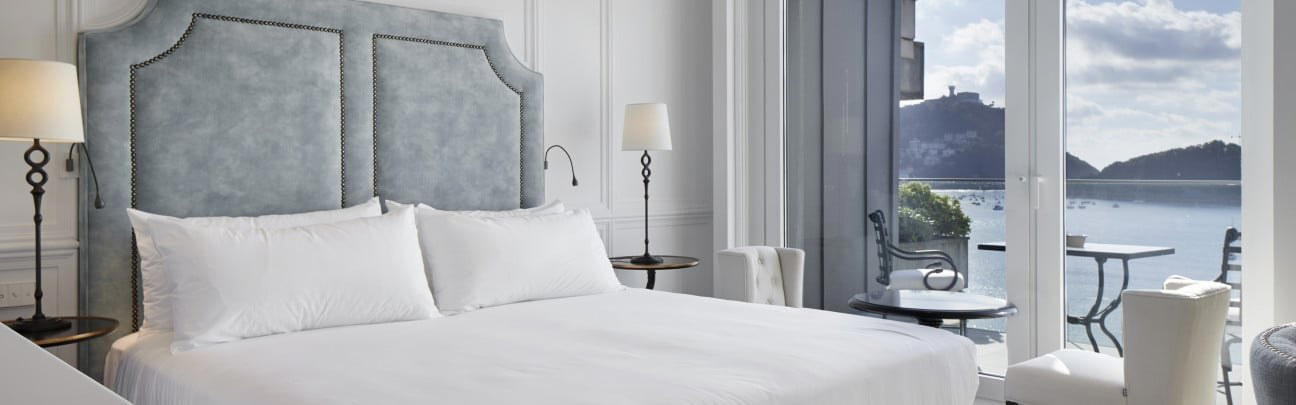
Modern, sophisticated atmosphere with dynamic lighting that transitions from upscale cocktail bar during early evening to energetic nightclub after 11 PM; funky electro music creates a danceable but conversational vibe.