The Shilla Jeju


Michelin Selected · La Liste Top Hotels
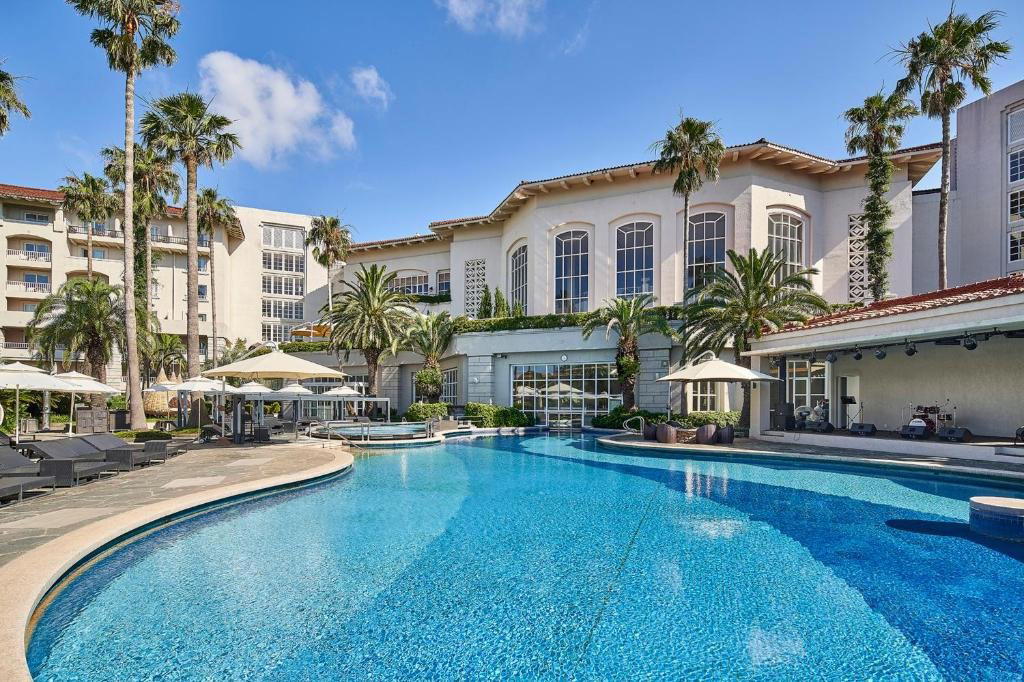
Positioned on Jeju Island's southern coast in the Jungmun Resort Complex, The Shilla Jeju sits among South Korea's most serious resort properties and earned 90 points from La Liste's 2026 Top Hotels ranking. The address places guests within reach of Jeju's volcanic coastline, botanical gardens, and the island's premier concentration of resort infrastructure — making it a reference point for how Korean luxury hospitality performs at the destination level.

Pearl is the En Primeur Club membership app — saves, bookings, and concierge access live there. Same editors, same standards.
Where the Southern Coast Defines the Stay
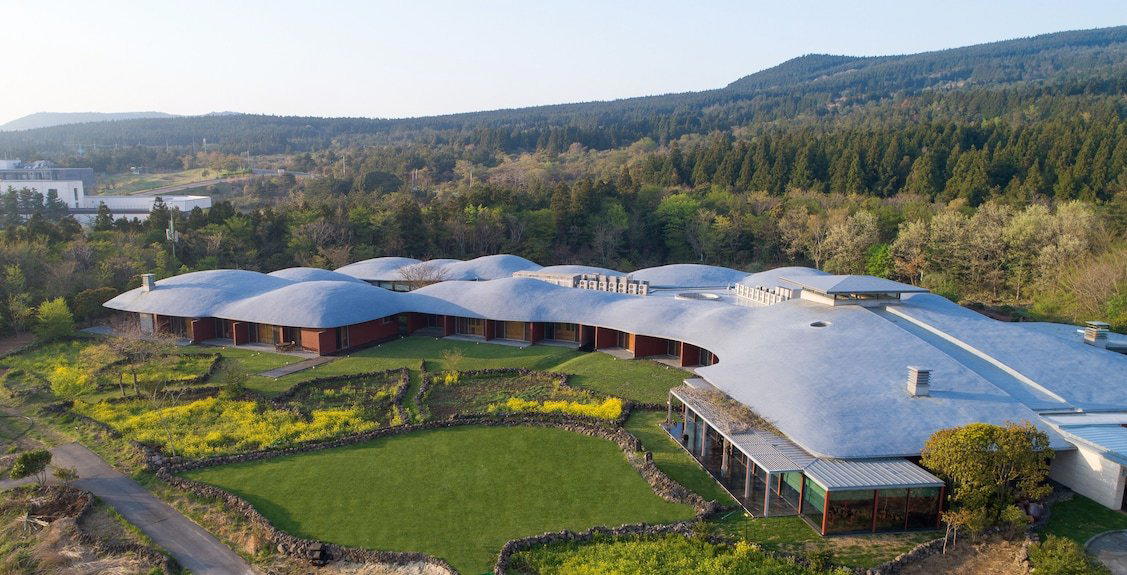
Jeju Island's southern flank, anchored by the Jungmun Tourist Complex in Seogwipo-si, represents a different proposition from the busier northern tip around Jeju City. The complex was developed with deliberate concentration: botanical gardens, cliff walks above the Cheonjeyeon waterfall system, the island's main convention infrastructure, and a cluster of full-scale resort hotels occupying refined ground above the coastline. The Shilla Jeju sits within this framework, and the address is not incidental — it is the product's structural advantage. Guests are positioned inside a planned resort zone where the natural and built environments were designed to coexist, which is a rarer achievement on Jeju than the island's general reputation for scenery might suggest.
For Korean luxury hospitality, the Jungmun corridor functions as a proving ground. The properties here compete against one another on facilities, service depth, and how effectively they translate the island's volcanic geography into a coherent guest experience. The Shilla brand, operated by Samsung's hospitality arm and with flagship properties in Seoul and on Jeju, brings significant institutional weight to that competition. Its Seogwipo address places it in direct comparison with neighbours including LOTTE HOTEL JEJU and Haevichi Hotel&Resort Jeju, both of which occupy comparable ground in the Jungmun zone.
The Physical Logic of the Jungmun Position
What the Jungmun location provides in practical terms is layered access. The Cheonjeyeon waterfalls are within the complex's immediate radius. The Yeomiji Botanical Garden, one of Asia's larger indoor garden facilities, is accessible without a significant transfer. The island's black-sand and basalt-edged coastline is visible from resort-level vantage points in ways that the more commercially dense Jeju City area cannot replicate. For a resort property, proximity to these features is not marketing language, it determines the actual texture of a stay. A morning walk to a waterfall before breakfast, a late-afternoon coastal walk above the cliffs, and a return to full resort infrastructure represent a sequence that the Jungmun location makes genuinely achievable rather than aspirational.
Seogwipo-si itself, as a city, has a different character from Jeju City. It is quieter, oriented toward natural attractions rather than commercial density, and draws a visitor mix weighted toward domestic Korean travellers seeking nature access alongside resort comfort. International visitors represent a smaller but growing share, partly because Jeju's profile in Northeast Asian travel circles has risen sharply. The island now appears regularly in the same conversations as Hokkaido and Bali as a short-haul premium escape from Seoul, Tokyo, and Hong Kong, a shift that has pushed Seogwipo's upper-tier properties toward a higher international standard. For context on what the broader Seogwipo accommodation field looks like, our full Seogwipo-si guide maps the range of options across price points and formats.
Korean Resort Hospitality at Scale
The Shilla brand's approach to resort hospitality reflects a strand of Korean luxury that differs from the international chain model. Rather than franchising a global template, Shilla properties operate with a strong domestic identity, attention to Korean culinary traditions, spa formats that reference jjimjilbang culture at a premium register, and service protocols shaped by Korean hospitality norms rather than imported Western standards. This is relevant context for understanding what a stay at The Shilla Jeju delivers relative to an international flag like the JW Marriott Jeju Resort & Spa or the Grand Hyatt Jeju in Jeju City, both of which operate within global brand frameworks with the consistency and limitations that implies.
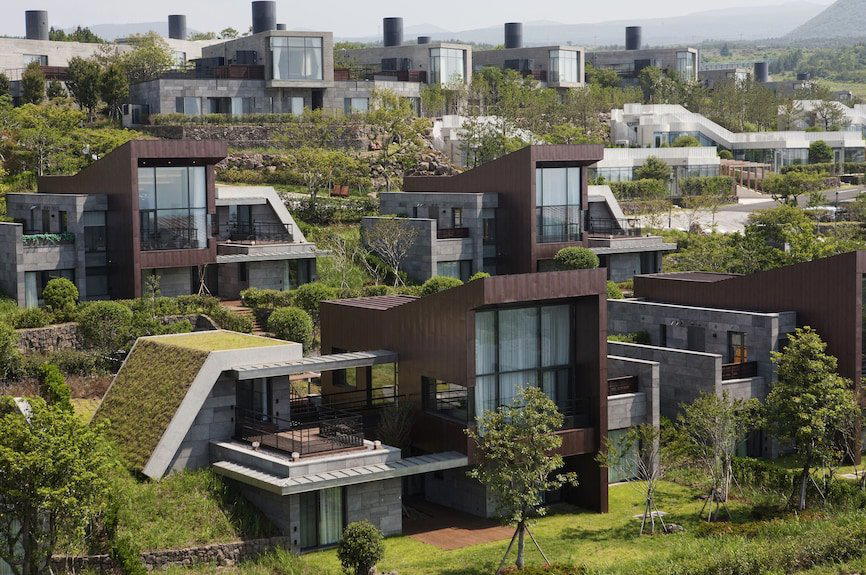
For travellers comparing The Shilla Jeju against properties elsewhere in South Korea, the island context adds meaningful distinction. Coastal resort properties on the mainland, such as Ananti at Busan Cove, offer comparable facility depth but a different geographic register. Jeju's volcanic island character, the basalt formations, the oreum (parasitic cone) landscape, the persistent sea wind, creates an environmental backdrop that mainland coast properties cannot replicate. The Lotte Resort Jeju Art Villas, also in the Seogwipo area, represents a smaller-format alternative for those prioritising privacy over full-scale resort amenities. Each of these options reflects a different answer to the same question of how to position a premium stay on a Korean island.
Planning a Stay: What the Booking Window Requires
Jeju operates on distinct seasonal rhythms. Peak demand runs through summer (July to August) and the autumn foliage period (October to early November), when the island receives heavy domestic traffic from the Korean mainland. The Lunar New Year and Chuseok holiday periods also compress availability across Jungmun's leading properties. For high-season stays, a booking window of two to three months in advance is a reasonable baseline for securing preferred room categories; last-minute availability at the upper accommodation tiers is limited during these windows. Spring (April to May) and late autumn represent periods of relatively softer demand and often more stable pricing, with the island's landscapes arguably at their most photogenic during the camellia and canola flowering cycles of late winter into spring.
The Shilla Jeju's position in the La Liste 2026 Leading Hotels ranking at 90 points signals the level of planning coordination the property warrants. Properties at this tier attract a clientele that books with intention, and treating it as a walk-in or last-minute option is a reliable way to lose access to the stay you actually want. For travellers building a broader Korean itinerary, properties like South Cape Owners Club in Namhae or Kensington Hotel Seorak in Sokcho-si offer contrasting landscape registers, southern coast golf resort versus northern mountain setting, that pair well with a Jeju anchor.
The Minimal Set
Comparable venues nearby, for context on price, style, and recognition.
| Venue | Price | Awards | Notes |
|---|---|---|---|
| The Shilla JejuThis venue — the venue you are viewing | $100–200 | Michelin Selected · La Liste Top Hotels | Not listed |
| Haevichi Hotel&Resort Jeju | Not listed | La Liste Top Hotels | Seogwipo-si, Luxury leisure resort complex with eco-friendly design and extensive family amenities |
| LOTTE HOTEL JEJU | $200–300 | La Liste Top Hotels | Seogwipo, Contemporary luxury resort with eco-certification, blending modern design with nature-inspired spaces and extensive recreational facilities. |
| Lotte Resort Jeju Art Villas | Not listed | La Liste Top Hotels | Seogwipo-si, Architecturally designed luxury villas |
| The Westin Josun Busan | $200–300 | Michelin Selected | Haeundae, Modern resort hotel with wellness focus and beachfront serenity |
| L’Escape, a Luxury Collection Hotel, Seoul Myeongdong | $200–300 | Michelin Selected · Forbes Recommended | Myeongdong, French-romantic boutique luxury hotel positioned as a Parisian escape in the heart of Seoul. |
Recognition history
Dated appearances from independent guides and award organizations, with the underlying list record or original source where available.
Michelin Selected
Michelin
La Liste Top Hotels
La Liste
Continue exploring
More in Seogwipo-si
Hotels in Seogwipo-si
All hotels in Seogwipo-si →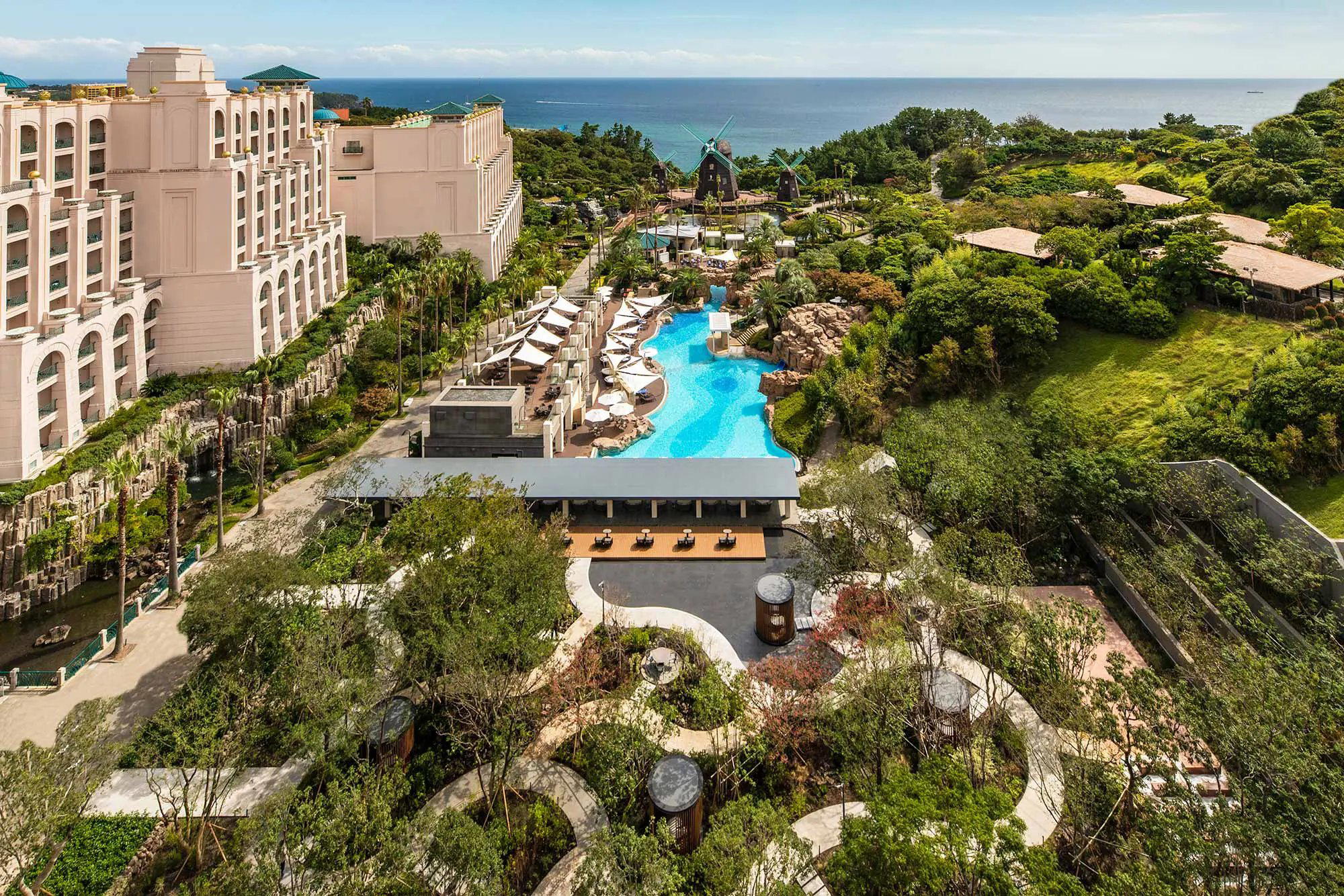
Details
- Elegant
- Scenic
- Quiet
- Sophisticated
- Family Vacation
- Romantic Getaway
- Wellness Retreat
- Beachfront
- Infinity Pool
- Destination Spa
- Panoramic View
- Pool
- Spa
- Wi Fi
- Restaurant
- Fitness Center
- Room Service
- Concierge
- Kids Club
- Beach Access
- Mountain
- Garden
- Waterfront
- Elevator
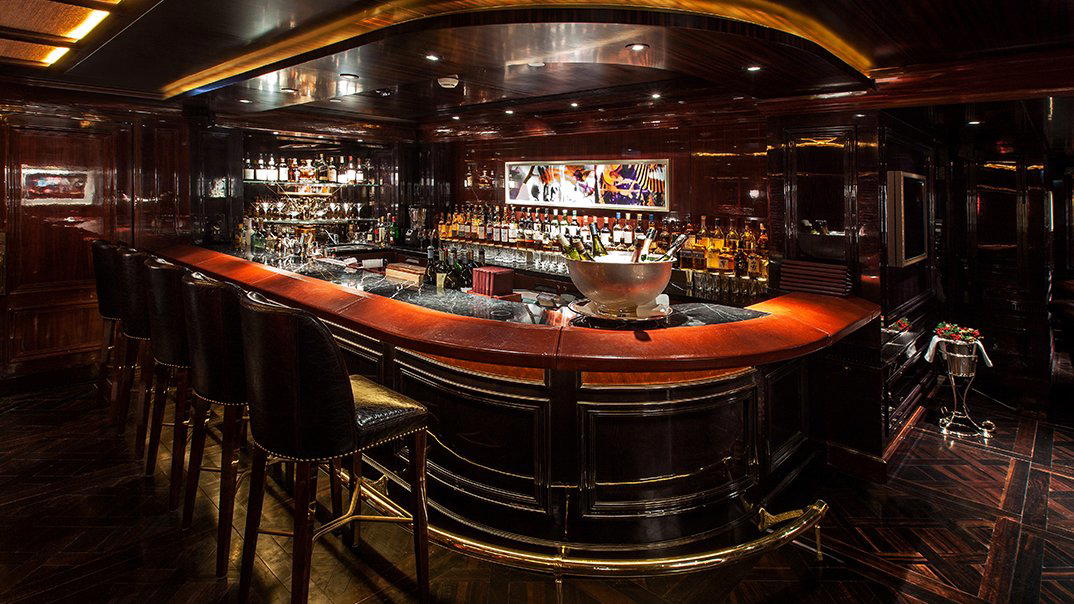
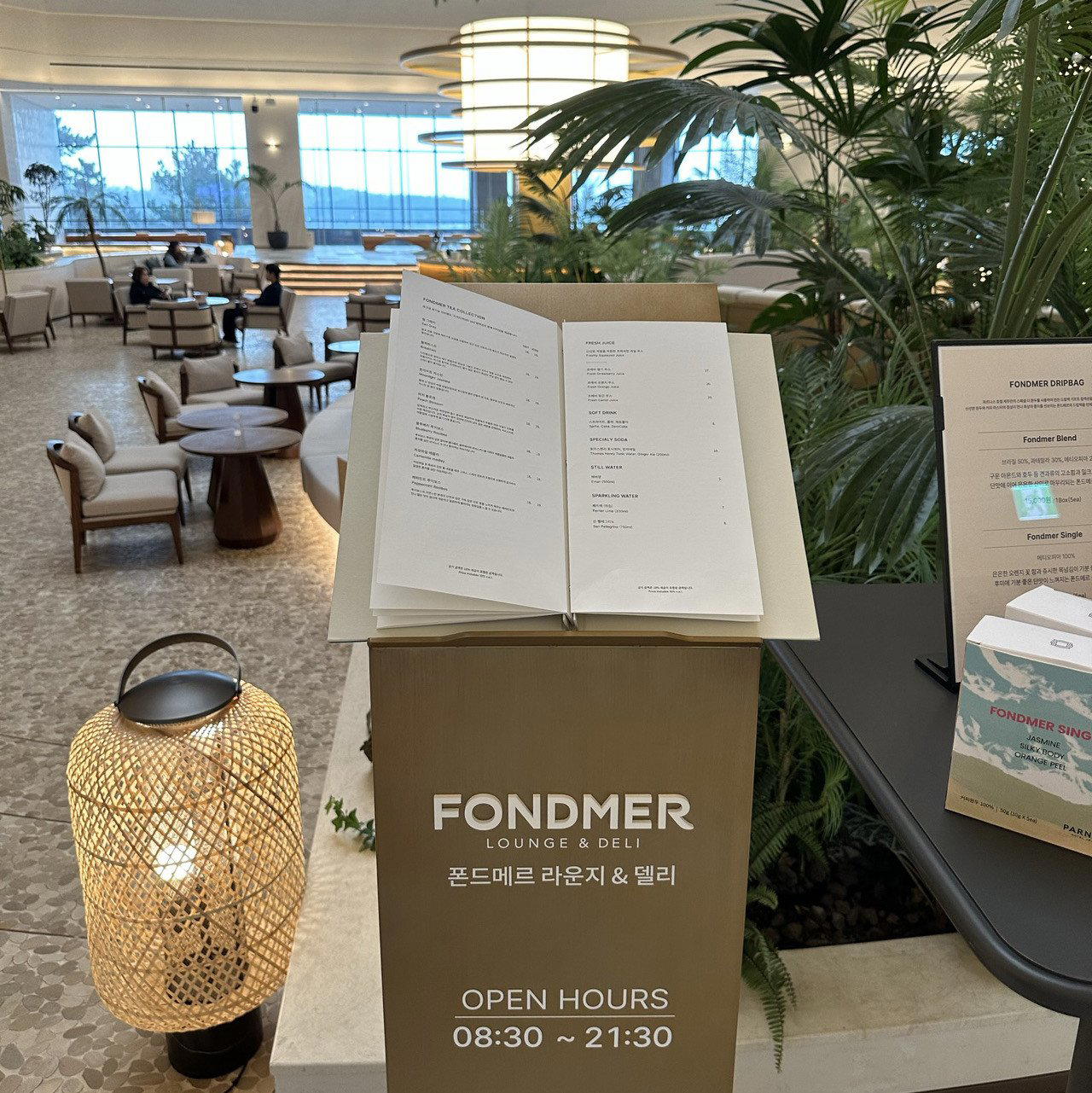
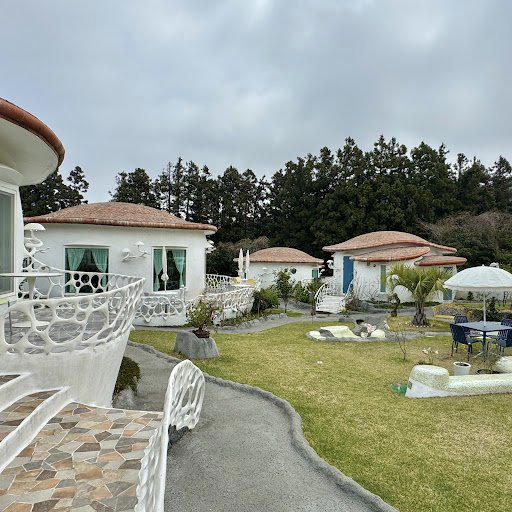
Peaceful and relaxing atmosphere with soundproofed rooms, premium bedding, and serene natural surroundings praised by guests.