
Tabelog 100 #60
Our verdict
Misato’s bread culture rewards early, practical buying rather than long dining-room ritual, and backerei sakatuji fits that pattern with a take-out bakery format, bread-and-sandwich focus, and recognition on Tabelog’s Bread EAST 100 list in 2020 and 2022. The value is in treating it as a Saitama bakery stop with credible regional standing, not as a sit-down restaurant.

Pearl is the En Primeur Club membership app, where members save venues, book tables and use the concierge.
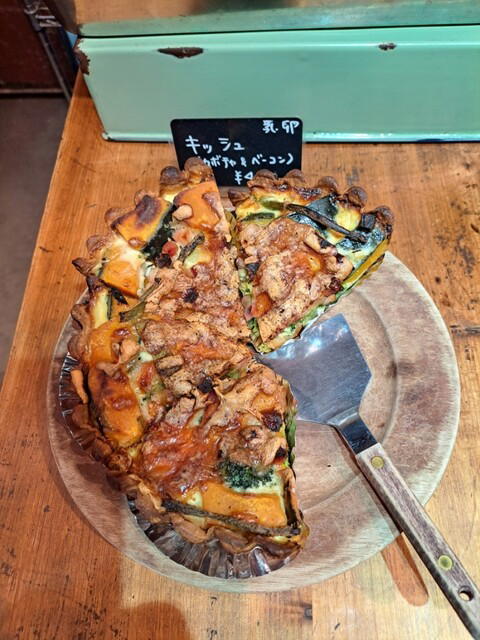
The menu
What to order
- Colorful fruit danishes
- Melon pan
- Hard-type breads for breakfast and dinner
- Sweet cream and chocolate danishes
On the residential side of Misato, the bakery experience is quieter than Tokyo’s station-basement bread counters: less display-case theatre, more local routine. The format matters. A take-out bakery in a house-style setting asks the buyer to read the shelves, choose quickly, and carry the day’s bread elsewhere. In Saitama, that kind of purchase often says more about daily food culture than a plated lunch does, because the decision is tied to commuting, family errands, and what will survive the trip home.
backerei sakatuji belongs to that practical bakery category, with bread and sandwiches rather than a restaurant menu. Its Tabelog Bread EAST 100 selections in 2020 and 2022 give it a clearer signal than neighbourhood popularity alone: the bakery has been noticed within eastern Japan’s crowded bread field, where small shops compete on fermentation, flour choices, consistency, and repeat custom rather than dining-room service. The listed spend sits in the everyday bakery bracket, which also frames expectations. This is not a luxury pastry counter built around spectacle; it is a stop where the craft is judged by repeatable staples and the discipline of a short-format retail operation.
Misato's bakery stop, seen through sourcing and daily bread habits
Japan’s serious bakery culture is not only about French technique copied neatly into local retail. It is also about how bread fits into Japanese domestic life: shokupan for breakfast, savoury buns for school or work, sandwiches for a portable lunch, and sweeter items treated as small gifts rather than dessert-course finales. In suburban Saitama, that pattern becomes sharper. Bakeries are not competing with hotel dining rooms; they are competing with supermarkets, convenience stores, and the time pressure of households that want quality without ceremony.
That is where ingredient sourcing becomes the meaningful question. With bread, sourcing is rarely decorative. Flour choice affects structure and chew, dairy shapes richness, and fillings determine whether a sandwich reads as a composed item or a convenience product. The available public details do not name suppliers, so the useful editorial lens is format: a bread-and-sandwich shop selected for Tabelog’s Bread EAST 100 has to maintain consistency across items that are bought to go, often eaten later, and compared by customers against daily alternatives. The standard is unforgiving because the product leaves the shop; there is no server, plate, or room to soften weak execution.
Misato’s dining map is also broader than a single bakery run. Yokobori Gyoza sits in a nearby casual bracket, while Kawauo Nemoto points to another strand of local eating. Seen together, the city’s appeal is not a grand restaurant circuit but a cluster of specific, useful stops. Readers building a fuller route can use Our full Misato restaurants guide, then branch into Our full Misato hotels guide, Our full Misato bars guide, Our full Misato wineries guide, and Our full Misato experiences guide for context beyond the bakery counter.
Why the take-out format changes the way to judge it
Take-out bakeries remove several distractions. There is no extended service choreography, no table pacing, and no room design to carry the experience. The buying decision becomes direct: what is on the rack, how quickly it moves, and whether the selection makes sense for the day ahead. For a visitor, that means the bakery is better treated as part of a local itinerary than as a destination meal. The more useful comparison is not a tasting menu, but the quality gap between a dedicated baker and mass retail.
The Tabelog recognition is relevant because bread is a category where national guide language can be less helpful than peer selection. A 2022 Bread EAST 100 listing places the shop in a regional conversation that includes many small operations outside central Tokyo. That matters for Misato. Suburban food addresses often receive less international attention than Ginza counters or Kyoto kaiseki rooms, yet daily craft can be more revealing in these smaller formats. backerei sakatuji is strongest as evidence of that point: a bakery with external recognition, a narrow product identity, and a local rhythm that does not need a formal dining room to justify attention.
For readers comparing Japanese food stops across regions, the contrast is useful. -Grilled beef Sukiyaki- KAMAKURA TANUKIAN 鎌倉 たぬき庵 in Kamakura belongs to a beef-and-sukiyaki tradition, . 鮪と炭火焼き うお炭 秋葉原店 in Tokyo points toward tuna and charcoal cooking, and.cafe in Osaka sits in a different casual register. The bakery lens is narrower, but not lesser: it asks whether everyday buying can carry the same seriousness as a booked meal.
That same comparison extends beyond Japan’s main urban routes.know in Kumamoto, (Shoku) Vietnam in Kawasaki, [Curry Senmon Ten] Maruyama Kyoju. in Sapporo, [ki:] in Kyoto, #肉といえば松田 奈良本店 in Kashihara, and 1/3 HAMBURGER FACTORY in Kanazawa each show how specific formats define a stop more clearly than broad cuisine labels. Abroad, Jōdo Saké Bar in Los Angeles and Onigiri Time in Pasadena show Japanese food culture translated through different markets. Misato’s bakery version is quieter: bread, sandwiches, take-out, and enough recognition to make the detour intelligible.
The editorial read
This is a bakery to understand through restraint and utility. The appeal lies in a recognized bread specialist operating outside the usual tourist corridors, with a format built for families, errands, and repeat local use. It will make sense to travellers who enjoy seeing how craft survives in everyday food categories, especially when the setting is suburban rather than theatrical. The right expectation is a concise purchase, not a long meal; the reward is a clearer view of how Saitama’s serious small-format food culture works.
Frequently asked questions
Is backerei sakatuji child-friendly?
Yes. the public record lists it as family friendly and says children are welcome, with take-out service and a price range of JPY 1,000–JPY 1,999. Check the venue's official channels for the latest details.
What should I expect atmosphere-wise at backerei sakatuji?
Expect a practical take-out bakery rather than a seated café, set in a house restaurant format in Misato. The Tabelog Bread EAST 2022 selection and the Shin Misato station area point to a focused local stop for bread and sandwiches.
What should I budget for a meal at backerei sakatuji?
Pricing at backerei sakatuji is listed as JPY 1,000 - JPY 1,999 View spending breakdown.
What is backerei sakatuji known for?
backerei sakatuji is primarily known for its core concept and execution in Misato.
Side-by-Side Snapshot
Comparable venues by cuisine and price in the same metro.
| Venue | Cuisine | Price | Awards | Notes |
|---|---|---|---|---|
| backerei sakatujiThis venue (the venue you are viewing) | Artisan Bakery & Pastry Shop | $10–20 | Tabelog 100 #60 | Not listed |
| Yokobori Gyoza | Specialty Gyoza Shop | $10–20 | Tabelog 100 #44 | Misato |
| Kawauo Nemoto | Traditional Unagi (eel) Restaurant | $20–30 | Tabelog 100 #64 | .戸ケ崎 (Togasaki) |
| kalala | Japanese-style curry & cafe | $10–20 | Tabelog 100 #98 | Shinjuku |
| The KARI | Japanese curry house | $10–20 | Tabelog 100 #81 | Minato |
| david pain | Bakery Cafe | $1–10 | Tabelog 100 #62 | Makizono, Tsukuba |
Recognition history
Dated appearances from independent guides and award organizations, with the underlying list record or original source where available.
Tabelog 100 #60 · No. 60
Tabelog · Tabelog 100 - Bread - EAST - 2022
Continue exploring
More in Misato
Restaurants in Misato
All restaurants in Misato →



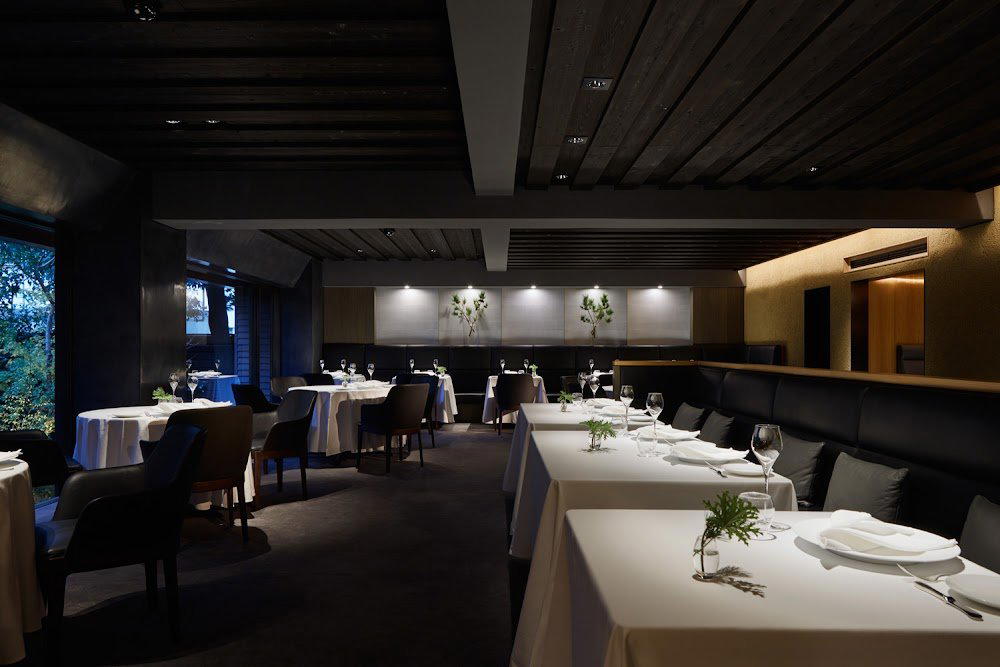
Bars in Misato
Browse all →



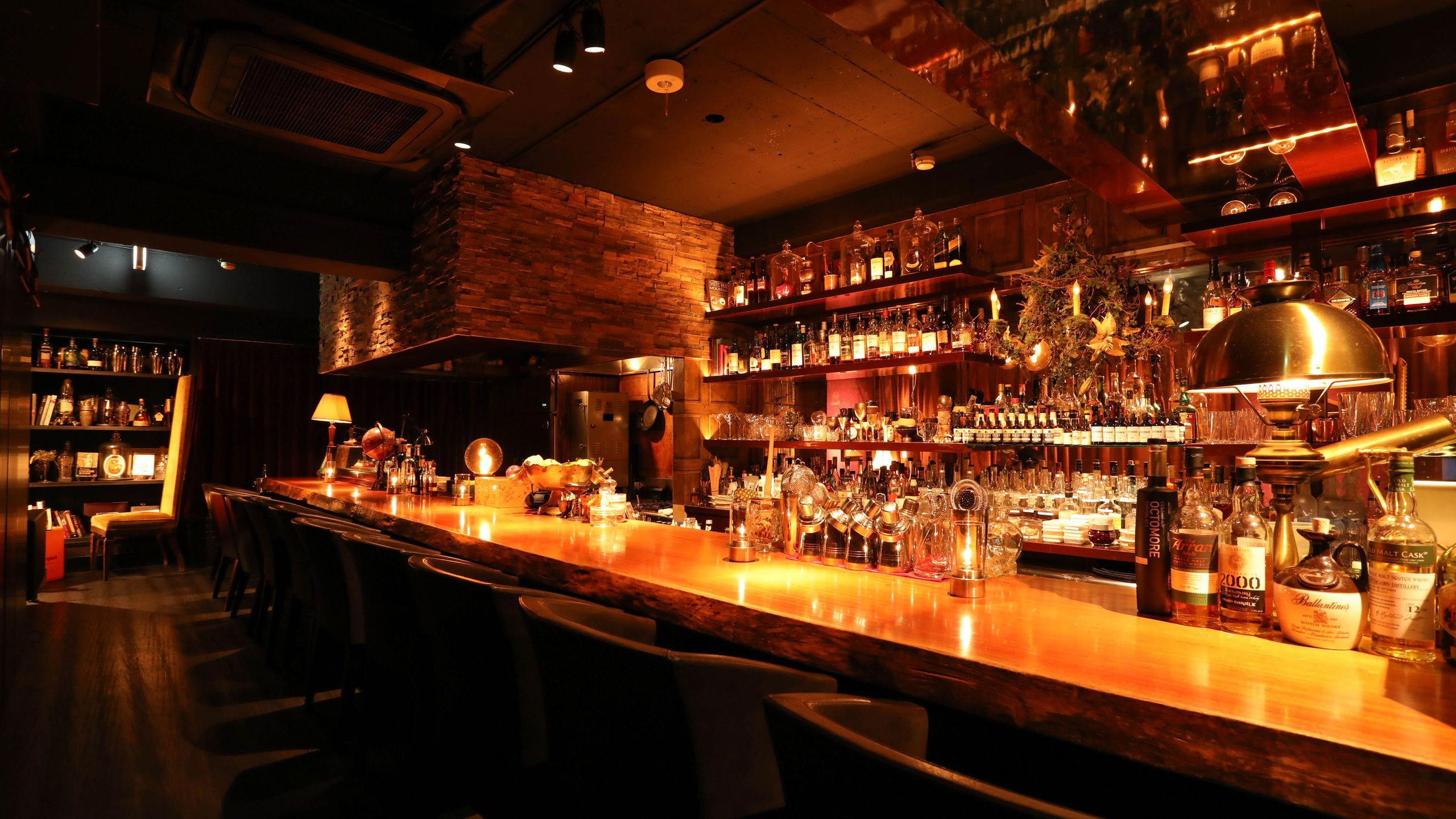


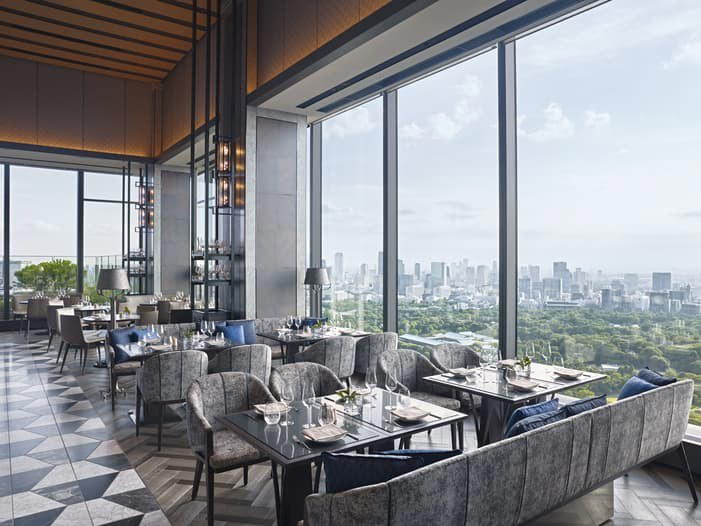
Details
- Cozy
- Classic
- Solo
- Family
- Casual Hangout
- After Work
- Standalone
- Design Destination
- A La Carte
- Counter Dining
- Coffee
- Tea
Current opening hours
- Monday
- 8 AM–3 PM
- Tuesday
- 8 AM–3 PM
- Wednesday
- Closed
- Thursday
- 8 AM–3 PM
- Friday
- 8 AM–3 PM
- Saturday
- 8 AM–3 PM
- Sunday
- 8 AM–3 PM
Hours can change for holidays and private events. Hours as of .
A small standalone house-style bakery with a warm, homey feel, simple display-focused interior and shelves filled with breads and lively pastries; reviews describe a lively atmosphere at peak times with lines forming but a relaxed, everyday neighborhood vibe on weekday mornings.