Cloche occupies a quiet address at Hofstade-Dorp 21 on the fringes of Aalst, a city that has quietly built one of the more interesting mid-market dining scenes in East Flanders. With Belgium's farm-to-table movement pressing harder into provincial dining rooms, the question around a venue like this is always the same: how close does the plate get to the field? Cloche sits inside that broader conversation.
Pearl is the En Primeur Club membership app — saves, bookings, and concierge access live there. Same editors, same standards.
- Address
- Hofstade-Dorp 21, 9308 Aalst, Belgium
- Phone
- +32471480260
- Website
- restaurantcloche.be
- Directions
- Get directions
 Saves & bookings on Pearl
Arriving at the Edge of Aalst
The road into Hofstade-Dorp runs through the kind of Flemish semi-rural fringe that most GPS systems treat as connective tissue between more obviously interesting places. Low-slung houses, a church spire, fields that begin where the pavement loses confidence. Cloche is a modern French fine dining restaurant in Aalst, Belgium, priced at about $75 per person. It sits at number 21 on that village strip, and the address alone signals something about the dining proposition before you've opened a door. Restaurants that plant themselves this far from a city centre are either making a statement about sourcing or making a mistake. In Belgium's more productive dining corridors, it is usually the former.
East Flanders has developed a pattern over the past decade: kitchens positioned outside obvious urban clusters tend to align themselves with local agriculture and shorter supply chains, partly out of practical necessity, partly because that story has become one credible one a Belgian restaurant can tell. Controverse, operating on a farm-to-table framework closer to the Aalst centre, represents one version of that commitment. Cloche, set further into the village fabric of Hofstade, represents another point on the same map.
The Sourcing Logic Behind Provincial Belgian Kitchens
Belgium's restaurant geography has long rewarded kitchens that build relationships with specific producers. The country's compact size, roughly the distance from Brussels to the coast, means that a chef sourcing from within a fifty-kilometre radius is not making a sacrifice in variety. West Flanders kitchens near the coast pull from North Sea day-boat landings; those in the interior of East Flanders draw from truck-garden producers, small-scale livestock farms, and the hop and chicory traditions that are still alive in this part of the country.
Aalst itself sits in a belt of Flemish market-gardening country. The city is historically associated with carnival and with witloof, the forced chicory that is as close to a local agricultural emblem as the region gets. Restaurants across the price spectrum here, from the classic-format Borse van Amsterdam at the accessible end to the higher-commitment Kelderman at the premium tier, are all working in proximity to the same agricultural baseline. The question is which kitchens treat that proximity as a differentiator and which treat it as background.
For a venue positioned as Cloche is, physically embedded in a village rather than a commercial dining strip, the expectation is that sourcing is part of the argument. Diners who travel to Hofstade-Dorp are not doing so for convenience. The distance self-selects for people who have decided that the destination justifies the effort, and in Belgium's most respected dining rooms, that effort is almost always rewarded by what arrives on the plate rather than by the spectacle surrounding it.
Where Cloche Sits in the Aalst Dining Tier
Aalst's restaurant scene operates across a clear price gradient. At the accessible end, bistro-format and classic Belgian rooms hold the majority of covers. In the middle register, around the €€€ tier where venues like Cul'eau and 't Overhamme operate, there is increasingly serious cooking: modernist technique applied to Belgian product, French structural influence, and a commitment to seasonal menu rotation. Above that sits the full-tasting-menu tier, represented in East Flanders and its immediate surroundings by rooms with genuine national and international recognition.
Belgium's broader fine-dining circuit runs through reference points like Zilte in Antwerp, Boury in Roeselare, and Hof van Cleve in Kruishoutem, all of which carry Michelin recognition and operate at the summit of the national conversation. Cloche sits outside that formally recognised tier, at least for now. That positioning places it in one interesting part of any dining ecosystem: the layer of kitchens that are doing substantive work without the price premium or reservation difficulty that comes with institutional recognition.
Internationally, this category of restaurant, serious product-led cooking in a non-urban address, has parallels in venues like Lazy Bear in San Francisco or the produce-anchored approach of Vrijmoed in Ghent, where the sourcing conviction is the point of the meal, not the decorative frame around it.
Planning a Visit to Hofstade-Dorp
Hofstade-Dorp sits within the municipal boundaries of Aalst, which itself lies roughly midway between Brussels and Ghent on the E40 corridor. That geography makes Cloche reachable as a standalone dinner destination from either city without an overnight stay, though the village setting and the general character of Belgian destination dining suggest that one natural approach is an unhurried evening rather than a quick lunch stop. Booking ahead is advisable for any provincial Belgian kitchen with a focused format, where covers are limited by design rather than by floor space. Booking ahead is advisable for Cloche.
For visitors building a wider Aalst itinerary, the city's dining range is worth mapping before committing to a single room. If your interest runs toward ingredient-led Belgian cooking at different scales, d'Eugénie à Emilie in Baudour, La Durée in Izegem, and Ralf Berendsen in Neerharen all represent the kind of provincial Belgian seriousness that Cloche appears to belong to. For a coastal counterpoint to inland Flemish sourcing, Willem Hiele in Oudenburg is the clearest reference. And if you want the full Belgium-to-New-York sourcing contrast in one reading session, Le Bernardin in New York City and Bozar Restaurant in Brussels bracket the formal end of that spectrum. Further afield, Cuchara in Lommel rounds out a picture of what ambitious cooking looks like across different Flemish towns.
Comparable Spots, Quickly
Comparable venues nearby, for context on price, style, and recognition.
| Venue | Cuisine | Price | Awards | Notes |
|---|---|---|---|---|
| ClocheThis venue — the venue you are viewing | Modern French Fine Dining | $$$ | Not listed | Not listed |
| Cul'eau | Modern French Brasserie | $$$ | Michelin Plate | Aalst |
| Controverse | Contemporary French-Belgian Brasserie | $$$ | Michelin Plate | Aalst |
| Borse van Amsterdam | Classic Belgian Brasserie | $$ | Bib Gourmand | Grote Markt |
| 't Overhamme | Modern French | $$$ | Michelin Plate | Aalst |
| Kelderman | Classic Belgian Seafood | $$$$ | Michelin 1 Star | Aalst |


At a Glance
- Elegant
- Cozy
- Sophisticated
- Date Night
- Special Occasion
- Terrace
- Sommelier Led
- Street Scene
Current opening hours
- Monday
- 12–1:30 PM, 6:30–8 PM
- Tuesday
- 12–1:30 PM, 6:30–8 PM
- Wednesday
- Closed
- Thursday
- Closed
- Friday
- 12–1:30 PM, 6:30–8 PM
- Saturday
- 6:30–8 PM
- Sunday
- 12–1:30 PM
Hours can change for holidays and private events. Last verified .
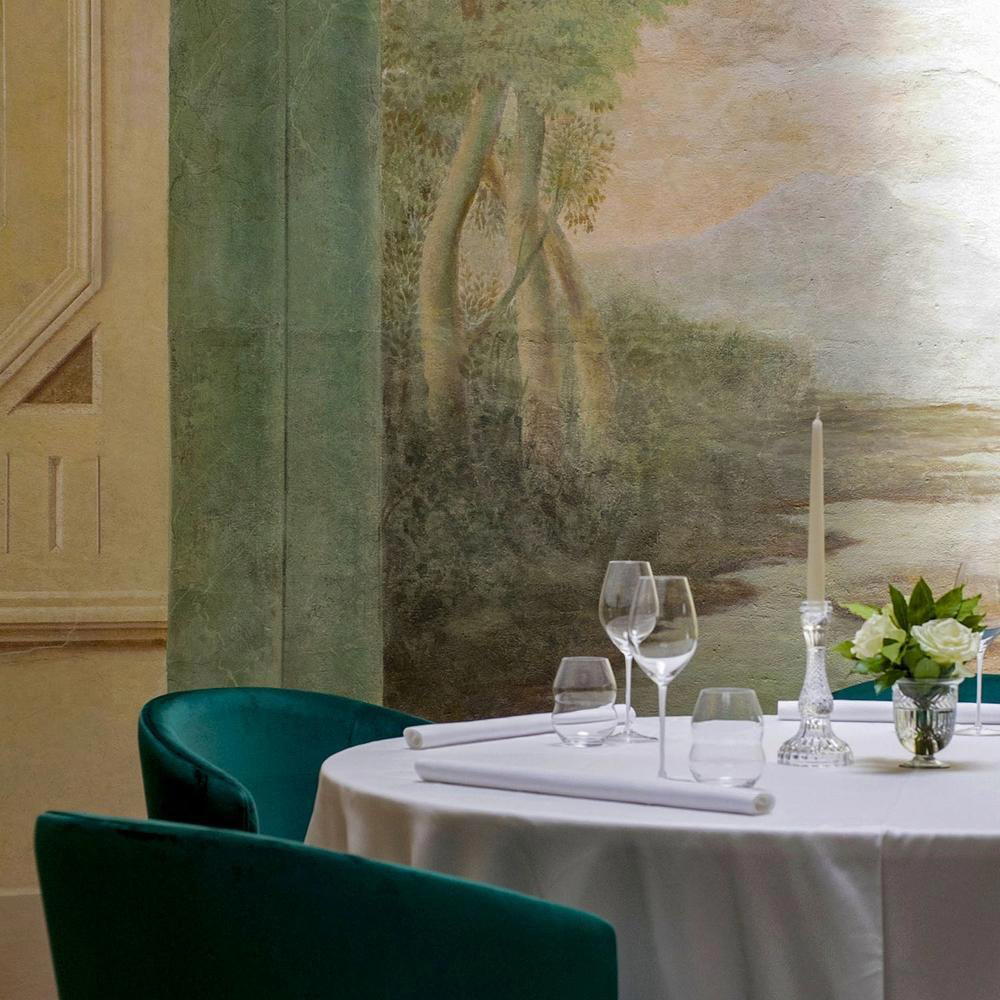
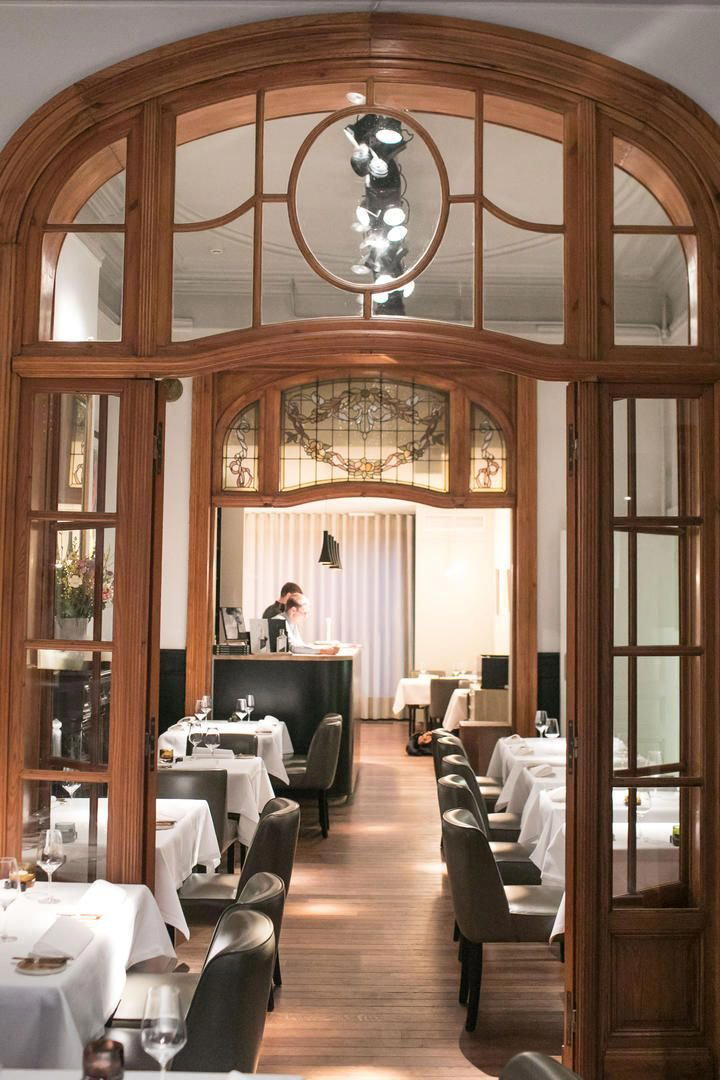
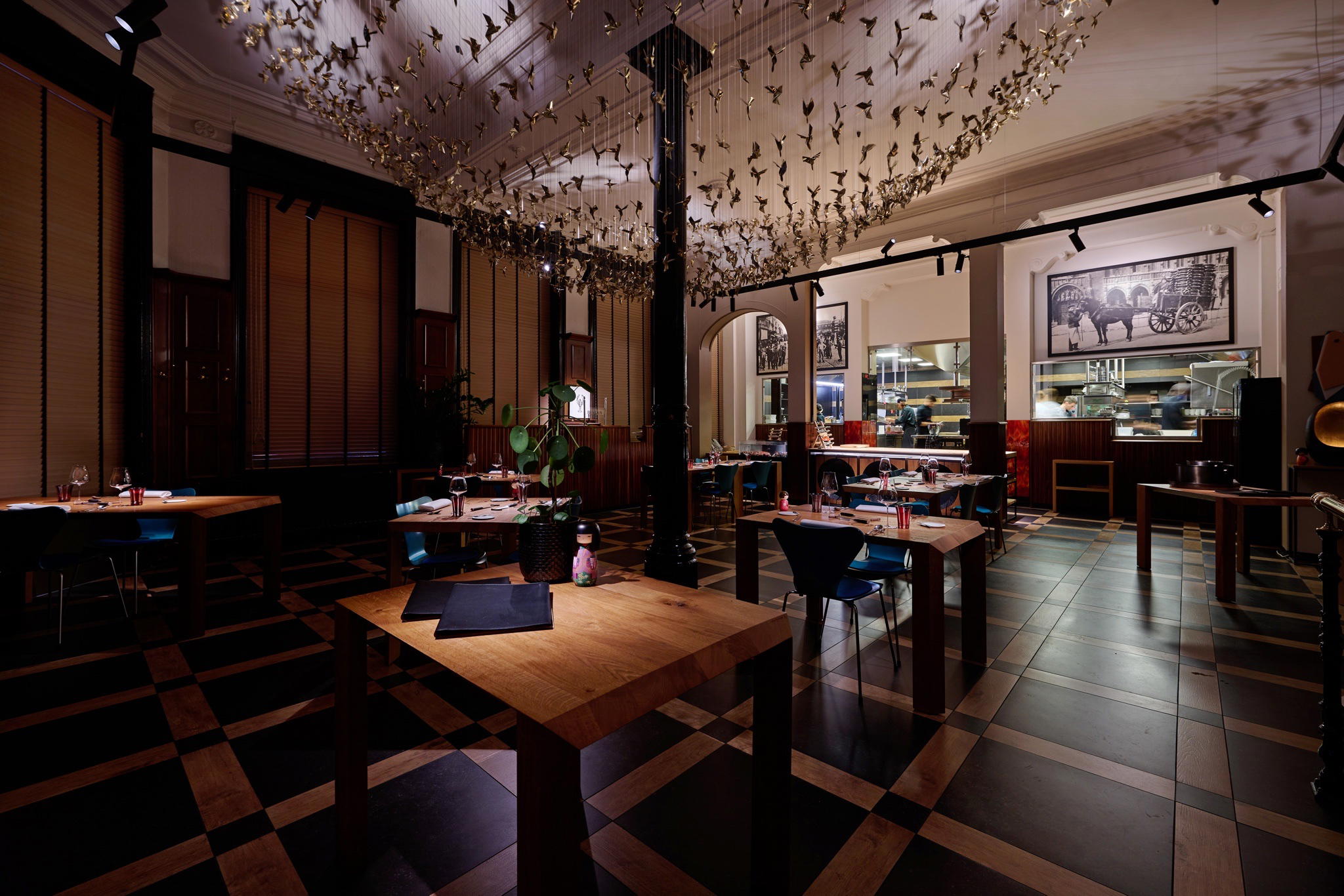
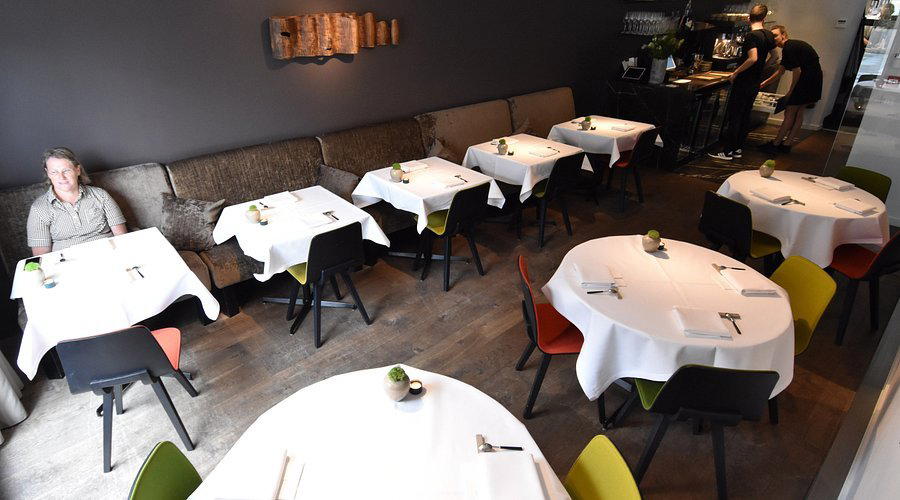
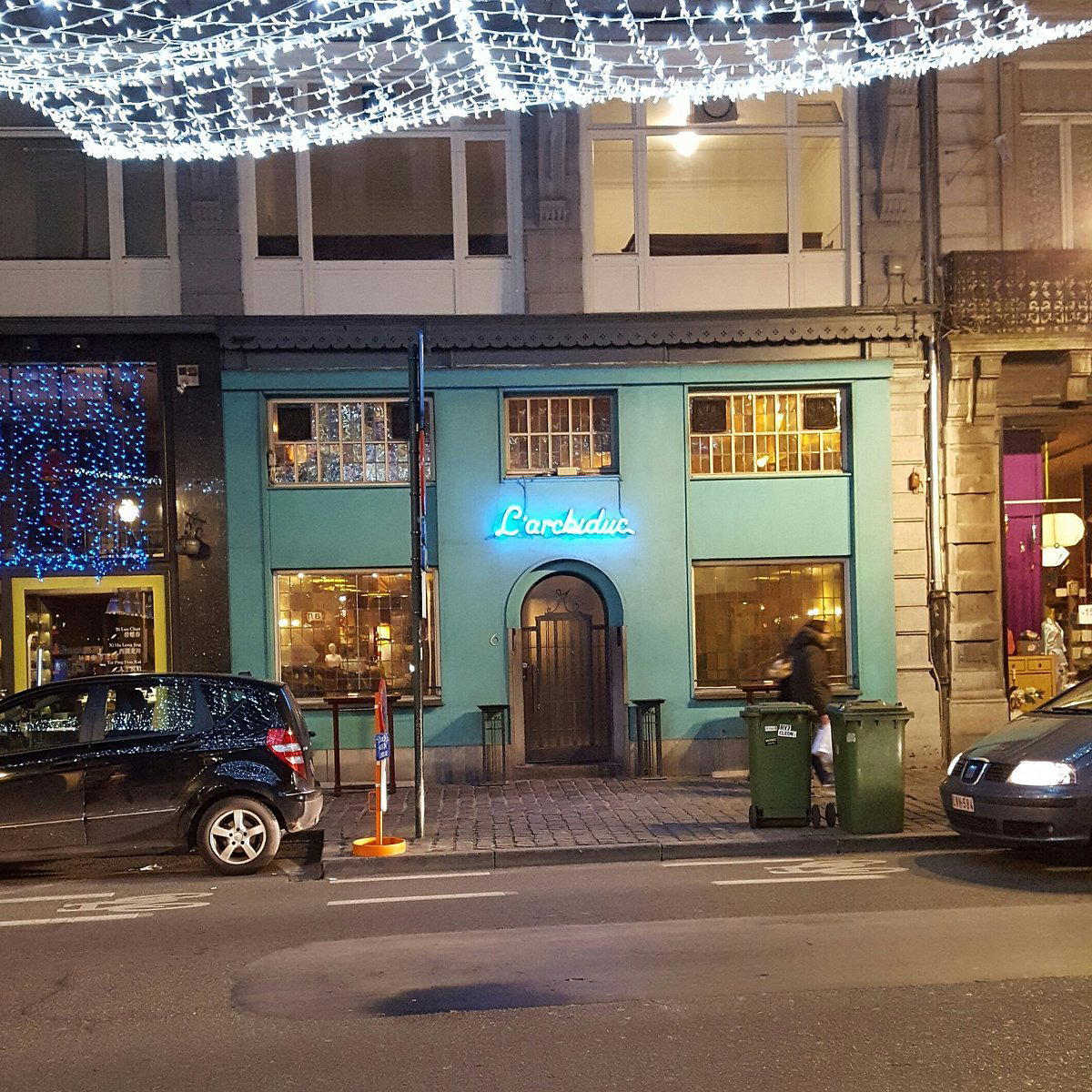
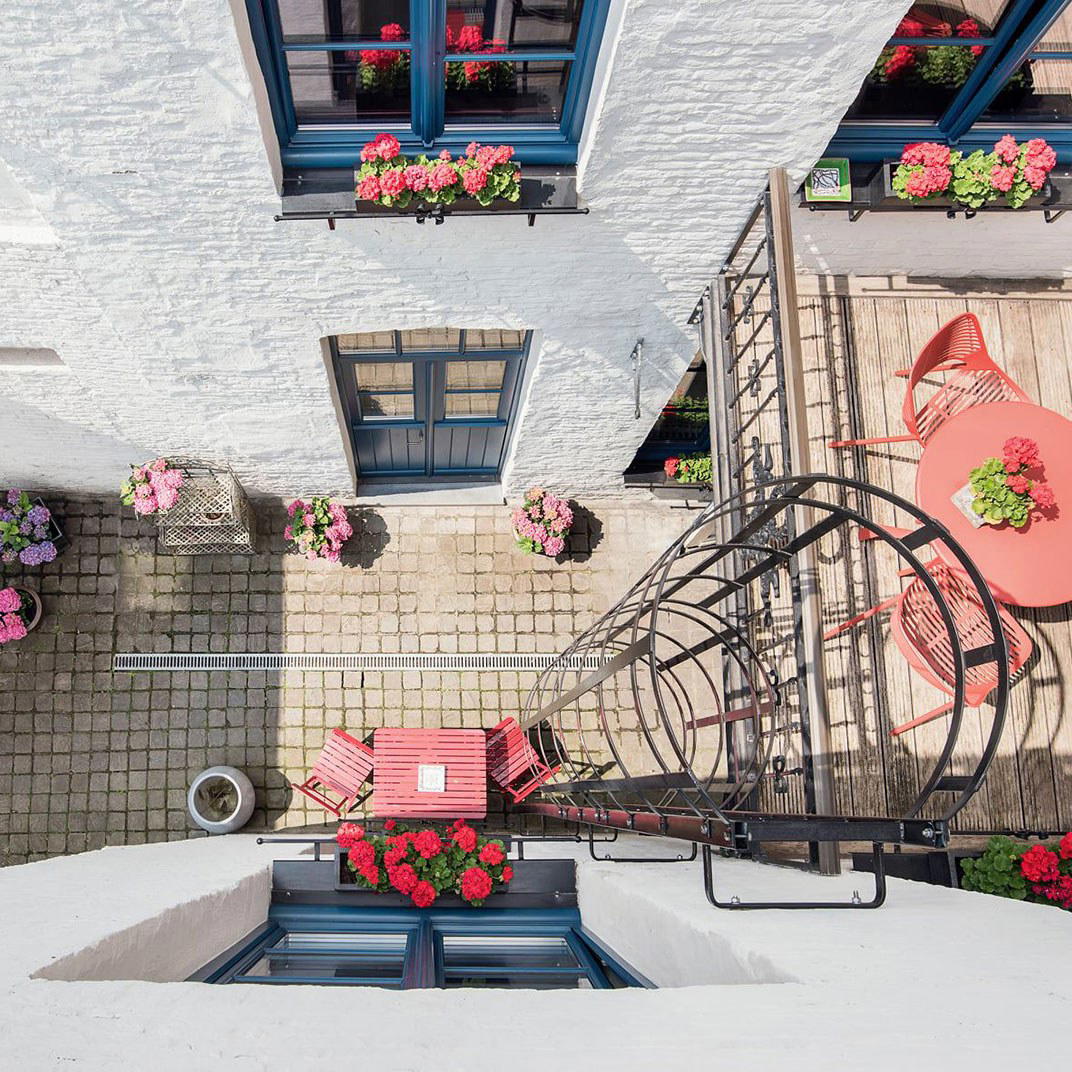
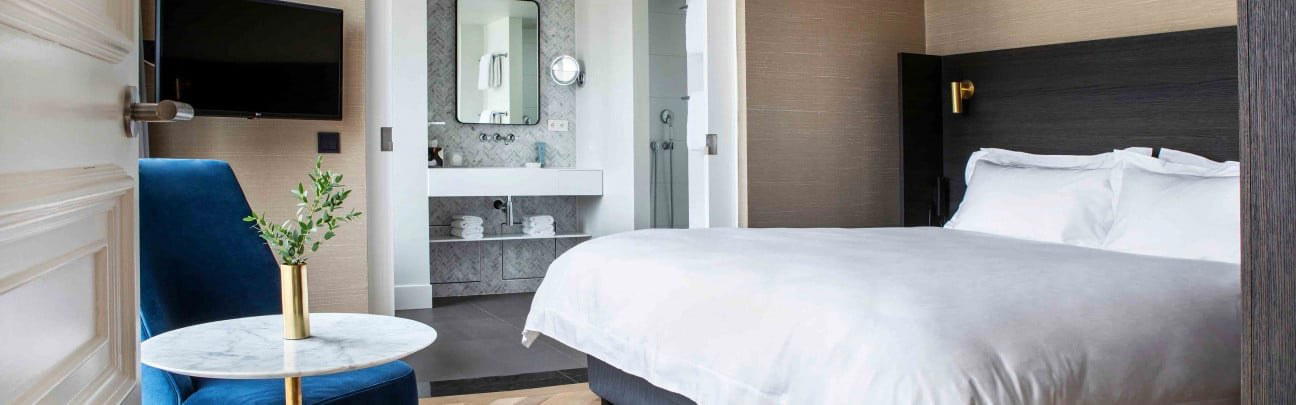
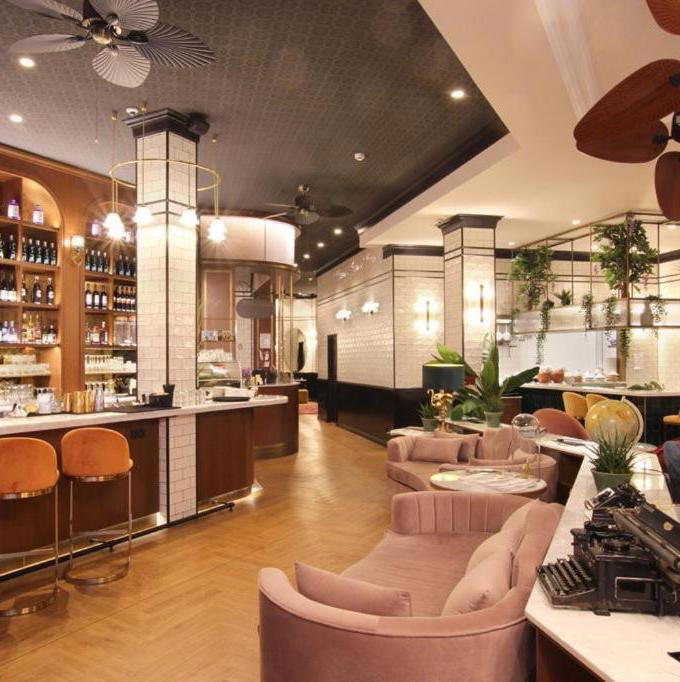
Bright and elegant dining room next to the church belltower with a heavenly summer terrace, though tables are close together leading to noticeable noise.