Baan Thai Isarn
On a quiet stretch of Vesterbro, Baan Thai Isarn brings the cooking traditions of Thailand's northeastern Isarn region to Copenhagen. Where the city's fine-dining circuit runs on New Nordic restraint, this address works with different raw materials and a different culinary logic, one rooted in fermentation, heat, and herb-driven complexity rather than foraged minimalism.
Pearl is the En Primeur Club membership app — saves, bookings, and concierge access live there. Same editors, same standards.
- Address
- Lille Istedgade 7, 1706 København, Denmark
- Phone
- +4533249854
- Website
- baanthaiisarn.dk
- Directions
- Get directions
 Saves & bookings on Pearl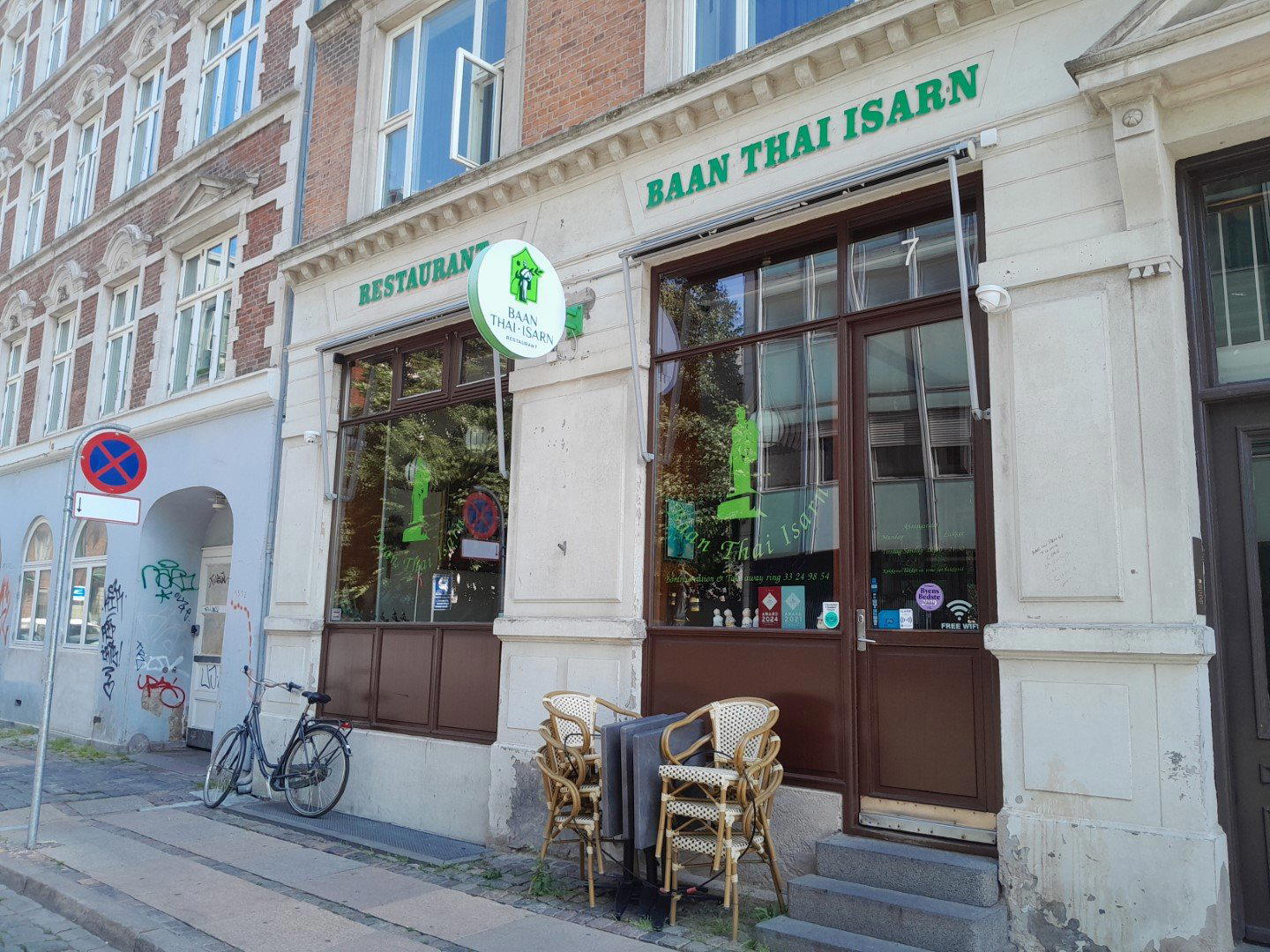
A Different Fermentation Culture in Vesterbro
Copenhagen's dining reputation is built almost entirely on the New Nordic tradition, the philosophy that ran through Noma, crystallised at Geranium, and now shapes everything from Alchemist's tasting menus to Kadeau's island-larder approach. That tradition is serious, coherent, and richly documented. It also represents a fairly narrow band of culinary thinking. Baan Thai Isarn, on Lille Istedgade in Vesterbro, sits completely outside that band.
Vesterbro is the neighbourhood that absorbed Copenhagen's counterculture before it became expensive enough to attract the city's design hotels. The streets around Istedgade still carry that residue, a mix of long-standing immigrant businesses, independent bars, and restaurants that operate closer to neighbourhood institution than destination address. Baan Thai Isarn occupies this register. The address is unglamorous in the way that serious regional cooking often is: the subject is the food, not the room.
Isarn Cooking and What Makes It Distinct
The restaurant takes its name from Thailand's northeastern region, a plateau bordered by the Mekong River and Laos, whose cooking culture is distinct enough from central Thai food that conflating the two is a genuine category error. Isarn cuisine works with fermented fish paste, dried herbs, sticky rice, and a heat register that runs hotter and more sustained than Bangkok-style dishes. The dominant flavour logic is sour-saline rather than sweet-aromatic. Raw meat salads, grilled offal, and chile-forward relishes define the canon.
That culinary tradition arrived in Copenhagen at a moment when the city's broader food culture has become more alert to fermentation as a technique. The New Nordic movement spent years rehabilitating lacto-fermented vegetables, aged dairy, and cured fish as vehicles for complexity. Isarn cooking operates on a parallel but older logic: pla ra, the fermented fish paste that anchors much of the cuisine, is a centuries-old preservation method.
Where Baan Thai Isarn Sits in Copenhagen's Thai Dining Picture
Thai restaurants in Copenhagen, as in most Northern European capitals, have historically occupied a narrow range of the market: affordable, adapted to local palates, and tilted toward the central Thai dishes most familiar to Western diners. That tier is well populated and largely interchangeable. The restaurant positions itself differently by committing to a regional rather than a pan-Thai menu. Isarn specificity is a real differentiator in a city where the cuisine is otherwise underrepresented at any meaningful level of authenticity.
For comparison, Copenhagen's fine-dining scene at the summit tier now extends well beyond the capital's limits. Jordnær in Gentofte and Frederikshøj in Aarhus demonstrate that the country's most technically serious cooking is distributed across the region. Elsewhere, Henne Kirkeby Kro, Frederiksminde in Præstø, and Dragsholm Slot Gourmet in Hørve each pursue different expressions of Nordic terroir. None of them are in conversation with what the restaurant is doing, which is partly the point: the restaurant occupies a category where its peers are not local.
The more relevant comparisons for the restaurant as a dining experience sit in cities like London, Amsterdam, or Berlin, where Isarn-specific restaurants have developed a specialist following.
Local Ingredients, Imported Logic
The editorial angle that applies most directly to the restaurant is what happens when a deeply regional cooking tradition is transplanted into a Northern European ingredient context. Copenhagen is not short of good produce: the city's relationship with Danish farms, Scandinavian seafood, and foraged aromatics is well established. The question for any Southeast Asian kitchen operating here is how to work with that supply chain without diluting the cuisine's character.
Restaurants at the more ambitious end of this challenge, think of how Koan handles the intersection of New Nordic and kaiseki logic, or how venues like Le Bernardin in New York and Lazy Bear in San Francisco have used local sourcing to deepen rather than dilute a culinary identity, demonstrate that imported technique and indigenous product can coexist productively. The challenge for Isarn cooking specifically is that certain ingredients are non-negotiable: the fermented elements that define the cuisine require either importation or precise local replication. Compromise on those components and the food becomes something adjacent to Isarn rather than the thing itself.
What the address and name signal clearly is a commitment to the Isarn category rather than a generic Thai positioning, a meaningful distinction in a market where specificity is rare.
Planning a Visit
The restaurant is at Lille Istedgade 7 in Vesterbro, one of Copenhagen's most walkable inner districts and well connected by metro and bus from the city centre. The restaurant sits in a stretch of the neighbourhood that rewards exploratory dining: independent and immigrant-owned restaurants are clustered within a short radius, making it a natural anchor for an evening that moves between addresses. Current hours are Monday closed and Tuesday through Sunday 12 to 9:30 PM; reservations are recommended, and the price tier is moderate. For those moving beyond the capital, Ti Trin Ned in Fredericia, LYST in Vejle, Tri in Agger, Pearl by Paul Proffitt in Kruså, and Syttende in Sønderborg represent the range of serious cooking across Denmark.
At a Glance
Comparable venues nearby, for context on price, style, and recognition.
| Venue | Cuisine | Price | Notes |
|---|---|---|---|
| Baan Thai IsarnThis venue — the venue you are viewing | Not listed | $$ | Not listed |
| WOK Østerbro | Østerbro, Authentic Thai | $$ | Not listed |
| Poonchai | Not listed | $$ | Vesterbro-Kongens Enghave, Authentic Thai |
| WOK Christianshavn | Indre By, Authentic Thai | $$ | Not listed |
| Charm | Indre By, Authentic Thai Cuisine | $$ | Not listed |
| Lamfuz | Indre By, Authentic Nepali | $$ | Not listed |
Continue exploring
More in Copenhagen
Restaurants in Copenhagen
Browse all →
Bars in Copenhagen
Browse all →

At a Glance
- Cozy
- Lively
- Casual Hangout
- Group Dining
- Family
- Open Kitchen
- Standalone
Current opening hours
- Monday
- Closed
- Tuesday
- 12–9:30 PM
- Wednesday
- 12–9:30 PM
- Thursday
- 12–9:30 PM
- Friday
- 12–9:30 PM
- Saturday
- 12–9:30 PM
- Sunday
- 12–9:30 PM
Hours can change for holidays and private events. Last verified .
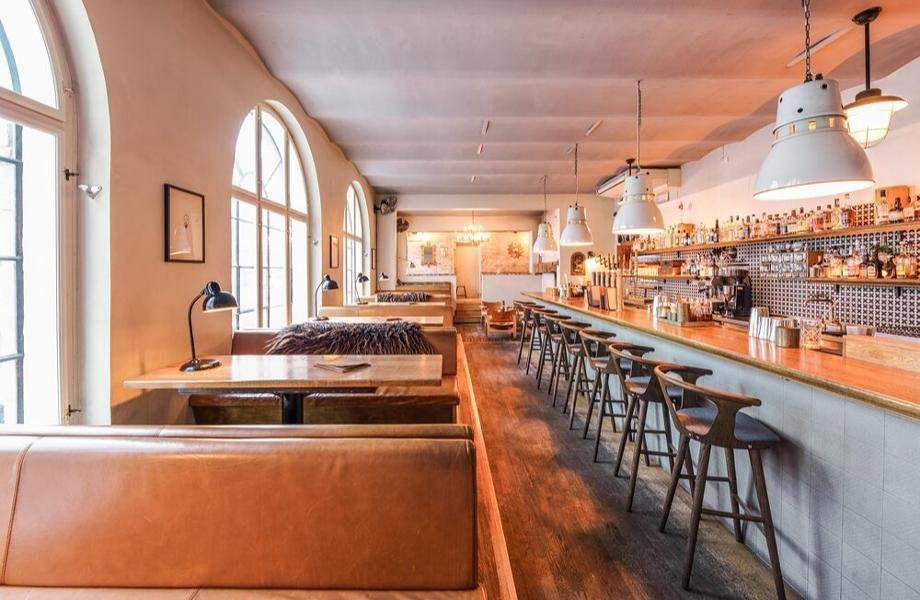
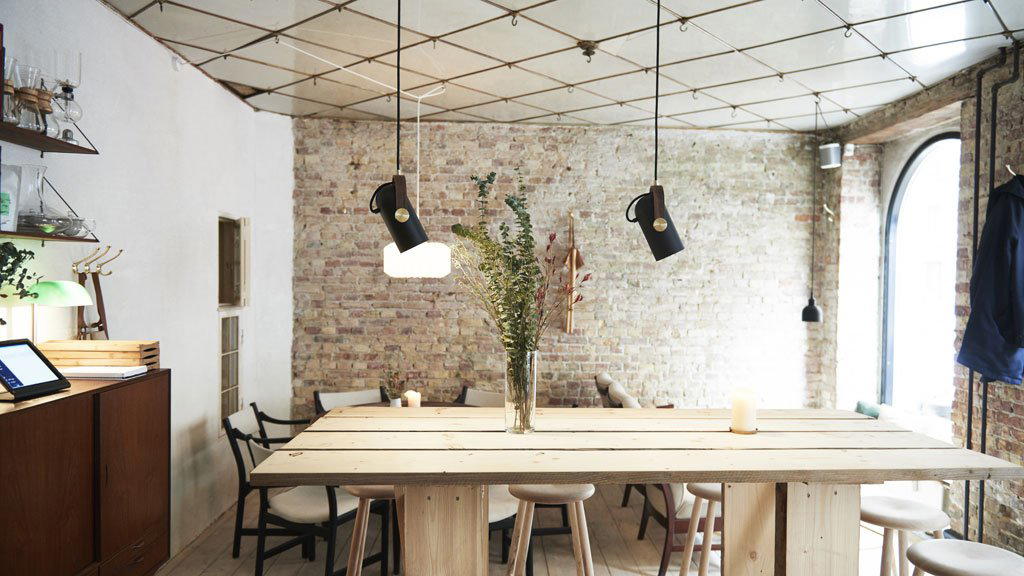
Welcoming and friendly atmosphere with lively energy, casual dining environment with warm lighting.