Our verdict
ラ・メール sits in Shima, Mie Prefecture, a coastline whose waters supply some of Japan's most celebrated seafood, from Ago Bay pearls to Ise-wan lobster. The restaurant occupies a position shaped by that geography, where the distance between ocean and plate is short enough to matter. For visitors to this part of the Kii Peninsula, it represents a direct encounter with the ingredients that define the region.

Pearl is the En Primeur Club membership app — saves, bookings, and concierge access live there. Same editors, same standards.
- Address
- 731 Agocho Shinmei, Shima, Mie 517-0502, Japan
- Phone
- +81120880310
- Hours
- Daily Open 24 hours
- Website
- miyakohotels.ne.jp
- Directions
- Get directions
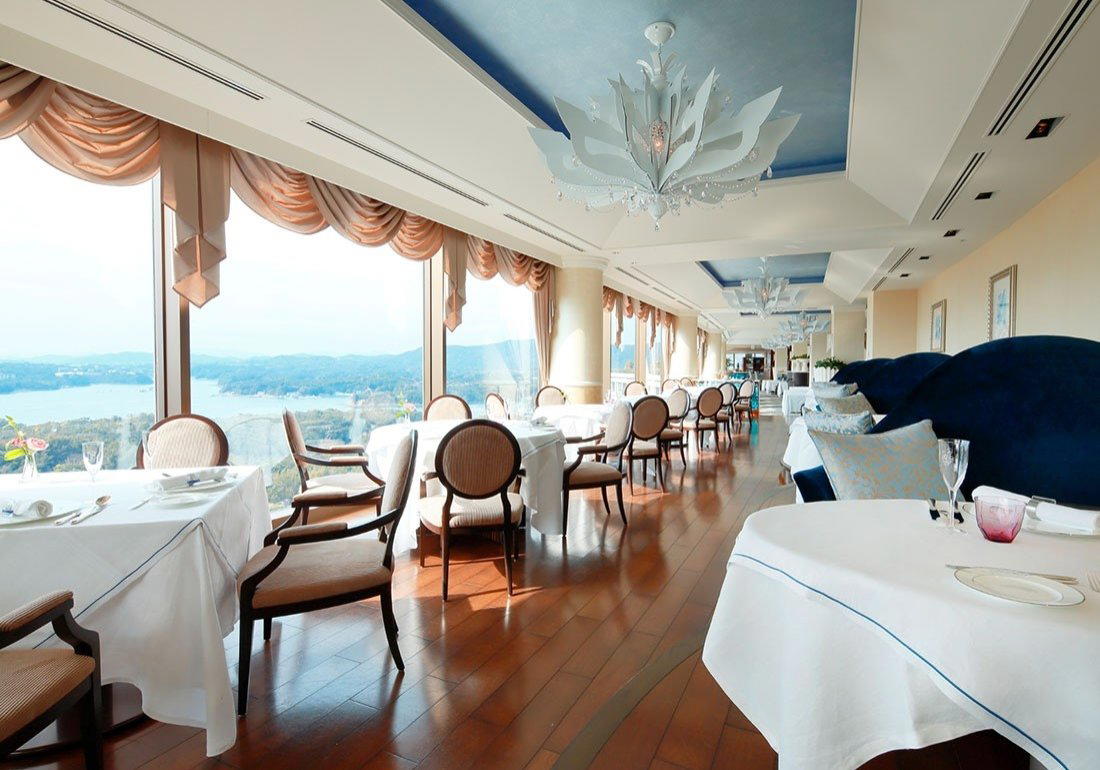
The menu
What to order
- Abalone steak
- Spiny lobster cream soup
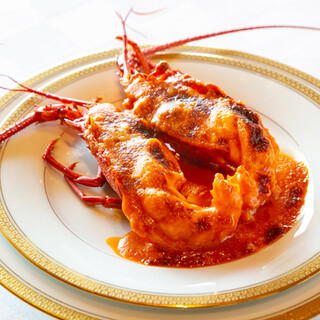
- Spiny lobster American sauce
Where the Ise Coast Sets the Table
Mie Prefecture has a claim on Japanese seafood that runs deeper than tourism slogans. The waters off Shima, fed by the Kuroshio Current and studded with pearl-farming bays, produce Ise ebi (Japanese spiny lobster), abalone, sea urchin, and bivalves that move through Tokyo's leading fish markets on the same day they leave the water. The prefecture's name alone carries weight in professional kitchens across Japan. It is in this context that ラ・メール (La Mer) operates, a restaurant whose address at 731 Agocho Shinmei places it directly inside the sourcing geography that serious diners track when they consider where to eat along this stretch of the Kii Peninsula.
Ago Bay itself, visible from the headlands near Shima, is synonymous with akoya pearl cultivation, but the bay's cold, clean water also makes it a productive habitat for shellfish and finfish that end up on high-end menus from Osaka to New York. Restaurants operating in this zone have a structural ingredient advantage that no amount of logistics can replicate for a city kitchen. The question, for any dining room here, is whether the menu is disciplined enough to let that proximity do its work rather than dressing it up into irrelevance. For visitors making the trip from cities like Osaka or Nagoya, that question is worth asking before booking, and worth revisiting when you arrive.
The Logic of Eating Here
Japan's premium dining map has expanded well beyond Tokyo, Kyoto, and Osaka in the past two decades. Restaurants in less-trafficked prefectures now attract reservation requests from international visitors who have worked through the urban restaurant circuit and want something more specifically grounded. Shima fits that pattern. It is not a city dining scene but an ingredient-origin destination, the kind of place where a French-named restaurant by a coastal bay is not an affectation but a direct reference to what the surrounding water produces. The name La Mer, rendered here in katakana, positions the kitchen's orientation before you walk in.
That positioning connects ラ・メール to a broader category of regionally embedded restaurants that have grown in significance alongside Japan's sourcing-conscious dining culture. Compare this to the approach taken by HAJIME in Osaka, which operates at the ¥¥¥¥ tier with French innovation as its frame, or the tight, product-led discipline of Harutaka in Tokyo, where the sourcing chain is the menu. ラ・メール's Shima address implies a different kind of proximity: the ingredients here are not sourced into the kitchen from afar; the kitchen is built around what the bay already produces.
Approaching the Address
The address, Agocho Shinmei, puts the restaurant in the southeastern corner of Shima, a city of peninsulas and inlets that does not yield easily to a single approach. Getting here from the nearest rail connections requires planning. Kintetsu's Shima Isobe line terminates at Kashikojima Station, which sits close enough to Ago Bay to be useful, and local taxis or rental vehicles cover the remaining distance to specific addresses in the Agocho area.
The physical approach through the Shima coastline is itself a kind of preparation. The road into Agocho runs along inlets where oyster and pearl farms extend into the water on wooden frames, a landscape that makes the sourcing argument for the region's restaurants visible before you sit down. The sensory framing of arrival matters here in a way it does not on a city high street. You are not arriving at a restaurant that chose a fashionable address; you are arriving at a coast that has been feeding Japan's leading kitchens for generations.
Where ラ・メール Sits in the Regional Picture
Mie Prefecture does not have the concentrated fine-dining infrastructure of Kyoto, where restaurants like Gion Sasaki operate within a tradition of kaiseki that stretches back centuries, or Nara, where akordu has built a Spanish-inflected case for regional produce. What Mie has is an ingredient base of national and international standing, and restaurants that work within that context tend to earn recognition not through scale or theatrical format but through the directness of the connection between water and plate.
Restaurants like Goh in Fukuoka, which operates within Hakata's food culture and uses Kyushu's ingredient base as its foundation, offer a useful parallel: regional authority built on what the surrounding geography actually produces, rather than on imported frameworks. For diners who have spent time at high-end counters in Tokyo or at destination restaurants like Le Bernardin in New York City, where the sourcing chain is the primary editorial argument, the shift to a coastally embedded restaurant in Shima represents a different register of the same logic.
Planning a Visit
The Shima city address and the restaurant's placement in the Agocho Shinmei area are confirmed. Everything else, including whether walk-in dining is available, what advance reservation lead time is required, and what price level to expect, should be verified directly. For a broader orientation to what the Shima area offers across dining and travel contexts, our full Shima restaurants guide provides the most current coverage.
What can be said with confidence is that the region's ingredient quality sets a baseline that rewards the journey. Ise ebi season runs roughly from October through April, and visitors timing a trip to Mie around peak lobster availability will find the entire coastline in a different mode than the summer tourist period. The abalone and sea urchin production tied to the Ago Bay area maintains consistent supply through much of the year, making this one of the more reliable ingredient-origin trips in Japan regardless of season. For context on how other coastal and regional restaurants in Japan have built comparable programs, the editorial coverage at venues like Bistro Ange in Toyohashi, bodai in 那智勝浦町, and Blue Ocean Steak in Nakagami District illustrates the range of approaches taken at the regional level across the broader Kansai and Pacific coast corridor.
Frequently asked questions
Is ラ・メール a family-friendly restaurant?
ラ・メール sits in Agocho Shinmei, a coastal district of Shima where the dining culture skews toward ingredient-focused, often quieter settings rather than casual, high-turnover family formats. Visitors traveling with children should check the venue's official channels before booking, particularly if the group includes young diners unfamiliar with formal seafood presentations.
How would you describe the vibe at ラ・メール?
The address in the southeastern corner of Shima, a city defined by peninsulas and inlets rather than urban density, points toward a setting where the surroundings do much of the atmospheric work. Restaurants in this part of Mie tend to operate at a deliberate pace, letting the provenance of the seafood — Ago Bay pearl beds, Ise ebi, abalone — carry the room rather than theatrical décor or noise. That geographic context suggests something close and unhurried, though the specific format at ラ・メール is best confirmed on arrival.
Is ラ・メール located near the Ise-Shima National Park, and does that affect the dining experience?
Shima sits within the Ise-Shima National Park boundary, one of Japan's most documented marine environments and the origin zone for both cultured pearls and several of the country's most prized seafood species. ラ・メール's address in Agocho Shinmei places it inside this zone, which in practical terms means the surrounding bay system is the supply chain. Restaurants in this geography draw directly from that ecosystem rather than from wholesale markets several prefectures away, a distinction that matters when ordering anything from the shell or the sea.
What do people recommend at ラ・メール?
What the location does confirm is a direct connection to Ago Bay's seafood output, which in this region means Ise ebi (spiny lobster), cultivated abalone, and shellfish with established provenance. Any visit to a Shima coastal restaurant worth the trip will likely turn on how that regional supply is handled — sourcing here is less a selling point than a baseline expectation.
What's the address for ラ・メール?
ラ・メール is located at 731 Agocho Shinmei, Shima, Mie 517-0502, Japan, Shima.
Can I walk in to ラ・メール?
Shima is not a city with significant passing foot traffic, and Agocho Shinmei in particular is not a high-density dining strip where walk-ins are the norm. Restaurants in coastal Mie operating at any level of seriousness typically fill during peak Ise-Shima tourism windows, particularly spring and autumn. Securing a reservation in advance is the practical approach; the restaurant's contact details are best sourced directly or through your accommodation concierge.
Quick Comparison
Comparable venues nearby, for context on price, style, and recognition.
| Venue | Cuisine | Price | Awards | Notes |
|---|---|---|---|---|
| ラ・メールThis venue — the venue you are viewing | Seafood French Cuisine | $150–200 | Not listed | Not listed |
| La Mer The Classic | Traditional French seafood fine dining | $150–200 | Tabelog 100 #59 | Agocho Shinmei |
| Tempura Tobari | Japanese Tempura Omakase | Not listed | Tabelog 100 #2 | Ugata |
| Sumibiyaki Unagi Higashiyama Bussan | Traditional charcoal-grilled unagi | $30–50 | Tabelog 100 #26 | Agocho Ugata |
| Amanemu Restaurant | Seasonal Japanese Fine Dining | $500+ | Not listed | Hamajima-cho |
| RIAS by Kokotxa | New Basque fine dining by Michelin-starred Kokotxa | Not listed | Tabelog 100 #69 | Shima Mediterranean Village |
Details
- Elegant
- Romantic
- Scenic
- Sophisticated
- Date Night
- Special Occasion
- Business Dinner
- Waterfront
- Panoramic View
- Hotel Restaurant
- Open Kitchen
- Extensive Wine List
- Sommelier Led
- Local Sourcing
- Sustainable Seafood
- Waterfront
- Prix Fixe
- A La Carte
- Wine
- Vegetarian Friendly
- Gluten Free Options
Current opening hours
- Monday
- Open 24 hours
- Tuesday
- Open 24 hours
- Wednesday
- Open 24 hours
- Thursday
- Open 24 hours
- Friday
- Open 24 hours
- Saturday
- Open 24 hours
- Sunday
- Open 24 hours
Hours can change for holidays and private events. Last verified .
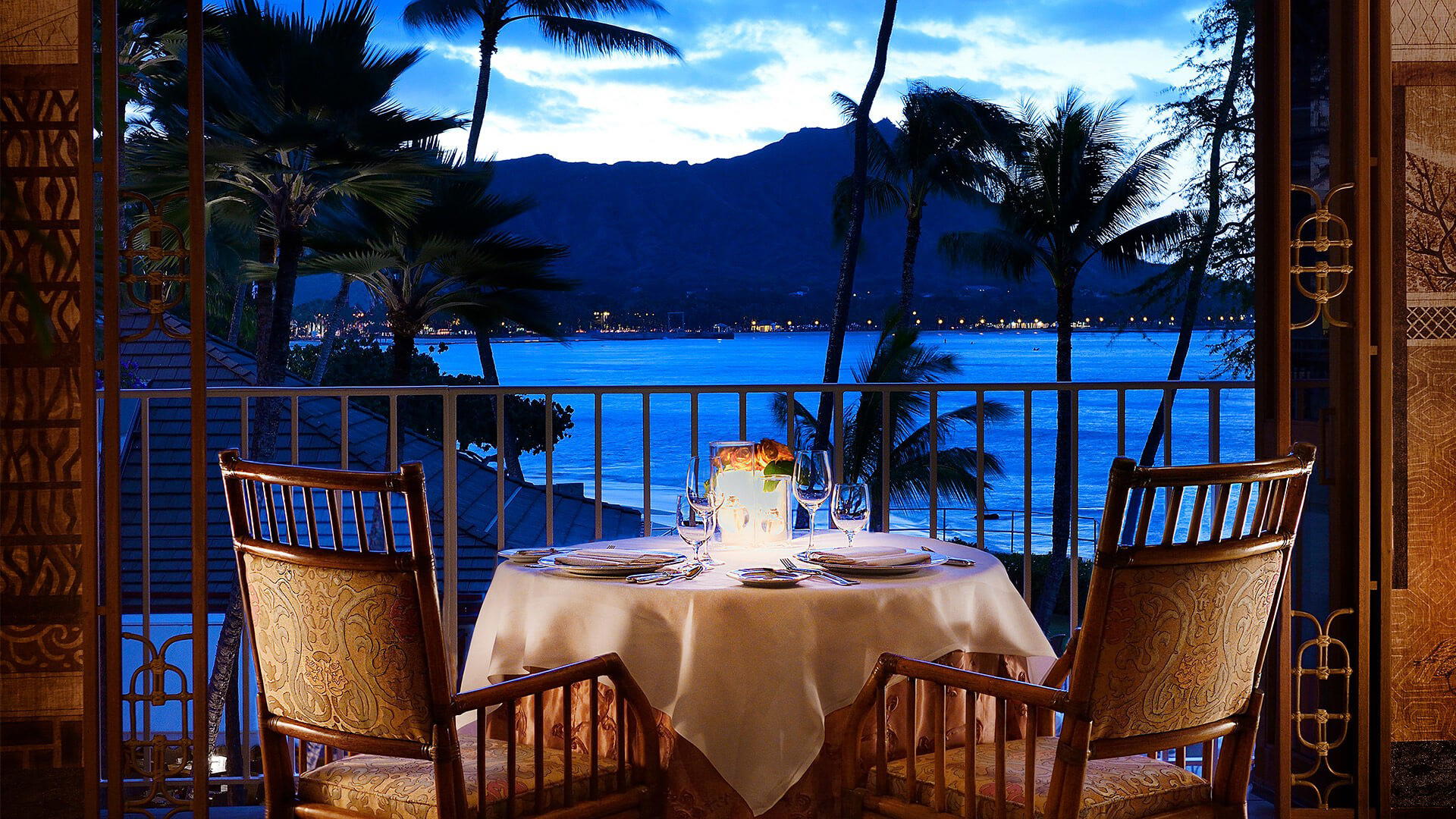
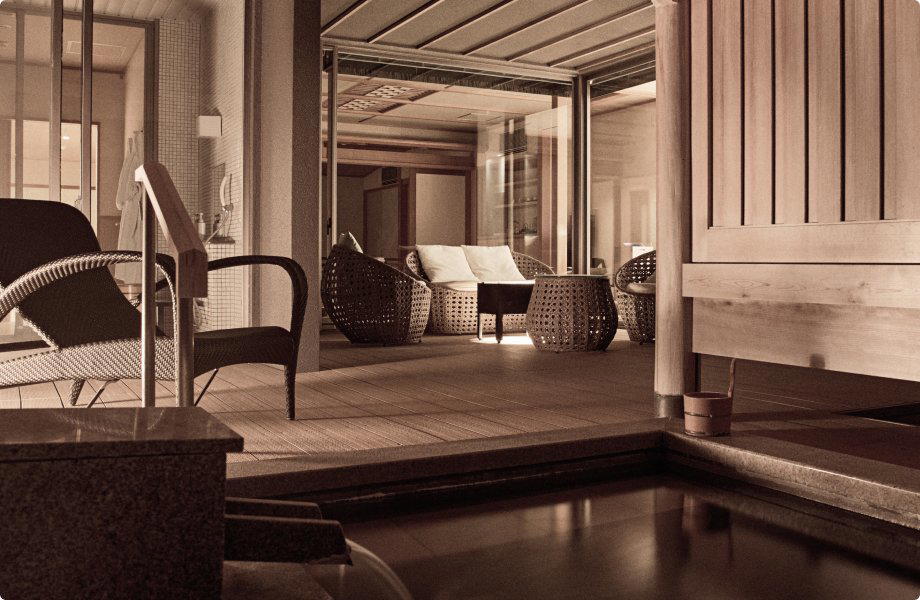
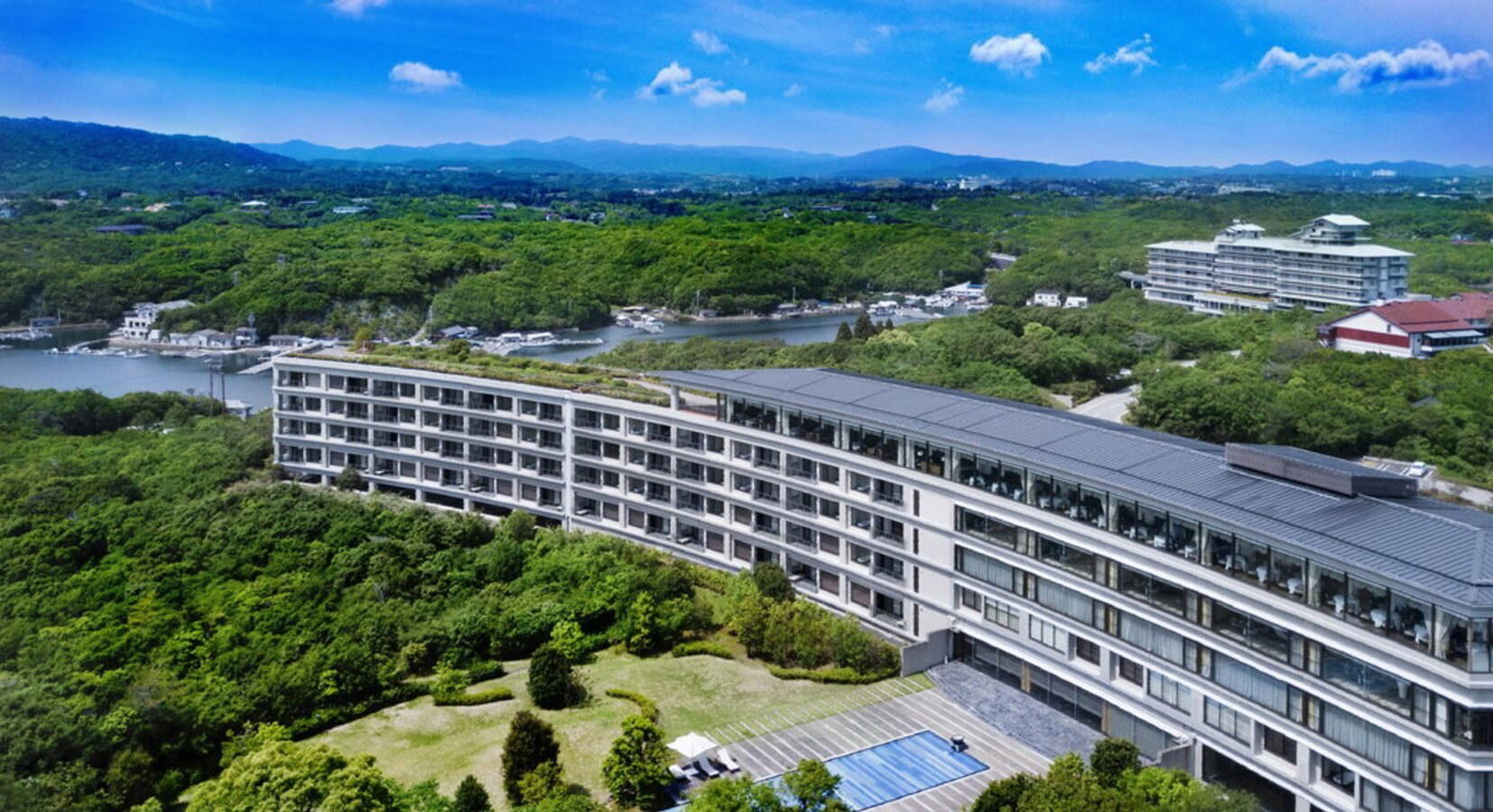
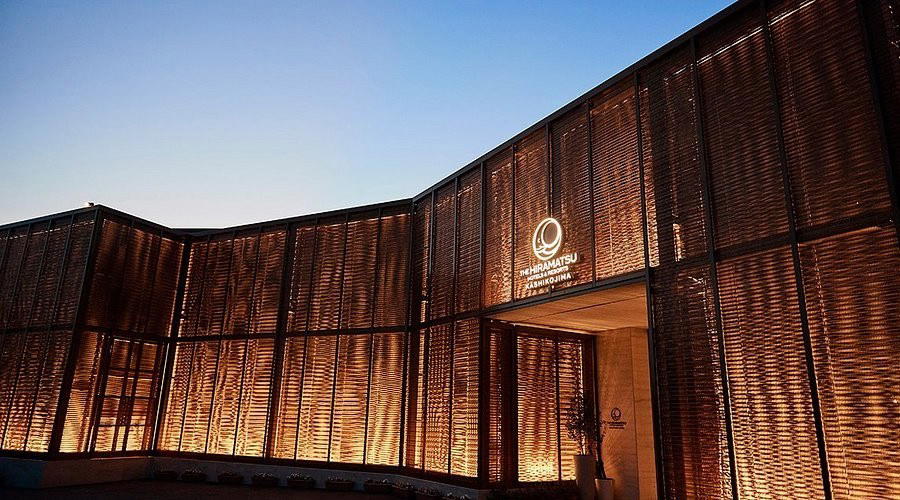
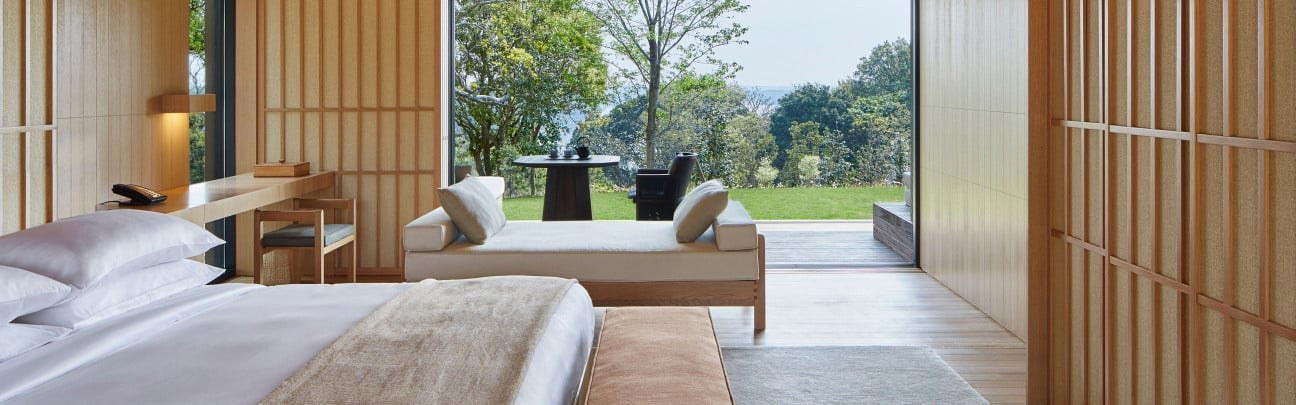
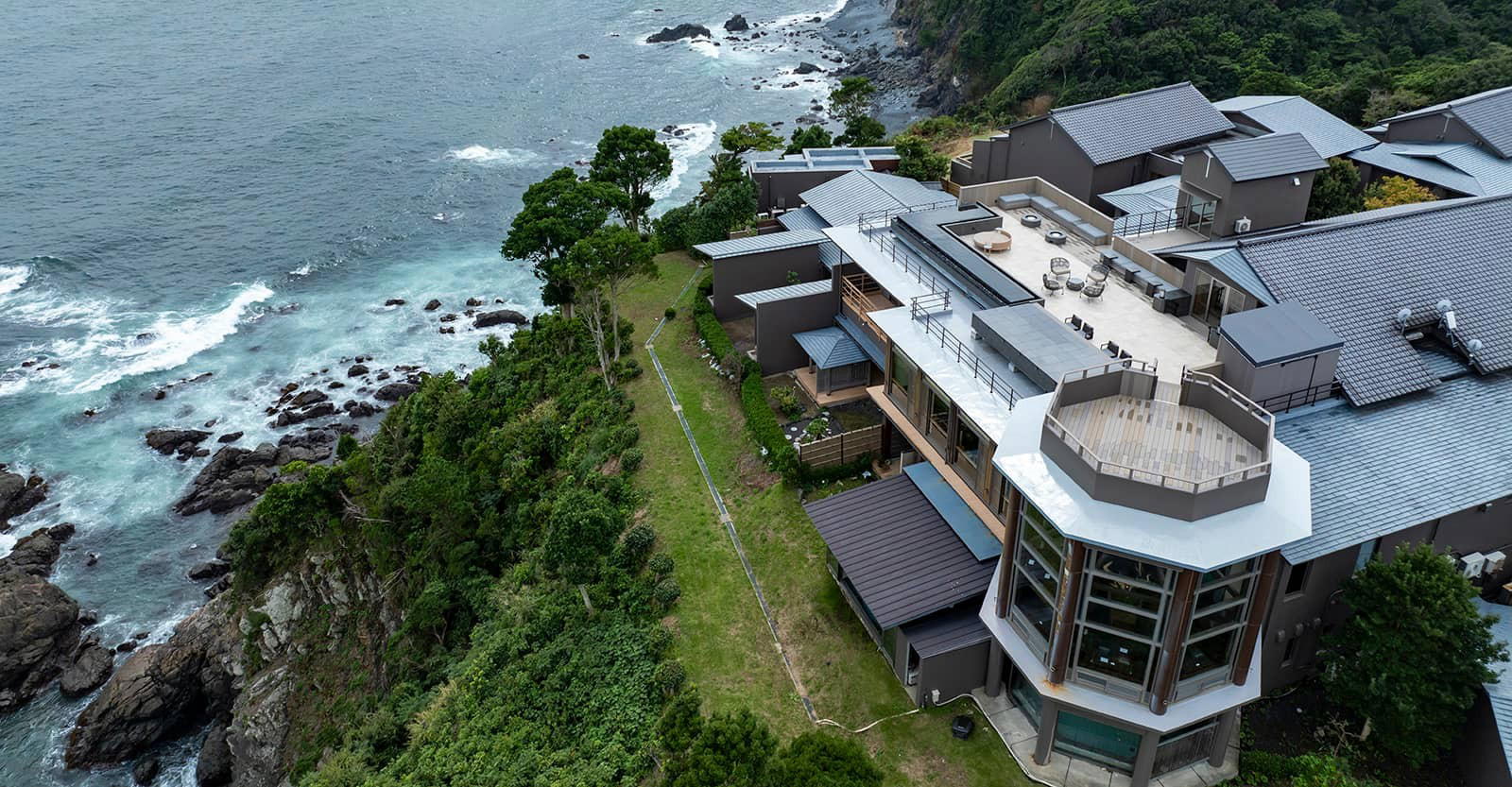
Tranquil and refined with elegant evening lighting overlooking the bay; a space designed for relaxation and sophisticated dining moments.