
RIAS by Kokotxa brings Spanish and yoshoku cooking into Shima’s coastal dining conversation, where seafood supply and resort-era hospitality shape the table. Its selection for Tabelog 100 Spanish Cuisine 2026 gives it a clear credential in a category still less common than sushi, tempura, or kappo in regional Japan.
Pearl is the En Primeur Club membership app — saves, bookings, and concierge access live there. Same editors, same standards.
- Address
- 三重県志摩市浜島町迫子2619-1
- Phone
- +81599521336
- Website
- riasbykokotxa.jp
- Directions
- Get directions
 Saves & bookings on Pearl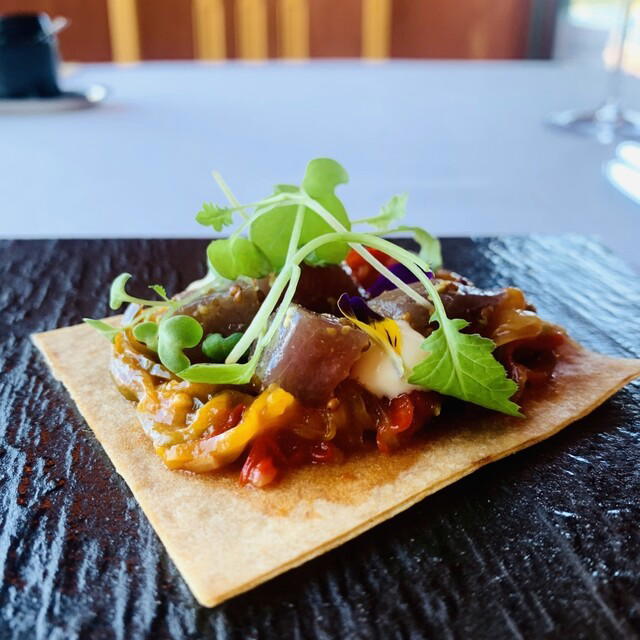
Approaching Shima’s dining rooms, the geography does much of the arguing. This is a peninsula city of inlets, culture, fishing ports, resort hotels, and roads that slow the pace before dinner begins. A Spanish-leaning kitchen here reads differently than it would in Tokyo or Osaka: the point is not imported theatre, but what happens when Iberian technique is placed beside the coastal dining logic of Shima.
That is the useful frame for RIAS by Kokotxa. The restaurant is listed in Spanish and yoshoku, a pairing that says plenty about contemporary Japanese dining outside the major cities. Spanish cooking gives the kitchen a vocabulary for rice, oil, grill, shellfish, and acidity; yoshoku gives it a local historical bridge, the long Japanese habit of translating Western forms through domestic taste. In Shima, that combination lands naturally because the region’s table is often tied to the sea first and to formal category second.
Spanish technique meets Shima's coastal pantry
Japan’s Spanish restaurants often split into two camps: metropolitan tasting-menu rooms that compete on technical polish, and regional restaurants that make more sense when judged by access to ingredients. Shima pushes the second model. The coastal setting is associated with seafood, resort stays, and seasonal produce. A kitchen working in Spanish idioms can use that setting without forcing it into a rigid tapas script.
The Tabelog 100 Spanish Cuisine 2026 selection matters because Spanish cooking remains a narrower lane in Japan than French, Italian, sushi, tempura, or unagi. Inclusion places the restaurant within a national Spanish-cuisine conversation rather than a purely local resort-dining category. The same listing also notes a Tabelog score of 3.59, a useful signal in a market where regional restaurants can be harder for overseas diners to read than central-city counters with international awards.
The stronger editorial point is category logic. Shima is not a city where a restaurant needs to posture as coastal; the coast is the operating condition. Seafood-led cooking, rice preparations, and grill-friendly ingredients all sit comfortably inside a Spanish framework, while the yoshoku tag leaves room for Japanese-Western interpretation rather than strict regional orthodoxy. That flexibility is often where regional Japan is more interesting than the capital: the cooking can be specific to place without needing to declare itself as local cuisine in the narrow sense.
Where it fits among Shima's serious dining rooms
Shima’s premium dining scene is unusually tied to stay patterns. Many visitors arrive for ryokan, resort hotels, golf, pilgrimage routes, or the wider coastal area, then choose dinner according to transport and occasion rather than neighbourhood wandering. That makes category choice important. La Mer The Classic offers one point of comparison in the local set, while Tempura Tobari points toward a more narrowly Japanese craft format. Sumibiyaki Unagi Higashiyama Bussan sits in a more direct comfort-food register. Against that spread, RIAS by Kokotxa reads as the choice for diners who want coastal ingredients interpreted through a European-Japanese lens rather than a single-discipline counter.
That comparison also explains why the restaurant’s recognition is meaningful. Spanish cuisine in Shima is not the default premium format. In a city where hotel dining and seafood traditions shape expectation, a Spanish-yoshoku room has to justify itself through technique, category, and setting rather than trend. The coastal-city context helps, but the more durable argument is how the category can handle local products with a lighter, less ceremonial grammar than kaiseki and a broader range than a tempura or eel specialist.
The restaurant’s listed dinner budget also fits the city’s dining culture. Shima is not built around late-night table turnover or bar-to-restaurant hopping. Meals often anchor a stay, a family trip, or a planned coastal itinerary. A JPY 10,000–14,999 dinner range sits in a serious but still legible resort-dining band, which is useful for travellers coordinating a polished meal around trains, taxis, or hotel transfers.
How to read the meal before choosing it
The right expectation is not a Spanish restaurant transplanted intact from a European dining capital, nor a yoshoku room doing nostalgia. The more interesting reading is hybrid coastal cooking in a Japanese resort city, with Spanish technique used as a structure for ingredients that belong to Shima. Diners choosing between this and ラ・メール should think less about nationality and more about mood: formal hotel classicism on one side, a Spanish-Japanese coastal register on the other.
For a broader Shima itinerary, the restaurant works as part of a category map rather than a standalone trophy. Use our full Shima restaurants guide to compare local tables, then build the rest of the trip through our full Shima hotels guide, our full Shima bars guide, our full Shima wineries guide, and our full Shima experiences guide. Shima rewards planning because the distances, coastal roads, and hotel-based dining patterns do not behave like a dense urban restaurant district.
Readers comparing Japanese regional dining more broadly may find useful contrasts in other coastal restaurants, city dining rooms, specialist counters, casual cafes, curry shops, sake bars, and small-format kitchens in Japan and beyond. The comparison is useful because Shima’s appeal is not density. It is the way a small coastal city makes ingredient access, hotel culture, and destination dining overlap.
A Quick Peer Check
Comparable venues by cuisine and price in the same metro.
| Venue | Cuisine | Price | Notes |
|---|---|---|---|
| RIAS by Kokotxa | New Basque fine dining by Michelin-starred Kokotxa | $$$ | Shima Mediterranean Village |
| La Mer The Classic | Traditional French seafood fine dining | $$$$ | Agocho Shinmei |
| Tempura Tobari | Japanese Tempura Omakase | $$$ | Ugata |
| Amanemu Restaurant | Seasonal Japanese Fine Dining | $$$$ | Hamajima-cho |
| Sumibiyaki Unagi Higashiyama Bussan | Traditional charcoal-grilled unagi | $$ | Agocho Ugata |
| ラ・メール | Seafood French Cuisine | $$$$ | Kashikojima |
Recognition history
Dated appearances from independent guides and award organizations, with the underlying list record or original source where available.
Tabelog 100 #69 · No. 69
Tabelog · Tabelog 100 - Spanish cuisine - 2026
At a Glance
- Elegant
- Scenic
- Romantic
- Sophisticated
- Date Night
- Business Dinner
- Group Dining
- Special Occasion
- Waterfront
- Design Destination
- Hotel Restaurant
- Extensive Wine List
- Local Sourcing
- Waterfront
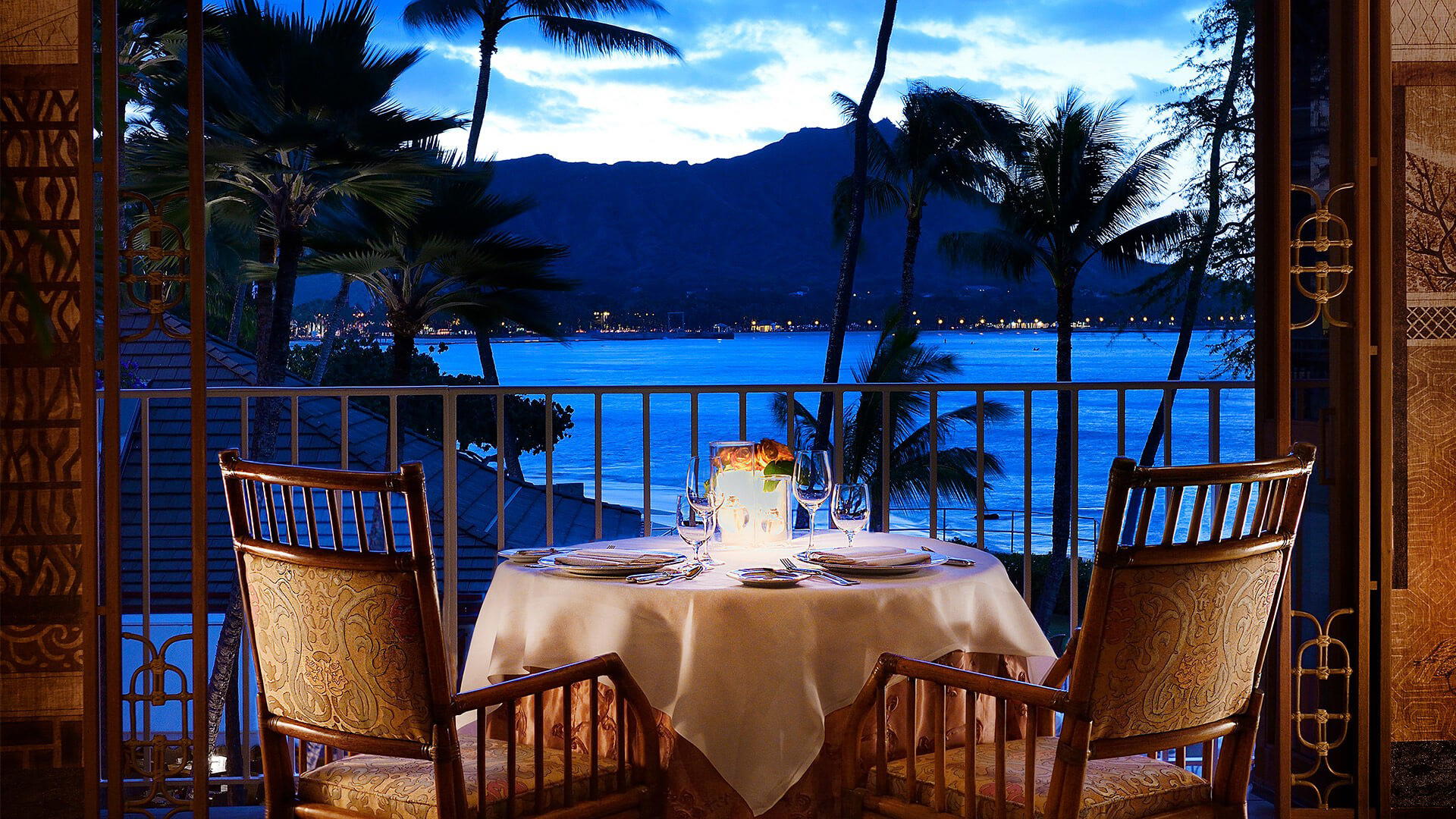
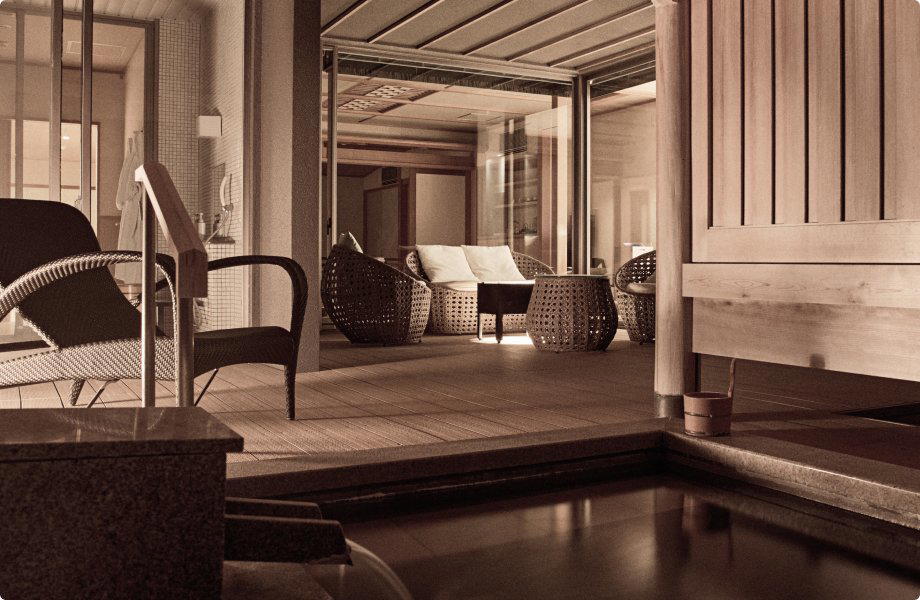
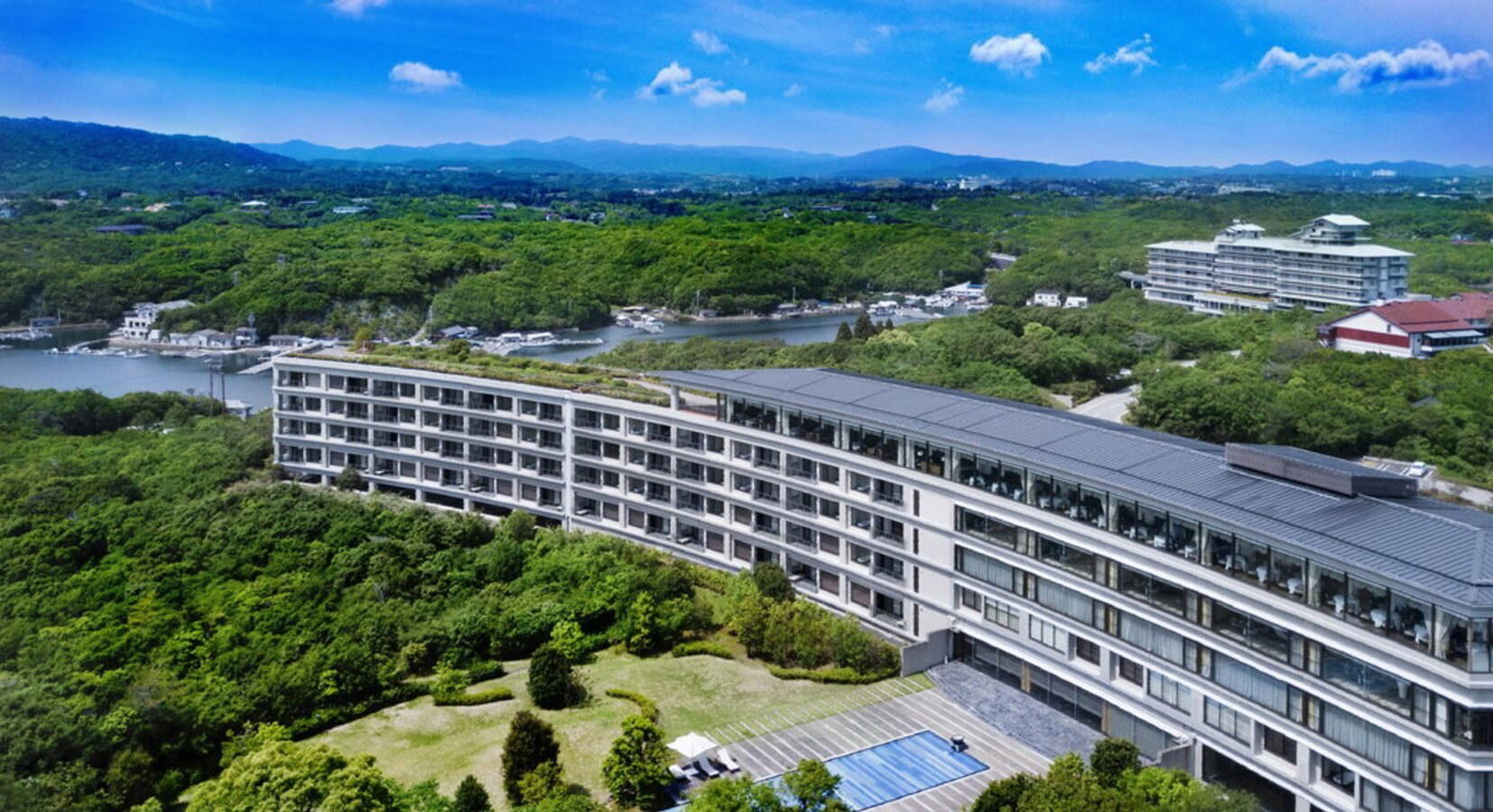
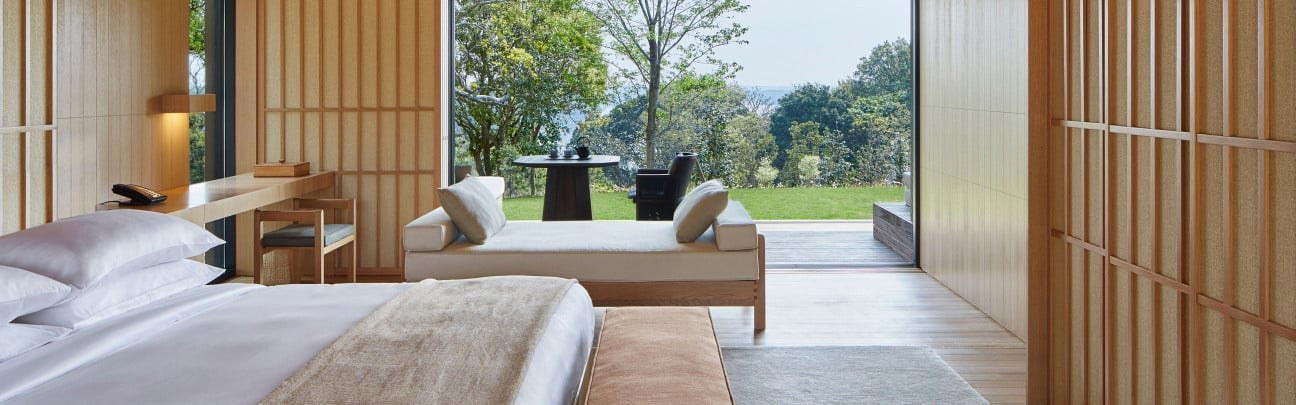
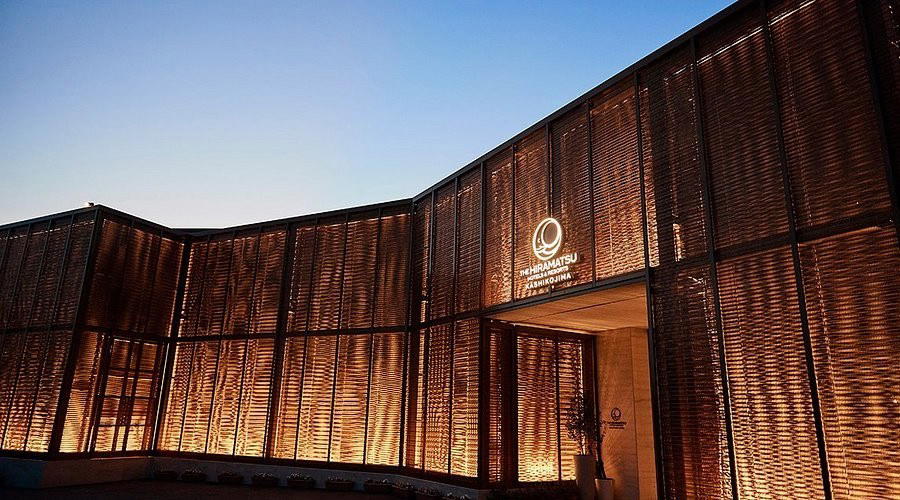
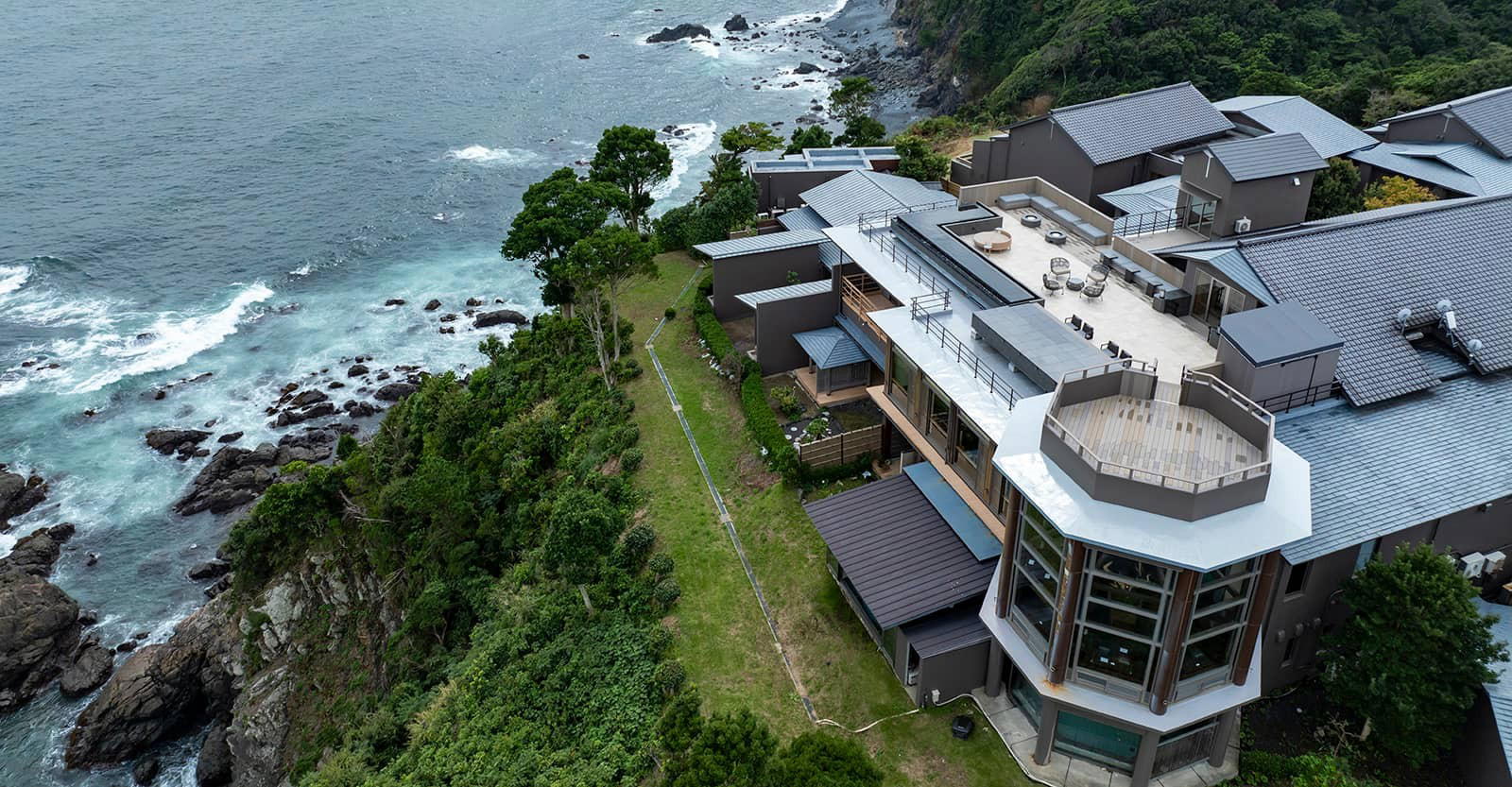
Refined hotel-restaurant setting within a Mediterranean-style resort, with calm, polished service and a scenic seaside atmosphere suited to relaxed, special-occasion dining.
Know Before You Go
- Reservations
- Recommended
- Dress code
- Smart casual
- Getting there
- 三重県志摩市浜島町迫子2619-1