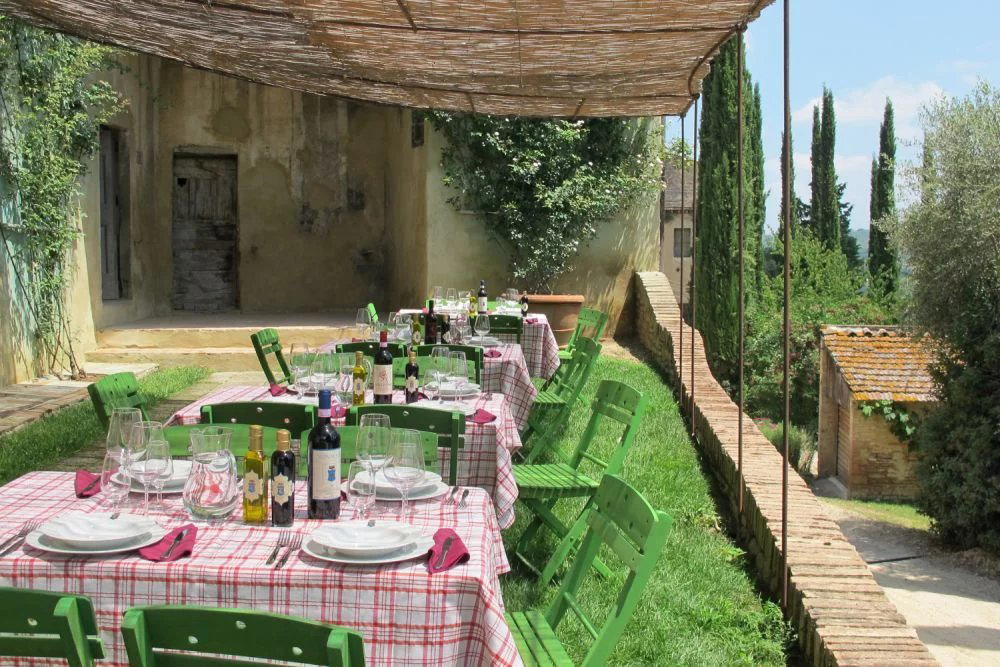
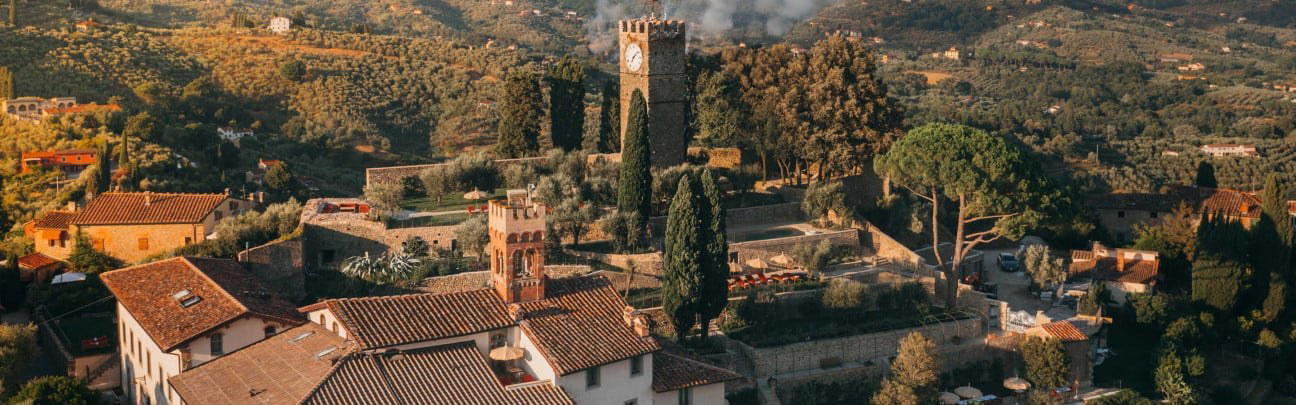
Set among the agricultural hills of Capannori, in the Lucca province of Tuscany, Azienda agricola Colle di Bordocheo represents the region's deep-rooted connection between land and table. This working farm property situates itself within a Tuscan tradition where what grows on the estate shapes what reaches the plate, a premise that carries real weight in a province that has been producing olive oil and wine for centuries.
Pearl is the En Primeur Club membership app — saves, bookings, and concierge access live there. Same editors, same standards.
- Address
- Via di Piaggiori Basso, 123, 55012 Capannori LU, Italy
- Phone
- +39 0583 929821
- Website
- colledibordocheo.com
- Directions
- Get directions
 Saves & bookings on Pearl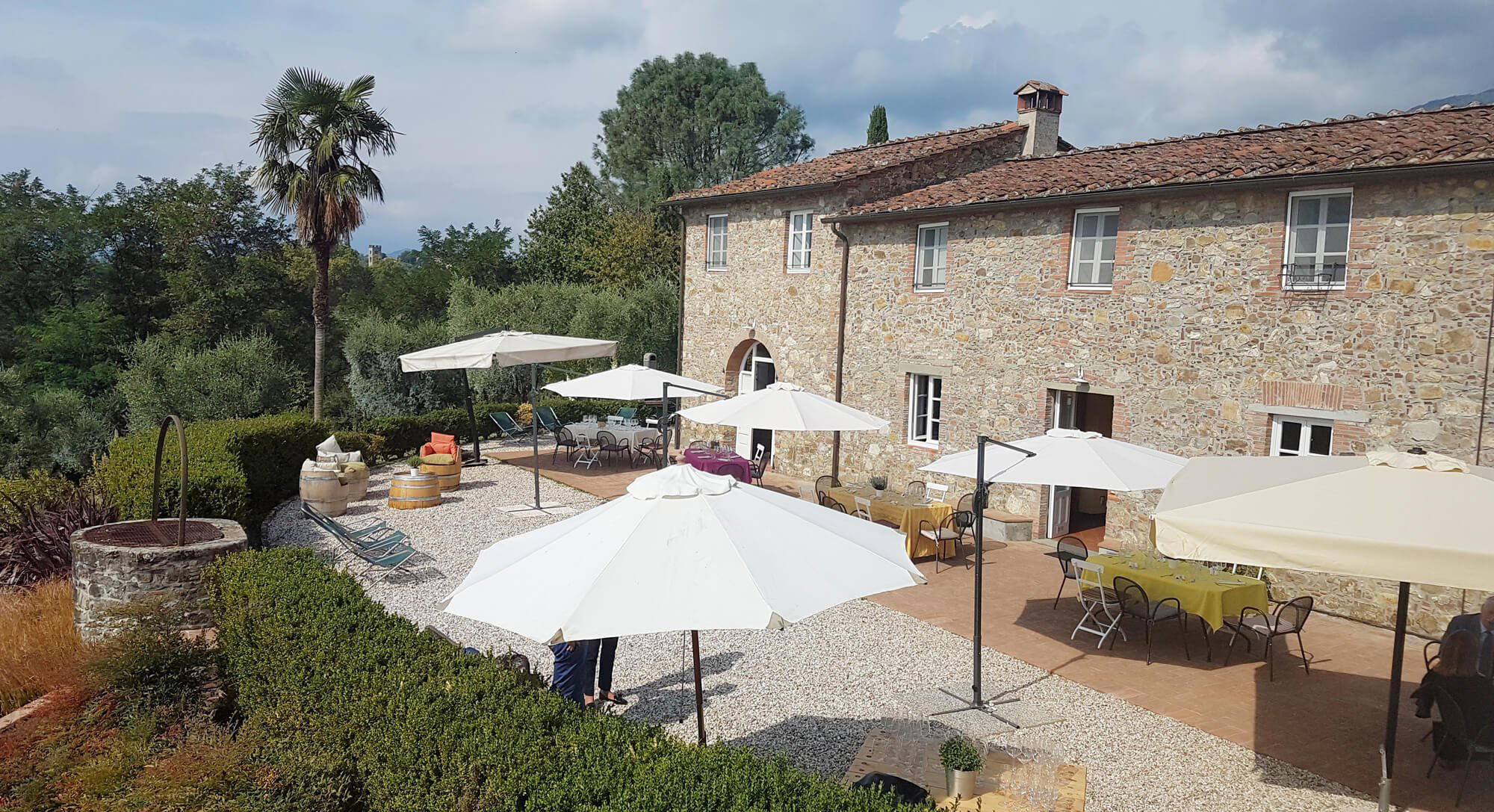
Where Capannori's Agricultural Tradition Takes Physical Form
The hills east of Lucca have a particular quality in the late afternoon: terraced rows of olives and vines catch the light at an angle that makes the land look simultaneously ancient and deliberate. This is the terrain that surrounds Colle di Bordocheo, an agricultural property on Via di Piaggiori Basso in the Capannori municipality, a commune of scattered hamlets and working farms that sits immediately outside Lucca's medieval walls. Arriving here is an exercise in rural Tuscany rather than a curated agritourism experience. The address itself, deep in the Piaggiori area, signals that this is not a property angled toward spectacle. It is, structurally and in practice, a working agricultural estate.
Capannori is worth understanding on its own terms before drawing comparisons to its more famous neighbors. Unlike the cypress-lined showcase villages of the Chianti Classico zone or the wine-resort corridor of Montalcino, the Lucca plain and its surrounding hills have historically operated as a producing region rather than a destination region. Olive oil from this stretch of Tuscany, particularly the DOP Lucca designation, carries a distinct profile, lighter in phenolic intensity than Umbrian oils, more delicate than Sicilian production, shaped by the specific cultivars, predominantly Frantoio and Leccino, that have been grown here for generations. That context matters when approaching a property like this one, because it situates the estate's agricultural work within a recognized production tradition rather than a generic rural backdrop.
The Sourcing Logic of the Lucca Hills
Italian agriturismi and farm estates divide into two broad categories: those that use the agricultural label as atmosphere while sourcing ingredients conventionally, and those where the land genuinely determines what reaches the table. The second category is less common than the marketing around the first suggests. At an estate like Colle di Bordocheo, the premise of an azienda agricola, literally a farming company, implies that primary agricultural production is the core activity, with hospitality or food service, if present, organized around what the estate produces rather than the other way around.
This is a meaningful distinction in a region where Lucca's culinary identity leans heavily on locally produced ingredients: the IGP-designated farro della Garfagnana from the nearby mountains, the DOP olive oils of the plain, the freshwater fish from the Serchio river system, and the specific chestnut preparations that come down from the Apuan Alps. A property embedded in this agricultural system operates with a different sourcing logic than a restaurant that purchases from wholesale markets. The seasonal calendar of the estate, what is ready to harvest, what the olive press can produce this year, what the kitchen garden is yielding, becomes the actual menu logic, not a narrative device applied after the fact.
For comparison, several of Italy's most discussed dining destinations, including Reale in Castel di Sangro and Atelier Moessmer Norbert Niederkofler in Brunico, have built their critical reputations substantially on the coherence between sourcing territory and plate. Establishments like Dal Pescatore in Runate, Uliassi in Senigallia, and Quattro Passi in Marina del Cantone similarly anchor their identities to specific producing territories. These are fine-dining properties with Michelin recognition operating at the €€€€ tier. Colle di Bordocheo sits in a different register entirely, an agricultural estate rather than a destination restaurant, but the underlying principle of territory-driven sourcing connects them within a broader Italian food logic that prizes filiera corta, the short supply chain.
Placing Capannori on the Wider Italian Dining Map
Visitors approaching Capannori from within Italy's dining culture will already know that Tuscany's most discussed tables tend to cluster elsewhere: Florence carries Enoteca Pinchiorri, with its three Michelin stars and one of the country's most substantial wine cellars. Further afield, Osteria Francescana in Modena and Piazza Duomo in Alba define the upper register of Italian creative cooking. Enrico Bartolini in Milan, Le Calandre in Rubano, and La Pergola in Rome complete a comparable set of Italy's most recognized fine-dining addresses. Da Vittorio in Brusaporto, Villa Crespi in Orta San Giulio, and Casa Perbellini 12 Apostoli in Verona round out the northern contingent of that conversation.
Colle di Bordocheo does not belong to that competitive set, and does not appear to be angled toward it. The Lucca area's dining scene, covered in more depth in our full Capannori restaurants guide, is built more around trattorias, oil mills with tasting rooms, and estate-based hospitality than around Michelin-competitive fine dining. Within that local structure, farm properties like this one serve a different function: they are the primary producers whose output eventually shapes the tables of Lucca's better restaurants. For international visitors more familiar with the farm-to-table framing of establishments like Lazy Bear in San Francisco or the sourcing transparency of Le Bernardin in New York City, the Italian azienda agricola model offers a more direct version of that premise, production and consumption collapsed into a single address.
Locally, Serendepico in Capannori represents the municipality's engagement with a more contemporary, fusion-inflected approach to dining, sitting at a different point on the local spectrum from an agricultural estate.
Planning a Visit
Colle di Bordocheo sits in the Capannori municipality, reachable from Lucca's centro storico in under fifteen minutes by car. The Lucca area is most productive as a destination between late September and early November, when olive harvest begins and the agricultural calendar is at its most active, this is when the oil is freshest and farm-based hospitality tends to be most authentic in its connection to what the land is actually doing. Spring, from late April through May, offers a second window when the kitchen gardens are productive and the hills are at their most visually coherent. The estate is open Monday to Friday from 9 AM to 12 PM and 2 to 5 PM, and is closed on Saturday and Sunday. Reservations are recommended. Pricing is about $15 per person.
Comparison Snapshot
Comparable venues nearby, for context on price, style, and recognition.
| Venue | Cuisine | Price | Awards | Notes |
|---|---|---|---|---|
| Azienda agricola Colle di BordocheoThis venue — the venue you are viewing | Tuscan Farm Tastings | $$ | Not listed | Not listed |
| Serendepico | Japanese-Italian Fusion | $$$ | Michelin Plate | Capannori |
| Gelateria La Romana | Artisanal Italian Gelato | $$ | Not listed | Sallustiano |
| Ristorante Ricchi | Traditional Tuscan Italian | $$ | Not listed | Santo Spirito |
| Le Golosità Di Nonna Aurora | Traditional Bolognese Trattoria | $$ | Not listed | Outside Bologna center |
| Trattoria I'raddi | Traditional Tuscan Trattoria | $$ | Not listed | Santo Spirito |
Continue exploring
More in Capannori
Restaurants in Capannori
Browse all →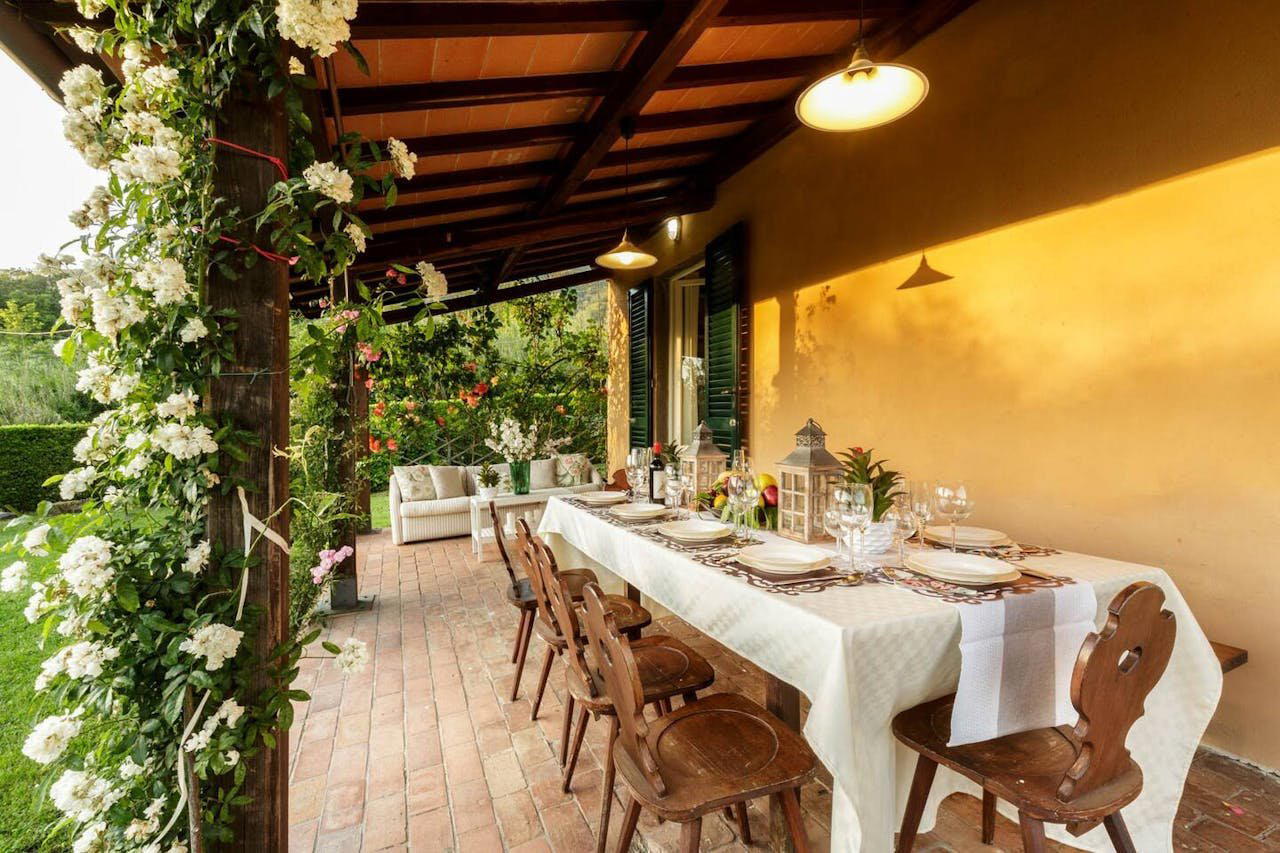
Bars in Capannori
Browse all →
At a Glance
- Rustic
- Scenic
- Cozy
- Casual Hangout
- Garden
- Extensive Wine List
- Organic
- Local Sourcing
- Vineyard
- Garden
Current opening hours
- Monday
- 9 AM–12 PM, 2–5 PM
- Tuesday
- 9 AM–12 PM, 2–5 PM
- Wednesday
- 9 AM–12 PM, 2–5 PM
- Thursday
- 9 AM–12 PM, 2–5 PM
- Friday
- 9 AM–12 PM, 2–5 PM
- Saturday
- Closed
- Sunday
- Closed
Hours can change for holidays and private events. Last verified .
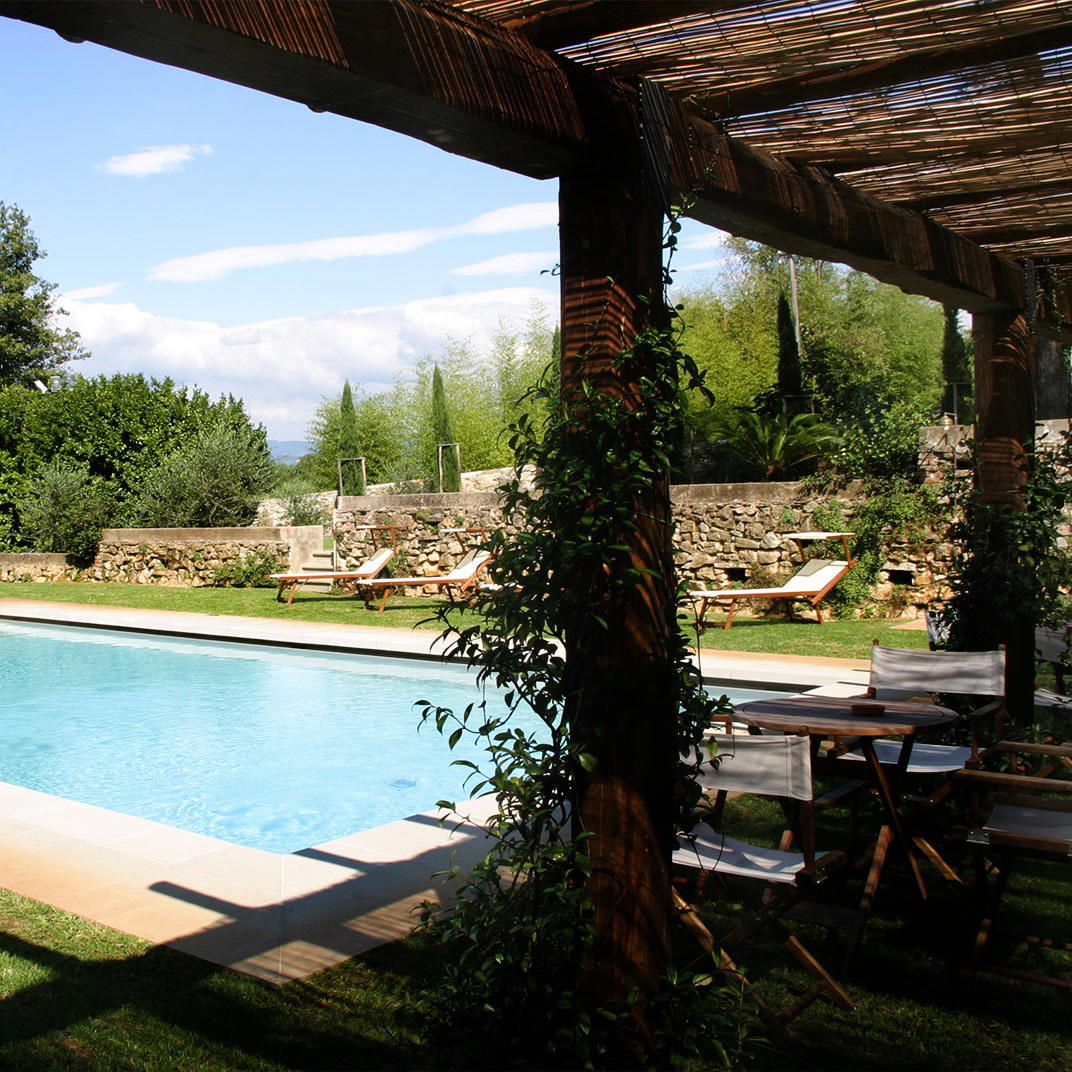
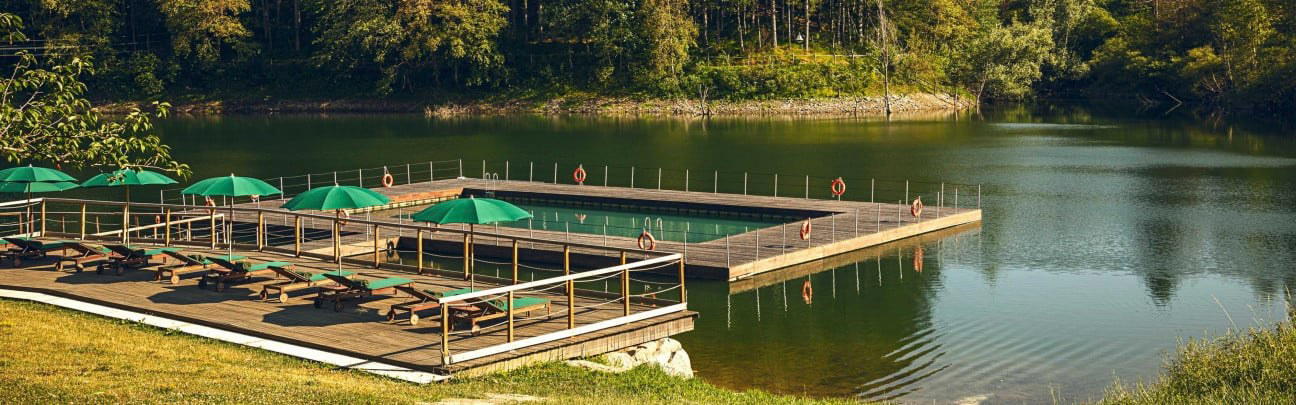
Rustic and picturesque farm atmosphere in Lucca's countryside with a focus on authentic, local agricultural heritage.