Set on a working farm outside Mazères in the Ariège, Ferme ô Délices operates where agriculture and the table are the same enterprise. The kitchen draws from what the land immediately surrounds it with, placing it in a French tradition of ferme-auberge dining that predates the farm-to-table branding now commonplace elsewhere. For travellers moving through the Pyrenean foothills, it represents a specific and grounded alternative to the region's more formal options.
Pearl is the En Primeur Club membership app — saves, bookings, and concierge access live there. Same editors, same standards.
- Address
- Ferme Auger, 09270 Mazères, France
- Phone
- +33561606530
- Website
- fermeodelices.com
- Directions
- Get directions
 Saves & bookings on Pearl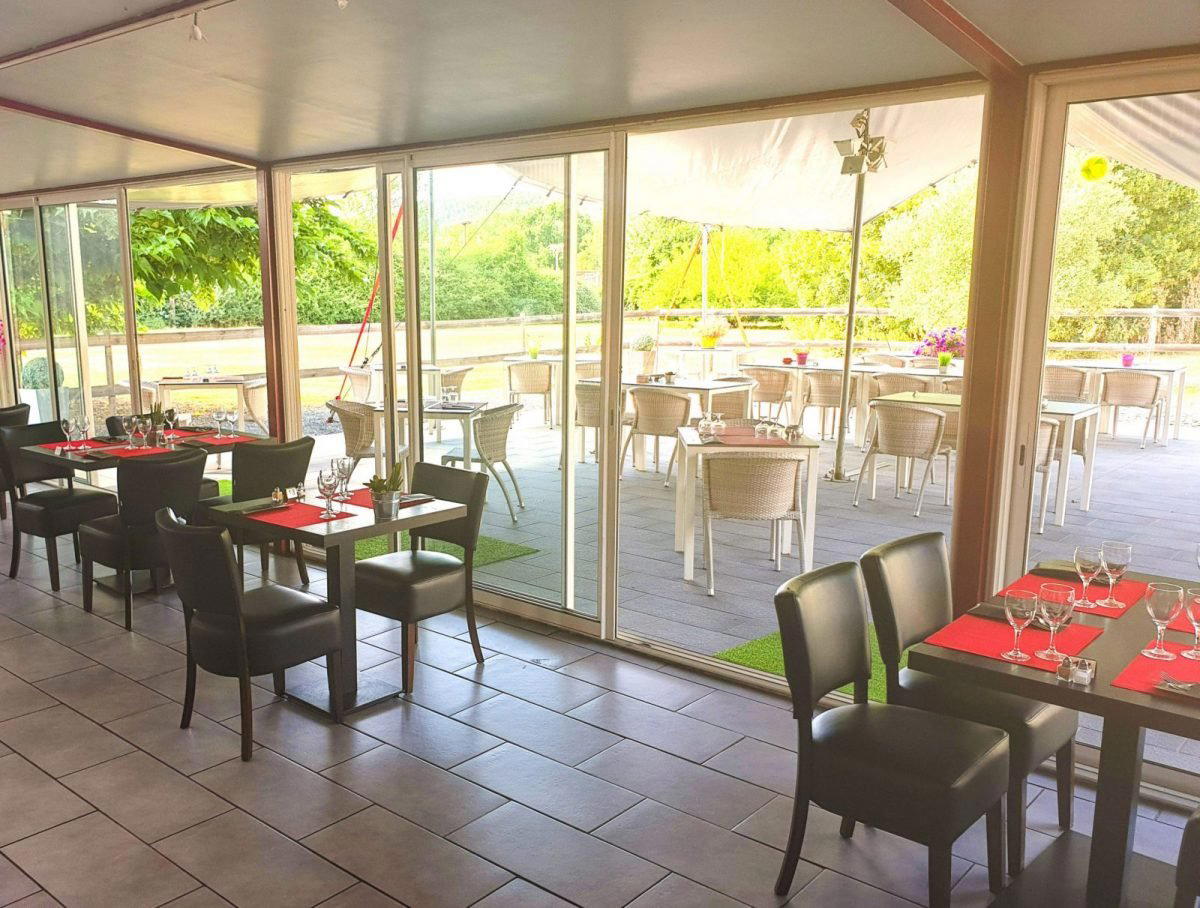
Where the Farm Is the Kitchen's Supply Chain
France's ferme-auberge tradition is older than most contemporary conversations about provenance. Long before ingredient sourcing became a marketing category at urban restaurants, rural auberges in regions like Ariège were operating on a simple premise: cook what the farm produces, serve it to guests, and let the land set the menu. Ferme ô Délices, located at Ferme Auger on the outskirts of Mazères in the Ariège department of Occitanie, sits directly inside that tradition. This is not a restaurant that sources from nearby farms. It is, in the strictest sense, a farm that feeds its guests.
The distinction matters more than it might appear. In an era when traceability has become a selling point layered onto otherwise conventional restaurant operations, the ferme-auberge model offers something structurally different: the production and the plate share the same address. What grows or grazes on the property is what arrives at the table. Seasonal shifts are not editorial decisions made by a chef browsing a supplier's catalogue; they are determined by what the land yields at a given point in the year.
For context on how this positions Ferme ô Délices relative to France's broader restaurant geography, consider that Ariège remains one of the least visited departments in the country despite occupying some of its most dramatic terrain. The Pyrenean foothills here produce a particular agricultural character: duck and foie gras production, lamb raised on high pasture, and a vegetable tradition tied to the wet, temperate valleys running south toward Andorra. Dining within that ecosystem, at a table set by a working farm, is a fundamentally different experience from the region's more polished auberge options further north.
Ariège on the Plate: What Regional Agriculture Looks Like
The Ariège has never competed with Gascony or Périgord for gastronomic attention, but its agricultural output tells a coherent story. Duck fat remains a cooking medium here by default rather than by trend. Lamb from the Couserans sub-region, pork raised in small holdings, and soft-fruit production in the valley floors define a seasonal rhythm that any farm-based kitchen in the area would reflect. The department also sits within the Occitan charcuterie belt, where preserved meats represent a centuries-old response to altitude, climate, and the practical demands of mountain life.
At the ferme-auberge level, this translates into meals that read as direct expressions of that agricultural inheritance rather than interpretations of it. The cooking format common to French farm restaurants is typically a fixed menu served communally, often at a single sitting, with dishes rotating week to week or season to season based on what is ready for harvest or slaughter. It is a format that privileges honesty over ambition and rewards guests who arrive without a specific dish in mind.
This is worth bearing in mind for travellers accustomed to the discipline and architecture of France's high-end restaurant circuit. Addresses like Mirazur in Menton, Flocons de Sel in Megève, or Bras in Laguiole represent a different register entirely: kitchens where provenance is curated and technique is the primary language. The ferme-auberge operates without that intermediary layer. Technique serves the ingredient rather than the reverse, and the ingredient's calendar is non-negotiable.
Arriving at Ferme Auger: The Setting and What It Signals
Mazères sits in the flat agricultural plain of the Ariège, roughly equidistant between Pamiers to the north and the foothills that begin their climb toward the high Pyrenees to the south. The town itself is a modest market commune; its surroundings are predominantly working farmland. Approaching Ferme Auger means leaving behind anything resembling a restaurant strip and driving into a landscape that makes the context of the meal immediately legible. The farm is the destination, and the destination looks like a farm.
That physical context is part of the proposition. The ferme-auberge format, regulated in France under specific criteria that require a minimum percentage of produce to come from the operating farm itself, was designed to create exactly this kind of situated meal. Guests eat in a working agricultural environment, which shapes the atmosphere in ways that no amount of design intervention could replicate. There is noise from the property, the smell of outdoor air, and a general sense that the meal is contingent on what happened earlier that week in the fields or pens.
For travellers exploring the Pyrenean corridor, Mazères is a plausible base or stop-off point between Toulouse, roughly 60 kilometres to the northwest, and the higher-altitude towns of the Ariège valley. Visitors planning a broader sweep of southern France's dining geography might cross-reference the region against entries like Auberge du Vieux Puits in Fontjoncouse or Les Prés d'Eugénie in Eugénie-les-Bains, both of which represent the more formally recognised end of rural French dining in the southwest. Ferme ô Délices operates at the opposite end of that spectrum by design.
Planning a Visit: Format, Expectations, and Practical Notes
The meal format at French farm restaurants is almost always a fixed menu with limited or no à la carte option. Dietary accommodation varies and is worth raising at the time of booking. Most ferme-auberges operate at lunchtimes, with Saturday and Sunday service being particularly reliably available across the category nationally. Visits tend to run longer than a conventional restaurant lunch, partly because of the communal format and partly because the pace of a farm environment does not reward impatience.
Fast Comparison
Comparable venues nearby, for context on price, style, and recognition.
| Venue | Cuisine | Price | Notes |
|---|---|---|---|
| Ferme ô DélicesThis venue — the venue you are viewing | French Farm-to-Table Bistro | $$ | Not listed |
| Le Pic Saint Loup | Modern French Bistro | $$ | Saint-Michel / Saint-Agne / Empalot / Le Busca / Île du Ramier / Monplaisir |
| Le Chevillard | Traditional French Bistro - Viandard | $$ | Amidonniers / Compans-Caffarelli / Brouardel |
| Rôtisserie Rio | Portuguese Rotisserie Chicken | $$ | Casselardit / Fontaine-Bayonne / Cartoucherie |
| La Bonne Auberge | Traditional French Bistro | $$ | L'Union |
| La Fourchette Adroite | Traditional French Bistro with Seasonal Specialties | $$ | Centre historique |
Continue exploring
More in Mazeres
Restaurants in Mazeres
Browse all →
At a Glance
- Rustic
- Cozy
- Scenic
- Family
- Special Occasion
- Garden
- Terrace
- Farm To Table
- Local Sourcing
- Garden
Current opening hours
- Monday
- Closed
- Tuesday
- Closed
- Wednesday
- 12–2:30 PM, 7–10 PM
- Thursday
- 12–2:30 PM, 7–10 PM
- Friday
- 12–2:30 PM, 7–10 PM
- Saturday
- 12–2:30 PM, 7–10 PM
- Sunday
- 12–2:30 PM
Hours can change for holidays and private events. Last verified .
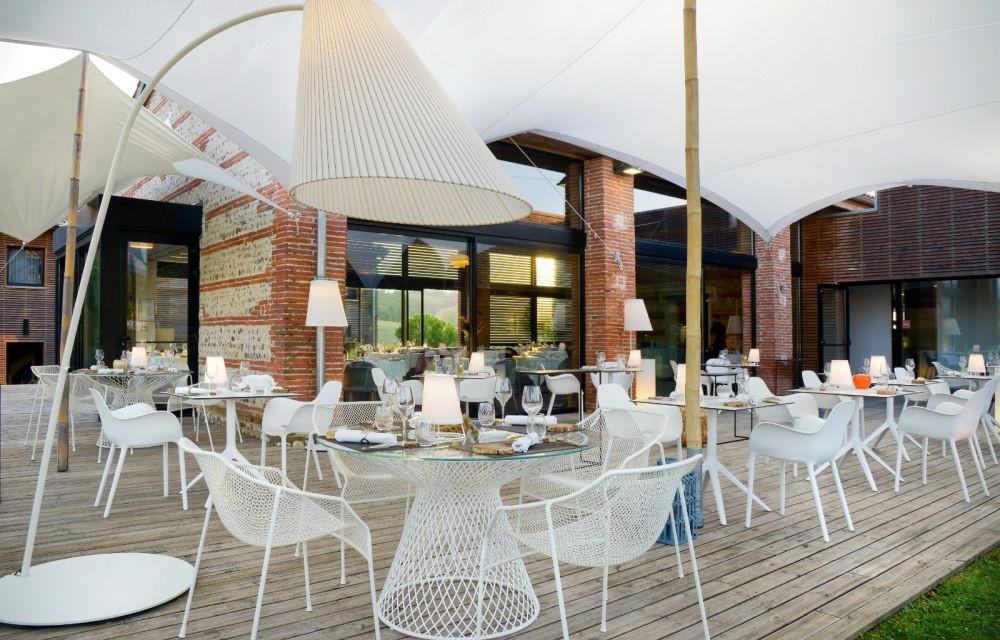
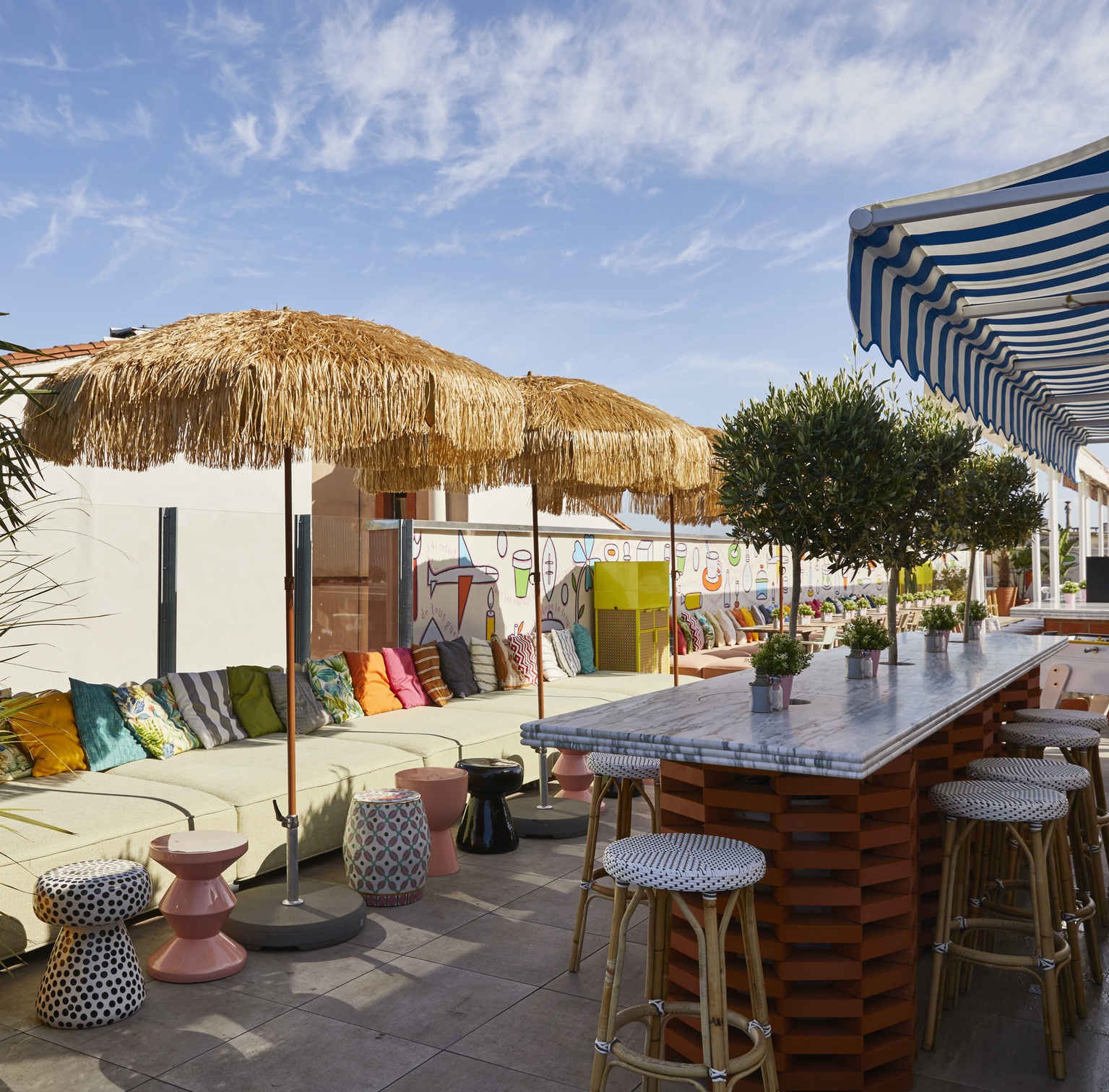
Cadre bucolique calme à la campagne entouré de lacs, végétation et oiseaux, avec grande salle et véranda chauffée.