Our verdict
La Réserve sits in the village of Le Bosc in the Hérault department of southern France, positioned within a regional food culture shaped by Mediterranean produce, garrigue herbs, and Languedoc viticulture.
- Address
- 34700 Le Bosc, France
- Phone
- +33467885022
- Website
- lareservedubosc.com
- Directions
- Get directions
Le Bosc and the Southern French Table
The Hérault department does not announce itself loudly on France's fine-dining map. Where Provence draws visitors to Mirazur in Menton and the Aveyron is anchored by the produce-driven philosophy of Bras in Laguiole, the plateau villages of the Lodévois remain quieter territory. That quietness is part of the point. Restaurants in this zone operate in a different register from the prestige corridors of Paris or Lyon: they draw from immediate terrain, price against local custom rather than international expectation, and tend to make their case through the integrity of what arrives on the plate rather than through accumulated awards hardware. La Réserve, addressed to Le Bosc in the 34700 postal district, occupies that context.
Terrain as Ingredient: The Sourcing Logic of the Lodévois
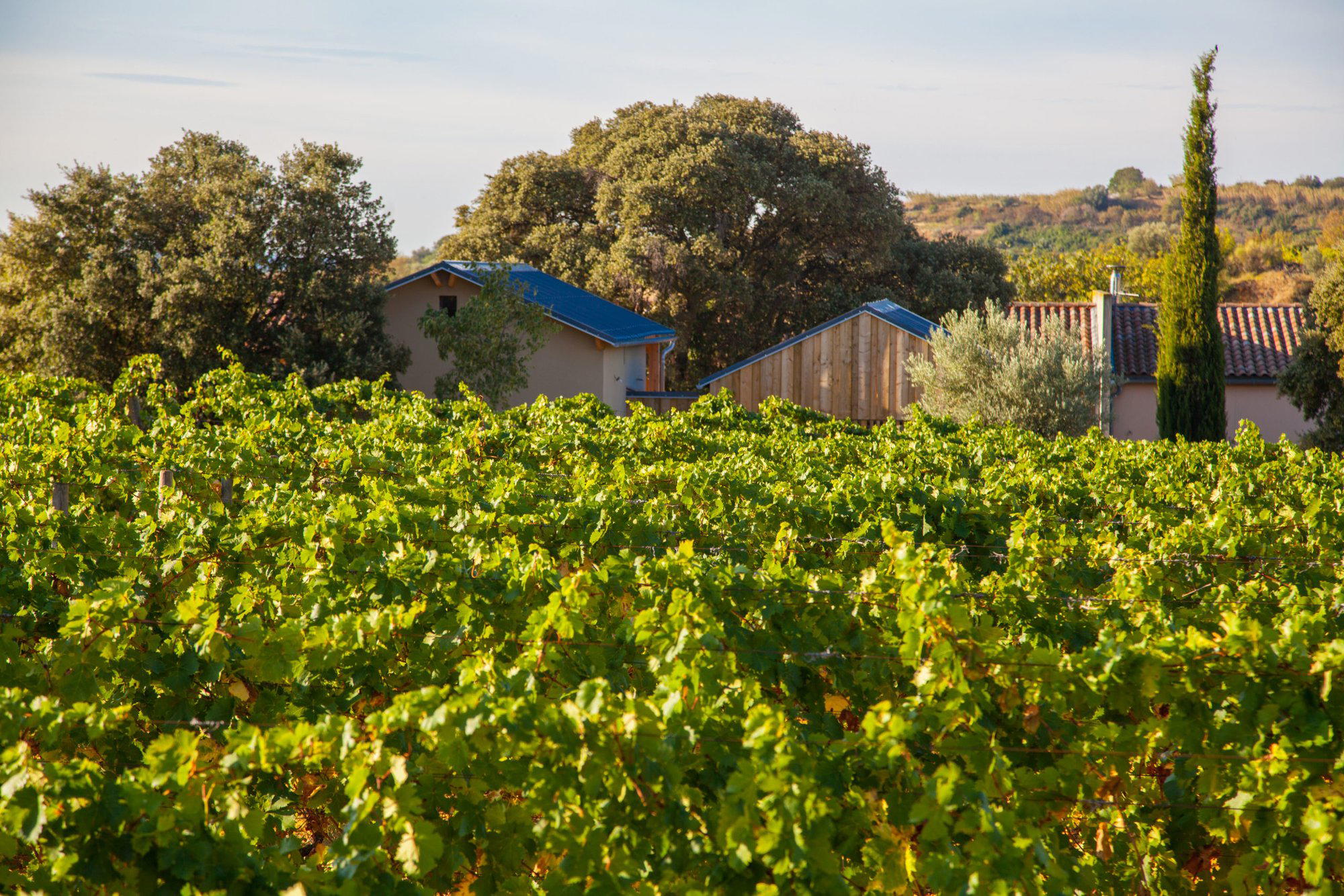
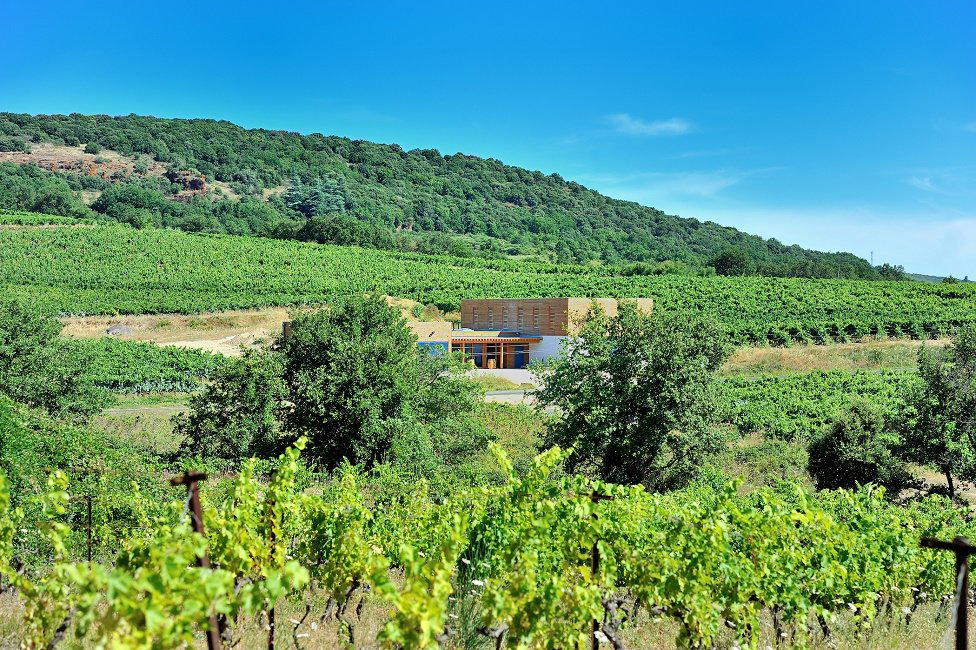
Southern France's inland plateau country produces a specific kind of larder. The garrigue — the low scrubland of thyme, rosemary, lavender, and wild herbs that covers the limestone uplands between Montpellier and Millau — flavours everything from the milk of sheep grazing its edges to the wild plants that appear in kitchens as seasoning, garnish, or infusion. This is the sourcing environment in which a Le Bosc restaurant operates, and it shapes what a kitchen here can reasonably claim as local in a way that urban French restaurants cannot.
Languedoc's wine production surrounds the area. The appellations of Pic Saint-Loup and Terrasses du Larzac, both within reach of Le Bosc, have spent the past two decades repositioning themselves as serious terrain-driven wine zones rather than volume producers. A kitchen drawing on this geography has access to a cellar argument that pairs naturally with plateau lamb, chestnuts from the Cévennes to the north, and the fish markets of the Mediterranean coast roughly an hour to the south. The sourcing radius tells a coherent story before a dish is plated.
This model of hyperlocal sourcing has become one of the defining organisational principles of serious provincial French cooking. It is visible at different scales across the country: at Auberge du Vieux Puits in Fontjoncouse, which built its Michelin recognition around the specific produce of the Corbières, and at Flocons de Sel in Megève, where Alpine altitude shapes the seasonal menu logic. In each case, the restaurant's authority is partly geographic: the kitchen is where it is because the ingredients are where they are.
Where La Réserve Sits in the Village Context
Le Bosc is a small commune. Its restaurant options are limited in number, which concentrates attention on what exists. Auberge les Myrtilles is the other named dining reference in the village, and the two establishments define the local offer between them. In village-scale markets like this one, a restaurant's relationship to its immediate community often matters as much as its positioning toward visiting travellers: the kitchen serves neighbours as much as it serves guests arriving from Montpellier or further.
That dual audience shapes format choices in provincial French restaurants in ways that urban establishments rarely have to consider. The menu may calibrate differently on a weekday lunch versus a Saturday evening. Seasonal closures or adjusted hours may follow local rhythms rather than tourist ones. These are structural features of the category, not limitations of individual venues. For confirmed hours, current format, and reservation process at La Réserve, direct enquiry to the property is the reliable approach, as publicly available operational data is not confirmed at this time. Our full Le Bosc restaurants guide is updated as new information becomes available.
Provincial France at the Table: The Wider Pattern
French fine dining in the provinces has always coexisted uneasily with the Paris-centric assumption that serious cooking requires a metropolitan postcode. The record contradicts that assumption consistently. Auberge de l'Ill in Illhaeusern has held Michelin's highest recognition continuously since 1967 from a village in the Alsatian countryside. Troisgros relocated from Roanne to the hamlet of Ouches and retained its three stars. Georges Blanc in Vonnas has anchored Bresse's gastronomic identity for decades from a village of roughly three thousand people.
The pattern is not accidental. Provincial locations impose a discipline on sourcing that densely supplied urban kitchens do not face. When your fish delivery comes from the same coast three days a week rather than from a daily wholesale market, your menu structure reflects that constraint. When your vegetable supply is seasonal in the agricultural sense rather than the fashionable one, your cooking changes accordingly. These constraints, at their leading, produce clarity rather than limitation.
This is the tradition into which a Le Bosc restaurant enters. It sits a long way from the competitive tiers occupied by Alléno Paris au Pavillon Ledoyen or the technical ambition of AM par Alexandre Mazzia in Marseille, but the comparison is not the right frame. Provincial cooking in small Hérault villages is evaluated within its own reference set: consistency, sourcing honesty, value against local expectation, and the quality of the relationship between kitchen and the terrain it sits inside.
Planning a Visit
Le Bosc is accessible by road from Montpellier, approximately 50 kilometres to the south, and from Lodève, the nearest significant town. Public transport to the village is limited, and most visitors arrive by car, which also allows exploration of the surrounding plateau and the wine appellations of the Lodévois and Larzac. Timing a visit around the main harvest and late-summer seasons, when produce from the plateau and the Cévennes foothills is at its most varied, tends to align well with the rhythms of kitchens working from local supply chains.
Given the absence of confirmed booking data, website, or phone number in current public records, contacting La Réserve directly through the address at 34700 Le Bosc, or visiting in person, is the practical starting point. Visitors with an interest in the wider regional dining offer would find it worth cross-referencing with Christopher Coutanceau in La Rochelle and L'Oustau de Baumanière in Les Baux for a fuller picture of southern French provincial cooking at different price and ambition levels. For those travelling from outside Europe with France as the destination, Le Bernardin in New York City and Atomix in New York City represent reference points for what serious tasting-format dining looks like before the transatlantic trip. For prestige Champagne-region dining en route, Assiette Champenoise in Reims and Au Crocodile in Strasbourg are documented stops. The legacy benchmark for French provincial institutions remains Paul Bocuse - L'Auberge du Pont de Collonges near Lyon.
Frequently asked questions
Is La Réserve okay with children?
Le Bosc is a small commune in the Hérault, and village restaurants at this scale typically operate in a relaxed, unfussy register. Provincial southern French tables at this level of informality generally accommodate families without issue during earlier service hours.
Is La Réserve better for a quiet night or a lively one?
Le Bosc is a small commune with no nightlife infrastructure, so the setting defaults toward quiet by geography rather than by design. Dining here runs closer to the rhythm of a village auberge than an urban brasserie. Those after a lively evening would need to head south toward Montpellier, roughly 50 kilometres by road.
Is La Réserve a good starting point for visiting Languedoc wine country?
Le Bosc sits within practical driving distance of both Pic Saint-Loup and Terrasses du Larzac, two appellations that have driven serious critical interest in Languedoc over the past decade. Neither zone requires a long detour from the Le Bosc area, making the village a workable base for a wine-focused itinerary in the Hérault interior. Visitors planning cellar visits should arrange transport in advance, as public connections in this part of the department are limited.
What's the signature dish at La Réserve?
The Lodévois plateau context points toward a larder shaped by garrigue herbs, local lamb, and seasonal Hérault produce, which defines the cooking register of most serious kitchens in this part of inland Languedoc. Specific dish details are best confirmed with the restaurant directly before visiting.
In Context: Similar Options
| Venue | Cuisine | Price | Awards | Notes |
|---|---|---|---|---|
| La RéserveThis venue — the venue you are viewing | French Mediterranean Bistro | Not listed | Not listed | Not listed |
| Alléno Paris au Pavillon Ledoyen | Modern French Fine Dining | $150–200 | 3 Michelin Stars · World's 50 Best #79 | Creative |
| Kei | Modern French with Japanese Influences | $300–500 | 3 Michelin Stars · World's 50 Best #93 | Contemporary French, Modern Cuisine |
| L'Ambroisie | Classic French Haute Cuisine | $300–500 | 2 Michelin Stars · World's 50 Best #23 | French, Classic Cuisine |
| Le Cinq - Four Seasons Hôtel George V | Modern French Fine Dining | $300–500 | 3 Michelin Stars · World's 50 Best #24 | French, Modern Cuisine |
| Mirazur | Modern French Fine Dining | $300–500 | 3 Michelin Stars · World's 50 Best #1 | Modern French, Creative |
Continue exploring
More in Le Bosc
Restaurants in Le Bosc
Browse all →
Bars in Le Bosc
Browse all →
Hotels in Le Bosc
Browse all →

Details
- Elegant
- Cozy
- Scenic
- Date Night
- Family
- Celebration
- Terrace
- Local Sourcing
- A La Carte
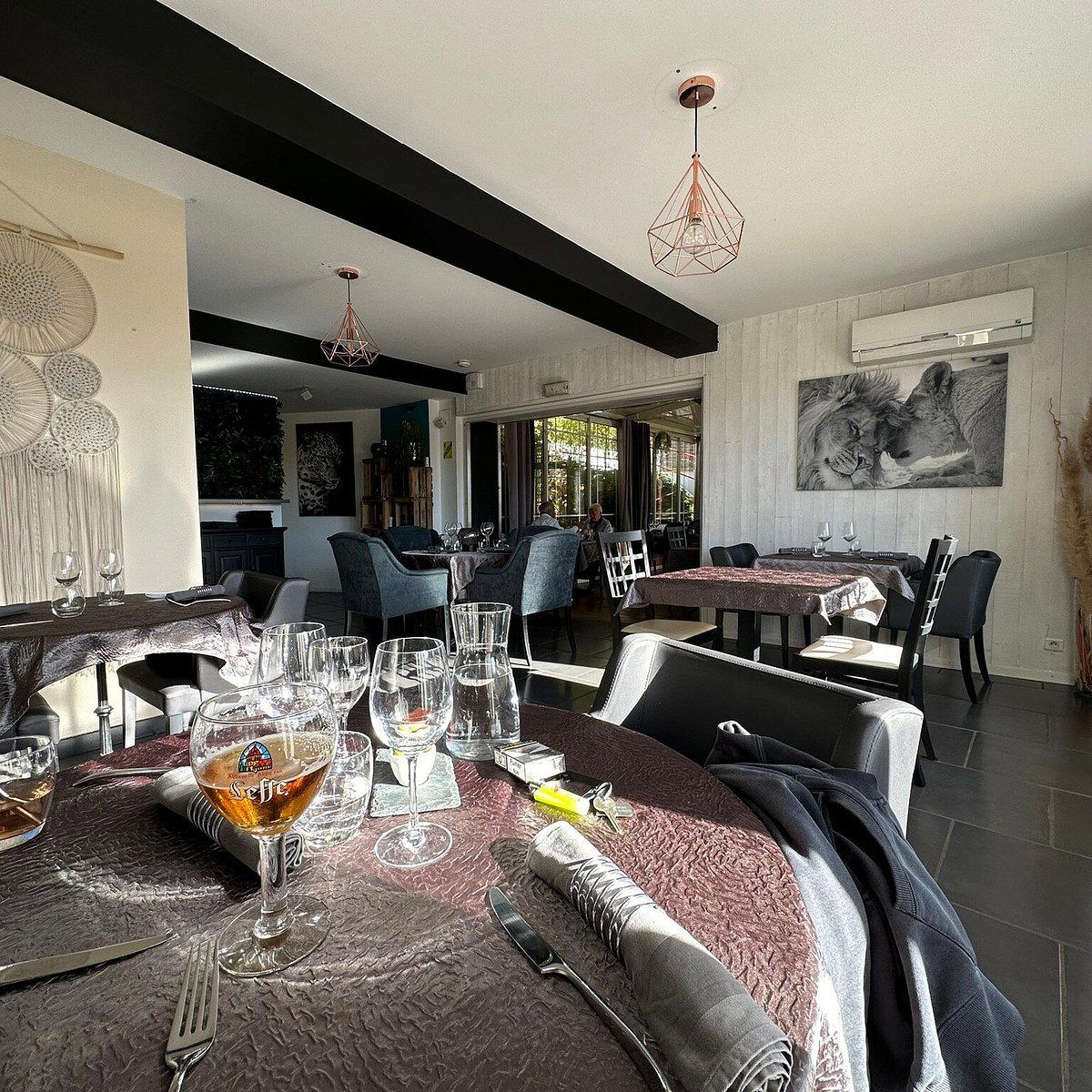
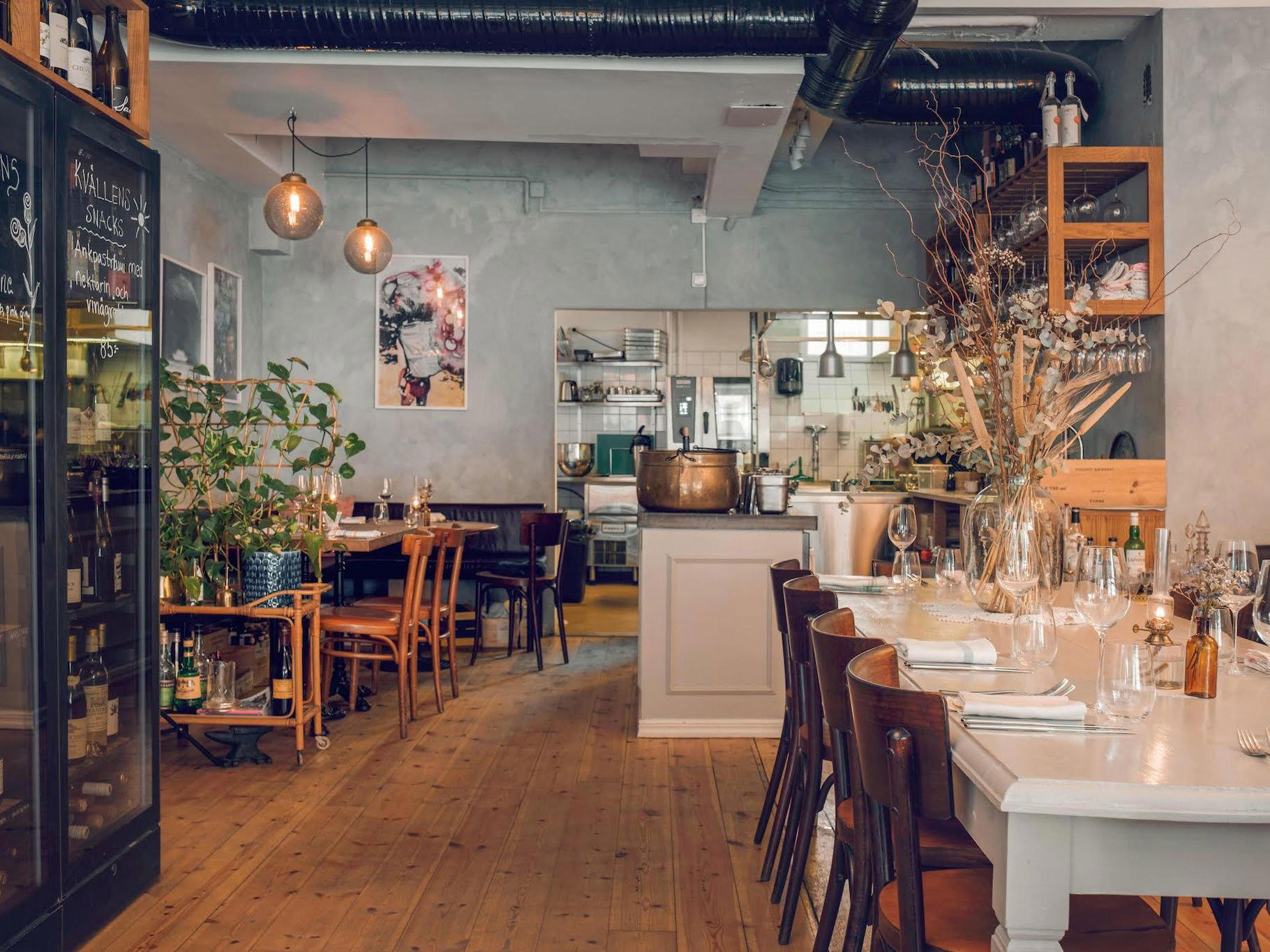
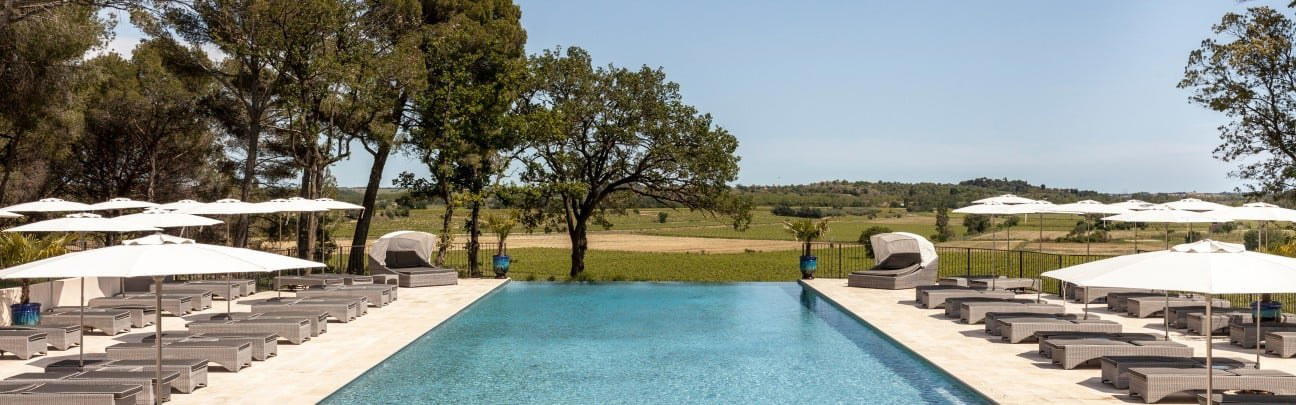
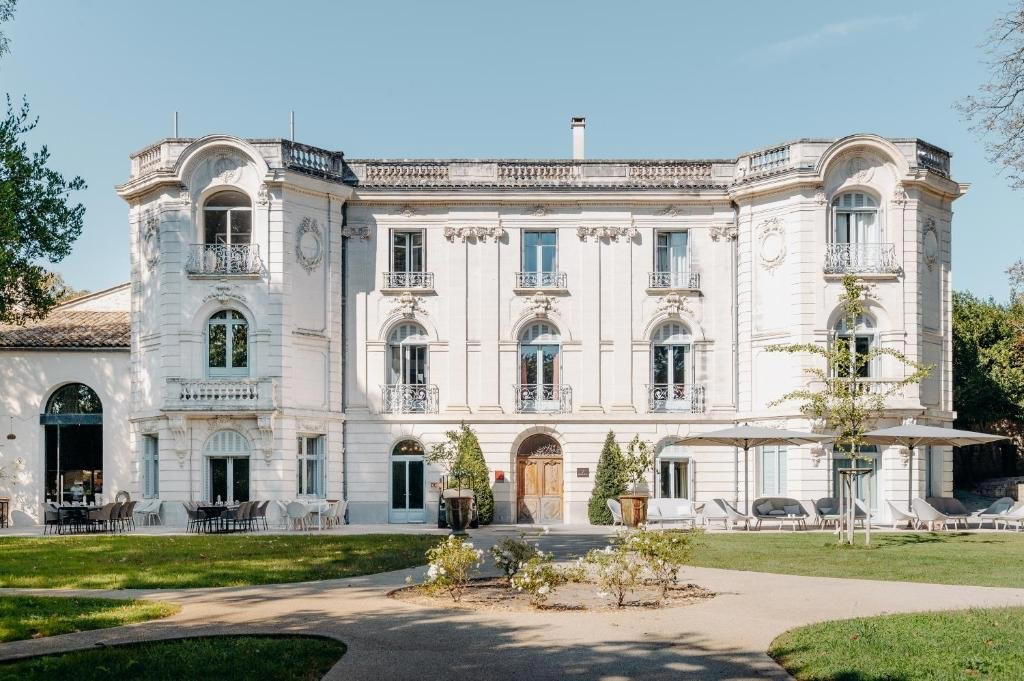
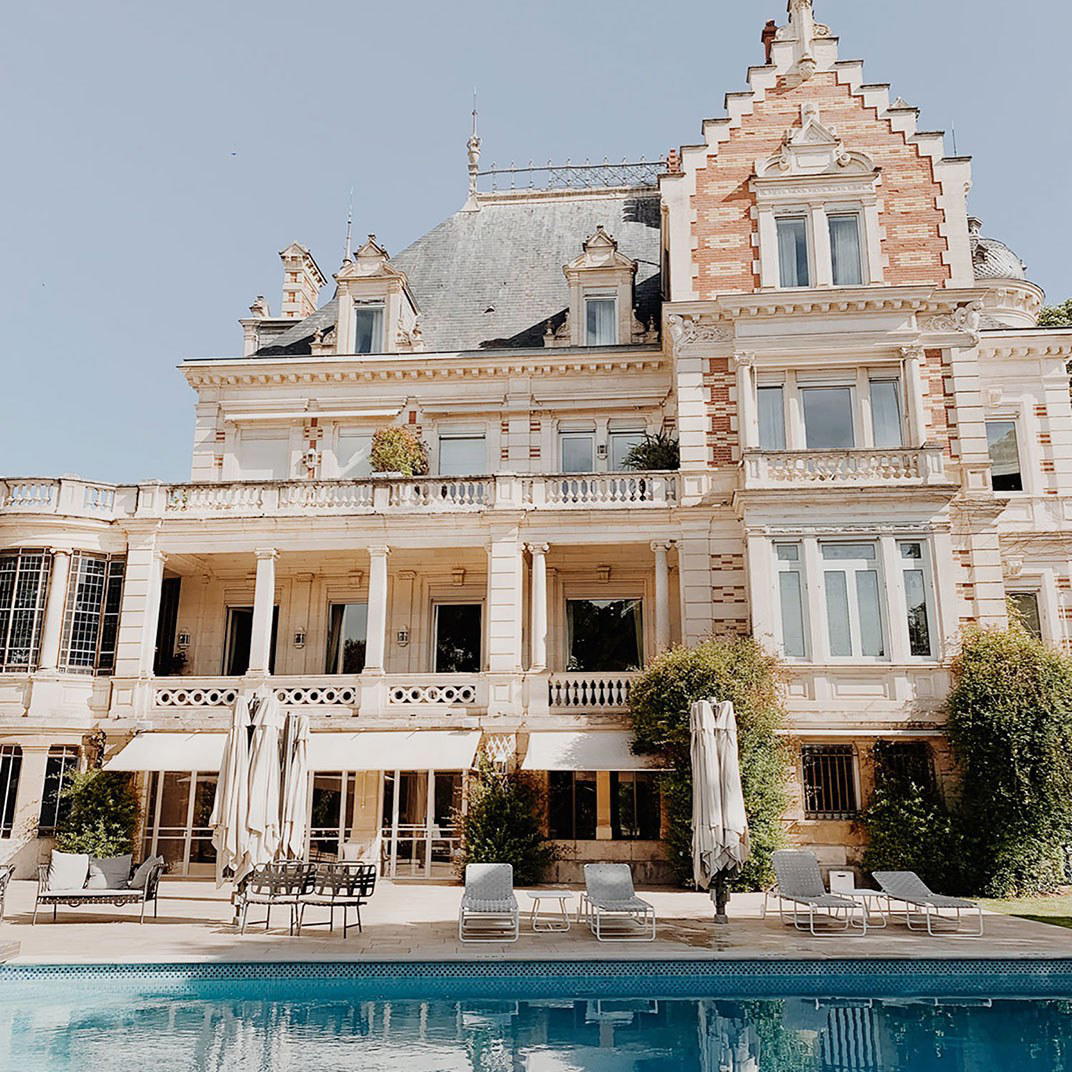
Cozy interior in gray tones with a beautiful terrace in summer; warm and elegant atmosphere praised in reviews.