Le Carré de l'Ange

Michelin Bib Gourmand
Our verdict
Housed within the historic Palais des Évêques in Saint-Lizier, Le Carré de l'Ange holds a Michelin Bib Gourmand (2025) for chef Paul Fontvieille's cooking, which moves between regional tradition and restrained invention. Artisanal soba made with Ariège buckwheat sits alongside veal axoa on a menu priced at €€, making it one of the stronger arguments for pausing in this corner of the Pyrenean foothills.

Pearl is the En Primeur Club membership app — saves, bookings, and concierge access live there. Same editors, same standards.
- Address
- Palais des Evêques, Rte de Montjoie, 09190 Saint-Lizier, France
- Phone
- +33 5 61 65 65 65
- Hours
- Mon 12–1:30 PM, 7:30–9 PMTue 12–1:30 PMWed 12–1 PMThu 12–1:30 PM, 7:30–10 PMFri 12–1:30 PM, 7:30–9 PMSat 7:30–9 PMSun 12–1:30 PM, 7:30–9 PM
- Website
- lecarredelange.fr
- Directions
- Get directions
- Booking
- Book on the venue's website
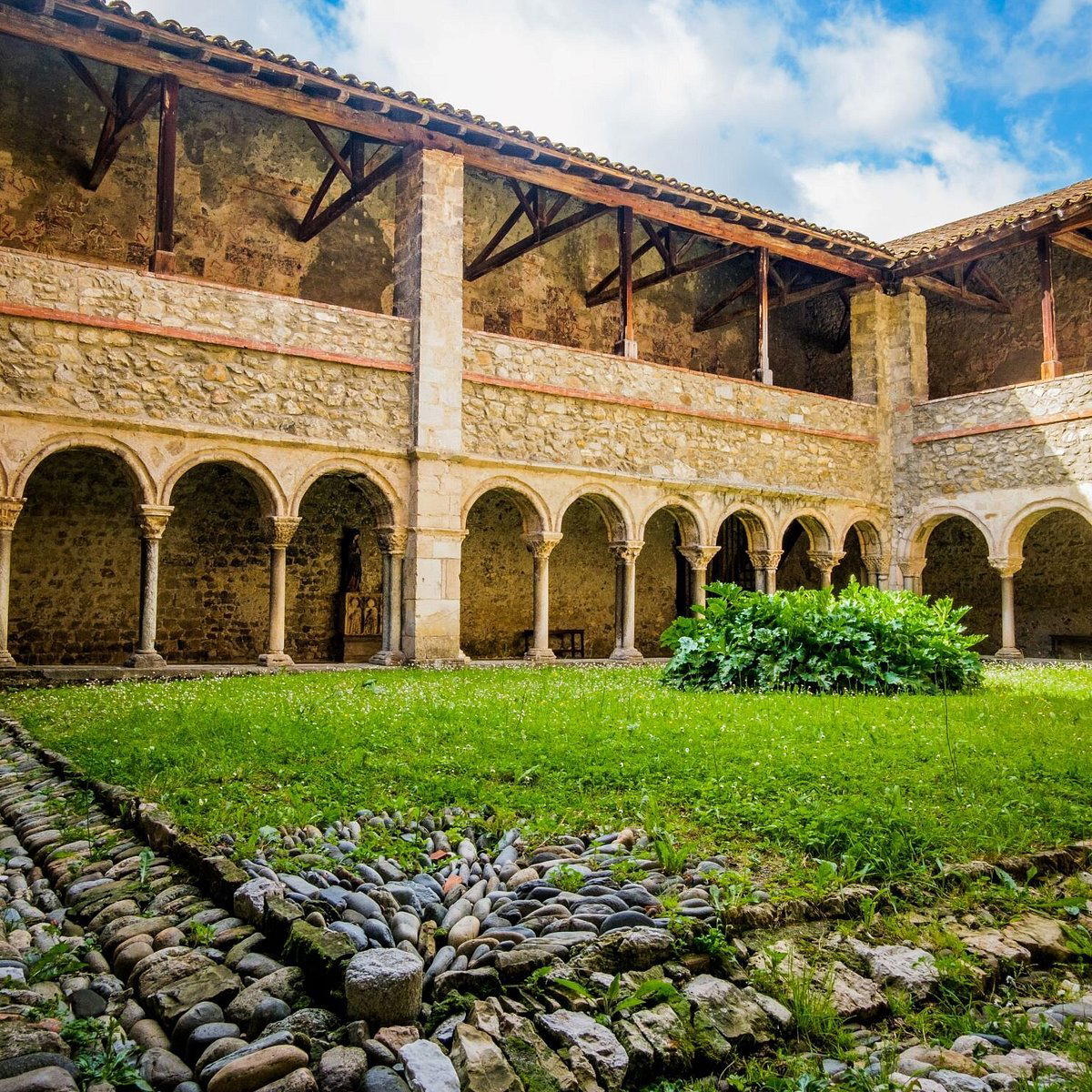
A Bishop's Palace, a Valley View, and a Kitchen with Something to Say
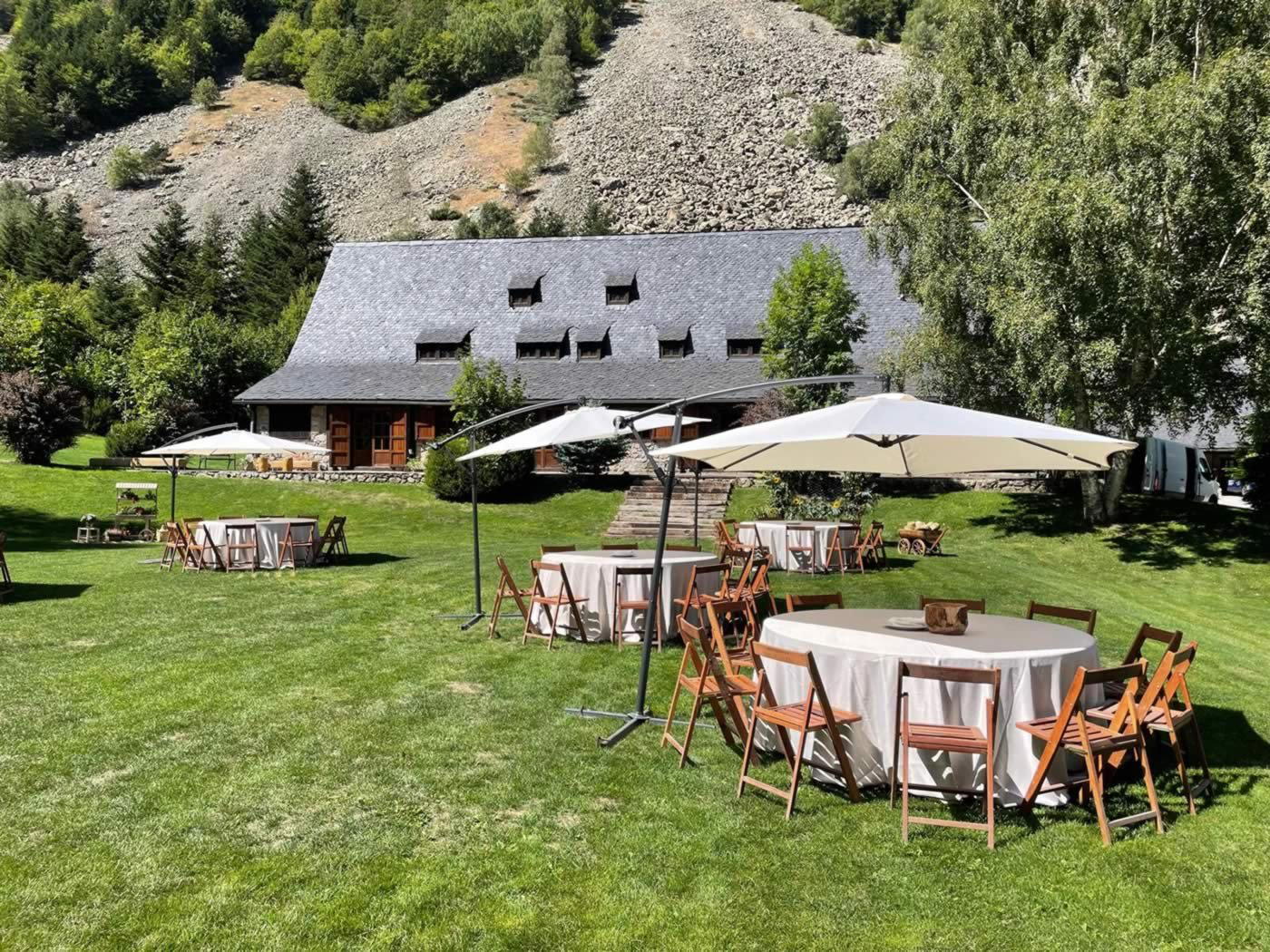
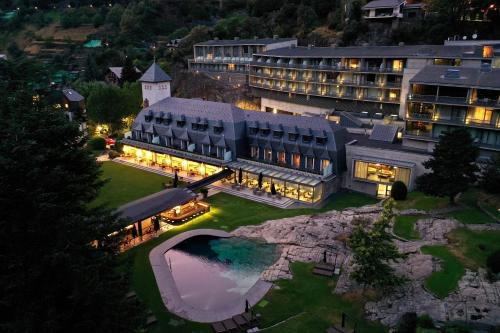
The Ariège département sits at the foot of the Pyrenees, folded between Toulouse to the north and the Andorran border to the south, and it receives a fraction of the gastronomic attention directed at the Basque Country or the Dordogne. Saint-Lizier itself is a medieval episcopal town of fewer than two thousand inhabitants, its skyline defined by a Romanesque cathedral and the stone towers of the Palais des Évêques. It is inside that former bishop's palace that Le Carré de l'Ange operates, and the physical setting matters: the terrace, overlooking a wide green valley, calibrates your expectations before the first dish arrives. You are not in Paris. You are not at Alléno Paris au Pavillon Ledoyen. The cooking here belongs to a different, arguably more demanding tradition: making something genuinely good with local ingredients in a place where no one is obliged to go.
Where This Kitchen Sits in the French Regional Picture
France's most discussed fine-dining rooms cluster predictably: Paris, Lyon, the Côte d'Azur, Alsace. The restaurants earning headlines at the multi-starred level include names like Mirazur in Menton, Flocons de Sel in Megève, and Bras in Laguiole. The Occitanie hinterland, and specifically the Ariège, rarely enters that conversation. What it offers instead is a tier of cooking recognised by the Michelin Bib Gourmand, the guide's designation for places delivering notably good food at moderate prices. That distinction, awarded to Le Carré de l'Ange in 2025, is a different credential from a star but not a lesser one. It signals a kitchen where value and culinary seriousness are treated as compatible goals rather than opposing pressures, which is a harder balance to maintain than it sounds. Compare the price positioning here at €€ against the €€€€ tariffs at Paul Bocuse - L'Auberge du Pont de Collonges or Assiette Champenoise in Reims, and the structural difference becomes clear: Le Carré de l'Ange operates in a tier where the kitchen's ambition has to be expressed through restraint and ingredient selection rather than ceremony and staffing ratios.
The Chef and the Culinary Logic Behind the Menu
Paul Fontvieille is the figure around whom this kitchen's identity has formed, though the more useful lens is the culinary argument his menu makes rather than the biography behind it. The Bib Gourmand citation describes a chef composing dishes that move between creative and traditional registers, and the specific examples in the Michelin record are precise enough to be instructive. Artisanal soba noodles made with buckwheat grown in Ariège represent one pole: a technique (soba-making) usually associated with Japanese culinary tradition, rerouted through a hyper-local Pyrenean ingredient and served in a fresh herb broth. Veal axoa represents the other pole: a Basque preparation of veal or piperade that sits firmly within the regional cooking of the Pyrenean southwest, comforting in exactly the way that word implies. The span between those two dishes is the kitchen's signature move. It is not fusion in the gratuitous sense; it is a chef demonstrating literacy across culinary traditions while remaining anchored to what the Ariège actually produces. This approach connects to a broader pattern visible at ambitious regional kitchens elsewhere in France. Auberge du Vieux Puits in Fontjoncouse built its reputation on similar principles: a remote location, deep regional sourcing, and cooking that earns recognition precisely because it is not trying to replicate what Paris or Lyon already do. The Michelin record also describes a kitchen operating with consistent energy and warmth, qualities that matter in a dining room of this scale and informality. These are not footnotes to the food; they shape the experience of eating it.
Reading the Ariège Through What Ends Up on the Plate
The buckwheat detail in the Bib Gourmand citation is worth pausing on. Ariège has a history of buckwheat cultivation that predates modern agriculture's consolidation around commodity crops, and its reappearance on a contemporary menu as an artisanal product signals a broader regional food movement with genuine momentum. Chefs along the Pyrenean corridor, from the Basque Country through Ariège into Roussillon, have been turning to small producers and near-extinct local varieties at an accelerating rate over the past decade. This is the same impulse visible at AM par Alexandre Mazzia in Marseille and at certain kitchens further afield, such as Frantzén in Stockholm and FZN by Björn Frantzén in Dubai, where the provenance chain is treated as part of the dish's argument. At Le Carré de l'Ange, it functions at a less theatrical scale: the noodle is on the plate because the buckwheat is grown nearby, and the dish justifies itself on those terms alone.
Planning a Visit: Practical Notes
Saint-Lizier is approximately six kilometres from Saint-Girons, the nearest town with a rail connection, itself reached from Toulouse by regional train in around two hours. Driving from Toulouse takes under ninety minutes via the A64. Given the town's scale, arriving by car is the practical default for most visitors. The restaurant's €€ price positioning makes it an accessible anchor for a day trip rather than the kind of destination requiring overnight arrangements, though the broader region warrants a longer stay. For accommodation, a wider base in the Ariège foothills is sensible; see our full Saint-Lizier hotels guide for options. The Bib Gourmand designation reliably draws bookings from visitors aware of the guide's regional coverage, so reservations ahead of high summer are advisable.
For those building a longer Ariège itinerary, the town's bar and wine scene is covered in our Saint-Lizier bars guide and our Saint-Lizier wineries guide, while the full dining picture is mapped in our Saint-Lizier restaurants guide. Cultural programming and visits to the Palais des Évêques itself are listed in our Saint-Lizier experiences guide.
Frequently asked questions
What's the price range at Le Carré de l'Ange?
Pricing at Le Carré de l'Ange is listed as €€.
Where is Le Carré de l'Ange located?
Le Carré de l'Ange is located at Palais des Evêques, Rte de Montjoie, 09190 Saint-Lizier, France, Saint-Lizier.
Comparable Spots, Quickly
| Venue | Cuisine | Price | Awards |
|---|---|---|---|
| Le Carré de l'AngeThis venue — the venue you are viewing | Modern French Pyrenean Fine Dining | $50–100 | Michelin Bib Gourmand |
| Alléno Paris au Pavillon Ledoyen | Creative | Not listed | Michelin 3 Star |
| Kei | Contemporary French, Modern Cuisine | Not listed | Michelin 3 Star |
| L'Ambroisie | French, Classic Cuisine | Not listed | Michelin 3 Star |
| Le Cinq - Four Seasons Hôtel George V | French, Modern Cuisine | Not listed | Michelin 3 Star |
| Plénitude | Contemporary French | Not listed | Michelin 3 Star |
Recognition history
Dated appearances from independent guides and award organizations, with the underlying list record or original source where available.
Michelin Bib Gourmand
Michelin
Full recognition history (3 entries)
Michelin Bib Gourmand
Michelin
Michelin Bib Gourmand
Michelin
Continue exploring
More in Saint-Lizier
Restaurants in Saint-Lizier
Browse all →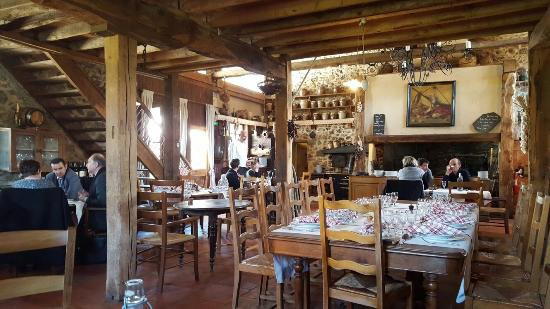
Details
- Romantic
- Elegant
- Cozy
- Sophisticated
- Historic
- Date Night
- Special Occasion
- Terrace
- Historic Building
- Panoramic View
- Extensive Wine List
- Local Sourcing
- Mountain
- Prix Fixe
- Vegetarian Friendly
Current opening hours
- Monday
- 12–1:30 PM, 7:30–9 PM
- Tuesday
- 12–1:30 PM
- Wednesday
- 12–1 PM
- Thursday
- 12–1:30 PM, 7:30–10 PM
- Friday
- 12–1:30 PM, 7:30–9 PM
- Saturday
- 7:30–9 PM
- Sunday
- 12–1:30 PM, 7:30–9 PM
Hours can change for holidays and private events. Last verified .
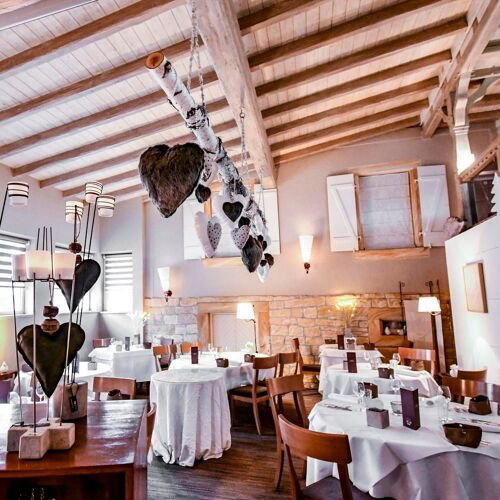
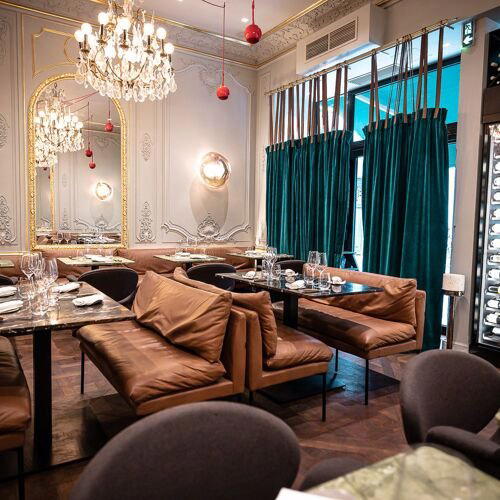
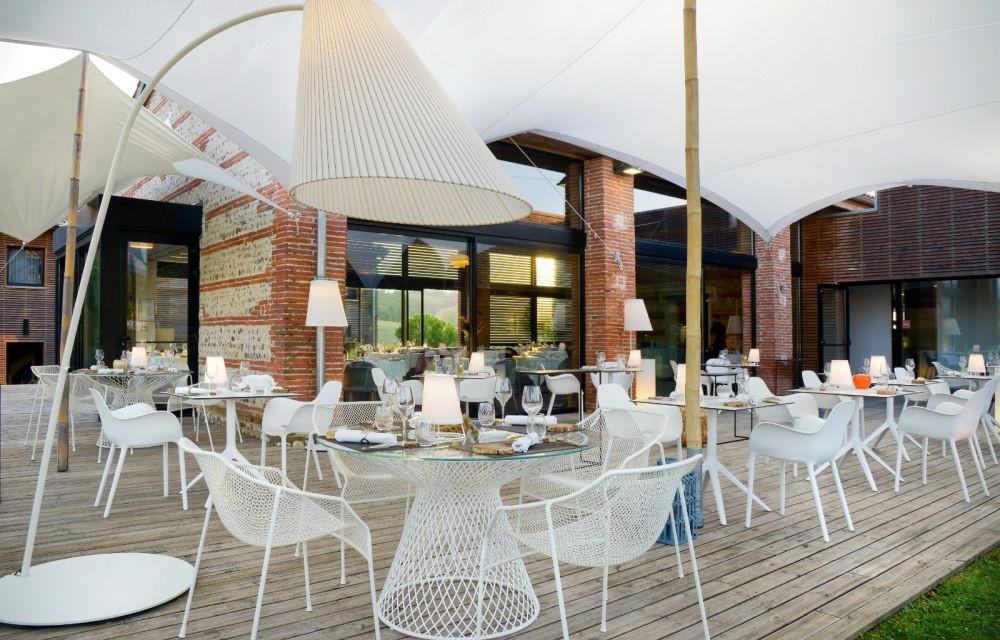
Warm and elegant terrace lit by low lamps with valley views; whitewashed vaulted interior feels slightly echoey but cozy.