Our verdict
Le Tadorne occupies a spot on the central square of Piney, a quiet Aube village in the heart of the Champagne region. The restaurant draws on the agricultural richness of its immediate surroundings, placing it in a tradition of French provincial cooking where geography and sourcing do most of the editorial work. For visitors already travelling through the Aube to explore its vineyards and forests, it offers a grounded alternative to the grand-table circuit.

Pearl is the En Primeur Club membership app, where members save venues, book tables and use the concierge.
The menu
What to order
- Foie gras mi-cuit de canard
- Troyes andouillette
- Filet of beef with chaource coulant
A Village Square in Champagne Country
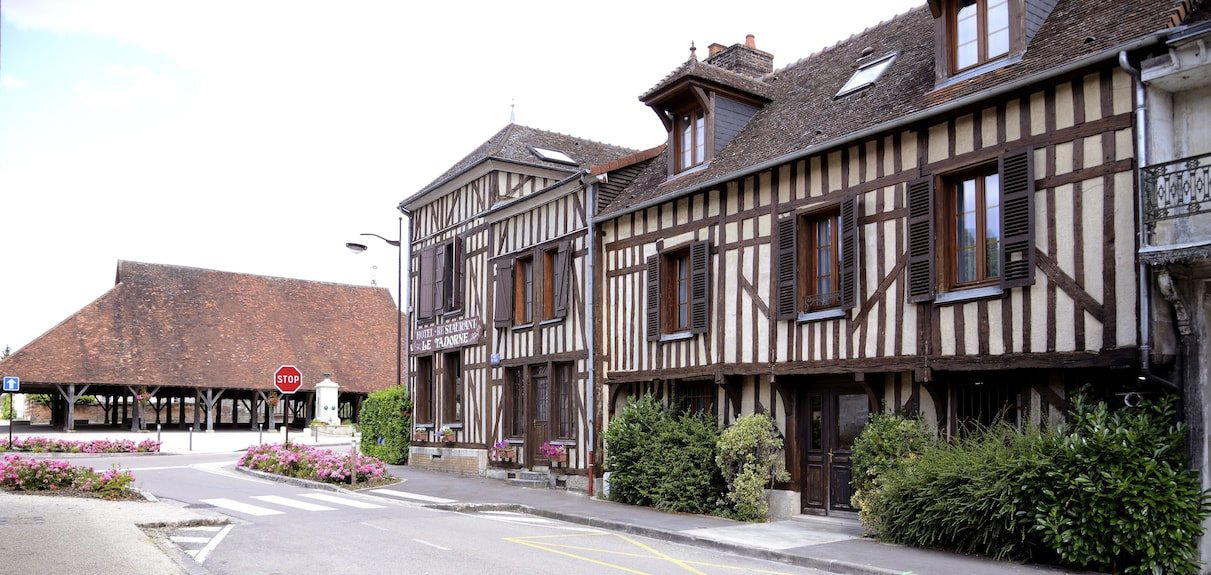
The Aube department sits at the southern end of Champagne, where the region's limestone plains give way to the oak forests of the Forêt d'Orient and the wetlands around Lac du Der. Piney is a small market town at the centre of this geography, and its central square, the Place de la Halle, retains the structure of a working agricultural community: covered market hall, low stone buildings, a scale that the twentieth century largely left alone. Le Tadorne is positioned on that square at 3 Place de la Halle, which means it occupies one of the more quietly atmospheric addresses a provincial French restaurant can have. Arriving on foot from the car park, you pass under timber-framed arcades before reaching a dining room that, by address alone, signals its relationship with the local market economy rather than the tourist circuit.
This is a corner of France that most travellers pass through rather than stop in. The Aube's vineyards, particularly around Bar-sur-Aube and the Côte des Bar, have attracted increasing attention from Champagne buyers who follow grower-producers rather than grand marques, but Piney itself remains off the standard itinerary. That obscurity is, in a culinary sense, often a structural advantage. Restaurants in small market towns either chase passing trade with undistinguished menus or develop a local clientele that demands honest, ingredient-led cooking. Le Tadorne's address on the market square points toward the second model.
Sourcing and the Aube's Agricultural Geography
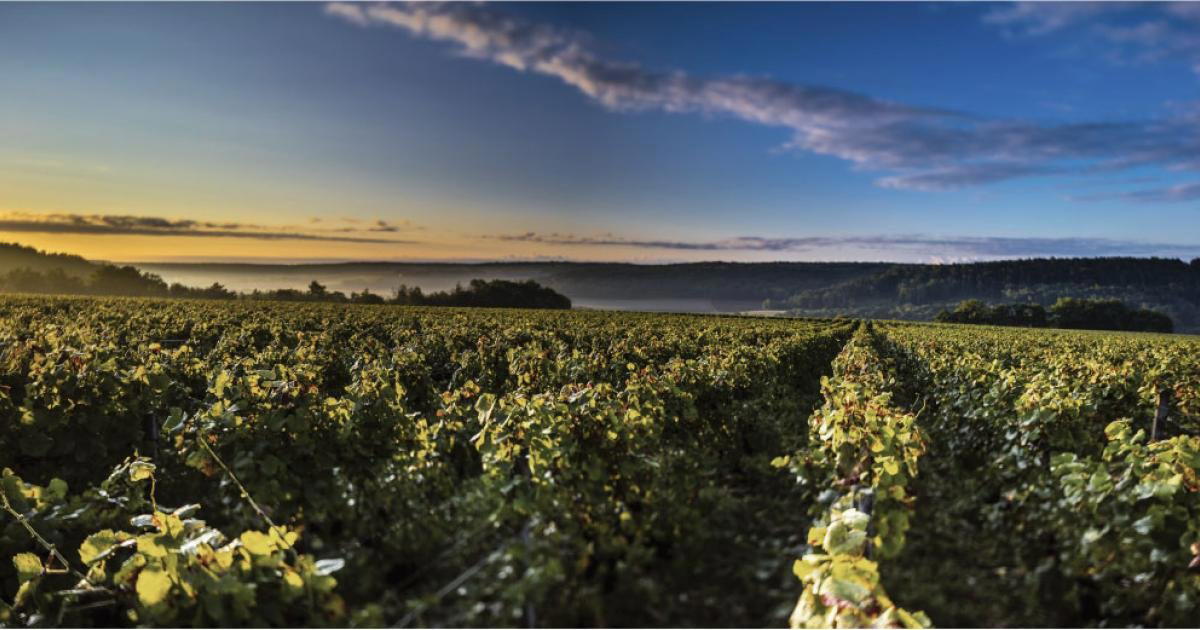
The Champagne region is routinely discussed through its wine, but the Aube's agricultural production extends well beyond viticulture. The forests of the Parc Naturel Régional de la Forêt d'Orient, immediately east of Piney, produce game, mushrooms, and foraged material across a long seasonal arc. The wetlands around the regional lakes support wildfowl. Arable farming across the plateau supplies grain, root vegetables, and legumes that underpin regional cooking from autumn through spring. A restaurant that takes its sourcing seriously in this geography has access to a genuine larder, one shaped by soil type, water table, and climate rather than by the logistics of a wholesale market.
French provincial cooking at its most coherent has always worked this way. The tradition running through Bras in Laguiole, where the Aubrac plateau dictates both the larder and the visual vocabulary of the plate, or through Auberge du Vieux Puits in Fontjoncouse, where a remote Corbières village grounds a three-Michelin-star kitchen, is one where geography is the argument. Closer to Piney, the Champagne region itself has produced destination-level kitchens that take this approach seriously: Assiette Champenoise in Reims operates at the grand-table level with a clear regional identity. Le Tadorne operates in a different register and at a different scale, but the logic of place-based sourcing is available to any kitchen willing to build relationships with the producers on its doorstep.
The broader French tradition of terrain-driven cooking extends across the country's most respected addresses. Mirazur in Menton works from kitchen gardens overlooking the Mediterranean. La Marine in Noirmoutier-en-l'île builds its identity around the Atlantic intertidal zone. Flocons de Sel in Megève filters Alpine sourcing through a precise technical lens. These are the anchoring examples of what French cooking can do when geography and kitchen discipline align. A village restaurant in Piney operates at a different level of ambition and recognition, but it sits within the same broader tradition when it chooses to.
The Champagne Region's Dining Context
Outside Reims and Épernay, Champagne's dining scene is largely built around auberges and small family restaurants that serve the agricultural and wine-tourism population. The grand-table circuit that defines Paris (addresses like Alléno Paris au Pavillon Ledoyen) or the Alsace corridor (where Auberge de l'Ill in Illhaeusern and Au Crocodile in Strasbourg hold their respective positions) does not extend into the Aube's village towns. What the Aube offers instead is the quieter category of French provincial dining: places where the cooking is shaped by what the local markets and farms can supply, and where the point of eating is the food rather than the occasion.
That category produces its own kind of value. Elsewhere in France, similarly-positioned village restaurants have built reputations that travel: Georges Blanc in Vonnas began as precisely that kind of local institution before accumulating national recognition. Paul Bocuse's Auberge du Pont de Collonges made a small riverside village near Lyon a destination address for decades. The mechanism is always the same: a kitchen that takes its immediate geography seriously, over time, builds a reputation that exceeds its postcode. Le Tadorne sits at the beginning of that potential arc, in a town and a region that supply the raw material for it.
For context on what French cooking looks like when it operates at international scale with a similar commitment to sourcing and terroir, the comparison with Christopher Coutanceau in La Rochelle or L'Oustau de Baumanière in Les Baux is instructive. Both operate at the level of sustained Michelin recognition. Both are rooted in a specific regional geography. The gap between those addresses and a village square restaurant in Piney is real, but the underlying editorial argument, that place should determine what ends up on the plate, is shared.
Planning a Visit
Piney is accessible by car from Troyes in approximately 25 minutes, making it a practical lunch stop for visitors already spending time in the Aube. The town is positioned between the Forêt d'Orient and the Champagne wine villages of the Côte des Bar, which means a day that combines a Troyes market visit, lunch at Le Tadorne, and an afternoon in the vineyards is logistically coherent. Visitors travelling from further afield for our full Piney restaurants guide will find that the Aube rewards a two-night stay over a single-night detour.
The Place de la Halle setting means that the restaurant is, in practical terms, at the geographic and social centre of the town. Market days bring additional foot traffic and, for sourcing-led kitchens, often determine what goes on the menu that week. Timing a visit to coincide with market activity is a reasonable strategy for anyone interested in the ingredient-supply side of provincial French cooking. For international context on what a considered wine list might look like alongside food at this price point, the programming at AM par Alexandre Mazzia in Marseille or the Champagne-region pairings at Troisgros - Le Bois sans Feuilles in Ouches give a benchmark for what thoughtful regional pairing can look like at the upper end of the French provincial spectrum.
Frequently asked questions
Is Le Tadorne child-friendly?
Village restaurants on Piney's Place de la Halle tend to serve a broad local clientele, and Le Tadorne's position as a neighbourhood fixture in a small Aube commune suggests a relaxed, inclusive atmosphere rather than a formal one. That said, specific facilities for children are not documented. Calling ahead before a family visit is advisable.
What's the overall feel of Le Tadorne?
Le Tadorne occupies a square-facing address at 3 Place de la Halle in Piney, which puts it at the social centre of a quiet Aube village. The format is consistent with the auberge and small family-restaurant tradition that defines dining outside Reims and Épernay in this part of Champagne. Expect a grounded, unpretentious room rather than a destination-restaurant production.
Is Le Tadorne a good lunch stop when visiting Troyes and the Aube?
Piney sits roughly 25 minutes by car from Troyes, making Le Tadorne a practical midday stop for anyone exploring the Aube's Forêt d'Orient or the southern Champagne wine villages. The Place de la Halle address puts it at the heart of Piney rather than on a through road, so it draws a genuinely local crowd rather than passing motorway trade. No advance pricing or hours are publicly documented, so confirming opening times before making the detour is sensible.
What should I eat at Le Tadorne?
Confirming seasonal dishes directly with the restaurant before your visit will give the clearest picture.
What's Le Tadorne's location?
Le Tadorne is located at 3 Pl. de la Halle, 10220 Piney, France, Piney.
Do they take walk-ins at Le Tadorne?
For a village restaurant in Piney serving a local and passing trade, particularly visitors driving through the Aube from Troyes, walk-in availability may exist, but arriving without a reservation on weekends or market days carries risk.
Side-by-Side Snapshot
| Venue | Cuisine | Price | Awards | Notes |
|---|---|---|---|---|
| Le TadorneThis venue (the venue you are viewing) | Traditional French Bistro | Not listed | Not listed | Not listed |
| Alléno Paris au Pavillon Ledoyen | Modern French Fine Dining | $150–200 | 3 Michelin Stars · World's 50 Best #79 | Creative |
| Kei | Modern French with Japanese Influences | $300–500 | 3 Michelin Stars · World's 50 Best #93 | Contemporary French, Modern Cuisine |
| L'Ambroisie | Classic French Haute Cuisine | $300–500 | 2 Michelin Stars · World's 50 Best #23 | French, Classic Cuisine |
| Le Cinq - Four Seasons Hôtel George V | Modern French Fine Dining | $300–500 | 3 Michelin Stars · World's 50 Best #24 | French, Modern Cuisine |
| Mirazur | Modern French Fine Dining | $300–500 | 3 Michelin Stars · World's 50 Best #1 | Modern French, Creative |
Continue exploring
More in Piney
Restaurants in Piney
All restaurants in Piney →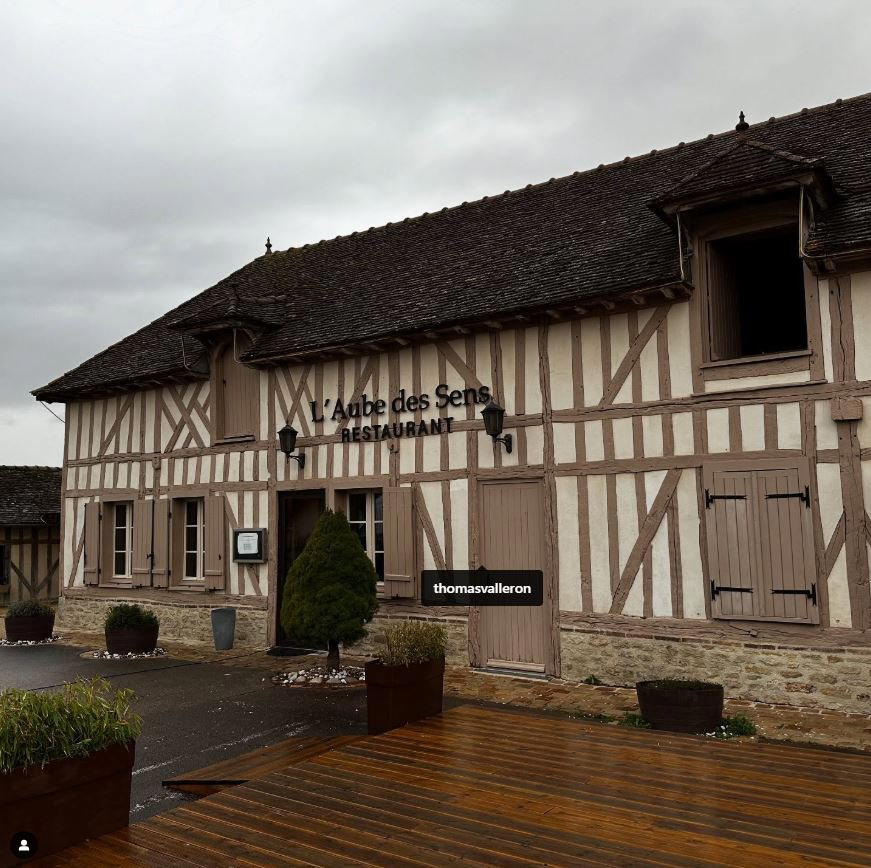
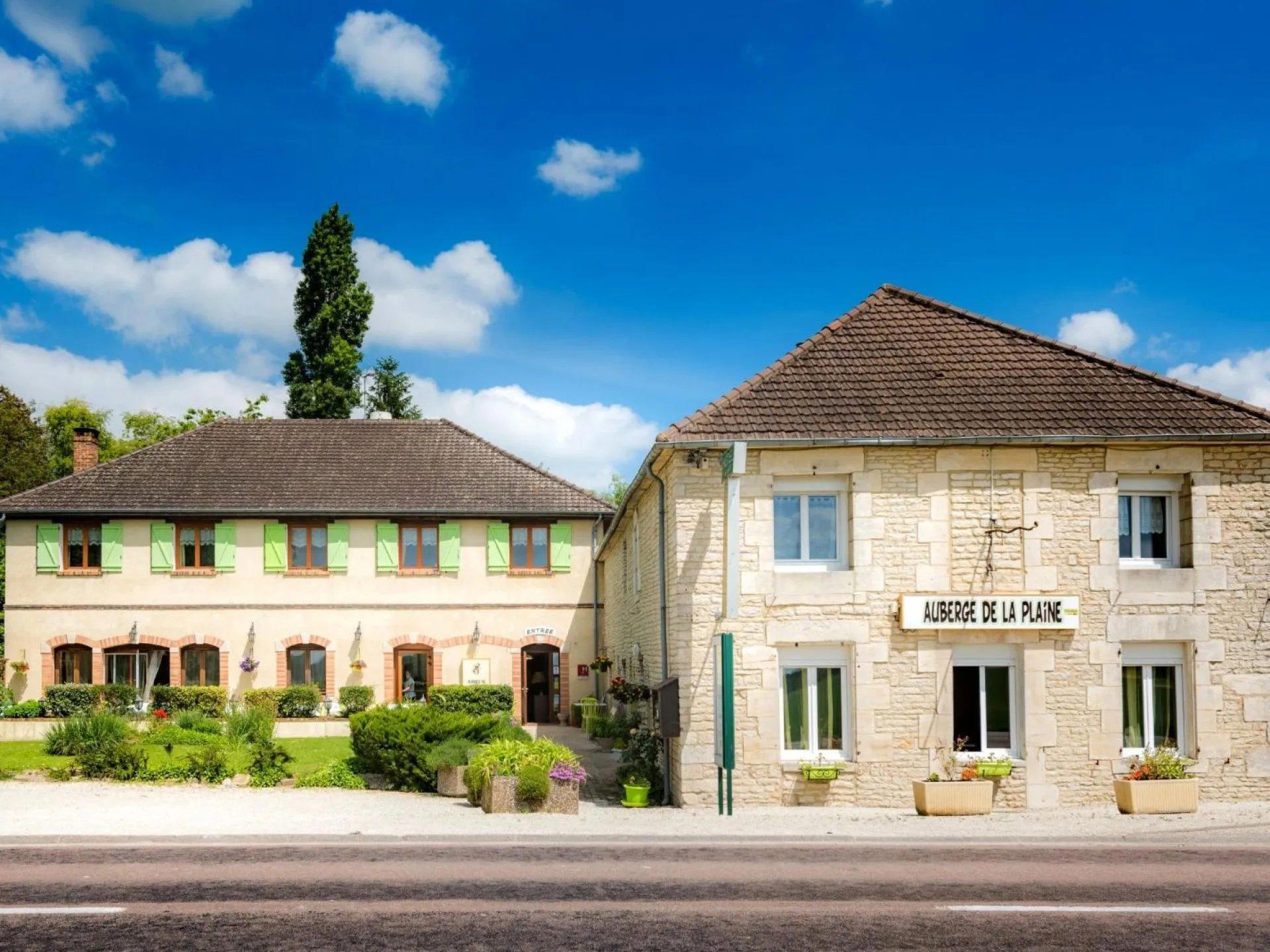
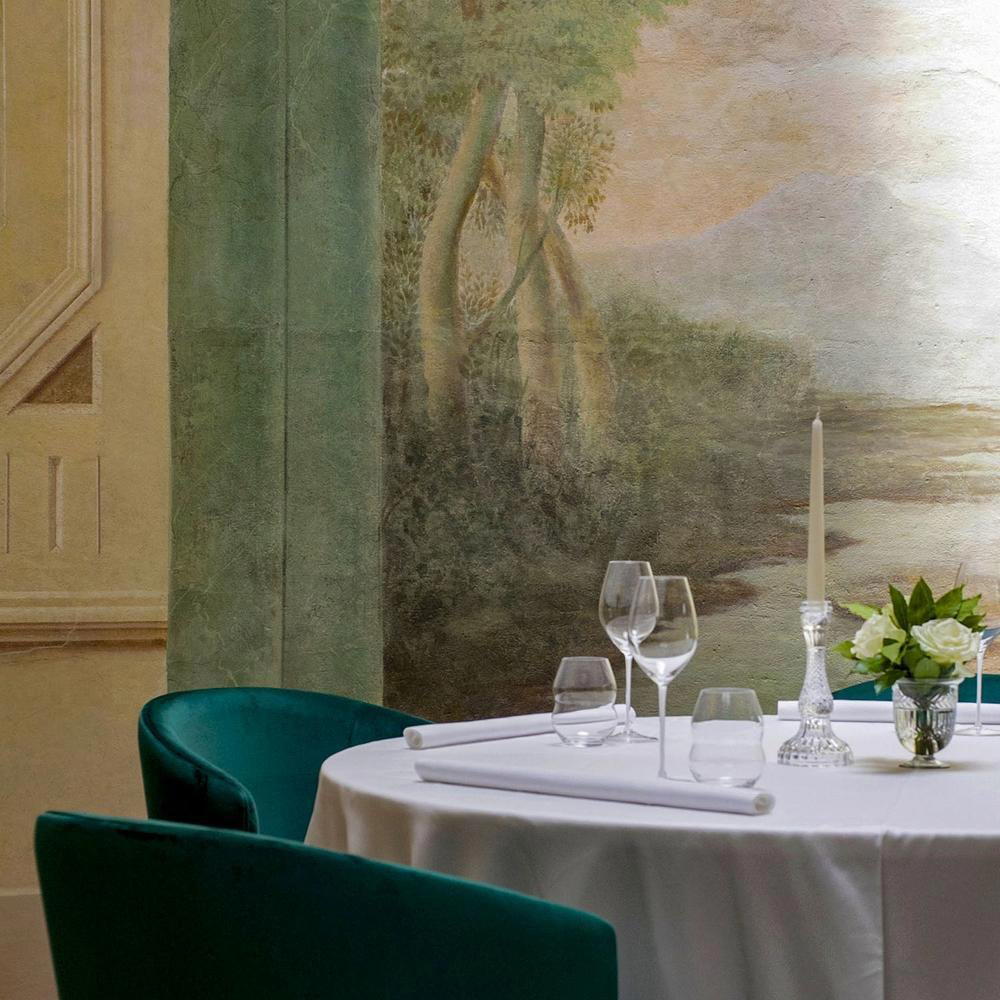
Hotels in Piney
Browse all →

Details
- Cozy
- Rustic
- Classic
- Family
- Casual Hangout
- Terrace
- Historic Building
- Hotel Restaurant
- Local Sourcing
- Street Scene
- A La Carte
- Gluten Free Options
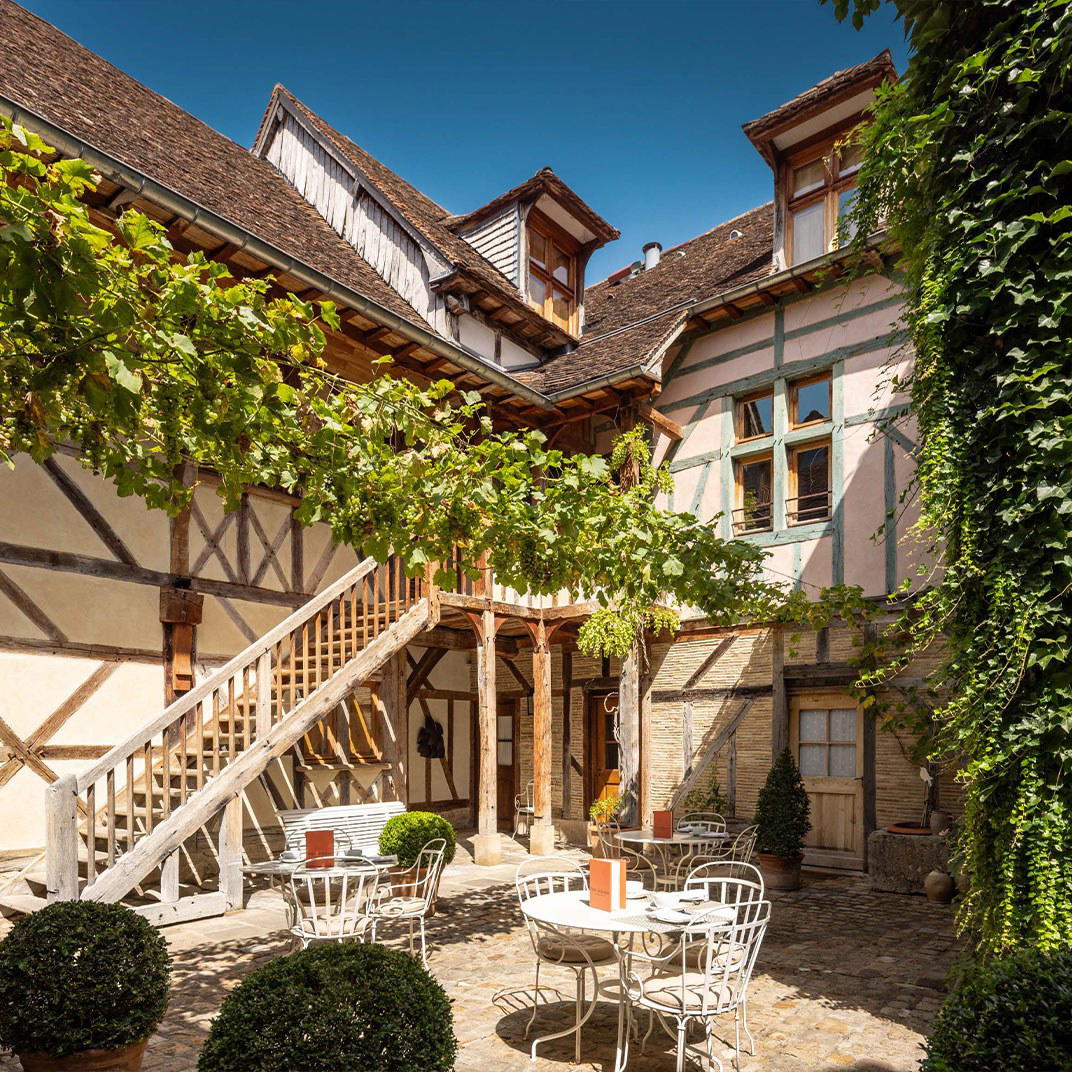
Warm and friendly with huge picture windows, half-timbered structure, and a huge open fire in winter creating a bright, modern yet traditional atmosphere.