L'Aube des Sens

Michelin Plate
Our verdict
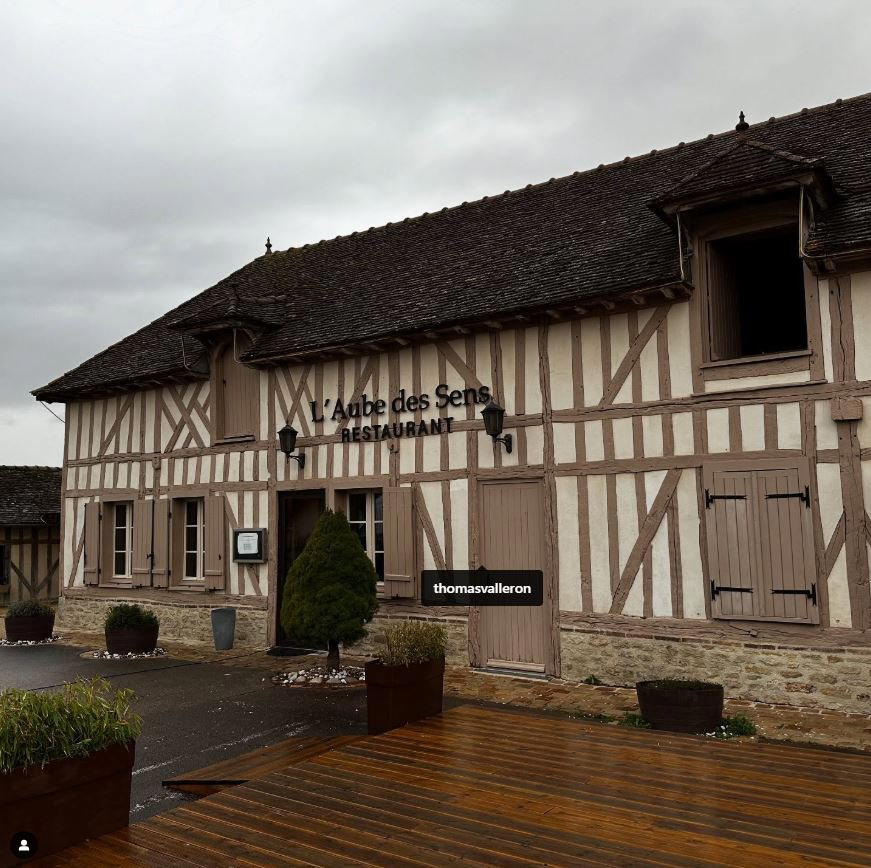
In a half-timbered house on the village square of Creney-près-Troyes, L'Aube des Sens brings regional produce into a refined but unfussy cooking register. Chef Thomas Valleron, formerly sous-chef at Hostellerie La Montagne in Colombey-les-Deux-Églises, runs differentiated lunch and evening menus that shift in ambition after dark. For the Aube department, it represents a serious address for seasonal French cooking.

Pearl is the En Primeur Club membership app, where members save venues, book tables and use the concierge.
The menu
What to order
- Gazpacho with burrata ice cream
- Skate wing with creamy sauce and keta salmon roe
- Egg with mushrooms
A Village Setting That Sets the Terms
The Aube department rarely features in conversations about destination dining in France. That conversation is dominated by addresses like Mirazur in Menton, Alléno Paris au Pavillon Ledoyen, and Flocons de Sel in Megève, restaurants that draw visitors across the country. L'Aube des Sens operates at a different scale and with a different logic: it is a neighbourhood restaurant in the deepest sense, one whose physical setting shapes what it asks of its food. Creney-près-Troyes is a small commune outside Troyes, and the restaurant occupies a half-timbered house on the village square, a building type that is almost a marker of regional identity in this part of north-central France. The exposed timber frames, the pitched roof, the stone base: this architecture tells you something about the region's materials and its pace before you have looked at a menu.
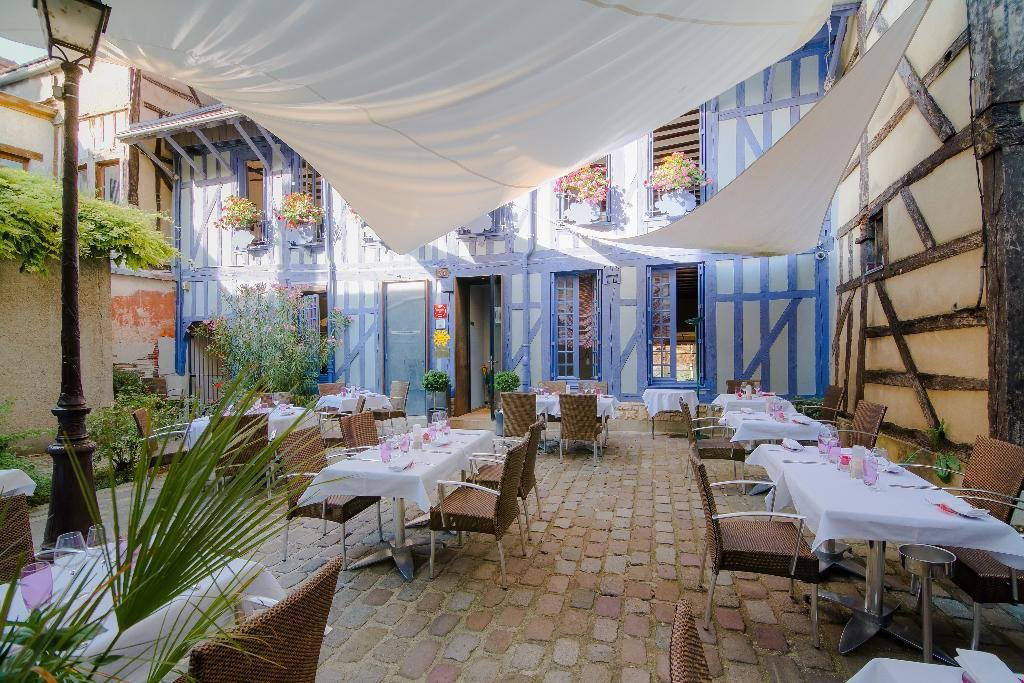
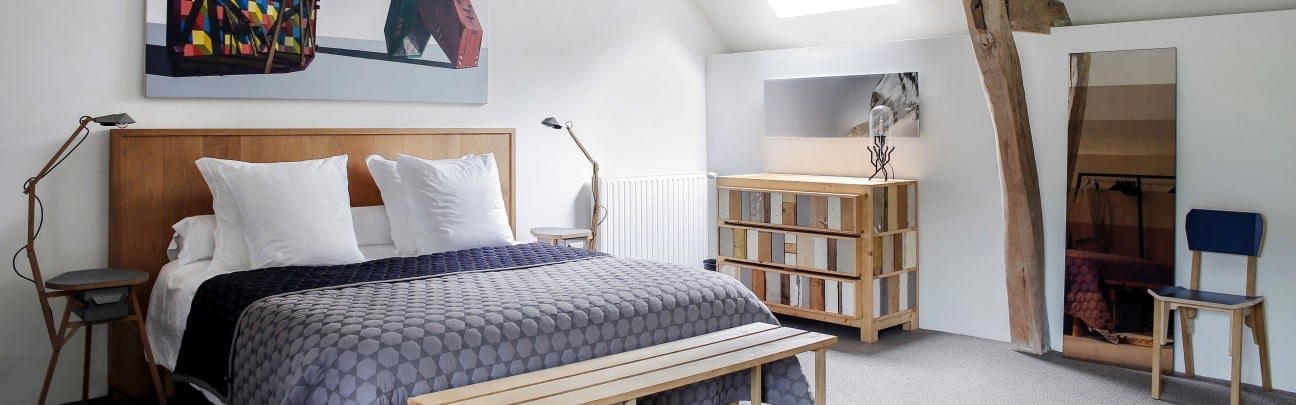
Inside, exposed beams sit alongside modern furnishings, a combination that describes the kitchen's ambitions as well as any single dish could. There is no attempt to stage a period experience or to flatten the building's age into something neutral. When conditions allow, the terrace draws diners out onto the square itself, turning a meal into something that belongs to the wider life of the village. It is the kind of setting that larger, more formally staged restaurants spend considerable effort trying to approximate.
Where the Ingredients Come From and Why That Shapes the Plate
The cooking at L'Aube des Sens sits inside a particular French tradition: the chef who returns to his home region, draws on what grows and is raised there, and makes that specificity the organising principle of the menu. Chef Thomas Valleron is from the region, and his training under a demanding kitchen at Hostellerie La Montagne in Colombey-les-Deux-Églises gave him technical grounding before he moved into his own space. That lineage matters less as biography and more as credential: it tells you the kitchen has been formed somewhere that takes produce and execution seriously.
The Aube sits at the western edge of what becomes Champagne country to the north and east. The surrounding agricultural land produces vegetables and freshwater fish, and seasonal availability shapes the menu more than any fixed repertoire does. The recorded dishes from a recent lunch service illustrate how ingredient logic drives composition: a gazpacho with burrata ice cream, crunchy vegetables, and pine nuts is not a dish built around technique for its own sake but around the seasonal availability of the vegetables involved and the temperature contrast that makes them most readable on a warm afternoon. A skate wing in a creamy sauce with keta salmon roe does similar work, combining a freshwater-adjacent protein with a textural and salinity accent from the roe. Neither dish reaches for imported luxury ingredients. Both work through the precise handling of what is available and appropriate to the season.
This approach places L'Aube des Sens in a different competitive set from the grand provincial houses like Auberge de l'Ill in Illhaeusern or Troisgros in Ouches, restaurants that have built multi-generational reputations around a specific culinary identity. Valleron's project is newer and more local in its ambitions, closer in register to what younger chefs across provincial France have been doing for the past decade: returning to regions historically overlooked by the gastronomic press and working with the ingredients that define those regions rather than importing a metropolitan style.
Lunch, Evening, and the Logic of Two Registers
The menu format signals something important about how the kitchen thinks about its audience. The lunch service offers set menus at accessible price points, allowing the cooking to reach a broader cross-section of the local population and visitors passing through the area. The evening menu operates at a higher level of elaboration, giving the kitchen space to work with more complex compositions and extended courses. This two-register structure is common among serious provincial restaurants across France: it reflects a practical understanding that lunch and dinner draw different intentions from diners and that the kitchen's ambitions need not be uniform across both services.
For the traveller arriving in the Troyes area, the differentiation matters for planning. A lunch visit gives access to the cooking at a lower commitment in terms of time and cost; an evening visit places you inside the fuller expression of what the kitchen can do. Both services draw on the same seasonal ingredient base, but the framing and elaboration differ. Troyes itself, roughly ten kilometres west, is a significant medieval city with a well-preserved historic centre, and building a longer itinerary that combines a visit to the city with a meal at L'Aube des Sens is a natural combination for anyone based in the region. Those planning broader stays can consult our full Creney-près-Troyes restaurants guide, our hotels guide, and our bars guide for a fuller picture of what the area offers.
Where This Sits in the Wider French Provincial Scene
Provincial cooking in France covers an enormous range. At one end are multi-starred destinations like Bras in Laguiole or Auberge du Vieux Puits in Fontjoncouse, restaurants whose remoteness is itself part of the proposition, where the journey is as deliberate as the meal. At the other end are neighbourhood bistros with no particular identity beyond proximity and price. L'Aube des Sens occupies a distinct middle register: a chef-driven restaurant in a village setting, with clear technical ambition and a seasonal sourcing philosophy, but without the formal apparatus of a destination restaurant. It is not asking you to build a trip around it in the way that Paul Bocuse's Auberge du Pont de Collonges or Assiette Champenoise in Reims does. It is asking you to notice that good cooking exists in places the guidebooks have not yet fully mapped.
That positioning is increasingly where French restaurant culture finds some of its most interesting energy. The generation of chefs who trained in serious kitchens and then chose to work in secondary towns and rural communes rather than compete in Paris has produced a distributed network of addresses that reward the traveller willing to look beyond the canonical list. L'Aube des Sens, with its half-timbered setting and its kitchen shaped by regional produce, is part of that pattern. Those wanting to trace the wider range of French fine dining can also look at AM par Alexandre Mazzia in Marseille or Au Crocodile in Strasbourg for points of comparison across the country's regional cooking spectrum. Further afield, Le Bernardin in New York City and Emeril's in New Orleans show how French culinary training translates across different cultural contexts entirely.
The restaurant is located at 7 place de l'Église, Creney-près-Troyes. Those planning a visit would do well to check availability in advance, particularly for the evening service, and to use the terrace season (broadly spring through early autumn) as a factor in timing. For the area's wider offer, our Creney-près-Troyes wineries guide and experiences guide cover what else the region rewards.
Frequently asked questions
Is L'Aube des Sens a family-friendly restaurant?
The village-square setting at 7 place de l'Église and the accessible format of the lunch set menus make this a reasonable choice for families eating earlier in the day. The half-timbered interior and terrace give the space an informal enough character that it does not impose the rigid formality of a city fine-dining room. Evening service moves toward more elaborate cooking, which may suit adults better.
What should I expect atmosphere-wise at L'Aube des Sens?
The restaurant occupies a half-timbered house on the village square of Creney-près-Troyes, a building type characteristic of the Aube. Inside, exposed beams sit alongside modern furnishings rather than period reproduction décor. In fine weather, the terrace draws most tables; the square setting gives lunch in particular a relaxed, unhurried pace.
Does L'Aube des Sens have a Michelin star or similar recognition?
L'Aube des Sens has received recognition including: Chef Thomas Valleron, who hails from the region and was previously sous-chef at Hostellerie La Montagne in Colombey-les-Deux-Églises, has opened his own restaurant in a charming half-timbered house that is typical of the area. In fine weath….
What should I eat at L'Aube des Sens?
The menu follows seasonal and regional produce, so the composition changes through the year. Documented dishes from a recent service include a gazpacho with burrata ice cream, crunchy vegetables and pine nuts, and a skate wing in a creamy sauce finished with keta salmon roe. Chef Thomas Valleron, previously sous-chef at Hostellerie La Montagne in Colombey-les-Deux-Églises, applies the same refinement across both the lunch set menus and the more elaborate evening carte.
At-a-Glance Comparison
Comparable venues nearby, for context on price, style, and recognition.
| Venue | Cuisine | Price | Awards | Notes |
|---|---|---|---|---|
| L'Aube des SensThis venue (the venue you are viewing) | Modern French Fine Dining | $50–100 | Michelin Plate | Not listed |
| Le Noyo | Modern French Bistro | $30–50 | Michelin Plate | Around Town |
| Le Terroir | Traditional Burgundian Bistro | $50–100 | Michelin Plate | Santenay |
| Atelier de Candale | Seasonal French wine‑country restaurant in the vineyards | $50–100 | Not listed | Saint-Laurent-des-Combes / Saint-Émilion vineyards |
| Capitaine | Modern French Bistro | Not listed | Michelin Plate | Le Marais |
| Aux Armes de France | Modern French Bistro | $50–100 | Michelin Plate | Corbeil-Essonnes |
Recognition history
Dated appearances from independent guides and award organizations, with the underlying list record or original source where available.
Michelin Plate
Michelin
Continue exploring
More in Creney-près-Troyes
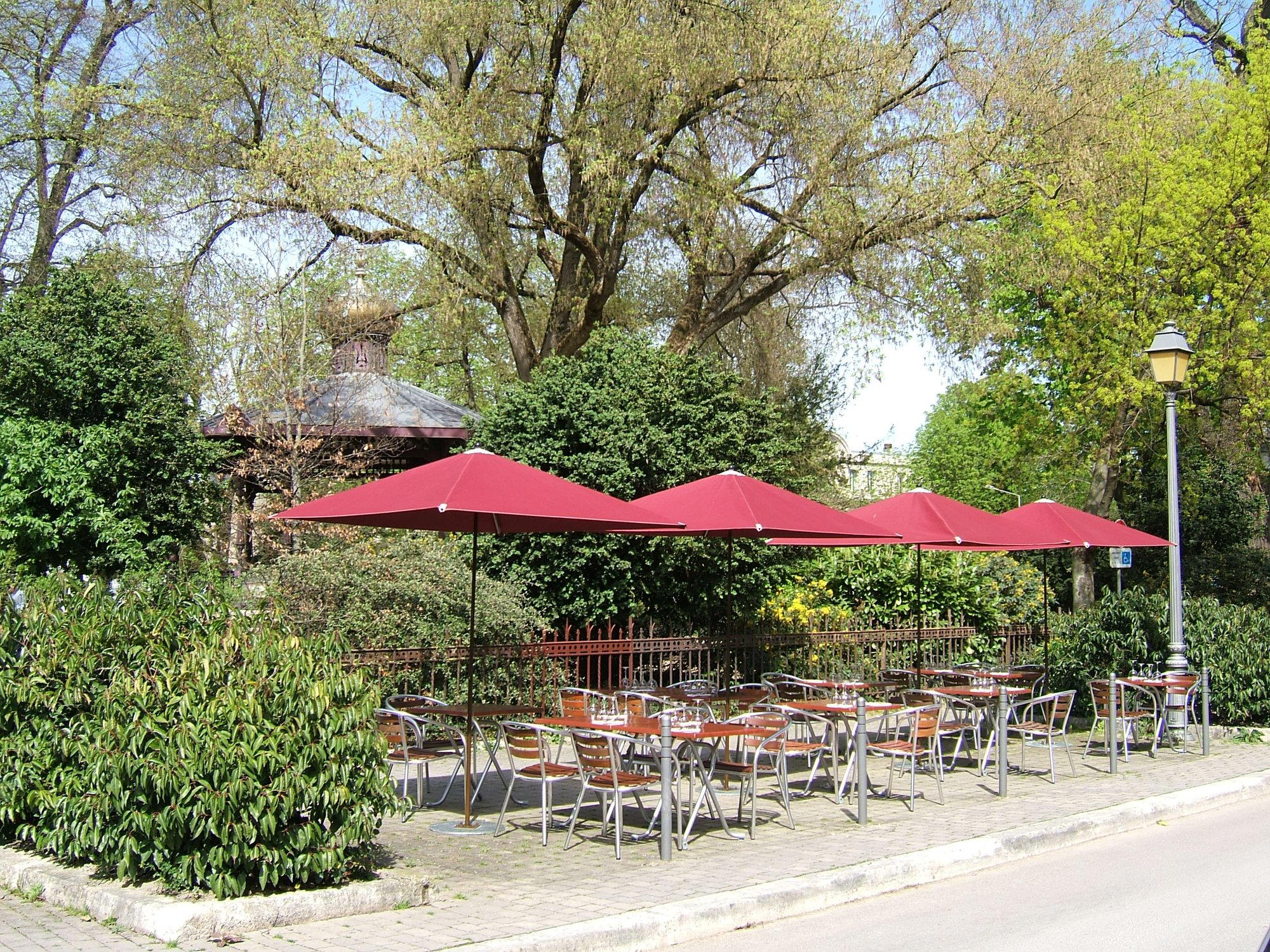
Restaurants in Creney-près-Troyes
All restaurants in Creney-près-Troyes →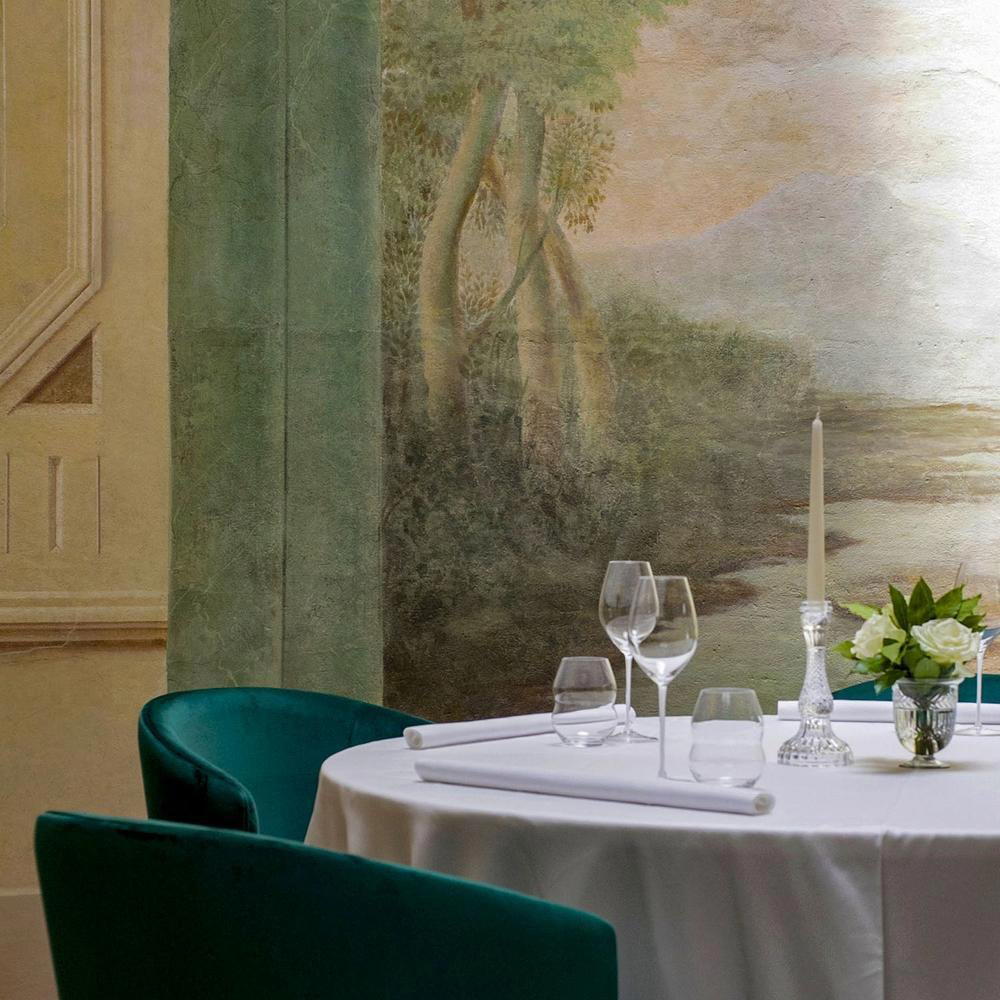
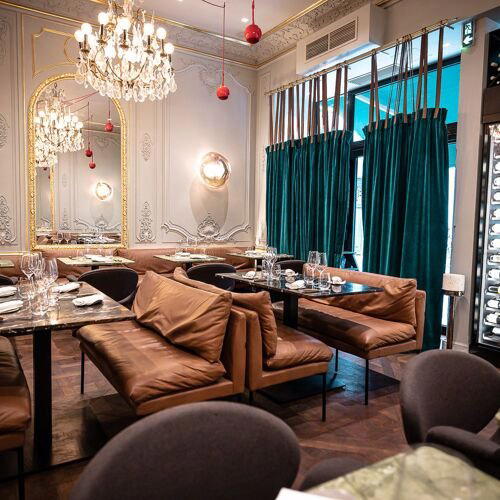
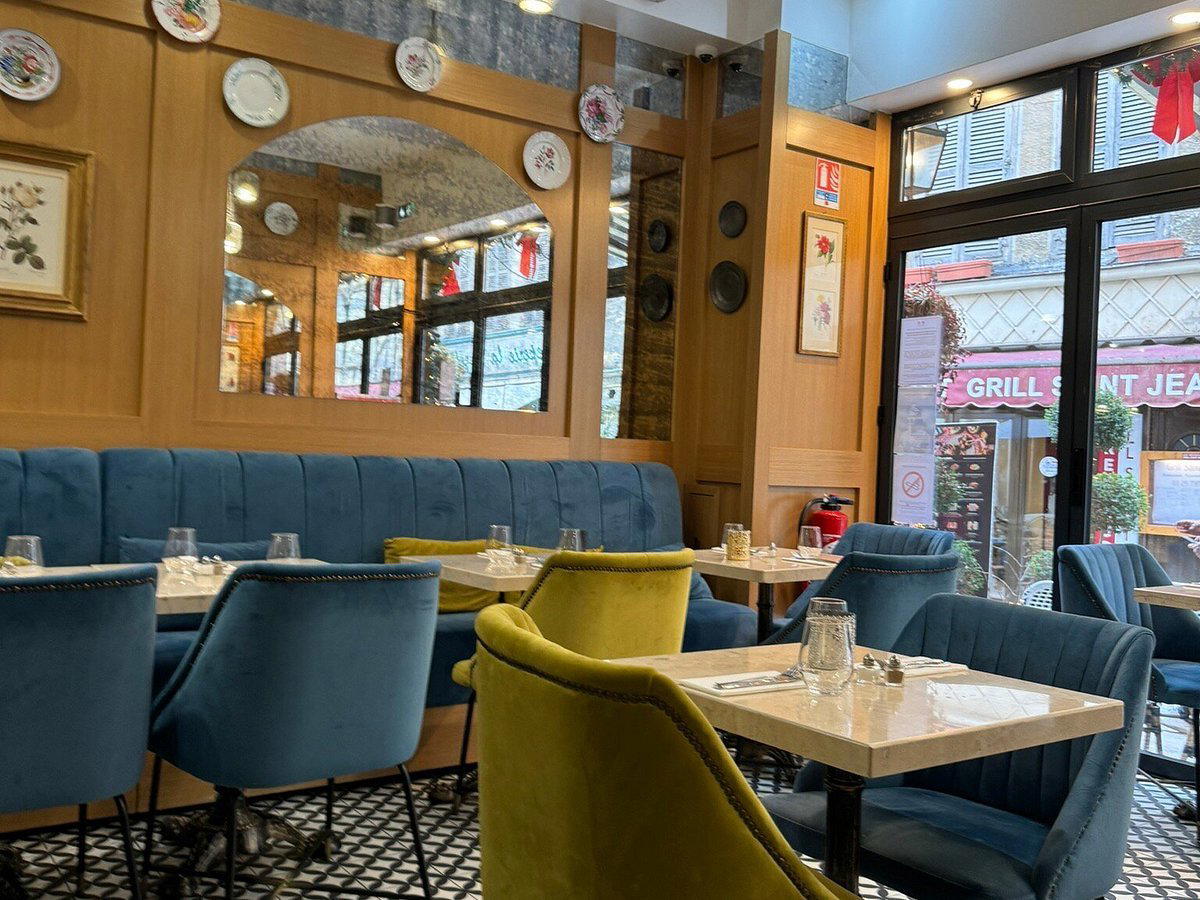
Hotels in Creney-près-Troyes
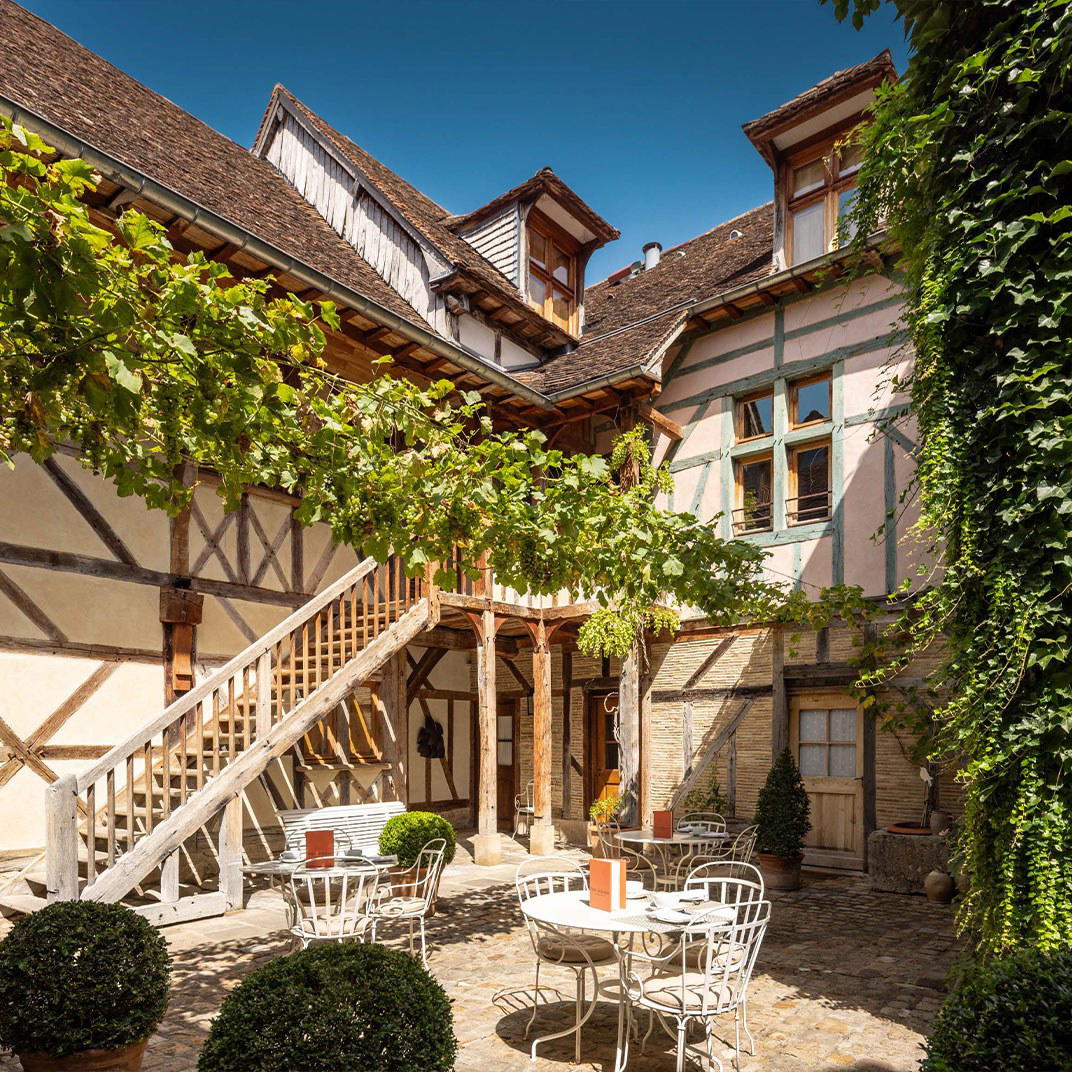
Browse all →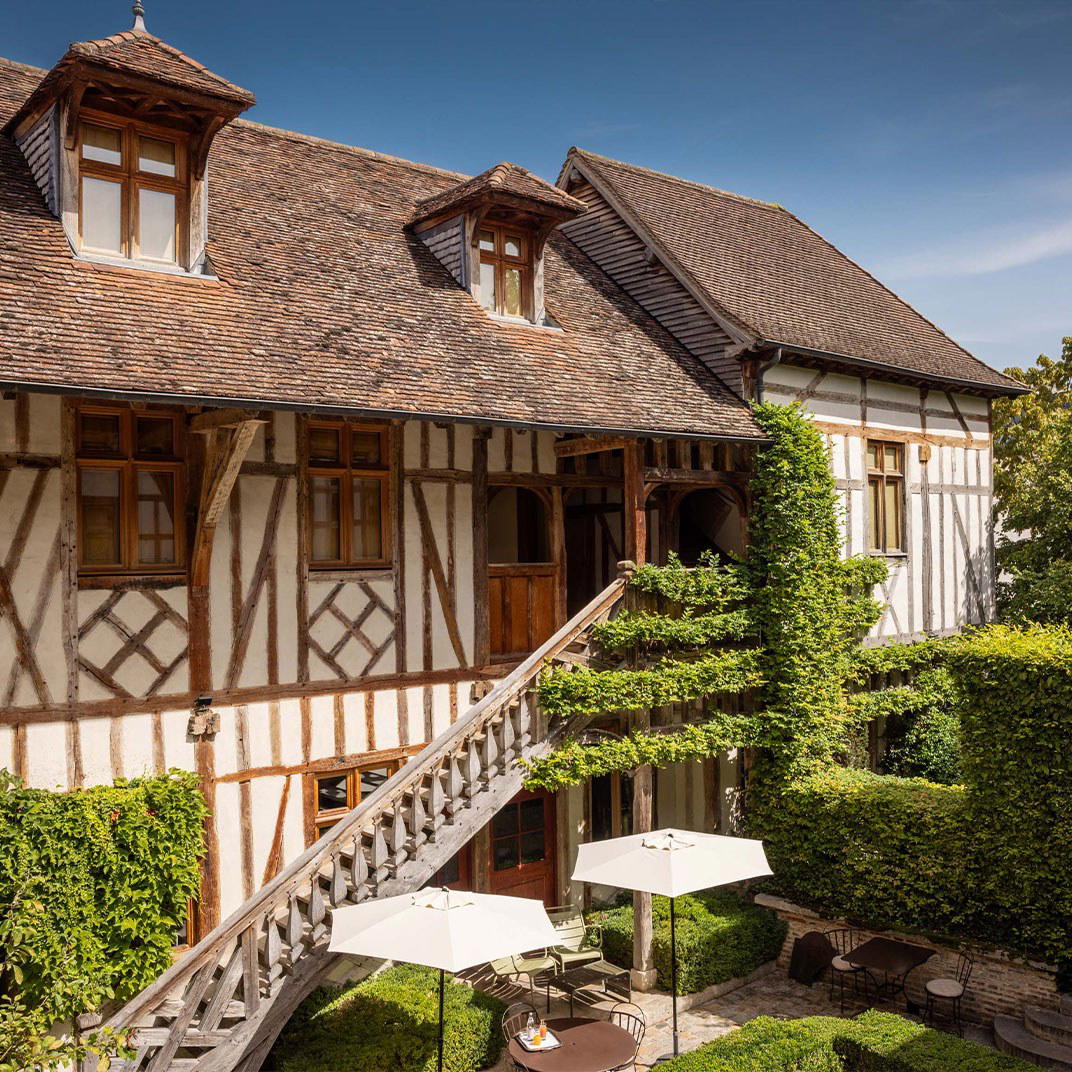

Details
- Elegant
- Cozy
- Rustic
- Intimate
- Date Night
- Special Occasion
- Celebration
- Terrace
- Historic Building
- Standalone
- Farm To Table
- Local Sourcing
- Tasting Menu
- Prix Fixe
- A La Carte
- Wine
- Vegetarian Friendly
- Allergy Accommodating
Current opening hours
- Monday
- Closed
- Tuesday
- 12–1:45 PM
- Wednesday
- 12–1:45 PM
- Thursday
- 12–1:45 PM, 7–9 PM
- Friday
- 12–1:45 PM, 7–9 PM
- Saturday
- 12–1:45 PM, 7–9 PM
- Sunday
- 12–1:45 PM
Hours can change for holidays and private events. Hours as of .
Warm and intimate with exposed wooden beams and modern décor; cozy interior with a popular summer terrace; discreet and sophisticated atmosphere.