L'Archestrate
Our verdict
L'Archestrate sits at 17 Rue Emile Giros in Saint-Dizier, a Haute-Marne town that rarely appears on French fine-dining itineraries. That relative obscurity is part of what makes it worth attention: serious cooking in a provincial French setting, away from the gravitational pull of Paris or Lyon, operating on its own terms within a regional tradition that rewards the traveller willing to look beyond the obvious corridors.

Pearl is the En Primeur Club membership app, where members save venues, book tables and use the concierge.
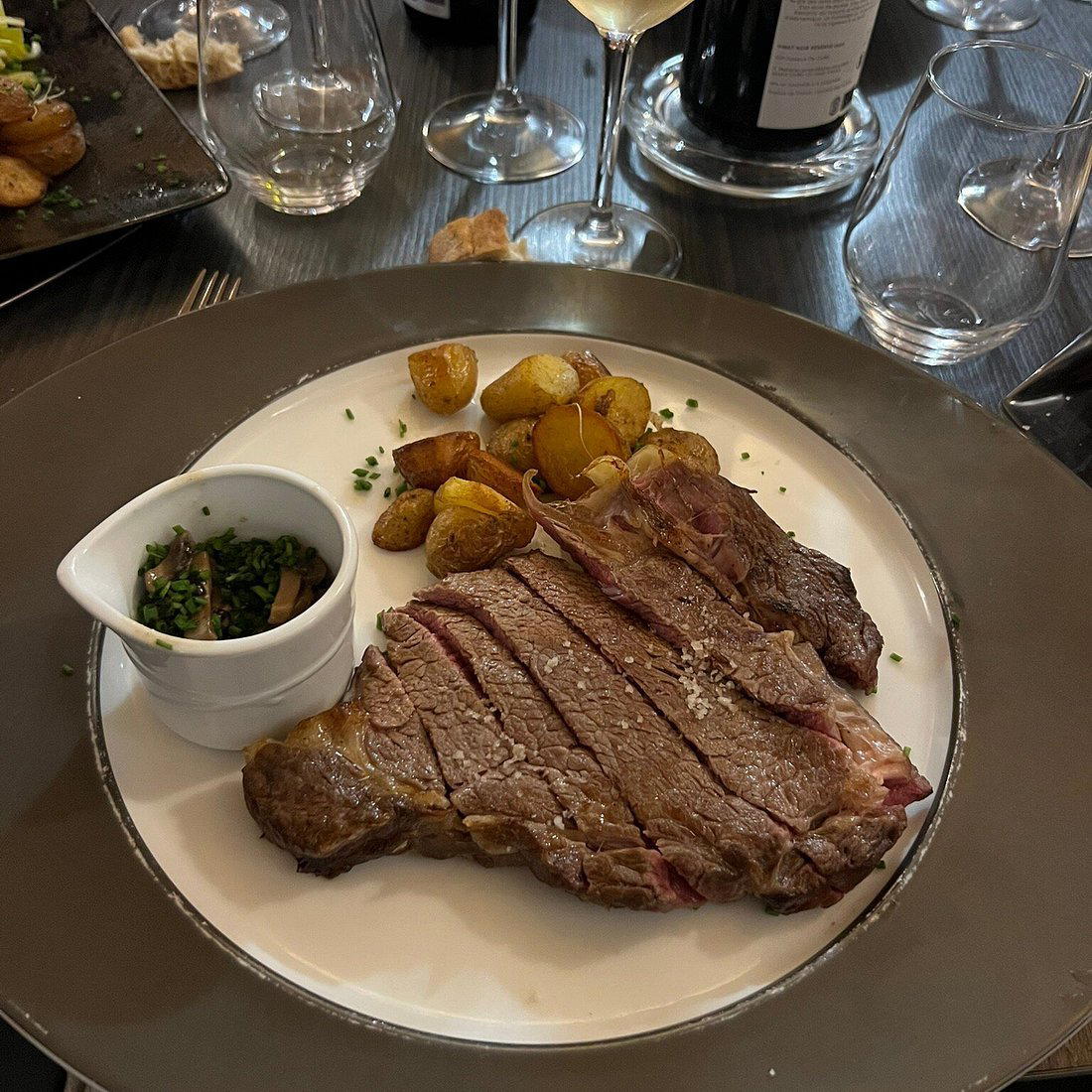
The menu
What to order
- Marbled Foie Gras with artichokes
- Lamb with Creamy Polenta
A Provincial Address, a Serious Kitchen
French fine dining has always had two geographies: the celebrated corridors of Paris, Lyon, and the Côte d'Azur, and then everywhere else. The "everywhere else" tier is where some of the most interesting cooking happens, precisely because it operates without the performative pressure of a high-visibility address. Saint-Dizier, a manufacturing town in the Haute-Marne department of Grand Est, belongs firmly to that second category. It is not a place that appears in the opening chapters of French gastronomic tourism guides. L'Archestrate, on Rue Emile Giros, is the kind of restaurant that exists because the local community expects serious food, not because food tourism has arrived to justify it.
The name itself carries a reference worth noting. L'Archestrate was also the name of Alain Senderens's celebrated Paris restaurant, closed in 2005 after three Michelin stars and a generation of influence on what French haute cuisine could be. Whether the Saint-Dizier address draws on that lineage deliberately or coincidentally, the reference places the name in a tradition of French culinary ambition that predates the current era of tasting menus and Instagram-driven reservation queues. Grand Est has its own strong lineage in that tradition: Auberge de l'Ill in Illhaeusern and Au Crocodile in Strasbourg represent the regional anchor points of that history, both operating in a register of classical French technique applied to local produce.
Where the Ingredients Begin
The Grand Est region sits at a productive intersection of French agricultural traditions. Haute-Marne, specifically, draws on the produce of the Champagne plains to the west, the forests and river valleys of the Meuse to the north, and the market garden traditions of Burgundy's northern edge to the south. A kitchen working seriously in this location has access to freshwater fish from the Marne watershed, game from the Argonne and Vosges forests during autumn and winter seasons, and the dairy traditions of a region that has never fully ceded its agricultural character to industrialisation.
This matters because the strongest tradition in provincial French cooking is not about technique for its own sake. It is about using technique to make the argument for place: that what grows or is raised within a reasonable radius is worth the attention of a serious kitchen. The restaurants that do this most persuasively, from Bras in Laguiole in the Aubrac plateau to La Marine in Noirmoutier-en-l'île on the Atlantic coast, have built their entire identity around the specificity of a single landscape's produce. The benchmark they set is useful when thinking about what a serious provincial kitchen in Haute-Marne could, at its finest, be doing.
Against that standard, the question for any kitchen in Saint-Dizier is how tightly it draws its sourcing radius, and how clearly that radius is legible on the plate. Freshwater traditions, forest forage, and seasonal game are the natural vocabulary here. A kitchen that works in that vocabulary honestly produces food that cannot be replicated in Paris or Lyon, which is the only real argument for provincial fine dining over simply taking the TGV south.
The Broader Context: France Beyond the Named Tables
French dining at the three-star level, the tier occupied by Mirazur in Menton, Alléno Paris au Pavillon Ledoyen in Paris, Flocons de Sel in Megève, and Troisgros - Le Bois sans Feuilles in Ouches, increasingly competes in a global rather than national frame. The addresses that draw international reservation traffic sit in that upper tier or in recognisably touristic cities. But France's dining depth has never been primarily about that tier. The country produces a consistent layer of serious cooking at the one and two-star level, and then a further layer below formal recognition, operating in provincial towns for a local clientele that takes food seriously without requiring a destination restaurant to justify the outing.
L'Archestrate sits in that provincial tradition. It is closer, in function and intent, to the regional serious tables that appear in French food guides and are discussed at length in regional newspapers but rarely make the international shortlists. Assiette Champenoise in Reims represents the kind of address that sits one step up in visibility from this tier, a regional anchor point with formal recognition in a city that does attract food tourists. Saint-Dizier is a smaller proposition.
For the travelling diner who approaches France the way a serious reader approaches literature, returning to the lesser-cited chapters rather than rereading the canonical ones, this kind of address is precisely what makes the country's food culture interesting. Our full Saint Dizier restaurants guide covers the broader picture of what the town offers across price points and formats.
Arriving and Planning
Saint-Dizier sits on the A26 motorway corridor between Reims and Langres, approximately 90 minutes east of Paris by car, with rail connections from Gare de l'Est placing it under two hours from the capital. The town itself is compact. L'Archestrate is on Rue Emile Giros, close to the town centre, and is reachable on foot from the main train station in under fifteen minutes. For visitors combining the stop with a broader Grand Est itinerary, Troyes is under an hour to the west, and the Champagne wine route begins effectively at Épernay, roughly 70 kilometres north. Planning the visit around the autumn or winter season makes sense given the regional produce calendar: game, root vegetables, and forest mushrooms are the strongest native ingredients of this part of France and tend to appear most fully on French provincial menus from September through February.
Specific booking details, pricing, and hours are best confirmed directly with the restaurant. Provincial French kitchens at this level often maintain service through a single telephone reservation system, and advance contact before visiting is advisable for anyone travelling specifically to eat here rather than passing through the region for other reasons.
Frequently asked questions
Is L'Archestrate good for families?
L'Archestrate is a formal French dining address in Saint-Dizier, positioned firmly at the serious end of the provincial fine-dining spectrum. That context suggests an environment calibrated for adult diners rather than young families. Guests with older children who can engage with a structured meal and a composed dining room should find it manageable, but it is not a venue designed around family-friendly flexibility.
What should I expect atmosphere-wise at L'Archestrate?
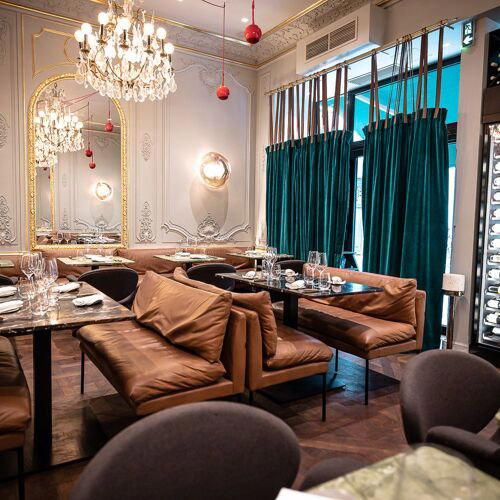
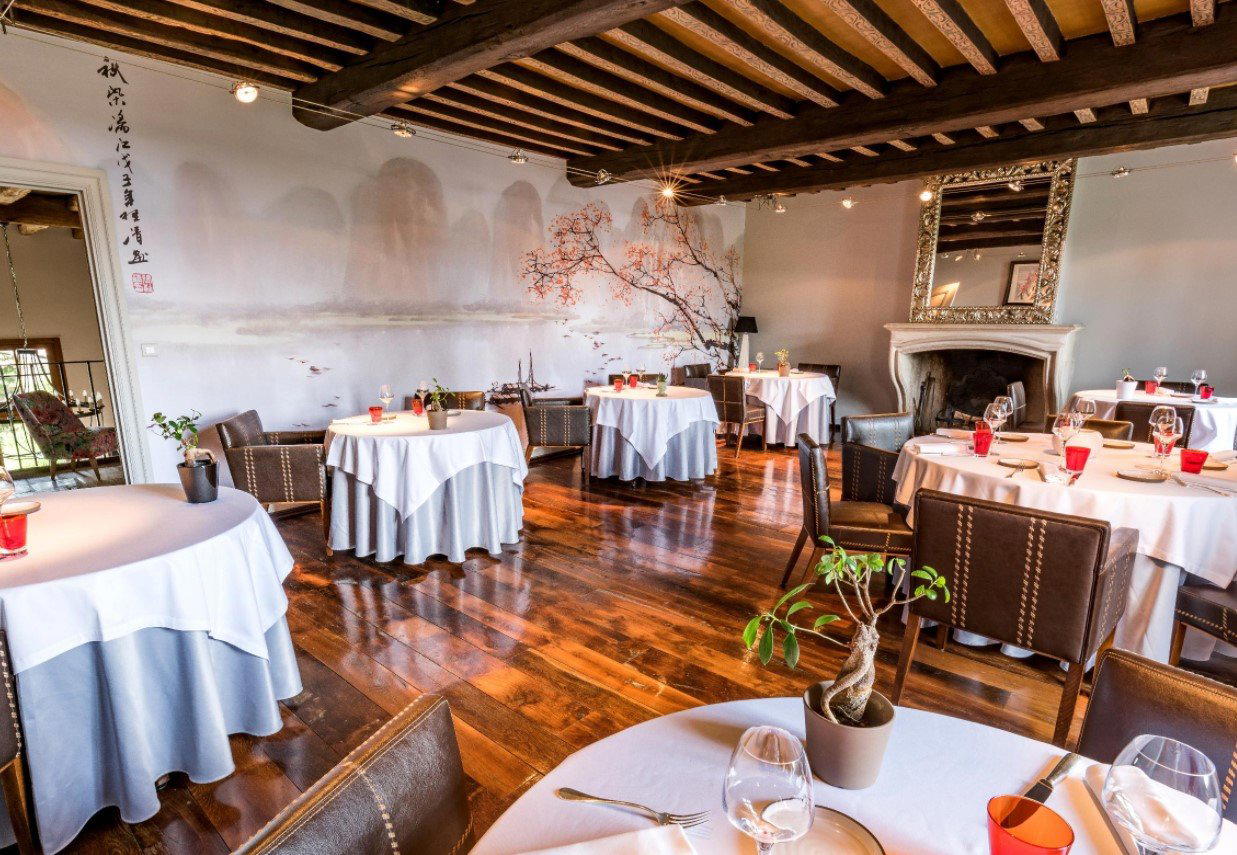
The address, 17 Rue Emile Giros, in the centre of Saint-Dizier, places L'Archestrate within a provincial French town rather than a metropolitan dining district, which shapes the experience considerably. Expect a composed, attentive room with the cadence of classical French service rather than the theatrical energy of a city destination. The pace here is deliberate, the tone quiet, and the focus falls on the food and the table rather than the room's spectacle.
How does L'Archestrate's location in Saint-Dizier compare to dining in larger French cities?
Saint-Dizier sits on the A26 corridor approximately 90 minutes east of Paris by car, placing L'Archestrate within reach of the capital without operating inside its competitive and heavily documented dining scene. Dining in a Haute-Marne town of this scale means the kitchen answers to a local agricultural supply chain and a regional clientele, not to the expectation cycles of Paris or Lyon. For visitors travelling from Reims or the Champagne corridor, L'Archestrate at 17 Rue Emile Giros offers a French fine-dining register that larger-city venues rarely sustain outside their own pressure cooker.
What's the must-try dish at L'Archestrate?
What the Haute-Marne setting does suggest is a kitchen working with the agricultural produce of the Grand Est region, which historically means freshwater fish, forest ingredients, and Champagne-adjacent dairy traditions. Arriving without a fixed agenda and following the chef's lead is the appropriate approach at a venue of this type.
Where is L'Archestrate in Saint Dizier?
L'Archestrate is located at 17 Rue Emile Giros, 52100 Saint-Dizier, France, Saint Dizier.
Should I book L'Archestrate in advance?
Reservations are advisable for any serious French provincial restaurant, and L'Archestrate in Saint-Dizier is no exception. Provincial fine-dining kitchens of this calibre typically operate with small covers and limited sittings, meaning availability closes faster than a casual visitor might expect.
What has L'Archestrate built its reputation on?
L'Archestrate occupies a position that is relatively uncommon in French fine dining: a serious kitchen operating outside the credentialled corridors of Paris, Lyon, or the Côte d'Azur. In Haute-Marne, that means a kitchen anchored in the agricultural traditions of the Grand Est region rather than the performance economics of a metropolitan dining market. The restaurant's standing in Saint-Dizier rests on the case that provincial rigour can hold its own against the named tables of larger cities.
At-a-Glance Comparison
Comparable venues nearby, for context on price, style, and recognition.
| Venue | Cuisine | Price | Notes |
|---|---|---|---|
| L'ArchestrateThis venue (the venue you are viewing) | French Bistronomic | $30–50 | Not listed |
| Le Signal 2108 | Bistronomic French with Regional Alpine Specialties | $30–50 | Signal Mountain |
| Le Continental | Seasonal French Brasserie | $30–50 | Centre Erlon-Ouest |
| Caveau du Grand Puits | Classic French Bistro with Franche-Comté Specialties | $30–50 | Vieux Vesoul |
| Les Marronniers d'Arc | Traditional French Seafood Bistro | $20–30 | Arc-sur-Tille |
| Le Petit Canard | Traditional French Duck Bistro | Not listed | 9th arrondissement |
Continue exploring
More in Saint Dizier

Details
- Cozy
- Elegant
- Classic
- Date Night
- Special Occasion
- Historic Building
- Extensive Wine List
- Local Sourcing
- A La Carte
Current opening hours
- Monday
- Closed
- Tuesday
- 12–1 PM, 7–9 PM
- Wednesday
- 12–1 PM, 7–9 PM
- Thursday
- 12–1:30 PM, 7–9 PM
- Friday
- 12–1:30 PM, 7–9 PM
- Saturday
- 12–1:30 PM, 7–9 PM
- Sunday
- Closed
Hours can change for holidays and private events. Hours as of .
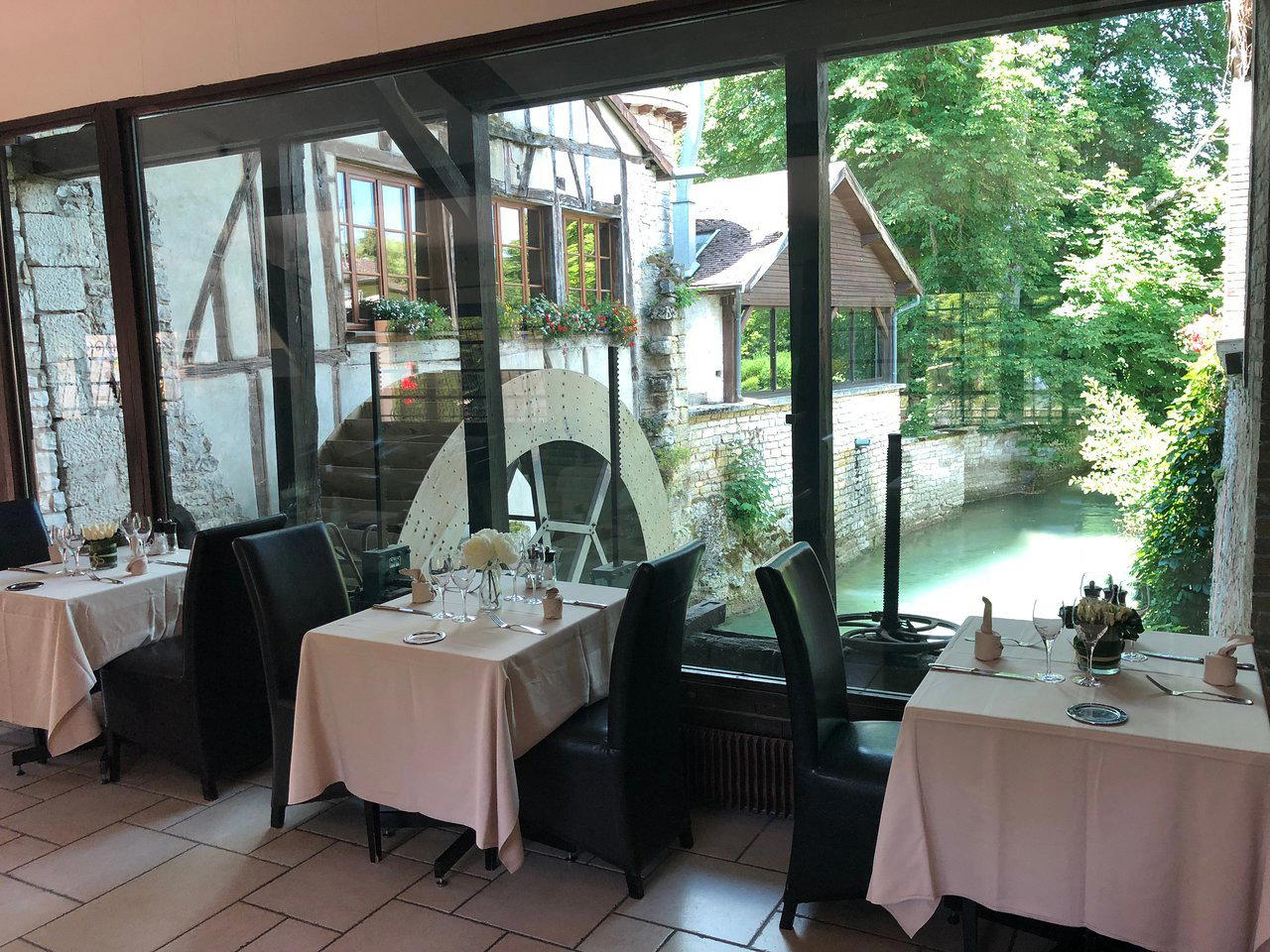
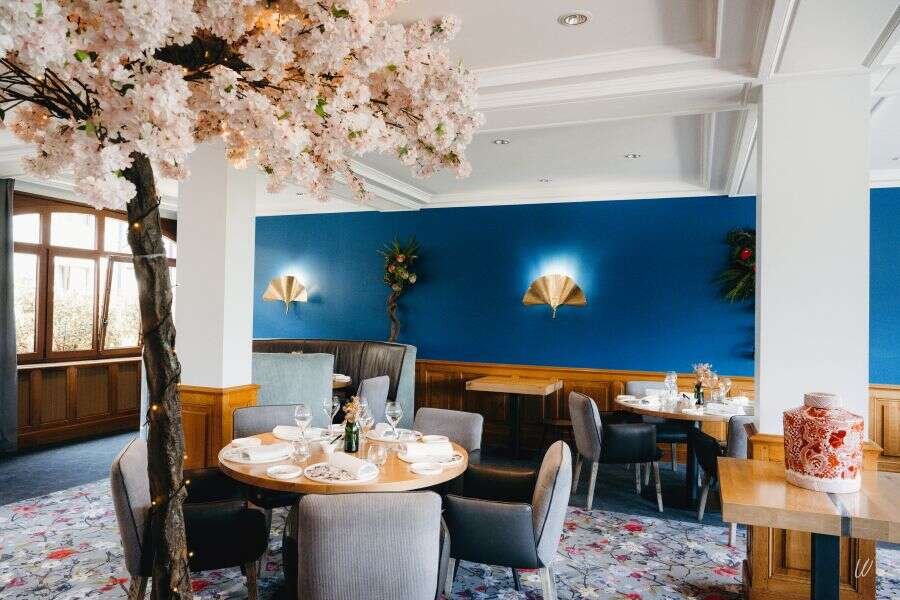
Welcoming refurbished dining room with cozy and elegant historic atmosphere.