Le Moulin du Landion
Our verdict
Le Moulin du Landion sits in the village of Dolancourt in the Aube, a corner of northeastern France where the Champagne region gives way to quieter countryside. The address places it inside a tradition of rural French auberge dining, where the sourcing logic is inseparable from the geography. For the Champagne-touring visitor willing to travel beyond Reims, it represents a different register of the region entirely.

Pearl is the En Primeur Club membership app, where members save venues, book tables and use the concierge.
The menu
What to order
- Cassolette d'andouillette de Troyes
- Filet de sandre au safran
A Mill in the Aube: What Dolancourt Tells You Before You Eat
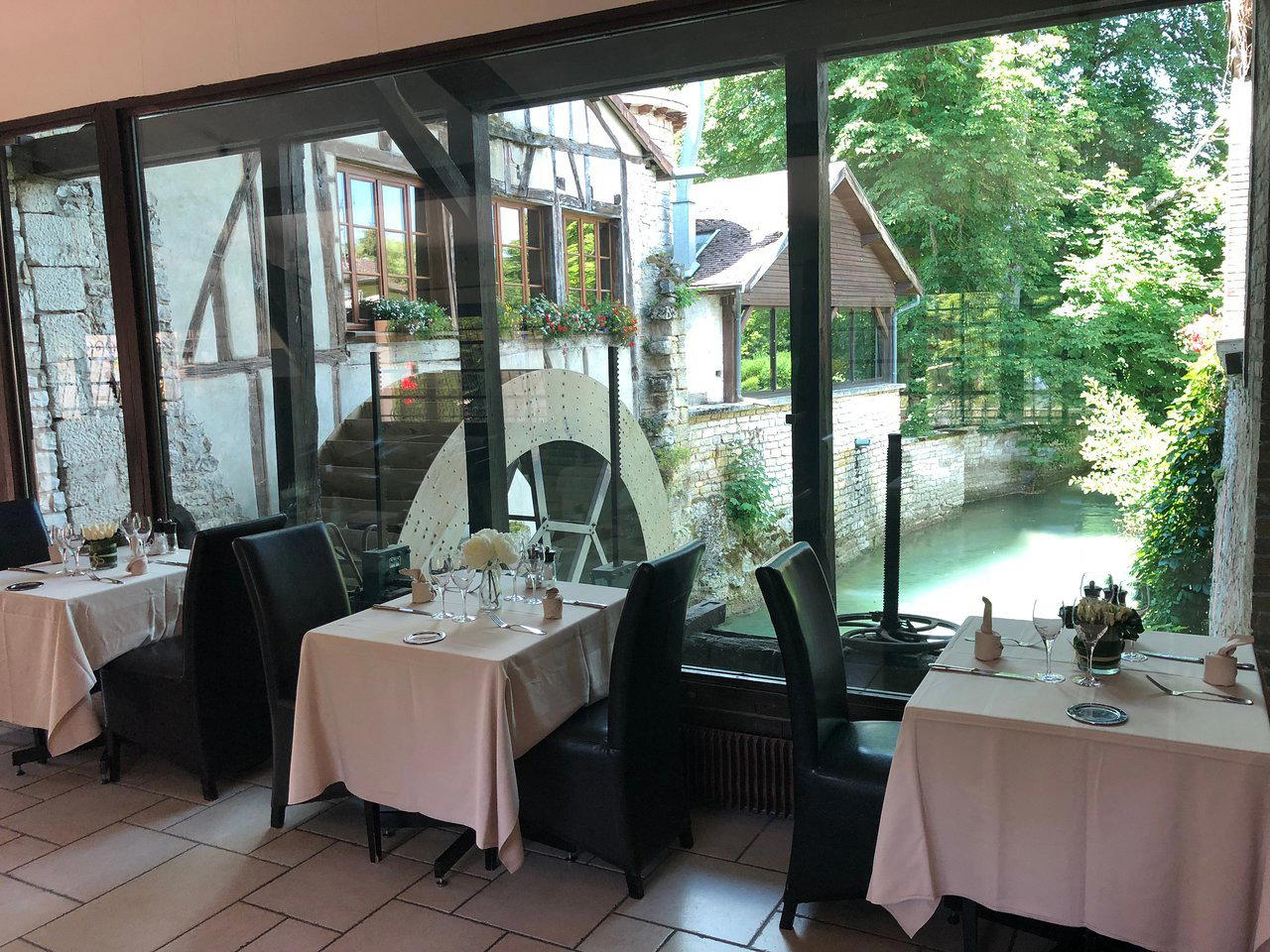
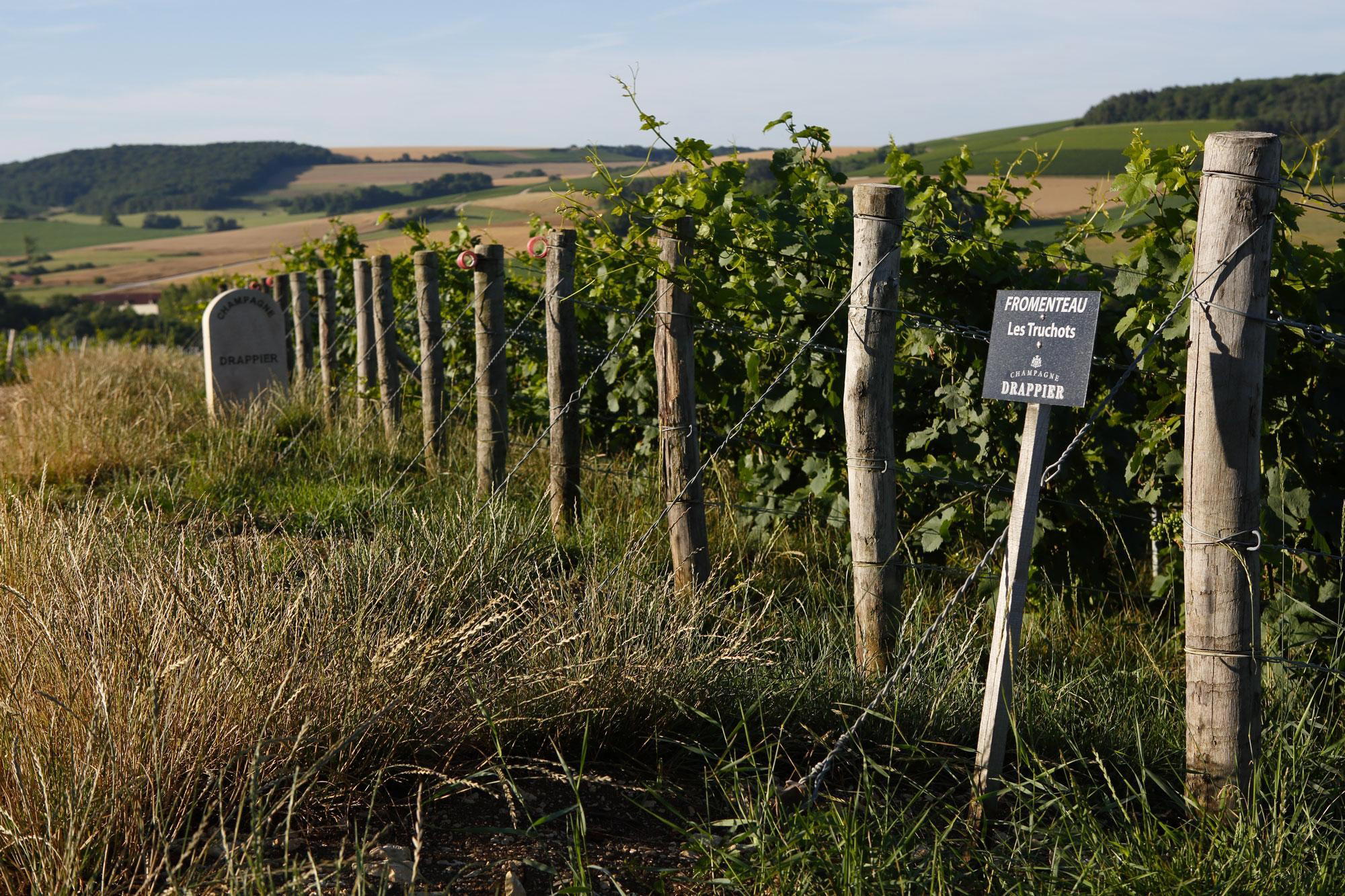
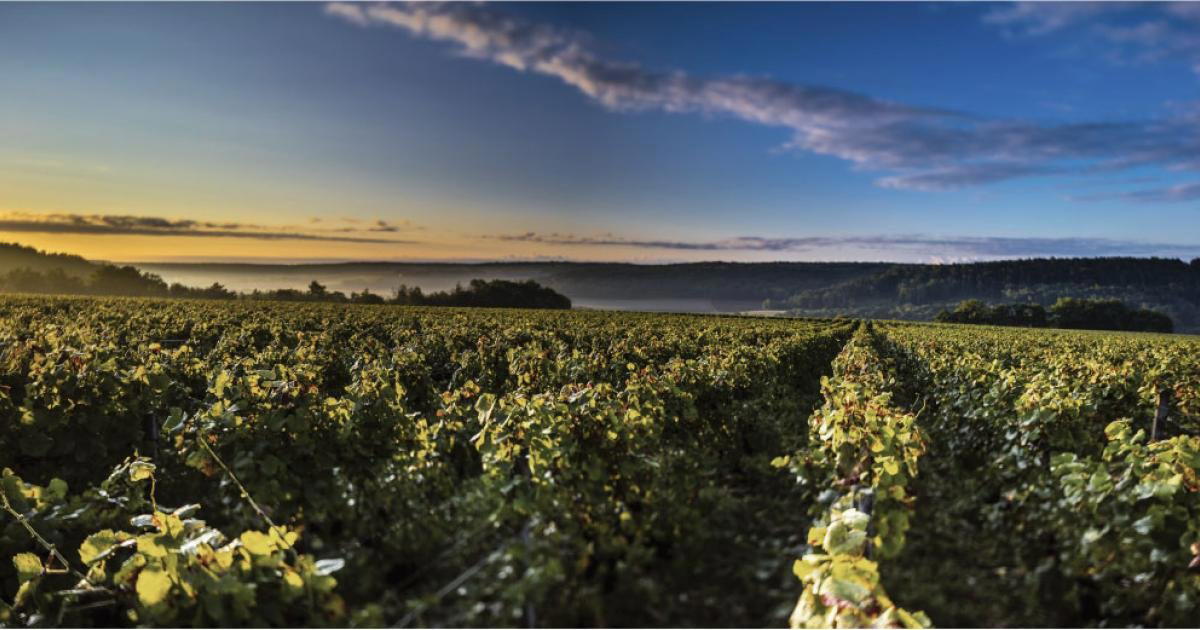
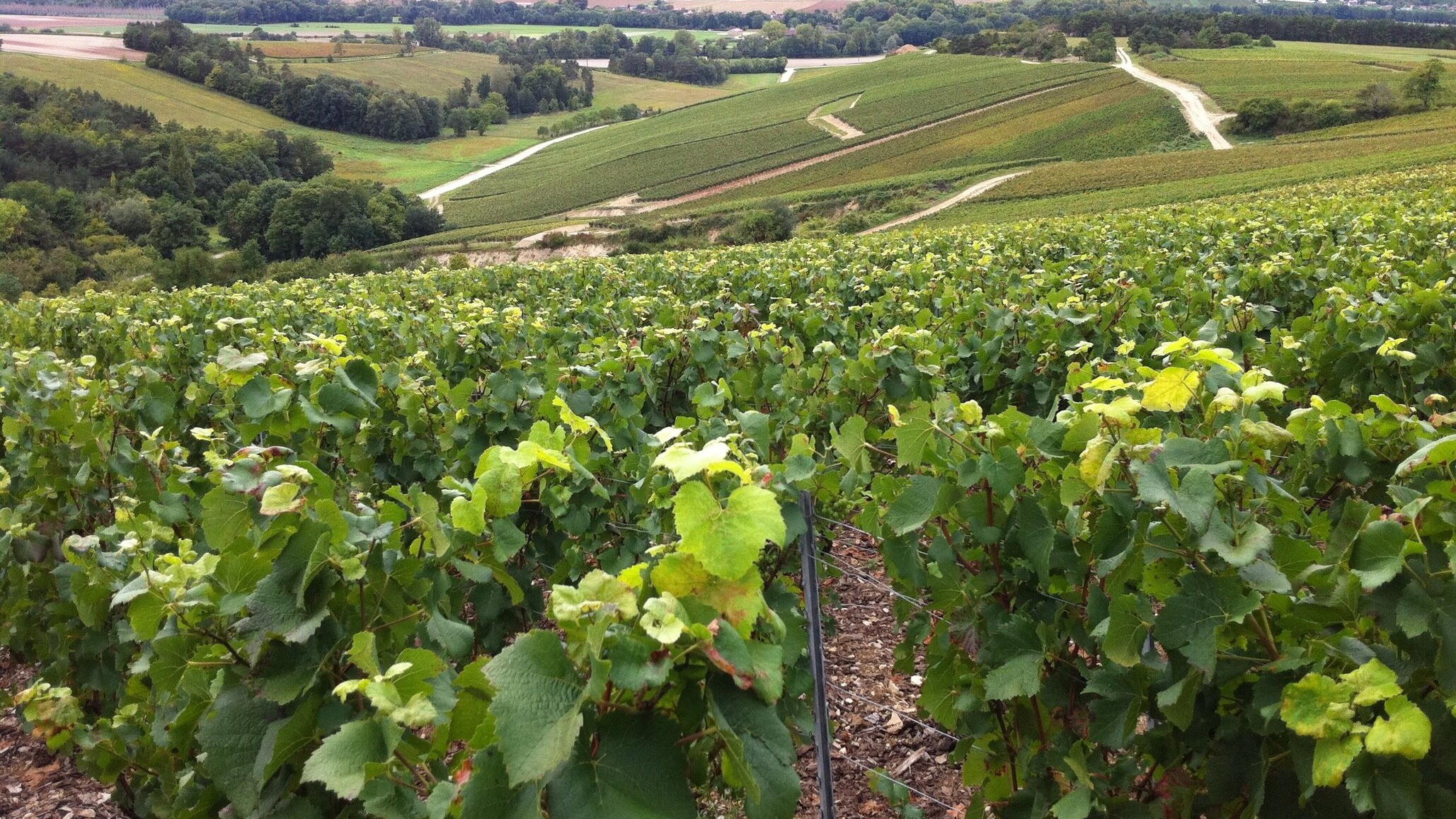
The approach to Dolancourt prepares you for the meal in ways a city restaurant cannot replicate. The Aube department sits at the southern edge of the Champagne appellation, where the grand cru villages give way to open farmland, river valleys, and the kind of small-scale agricultural infrastructure that once powered rural France. A working mill in this context is not decoration. It is a functional remnant of a food economy built around what the land produced at specific times of year, and the auberge tradition that grew alongside these structures was always an expression of that same localism.
Le Moulin du Landion, at 5 Rue Saint-Léger in Dolancourt, occupies exactly that kind of site. The architecture of a moulin, water, stone, the mechanics of grain, carries an implicit argument about ingredient sourcing long before any menu is presented. In the northeast of France, where agricultural identity runs through everything from the wheat fields of the Champagne plain to the orchards of the Aube valley, that argument is particularly well-grounded. Dining here belongs to a category of French rural restaurant experience defined less by formal tasting menus and more by what the immediate region produces in the current season.
The Sourcing Logic of the Champagne Hinterland
French fine dining has two broad operating models when it comes to ingredients. The first, typified by the grands restaurants of Paris and the Riviera, treats the whole of France and its import relationships as a larder: the leading turbot regardless of origin, foie gras from the southwest, truffles from the Périgord or Vaucluse. The second, more embedded in rural provincial cooking, treats the local catchment as both constraint and creative engine. Restaurants at the Auberge du Vieux Puits in Fontjoncouse level, or the way Bras in Laguiole has built an entire philosophy around the Aubrac plateau, demonstrate what the second model looks like at its most committed.
The Aube offers its own particular larder. The region produces Chaource cheese, Andouillette de Troyes, freshwater fish from the Seine headwaters and the Lac du Der-Chantecoq reservoir system, and a market-garden culture that persists in the villages around Troyes. An auberge at a mill site in Dolancourt sits at the intersection of all of this: grain heritage, river produce, and the seasonal rhythms of a part of France that remains agricultural in character rather than primarily touristic. The comparison with destination restaurants in more heavily visited rural France, such as Flocons de Sel in Megève or L'Oustau de Baumanière in Les Baux, is instructive: those properties operate in landscapes where the hospitality infrastructure is as developed as the culinary one. Dolancourt operates without that scaffolding, which tends to concentrate the experience around the food and the setting rather than the surrounding amenity economy.
Rural Auberge Dining and Where This Sits in the Broader French Canon
The auberge format occupies a specific and sometimes underestimated position in French dining. It predates the restaurant as a category, and its logic, accommodation, local sourcing, a menu shaped by what is available rather than what is fashionable, has periodically been rediscovered by the fine dining world as a counterpoint to urban tasting-menu culture. Properties like Auberge de l'Ill in Illhaeusern in Alsace demonstrate what the format achieves at the highest level of recognition, where three Michelin stars and a multigenerational family history coexist with a setting defined by riverbanks and kitchen gardens rather than city-centre theatre.
Le Moulin du Landion operates within that broader tradition. It does not carry the same national profile as the Haeberlin family's property, but the structural logic is related: a rural mill or inn setting, a catchment that is defined by proximity rather than prestige imports, and a guest experience shaped as much by the environment as by what arrives at the table. For travelers who have worked through the major addresses, from Paul Bocuse in Collonges-au-Mont-d'Or to Georges Blanc in Vonnas to Troisgros in Ouches, the auberge in a quieter corner of France represents a different tempo of the same tradition.
The Champagne touring circuit, which typically runs through Reims (see Assiette Champenoise for the region's most decorated dining address) and Épernay, rarely extends as far south as the Aube with real attention to the table. The Aube is Champagne's secondary arc, home to the Côte des Bar and a set of grower-producers who have grown considerably in profile over the past decade, yet the dining infrastructure that accompanies wine tourism in the Marne has not developed to the same degree in the Aube. A well-regarded auberge in Dolancourt functions in that gap: it serves a visitor arriving for the landscape and the wine and looking for a meal that reflects the same geography rather than retreating to generic brasserie cooking.
Planning a Visit to Dolancourt
Dolancourt sits roughly 35 kilometres southeast of Troyes, which remains the logical base for the area and offers rail access from Paris. The village is also adjacent to Nigloland, a family amusement park that draws regional visitors in summer and autumn, which means the surrounding roads and accommodations see more traffic than the village's scale would suggest. Anyone focused on a serious meal rather than a theme park visit is leading advised to plan accordingly, targeting mid-week or off-season dates when the area returns to its quieter agricultural character. For those building a wider northeastern France itinerary, Au Crocodile in Strasbourg sits within the same regional orbit, while the full range of Dolancourt dining options is covered in our city guide.
Frequently asked questions
Can I bring kids to Le Moulin du Landion?
Le Moulin du Landion is a rural auberge in Dolancourt, a village setting that tends to suit families more naturally than a formal city restaurant would. The mill property and surrounding Aube countryside give younger guests something tangible beyond the table.
Is Le Moulin du Landion formal or casual?
Auberges in the Aube tradition sit closer to relaxed regionality than Parisian formality, the format predates the rigid dress codes of the grands restaurants and has always been rooted in hospitality over ceremony. At Dolancourt specifically, the mill setting reinforces that register. Arrive neat but not ceremonial; the address is 5 Rue Saint-Léger, a working village rather than a luxury resort strip.
Is Le Moulin du Landion a good base for visiting Nigloland theme park in Dolancourt?
Nigloland, one of the larger theme parks in northeastern France, sits in Dolancourt and draws visitors from across the Champagne-Ardenne region, making Le Moulin du Landion a logical dining or overnight stop before or after a day at the park. The auberge's mill setting at 5 Rue Saint-Léger places it within the same small village footprint. This combination of rural accommodation and proximity to a major family attraction is relatively rare in the Aube department.
What should I eat at Le Moulin du Landion?
The Aube sits at the southern edge of the Champagne zone, and kitchens in this corridor typically draw on river fish, game, and produce from the surrounding plateau rather than importing ingredients for prestige. A mill location historically means proximity to grain-based traditions as well.
What's Le Moulin du Landion's location?
Le Moulin du Landion is located at 5 Rue Saint-Léger, 10200 Dolancourt, France, Dolancourt.
Should I book Le Moulin du Landion in advance?
Dolancourt is a small village with limited accommodation and dining options, which means Le Moulin du Landion absorbs a concentrated local demand, particularly on weekends and during summer months when visitors use Troyes, 35 kilometres to the northwest, as a regional base. Booking ahead is prudent, especially for Friday and Saturday evenings. No online reservation link is currently confirmed, so contacting the venue directly is the most reliable approach.
Comparable Spots, Quickly
Comparable venues nearby, for context on price, style, and recognition.
| Venue | Cuisine | Price | Notes |
|---|---|---|---|
| Le Moulin du LandionThis venue (the venue you are viewing) | Traditional French Regional | $30–50 | Not listed |
| Comptoir De Vie | Modern French Tasting Counter-Bar | $100–150 | 2nd Arrondissement |
| La Table de François | Contemporary French Gastronomique | $30–50 | Bouchon troyen (Old Town Troyes) |
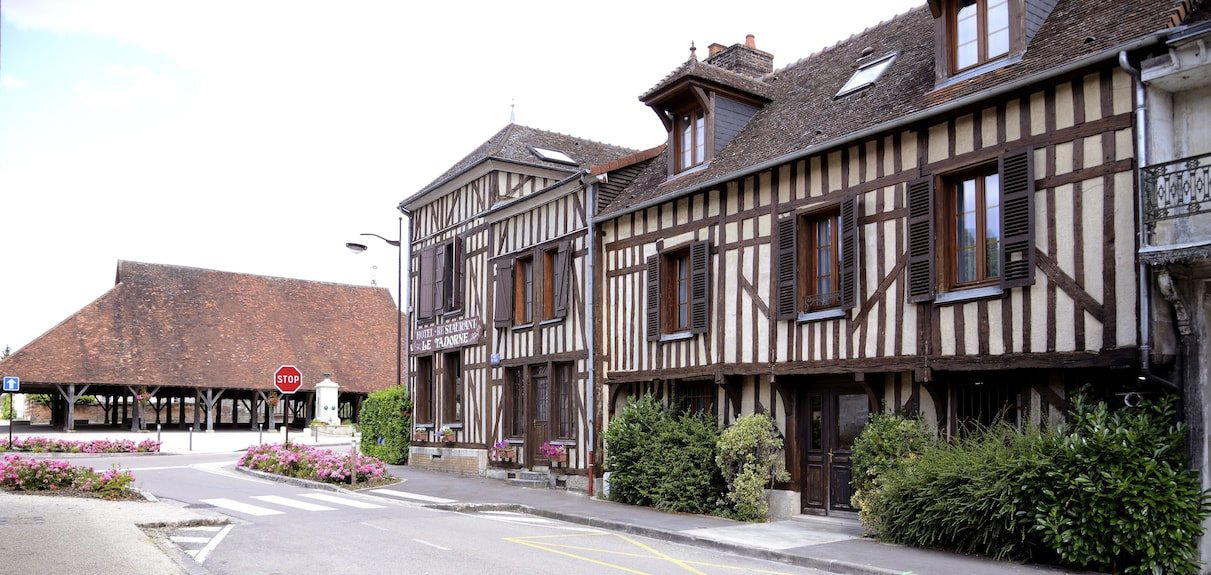
| Le Tadorne | Traditional French Bistro | Not listed | Piney |
| La Gare | Seasonal French Bistro | $30–50 | Le Mesnil-sur-Oger |
| La Cuisine au Vin | Traditional Burgundian Bistro with Chablis Pairings | $30–50 | Chablis |
Continue exploring
More in Dolancourt
Restaurants in Dolancourt
All restaurants in Dolancourt →
Hotels in Dolancourt
Browse all →
Details
- Romantic
- Rustic
- Cozy
- Scenic
- Elegant
- Date Night
- Family
- Special Occasion
- Historic Building
- Garden
- Terrace
- Extensive Wine List
- Local Sourcing
- Waterfront
- Garden
- A La Carte
- Vegetarian Friendly
- Gluten Free Options
Bucolic and relaxing atmosphere with glass-walled dining room featuring views of the old water wheel and gentle river sounds.