Le Complexe de Gevrey
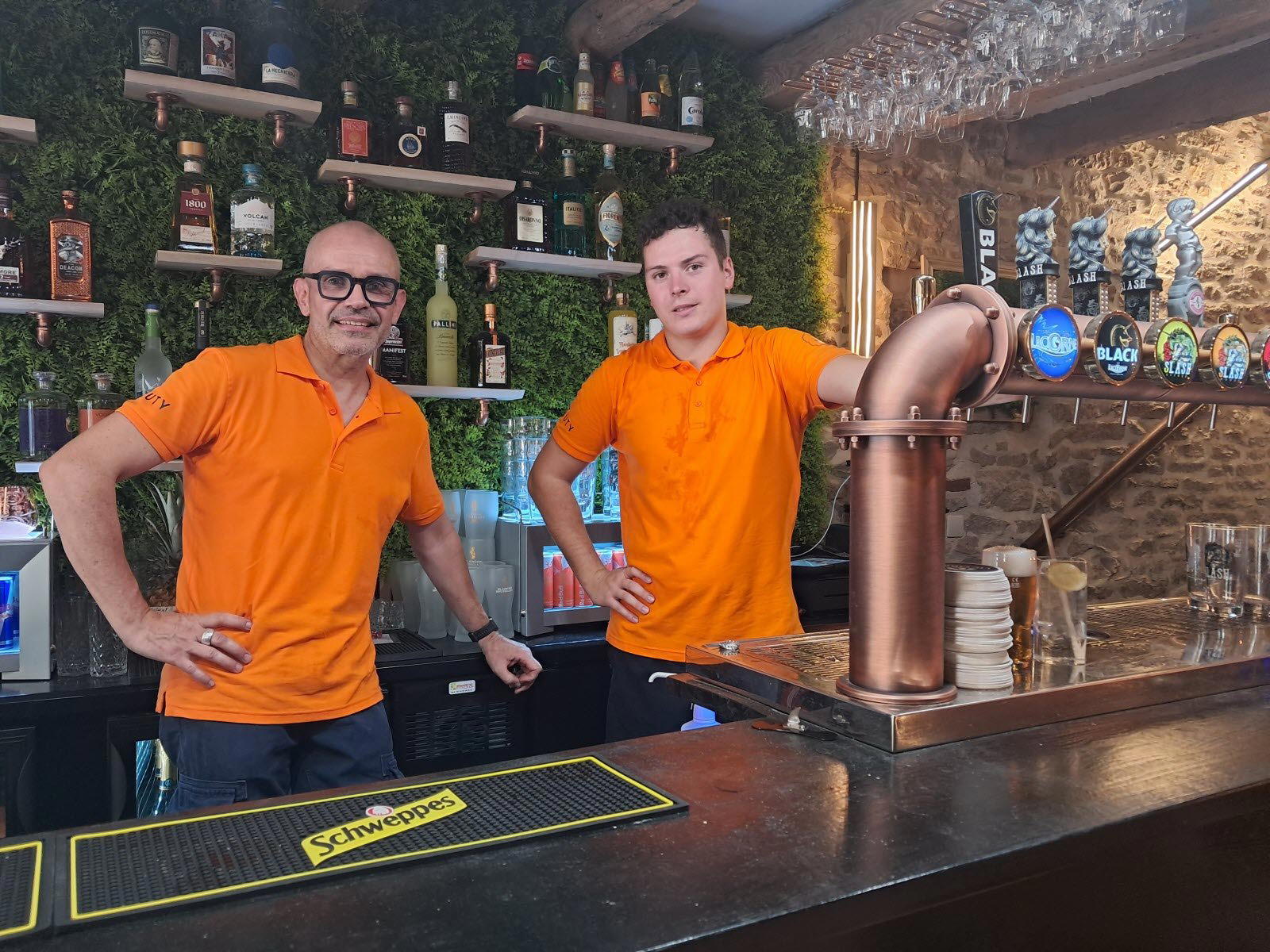
Le Complexe de Gevrey sits on the Champ Franc in Gevrey-Chambertin, the Burgundian village whose name is borrowed by some of the world's most allocated grand cru wines. As one of the dining addresses within this tightly concentrated appellation town, it occupies a scene defined less by restaurant density than by the gravitational pull of the surrounding vineyards and the visitors they attract.
Pearl is the En Primeur Club membership app — saves, bookings, and concierge access live there. Same editors, same standards.
- Address
- Chp Franc, 21220 Gevrey-Chambertin, France
- Phone
- +33380425659
- Website
- lecomplexedegevrey.com
- Directions
- Get directions
 Saves & bookings on Pearl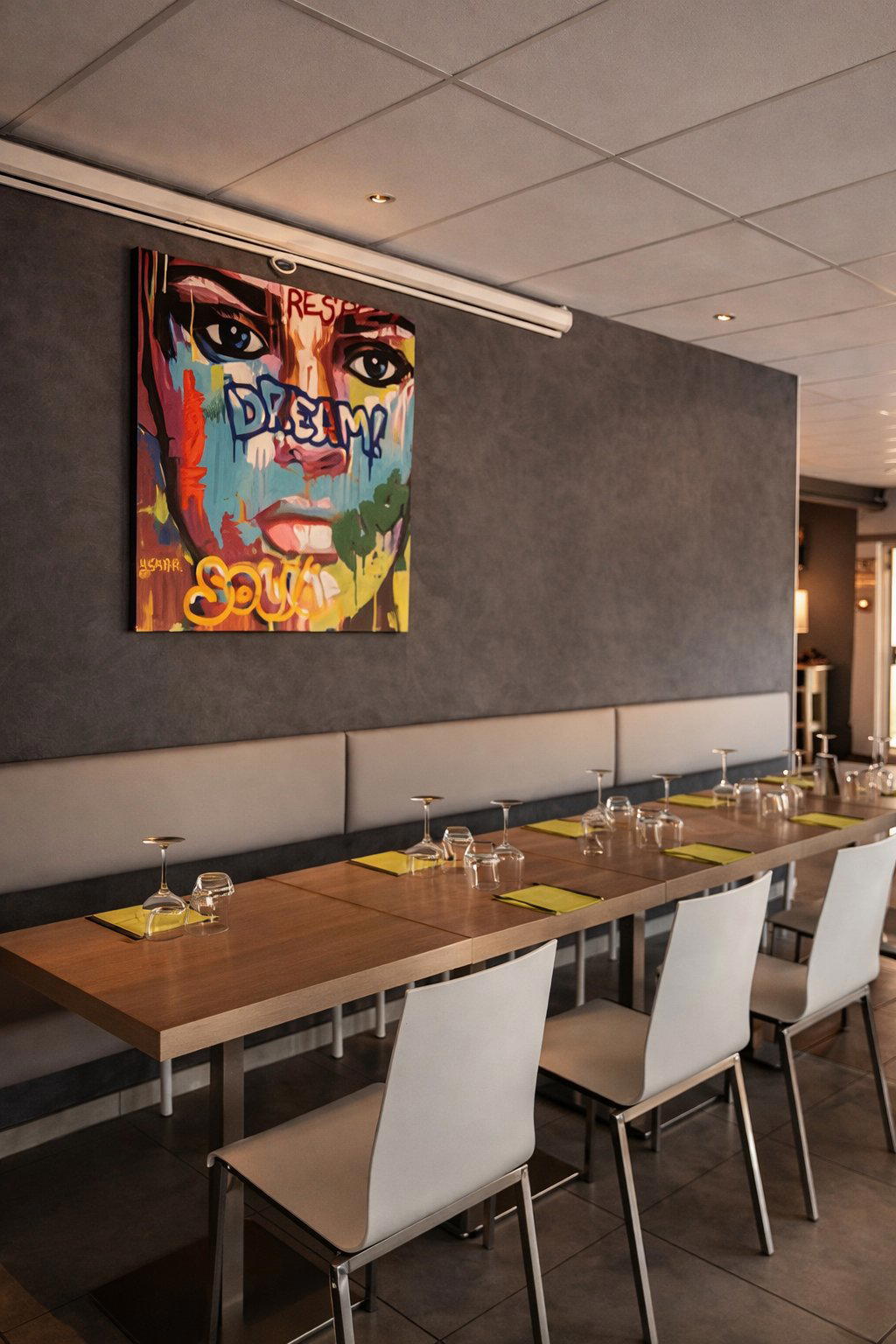
Dining in the Shadow of Grand Cru
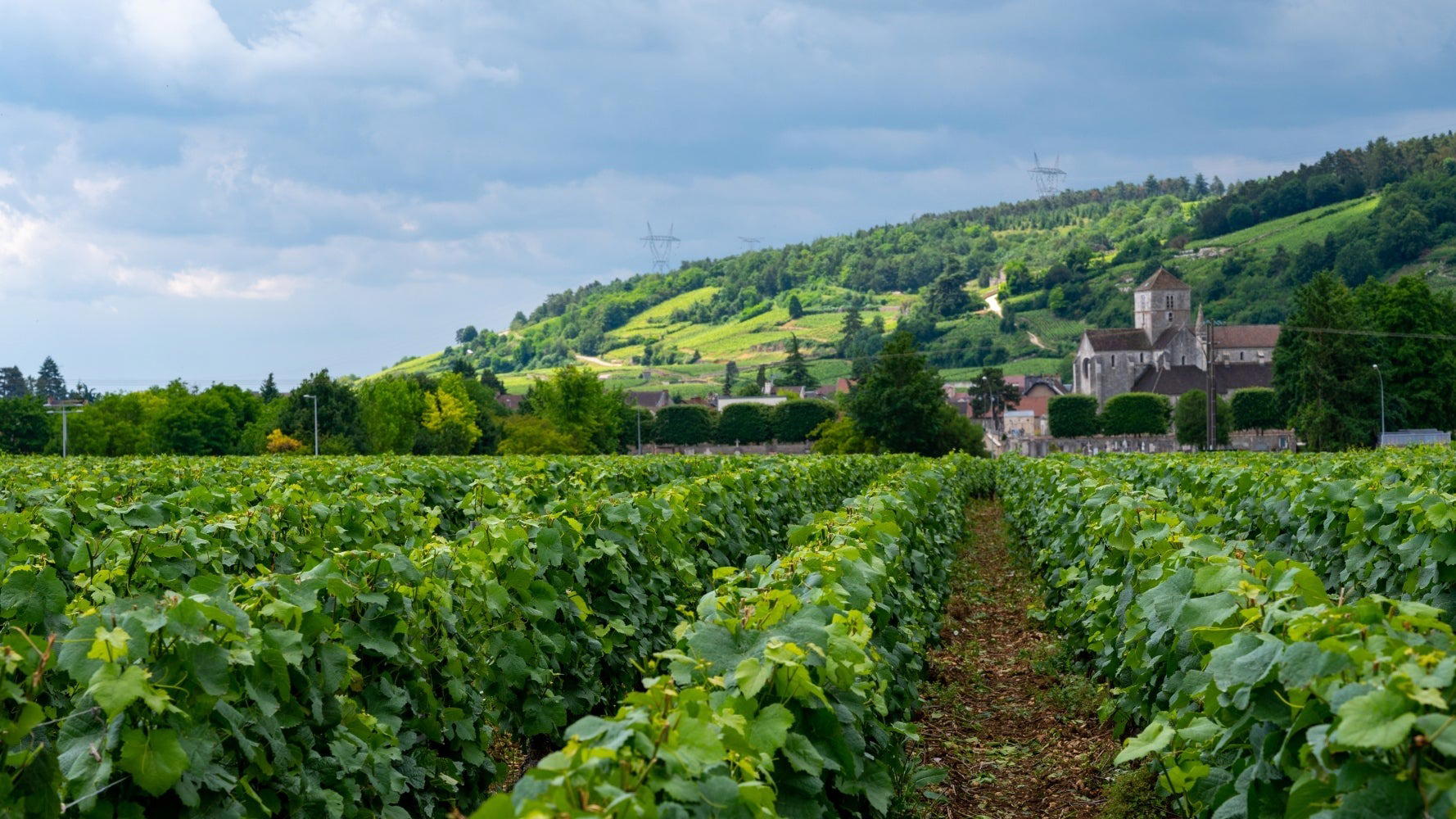
Gevrey-Chambertin is not a restaurant town in the way that Lyon or Strasbourg are restaurant towns. It is, first and always, a wine town, and the dining addresses that take root here do so within a cultural framework shaped almost entirely by the appellation that surrounds them. The village's roughly 3,000 inhabitants share their postcode with Chambertin, Clos de Bèze, Mazis-Chambertin, and a further cluster of grands crus that have commanded some of the highest prices per bottle in France for two centuries. Restaurants here are not the draw; they are the complement to the draw. That context shapes everything about how a visitor should think about eating in Gevrey-Chambertin, and about Le Complexe de Gevrey specifically.
Le Complexe de Gevrey sits on the Champ Franc, 21220 Gevrey-Chambertin, France, on the village's quieter edge, away from the cluster of tasting rooms and négociant houses that line the main route through town. The address places it at a slight remove from the more trafficked dining strip, which in a village of this size is a matter of a few minutes on foot rather than a meaningful journey. What that position does signal is a venue that draws its clientele from purpose rather than passing foot traffic, the kind of address you arrive at because you have sought it out, not because you stumbled past it.
The Burgundian Table and Its Expectations
Burgundian cuisine carries a specific cultural weight that differs from the gastronomy of, say, the Côte d'Azur or Alsace. It is a cuisine built on reduction, on patience, on the logic of the land rather than the logic of technique for its own sake. Boeuf bourguignon, oeufs en meurette, escargots in herb butter, coq au vin, these are not nostalgic relics but active reference points in how local kitchens position themselves against one another. The question a dining address in Gevrey-Chambertin must answer is not simply what it cooks, but how it frames that cooking in relation to the appellation's identity. Does it reinforce the wine-first narrative, offering the kind of food that steps aside for a Gevrey premier cru? Or does it seek to occupy a more independent culinary position?
Within Gevrey-Chambertin, the dining options span a range of registers. Bistrot Lucien (Traditional Cuisine) occupies the accessible, everyday end of the local market at a €€ price point, where the cooking is direct and the atmosphere corresponds. At the other end, La Table d'Hôtes - La Rôtisserie du Chambertin (Modern Cuisine) operates at a €€€€ level, bringing a more contemporary sensibility to what remains an essentially Burgundian menu logic. AU XVI and Les Griottes are further options within the village's contained dining circuit. Le Complexe de Gevrey sits within this comparable set, serving visitors and locals who have made the deliberate choice to eat in the appellation rather than drive north to Dijon or south toward Beaune.
Why Eat in the Appellation Rather Than the City
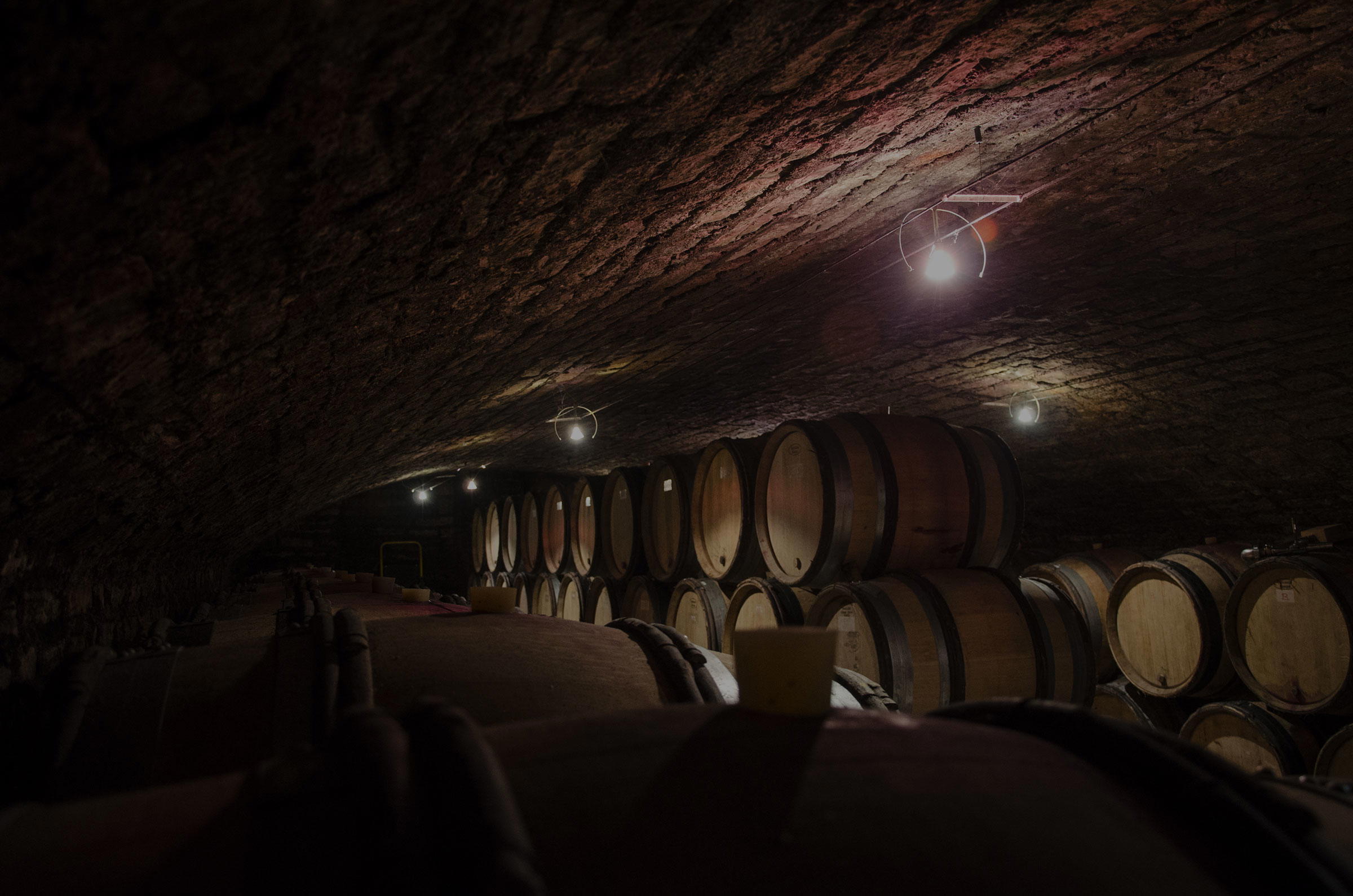
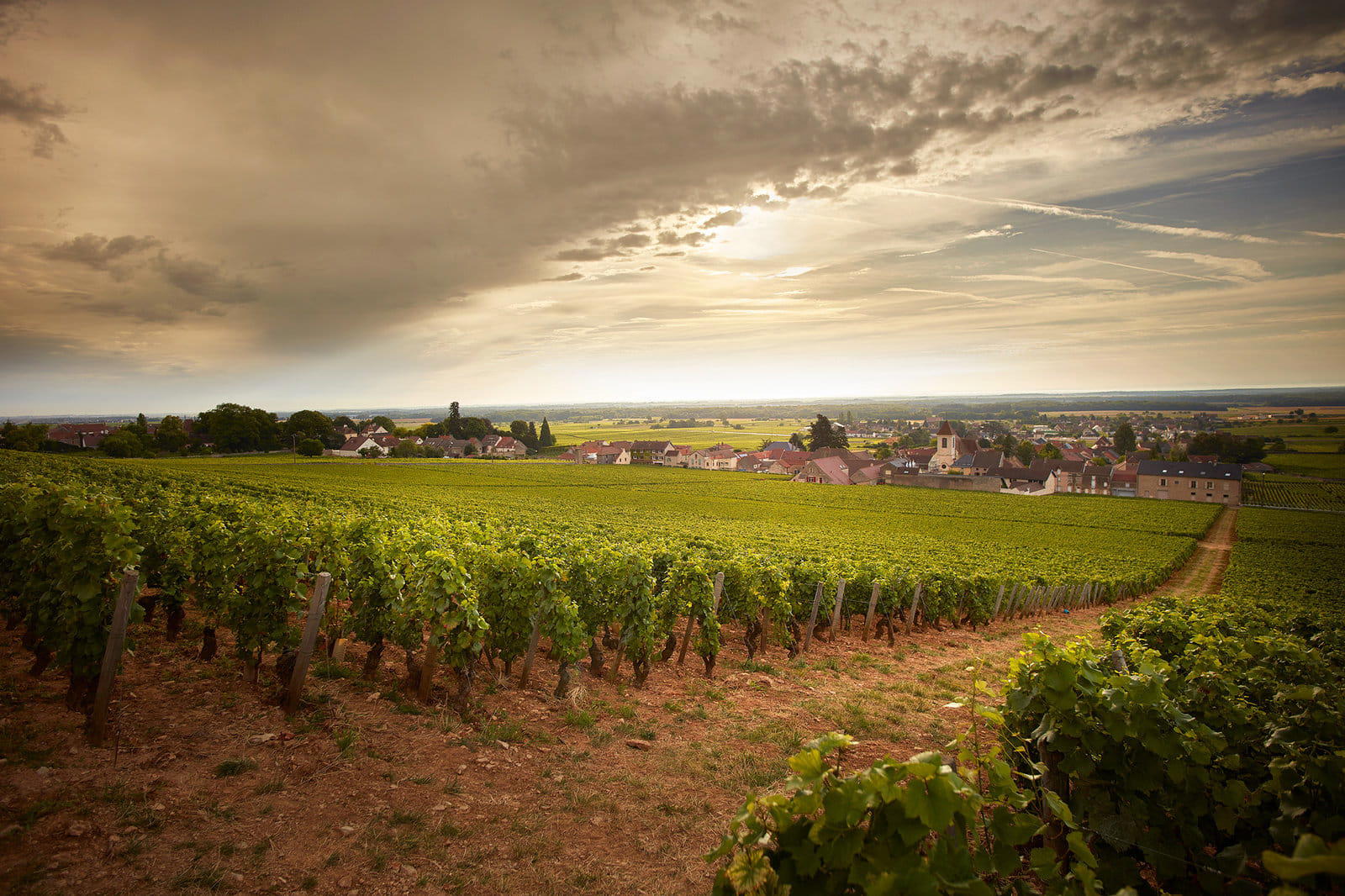
The case for eating in Gevrey-Chambertin rather than in Dijon, which sits roughly 15 kilometres to the north, is specific. Dijon carries its own gastronomic credentials, it is a city that has historically traded on mustard, gingerbread, and a civic pride in regional cuisine that stretches back centuries. But Dijon's restaurant scene operates within an urban logic that Gevrey's addresses do not. When you eat in the appellation, the surrounding vineyards function as part of the meal's context. The light over the Côte de Nuits at dusk, the proximity to cellars where wine is aging in barrels beneath the street, these are not marketing constructs but genuine environmental conditions that shape what it means to sit down to a meal here.
For those building a longer itinerary around French fine dining more broadly, Burgundy's leading tables represent a specific register. Venues like Troisgros - Le Bois sans Feuilles in Ouches or Flocons de Sel in Megève anchor different geographies and different price tiers. At the highest level of French gastronomy, places like Alléno Paris au Pavillon Ledoyen in Paris or Mirazur in Menton represent the country's most competitive fine dining tier. Paul Bocuse - L'Auberge du Pont de Collonges in Collonges-au-Mont-d'Or and Auberge de l'Ill in Illhaeusern point toward the deep institutional tradition within French regional cooking. Dining in Gevrey-Chambertin sits at a different coordinate on that map entirely, more intimate, more local, more directly tied to a single appellation's identity than any of those larger-stage venues.
Further afield, addresses like Bras in Laguiole, AM par Alexandre Mazzia in Marseille, Assiette Champenoise in Reims, Au Crocodile in Strasbourg, and Auberge du Vieux Puits in Fontjoncouse illustrate how French regional cooking fractures into distinct traditions by geography. Burgundy's expression of that tradition is rooted in wine-forward hospitality, earthy richness, and an almost deliberate resistance to the kind of performance-cooking that dominates urban tasting-menu culture. For readers coming from international markets where French cooking means high-concept tasting menus, think Le Bernardin in New York City or Atomix in New York City, eating in the Côte de Nuits is a recalibration toward place over technique.
Planning a Visit to Gevrey-Chambertin
Gevrey-Chambertin is most naturally visited between spring and autumn, when the harvest cycle gives the village an additional layer of activity through September and October. Access by road from Dijon takes roughly 20 minutes; the village also sits on the wine-route cycling infrastructure that connects the Côte de Nuits appellations south toward Nuits-Saint-Georges and Beaune. For those combining a dining visit with cellar appointments, the village's compact geography means that walking between tasting rooms and restaurants is direct. Given the limited density of dining options in the village, it is prudent to confirm availability in advance for any address you plan to visit, particularly during harvest season or on summer weekends when wine tourism concentrates.
Price and Positioning
Comparable venues nearby, for context on price, style, and recognition.
| Venue | Cuisine | Price | Awards | Notes |
|---|---|---|---|---|
| Le Complexe de GevreyThis venue — the venue you are viewing | Not listed | $$ | Not listed | Not listed |
| Les Griottes | Gevrey-Chambertin, Burgundian Bistronomy | $$$ | Not listed | Not listed |
| AU XVI | Not listed | $$$$ | Not listed | Gevrey-Chambertin, Modern French Bistronomy |
| Bistrot Lucien | Gevrey-Chambertin, Classic French Bistro | $$$ | Bib Gourmand | Not listed |
| La Table d'Hôtes - La Rôtisserie du Chambertin | Not listed | $$$$ | Michelin 1 Star | Gevrey-Chambertin, Modern French Fine Dining |
| La Romanée | vieux Dole, Traditional Regional French | $$ | Not listed | Not listed |
Continue exploring
More in Gevrey-Chambertin
Restaurants in Gevrey-Chambertin
Browse all →
Bars in Gevrey-Chambertin
Browse all →
Hotels in Gevrey-Chambertin
Browse all →
At a Glance
- Rustic
- Cozy
- Modern
- Casual Hangout
- Standalone
- Vineyard
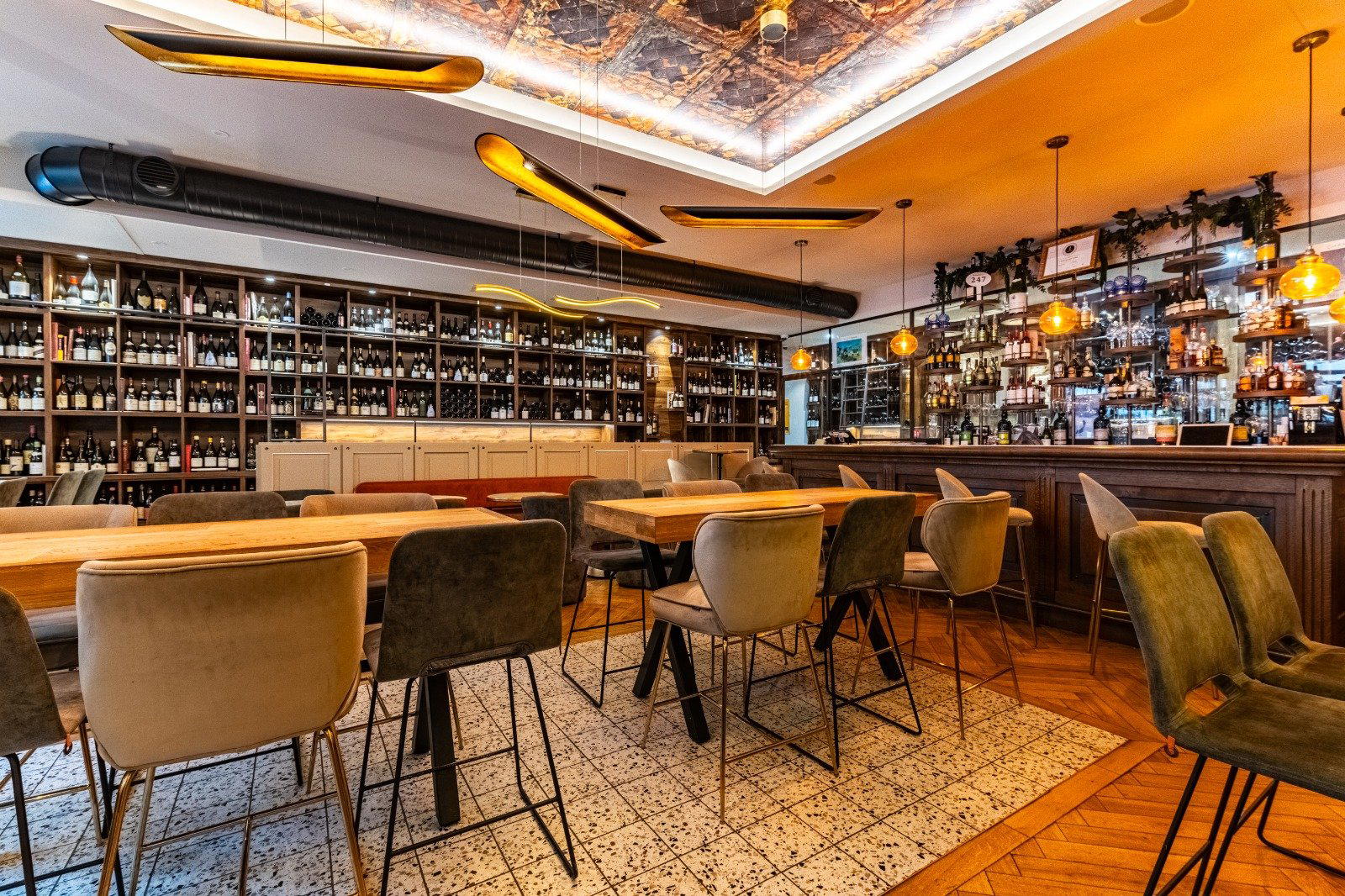
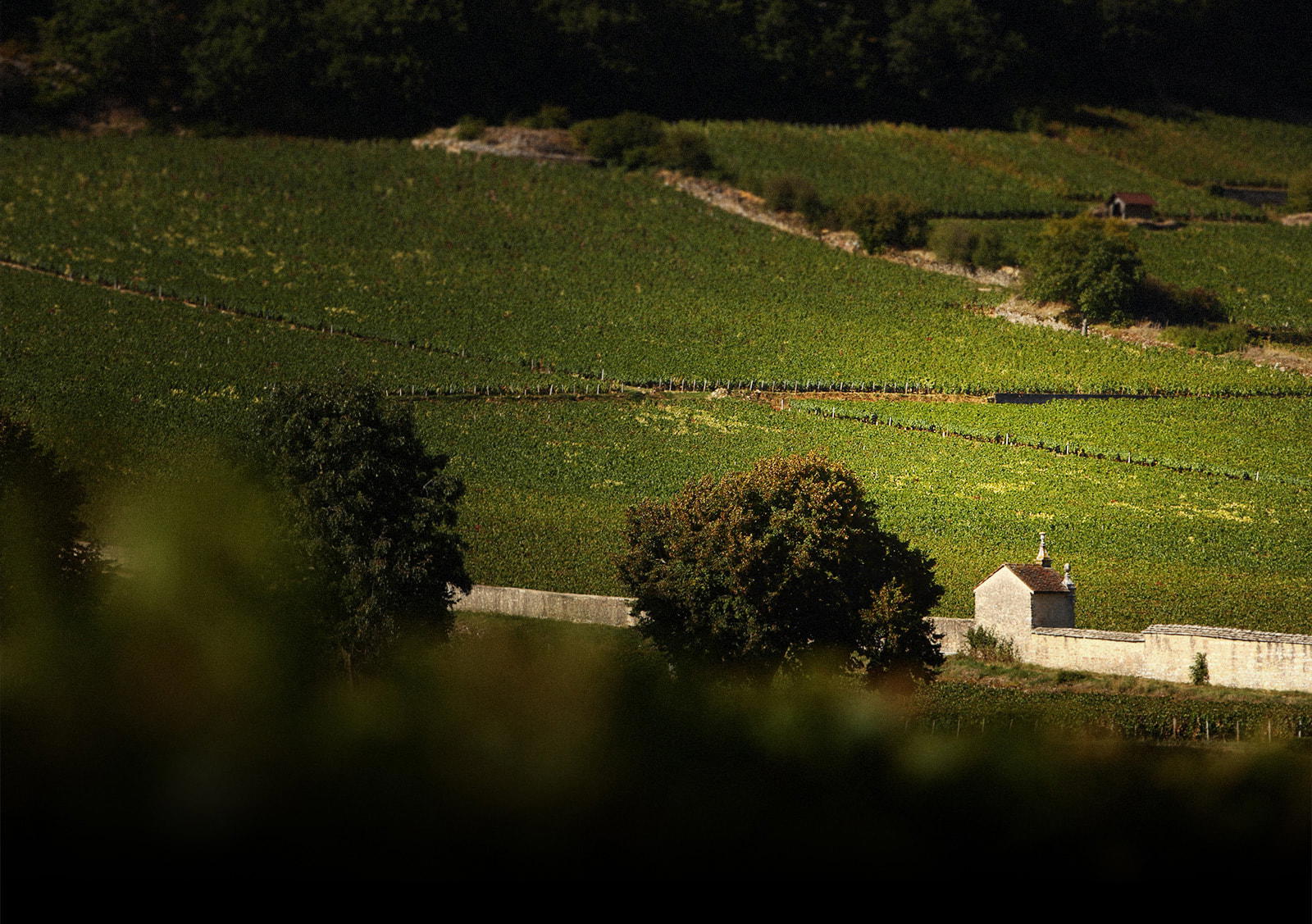
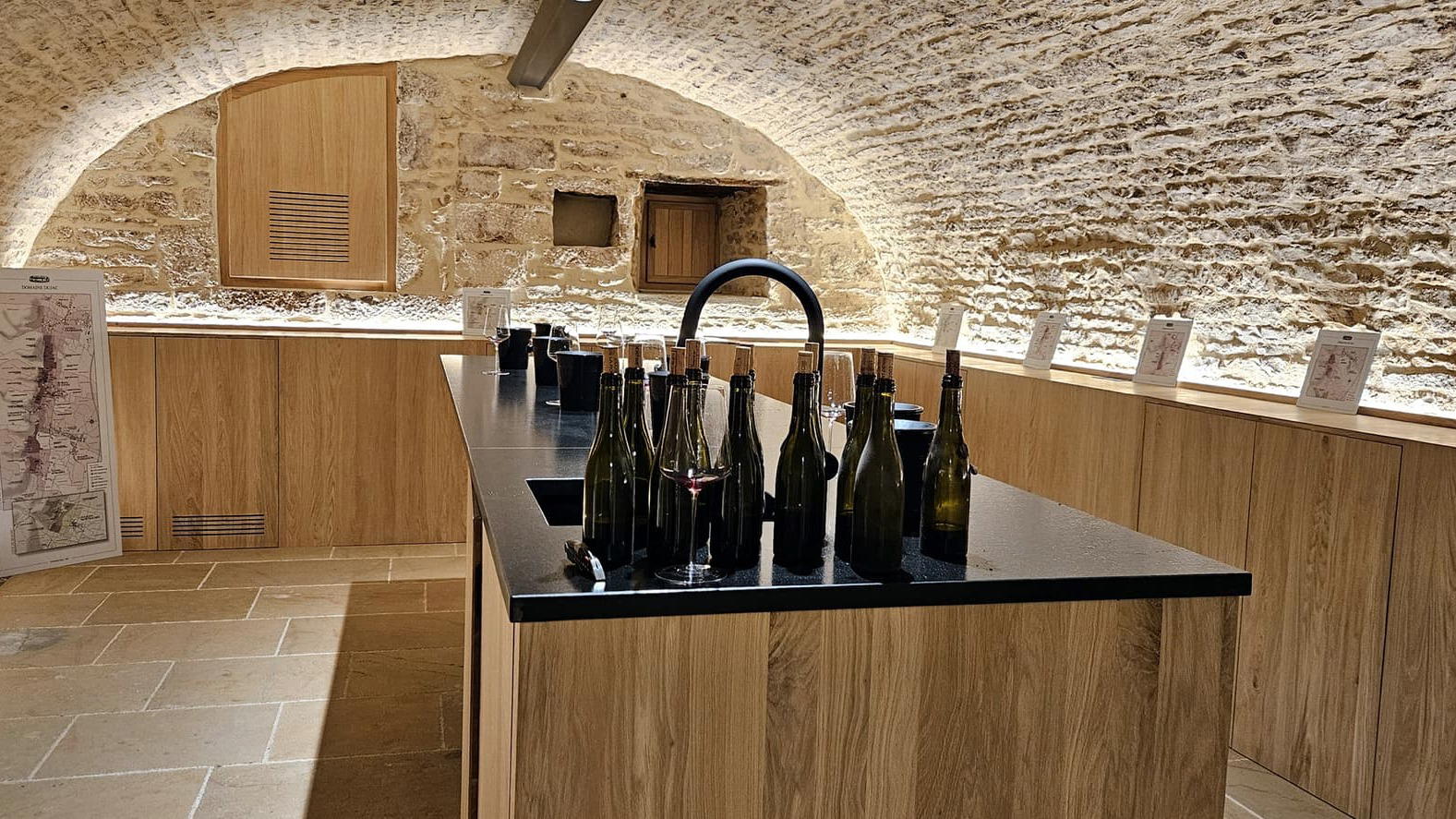
Contemporary setting with minimalist furniture in a sports complex, providing a casual and functional atmosphere amid the vineyards.